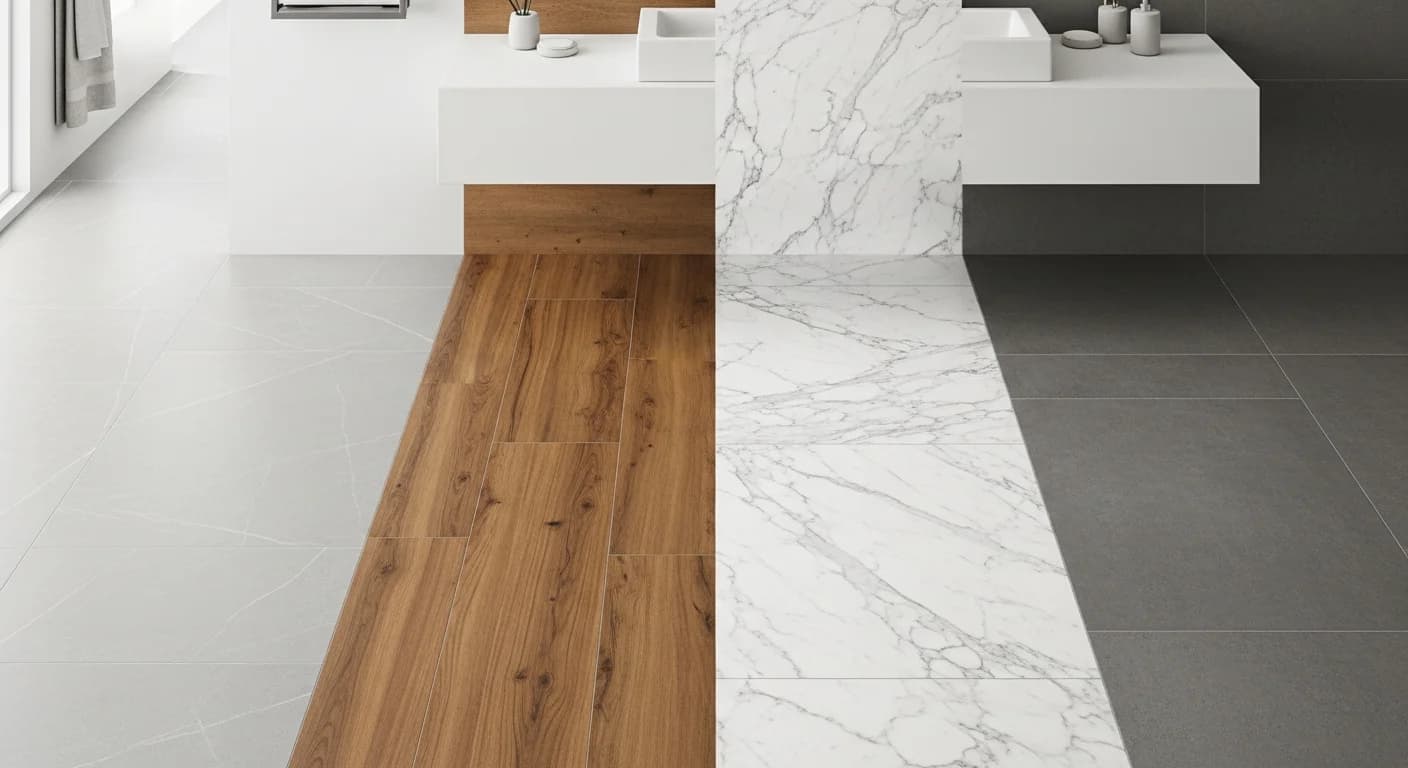
Composite vs Wood Decking: Making the Right Choice
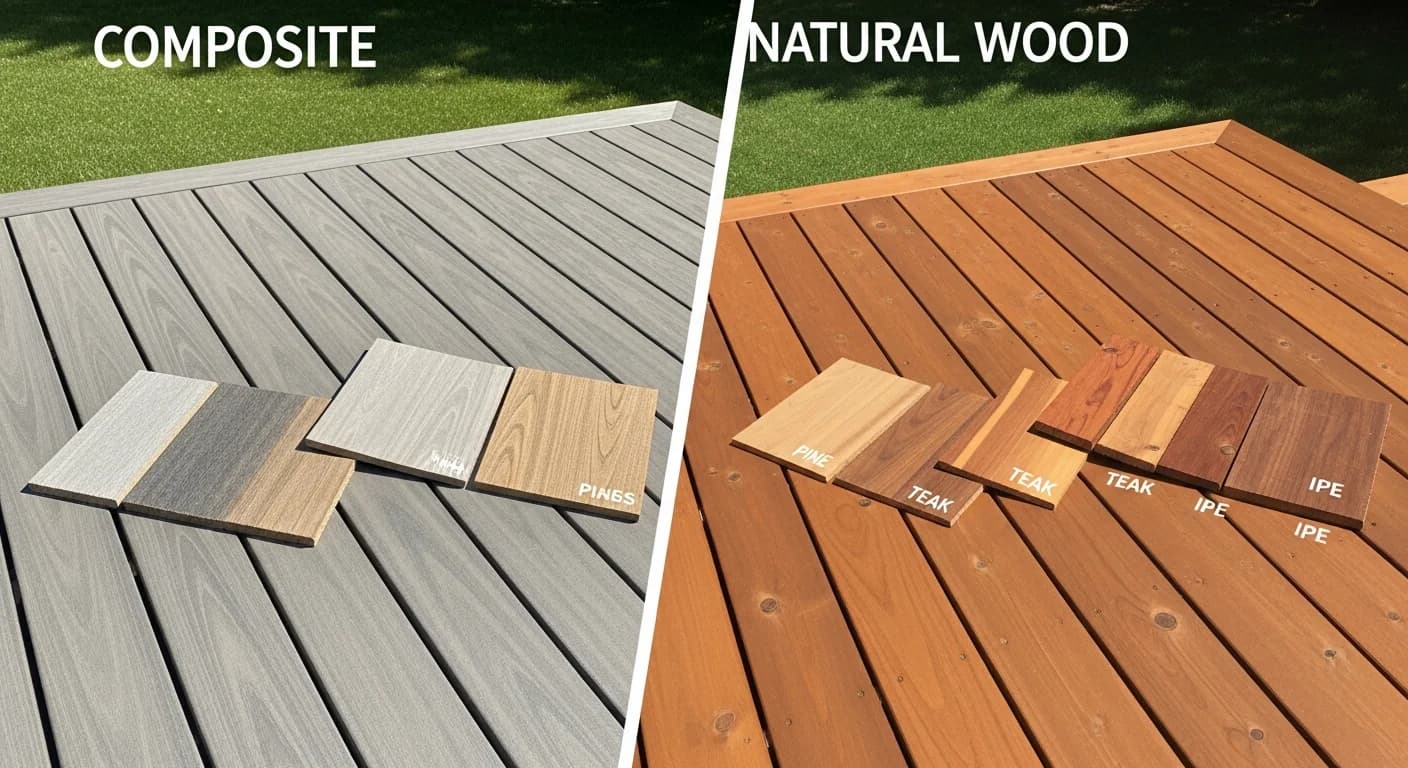
Choosing decking material represents one of the most significant decisions in deck building or renovation. Wood and composite each offer distinct advantages, and the right choice depends on your priorities—budget, maintenance tolerance, aesthetic preferences, and long-term plans. Understanding both options helps you make confident decisions.
Understanding Wood Decking
Natural wood remains a classic decking choice with proven appeal.
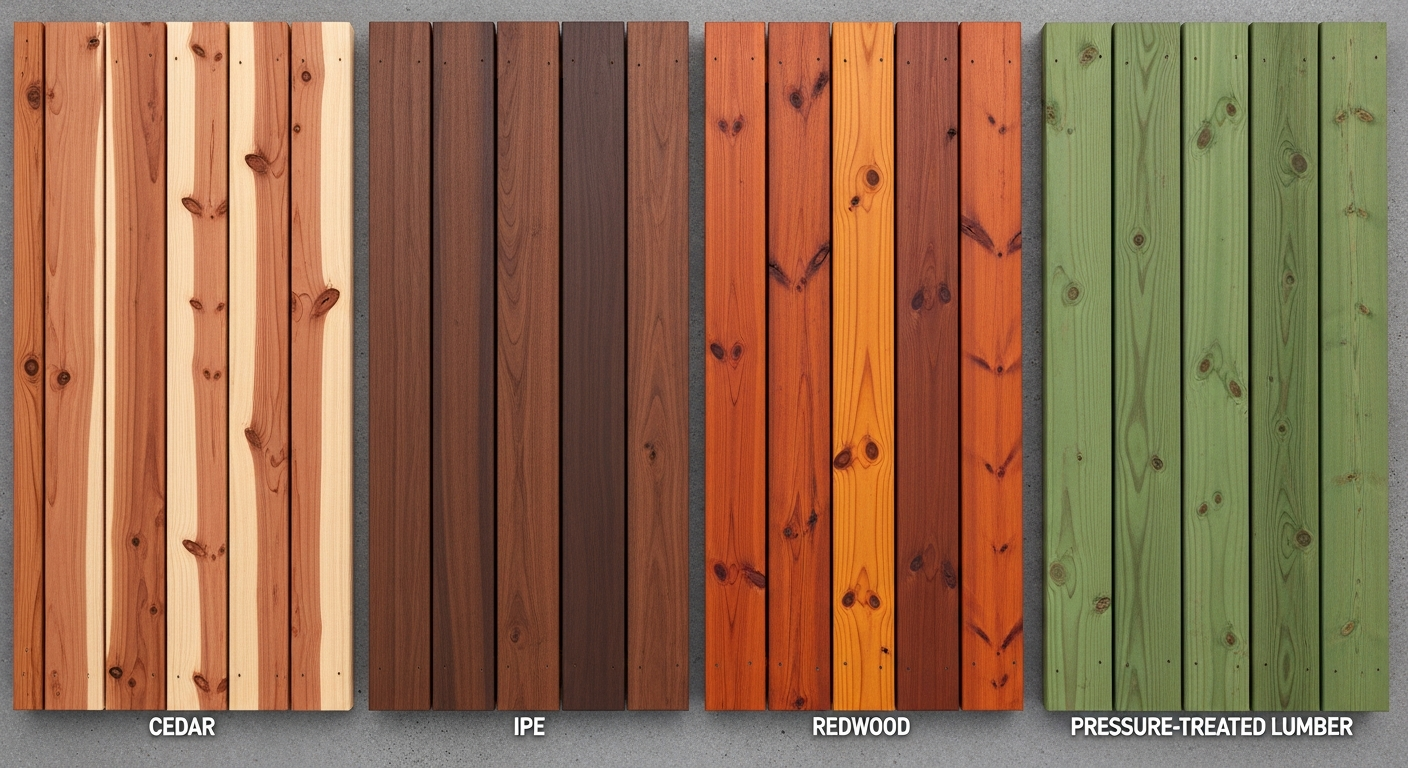
Pressure-treated lumber: The most affordable option, pressure-treated pine or fir resists rot and insects through chemical treatment. Requires regular staining and sealing.
Cedar and redwood: Naturally rot-resistant softwoods with beautiful color and grain. Higher cost than treated lumber but enhanced natural beauty.
Tropical hardwoods: Ipe, cumaru, tigerwood, and mahogany offer exceptional density, durability, and distinctive appearance. Premium prices reflect superior performance.
Natural characteristics: Wood provides authentic texture, warmth, and the ability to sand, refinish, and change colors over time.
Renewable resource: Wood is biodegradable and renewable. Sustainably harvested options address environmental concerns.
Understanding Composite Decking
Composite decking combines wood fibers with plastic polymers.
Material composition: Most composites blend wood flour or fibers with polyethylene or polypropylene plastics. Binding agents and pigments complete the formula.
Capped composites: Premium composites include protective polymer shells surrounding the core. Capping dramatically improves stain resistance and durability.
PVC decking: Some "composites" contain no wood—entirely cellular PVC. Maximum moisture resistance but different feel than wood-containing products.
Manufacturing advances: Modern composites increasingly mimic wood grain, color variation, and texture. Early composites looked artificial; current products are remarkably realistic.
Brand variations: Significant quality differences exist between brands and price points. Trex, TimberTech, and Fiberon lead the market with extensive product lines.
Cost Comparison
Understanding true costs requires looking beyond initial purchase price.
Upfront material costs: Pressure-treated lumber costs $2-4 per linear foot. Cedar runs $4-8. Composites range from $4-12 depending on quality. Premium hardwoods exceed $10.
Installation costs: Labor costs are similar for most materials. Hardwoods require specialized tools and may cost slightly more to install.
Maintenance costs: Wood requires periodic staining ($500-1500 for average decks) every 2-3 years. Composite requires only occasional cleaning.
Lifetime cost analysis: Over 25 years, composite often costs less than wood when maintenance is included. Initial premium pays off through reduced upkeep.
Replacement timing: Quality composite lasts 25-50 years. Treated lumber typically lasts 10-15 years with maintenance. Premium hardwoods can exceed 50 years.
Durability and Lifespan
Material longevity affects long-term satisfaction and value.
Rot and decay: Wood rots when moisture persists. Composite resists rot completely. Capped composites prevent moisture absorption entirely.
Insect resistance: Treated wood resists insects through chemicals that fade over time. Composite offers no food value for insects.
Structural integrity: Wood can warp, twist, and cup as it ages. Composite maintains dimensional stability better, though heat expansion requires proper gapping.
Surface wear: Wood can splinter and develop rough surfaces. Quality composite resists splintering and maintains smooth surfaces.
Fade resistance: Both materials fade with sun exposure. Premium composites include UV inhibitors; wood requires UV-blocking stains.
Maintenance Requirements
Ongoing maintenance significantly impacts ownership experience.
Wood maintenance: Annual inspection, periodic cleaning, sanding rough spots, and staining/sealing every 2-3 years. Significant time and cost commitment.
Composite maintenance: Periodic cleaning with soap and water. Occasional pressure washing for stubborn stains. No staining, sealing, or sanding required.
Stain susceptibility: Early composites stained permanently. Capped composites resist most stains with prompt cleaning. Wood stains but can be sanded and refinished.
Mold and mildew: Both materials can develop surface mold in humid conditions. Composite generally resists better, especially capped products.
Repair approaches: Wood can be sanded, patched, and refinished. Composite board replacement is typically the only repair option.
Aesthetic Considerations
Appearance matters for outdoor living spaces.
Natural beauty: Nothing perfectly replicates natural wood grain, color variation, and warm feel. Wood purists prefer authentic materials.
Composite realism: Premium composites now closely approximate wood appearance. From normal viewing distances, quality composites are difficult to distinguish from wood.
Color consistency: Composite offers consistent color throughout production runs. Wood varies significantly even within the same species.
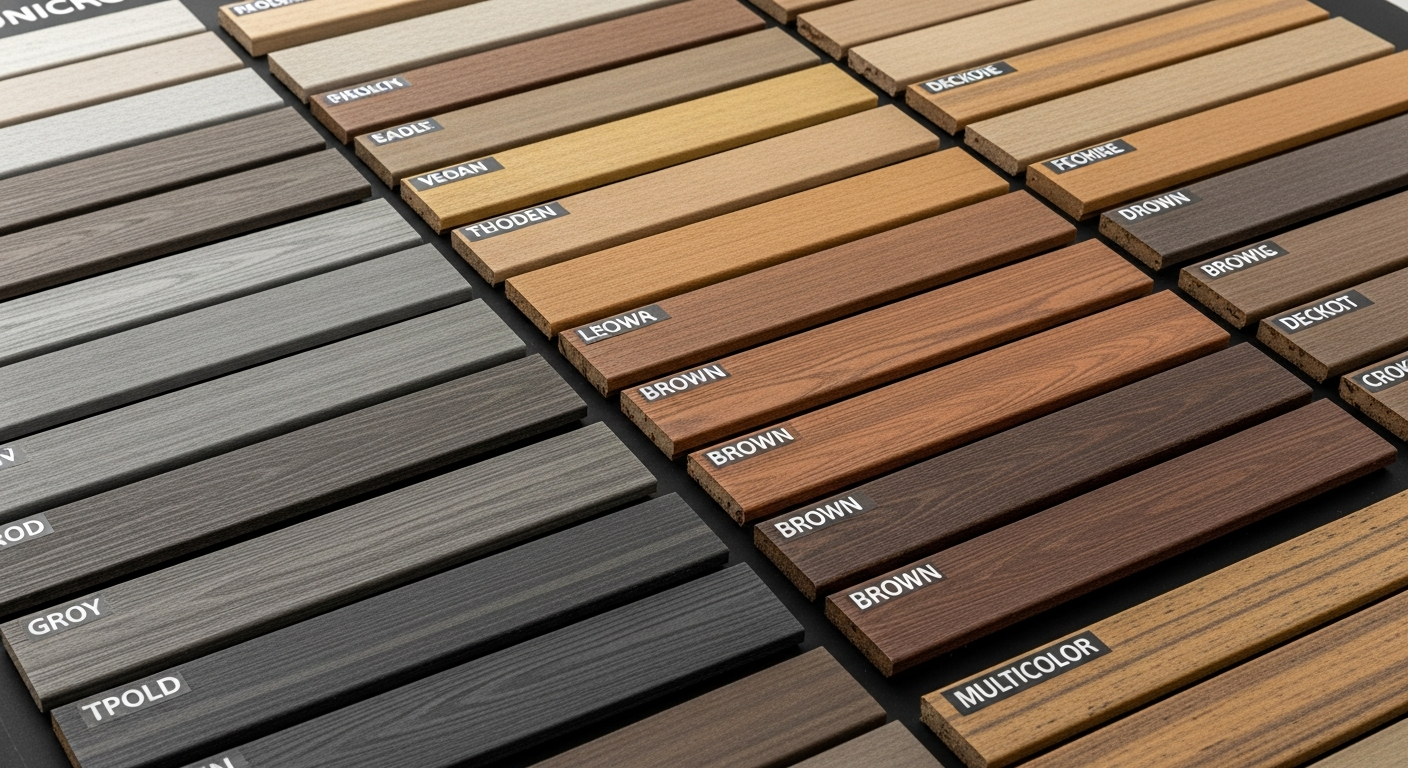
Color options: Composite comes in dozens of colors and multi-tonal options. Wood colors depend on species and stain selection.
Aging appearance: Wood grays naturally—beautiful to some, weathered to others. Composite maintains original color better with minimal fading.
Environmental Factors
Sustainability concerns influence some purchasing decisions.
Recycled content: Many composites contain recycled plastics and reclaimed wood fibers, diverting waste from landfills.
Renewable vs. manufactured: Wood is renewable and biodegradable. Composite is manufactured from petroleum-based plastics and doesn't biodegrade.
Longevity impact: Longer-lasting materials reduce replacement frequency, conserving resources over time.
Chemical treatments: Pressure-treated wood contains preservative chemicals. Composite avoids treatment chemicals but includes manufacturing additives.
Climate Considerations
Local climate affects material performance.
Heat retention: Dark composite absorbs heat, becoming uncomfortable for bare feet in direct sun. Wood stays cooler underfoot.
Cold weather: Both materials perform well in cold climates. Composite is less likely to crack from freeze-thaw cycles.
Humidity: High humidity accelerates wood deterioration. Composite excels in humid and coastal environments.
Expansion and contraction: Composite expands more than wood with temperature changes. Proper installation gaps accommodate movement.
Making Your Decision
Consider your priorities when choosing decking materials.
Choose wood if: You prioritize natural aesthetics, enjoy maintenance activities, have budget constraints, or plan to refinish and change colors over time.
Choose composite if: You prioritize low maintenance, have humid or coastal conditions, value long-term cost savings, or want consistent appearance over time.
Visualize Your Decking Choice
See how different materials look on your actual deck before purchasing.
HanoDecor's Deck Visualizer helps you compare wood and composite options on photos of your outdoor space. Choose your decking material with confidence.
Composite vs Wood Decking FAQs
Written by
James Park
Architectural Design Advisor specializing in exterior remodeling, siding systems, and structural home improvements. Licensed architect with 18 years of residential project experience.