Brutalist Architecture Interior Design: Raw Beauty for Modern Homes

Quick Overview
Brutalist interior design translates the architectural philosophy of material honesty, structural expression, and bold geometric form into residential living spaces. It is not about creating cold, uncomfortable environments. Done well, brutalist interiors are spaces of extraordinary texture, drama, and warmth, where raw concrete meets soft linen, where exposed steel frames hold cherished objects, and where the imperfections of handmade materials tell stories that polished surfaces never could.
The "soft brutalism" movement has emerged as the dominant approach to brutalist interiors in 2026. This approach retains the core principles of material honesty and geometric boldness while introducing warm timber, rich textiles, and abundant greenery to create spaces that feel both powerful and livable. It is brutalism for people who actually want to sit on the sofa and read a book, not just photograph it.
This guide walks through every room in your home with practical brutalist design principles, material recommendations, and budget-conscious alternatives. Whether you are renovating a concrete loft or adding brutalist accents to a conventional apartment, these ideas will help you bring the raw beauty of brutalist architecture into your daily life.
For the broader history and characteristics of brutalist architecture, see our complete brutalist architecture guide.
Core Brutalist Interior Principles
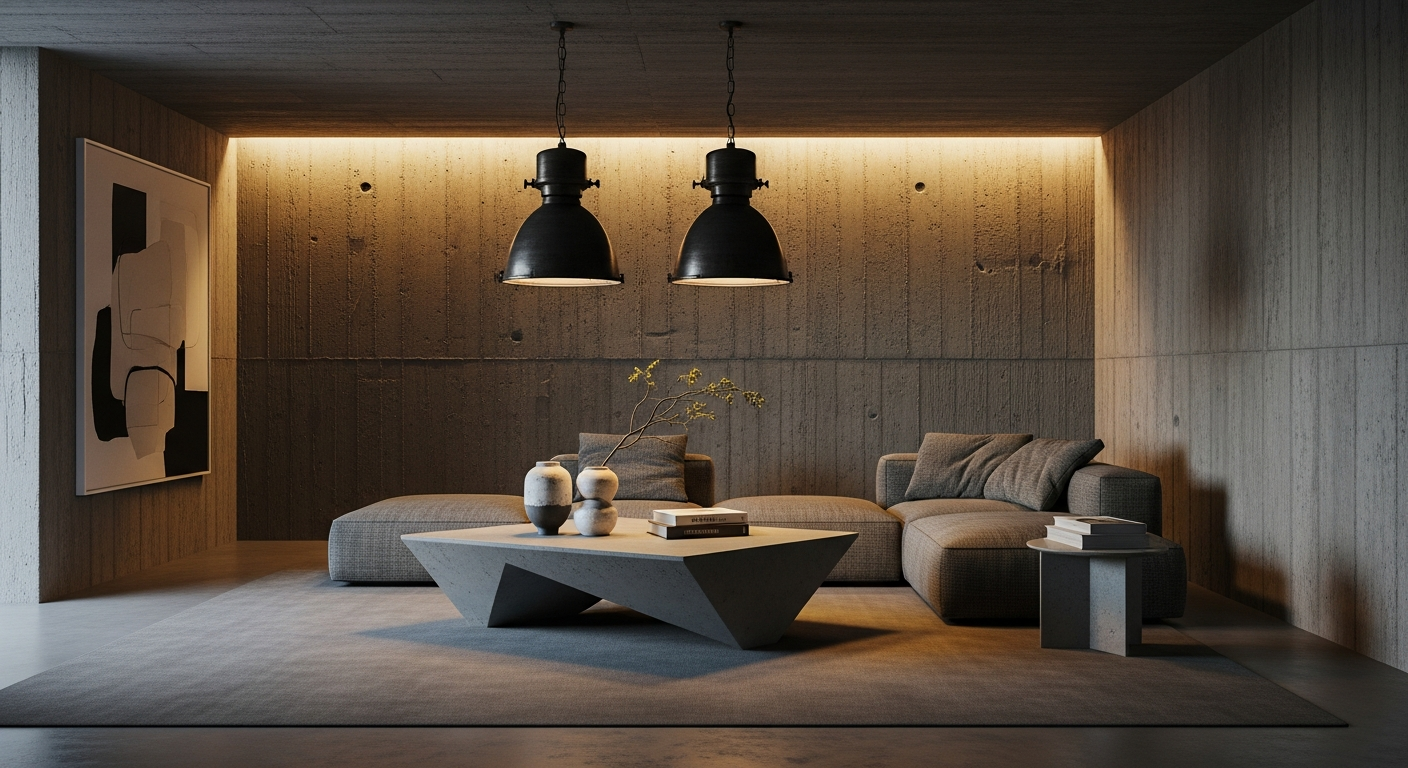
Material honesty is the foundation of every brutalist interior. Concrete, brick, steel, stone, and timber are presented in their natural state rather than concealed behind paint, veneer, or cladding. Walls show the grain of the formwork that shaped them. Steel beams display their welds. Brick reveals its firing variations. This honesty creates interiors with an authenticity and textural richness that manufactured finishes cannot replicate.
Structural expression means celebrating the bones of a building rather than hiding them. Exposed beams, columns, ductwork, and pipe runs become decorative features. A concrete column that supports the floor above becomes a sculptural element in the living room. Visible ductwork in the ceiling adds industrial rhythm to an otherwise minimal space.
Monochromatic palette anchors brutalist interiors in a disciplined range of grays, charcoals, warm whites, and black accents. This limited palette allows textures to become the primary visual interest. The difference between smooth poured concrete and rough board-formed concrete matters more than the difference between two paint colors.
Geometric forms bring architectural precision to furniture and objects. Angular coffee tables, rectilinear shelving systems, and furniture with strong horizontal and vertical lines reinforce the architectural character of the space. Curves, when used, are dramatic and intentional rather than decorative.
Negative space is essential. Brutalist rooms breathe. They reject the impulse to fill every surface and corner with objects. Instead, carefully chosen pieces occupy space with presence and purpose, allowing the architecture of the room itself to command attention.
Brutalist Living Room Design
The living room is where brutalist interior design makes its most powerful statement. A board-formed concrete feature wall, whether real poured concrete or expertly applied micro-cement, creates the anchor that defines the entire space.
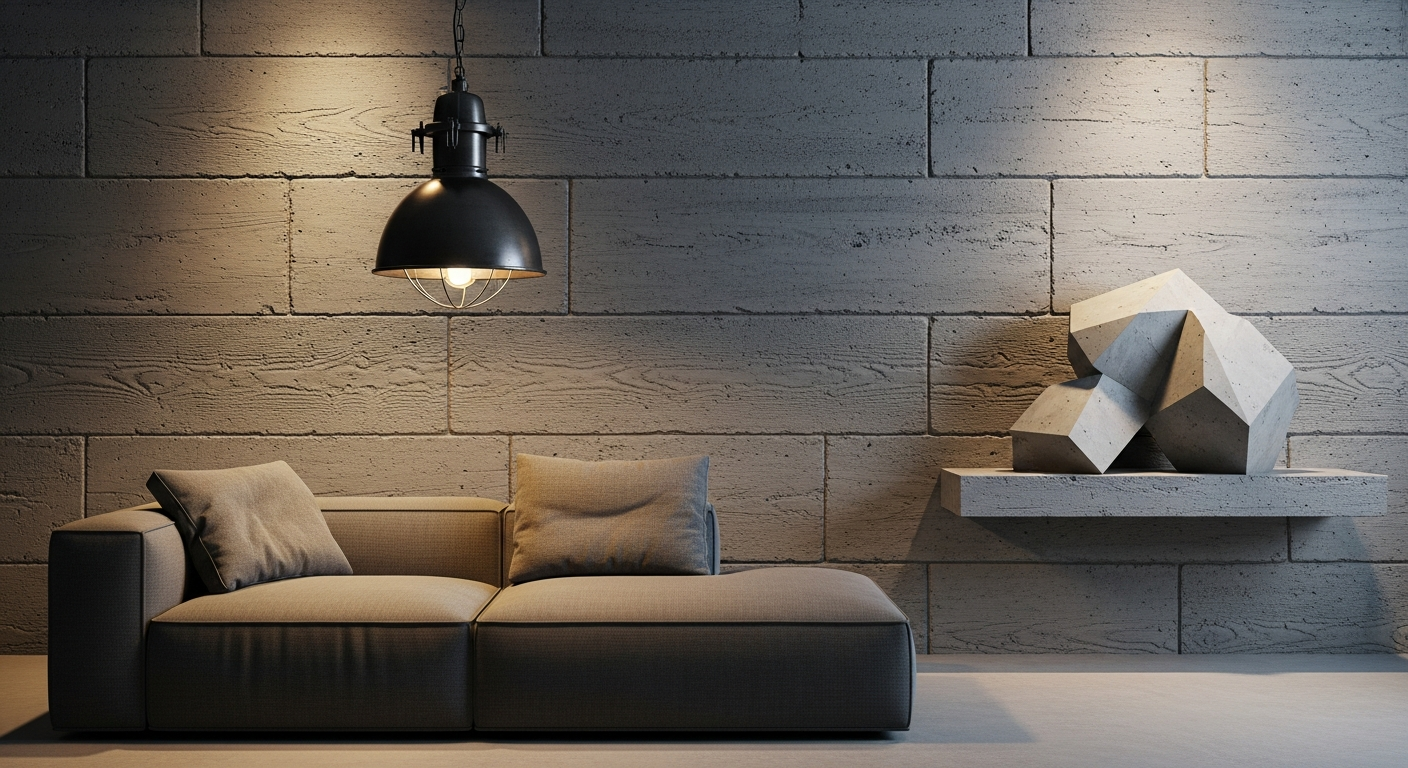
Begin with the walls. A single feature wall in board-formed concrete or micro-cement finish establishes the brutalist foundation without overwhelming the room. The texture of the concrete, whether showing the grain of timber formwork or the smooth face of steel forms, provides visual interest that changes throughout the day as light moves across its surface.
For seating, choose a low-profile modular sofa in a neutral fabric such as gray linen, charcoal wool, or stone-colored cotton. The low profile maintains clean sight lines and allows the concrete wall to remain the focal point. Modular designs offer flexibility and echo the geometric modularity of brutalist architecture.
A sculptural coffee table in concrete, blackened steel, or raw stone serves as both functional surface and artistic statement. Tables with visible construction, exposed bolts, welded joints, or rough-hewn stone edges, embody the material honesty principle. Avoid tables with high-gloss finishes or concealed hardware.
Lighting is critical in brutalist living rooms. Oversized industrial pendants in matte black, brushed steel, or raw concrete create dramatic focal points overhead. Articulating floor lamps with exposed mechanisms allow directed reading light while serving as sculptural objects. Avoid recessed ceiling lights, which eliminate the shadow play that gives brutalist spaces their drama.
Art in a brutalist living room should be bold and minimal. Geometric sculpture in concrete, steel, or stone. Abstract monochrome photography. Large-scale drawings or prints that hold their own against the weight of concrete walls. Small decorative objects get lost in these spaces. Choose fewer, larger pieces that command attention.
Brutalist Kitchen and Dining
The kitchen is where brutalist design achieves its most natural expression, because kitchens are fundamentally workspaces where function should drive form.
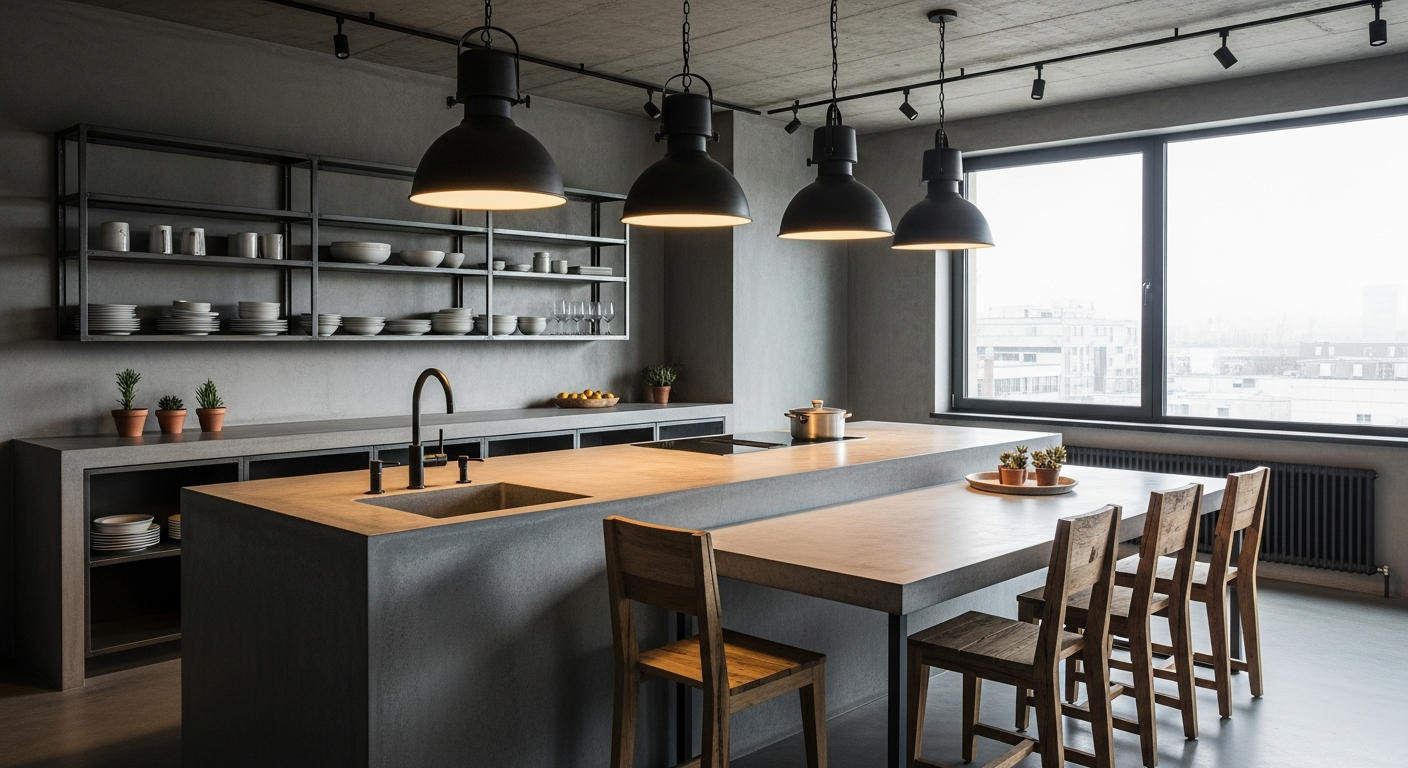
A concrete kitchen island with a waterfall edge, where the concrete wraps over the side of the island to the floor, creates a monolithic anchor for the room. Poured in place or constructed from precast concrete slabs, the island becomes both work surface and architectural statement. The thermal mass of concrete keeps the surface pleasantly cool for pastry work and food preparation.
Replace upper cabinets with exposed steel shelving. Open shelving in blackened steel or raw welded frames puts everyday items on display, embracing the brutalist principle that function should be visible rather than concealed. Ceramics, glassware, and kitchen tools become part of the design when arranged with intention on industrial shelving.
For the dining area, a concrete or natural stone dining table provides a communal surface that anchors the space. Pair it with chairs in metal, wood, or leather that complement the raw material palette. Industrial pendant lighting hung low over the dining table creates intimacy within the larger brutalist volume.
Raw wood accents are essential in a brutalist kitchen to prevent the concrete from feeling relentlessly cold. A thick timber cutting board, wooden utensil holders, and floating wood shelves introduce organic warmth that balances the industrial palette. The contrast between smooth concrete and rough-sawn timber creates the textural dialogue that defines successful brutalist interiors.
Brutalist Bedroom Design
The bedroom presents brutalist design with its most interesting challenge: how to create a space that feels both architecturally powerful and genuinely restful.
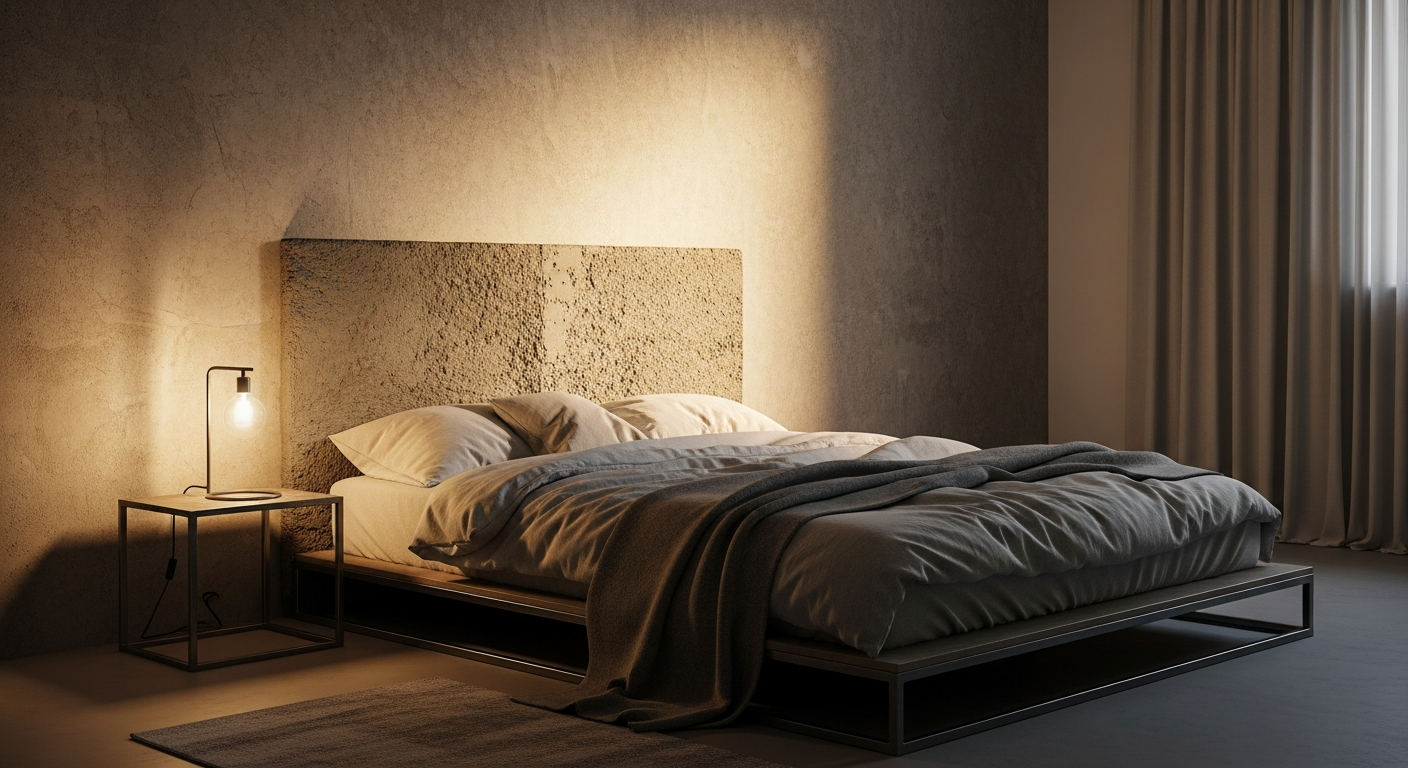
A platform bed in raw wood or metal frame sits low and horizontal, reinforcing the geometric precision of the space. The bed frame should have visible construction, whether the bolted joints of a steel frame or the dovetailed corners of a timber platform. Behind the headboard, a concrete accent wall provides the textural backdrop that makes the bedroom feel deliberately designed rather than merely furnished.
Minimal nightstands in steel, concrete, or raw wood cubes maintain the brutalist vocabulary without unnecessary complexity. A single shelf or surface is sufficient. The nightstand should feel like a small architectural object rather than a piece of conventional furniture.
Soft contrast is what makes a brutalist bedroom livable rather than austere. Layer the bed with linen sheets, a wool throw in a warm neutral tone, and a velvet cushion that introduces tactile luxury against the hard surfaces. This layering of soft textiles against raw materials is the essence of soft brutalism and the reason the style has gained mainstream residential appeal.
Ambient lighting should wash warm light up the concrete walls rather than illuminating from above. Wall-mounted uplights or floor-standing torchieres in the 2700K color temperature range create a warm golden glow on concrete surfaces that completely transforms their character from cold industrial to warm sanctuary.
Brutalist Bathroom Design
Bathrooms are where brutalist design feels most at home, because water and concrete have a natural affinity. The sound of water on concrete, the way moisture darkens the surface temporarily before evaporating, the steam that reveals the texture of raw walls, all contribute to a sensory experience that no other material combination can match.
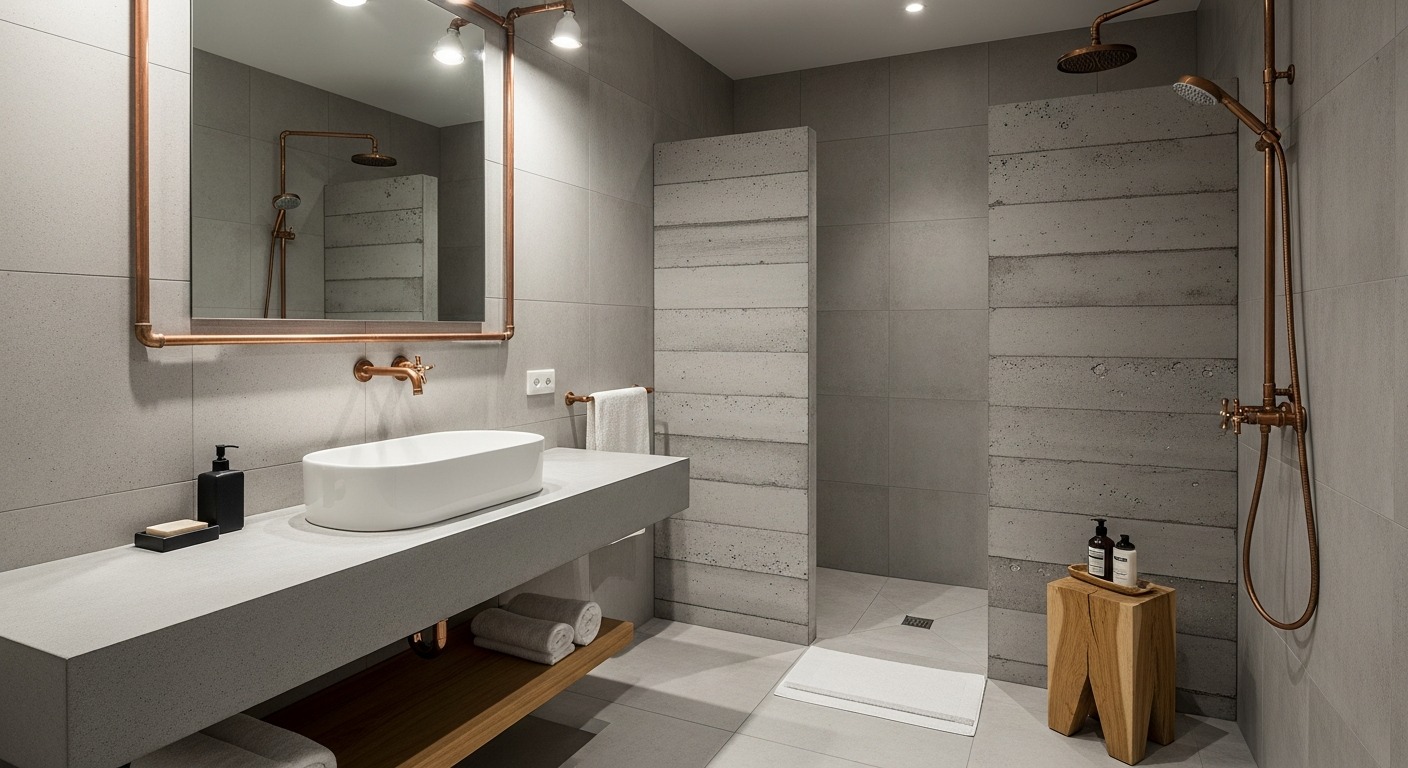
A concrete vanity with an integrated or vessel sink creates the centerpiece. Poured concrete, troweled smooth on the surface but left raw on the sides, shows the material's dual character. Pair it with exposed pipe fixtures in copper, brass, or matte black. The pipes themselves become decorative elements, their connections and joints on full display.
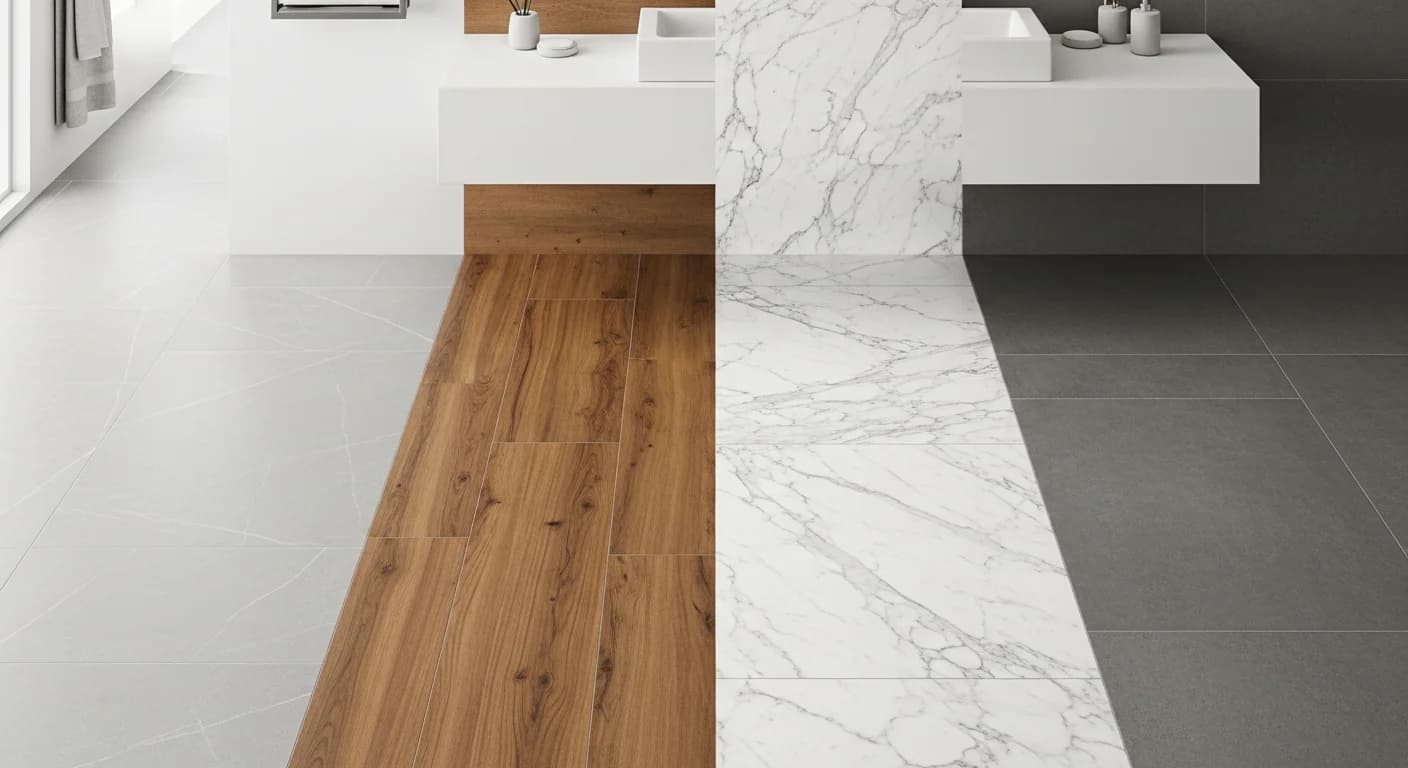
Large format concrete-look tiles on floor and walls create continuity and scale appropriate to the brutalist aesthetic. Choose tiles that replicate the texture and color variation of real concrete rather than uniform gray ceramic. The larger the format, the fewer grout lines, and the more convincingly the surface reads as monolithic concrete.
A walk-in shower with board-formed concrete walls, either real concrete properly sealed or high-quality porcelain panels that replicate the texture, creates a dramatic bathing space. The rough texture of board-formed concrete provides natural grip underfoot when used on shower floors.
Raw wood bath accessories provide essential warmth: a teak bath mat, wooden soap dishes, a timber stool for towels. These organic elements prevent the bathroom from feeling clinical and introduce the contrast between natural and manufactured materials that energizes brutalist design.
Softening Brutalism: The Warm Brutalist Approach
The warm brutalist approach has become the dominant residential interpretation of brutalist design because it solves the fundamental livability question: how do you make raw concrete feel like home?
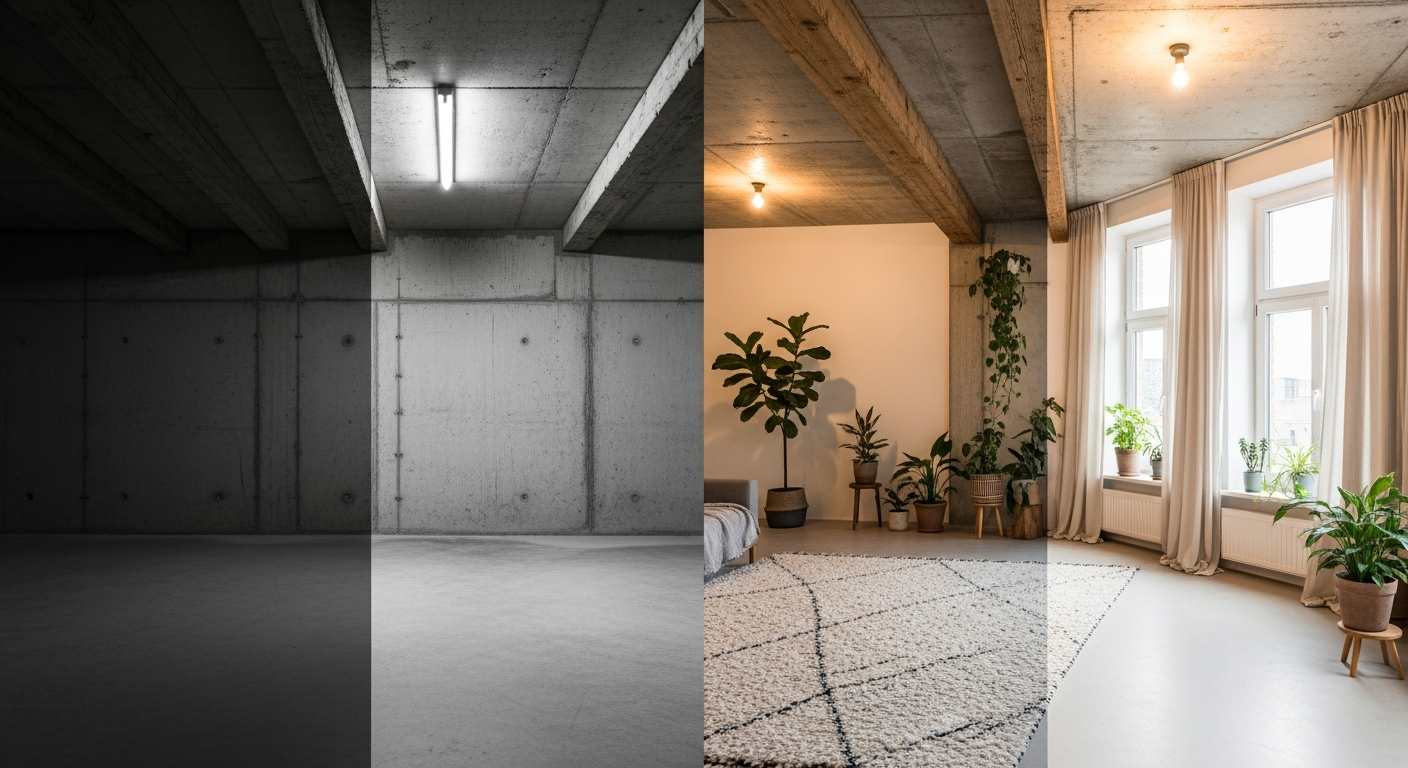
Adding timber is the most effective single intervention. Wood beams, whether structural or decorative, break up concrete ceilings with organic warmth. Timber flooring over concrete slab adds foot comfort and visual warmth. Wooden furniture pieces, particularly in lighter tones like ash, beech, or maple, create brightness against dark concrete walls.
Textile layering transforms the sensory experience of a brutalist interior. Wool rugs define zones and add cushion underfoot. Linen curtains soften window reveals and filter light. Velvet upholstery on seating introduces luxury and tactile contrast. The key is choosing textiles in natural fibers and neutral tones that complement rather than compete with the concrete palette.
Plants and greenery create the biophilic-brutalist balance that has become a defining aesthetic of contemporary interior design. Large-scale plants like fiddle-leaf figs, monstera, and birds of paradise provide scale that matches the architectural weight of concrete walls. Trailing plants on concrete shelving soften edges. Terrariums and moss gardens bring miniature landscapes into industrial spaces. For a deeper exploration of this approach, see our guide to eco-brutalist architecture.
Warm lighting at 2700K color temperature applied as ambient wash on textured walls completely transforms concrete from cold gray to warm golden. The shadows created by light raking across board-formed concrete reveal texture and depth that disappear under flat overhead illumination. Invest in quality lighting over any other single element.
The "collected" approach integrates vintage pieces alongside industrial and brutalist elements. A mid-century armchair in worn leather. A hand-thrown ceramic vase on a concrete shelf. A vintage mirror in a wooden frame propped against a raw brick wall. These collected objects add personality and history to spaces that might otherwise feel showroom-perfect but emotionally empty.
Brutalist Interior on a Budget
Achieving a brutalist interior does not require pouring concrete walls or installing steel beams. Several cost-effective alternatives deliver the aesthetic at a fraction of the cost.
Micro-cement and concrete-effect paint can transform standard drywall into convincing concrete surfaces for a fraction of the cost of real poured concrete. Applied by skilled plasterers, micro-cement creates a seamless concrete-look surface that is waterproof, durable, and available in a range of gray tones. Concrete-effect paint products from companies like Porter's Paints and Craig and Rose offer a more accessible entry point that can be applied as a DIY project.
Concrete-look porcelain tile provides an affordable alternative to real concrete on floors and walls. Modern porcelain manufacturing reproduces concrete textures, color variations, and even the impression of formwork lines with remarkable fidelity. These tiles offer the advantage of easy maintenance while delivering the visual impact of raw concrete.
DIY board-formed concrete wall treatment uses thin concrete panels or cement-based plaster applied over a wooden form to create the signature board-marked texture of brutalist architecture. This technique requires patience and basic plastering skills but produces results that are indistinguishable from full-thickness poured concrete at a fraction of the material cost.
Industrial furniture from vintage and second-hand sources offers character and value that new furniture cannot match. Factory carts converted to coffee tables, steel workshop shelving, industrial lighting salvaged from commercial buildings, and hospital or laboratory furniture all provide authentic brutalist character at prices well below designer equivalents.
Hardware swaps in matte black or brushed steel can shift the character of conventional kitchen and bathroom cabinets toward a brutalist aesthetic with minimal cost. Replacing standard chrome handles with oversized matte black pulls or industrial-style knobs is one of the simplest and most affordable brutalist interventions available.
Frequently Asked Questions
Is brutalist interior design cold and uncomfortable?
Not when done well. The soft brutalism approach layers warm timber, rich textiles, and plants over raw concrete and steel surfaces. The result is a space with extraordinary texture and visual drama that also feels inviting and livable. The key is balance: raw materials provide the architectural backbone, while natural materials and soft furnishings create comfort.
How much does a brutalist interior cost?
Costs vary enormously depending on approach. Micro-cement feature walls start around $15 to $25 per square foot applied professionally. Concrete-look porcelain tile ranges from $3 to $12 per square foot. A full brutalist renovation with real poured concrete can cost $200 or more per square foot. Budget approaches using paint effects and vintage furniture can achieve a convincing brutalist aesthetic for under $5,000 per room.
Can I add brutalist elements to a rental?
Yes. Removable options include concrete-effect peel-and-stick wallpaper, freestanding industrial shelving, brutalist-style furniture, industrial pendant lighting on plug-in cords, and concrete accessories like planters and bookends. These additions create brutalist character without permanent modification.
How do I mix brutalist with other interior styles?
Brutalist elements pair well with mid-century modern furniture, Scandinavian minimalism, Japanese wabi-sabi aesthetics, and industrial design. The key is maintaining the brutalist commitment to material honesty while borrowing warmth and refinement from complementary styles. Avoid mixing brutalist elements with ornate or heavily decorated styles, which creates visual confusion. For ideas on blending styles, see our guide to warm minimalism interior design.
What colors work with brutalist interiors?
The primary brutalist palette is monochromatic: concrete gray, charcoal, warm white, and black. Accent colors should be muted and natural: rust, terracotta, deep green, navy, and cream. Avoid bright or saturated colors, which conflict with the raw material palette. Metallic accents in brass, copper, and blackened steel add warmth without introducing competing color.
Visualize Brutalist Design in Your Space
Brutalist interior design transforms ordinary rooms into spaces of dramatic texture and architectural presence. Whether you are considering a concrete feature wall, industrial lighting, or a complete brutalist renovation, seeing these elements in your actual space before committing makes all the difference.
See how concrete walls, industrial lighting, and raw textures transform your rooms. Try brutalist elements in your space before committing with HanoDecor's AI Room Designer. Upload a photo of any room and experiment with board-formed concrete walls, exposed steel shelving, industrial pendants, and the full brutalist material palette.
For inspiration on how brutalist design extends beyond interiors to residential architecture, explore our guide to brutalist architecture houses.
Brutalist Architecture Interior Design FAQs
Written by
Sarah Mitchell
Sarah is a certified interior designer (CID) with experience designing residential and commercial spaces across three continents. She curates our design style library and ensures all AI-generated designs follow established design principles.