Cozy Living Room Ideas: Creating a Warm, Inviting Space
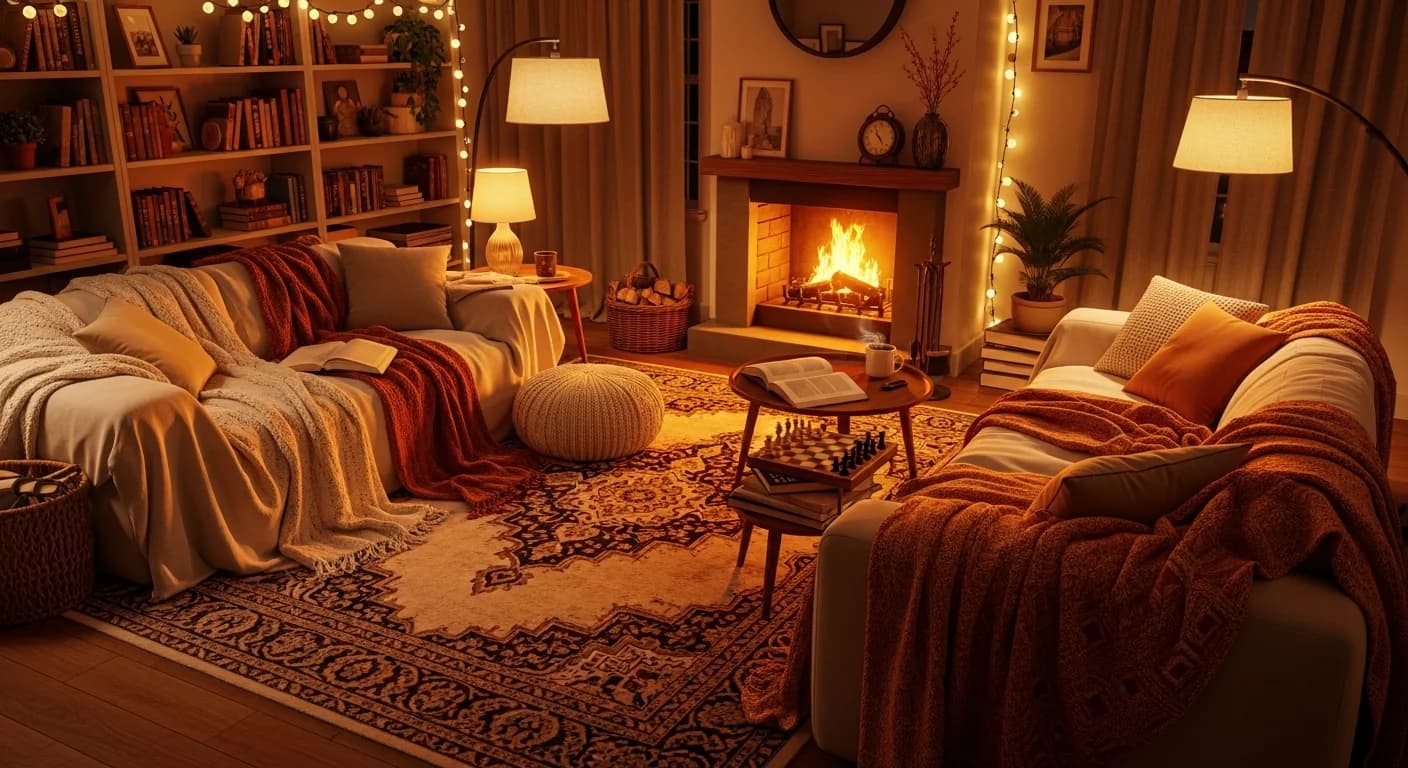
There's something magical about a truly cozy living room—a space that wraps you in warmth the moment you enter. Cozy isn't about size or budget; it's about intentional choices that create comfort and invitation. Here's how to transform any living room into a cozy retreat.
The Psychology of Cozy
What makes a space feel cozy? Research points to several factors: warm colors that evoke fire and sunlight, soft textures that invite touch, intimate furniture arrangements that encourage conversation, and lighting that mimics candlelight or firelight. Cozy spaces feel safe, personal, and nurturing.
The Danish concept of "hygge" captures this perfectly—creating warm atmosphere, enjoying simple pleasures, and fostering connection. Your living room can embody these principles regardless of style or budget.
Warm Color Palettes
Color sets the emotional foundation of cozy spaces. While cool colors can feel serene, warm tones feel inherently more welcoming and comfortable.
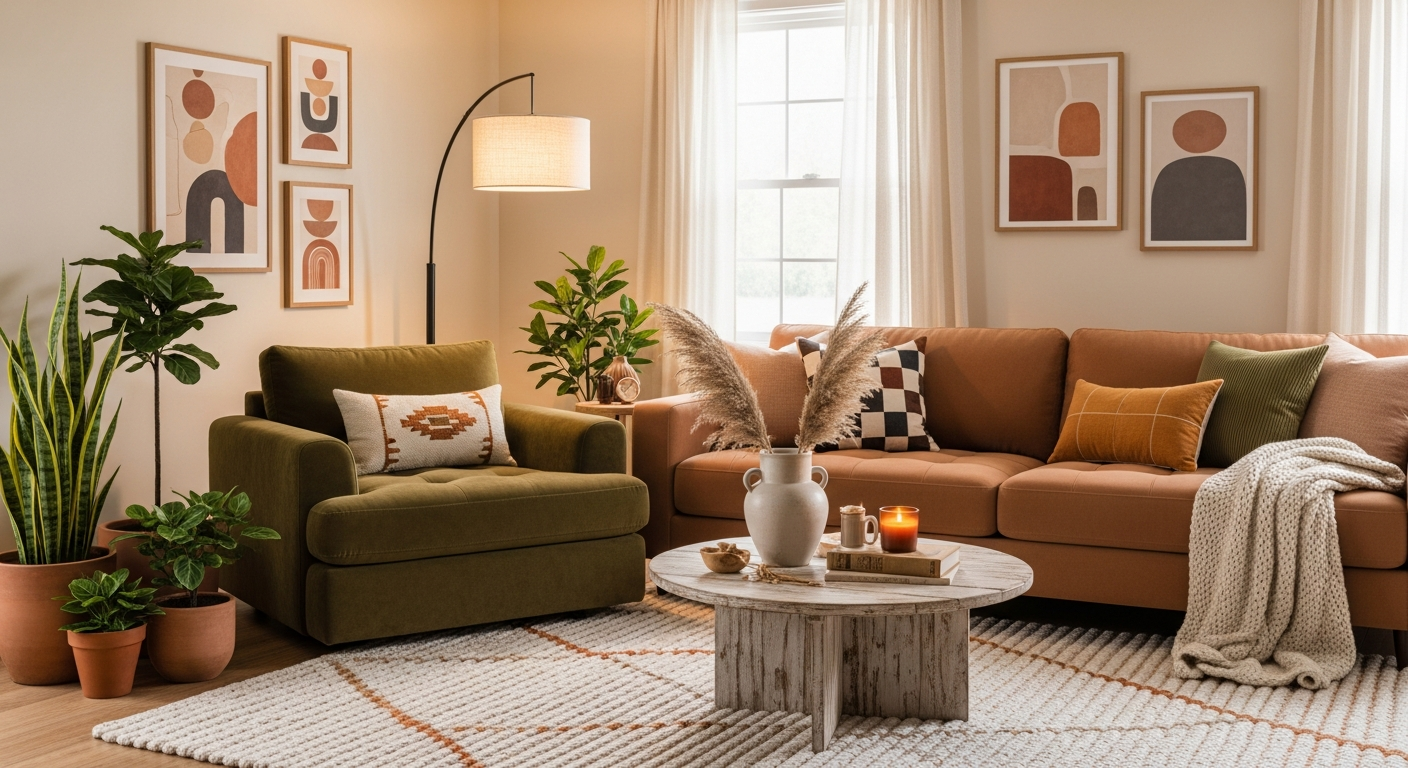
Earth tones: Terracotta, rust, caramel, olive, and warm browns connect to nature and feel grounding. These colors work beautifully as wall colors or in large furnishings.
Warm neutrals: Creamy whites, warm grays (with yellow or pink undertones), and tans create calm foundations that feel welcoming rather than stark.
Deep jewel tones: Forest green, navy, burgundy, and mustard add richness and drama while maintaining warmth. Use these for accent walls, furniture, or substantial accessories.
Avoid cool undertones: Gray-blues, stark whites, and cool grays can feel chilly. If you love neutrals, ensure they lean warm.
Soft Textures Everywhere
Texture is perhaps the most important element of cozy design. Soft, tactile surfaces literally invite you to touch and linger.
Plush rugs: A soft area rug grounds the space and adds warmth underfoot. High-pile, shag, or wool rugs feel most luxurious. Layer multiple rugs for extra coziness.
Throw blankets: Drape throw blankets over sofas and chairs—not stored away, but visible and accessible. Chunky knits, soft fleece, and woven textures add visual warmth even when not in use.
Pillows in abundance: Mix throw pillows in various sizes and textures. Velvet, boucle, faux fur, and cable knit add touchable dimension. More pillows = more cozy (to a point).
Upholstery choices: Velvet, chenille, and soft woven fabrics feel cozier than leather or synthetic materials. If you have leather furniture, balance with plenty of soft textiles.
Window treatments: Heavier drapes feel warmer than blinds or bare windows. Lined curtains in soft fabrics add both visual warmth and actual insulation.
Lighting for Ambiance
Lighting makes or breaks cozy atmosphere. Harsh overhead lighting kills coziness instantly, while layered, warm lighting creates magic.
Avoid overhead lighting alone: A single ceiling fixture—especially fluorescent or cool LED—creates harsh, flat illumination. If you must use overhead lights, put them on dimmers.
Table and floor lamps: Multiple lamps at different heights create pools of warm light throughout the room. Aim for three to five light sources in a typical living room.
Warm bulbs: Use bulbs rated 2700K (warm white) rather than 3000K or higher. This mimics candlelight and firelight that humans have associated with comfort for millennia.
Candles: Real candles add warm, flickering light and often lovely scents. Group candles on coffee tables, mantels, and shelves. (LED candles work when safety is a concern.)
Fireplace: If you have a fireplace, use it! Nothing creates coziness like real fire. Even a decorative or electric fireplace adds warmth.

Furniture Arrangement for Intimacy
How furniture is arranged affects the feeling of connection and comfort in a space.
Create conversation areas: Arrange seating to face each other rather than facing a TV only. Even if the TV is the main focus, angle seats toward each other at least partially.
Pull furniture closer: Create intimate groupings rather than spreading furniture to walls. A tighter arrangement feels more enveloping and connected.
Include comfortable seating for everyone: Ensure every seat is genuinely comfortable. A beautiful but uncomfortable chair fails the cozy test.
Add a reading nook: If space allows, create a dedicated corner with a comfortable chair, good light, and side table. These small retreats within rooms add coziness.
Cozy Accessories and Finishing Touches
The details complete the cozy atmosphere. These finishing touches add personality and warmth.
Books: Stacks of books—on coffee tables, shelves, and windowsills—make spaces feel lived-in and intellectual. Books are inherently cozy.
Plants: Greenery adds life and organic warmth. Plants soften hard edges and connect indoor spaces to nature.
Personal items: Family photos, collected objects, and travel souvenirs make spaces feel personal rather than decorated. Cozy spaces tell stories.
Natural elements: Wooden bowls, woven baskets, dried flowers, and natural materials add warmth without clutter.
Avoid clutter: While cozy rooms have more accessories than minimalist ones, clutter still kills comfort. Curate intentionally.
Visualize Your Cozy Transformation
Creating coziness involves many elements working together—color, texture, light, and arrangement. Seeing how changes will look before making them helps ensure your efforts create the warmth you're seeking.
HanoDecor's Living Room Visualizer lets you test warm color palettes and different design approaches on your actual space. See how that terracotta accent wall or cozy furniture arrangement will feel before committing. Create your perfect cozy retreat with confidence.
Cozy Living Room Ideas FAQs
Written by
Emily Rodriguez
Interior Design Editor covering living spaces, styling trends, and room makeovers. Former Architectural Digest contributor with a focus on accessible, budget-conscious design.