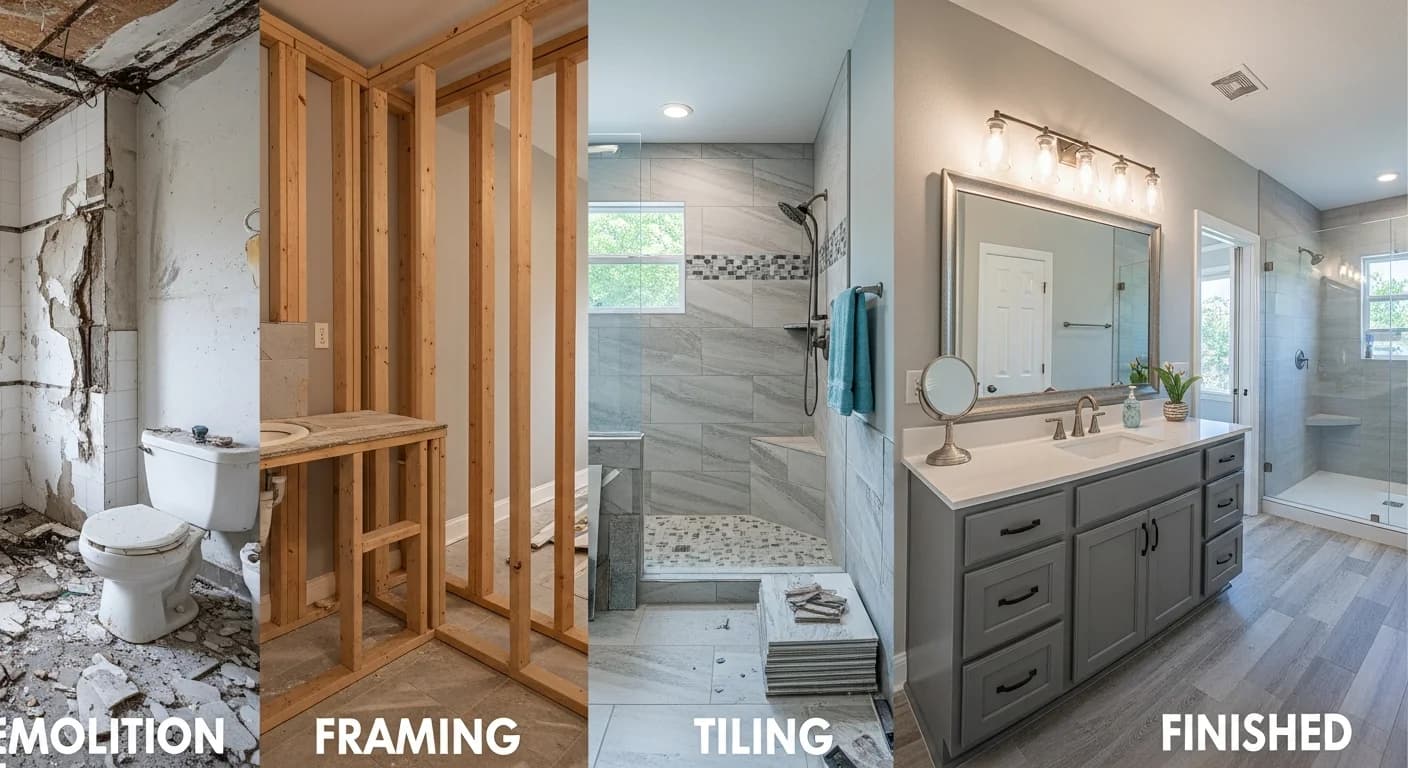
DIY Kitchen Remodel: What You Can Do Yourself (And What to Leave to Pros)
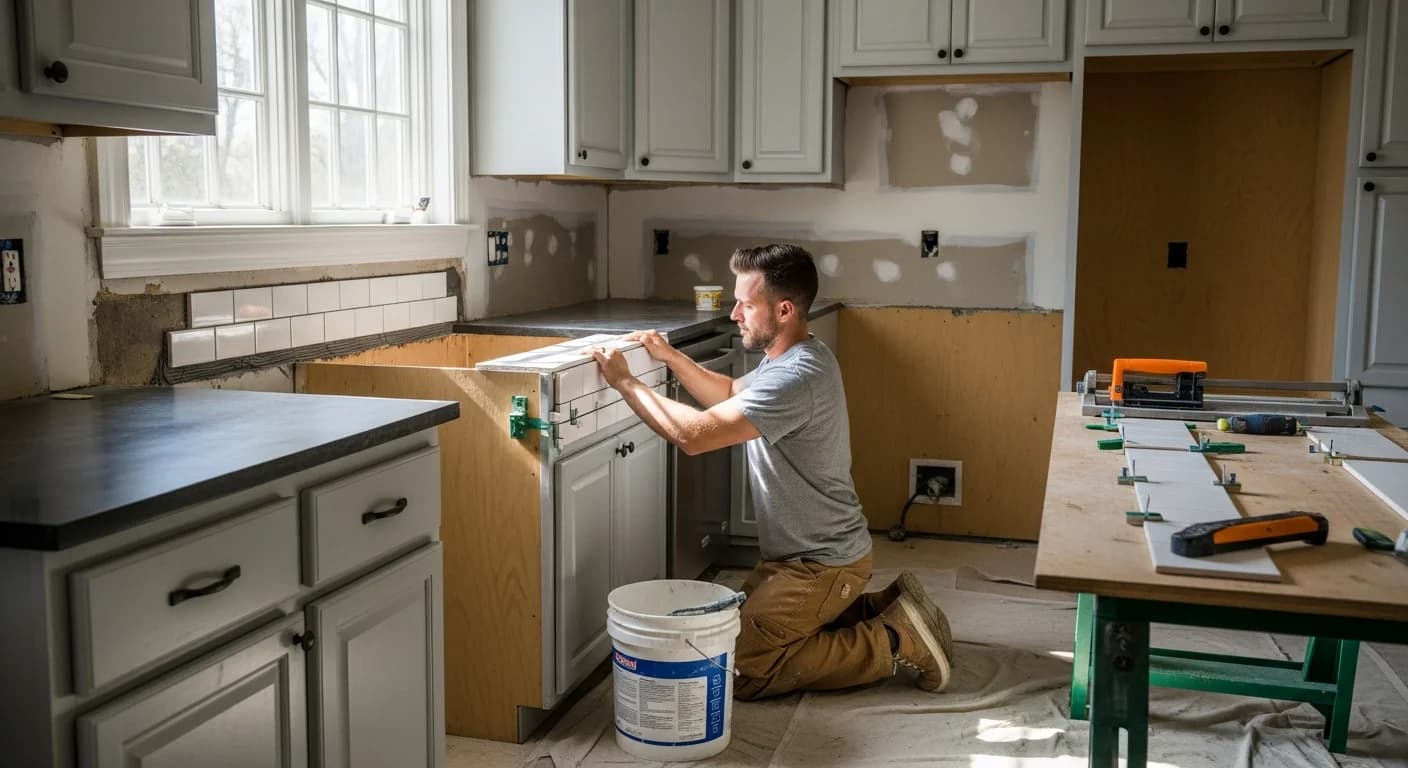
DIY kitchen remodeling can save thousands while providing deep satisfaction from transforming your own space. However, knowing which projects suit DIY approaches—and which require professionals—determines success. This guide helps beginners tackle kitchen improvements safely and effectively.
Beginner-Friendly Projects
These projects require basic tools and skills, offering excellent starting points for DIY newcomers.
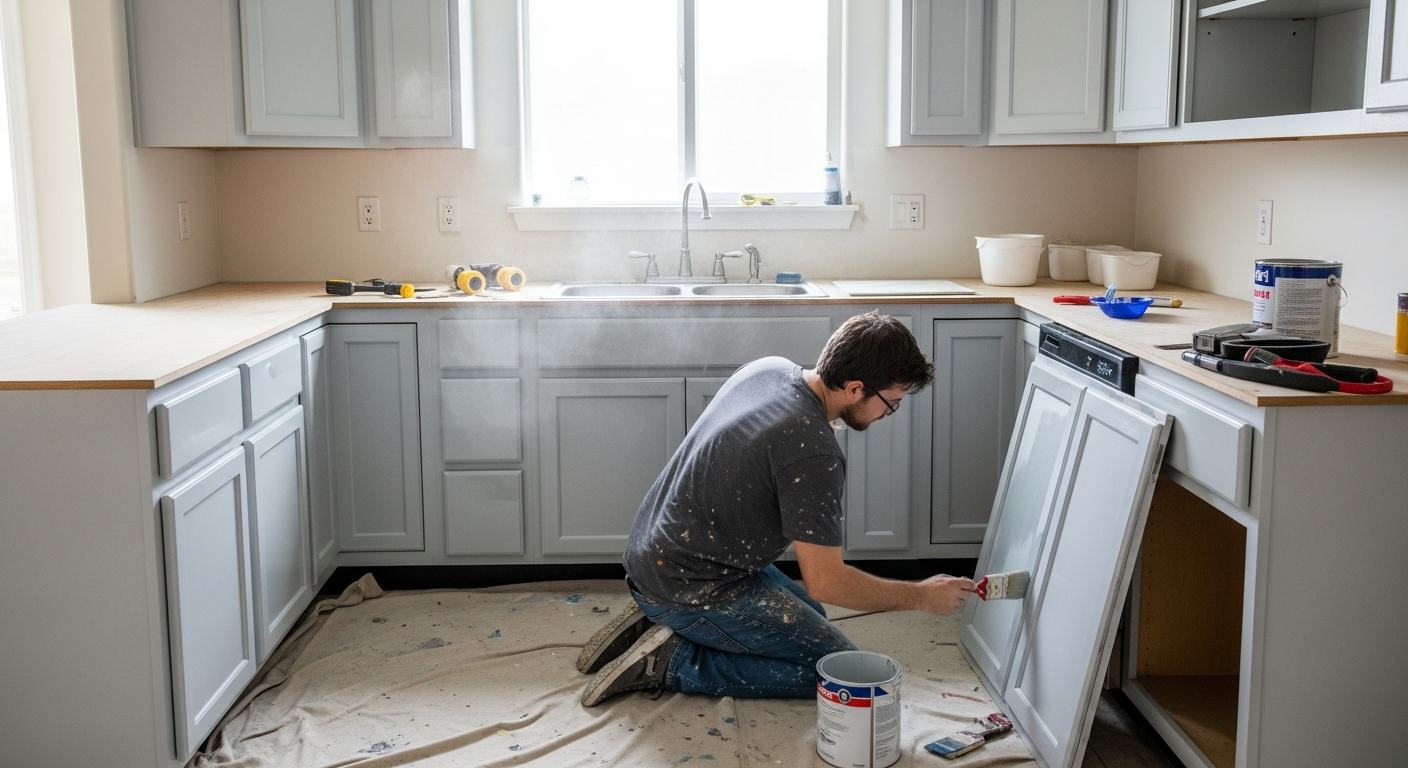
Cabinet painting: Painting cabinets delivers dramatic transformation at minimal cost. Requires patience for proper prep—cleaning, sanding, priming—but the painting itself is straightforward. Plan for a weekend project.
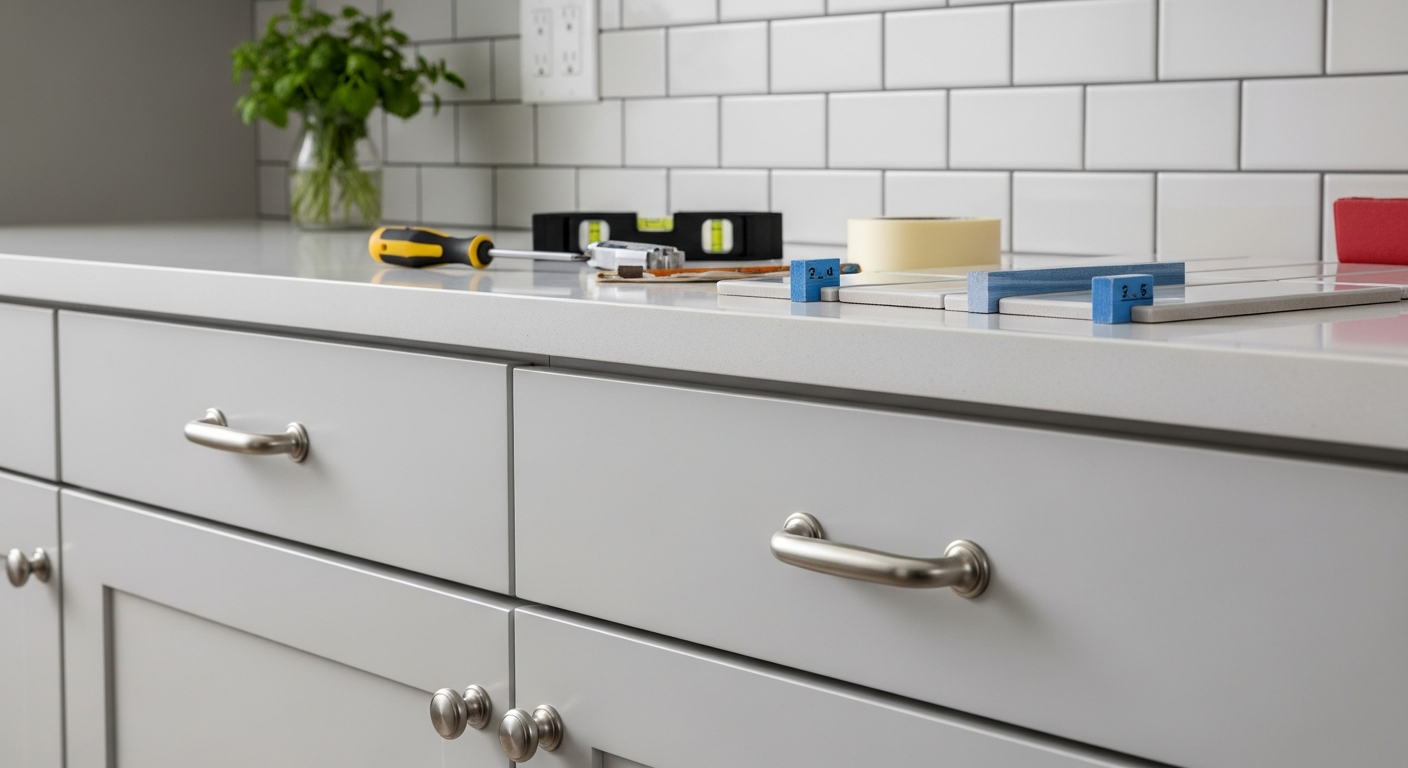
Hardware replacement: Swapping cabinet knobs and pulls takes minutes per piece and requires only a screwdriver. New hardware instantly updates dated kitchens. Choose pieces with matching hole spacing or fill old holes before drilling new ones.
Backsplash installation: Peel-and-stick tiles make backsplash installation truly beginner-friendly. Traditional tile requires more skill but remains achievable with careful preparation and patience.
Under-cabinet lighting: LED strip lights with adhesive backing transform kitchen task lighting. Battery-powered or plug-in options require no electrical work.
Open shelving: Installing floating shelves requires basic tools and provides storage plus display opportunity. Level, studs, and brackets—straightforward installation.
Intermediate Projects
These projects require more skill and tools but remain achievable for capable DIYers.
Faucet replacement: Modern faucets include clear instructions. Basic plumbing knowledge and proper tools make this manageable. Shut off water, follow directions, test thoroughly.
Garbage disposal installation: Replacing existing disposals is straightforward. New installations require more plumbing knowledge. Always disconnect power before working.
Flooring installation: Luxury vinyl plank clicks together without adhesive. Laminate installs similarly. Both are forgiving for beginners. Hardwood and tile require more expertise.
Traditional tile backsplash: Tile work requires precision and patience. Mosaic sheets are more forgiving than individual tiles. Practice cutting before starting visible areas.
Countertop replacement (butcher block): Wood countertops can be DIY-installed, though cutting and fitting requires precision. Measure multiple times before cutting.
Leave These to Professionals
Some projects involve safety risks, code requirements, or complexity that warrant professional involvement.
Electrical work: Beyond replacing fixtures on existing circuits, electrical work requires permits and professional expertise. Improper wiring creates fire hazards.
Gas appliance installation: Gas connections require licensed professionals. Improper installation risks leaks and explosions. Never attempt gas work yourself.
Plumbing relocations: Moving sinks, dishwashers, or adding plumbing involves permits and expertise. Leaks cause serious damage. Modifications require professional assessment.
Structural changes: Removing walls, adding windows, or modifying structure requires engineering assessment and permits. Load-bearing walls support your home—mistakes are catastrophic.
Stone countertop installation: Granite and quartz are heavy, require specialized tools, and crack if mishandled. Professional templating and installation ensures proper results.
Essential DIY Tips
These principles apply across all DIY kitchen projects.
Preparation is everything: Rushing preparation causes problems visible for years. Clean thoroughly. Sand properly. Prime appropriately. Mask carefully. Preparation time exceeds application time in quality projects.
Measure twice, cut once: This cliché exists because it's true. Verify measurements before cutting materials. Mistakes in cutting waste money and time.
Research thoroughly: Watch multiple tutorial videos before starting. Read instructions completely before beginning. Understand the entire process, not just the first step.
Budget for mistakes: First-time projects rarely go perfectly. Budget 10-20% extra for learning-curve materials. Better to have extra than stop mid-project.
Know when to stop: If a project exceeds your comfort level, calling a professional mid-project costs less than fixing DIY disasters.
Tools for Kitchen DIY
Basic toolkit essentials for kitchen projects include:
Measuring and marking: Tape measure, level, pencil, square. Precision starts with accurate measurement.
Cutting: Utility knife, miter saw for trim, tile cutter or wet saw for tile work.
Fastening: Drill/driver, screwdriver set, hammer, appropriate fasteners for your wall type.
Finishing: Sandpaper or sanding block, caulk gun, painter's tape, quality brushes and rollers.
Visualize Before DIY
Before investing time and materials, see how your DIY project will look when complete.
HanoDecor's Kitchen Visualizer helps you experiment with colors and designs on photos of your actual kitchen. Confirm your vision before starting—make confident DIY decisions.
DIY Kitchen Remodel FAQs
Written by
Michael Torres
Bathroom and Kitchen Design Specialist with 15 years of remodeling experience. NKBA-certified designer focused on functional layouts, fixture selection, and spa-inspired wellness spaces.