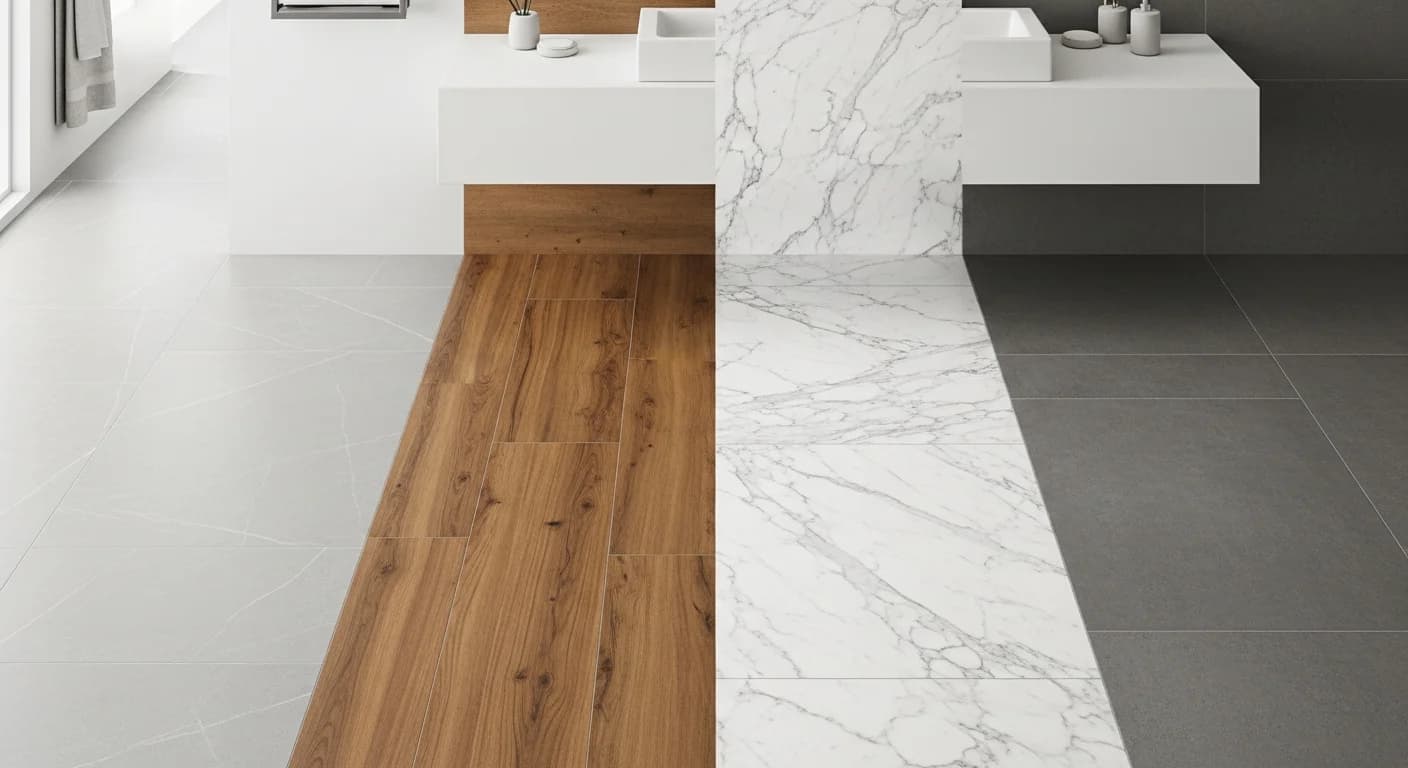
DIY Painting vs Hiring Professionals: Complete Comparison
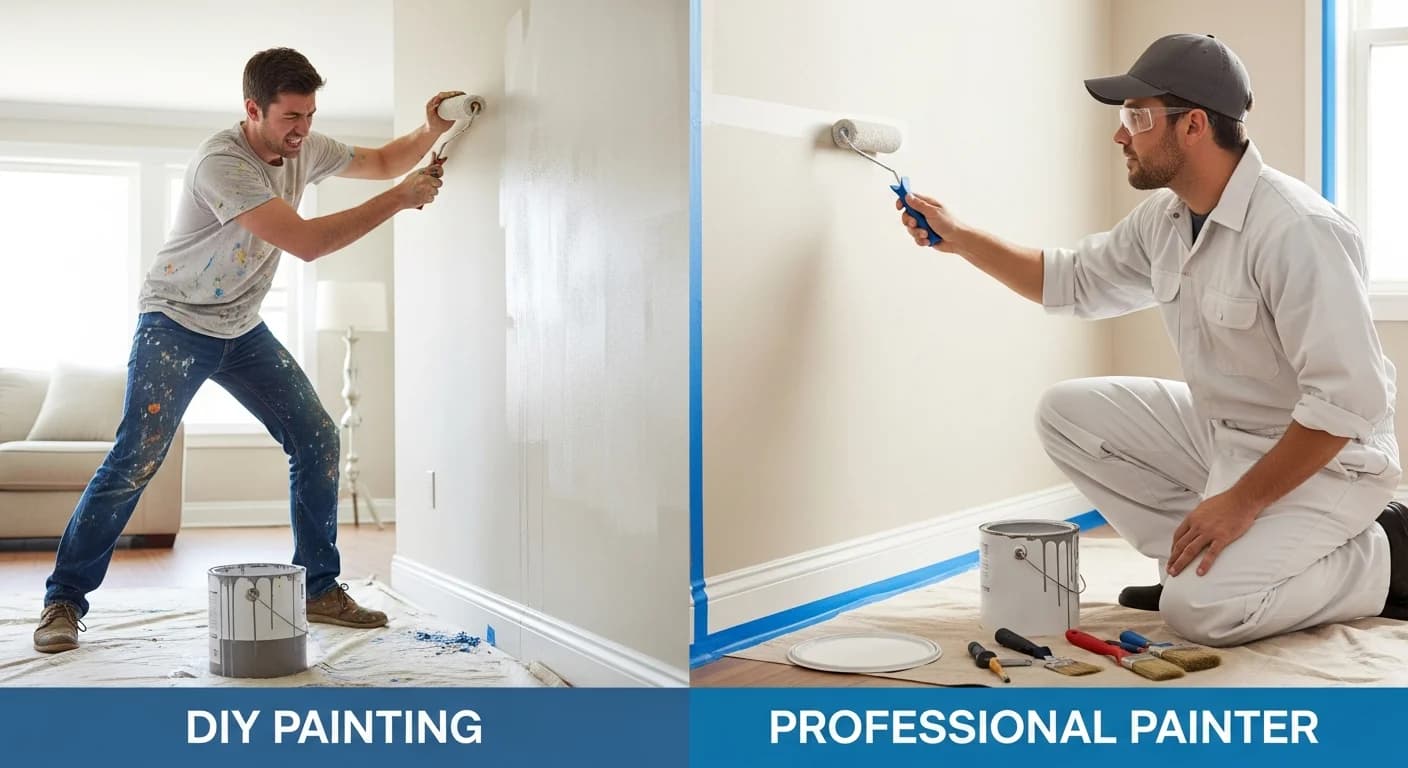
It's the eternal home improvement question: should I do it myself or hire a professional? When it comes to painting, both options have legitimate advantages. The right choice depends on your budget, timeline, skills, and the complexity of your project.
The True Cost of DIY Painting
DIY painting seems cheaper at first glance—you're just buying paint, right? But the true costs add up quickly when you factor in everything needed for quality results.
Materials:
- Paint: $35-$70 per gallon (need 1-2 gallons per room)
- Primer: $25-$40 per gallon (if changing colors or covering stains)
- Brushes and rollers: $20-$50 (quality matters for finish quality)
- Tape, drop cloths, trays: $30-$50
- Ladder: $50-$200 (if you don't already own one)
- Patching supplies: $15-$30
Total materials per room: $150-$400
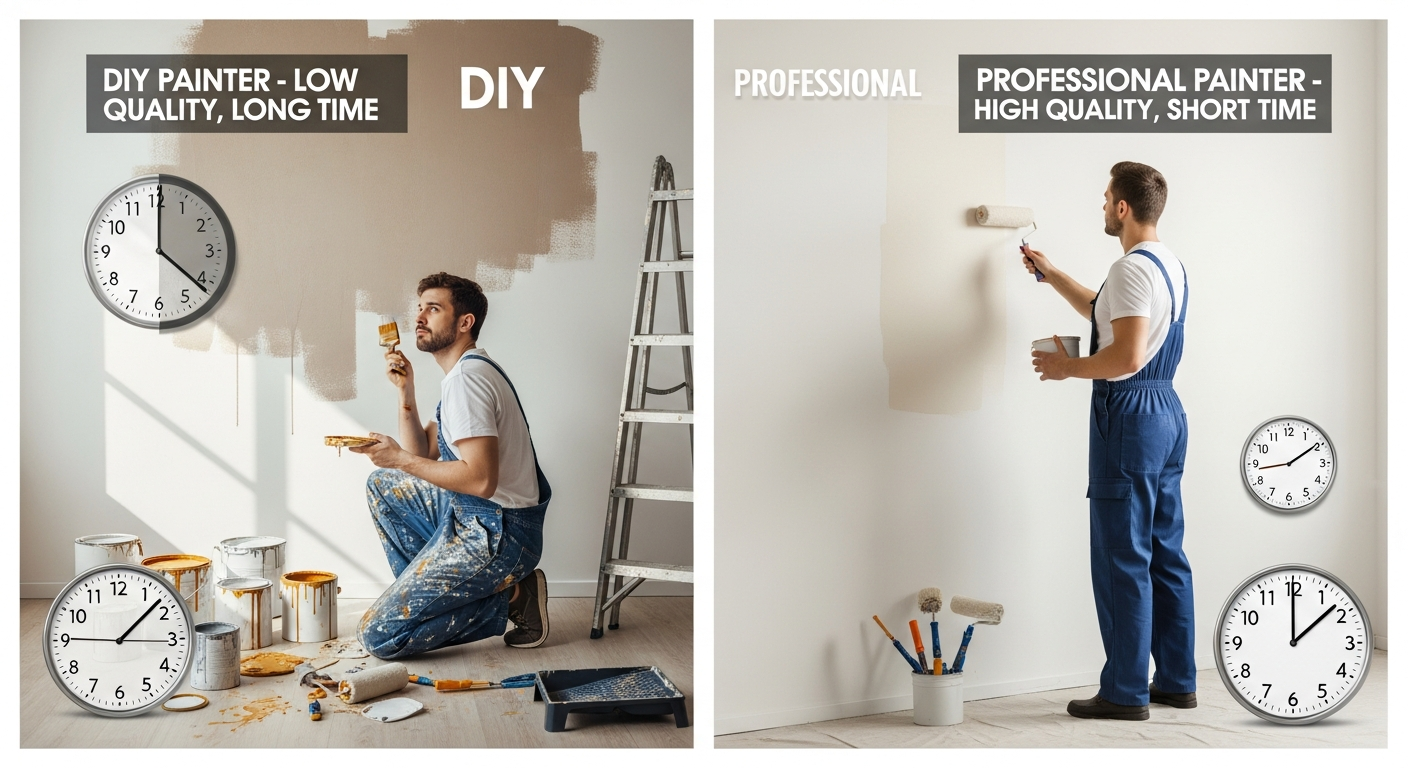
Time Investment: A beginner painting a single room—including prep, painting, and cleanup—should expect 10-16 hours. That's an entire weekend for one room. Multiple rooms or exterior work multiplies this significantly.
Hidden time costs: Shopping for supplies, multiple trips for forgotten items, learning curve mistakes, extended cleanup, and waiting for coats to dry between sessions.
The True Cost of Professional Painting
Professional painters charge more upfront, but their quotes typically include everything—labor, materials, equipment, and cleanup.
Average Professional Costs:
- Single room: $300-$800
- Whole house interior: $2,000-$8,000
- Exterior: $3,000-$15,000+
What's Included: Professional quotes typically cover paint, primer, supplies, prep work, painting, and cleanup. Many include furniture moving and floor protection. Some offer warranties on workmanship.
Time Saved: What takes you a weekend, a professional crew completes in a day. A whole-house interior that might take you weeks of evenings and weekends gets finished in days.
When DIY Makes Sense
DIY painting is a reasonable choice in certain situations:
Simple projects: Single rooms with standard ceiling heights, minimal prep needed, and straightforward layouts are manageable for beginners.
Tight budget: If cash is limited and you have time to invest, DIY saves real money. Just factor in your time honestly.
You have experience: Experienced DIYers who enjoy painting and have developed skills can achieve professional-quality results.
You enjoy the process: Some people genuinely enjoy painting as a creative, meditative activity. If that's you, the time isn't a cost—it's a benefit.
Practice property: Rental investments or starter homes where perfection isn't critical are good learning opportunities.
When to Hire Professionals
Certain situations strongly favor professional painters:
High ceilings and difficult access: Vaulted ceilings, stairwells, and two-story foyers require specialized equipment and training. Falls are a real risk.
Exterior work: Multi-story exteriors need ladders, scaffolding, and safety equipment. Professionals have insurance; you don't.
Extensive prep work: Homes with peeling paint, water damage, or significant repairs need professional attention before painting.
Quality matters: Selling your home? Hosting important events? Professionals deliver cleaner lines, more even coverage, and better overall results.
Time is valuable: If your hourly rate at work exceeds what you'd "save" by DIYing, hiring makes financial sense.
Large scope: Whole-house projects are exhausting to DIY. What seems doable before you start often burns out homeowners halfway through.
Quality Comparison
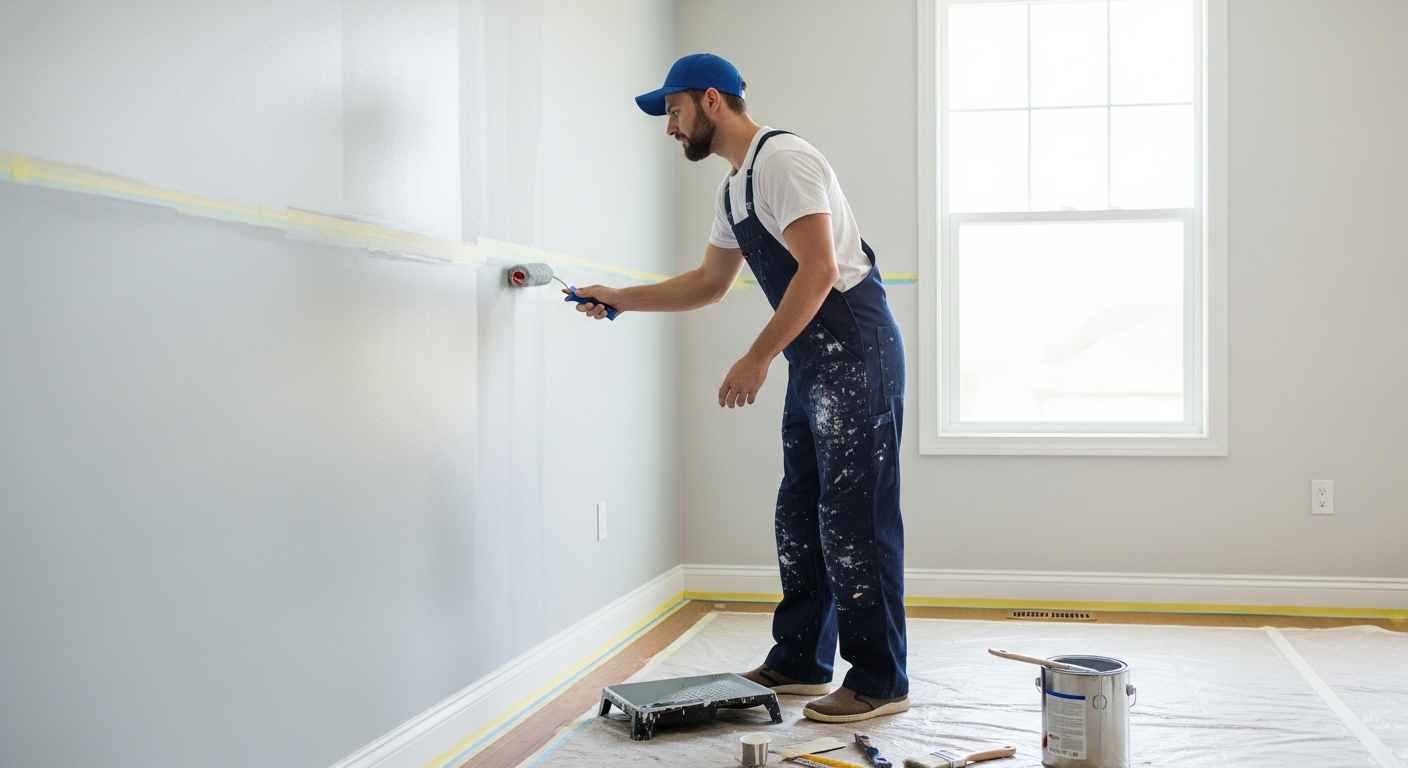
Let's be honest about the results you can expect from each approach:
Professional Advantages:
- Crisp, straight lines at ceilings and trim
- Even coverage without roller marks or brush strokes
- Proper prep work that makes paint last longer
- Efficient, consistent technique refined over thousands of hours
- Knowledge of which products work best for specific situations
Common DIY Challenges:
- Cutting in at ceiling lines (harder than it looks)
- Achieving even coverage without lap marks
- Drips, runs, and paint on surfaces that shouldn't have paint
- Inadequate prep leading to peeling or poor adhesion
- Muscle fatigue affecting quality as the project progresses
With practice, DIYers can develop solid skills—but the learning curve is real, and your home is the practice surface.
The Best of Both Worlds
You don't have to choose all-or-nothing. Consider hybrid approaches:
DIY prep, professional painting: You do furniture moving, taping, and minor repairs. Painters focus on their expertise. Saves 15-25% on quotes.
Professional difficult areas, DIY simple rooms: Hire pros for high ceilings and exteriors; handle bedrooms and simple rooms yourself.
Room-by-room approach: Start with one DIY room. If you hate it or results disappoint, hire for the rest. If you enjoy it, continue.
Plan Your Project First
Whether you DIY or hire professionals, the most important first step is the same: know exactly what colors you want before any painting begins.
HanoDecor's AI Room Painter lets you experiment with unlimited colors on your actual walls. Finalize your palette before buying paint or hiring painters—no expensive mid-project color changes. See your vision clearly, then execute with confidence whether you're holding the brush or supervising the crew.
DIY Painting vs Hiring Professionals FAQs
Written by
Sarah Chen
Senior Color Consultant with 12 years of residential exterior design experience. Specializes in architectural color theory, paint technology, and curb appeal optimization.