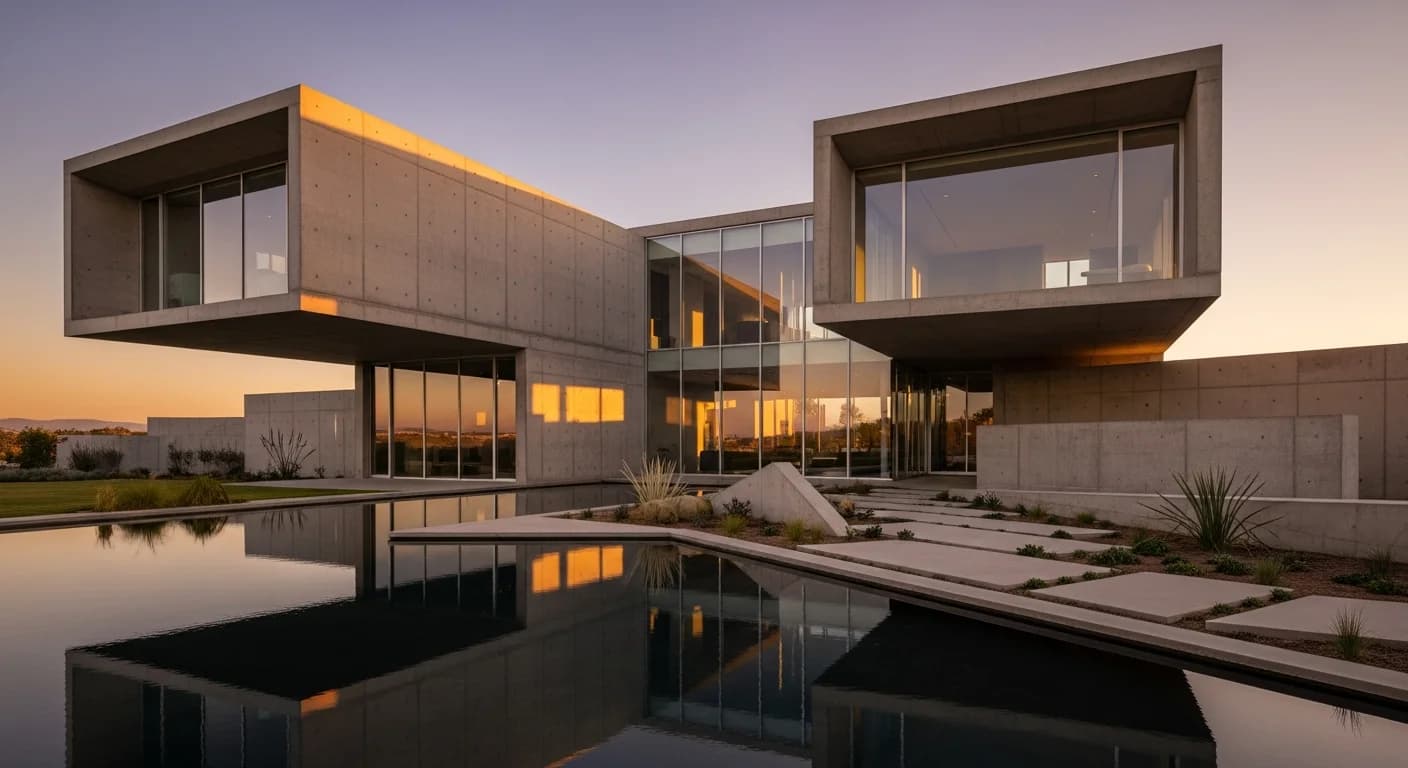
Front Yard Curb Appeal: AI Landscaping Visualization
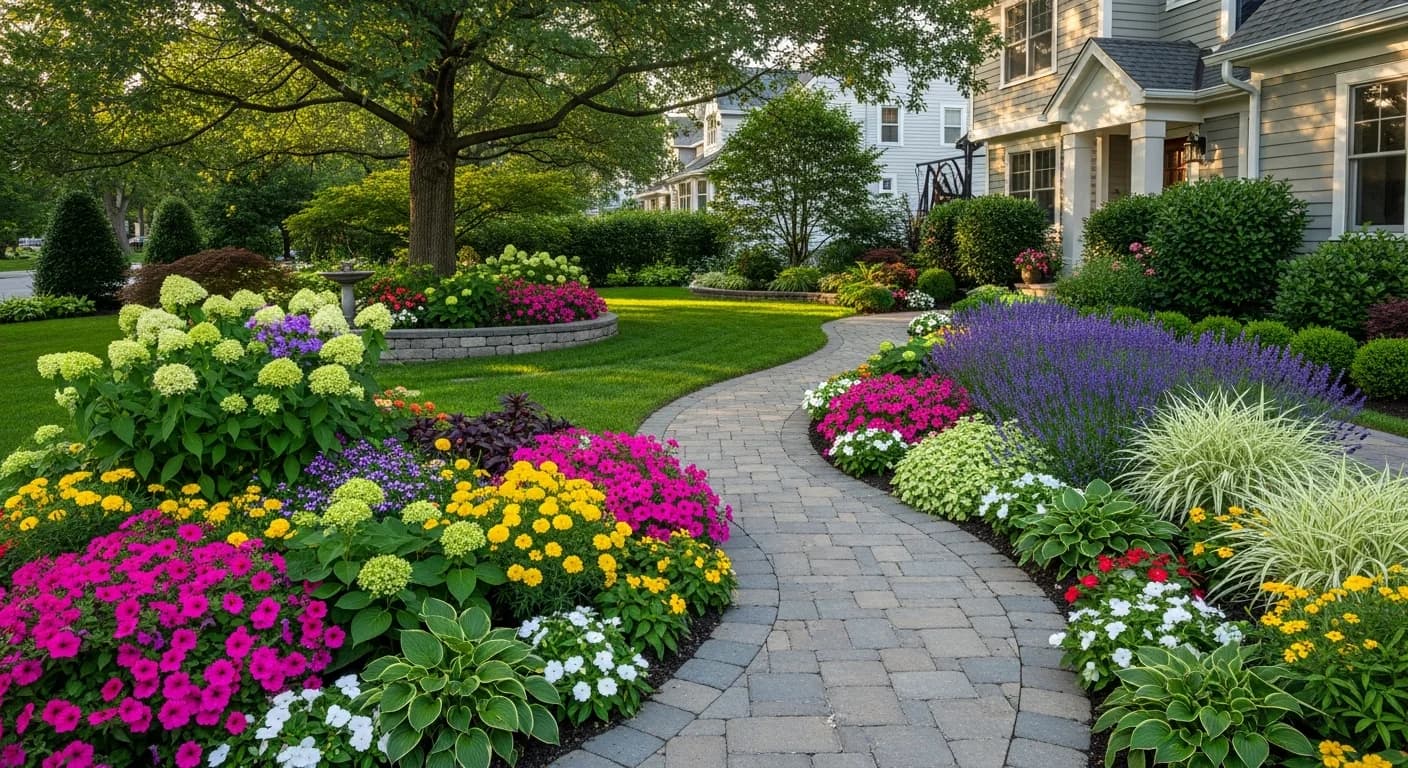
Landscaping transforms homes from houses into welcoming retreats. But landscaping projects involve significant investment in plants, hardscape, and labor—and unlike paint, living plants take years to mature. AI-powered landscaping visualization lets you see how design choices will look on your property before committing, helping you create confident curb appeal plans.
Why Visualize Landscaping Changes
Front yard landscaping deserves careful planning.
Living investments: Plants aren't easily moved once established. Choosing wrong plants for locations means watching them struggle or starting over entirely.
Maturation time: Landscaping reaches full impact years after installation. Visualization helps you see mature appearance, not just installation-day sparse plantings.
Scale challenges: Small nursery plants become large shrubs and trees. Understanding mature sizes prevents overcrowding and view blockage.
Significant costs: Professional landscaping typically costs $3,000-$15,000 or more. Design mistakes waste substantial money.
Cumulative impact: Individual plant choices matter less than overall composition. Visualization reveals how elements work together.
Foundation Plantings
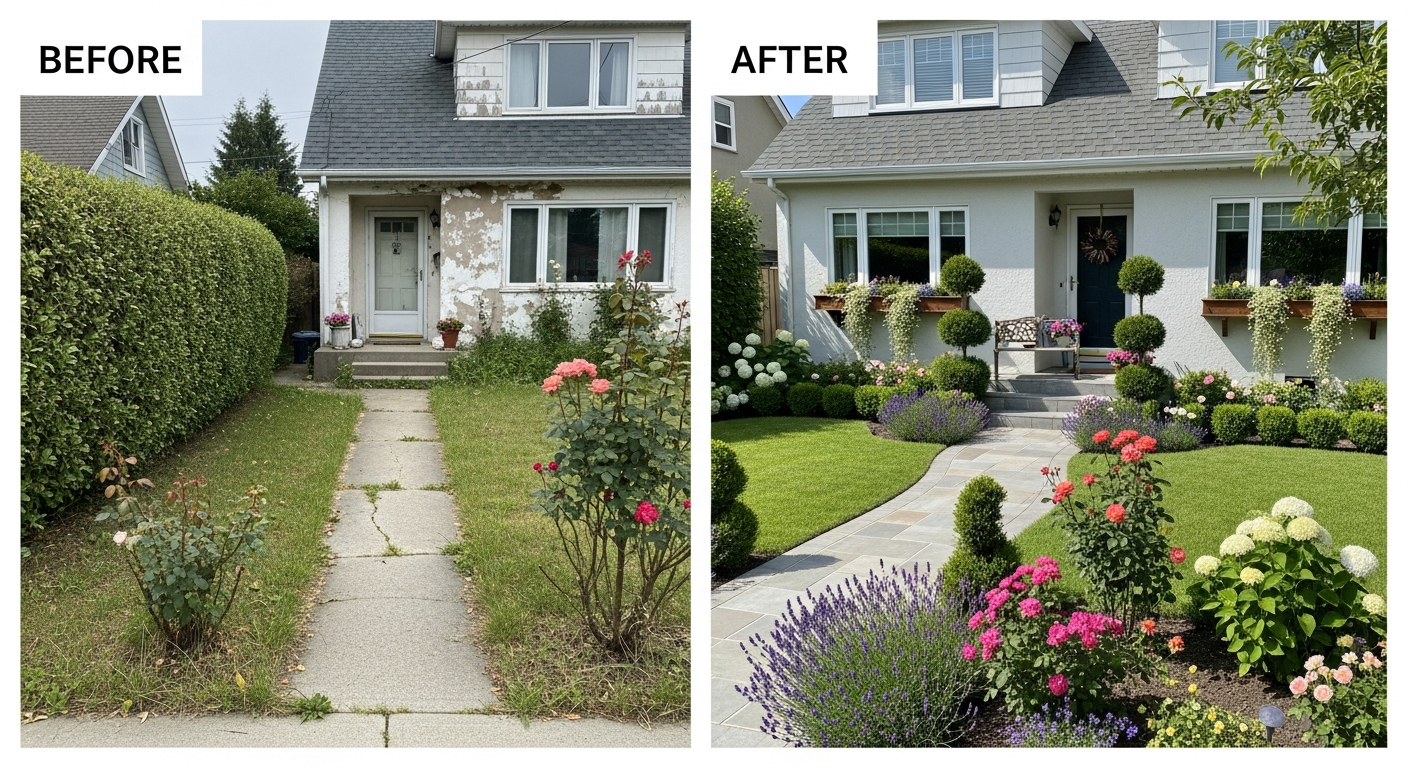
Plants along your home's foundation anchor the landscape.
Purpose and function: Foundation plantings soften the transition between architecture and landscape while hiding foundation walls and utility connections.
Height hierarchy: Taller plants at corners and between windows, shorter plants beneath windows. Creates rhythm without blocking views or light.
Evergreen backbone: Evergreen shrubs provide year-round structure. Boxwood, holly, and yews remain popular for formal settings. Juniper and arborvitae suit casual designs.
Seasonal interest: Layer flowering shrubs and perennials with evergreens for seasonal color and texture changes.
Mature size awareness: Plant selections must account for growth. Shrubs planted too close to foundations require constant pruning or eventual removal.
Maintenance considerations: Match plant selections to your maintenance commitment. Some shrubs need annual pruning; others grow naturally without intervention.
Walkway and Driveway Ideas
Hardscape features define outdoor structure and flow.
Material options: Concrete, pavers, brick, flagstone, and gravel each create different aesthetic and functional characteristics.
Walkway width: Main entry walks should be 4-5 feet wide—comfortable for two people walking together. Secondary paths can be narrower.
Curved vs. straight: Straight walks feel formal and efficient. Curved paths create relaxed, meandering journeys. Match your home's character.
Driveway enhancement: Paver borders, stamped concrete, or exposed aggregate transform plain driveways into design features.
Edging details: Clean edges between walkways and planting beds require edging materials—metal, stone, or brick—for lasting definition.
Lighting integration: Plan walkway lighting during design phase. Retrofit lighting works but integrated designs look more intentional.
Front Porch Landscaping
Entry areas benefit from focused landscaping attention.
Container gardens: Potted plants flank entries with flexible, changeable color. Update containers seasonally for fresh appeal.
Climbing plants: Trellised vines on porch columns or walls add vertical interest and soften architectural edges.
Entry focal points: Special specimens—ornamental trees, sculptural shrubs, or water features—near entries create memorable welcomes.
Symmetry vs. asymmetry: Formal homes suit symmetrical plantings. Casual designs allow more relaxed, naturalistic arrangements.
Scale awareness: Entry plantings shouldn't overwhelm porch proportions. Match plant scale to architectural scale.
Tree Placement Strategy
Trees provide the landscape's structural framework.
Shade positioning: Trees on south and west sides shade homes and reduce cooling costs. Consider mature canopy size when positioning.
Framing effect: Trees flanking views to your home create natural framing that enhances curb appeal.
Privacy screening: Evergreen trees positioned strategically provide year-round privacy from neighbors or streets.
Utility awareness: Never plant trees beneath power lines or over underground utilities. Call before planting to locate underground infrastructure.
Mature size planning: That cute nursery tree becomes a 40-foot specimen. Research mature heights and spreads before planting.
Root considerations: Some trees have aggressive roots that damage foundations, driveways, and sidewalks. Choose appropriate species for locations.
Lawn Alternatives
Traditional lawns aren't the only ground cover option.
Ground cover plants: Pachysandra, vinca, and liriope create green coverage without mowing. Work well in shade where grass struggles.
Ornamental grasses: Mass plantings of fountain grass or blue fescue create modern, low-maintenance front yards.
Xeriscaping: Rock, gravel, and drought-tolerant plants reduce water requirements. Appropriate for dry climates and water-conscious homeowners.
Mixed approach: Reduce lawn areas rather than eliminating entirely. Larger planting beds with smaller lawn sections balance maintenance with green space.
Artificial turf: Modern synthetic grass looks increasingly realistic. Eliminates mowing, watering, and fertilizing for always-green appearance.
Lighting for Curb Appeal
Landscape lighting extends curb appeal into evening hours.
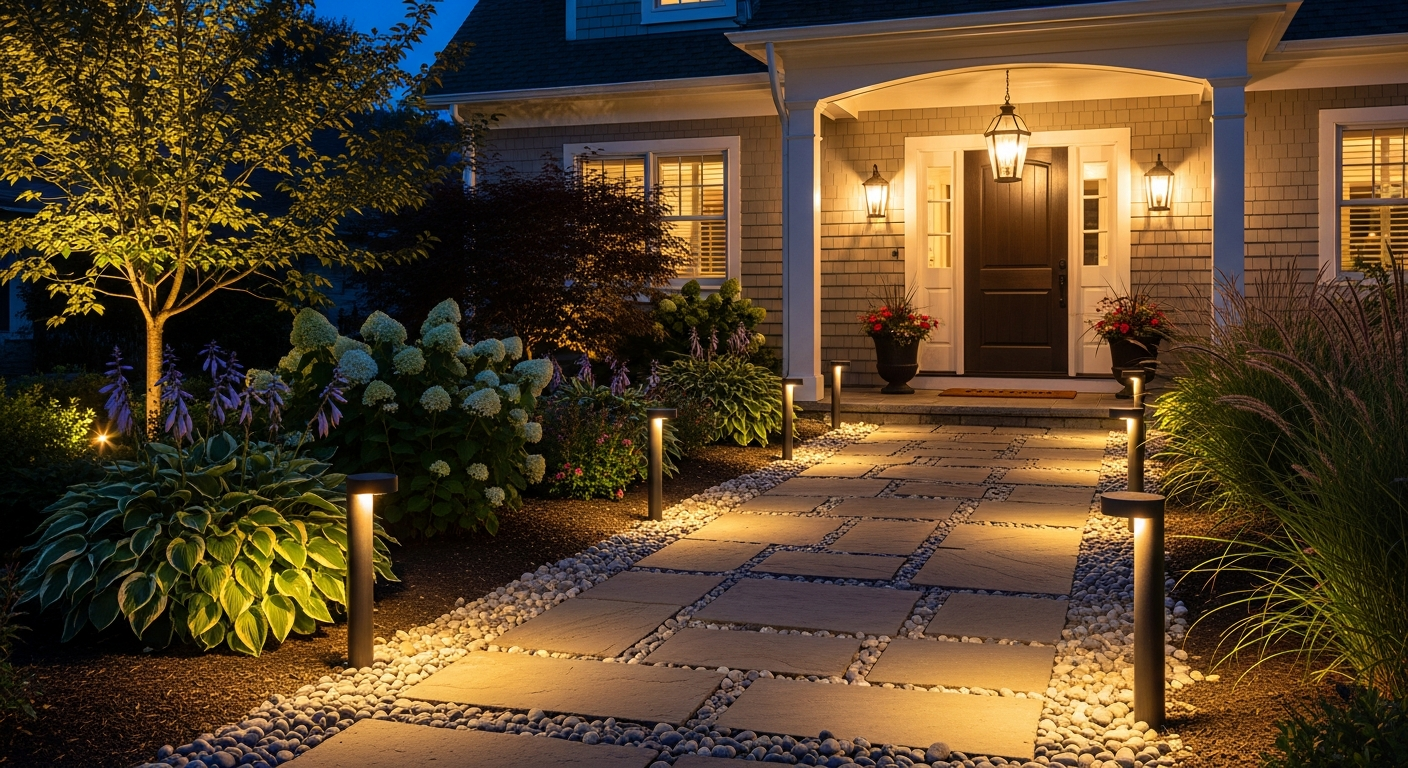
Path lighting: Low fixtures along walkways provide safety and welcoming ambiance. Space 6-8 feet apart for adequate illumination.
Uplighting: Ground-mounted fixtures illuminate trees, architectural features, and focal points from below.
Accent lighting: Spotlights highlight specimen plants, water features, or sculptural elements.
Entry emphasis: Well-lit entries feel welcoming and provide security. Combine overhead fixtures with landscape lights for layered effect.
LED efficiency: Modern LED landscape lighting runs efficiently with minimal electricity costs. Solar options eliminate wiring requirements.
Seasonal Interest Planning
Great landscapes provide year-round visual appeal.
Spring interest: Early bulbs, flowering trees, and blooming shrubs announce seasonal change.
Summer color: Perennial flowers and annual plantings provide peak color during outdoor living months.
Fall features: Ornamental grasses, fall-color foliage, and late-blooming plants extend the show.
Winter structure: Evergreens, interesting bark, and persistent berries maintain interest during dormant months.
Visualize Your Front Yard
Landscaping creates your home's first impression. Make it count with confident planning.
HanoDecor's Landscaping Visualizer lets you experiment with plants, hardscape, and features on photos of your actual property. Transform your front yard with confidence.
Front Yard Curb Appeal FAQs
Written by
James Okonkwo
James is a computer vision researcher whose work on style transfer and image-to-image translation has been published in top AI conferences. He ensures our AI produces photorealistic room transformations that respect architectural constraints.