How Much Does It Cost to Paint a House in 2026?
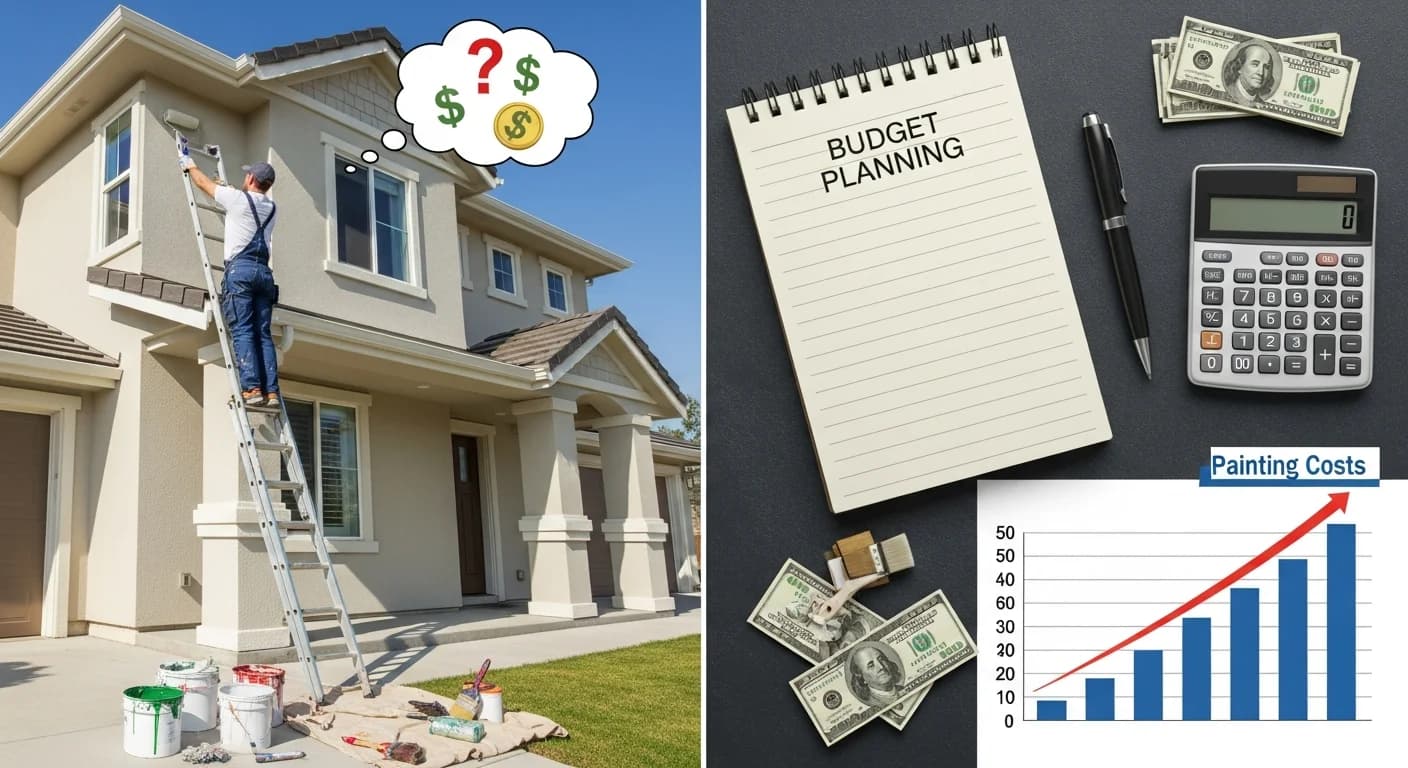
Whether you're refreshing a single room or transforming your entire home's exterior, understanding painting costs helps you budget realistically and make informed decisions about DIY versus hiring professionals. Here's your complete guide to house painting costs in 2026.
Interior Painting Costs
Interior painting costs vary widely based on room size, ceiling height, paint quality, and whether you're hiring professionals or doing it yourself.
Per Room (Professional):
- Small room (bedroom, bathroom): $200-$500
- Medium room (living room, master bedroom): $400-$800
- Large room (great room, open concept): $600-$1,200
Per Square Foot: Professional interior painting typically costs $2-$6 per square foot, including labor and materials. Budget jobs start around $2; premium finishes with extensive prep work reach $6 or more.
Whole House Interior: For an average 2,000 square foot home, expect $2,000-$8,000 for professional interior painting. This typically includes walls and ceilings; trim and doors cost extra.
Exterior Painting Costs
Exterior painting is more expensive due to larger surfaces, equipment needs, and weather considerations.
By House Size:
- Small house (under 1,000 sq ft): $1,500-$3,500
- Medium house (1,000-2,500 sq ft): $3,000-$7,500
- Large house (2,500-4,000 sq ft): $7,000-$15,000
- Very large house (4,000+ sq ft): $10,000-$25,000+
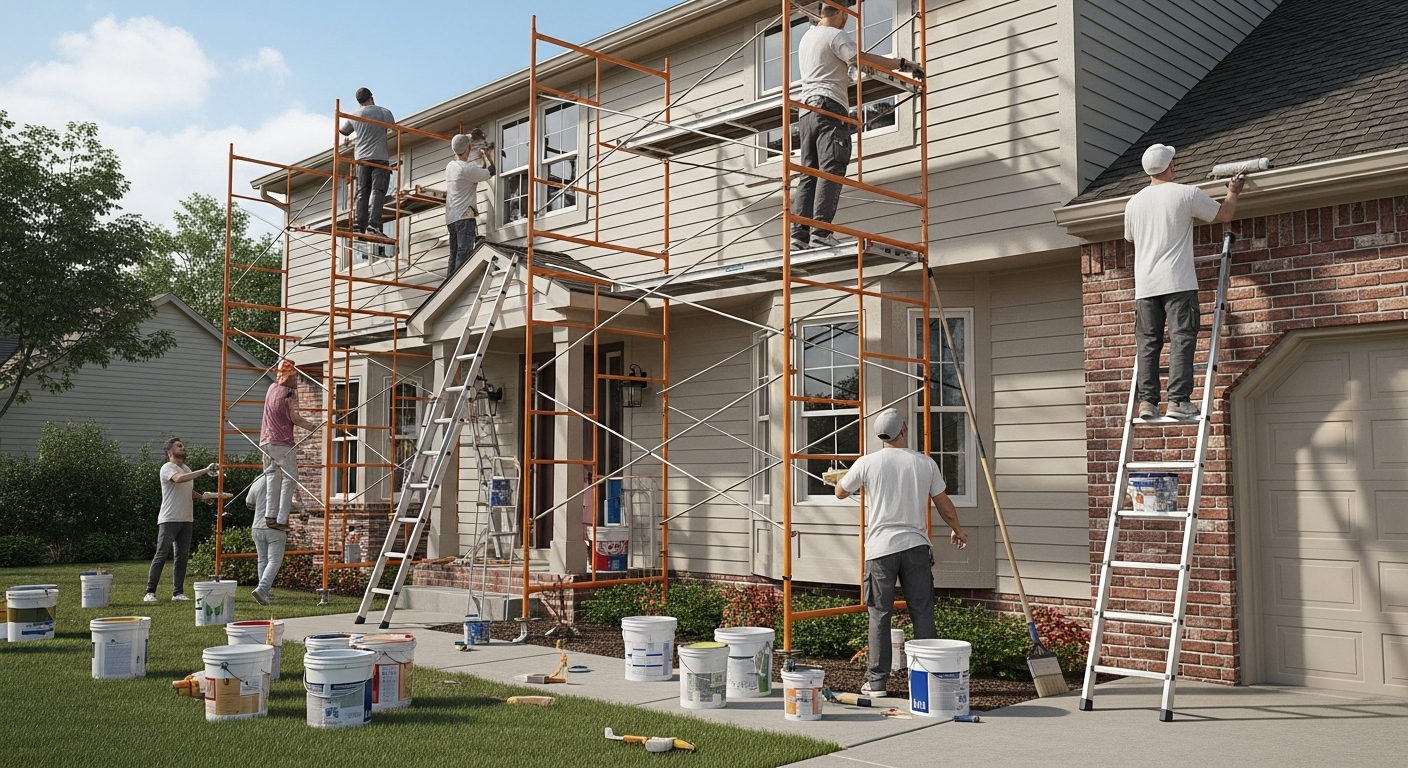
Factors Affecting Price: Siding type matters—smooth surfaces like aluminum or vinyl cost less than textured stucco or wood. Multi-story homes require ladders or scaffolding, adding $500-$2,000. Poor condition requiring extensive prep adds 20-50% to costs.
What Affects Painting Prices
Understanding pricing factors helps you anticipate costs and identify areas where you might save.
Paint Quality: Premium paints cost $50-$80 per gallon versus $25-$40 for builder-grade. Better paint covers more evenly, requires fewer coats, and lasts longer—often worth the investment.
Prep Work: Scraping, sanding, patching holes, and priming can account for 50-75% of a painting job's labor. Homes in poor condition cost significantly more than well-maintained ones.
Number of Colors: Each color adds time for cutting in and brush/roller changes. Simple single-color schemes cost less than complex multi-color designs.
Trim and Details: Crown molding, wainscoting, built-ins, and detailed trim work require careful, time-consuming work. Budget 20-40% extra for trim-heavy rooms.
Ceiling Height: Vaulted ceilings, two-story foyers, and stairwells require ladders, scaffolding, or special equipment, adding labor time and cost.
Geographic Location: Labor rates vary significantly by region. Urban areas and high cost-of-living regions pay 30-50% more than rural areas.
DIY vs. Professional Costs
Can you save money painting yourself? Yes—but the savings might be smaller than you expect once you account for all factors.
True DIY Costs:
- Paint: $30-$70 per gallon (2-4 gallons per room)
- Primer: $20-$40 per gallon (if needed)
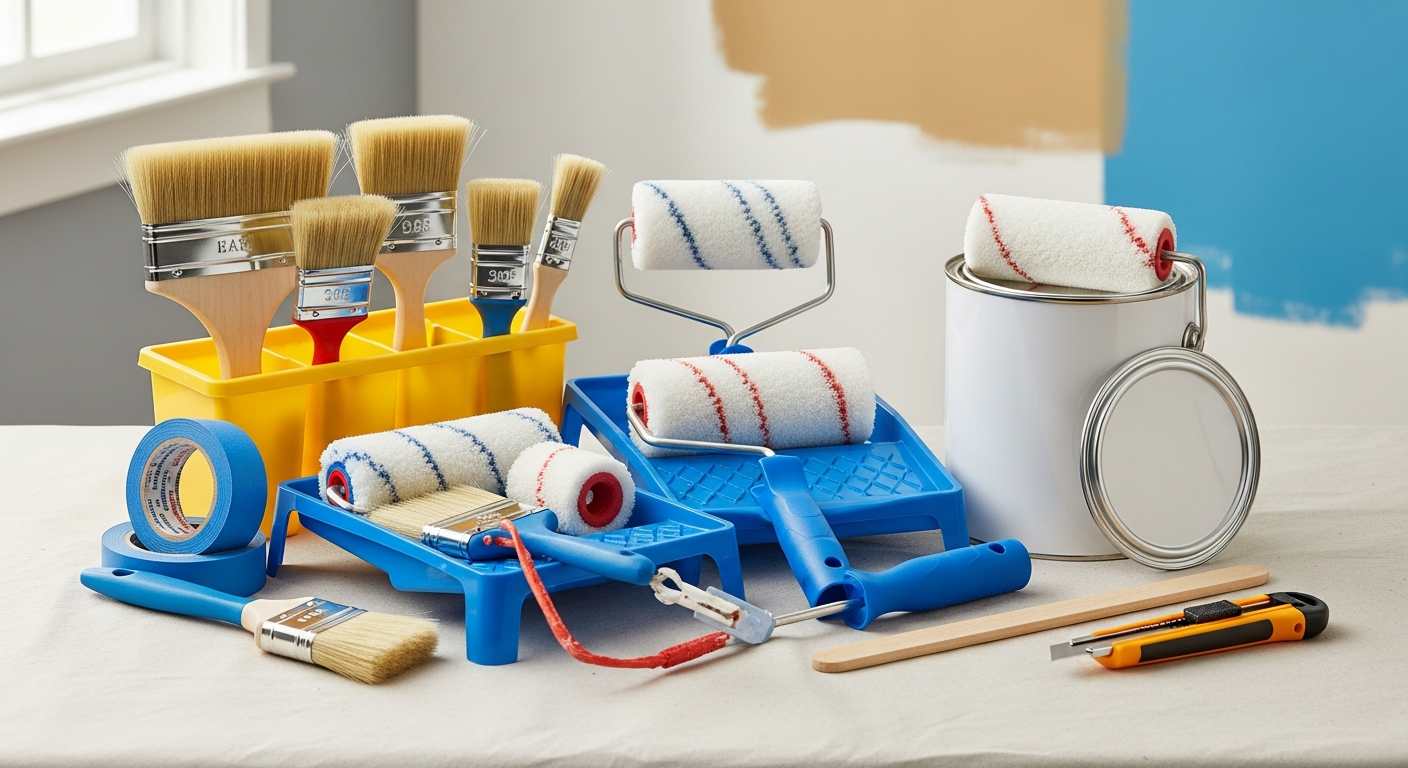
- Supplies: $50-$150 (brushes, rollers, tape, drop cloths, trays)
- Equipment: $50-$200 (ladder, extension poles)
- Your time: 8-16 hours per room for a beginner
Realistic DIY Room Cost: $150-$400 in materials, plus a full weekend (or more) of your time per room.
Professional Advantage: Professionals work faster (2-4 hours per room), achieve better results, handle prep work efficiently, and clean up completely. They also carry insurance if something goes wrong.
Hidden Costs to Budget For
Beyond the obvious paint and labor, these additional expenses catch many homeowners off guard:
Primer: If changing from dark to light colors, covering stains, or painting new drywall, primer is essential. Budget $20-$40 per gallon.
Repairs: Holes, cracks, and water damage must be repaired before painting. Minor repairs: $50-$200. Significant drywall work: $200-$1,000+.
Moving and Protection: Furniture moving, covering floors, protecting fixtures. DIY time cost; professionals often include this.
Multiple Coats: Dramatic color changes or poor-hiding colors may require three coats instead of two, adding 30-50% to paint costs.
Accent Features: That ceiling or trim that "shouldn't need painting"? Once walls look fresh, other surfaces often look dingy by comparison.
Contingency: Always budget 15-20% extra for surprises—hidden damage, color changes, or scope creep.
Money-Saving Tips
Do prep yourself: Offer to move furniture, remove outlet covers, and tape edges. Many painters reduce quotes when prep is handled.
Paint during off-season: Late fall and winter (exterior) or any time other than spring renovation season (interior) may yield better rates.
Get multiple quotes: Always get 3-5 estimates. Prices vary significantly between contractors.
Choose colors wisely: Fewer colors = lower cost. Bold colors may require more coats and primer.
Bundle projects: Painting multiple rooms or interior+exterior together often yields volume discounts.
Buy quality paint: Cheap paint requires more coats and doesn't last. Premium paint saves money long-term.
Plan Before You Paint
The most expensive painting mistake? Choosing the wrong color and having to repaint. Before committing to any paint purchase—DIY or professional—know exactly what you want.
HanoDecor's AI visualization lets you test unlimited colors on your actual walls before buying a single gallon. Experiment with options, compare side by side, and commit with confidence. The small investment in visualization can save hundreds in avoided mistakes. Check our pricing to get started.
How Much Does It Cost to Paint a House in 2026? FAQs
Written by
Sarah Chen
Senior Color Consultant with 12 years of residential exterior design experience. Specializes in architectural color theory, paint technology, and curb appeal optimization.