Indoor Plant Decor Ideas: Bringing Nature Inside
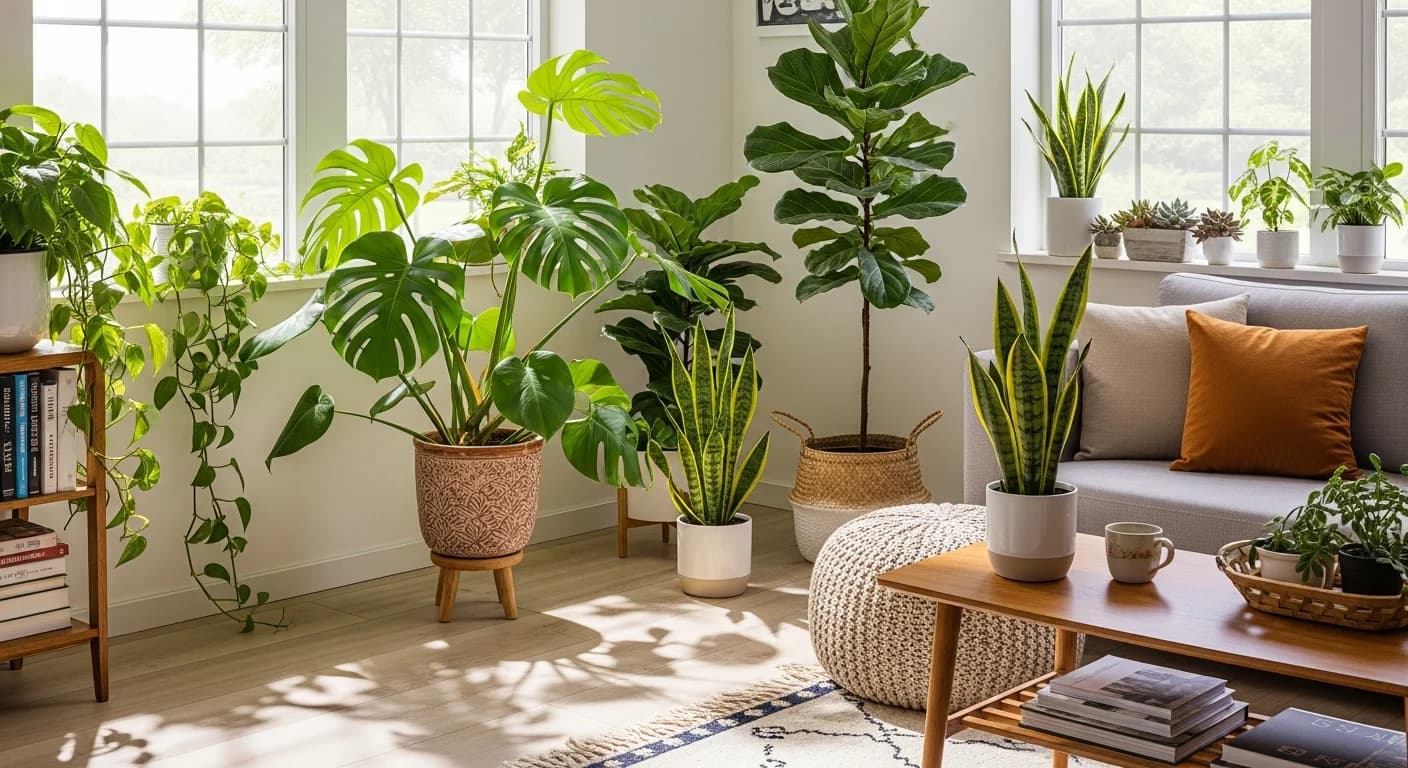
Plants transform spaces like nothing else. They purify air, reduce stress, add color, and bring living energy into homes. Whether you have a green thumb or have killed every plant you've owned, these ideas help you incorporate greenery into your decor successfully.
Statement Plants
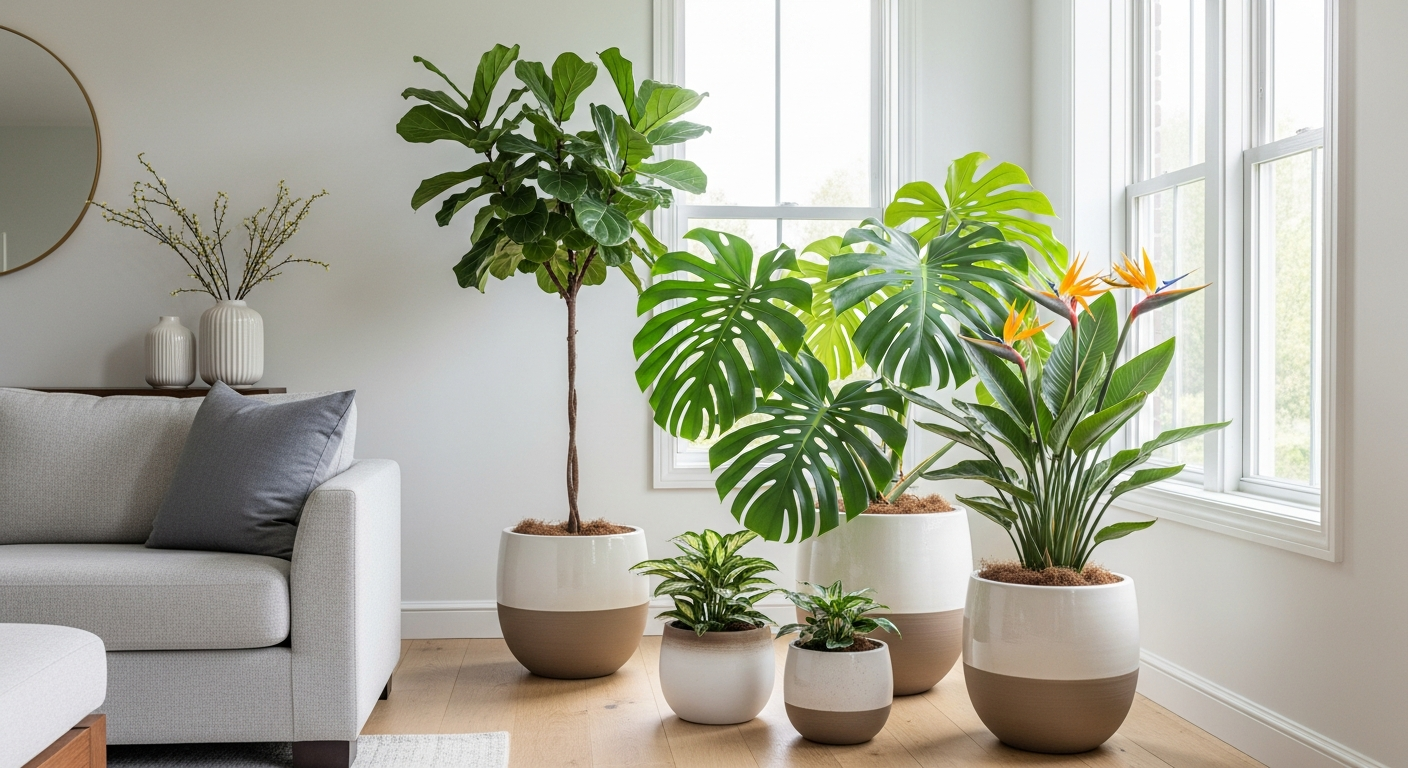
Large plants make dramatic impact, anchoring rooms and creating focal points.
Fiddle leaf figs: The Instagram-famous tree with large, sculptural leaves. Requires bright indirect light and consistent watering. Stunning when healthy, but known for being finicky.
Monstera deliciosa: The Swiss cheese plant's dramatic split leaves bring tropical drama. More forgiving than fiddle leafs, tolerating varied conditions.
Birds of paradise: Tall, architectural plants with banana-like leaves. Create resort vibes and thrive in bright light.
Olive trees: Indoor olive trees add Mediterranean elegance. Require bright light and cooler winter temperatures.
Rubber plants: Dark, glossy leaves make bold statements. Among the easier large plants to maintain.
Placement tips: Position statement plants where they'll be seen—beside sofas, in empty corners, flanking fireplaces. Allow room for growth and airflow.
Trailing and Hanging Plants
Plants that cascade and trail add movement and soften hard edges.
Pothos: Nearly indestructible trailing vine. Thrives in low light, tolerates irregular watering, and grows quickly. Perfect for beginners.
Philodendrons: Similar care to pothos with heart-shaped leaves. Many varieties from trailing to climbing to upright.
String of pearls: Delicate beaded strands create unique texture. Requires bright light and careful watering—more challenging than pothos.
English ivy: Classic trailing plant for cooler spots. Watch for spider mites in dry indoor conditions.
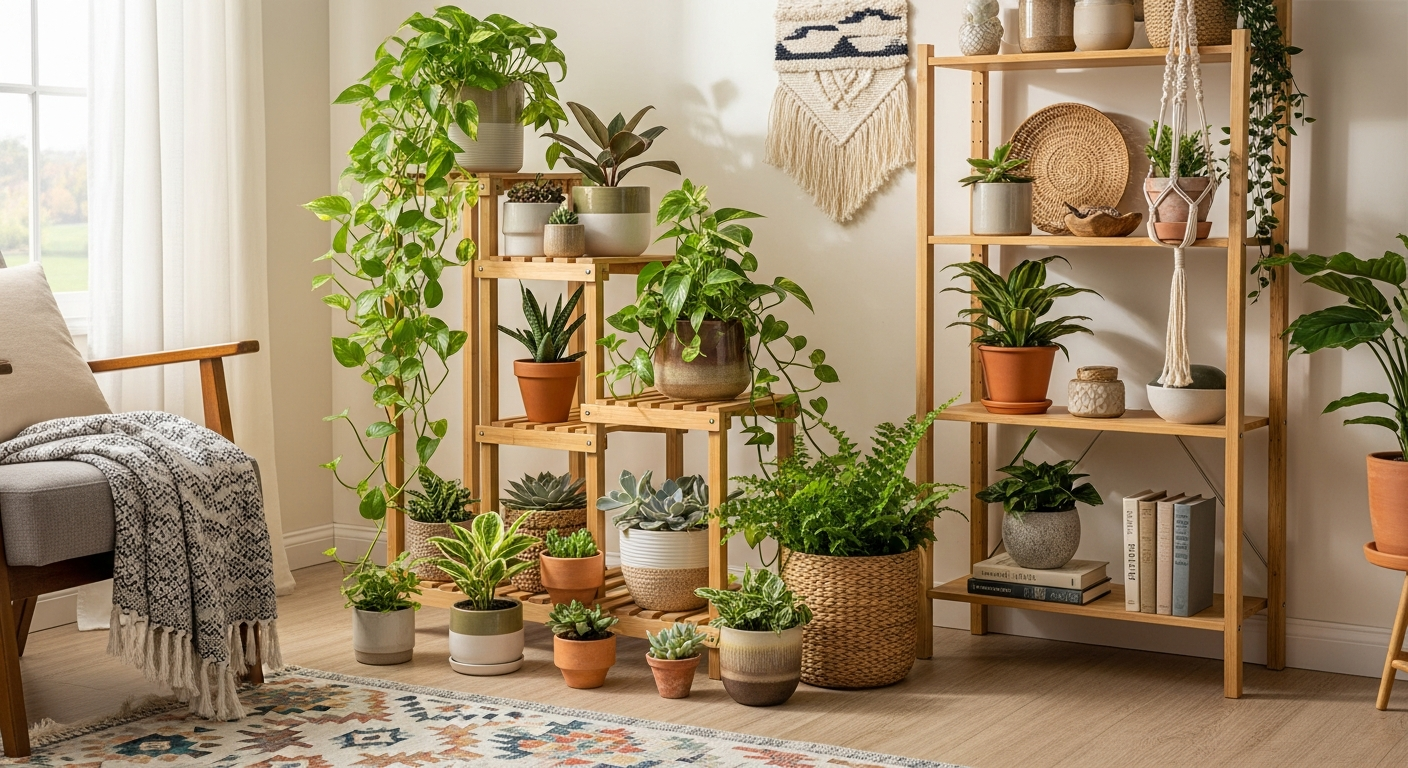
Hanging methods: Macramé hangers, mounted wall planters, high shelves, and ceiling hooks all display trailing plants effectively.
Elevated displays: Trailing plants need height to show properly. Tall plant stands, high shelves, or mounted planters give them room to cascade.
Plant Groupings
Clustering plants creates impact that single plants can't achieve.
Varied heights: Combine tall, medium, and short plants for layered, natural-looking arrangements.
Mixed textures: Pair smooth leaves with textured, broad leaves with feathery, upright with trailing.
Odd numbers: Groups of three or five plants feel more natural than even numbers.
Planter coordination: Matching or complementary planters unify diverse plants into intentional arrangements.
Corner jungle: Clustering multiple plants in corners creates indoor garden effect and maximizes impact.
Plant shelves: Dedicated plant shelving displays collections while keeping plants at appropriate light levels.
Low-Light Solutions
Not every space gets abundant natural light. These plants thrive in dim conditions.
Snake plants: Nearly indestructible. Tolerates low light, irregular watering, and neglect. Architectural vertical leaves suit modern spaces.
ZZ plants: Glossy, dark leaves thrive with minimal care. Extremely drought-tolerant and low-light adapted.
Pothos: The low-light champion. Trailing vines grow even in bathrooms and offices with little natural light.
Chinese evergreens: Variegated leaves add color in low-light conditions. Very forgiving and long-lived.
Peace lilies: Elegant white flowers in low light. One of few flowering plants for dim spaces.
Cast iron plants: Named for their toughness. Survive almost complete neglect in dark corners.
Planter Selection
Planters contribute to decor as much as plants themselves.
Ceramic pots: Classic choice in endless colors and finishes. Ensure drainage holes or use as decorative covers over plastic grow pots.
Woven baskets: Natural texture suits bohemian and organic spaces. Line with plastic to prevent water damage.
Plant stands: Elevating plants on stands adds height variation and shows off trailing growth.
Matching sets: Coordinating planters across a room creates cohesion. Same color in different sizes, or same style in different materials.
Pot covers: Decorative pots without drainage work as covers for plastic nursery pots. Allows drainage while looking beautiful.
Self-watering options: For forgetful waterers, self-watering planters maintain consistent moisture.
Room-by-Room Plants
Different rooms offer different conditions. Match plants to environments.
Living rooms: Usually brightest rooms. Statement plants, trailing plants from shelves, and grouped arrangements all work.
Bedrooms: Snake plants and pothos purify air and tolerate lower light. Avoid plants requiring bright light away from windows.
Bathrooms: Humidity-loving plants thrive—ferns, pothos, orchids, air plants. If windowless, rotate plants to light periodically.
Kitchens: Herbs serve double duty as decor and cooking ingredients. Bright kitchen windows suit most plants.
Home offices: Desk plants reduce stress and improve air quality. Small potted plants, terrariums, and air plants fit desktop spaces.
Faux Plant Options
When live plants won't work, quality artificial plants provide the look without the care.
When faux makes sense: No natural light, frequent travel, allergies, or pets that eat plants all justify artificial alternatives.
Quality matters: Cheap faux plants look cheap. Invest in realistic options with varied leaf coloring and natural-looking stems.
Mixing real and faux: Combining live plants in good spots with faux in difficult areas creates lush look everywhere.
Maintenance: Dust faux plants regularly. They don't need water, but they do need cleaning.
Visualize Plant Placement
Plants transform rooms—but wrong plants in wrong spots fail to thrive. See how greenery works in your actual space before purchasing.
HanoDecor's Room Visualizer helps you experiment with plant placement and room styling on photos of your space. Preview how statement plants anchor corners, visualize trailing greenery, and create your indoor garden with confidence.
Indoor Plant Decor Ideas FAQs
Written by
Emily Rodriguez
Interior Design Editor covering living spaces, styling trends, and room makeovers. Former Architectural Digest contributor with a focus on accessible, budget-conscious design.