Minimalist Home Decor: Creating Calm, Clutter-Free Spaces
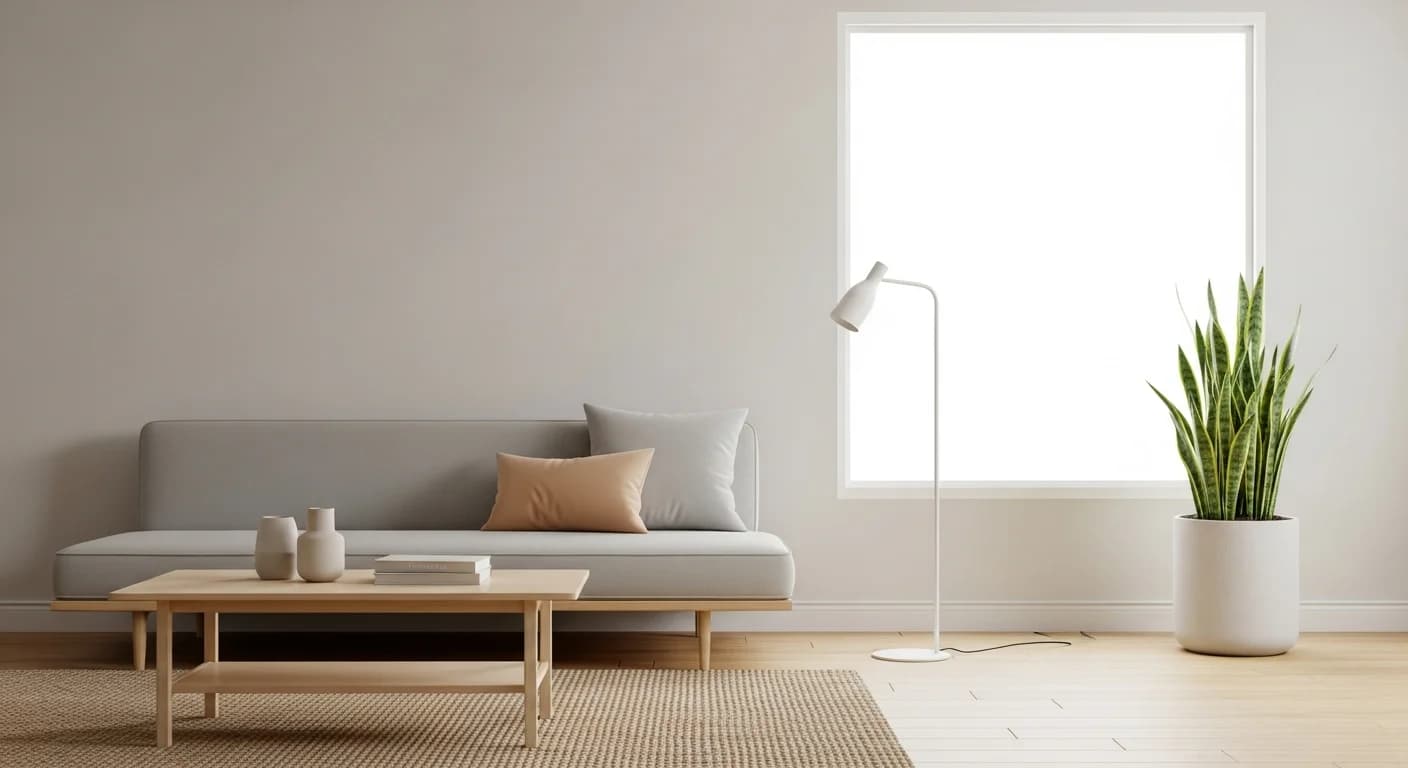
Minimalist home decor isn't about empty rooms or spartan living—it's about intentional choices that create calm, functional spaces. By focusing on quality over quantity and purpose over decoration, minimalist design delivers visual peace that supports wellbeing.
The Minimalist Philosophy
Understanding minimalism's principles helps you apply them authentically rather than superficially.
Quality over quantity: Fewer, better things replace many mediocre ones. Investment pieces you love outweigh collections of items you merely tolerate.
Intentional choices: Every item earns its place through function, beauty, or meaning—preferably all three. If something doesn't serve purpose, it doesn't stay.
Visual calm: Minimalist spaces feel restful because they lack visual noise. Fewer items mean fewer decisions, less maintenance, and more peace.
Negative space: Empty space isn't wasted space—it's breathing room. Minimalism values what's not there as much as what is.
Personal expression: Minimalism doesn't mean identical white boxes. Your essential items reflect your priorities and personality—just edited intentionally.
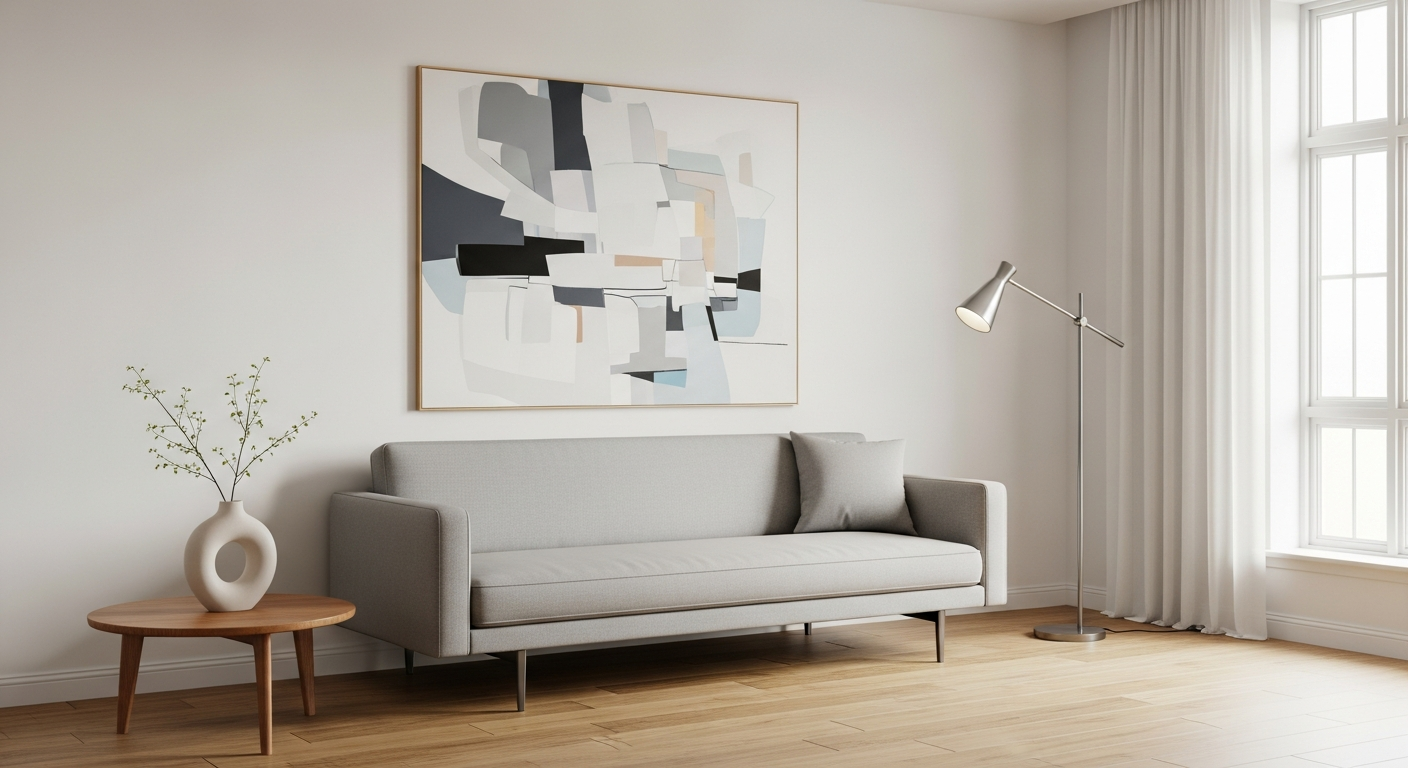
Decluttering First
Minimalist decorating begins with editing what you already own. You can't style clutter—you must remove it.
Category approach: Declutter by category (books, clothes, decor) rather than room by room. This reveals duplicates and excess you'd miss otherwise.
The joy test: Does this item bring genuine joy or serve essential function? If neither, thank it for its service and let it go.
Storage solutions: What remains needs proper homes. Minimalism requires good storage—hidden clutter isn't minimalism, it's procrastination.
One in, one out: Maintain minimalism by releasing one item for every new acquisition. This prevents gradual accumulation.
Sentimental items: Keep what matters most; photograph the rest. Memories live in you, not in objects.
Neutral Color Foundations
Minimalist palettes tend toward neutrals, creating calm backdrops for intentional living.
White and off-white: Bright whites feel crisp and modern. Warm whites feel softer. Either provides clean canvas for minimal furnishings.
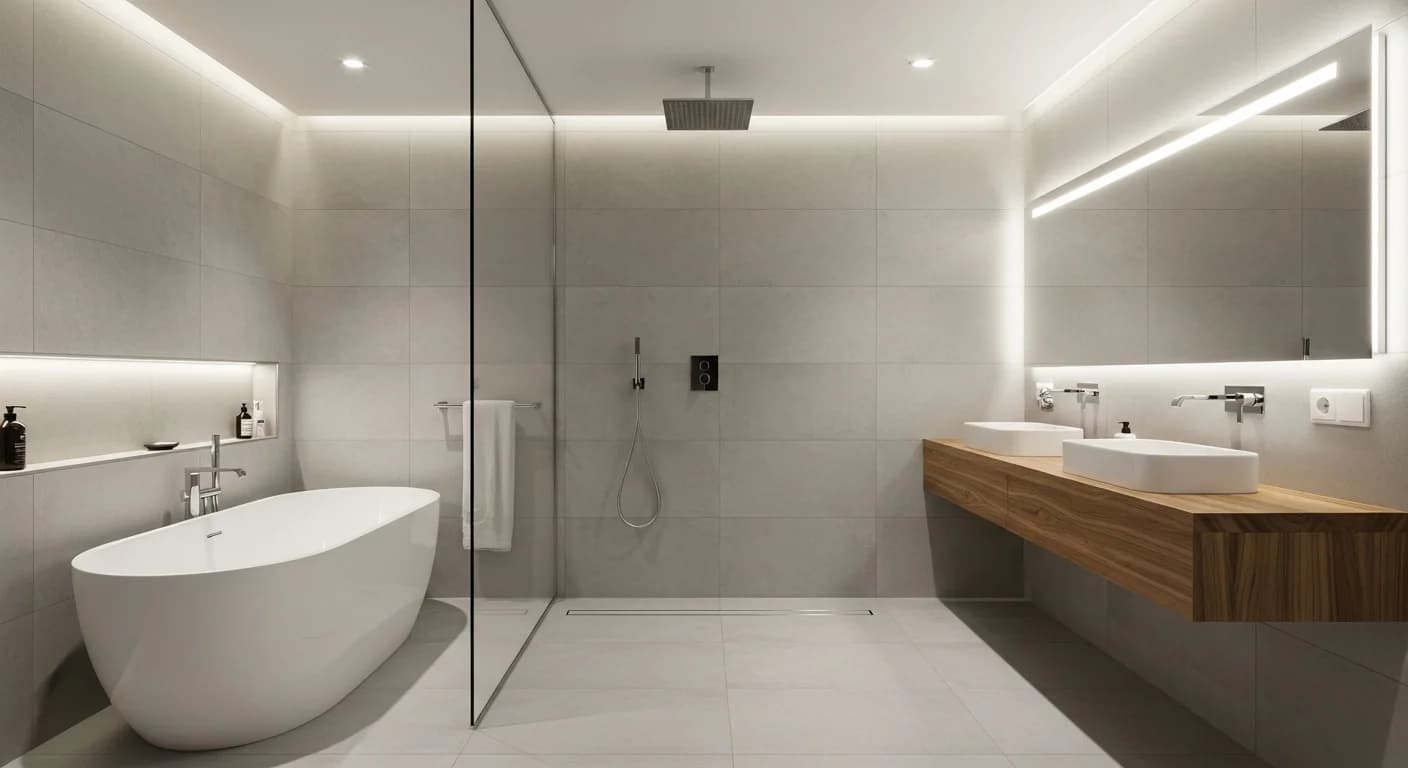
Gray tones: From pale dove to deep charcoal, grays add sophistication without visual noise. Layer different values for depth.
Beige and warm neutrals: Earth tones warm minimalist spaces that might otherwise feel cold. Combines well with natural materials.
Subtle variations: Monochromatic schemes in varying shades create interest through subtle tonal shifts rather than color contrast.
Strategic color: If you include color, make it intentional—a single artwork, a statement chair, or one accent wall. Color becomes more powerful when rare.
Furniture Selection
Minimalist furniture prioritizes clean lines, quality construction, and functional excellence.
Clean silhouettes: Simple shapes without ornamentation. Straight legs, smooth surfaces, minimal hardware. Lines that flow rather than interrupt.
Multifunctional pieces: Storage ottomans, expandable tables, and convertible sofas reduce item count while maintaining function.
Investment quality: Minimalist spaces have fewer pieces, so each one matters more. Quality craftsmanship and durable materials justify higher prices.
Proportional sizing: Furniture should fit spaces appropriately. In minimalism, oversized or undersized pieces feel jarring.
Negative space around furniture: Allow breathing room. Furniture shouldn't crowd spaces or block natural pathways.
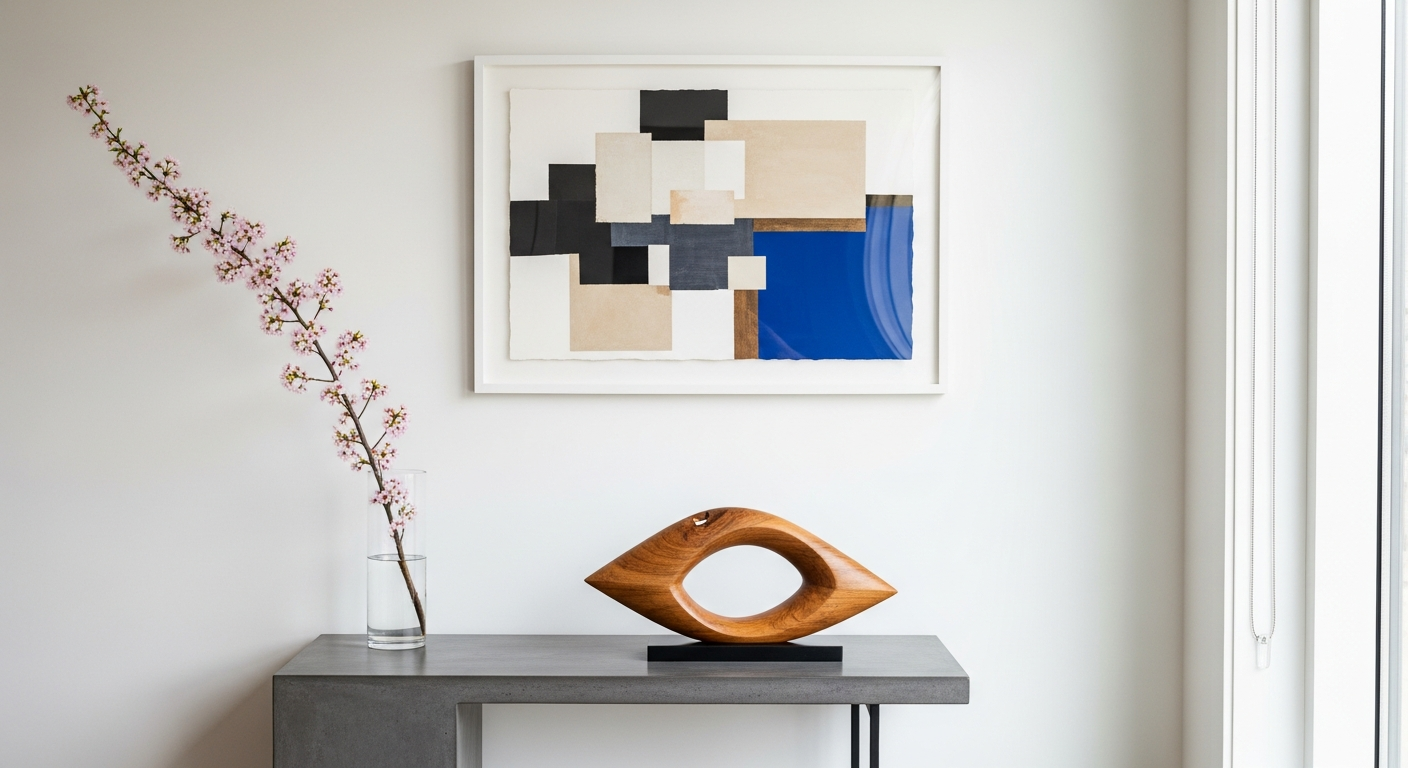
Thoughtful Accessories
Minimalist decorating isn't accessory-free—it's accessory-intentional.
Fewer, larger items: One statement vase beats a collection of small objects. Scale up, quantity down.
Meaningful objects: Display what matters—travel mementos, family heirlooms, artisan purchases. Skip decorating for decorating's sake.
Grouped displays: When you have multiple small items, group them intentionally rather than scattering throughout.
Negative space value: Empty surfaces are features, not failures. Resist the urge to fill every shelf and tabletop.
Seasonal rotation: Rather than displaying everything always, rotate items seasonally. What's out feels fresh; what's stored feels anticipated.
Texture Without Clutter
Minimalist spaces need textural interest to avoid feeling flat or sterile.
Natural materials: Wood grain, linen weave, stone texture, and wool nubs add interest without visual clutter. Nature provides subtle variety.
Layered textiles: A linen sofa with wool throw and cotton pillows creates depth through material variety, not pattern or color excess.
Matte and shine: Mixing matte and reflective surfaces adds dimension. Glossy ceramics against matte walls, polished hardware on textured wood.
Architectural texture: Exposed brick, concrete floors, or wood beams provide permanent textural interest requiring no accessories.
Visualize Minimal Design
Minimalism requires seeing what isn't there—imagining spaces with less before removing what's there now. Visualization helps you commit to changes that feel scary.
HanoDecor's Room Visualizer lets you experiment with minimalist approaches on photos of your actual rooms. See how spaces feel with less furniture, preview neutral palettes, and build confidence in simplified design—create your calm minimalist home.
Minimalist Home Decor FAQs
Written by
Lisa Wang
Sustainable Design Writer focused on eco-friendly materials, energy efficiency, and budget-conscious home improvement. LEED Green Associate with expertise in low-impact renovation strategies.