Modern and Neo-Brutalist Architecture: The Concrete Revival
Quick Overview
Brutalism is back, and it has never looked better. The concrete architecture that was once dismissed as ugly, oppressive, and outdated has undergone a remarkable rehabilitation in the 2020s, emerging as one of the most influential aesthetic movements in contemporary architecture, design, and culture. What was built as social housing and civic infrastructure in the 1960s now inspires luxury residences, tech campuses, museum galleries, and fashion collections.
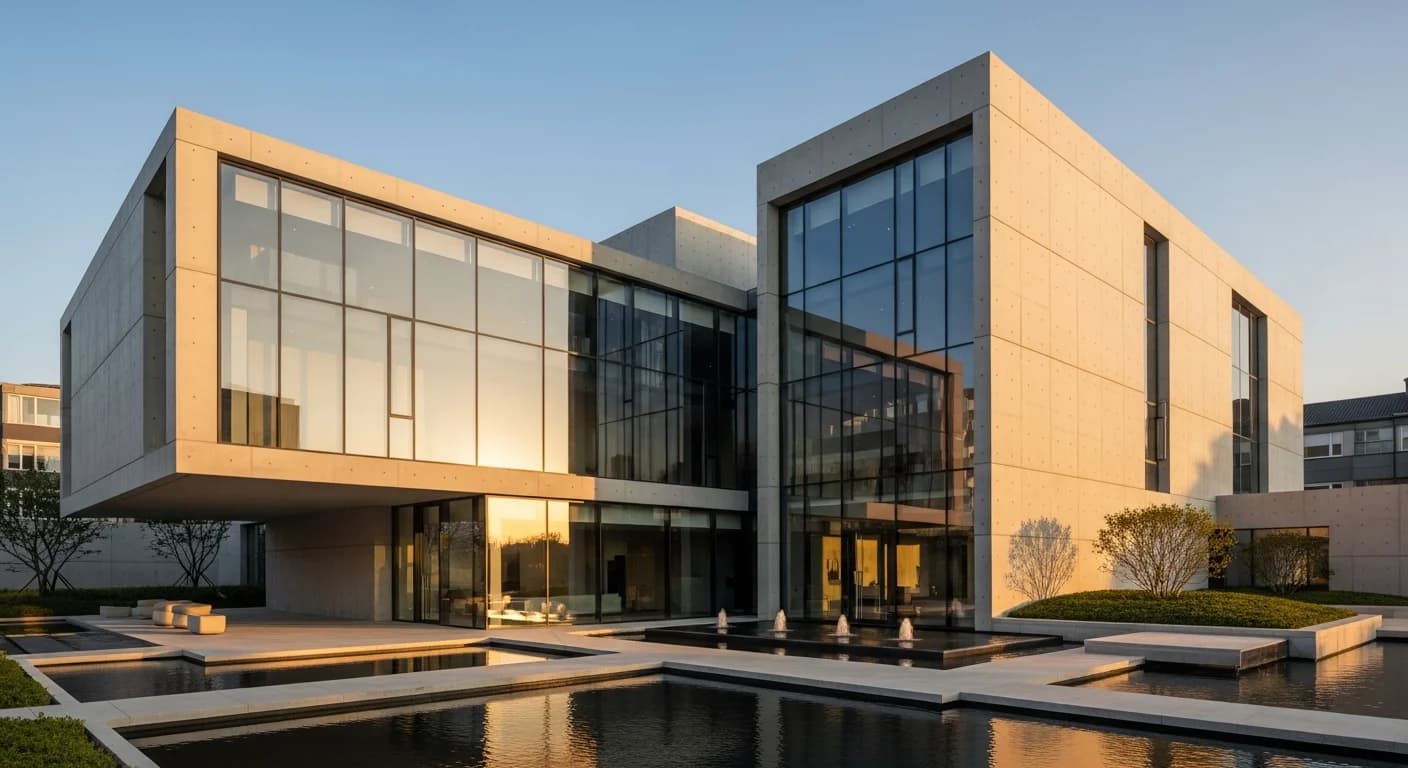
Neo-brutalism, the contemporary interpretation of brutalist principles, differs from its predecessor in important ways. Where original brutalism prioritized raw expression and social mission, neo-brutalism is more selective, more refined, and more aware of its own aesthetic power. It honors the original movement's commitment to material honesty while incorporating contemporary technology, sustainability considerations, and a warmth that softens concrete's most austere qualities.
The cultural moment is undeniable. The 2024 film "The Brutalist" brought the movement to mainstream attention. Architecture Instagram celebrates concrete with millions of posts. Tech companies commission neo-brutalist headquarters. Luxury brands design brutalist-inspired collections. Homeowners seek out concrete houses that would have been unsellable a generation ago. This guide explores what is driving the revival, who is shaping it, and where it is heading.
For the foundational history of brutalism, see our complete guide to brutalist architecture.
What Defines Neo-Brutalism
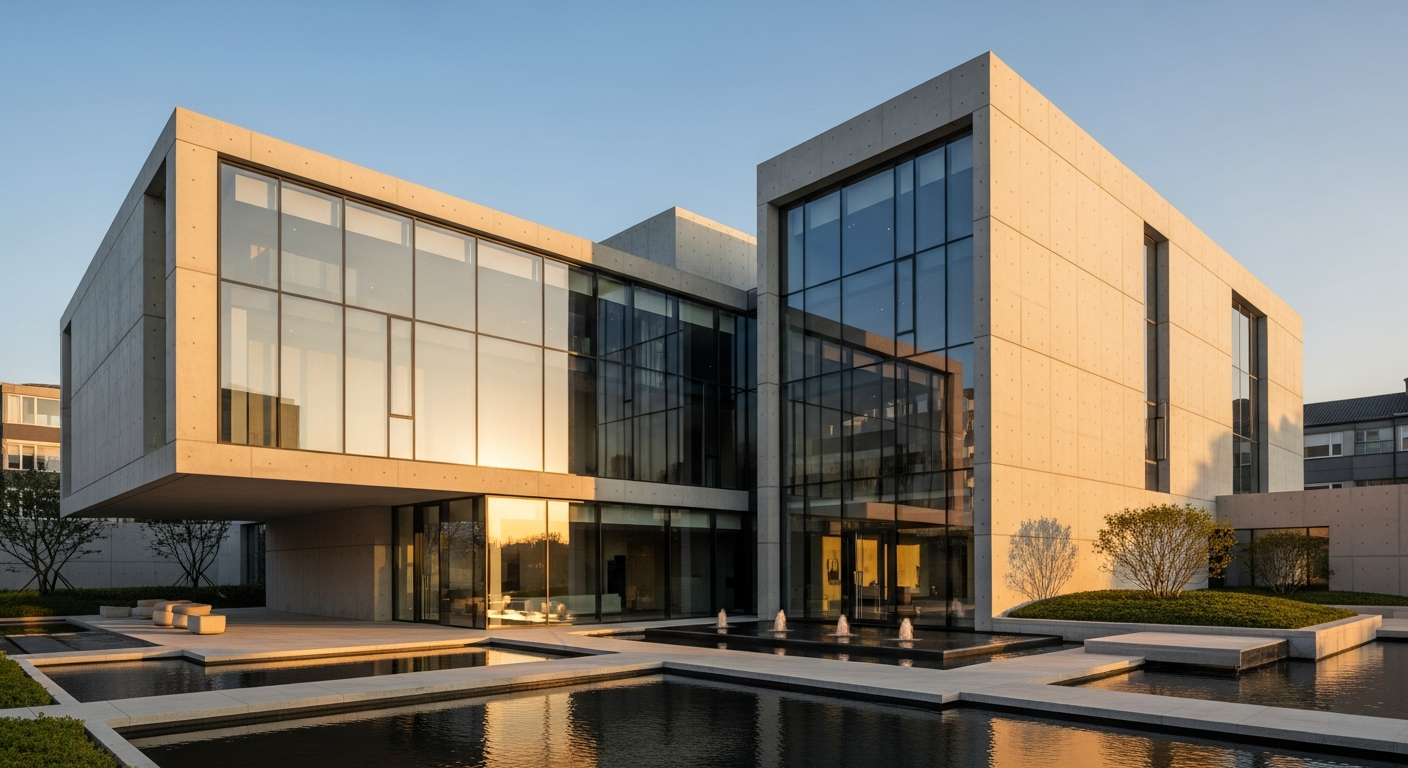
Neo-brutalism is not a simple revival of 1960s aesthetics. It is a contemporary movement that selectively inherits brutalist principles while reimagining them for twenty-first-century context.
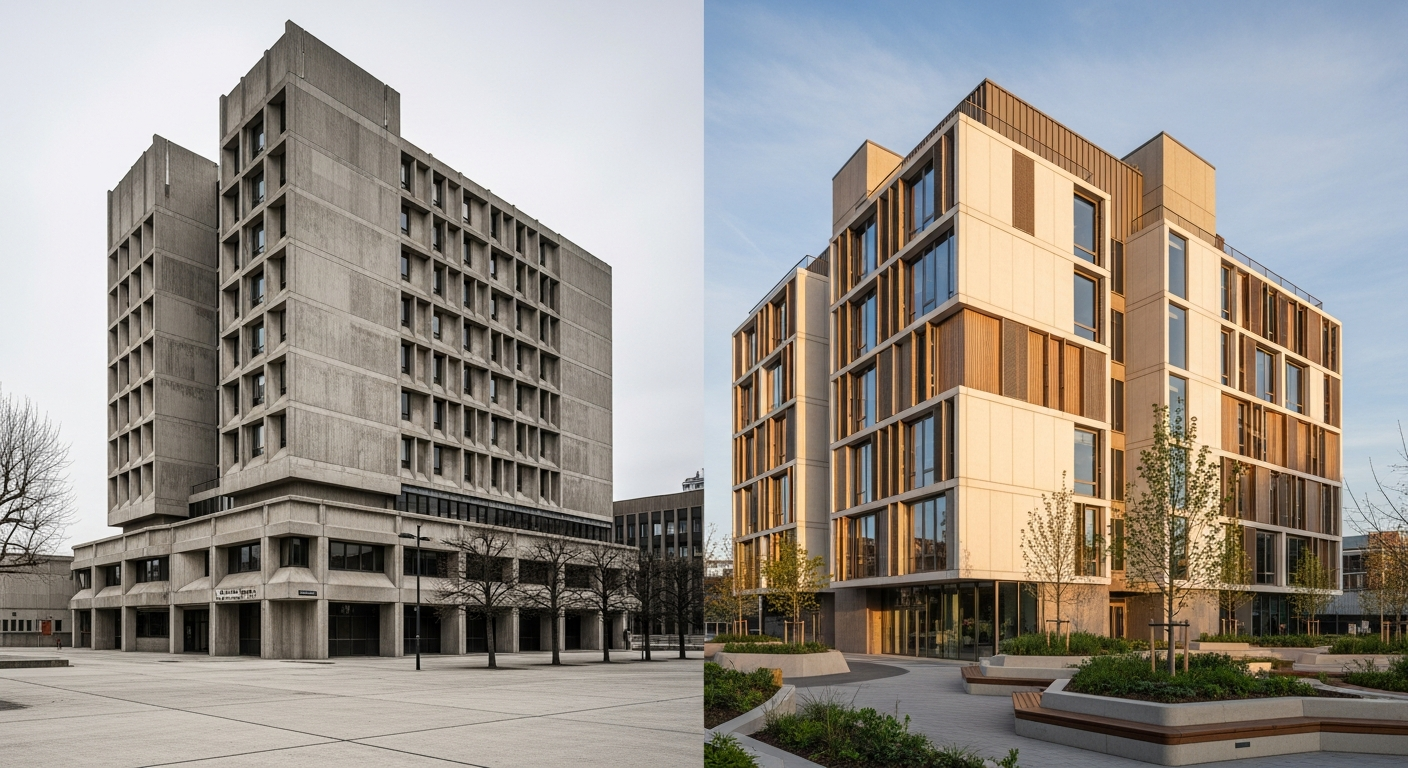
Selective honesty is the defining shift. Original brutalism expressed everything: structure, services, construction method, and material. Neo-brutalism chooses where to expose and where to refine. A neo-brutalist building might feature a dramatic board-formed concrete facade while concealing sophisticated mechanical systems behind seamless interior surfaces. This selective approach creates buildings that feel honest without being relentlessly raw.
Material expansion broadens the palette beyond pure concrete. Neo-brutalist architects work with corten steel, which develops a protective rust patina that changes with weather and time. Large-scale structural glass creates transparency that contrasts with concrete mass. Timber elements introduce organic warmth. The combination of these materials creates a richer architectural vocabulary than concrete alone could achieve.
Technology integration distinguishes neo-brutalism from its predecessor. Smart building systems, LED lighting designed to reveal concrete textures, climate control optimized for thermal mass, and digital fabrication techniques for complex concrete forms all contribute capabilities that mid-century brutalists could not have imagined. The technology is typically concealed, maintaining the appearance of simplicity while delivering contemporary performance.
Scale evolution has shifted from monumental public buildings to refined private and boutique commercial projects. While original brutalism was primarily an architecture of institutions, governments, and mass housing, neo-brutalism operates across all scales and programs, from single-family houses to boutique hotels, from restaurant interiors to art galleries. This democratization of the aesthetic makes it accessible to a broader audience.
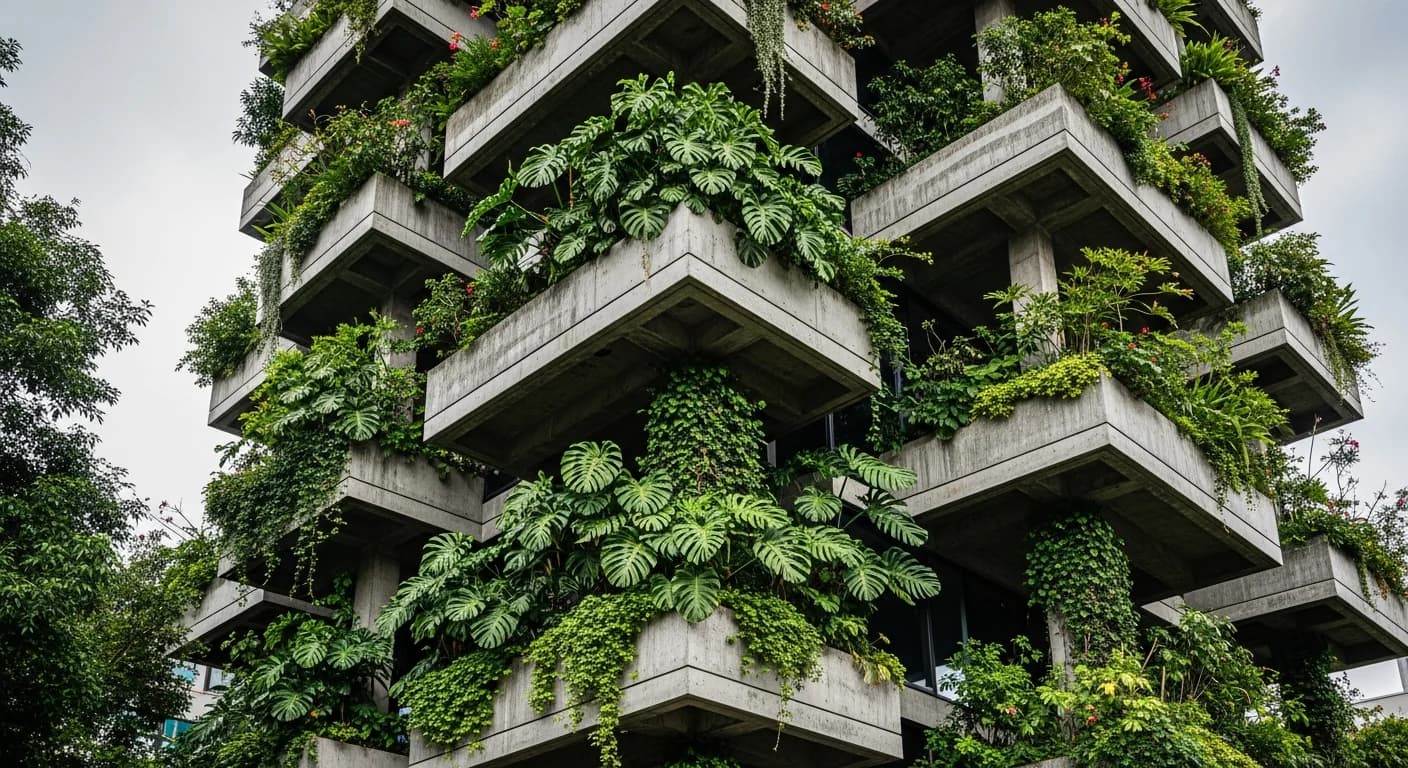
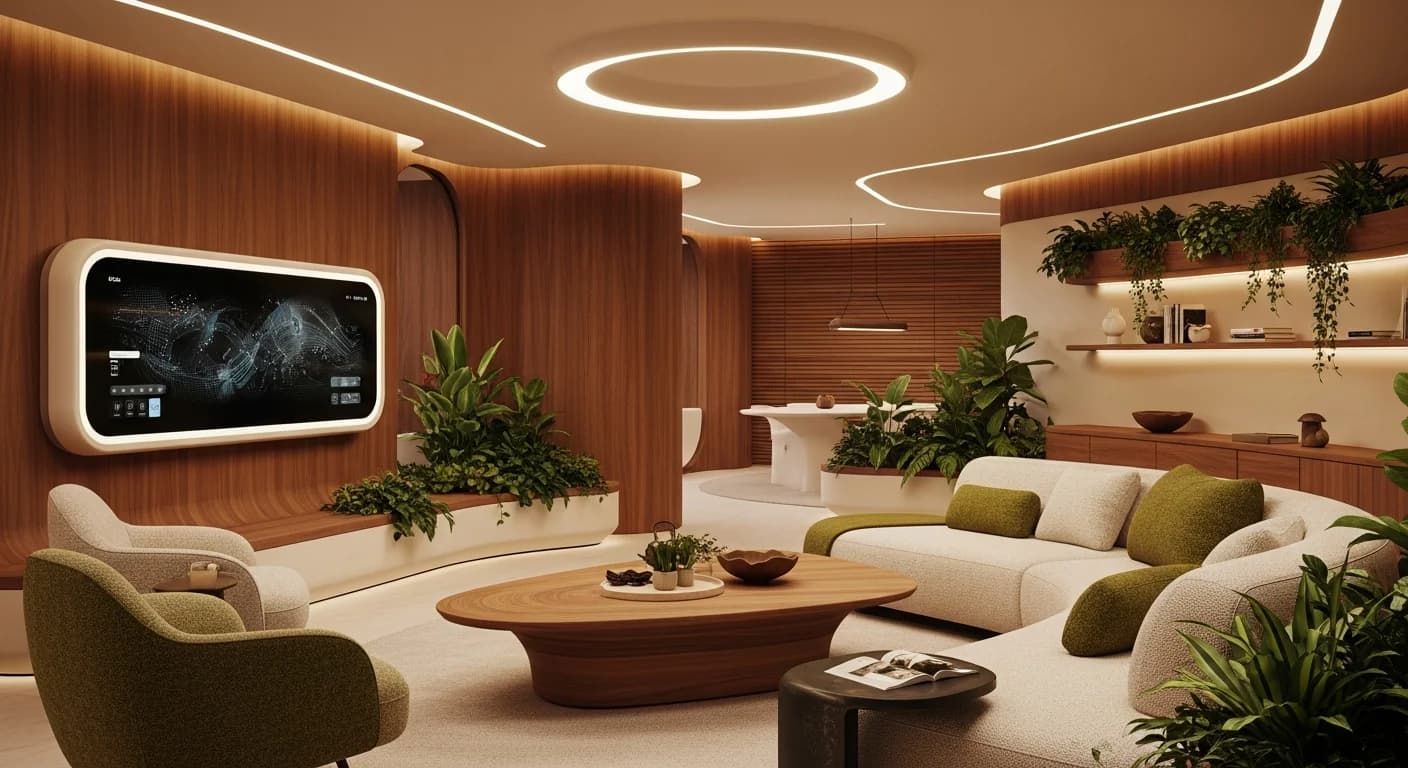
The warm and soft brutalism subcurrents represent the most commercially successful interpretation. Warm brutalism introduces timber, textiles, and warm-toned materials to offset concrete's coolness. Soft brutalism rounds sharp edges, uses paler concrete tones, and incorporates planting to create spaces that feel inviting rather than imposing. These subcurrents have made brutalist aesthetics palatable to mainstream residential markets.
Neo-Brutalism in Tech and Corporate Architecture
The technology industry's embrace of brutalist-inspired architecture reveals a deeper alignment between the two cultures: both value function over decoration, celebrate engineering, and aspire to create environments that feel timeless rather than trendy.
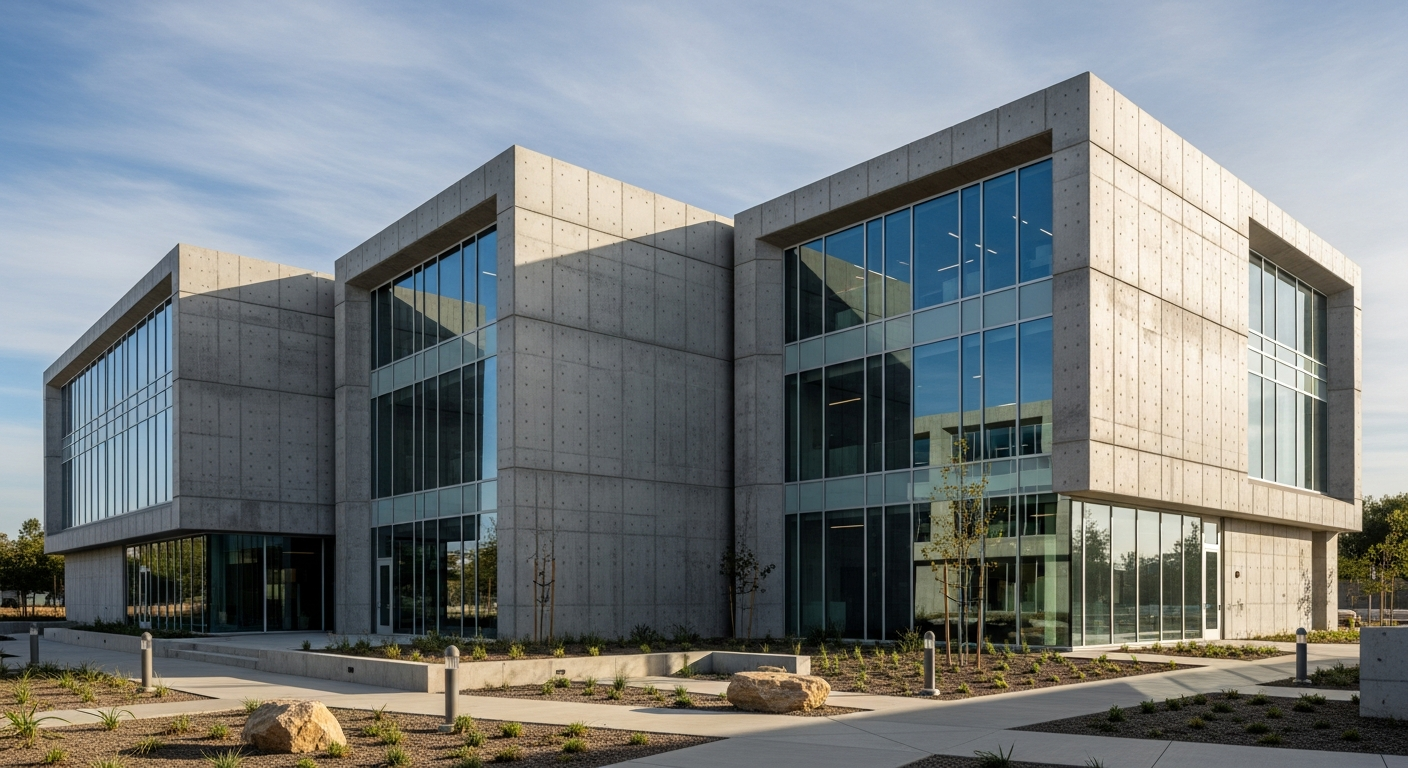
Apple Park in Cupertino, while not strictly brutalist, shares brutalism's commitment to material quality and structural expression. Its massive curved glass walls are set within a concrete ring structure that took years to perfect. The building's concrete elements were specified to exacting standards, with custom mixes developed to achieve consistent color and texture across the entire four-story ring. This obsessive attention to concrete quality echoes the ambitions of mid-century brutalist architects.
Tech campus design has increasingly adopted exposed concrete as a signifier of engineering culture. Concrete communicates authenticity, permanence, and seriousness of purpose. Unlike the glass curtain walls of 1990s corporate architecture, which suggested transparency and openness, concrete suggests honesty and substance. In an industry where products are ephemeral software, physical permanence offers compelling counterpoint.
Coworking spaces have been among the most enthusiastic adopters of brutalist-inspired design. The raw concrete, exposed ductwork, and industrial lighting that characterize these spaces derive directly from brutalist aesthetics, even when the designers do not explicitly reference the movement. The appeal is partly economic, exposed concrete and ductwork are cheaper than finished surfaces, but the popularity of the aesthetic among tech workers and creative professionals reflects genuine cultural preference.
The connection between brutalist minimalism and tech culture runs deeper than style. Both movements share a philosophical commitment to removing unnecessary elements, to expressing function directly, and to valuing structural integrity over surface decoration. A brutalist building and a well-designed piece of software share the quality of doing exactly what they do without pretense or ornamentation.
Neo-Brutalist Cultural Spaces
Museums, galleries, performing arts centers, and libraries represent the most natural program for neo-brutalist architecture. These buildings require dramatic interior volumes, controlled lighting, and neutral surfaces that do not compete with exhibited art or performed music.
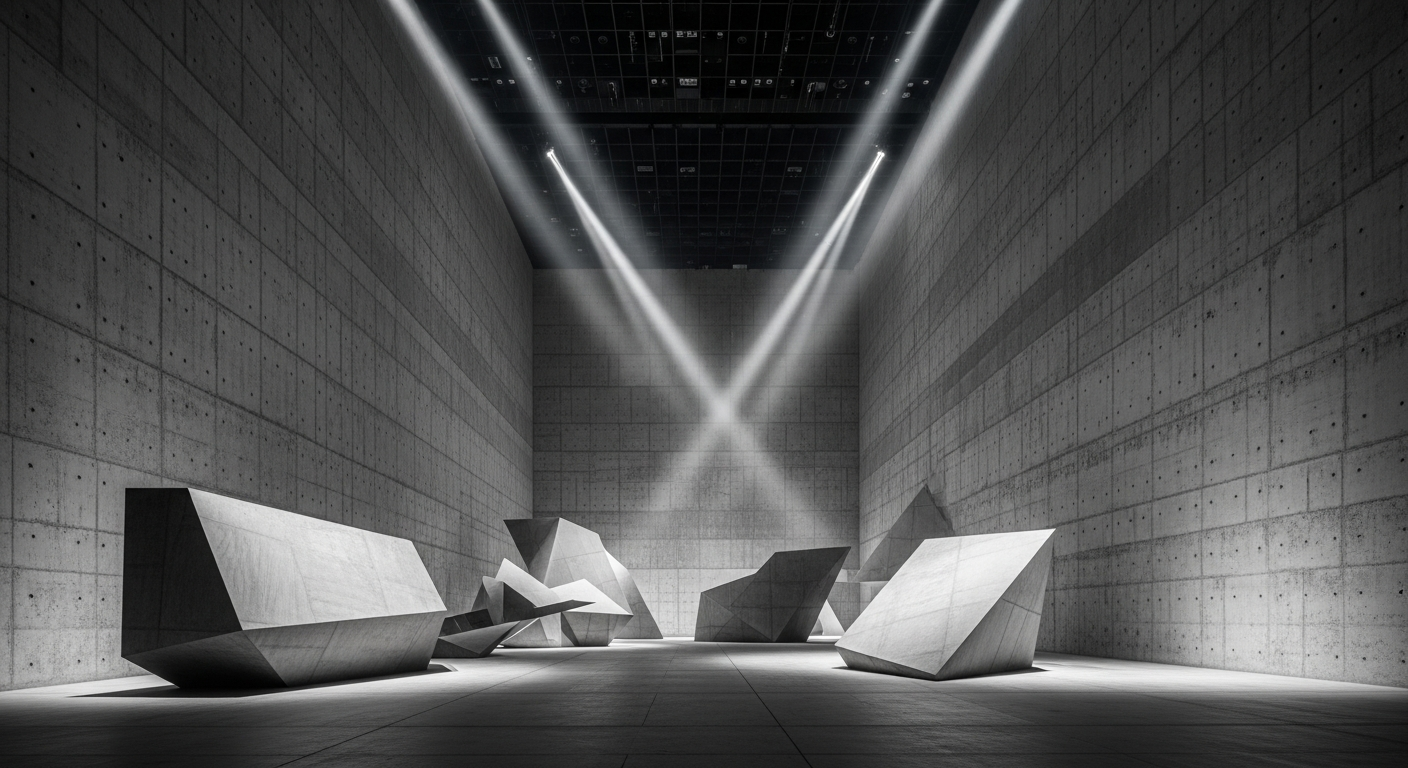
Contemporary museums by architects like Tadao Ando and David Chipperfield use concrete as a backdrop that elevates art through contrast. The rough texture and neutral gray of concrete walls make paintings, sculptures, and installations appear more vivid and more present than they would against conventional white gallery walls. The weight and permanence of concrete also lend gravity to cultural institutions, communicating that the art housed within is important enough to deserve monumental architecture.
Performing arts centers continue the brutalist tradition established by Denys Lasdun's National Theatre in London. Contemporary concert halls and theaters use concrete's acoustic properties, its ability to reflect sound in predictable patterns, as both structural and performative material. The exposed concrete interiors of these spaces create visual drama while providing the acoustic environment that performers and audiences require.
Modern libraries in the neo-brutalist tradition use concrete to create reading environments of calm and concentration. The thermal mass of concrete maintains stable temperatures. The acoustic isolation from external noise creates silence. The neutral palette minimizes visual distraction. These qualities make concrete an ideal material for spaces dedicated to focused intellectual activity.
Religious buildings represent one of the most powerful applications of neo-brutalist architecture. Contemporary churches, meditation spaces, and memorial chapels use raw concrete to create environments of spiritual intensity. The quality of light filtered through narrow concrete openings, the silence created by massive walls, and the austere material palette all contribute to spaces that evoke contemplation and awe.
Neo-Brutalist Residential Architecture
The residential market has been the most surprising beneficiary of the brutalist revival. Concrete houses that would have been considered unsellable in the 1990s now command premium prices and generate waiting lists.
Luxury concrete homes have become the new status symbol in high-end real estate markets. Where previous generations of wealthy homeowners demonstrated taste through period details and ornamental materials, a new generation expresses itself through the deliberate austerity and material conviction of concrete architecture. The message is clear: this house values substance over surface, permanence over fashion.
Architects leading the residential revival include firms that specialize in concrete residential work. Studio MK27 in Brazil, Olson Kundig in the Pacific Northwest, and numerous European practices have built reputations on creating concrete houses that balance architectural drama with genuine livability. Their work demonstrates that brutalist residential design can accommodate families, pets, daily life, and even children's birthday parties without compromising its architectural integrity.
Desert modernism meets neo-brutalism in the American Southwest, where the harsh climate and spectacular landscapes provide ideal context for concrete residential architecture. Concrete's thermal mass manages extreme temperature swings, while its monolithic presence matches the geological scale of desert scenery. Houses by architects like Rick Joy and Wendell Burnette demonstrate how concrete can create shelter that feels as ancient and inevitable as the landscape itself.
For a comprehensive guide to brutalist residential architecture including iconic houses, contemporary projects, and practical considerations, see our brutalist architecture houses guide.
Contemporary Brutalist Architects
Several architects have defined the vocabulary of neo-brutalist architecture through decades of practice and refinement.
Tadao Ando has spent over fifty years developing a concrete architecture of extraordinary spiritual and sensory power. His buildings use smooth, precisely formed concrete surfaces as canvases for natural light, creating interiors where the movement of sun and shadow throughout the day becomes the primary decorative element. His residential work, from the Row House in Sumiyoshi to the Azuma House, demonstrates that minimal means can produce maximal emotional impact.
Peter Zumthor approaches concrete and stone with a sensory refinement that transcends stylistic categories. His Therme Vals, a thermal bath carved from local quartzite and concrete, is widely considered one of the most beautiful buildings of the late twentieth century. Zumthor's work demonstrates that material honesty and sensory richness are not opposing values but complementary ones.
Zaha Hadid Architects push concrete into parametric forms that would have been impossible to build before digital fabrication. Their projects demonstrate that brutalist material can achieve fluid, organic geometries that contrast dramatically with the rectilinear rigidity of mid-century brutalism. This parametric brutalism opens new formal territory for the movement.
David Chipperfield creates buildings of refined concrete minimalism that bridge the gap between brutalism and classical restraint. His museums, galleries, and civic buildings use concrete with a precision and elegance that elevates the material beyond its industrial associations. Chipperfield's work demonstrates that concrete can be sophisticated without being decorative.
Emerging practitioners across the globe are expanding the movement's geographic and cultural reach. Young architects in Mexico, India, Vietnam, Chile, and West Africa are developing regional variations of neo-brutalist architecture that respond to local climate, culture, and construction traditions.
Futuristic Brutalism: Where Concrete Goes Next
The future of concrete architecture is being shaped by technologies that promise to transform how buildings are designed, fabricated, and constructed.
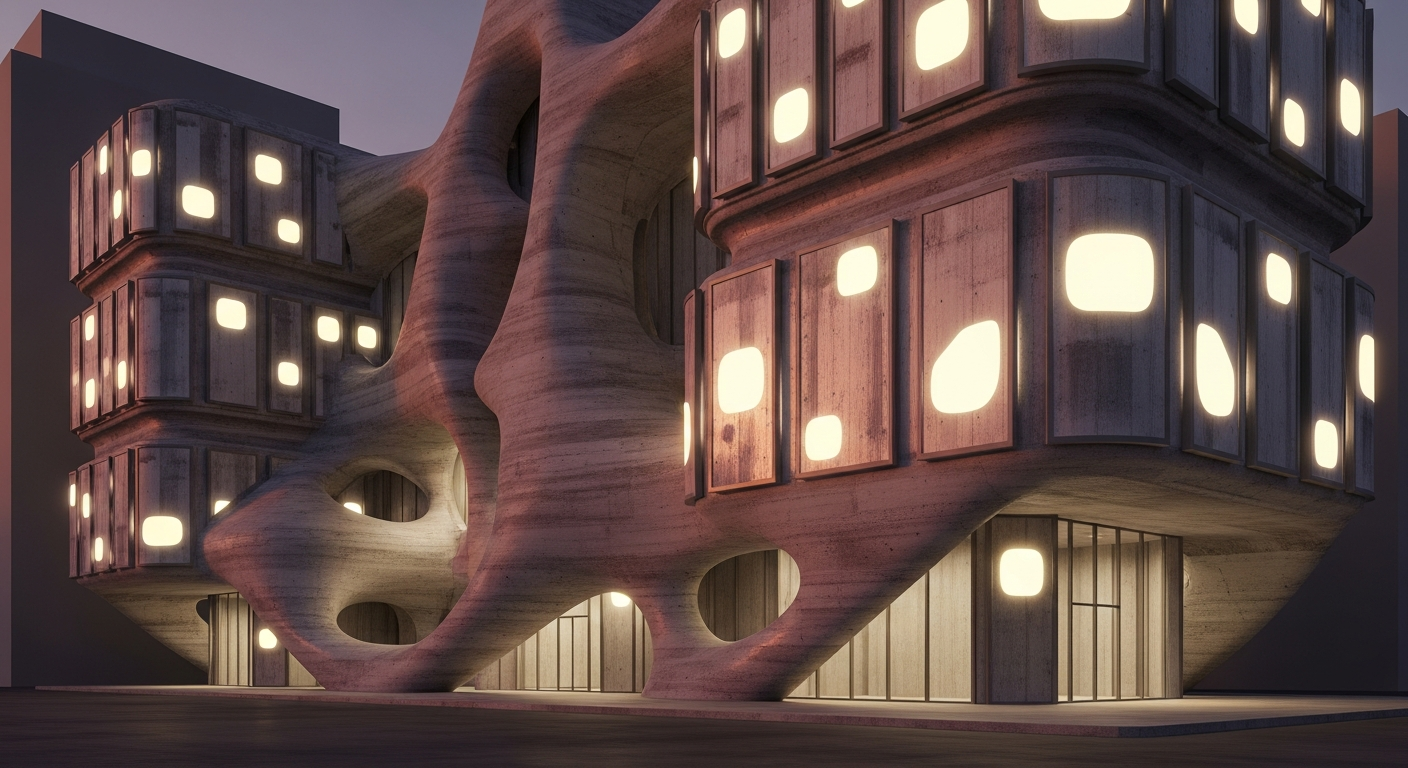
3D-printed concrete structures have moved from experimental prototypes to commercially viable construction. Companies in the United States, Europe, and China now offer 3D-printed concrete houses that can be produced in days rather than months. The layered deposition process creates a distinctive aesthetic, with each printed layer visible on the surface, that represents a new form of material honesty. The building literally wears its construction process on its surface.
Parametric design uses computational algorithms to generate complex concrete forms that respond to structural forces, environmental conditions, and aesthetic parameters simultaneously. The result is concrete structures with organic curves, variable wall thicknesses, and optimized material distribution that achieve structural performance impossible through conventional design methods.
Self-healing and responsive concrete incorporates biological or chemical agents that repair cracks automatically, potentially creating structures that maintain themselves over centuries. Responsive concrete with embedded sensors can monitor structural health, temperature, and humidity in real time, allowing buildings to communicate their condition and needs to maintenance systems.
Space architecture may represent concrete's ultimate frontier. NASA and ESA research programs are developing techniques for constructing concrete habitats on the Moon and Mars using local regolith mixed with binding agents. The vision of brutalist structures rising from the surface of another planet represents the logical extreme of concrete's association with frontier settlement and human ambition.
Digital fabrication and robotic construction use autonomous machines to place concrete with precision and speed that human labor cannot match. Robotic formwork systems create complex geometric molds rapidly, while autonomous concrete placement systems pour and finish concrete without human intervention. These technologies promise to reduce costs while expanding formal possibilities.
Brutalism Beyond Architecture
The brutalist revival extends far beyond buildings into graphic design, fashion, furniture, photography, and digital culture.
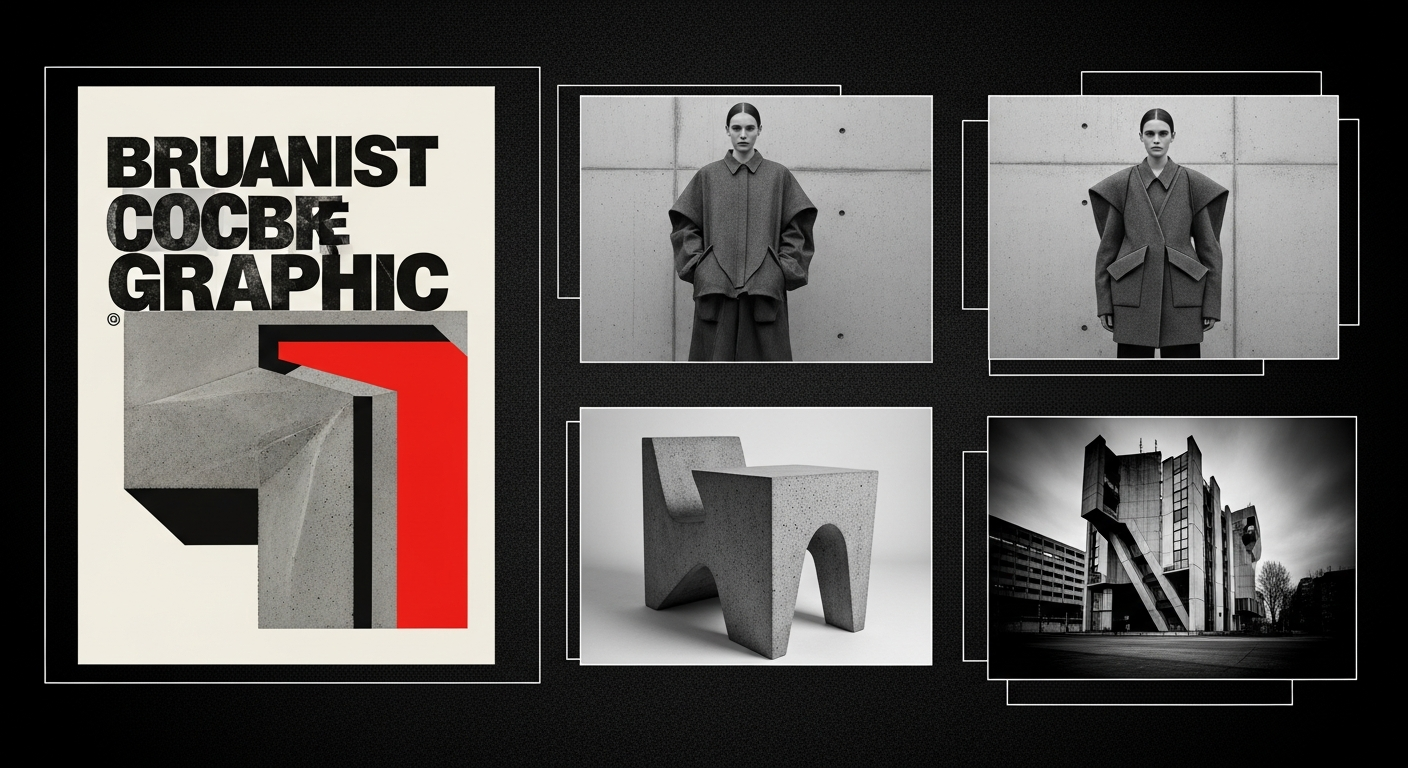
Brutalist graphic design uses raw typography, stark layouts, visible grid structures, and minimal color palettes to create visual communication that prioritizes content over decoration. The movement draws directly from brutalist architecture's principle of structural expression, making the mechanics of layout and typography visible rather than concealing them behind polished surfaces.
Brutalist web design strips websites to their functional essentials: content, navigation, and typography with minimal styling, no decorative images, and visible HTML structure. This approach, while not appropriate for all contexts, has become influential in avant-garde digital design and has contributed to broader trends toward simplicity and performance-focused web development.
Brutalist fashion manifests in structured garments with visible construction details, raw-edge finishes, industrial materials, and monochromatic palettes. Designers like Rick Owens and Demna Gvasalia at Balenciaga have built fashion empires on aesthetics that share brutalism's commitment to material honesty and structural expression.
Brutalist furniture and product design creates objects that celebrate material and construction process. Concrete coffee tables, steel shelving with visible welds, and lighting with exposed mechanical components bring brutalist principles to the domestic scale. These objects serve as entry points to brutalist aesthetics for homeowners who are not ready for concrete walls.
Photography and social media have been crucial amplifiers of the brutalist revival. Instagram accounts dedicated to brutalist architecture collectively reach millions of followers, creating a visual culture around concrete buildings that has contributed directly to preservation efforts and renewed public interest. The photogenic qualities of brutalist architecture, its dramatic shadows, bold geometry, and textural surfaces, make it exceptionally well-suited to the square frame and filtered aesthetics of social media photography.
Frequently Asked Questions
Is brutalism trendy or timeless?
Both. Brutalism is currently experiencing a cultural moment driven by film, social media, and fashion. However, the underlying principles of material honesty and structural expression are timeless architectural values that have been practiced in various forms for millennia. The current trend will eventually fade, but the best brutalist buildings will remain compelling for centuries.
What is the difference between brutalism and neo-brutalism?
Original brutalism, from roughly 1950 to 1980, was primarily state-commissioned institutional and social housing architecture in raw concrete. Neo-brutalism, the contemporary movement, is more selective in its material expression, works across all scales and programs, incorporates contemporary technology and sustainability, and often introduces warming materials like timber and textiles. For the historical context, see our guide to Soviet brutalist architecture.
Who are the best modern brutalist architects?
Tadao Ando, Peter Zumthor, David Chipperfield, and Zaha Hadid Architects are among the most celebrated practitioners. Studio MK27, Olson Kundig, and Aires Mateus produce exceptional residential work. Emerging firms across Latin America, South Asia, and Africa are expanding the movement's global reach.
Will the brutalist revival last?
The aesthetic trend will evolve, as all trends do. However, concrete as a primary architectural material is here to stay, particularly as low-carbon alternatives make it more sustainable. The principles underlying brutalism, material honesty, structural expression, and functional design, are enduring values that will continue to influence architecture regardless of stylistic fashion.
Can I incorporate neo-brutalism into my home?
Absolutely. Our brutalist interior design guide covers approaches from full renovation to budget-friendly accents. Micro-cement walls, concrete countertops, industrial lighting, and brutalist furniture can introduce neo-brutalist character to any home without major construction.
Visualize Neo-Brutalist Elements in Your Home
The neo-brutalist revival has made concrete, industrial materials, and bold geometry accessible to residential design. Whether you are considering a dramatic concrete feature wall, modern industrial lighting, or a full neo-brutalist renovation, seeing these elements in your actual space transforms abstract inspiration into actionable design decisions.
See how modern concrete finishes, architectural lighting, and bold geometry transform your rooms with HanoDecor's AI Room Designer. Upload a photo and experiment with board-formed concrete, corten steel accents, dramatic pendants, and the full neo-brutalist material palette.
Modern and Neo-Brutalist Architecture FAQs
Written by
Priya Sharma
Priya is an award-winning UX designer who previously led design teams at Airbnb and Pinterest. Her focus on user-centered design ensures that HanoDecor's tools are intuitive and accessible to everyone, regardless of their technical background.