Interior Design Trends 2027: Expert Predictions for the Future of Home Design
As we settle into the design movements that have defined 2026 — warm minimalism, biophilic integration, color confidence, and sustainable materials — the question naturally arises: what comes next? Interior design doesn't evolve in sudden leaps; it builds momentum, accelerates in certain directions, and occasionally pivots in surprising ways. Understanding where current trends are heading gives homeowners, designers, and industry professionals a meaningful advantage in making design decisions that will feel fresh for years to come.
This forward-looking guide draws on expert analysis, industry research, and emerging signals from design fairs, material innovation labs, and cultural shifts to predict the interior design trends that will define 2027. Some of these are natural evolutions of 2026's strongest movements. Others represent genuinely new directions that are just beginning to emerge. Whether you're planning a renovation, building a new home, or simply curious about what's ahead, these predictions will help you design spaces that feel both current and enduring.
Where 2026 Trends Are Heading
Before looking forward, it's important to understand which current trends are accelerating and which may be reaching their peak. This context is essential for making smart design investments that won't feel dated within a year or two.
Trends That Are Accelerating
Several 2026 trends show no signs of slowing down and will likely intensify in 2027. Biophilic design continues to evolve from simple plant placement to fully integrated living systems within homes. Sustainability is moving beyond material choices to encompass entire design philosophies built around circular principles and regenerative thinking. And the emphasis on wellness-centered spaces — bedrooms optimized for sleep, kitchens designed for healthy cooking, and bathrooms conceived as personal spas — shows every sign of deepening further.
The desire for authenticity and craft is also accelerating. The backlash against mass-produced, disposable furniture and decor is growing stronger, driven by both environmental consciousness and a genuine appreciation for the stories behind handmade objects. Expect this movement to reach a new level of sophistication in 2027.
Trends That May Be Peaking
Some movements that have dominated 2026 design conversations may be reaching their saturation point. Color drenching, while beautiful when executed well, has been so widely adopted that its impact as a distinctive design choice is diminishing. By 2027, expect to see more nuanced approaches to bold color — perhaps through gradient effects, two-tone rooms, or color blocking rather than monochromatic immersion.
Warm minimalism, while fundamentally sound as a design philosophy, may evolve as homeowners who've embraced it seek to add more personality and visual interest. The pendulum may swing slightly toward more curated maximalism — not a return to cluttered excess, but a richer, more layered approach to the clean foundations warm minimalism established.
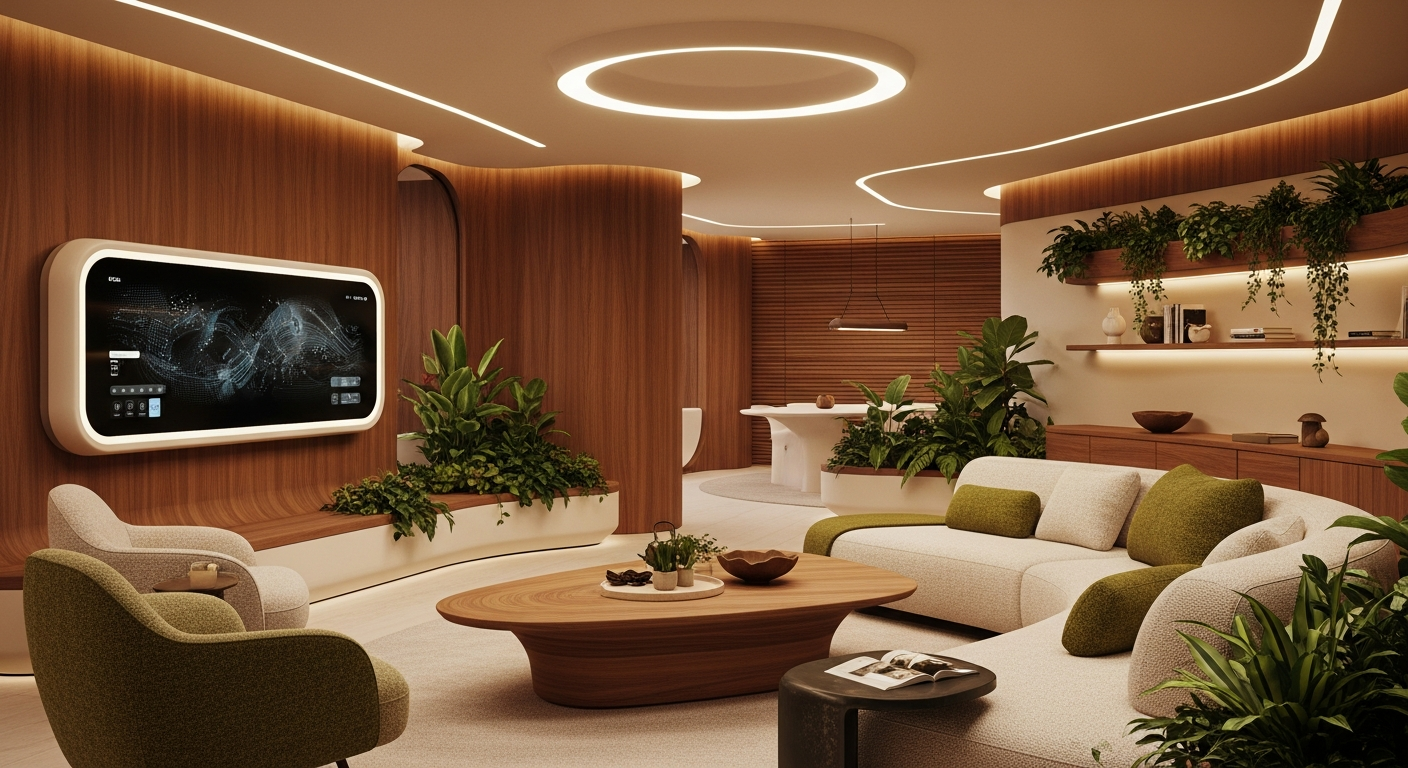
AI and Technology in Home Design
Artificial intelligence is poised to fundamentally transform how we approach interior design in 2027, moving from a novelty tool to an indispensable part of the design process for both professionals and homeowners.
AI-Powered Design Visualization
The most immediate and accessible impact of AI in interior design is visualization. By 2027, AI tools will be sophisticated enough to generate photorealistic renderings of proposed design changes in seconds, allowing homeowners to "try before they buy" with unprecedented accuracy. Want to see how a dark green accent wall would look in your living room? How a kitchen renovation with walnut cabinets and brass hardware would transform your cooking space? AI visualization tools will handle this instantly, from multiple angles, and under different lighting conditions.
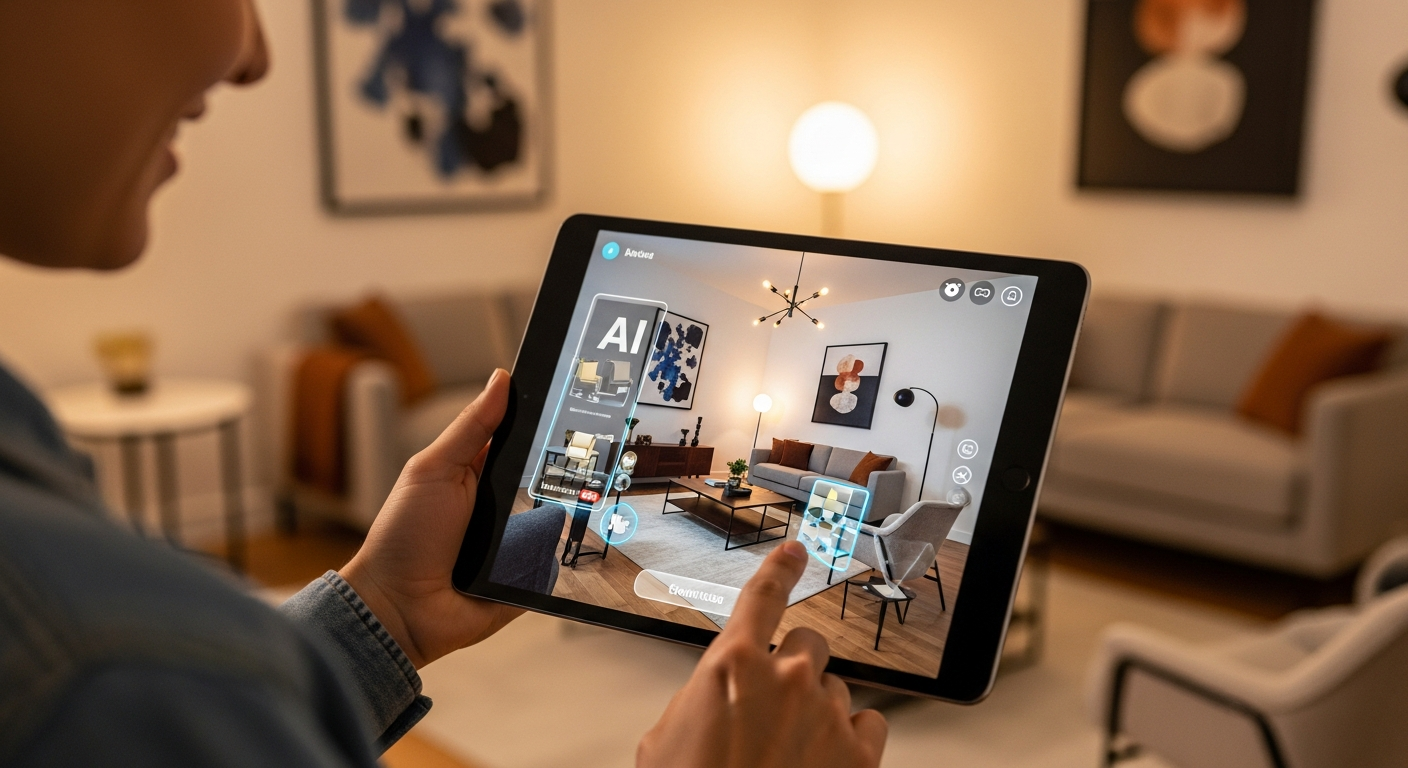
This technology isn't just convenient — it's democratizing good design. Professional-grade visualization that once required expensive software and trained specialists is becoming available to anyone with a smartphone. The implications for the design industry are profound: more homeowners will feel confident making bold design choices because they can see the results before committing to expensive materials and labor.
Invisible Smart Home Technology
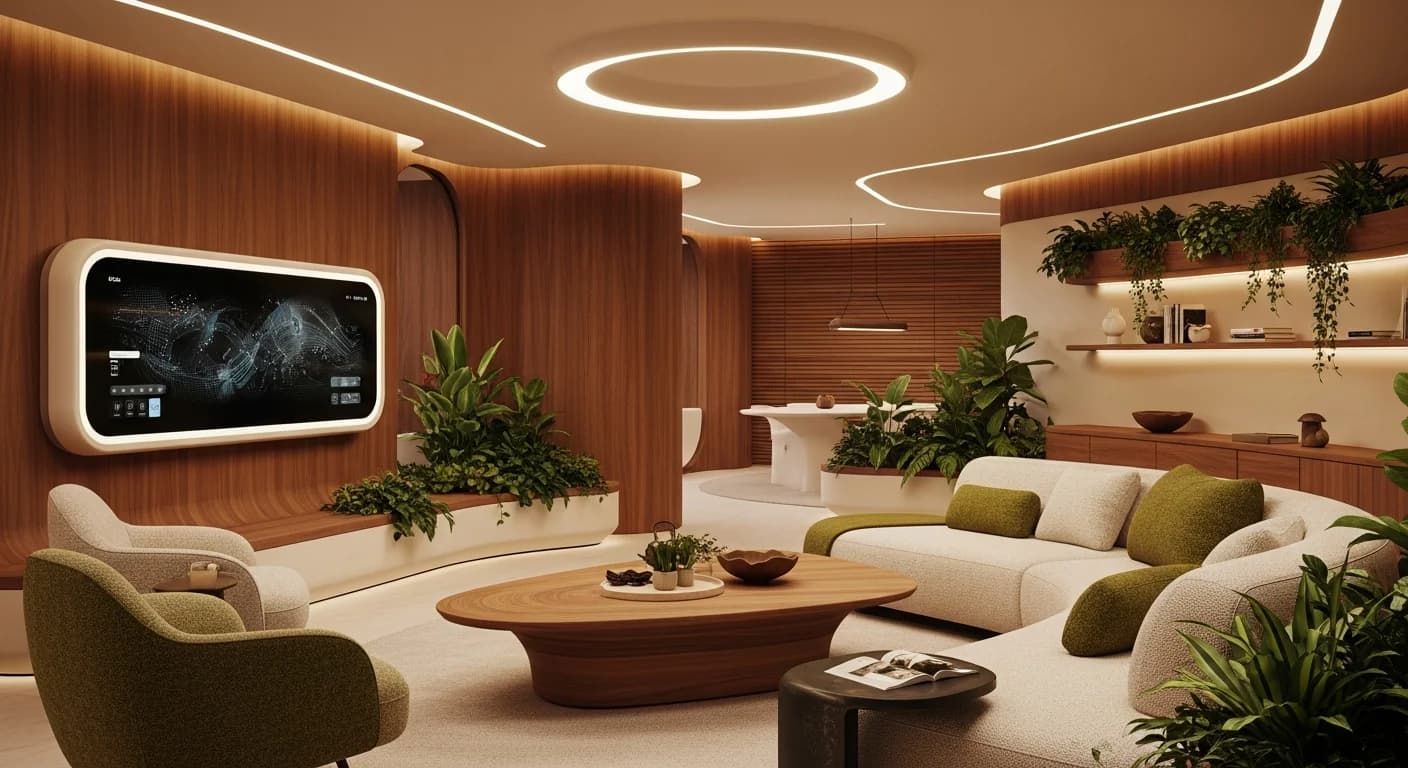
The smart home of 2027 is defined by invisibility. The clunky wall-mounted tablets, visible sensors, and obvious smart speakers of earlier generations are giving way to technology that's completely embedded in the architecture and furnishings of the home. Smart technology operates through voice, gesture, and predictive automation — the house anticipates needs rather than waiting for commands.
Lighting adjusts automatically based on time of day, occupancy, and natural light levels, supporting circadian rhythms without manual intervention. Climate control learns preferences and adapts room by room. Security systems are invisible, integrated into door frames and window hardware. Even kitchen appliances communicate with each other — the oven preheats when the recipe app detects you're preparing ingredients. The design implication is significant: without visible technology cluttering surfaces and walls, interiors in 2027 can focus entirely on aesthetics and comfort without compromising on functionality.
Personalized Design at Scale
AI is also enabling a new era of personalized design. By analyzing a homeowner's preferences, lifestyle patterns, existing possessions, and even psychological profile, AI design assistants in 2027 will be able to suggest highly customized design schemes that feel uniquely personal. This goes beyond style matching — it includes recommendations for spatial layouts that support specific daily routines, material selections based on family composition and lifestyle, and color palettes informed by individual emotional responses to different hues.
This personalization extends to product design itself. Custom furniture, tailored to specific room dimensions and personal ergonomic requirements, will become more accessible as AI-driven manufacturing processes reduce the cost premium of bespoke production.
Regenerative Materials: Beyond Sustainability
While 2026 brought sustainability into the design mainstream, 2027 is poised to push beyond "doing less harm" toward materials and practices that actively benefit the environment.
Mycelium and Bio-Based Materials
Mycelium — the root network of mushrooms — is emerging as one of the most exciting material innovations for interior design. Already being used experimentally in packaging and insulation, mycelium-based materials are expanding into furniture, acoustic panels, and decorative surfaces. These materials are grown rather than manufactured, require minimal energy to produce, are fully biodegradable at end of life, and have remarkable acoustic and thermal properties.
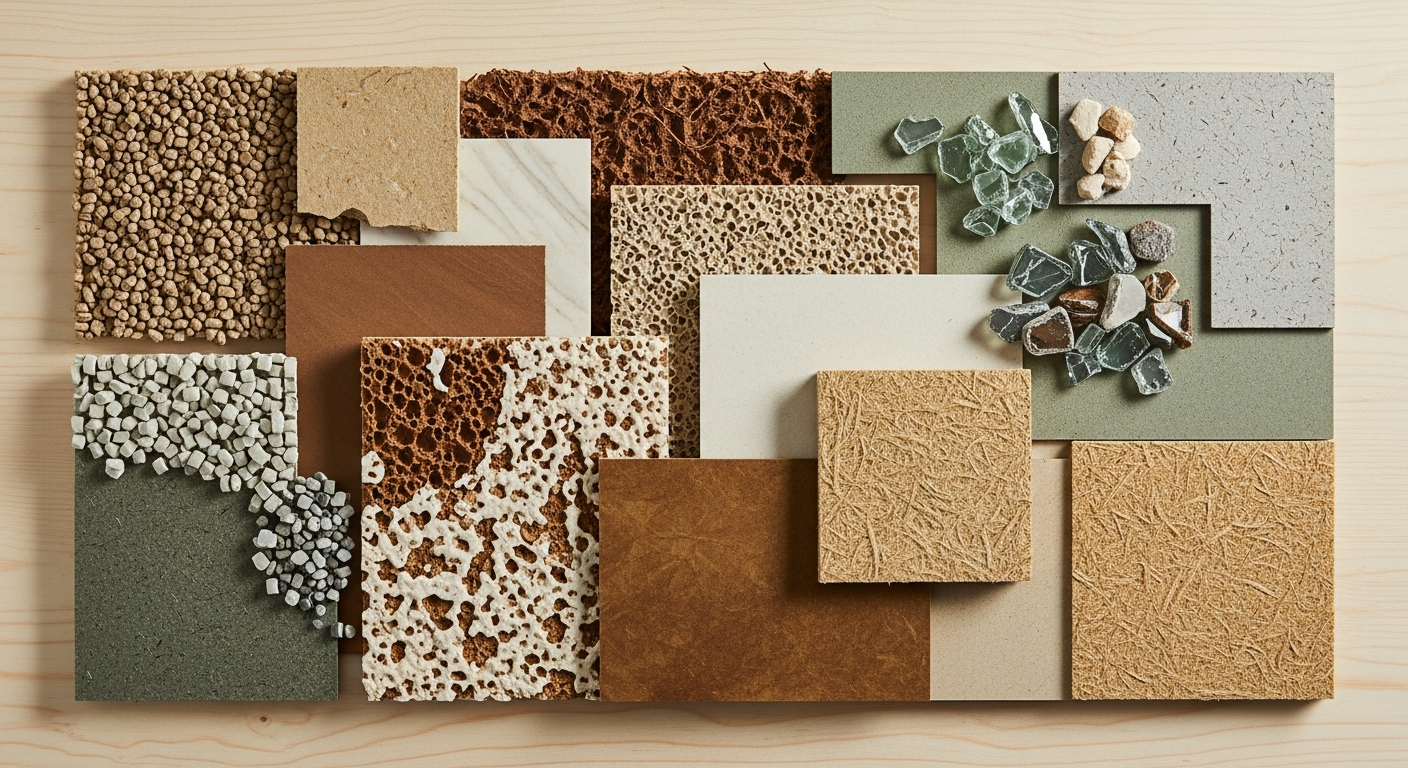
Other bio-based materials gaining traction include hempcrete for interior walls, which offers excellent insulation and humidity regulation; algae-based textiles that are both sustainable and beautifully textured; bacterial cellulose for decorative surfaces with unique visual properties; and agricultural waste composites that transform crop residues into beautiful, durable panels and surfaces. These materials aren't just environmentally responsible — many offer aesthetic qualities that synthetic alternatives cannot replicate, including natural variations in color, texture, and pattern that give every piece unique character.
Design for Disassembly
A key principle emerging for 2027 is "design for disassembly" — creating furniture and interiors that can be easily taken apart at end of life, with each component recycled or composted separately. This requires rethinking how pieces are joined: mechanical fasteners instead of adhesives, mono-material construction where possible, and clear labeling of material types for future recycling.
This philosophy is already influencing furniture design, with leading manufacturers developing modular systems where individual components can be replaced, upgraded, or recycled without discarding the entire piece. A sofa's worn cushion covers can be replaced while the frame continues to serve. A dining table's surface can be refreshed while the legs remain. This approach aligns perfectly with the timeless design philosophy that values longevity and adaptability over disposable trends.
The Artisanal Renaissance
The movement toward handmade, artisanal objects in the home is accelerating into 2027, driven by a deepening appreciation for craft, story, and human connection in our increasingly digital lives.
Handmade Over Machine-Made
In 2027, the visible mark of the maker's hand becomes a premium feature rather than an imperfection. Hand-thrown ceramics with slight asymmetries, hand-carved wooden furniture with tool marks, hand-woven textiles with natural variations — these qualities signal authenticity, care, and uniqueness that mass production cannot deliver. The appeal is both aesthetic and emotional: handmade objects carry stories and connect us to the people who made them.
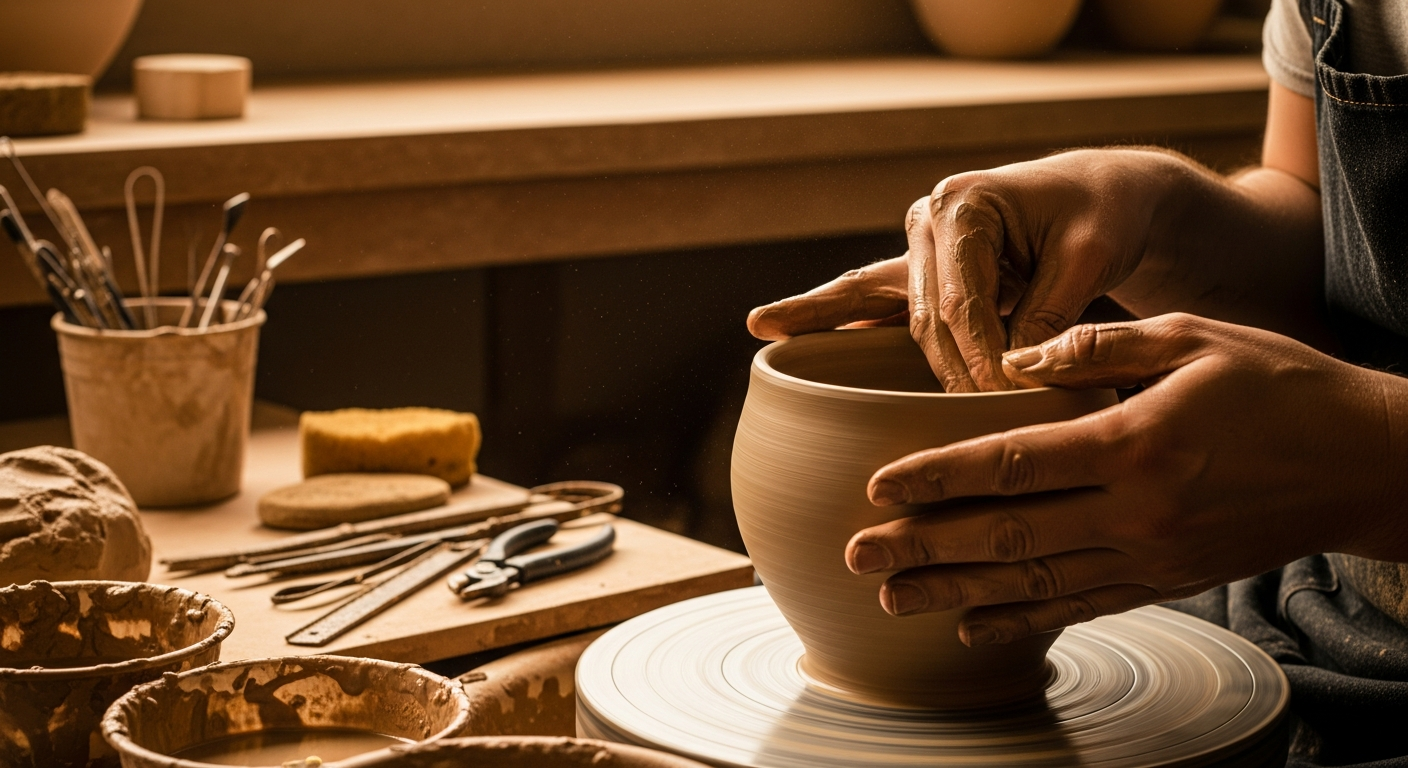
This trend extends beyond decorative objects to structural elements of the home. Hand-applied plaster walls, hand-laid tile installations with deliberate variation, hand-forged metalwork, and hand-stitched leather hardware pulls bring craft sensibility into the architecture itself. The result is interiors that feel deeply human and personal — the opposite of the machine-perfect uniformity that defined earlier minimalist movements.
Supporting Local Craftspeople
The artisanal renaissance in 2027 also carries a strong localism component. Homeowners and designers are increasingly seeking out regional craftspeople — local potters, woodworkers, metalworkers, textile artists, and furniture makers — rather than sourcing from global supply chains. This supports local economies, reduces transportation emissions, and results in design choices that connect a home to its geographic and cultural context.
Digital platforms are making it easier than ever to discover and commission work from independent artisans, creating a direct relationship between maker and homeowner that adds meaning and narrative to every object in the home. Expect to see more homes in 2027 where every decorative object has a story — where it was made, who made it, and what tradition it draws from.
The Value of Imperfection
Closely related to the artisanal movement is a growing appreciation for wabi-sabi aesthetics — the Japanese philosophy of finding beauty in imperfection, impermanence, and incompleteness. Surfaces that show wear and patina, materials that age gracefully, and objects that carry the marks of their making and use are all valued for the warmth, depth, and authenticity they bring to interiors. This stands in deliberate contrast to the Instagram-perfect interiors that dominated design culture in earlier years.
Multi-Functional and Flexible Living Spaces
The pandemic-era improvisation of work-from-home setups has evolved into sophisticated design thinking about how spaces can serve multiple functions elegantly and efficiently.
Modular Everything
Modularity is the defining principle of flexible living in 2027. Furniture systems that can be reconfigured, expanded, or reduced based on changing needs are becoming the standard rather than the exception. Modular sofas that accommodate everything from solo reading to large gatherings. Shelving systems that adapt to display art, store books, or serve as room dividers. Desk systems that expand for focused work and fold away when the room is needed for other purposes.
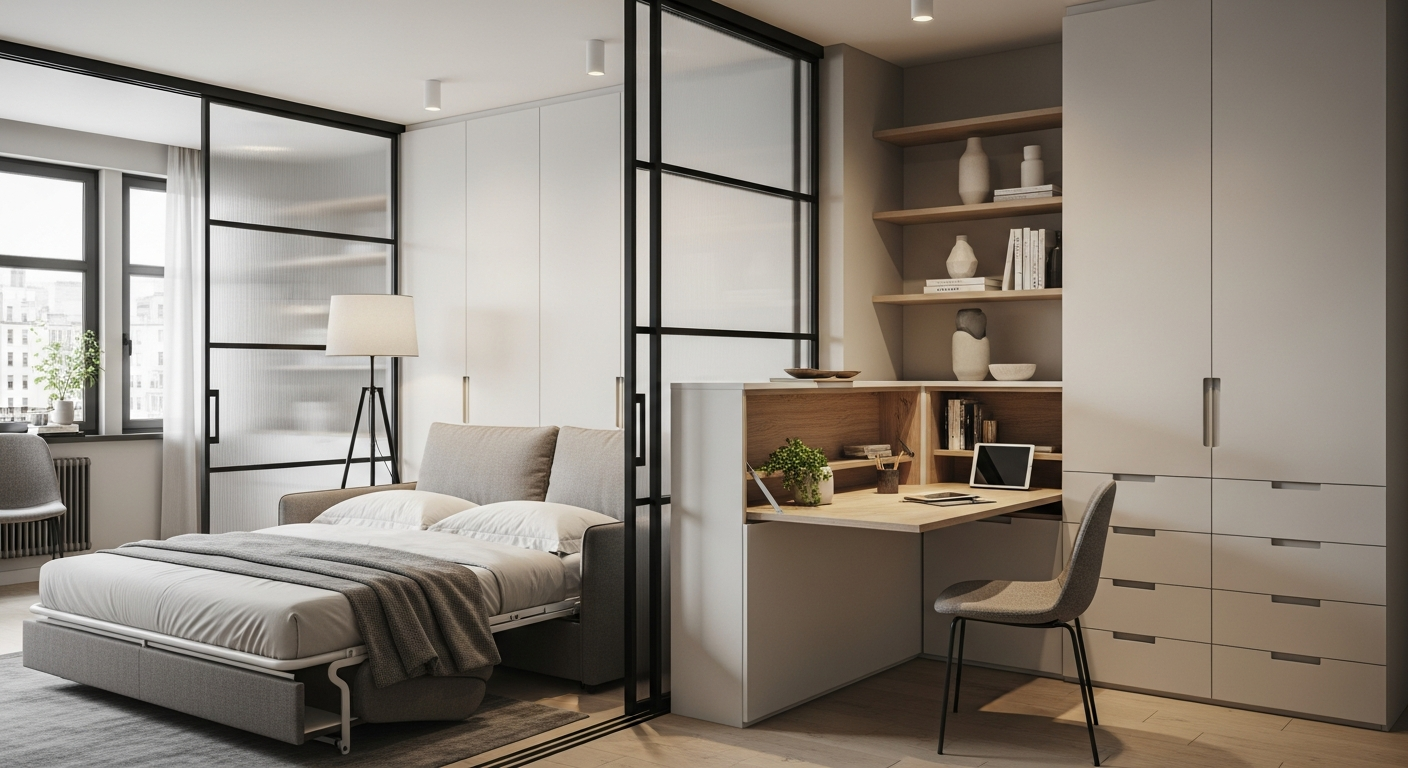
This modular thinking extends to entire rooms. Moveable walls, sliding partitions, and transformable furniture allow a single space to serve as a home office during the day, a yoga studio in the evening, and a guest bedroom when visitors arrive. The technology enabling these transformations is becoming more sophisticated and accessible, with motorized systems and clever mechanical engineering replacing the awkward Murphy beds and folding tables of earlier generations.
The Permanent Home Office
Remote and hybrid work has become permanent for a significant portion of the workforce, and home office design in 2027 reflects this reality. Dedicated work spaces are designed with the same care and investment as any other room in the home — not afterthoughts squeezed into spare bedrooms or closets, but purposefully designed environments that support productivity, creativity, and well-being.
Key features of the 2027 home office include professional-grade lighting that eliminates video call shadows, acoustic treatment that manages sound both in and out, ergonomic furniture that supports long working hours without physical strain, and visual backgrounds that communicate professionalism in video calls while reflecting personal style. The best home offices in 2027 are rooms you're genuinely happy to work in — spaces that make the absence of a dedicated office commute feel like a benefit rather than a compromise.
Maximalism Evolving
After several years of minimalist and warm minimalist dominance, 2027 is seeing a thoughtful evolution toward richer, more layered interiors — not a return to cluttered excess, but a sophisticated form of curated abundance.
Curated Collections as Storytelling
The maximalism of 2027 is characterized by intentionality. Rather than accumulating objects randomly, homeowners are building curated collections that tell stories — groupings of ceramics from travels, inherited objects displayed alongside contemporary art, books organized by theme and aesthetic, and vintage finds that anchor a room with history and character. The skill lies in editing: knowing what to display and what to store, how to group objects for visual impact, and how to create coherent narratives from diverse pieces.
This approach to maximalism works particularly well when layered over warm minimalist foundations. Clean architectural lines and neutral backgrounds provide the perfect canvas for curated collections and personal artifacts to shine without feeling chaotic or overwhelming.
New Color Directions for 2027
While 2026's color palette was defined by moody jewel tones and warm earth colors, 2027 is showing early signals of new chromatic directions that build on this foundation while introducing fresh energy.
Expect to see the emergence of what color forecasters are calling "digital nature" palettes — colors that blend the organic warmth of natural pigments with the luminous quality of digital screens. Soft iridescent greens, warm holographic blues, and muted metallics that shimmer subtly in changing light conditions represent a new aesthetic territory that feels simultaneously natural and futuristic.
Warm browns and terracottas will deepen further into chocolate, cinnamon, and rust. The sage greens of 2026 may evolve toward more complex olive and moss tones. And expect a resurgence of gentle blues — not the cold grays that defined the 2010s, but warm, complex blues with green or violet undertones that feel enveloping rather than clinical.
What Won't Change: Permanent Shifts in Design
Some movements that emerged or accelerated in recent years represent permanent shifts rather than cyclical trends. Understanding these helps homeowners invest confidently in design choices that will remain relevant far beyond 2027.
The connection to nature is permanent. Biophilic design principles — natural materials, living plants, maximized daylight, and views of nature — address fundamental human needs that don't change with design trends. Homes built around these principles will always feel good to live in, regardless of what specific styles are fashionable.
Sustainability as a design value is permanent. The environmental awareness that now influences material choices, purchasing decisions, and design philosophies is not a passing trend but a generational shift in values. Investing in durable, repairable, sustainable materials and furniture is always a smart long-term decision.
The emphasis on wellness in home design is permanent. Homes that support physical health through air quality, natural light, non-toxic materials, and spaces for movement, and mental health through calm aesthetics, acoustic comfort, and connection to nature, represent an evolution in how we think about domestic space that won't reverse.
And the primacy of personal expression over trend-following is permanent. The most satisfying interiors have always reflected their inhabitants' genuine tastes, experiences, and values rather than faithfully reproducing a designer's vision or a magazine's trend report. This truth has been amplified by social media fatigue and a growing rejection of performative design.
Future-Proof Your Home Design
The best way to prepare for 2027's trends is to build a strong foundation today. Focus on timeless design principles — quality materials, good proportions, natural light, and flexible layouts — then layer in trend-forward elements through accessories, paint, textiles, and art that can be updated as your tastes and the design landscape evolve.
HanoDecor's AI visualization studio is an invaluable tool for experimenting with future-forward design ideas. Upload a photo of any room and explore how emerging trends — from regenerative materials and artisanal textures to new color palettes and modular furniture — might transform your space. Visualize the future of your home before making any commitments.
Frequently Asked Questions
What are the predicted interior design trends for 2027?
Key predictions for 2027 include AI-integrated design visualization becoming mainstream, regenerative materials like mycelium replacing conventional sustainable options, an artisanal renaissance that values handmade imperfection, modular and multi-functional living spaces, evolved maximalism focused on curated storytelling, and new color directions blending natural warmth with digital luminosity. These trends build on 2026's foundations while pushing design in exciting new directions.
Will minimalism still be popular in 2027?
Warm minimalism will remain influential but is likely to evolve rather than dominate. Expect to see minimalist foundations layered with richer, more personal elements — curated collections, artisanal objects, and bolder color choices that add warmth and character. The clean lines and quality-focused approach of minimalism will persist, but the aesthetic may become less sparse and more expressive by 2027.
How will AI change interior design?
AI is transforming interior design through three primary channels: visualization tools that allow instant photorealistic rendering of proposed changes, invisible smart home technology that enhances comfort without cluttering interiors, and personalized design recommendations that consider individual lifestyles, preferences, and psychological profiles. By 2027, AI will make professional-quality design accessible to everyone with a smartphone.
What materials will be trending in 2027?
Regenerative and bio-based materials will lead the trend in 2027 — mycelium composites, hempcrete, algae textiles, bacterial cellulose, and agricultural waste panels. These materials go beyond sustainability by actively benefiting the environment, while offering unique aesthetic qualities that synthetic materials cannot replicate. Design for disassembly will also become a key principle, with furniture designed for easy component recycling.
What colors will be popular in 2027?
Look for "digital nature" palettes that blend organic warmth with subtle luminosity — soft iridescent greens, warm holographic blues, and muted metallics. Warm browns will deepen into chocolate and cinnamon tones. Sage greens will evolve toward complex olive and moss. And warm, complex blues with green or violet undertones will emerge as a fresh alternative to the moody jewel tones that defined 2026.
Interior Design Trends 2027 FAQs
Written by
Priya Sharma
Priya is an award-winning UX designer who previously led design teams at Airbnb and Pinterest. Her focus on user-centered design ensures that HanoDecor's tools are intuitive and accessible to everyone, regardless of their technical background.