Sustainable Interior Design Trends 2026: Eco-Friendly Homes That Don't Sacrifice Style
Sustainability in interior design has moved far beyond the days of beige hemp curtains and recycled-cardboard furniture. In 2026, sustainable design is sophisticated, stylish, and increasingly indistinguishable from conventional luxury design — except that it's better for the planet. The materials are richer, the craftsmanship is more refined, and the design principles have matured from a niche movement into the mainstream foundation of thoughtful interior design.
This shift reflects a broader cultural change. Homeowners aren't willing to choose between beauty and responsibility anymore — and designers have risen to meet that demand. As part of the larger interior design trends shaping 2026, sustainability has evolved from a checkbox into a creative catalyst, inspiring some of the most innovative and beautiful interiors we've ever seen.
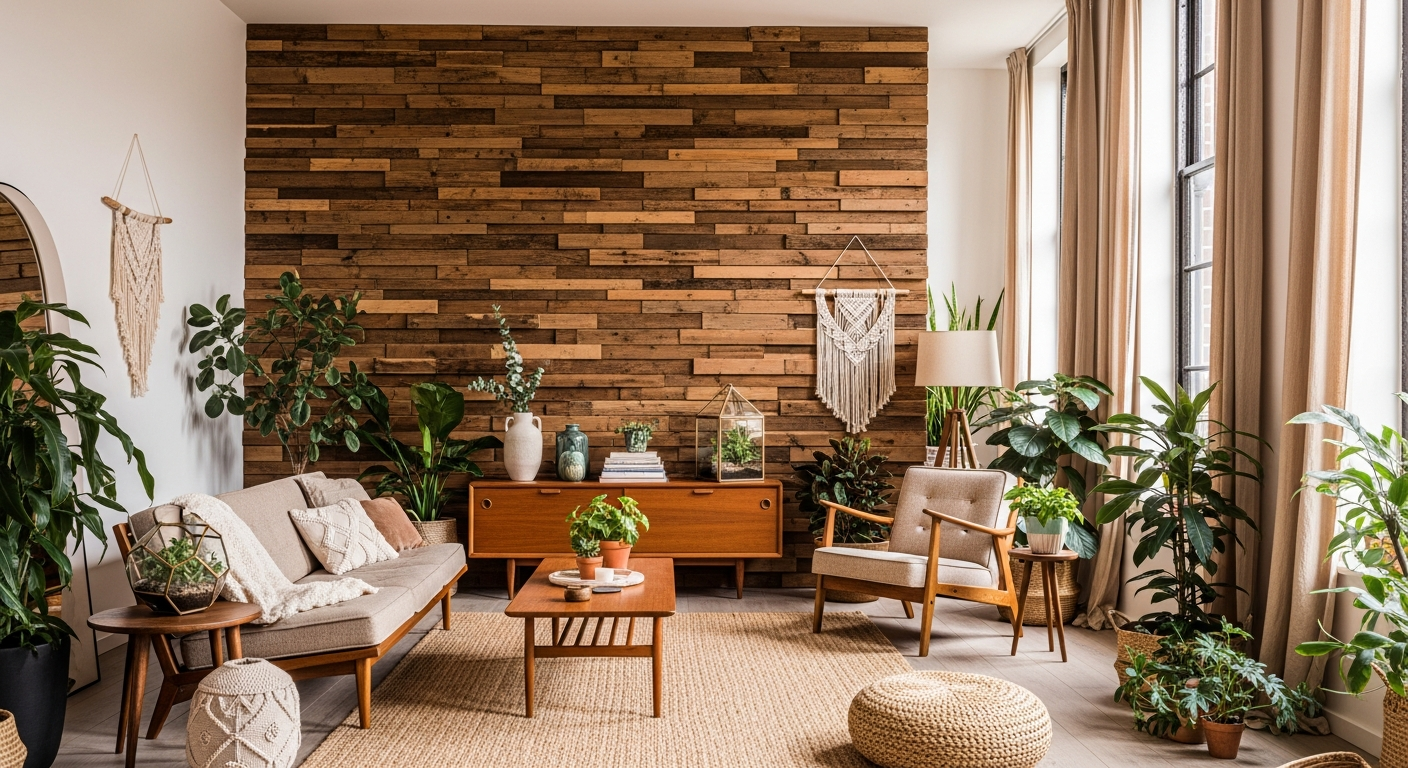
The Reclaimed and Vintage Furniture Revival
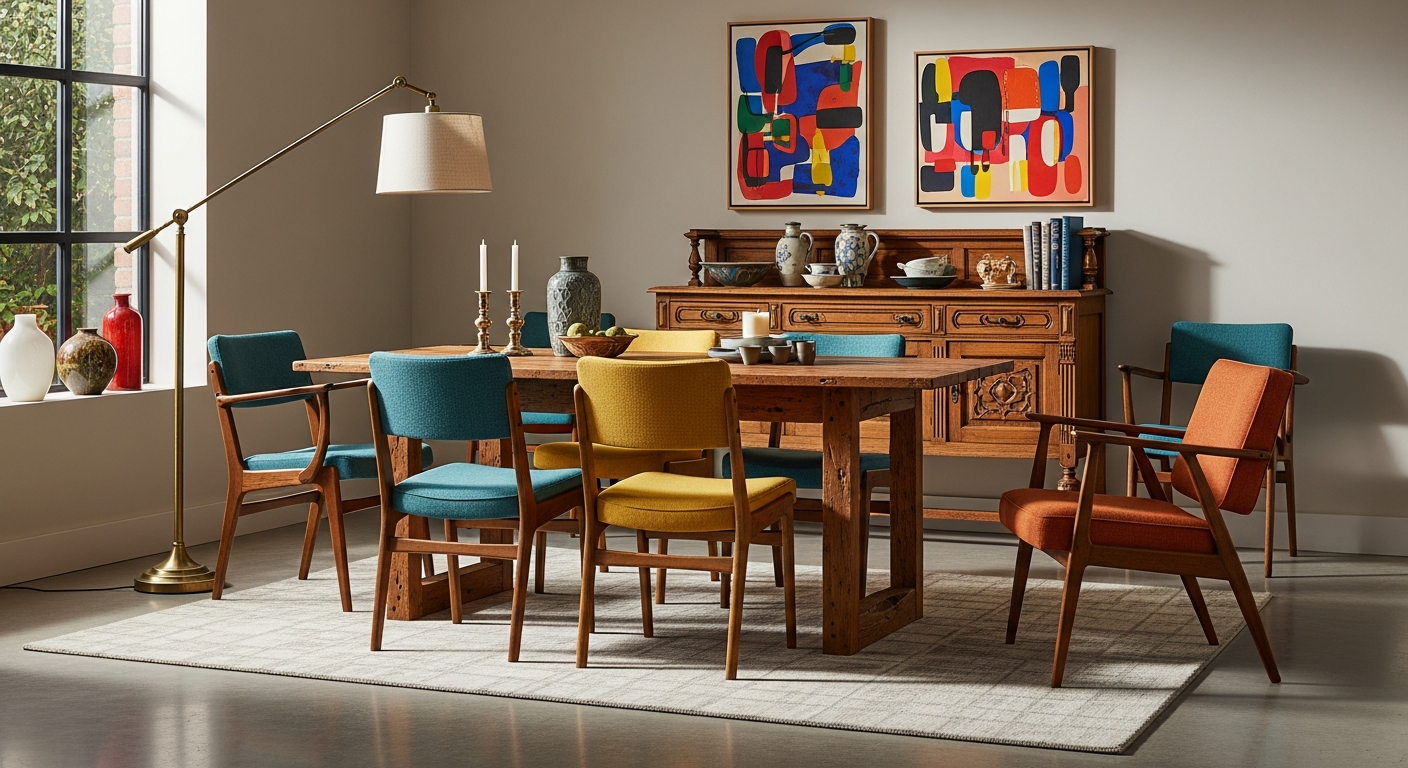
The most visible sustainable design trend of 2026 is the dramatic return to reclaimed, vintage, and antique furniture. After a decade dominated by fast-furniture retailers offering cheap, identical pieces designed to last three moves at most, homeowners and designers are embracing pre-owned furniture with a conviction that goes beyond environmental virtue signaling. This is about quality, character, and stories embedded in materials that have already proven their durability.
Reclaimed wood dining tables — built from salvaged barn beams, old-growth timber from demolished buildings, or repurposed industrial lumber — have become the centerpieces of sustainable dining rooms. Their irregularities, nail holes, and weathered patina tell stories that no factory-produced piece can replicate. These tables aren't just environmentally responsible; they're conversation starters, each one unique in a way that mass production fundamentally cannot achieve.
The vintage furniture market itself has transformed. Professional restoration workshops now offer services that breathe new life into mid-century modern pieces: respringing vintage sofas with modern comfort standards, refinishing Danish teak sideboards, and reupholstering MCM chairs in durable, sustainable fabrics. The result is furniture that combines the craftsmanship and design integrity of another era with the performance expectations of today.
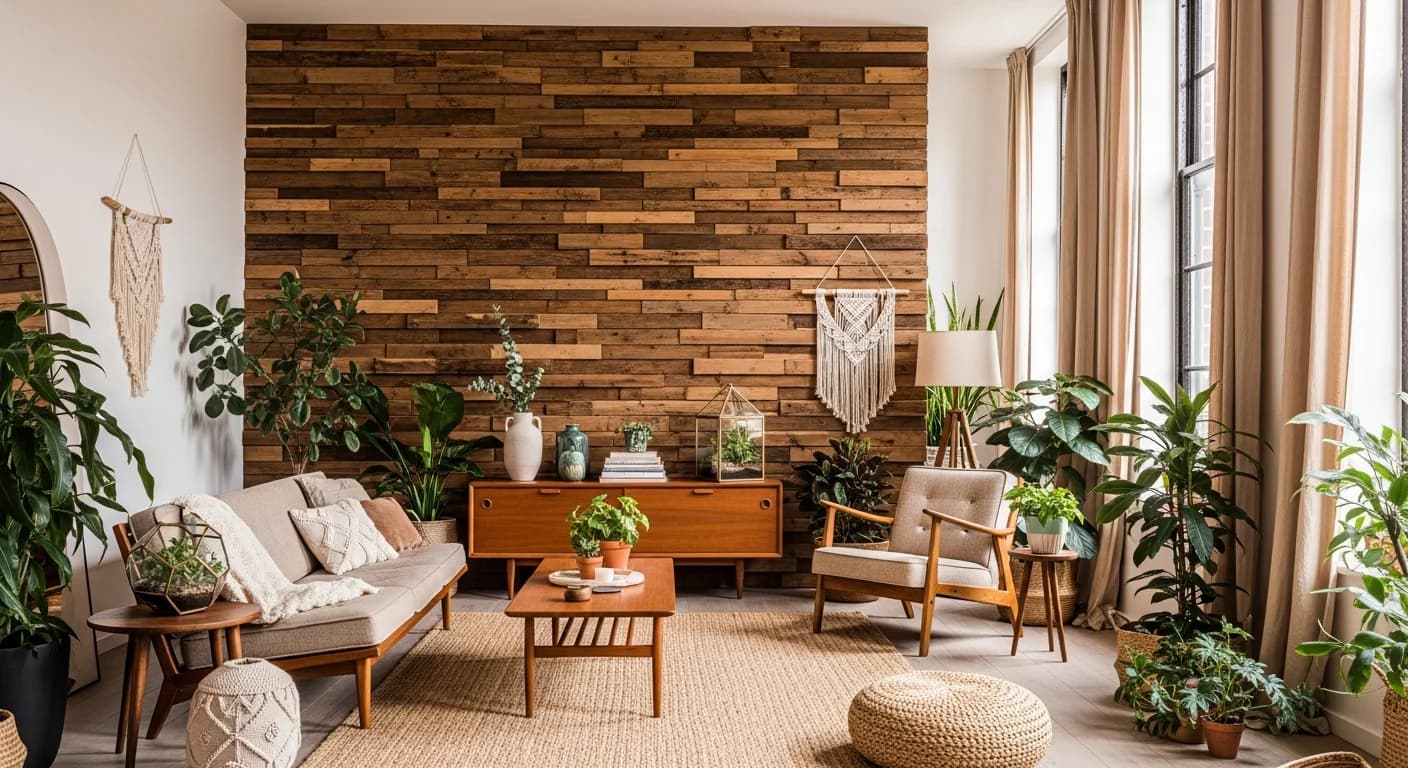
This connects directly to the broader lived-in interiors movement — spaces that look collected over decades rather than purchased in a single afternoon. Mixing a 1960s walnut credenza with a contemporary linen sofa and an antique Persian rug creates the kind of layered, personal interior that feels both sustainable and deeply stylish. For those exploring dark wood furniture trends, vintage pieces in walnut, mahogany, and rosewood offer particularly compelling options that align with both sustainability and current aesthetics.
Where to source: Estate sales, curated vintage marketplaces (Chairish, 1stDibs, local consignment shops), architectural salvage yards for reclaimed wood, and specialty restoration workshops for pieces that need professional attention.
Natural and Low-Impact Materials
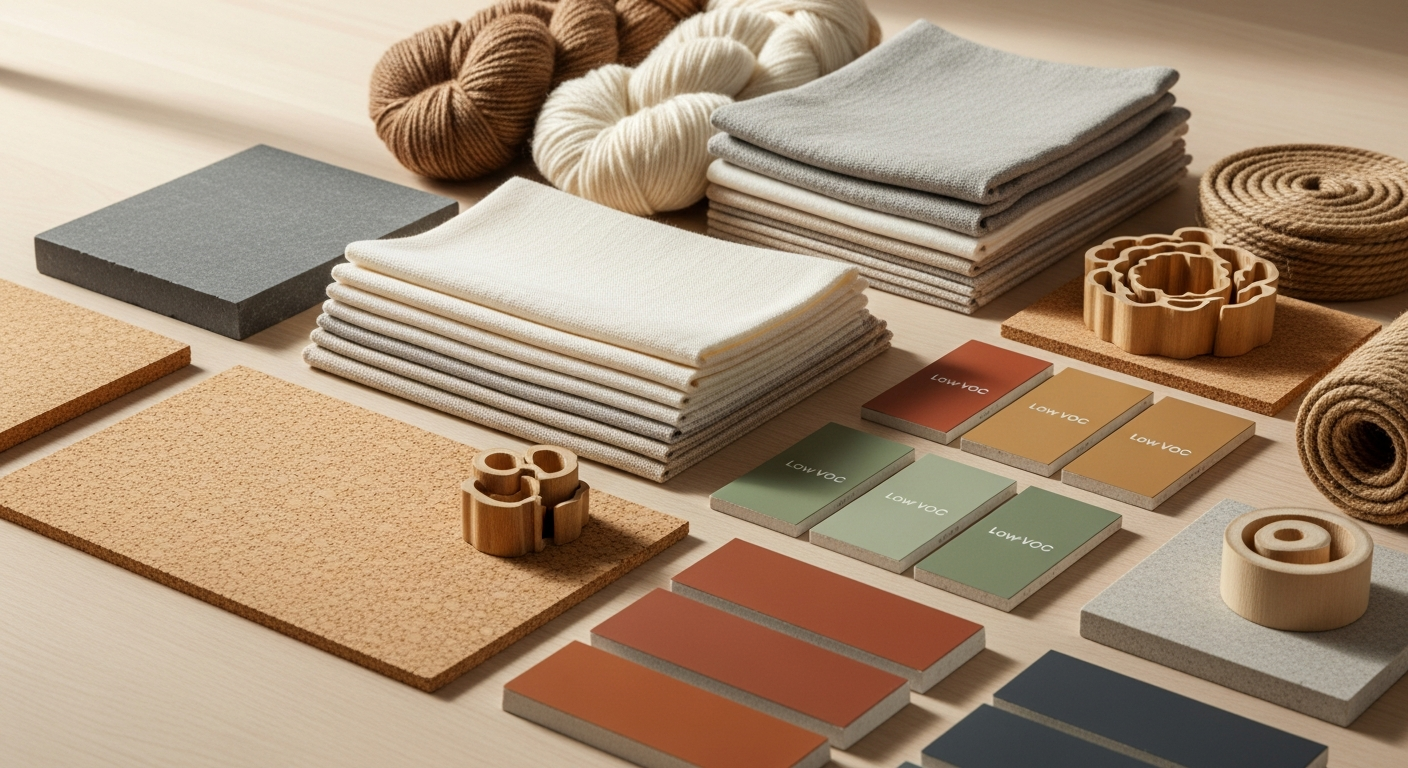
Material selection is where sustainable design makes perhaps its most significant environmental impact — and in 2026, the palette of available sustainable materials has expanded dramatically. The conversation has moved beyond simply avoiding harmful materials to actively seeking materials with positive environmental profiles.
Low-VOC and Zero-VOC Paints and Finishes
Volatile Organic Compounds (VOCs) released by conventional paints, stains, and finishes contribute to indoor air pollution that can be two to five times worse than outdoor air, according to the EPA. The sustainable design response has been transformative. Low-VOC and zero-VOC paints from brands like Benjamin Moore Natura, Sherwin-Williams Harmony, and specialty companies like ECOS Paints now match or exceed the performance of conventional paints in coverage, durability, and color range.
Beyond paint, limewash finishes — a cornerstone of both sustainable and warm minimalist design — are inherently low-VOC, made primarily from slaked lime and natural pigments. Their growing popularity represents a convergence of aesthetics and environmental responsibility. For guidance on selecting the right finishes for different applications, our paint finish guide covers the performance characteristics of each option.
Natural Fiber Textiles
Synthetic textiles — polyester, nylon, acrylic — are petroleum products that shed microplastics throughout their lifecycle and persist in landfills for centuries. Sustainable design in 2026 has pivoted decisively toward natural fibers: organic linen, GOTS-certified organic cotton, responsibly sourced wool, hemp, jute, and even newer entrants like Tencel (lyocell made from sustainably harvested wood pulp).
These aren't compromise materials. Belgian linen upholstery develops a beautiful softness over time that polyester blends can't replicate. Hand-loomed wool rugs from cooperatives in Morocco, India, and Turkey support traditional craft communities while providing floor coverings of extraordinary beauty and durability. Hemp, once relegated to scratchy hippie cliches, has been refined into soft, drapey fabrics suitable for curtains, bedding, and upholstery.
Sustainable Hard Surfaces
For countertops, flooring, and architectural surfaces, sustainable options have proliferated. Recycled glass countertops, terrazzo made from post-consumer stone waste, reclaimed wood flooring, cork (harvested from living trees without killing them), bamboo (which regenerates in 3–5 years vs. 30–80 for hardwood), and locally sourced natural stone all offer environmentally responsible alternatives to imported materials with high carbon footprints.
Porcelain tile manufactured using recycled content and energy-efficient kilns has also improved dramatically, offering the aesthetic of natural stone with consistent quality and lower environmental impact. For a detailed comparison of surface options, see our guide on bathroom materials: quartz, porcelain, and marble.
Circular Design Principles
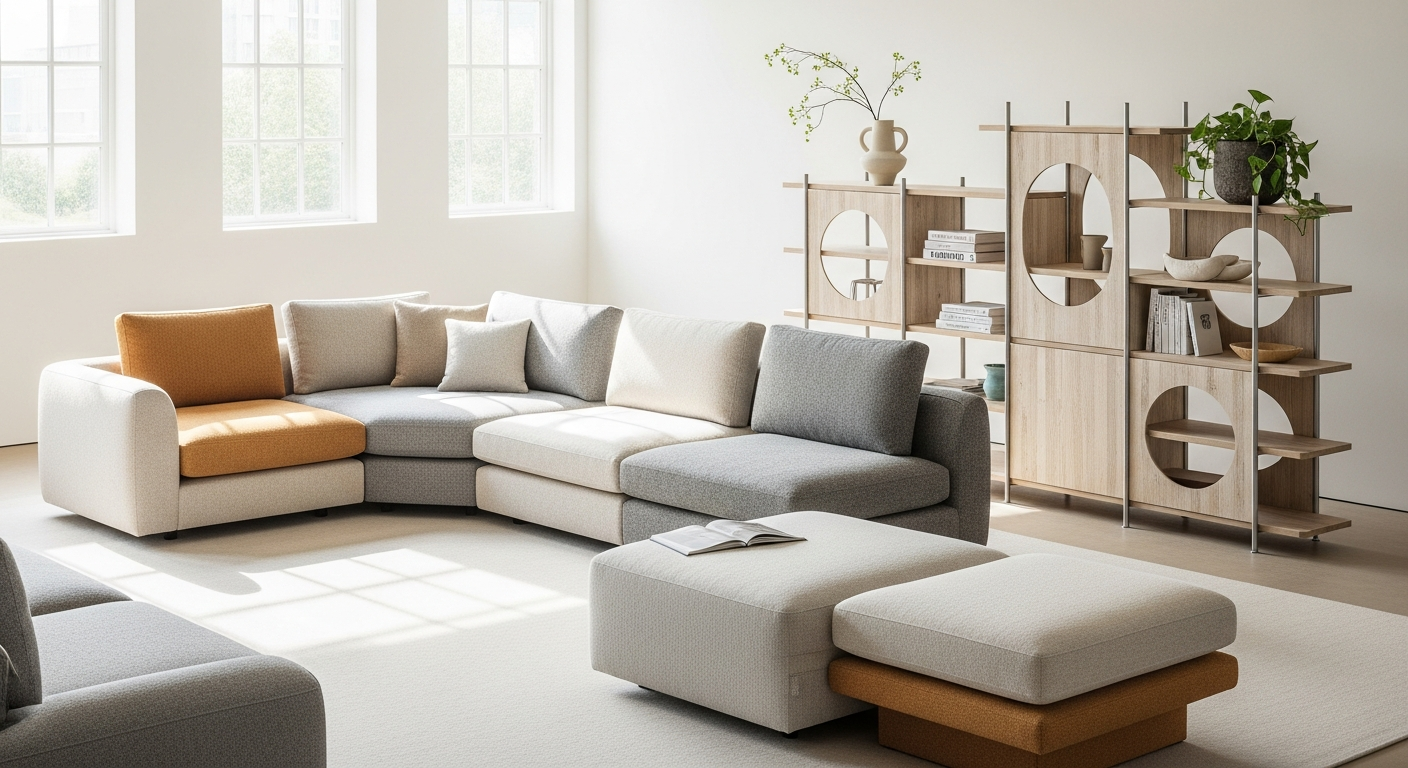
Circular design — the principle that products should be designed for longevity, repairability, and eventual recycling or composting rather than disposal — has moved from academic theory to practical reality in 2026. This represents perhaps the most fundamental shift in how we think about interior design and consumption.
Design for Disassembly
Forward-thinking furniture companies are now designing pieces that can be completely disassembled, with components replaced individually when worn. A sofa frame designed for disassembly can last decades, with cushions, upholstery, and springs replaced as needed rather than discarding the entire piece. This modular thinking extends to kitchen cabinetry (where drawer boxes, doors, and hardware can be upgraded independently), shelving systems (add, remove, or reconfigure without new purchases), and lighting (where LED modules can be swapped without replacing the fixture).
Material Passports
An emerging practice in 2026 is the "material passport" — documentation that accompanies furniture or design elements, detailing every material used, where it was sourced, how it can be maintained, and how it should be recycled or composted at end of life. While still more common in commercial interiors, progressive residential designers are adopting this practice, creating a paper trail that ensures materials re-enter productive use rather than ending up in landfills.
Buy Less, Choose Better
The circular design philosophy's simplest expression is one that aligns perfectly with minimalist home decor principles: buy fewer things, but make each purchase count. A single solid wood dining table that will last 50 years is more sustainable than five cheaper tables replaced every decade. A well-made wool rug that can be professionally cleaned and repaired for generations is more responsible than a series of synthetic rugs that end up in landfills every few years. This "investment" approach to furnishing often saves money over time while dramatically reducing environmental impact.
Energy-Efficient Design Integration
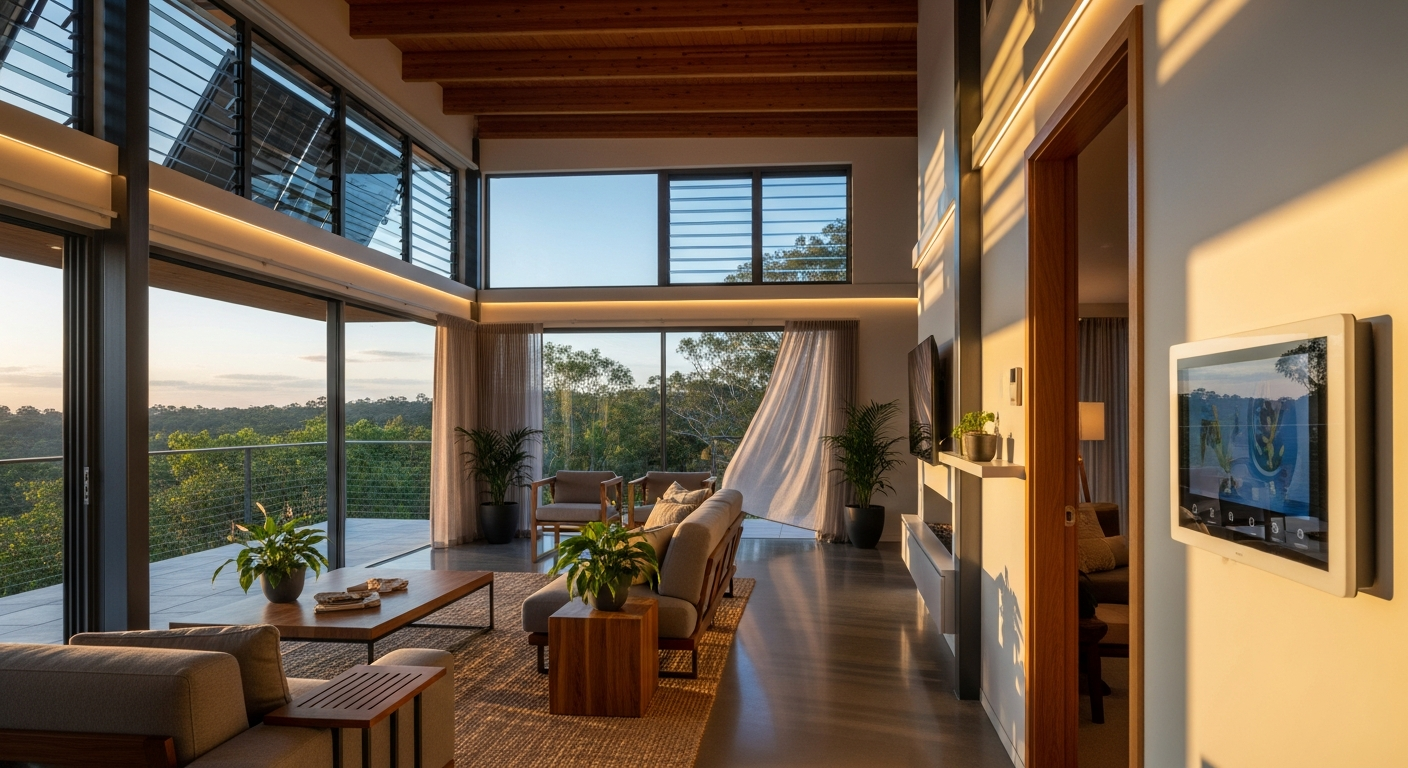
Sustainable interior design in 2026 increasingly encompasses energy performance as a design consideration, not just an engineering afterthought. Designers are integrating energy efficiency into aesthetic decisions from the earliest concept stages.
Passive Design Strategies
Window placement, room orientation, and natural ventilation pathways are being considered as design elements rather than purely functional decisions. A strategically placed window doesn't just reduce electricity for lighting — it creates a framed view, shapes the quality of light in a room, and establishes a connection to the outdoors. Operable windows positioned to create cross-ventilation reduce HVAC dependence while adding architectural interest.
Thermal mass materials — concrete floors, stone walls, thick plaster — that absorb heat during the day and release it at night serve both energy-efficiency goals and the current aesthetic preference for natural, tactile surfaces. This is one of those beautiful convergences where what's good for the planet is also what looks and feels best.
Smart Home Integration
Smart lighting systems that adjust color temperature and intensity based on time of day and occupancy reduce energy consumption by 30–60% compared to conventional lighting. Smart thermostats with zone control prevent heating or cooling unused rooms. Automated window coverings optimize natural light and insulation throughout the day. These technologies are increasingly design-conscious, with control panels, sensors, and fixtures designed to complement rather than detract from interior aesthetics.
LED Lighting Design
LED technology has matured to the point where energy-efficient lighting is no longer a compromise. Modern LED fixtures offer warm, high-CRI (Color Rendering Index) light that renders colors and textures as beautifully as incandescent bulbs at a fraction of the energy cost. Architectural LED integration — in coves, under shelves, behind mirrors — provides ambient warmth while consuming minimal electricity. The sustainable choice and the aesthetic choice have fully converged in lighting design.
Biophilic Sustainability
Biophilic design — creating interiors that connect occupants with the natural world — is inherently sustainable, and in 2026, this connection is being made more explicit. The principles of biophilic design naturally align with sustainable practices in ways that reinforce both aesthetic beauty and environmental responsibility.
Living Walls and Indoor Ecosystems
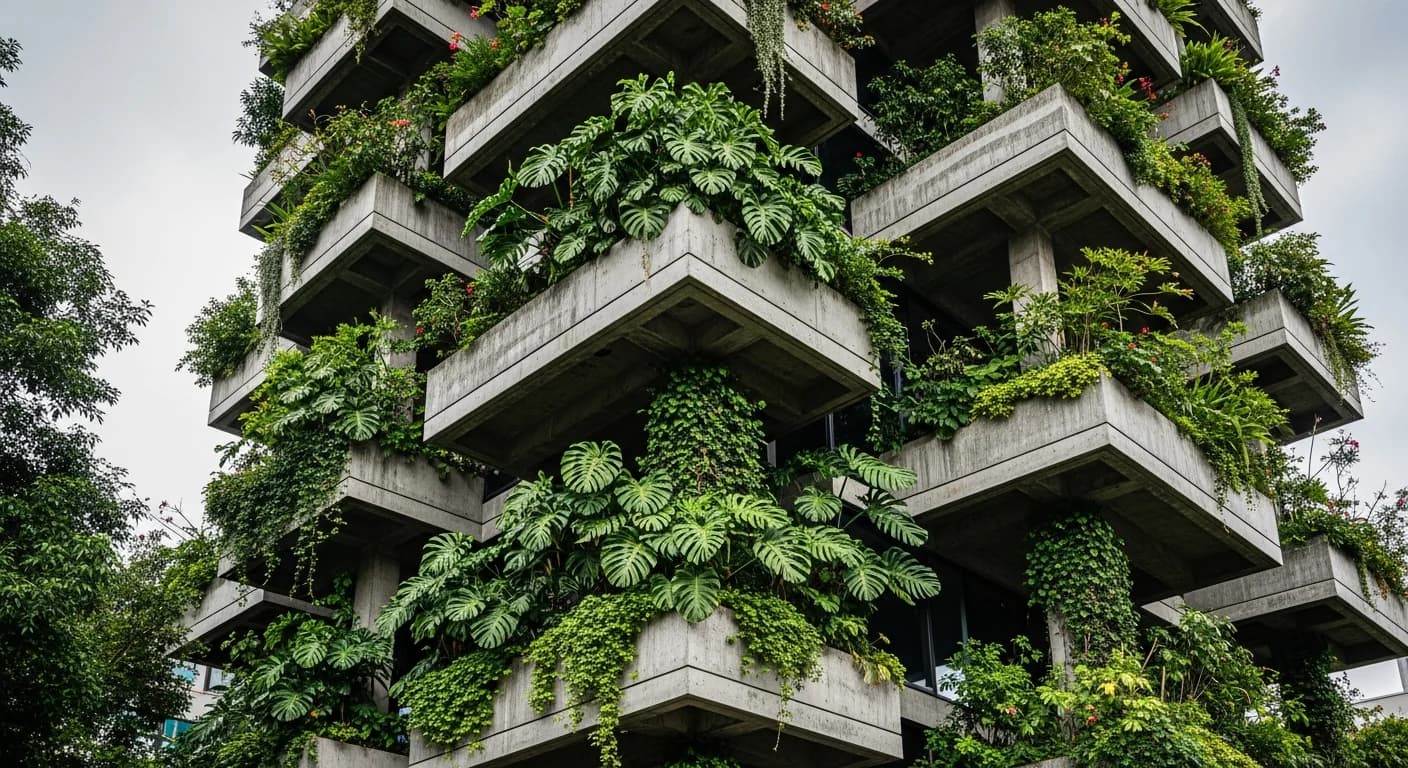
Vertical gardens and living walls have evolved from trendy installations into functional environmental systems. A well-designed living wall filters indoor air, regulates humidity, provides acoustic dampening, and reduces the urban heat island effect — all while creating a stunning visual focal point. In 2026, simplified maintenance systems (automated irrigation, self-contained growing media) have made living walls practical for residential settings, not just commercial lobbies.
Natural Light Optimization
Maximizing natural daylight reduces electricity consumption for lighting while improving occupant well-being (studies consistently show that natural light improves mood, sleep quality, and productivity). Design strategies include light shelves that bounce daylight deeper into rooms, reflective interior surfaces that amplify available light, and floor plans that minimize windowless interior spaces. Skylights and solar tubes bring natural light into areas that windows can't reach.
Indoor-Outdoor Flow
Large-format sliding or folding doors that blur the boundary between interior and exterior spaces reduce the need for mechanical ventilation and air conditioning during temperate months while creating dramatic living spaces. The materials for these transitions — natural stone thresholds, continuous flooring from inside to outside, consistent planting schemes — tie into both biophilic principles and sustainable material choices.
Sustainable Kitchen and Bathroom Choices
The kitchen and bathroom are where sustainability choices have the most concentrated impact — these rooms consume the most water and energy, generate the most waste, and typically involve the most intensive material use in any renovation.
Kitchen Sustainability
Water-efficient fixtures (faucets with aerators reducing flow to 1.5 GPM, dishwashers using under 3 gallons per cycle) are baseline expectations. Beyond water, sustainable kitchen design in 2026 focuses on durable, repairable cabinetry (solid wood boxes with replaceable doors and hardware), countertops from recycled or reclaimed materials, energy-efficient induction cooking (which uses 90% of energy produced vs. 40% for gas), and integrated composting systems that make food waste reduction effortless.
Open shelving in natural wood replaces upper cabinet banks, reducing material use while encouraging mindful consumption — when everything is visible, you naturally buy less and waste less. Vintage or restored range hoods, reclaimed wood islands, and unlacquered brass fixtures add character while aligning with sustainability principles.
Bathroom Sustainability
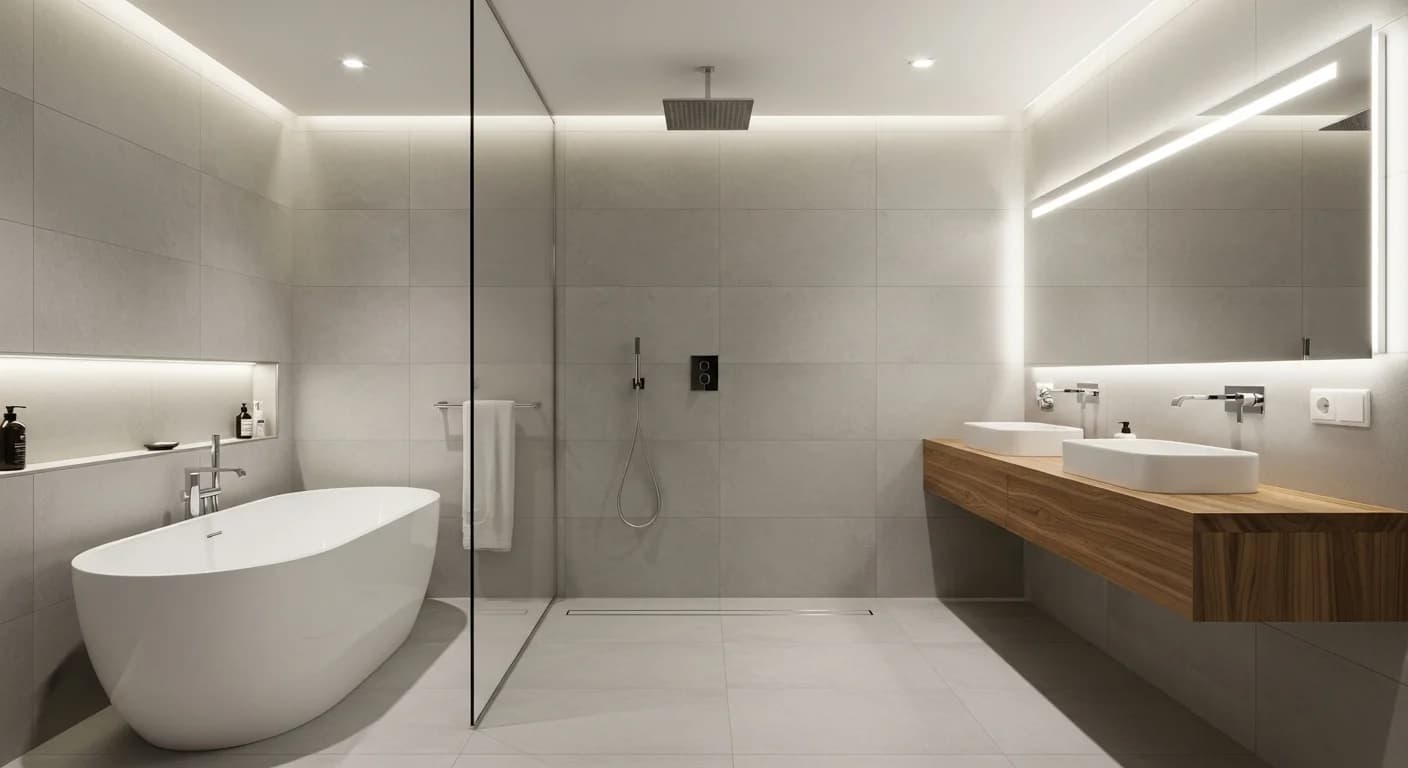
WaterSense-certified fixtures (toilets using 1.28 GPF, showerheads at 2.0 GPM) are standard. Beyond water conservation, sustainable bathrooms in 2026 feature: natural stone or recycled-content tile (avoiding imported porcelain with high transport emissions), natural plaster finishes like tadelakt that are inherently mold-resistant without chemical treatment, solid wood vanities built to last decades, and towel bars and accessories in materials that develop patina rather than degrading (unlacquered brass, stainless steel, solid bronze).
Heated towel racks powered by timers reduce laundry loads (towels dry faster, need washing less frequently). Radiant floor heating, while an upfront investment, provides more comfortable and energy-efficient heating than forced air. Ventilation systems with heat recovery extract moisture while retaining warmth — crucial for bathrooms where moisture management directly impacts material longevity.
How to Start Your Sustainable Design Journey
Transitioning to sustainable design doesn't require starting from scratch. Here's a practical, phased approach that builds momentum over time:
Start with What You Have: The most sustainable piece of furniture is the one you already own. Before buying anything new, assess what can be refinished, reupholstered, or repurposed. A dated wood dresser can be sanded and refinished with low-VOC stain. A tired sofa can be professionally reupholstered in organic linen. Even "ugly" vintage pieces often have better bones than new mass-produced alternatives.
Make Material Swaps: Replace synthetic textiles with natural alternatives as items wear out. Swap polyester curtains for linen. Replace acrylic throws with wool. Switch synthetic bedding for organic cotton or linen. These incremental changes improve both indoor air quality and environmental impact without requiring a complete overhaul.
Address Indoor Air Quality: Repaint rooms with low-VOC or zero-VOC paint. Add air-purifying plants (snake plants, pothos, peace lilies). Replace synthetic air fresheners with natural alternatives (essential oil diffusers, beeswax candles, fresh herbs). These changes have immediate health benefits alongside environmental ones.
Shop Secondhand First: Before any furniture purchase, check vintage and consignment sources first. Allocate time for sourcing — sustainable design rewards patience. Estate sales, online marketplaces, and architectural salvage yards often yield remarkable finds at prices below comparable new pieces.
Invest in Quality for High-Impact Items: For items you use daily — dining table, sofa, bed frame, mattress — invest in the highest quality you can afford from makers committed to sustainable materials and fair labor practices. These are the pieces you'll keep for decades, making the per-year cost surprisingly reasonable. Visualize your sustainable design choices before committing using our HanoDecor Studio to see how different materials and configurations work in your specific space.
Frequently Asked Questions
Is sustainable interior design more expensive than conventional design?
Initially, some sustainable choices cost more — organic linen bedding, solid wood furniture, low-VOC paint. However, the total cost of ownership is often lower because sustainable products last significantly longer. A solid wood dining table that lasts 50 years is cheaper per year than three particle-board tables replaced every 15 years. Vintage furniture is often less expensive than comparable new designer pieces. And the growing market for sustainable products has driven prices down significantly — low-VOC paint, for example, is now comparably priced to conventional options from major brands.
How do I know if a product is truly sustainable or just greenwashed?
Look for specific, verifiable certifications rather than vague claims. For wood: FSC (Forest Stewardship Council) certification. For textiles: GOTS (Global Organic Textile Standard), OEKO-TEX Standard 100. For paint: Green Seal, Greenguard. For overall products: Cradle to Cradle certification. Be skeptical of unsubstantiated claims like "eco-friendly" or "natural" without specific documentation. Transparency about supply chain, materials sourcing, and manufacturing processes is the strongest indicator of genuine sustainability commitment.
What are the easiest sustainable swaps to make right now?
The highest-impact, lowest-effort swaps are: (1) Replace conventional light bulbs with LED — immediate energy savings of 75–80%. (2) Switch to low-VOC paint when repainting — comparable cost, dramatically better indoor air quality. (3) Buy secondhand furniture for your next purchase instead of new. (4) Replace synthetic bedding with organic cotton or linen — improves sleep quality while reducing microplastic exposure. (5) Add 3–5 air-purifying houseplants — improves air quality and well-being with minimal effort.
Can I have a sustainable home that still looks luxurious?
Absolutely — and in 2026, many of the most luxurious-looking interiors are also the most sustainable. Reclaimed wide-plank oak flooring looks more expensive than new engineered wood. Vintage Murano glass lighting fixtures are more impressive than mass-produced pendants. Hand-loomed Moroccan wool rugs outshine machine-made synthetics. Natural stone, aged brass, organic linen — these sustainable materials are the luxury materials. The shift toward sustainability has, in many ways, been a return to the original definition of luxury: rare materials, expert craftsmanship, and objects built to endure.
How does sustainable design affect home resale value?
Homes with sustainable features consistently command premium prices. Energy-efficient homes (with documentation like Energy Star or LEED certification) sell for 2–8% more than comparable conventional homes, according to multiple studies. High-quality natural materials — solid wood, stone, copper — signal investment and permanence to buyers. Solar panels, smart home systems, and water-efficient landscaping are increasingly expected in premium markets. Perhaps most importantly, sustainable homes avoid the "disposable renovation" problem — interiors built with quality materials and timeless design age well rather than becoming dated, preserving their appeal and value for years beyond the initial investment.
What role does biophilic design play in sustainability?
Biophilic design and sustainability are deeply intertwined. Natural light reduces electricity use. Indoor plants improve air quality naturally, reducing the need for air purifiers and chemical treatments. Natural materials like wood, stone, and cork are renewable and biodegradable. Cross-ventilation and natural cooling reduce HVAC dependence. Even the psychological benefits — reduced stress, improved focus, better sleep — contribute to sustainability by supporting healthier, more content lifestyles that tend toward mindful consumption. When you feel genuinely good in your space, the impulse to constantly redecorate or accumulate diminishes naturally.
Sustainable Interior Design Trends 2026 FAQs
Written by
Lisa Wang
Sustainable Design Writer focused on eco-friendly materials, energy efficiency, and budget-conscious home improvement. LEED Green Associate with expertise in low-impact renovation strategies.