Paint Finish Guide: Matte, Eggshell, Satin, Semi-Gloss, and Gloss Explained
You've finally chosen the perfect paint color—but wait, now you need to pick a finish. Flat, eggshell, satin, semi-gloss, high-gloss... what do these terms even mean, and which one should you choose? Paint sheen affects far more than just appearance. It impacts durability, washability, and how your color actually looks on the wall. Here's everything you need to know.
Understanding Paint Sheen
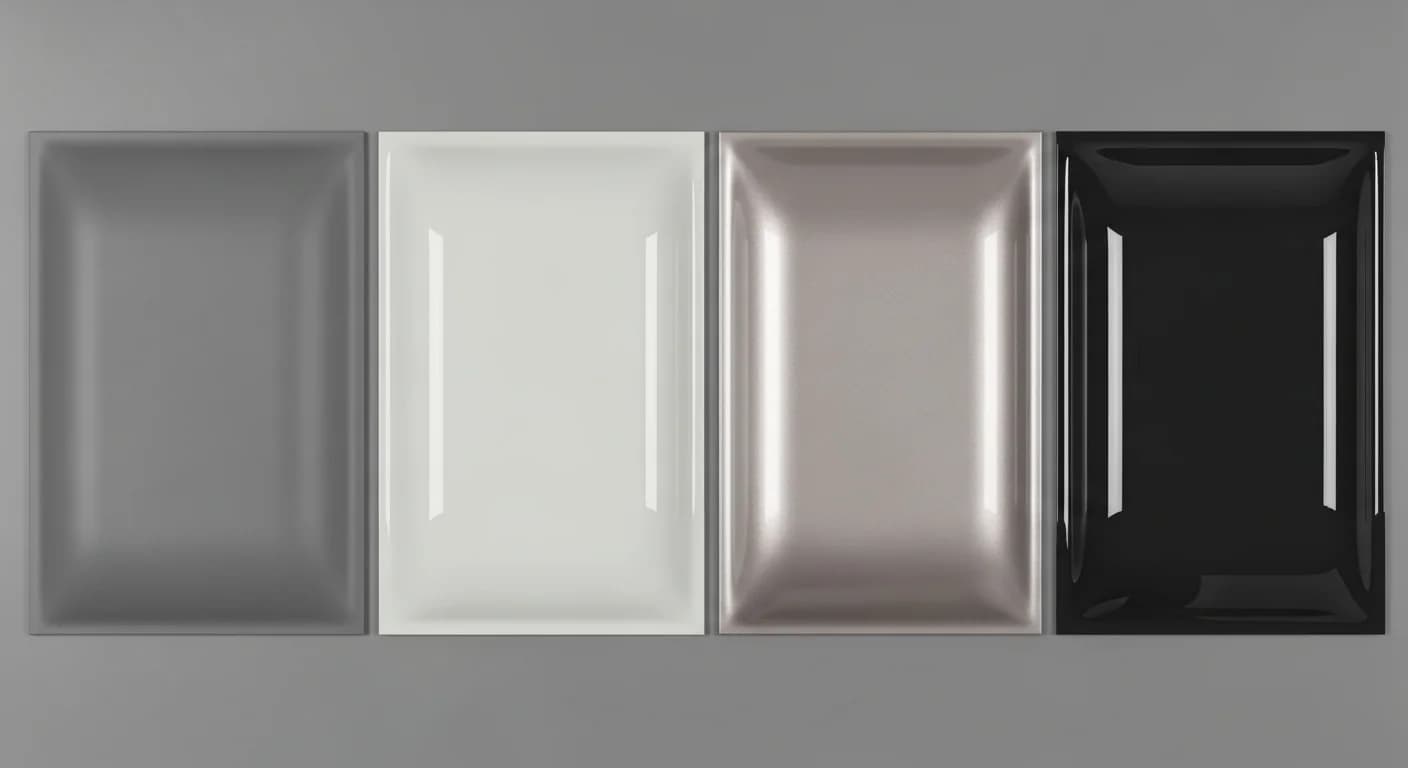
Paint sheen (or finish) refers to how much light the dried paint reflects. Higher sheen = more light reflection = shinier appearance. But sheen affects more than looks—it also determines how durable and washable the paint will be.
Higher-sheen paints contain more resin and less pigment, creating a harder, more durable surface. Lower-sheen paints have more pigment, which absorbs light and hides imperfections but creates a softer, less washable surface. There's no universally "best" finish—each has ideal applications.
Flat/Matte Finish
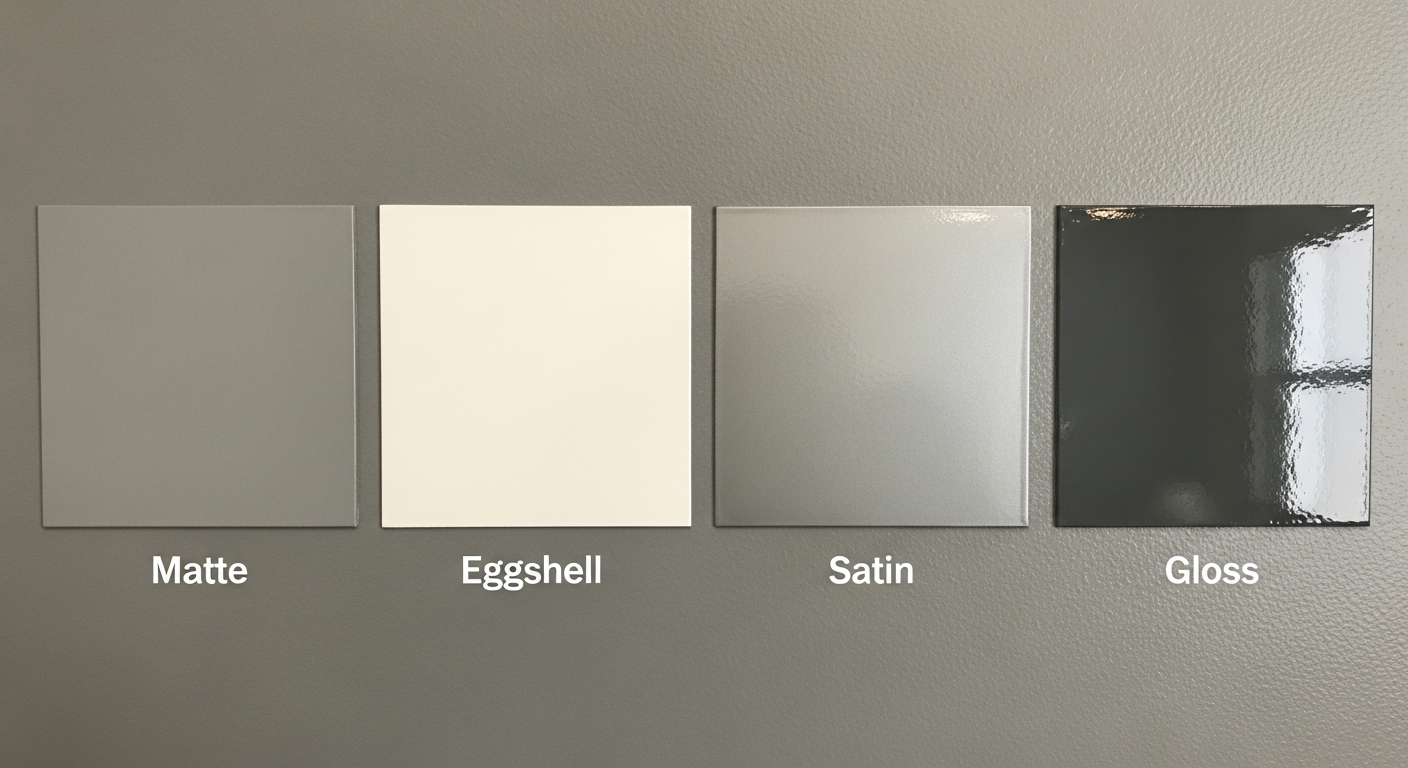
Sheen Level: 0-10% (virtually no light reflection)
Appearance: Velvety, non-reflective surface that creates a soft, sophisticated look. Absorbs light rather than reflecting it.
Advantages:
- Best at hiding surface imperfections—dents, patches, and uneven textures virtually disappear
- Creates depth and richness in dark colors
- No glare or hot spots from lighting
- Most affordable finish option
Disadvantages:
- Most difficult to clean—scrubbing can remove paint
- Shows fingerprints, scuffs, and marks easily
- Not moisture-resistant—unsuitable for kitchens and bathrooms
Best For: Ceilings, adult bedrooms, formal living rooms, dining rooms, low-traffic areas, and any walls with imperfections you want to hide.
Eggshell Finish
Sheen Level: 10-25% (subtle soft glow)
Appearance: Named for its resemblance to an actual eggshell—a slight sheen that's barely noticeable but adds subtle dimension.
Advantages:
- More washable than flat while still hiding minor imperfections
- Versatile for most rooms and lighting conditions
- Adds slight depth without looking shiny
- Most popular interior paint finish for good reason
Disadvantages:
- Still shows some surface imperfections (less than satin)
- Not as durable as higher sheens for high-traffic areas
- Can be tricky to touch up—patches may show
Best For: Living rooms, bedrooms, dining rooms, hallways—essentially anywhere you want a classic, versatile finish.
Satin Finish
Sheen Level: 25-35% (soft glow)
Appearance: Noticeably more sheen than eggshell with a smooth, pearl-like glow. Reflects light gently.
Advantages:
- Very durable and easy to clean—can withstand gentle scrubbing
- Resists moisture and humidity better than lower sheens
- Rich color appearance with nice depth
- Works in virtually any room
Disadvantages:
- Shows surface imperfections more than eggshell or flat
- Application technique matters—roller marks and brush strokes may show
- Touch-ups can be visible
Best For: Kitchens, bathrooms, kids' rooms, hallways, family rooms—any high-traffic or moisture-prone area.
Semi-Gloss Finish
Sheen Level: 35-70% (noticeable shine)
Appearance: Clearly reflective surface with obvious sheen. Creates a sleek, polished look.
Advantages:
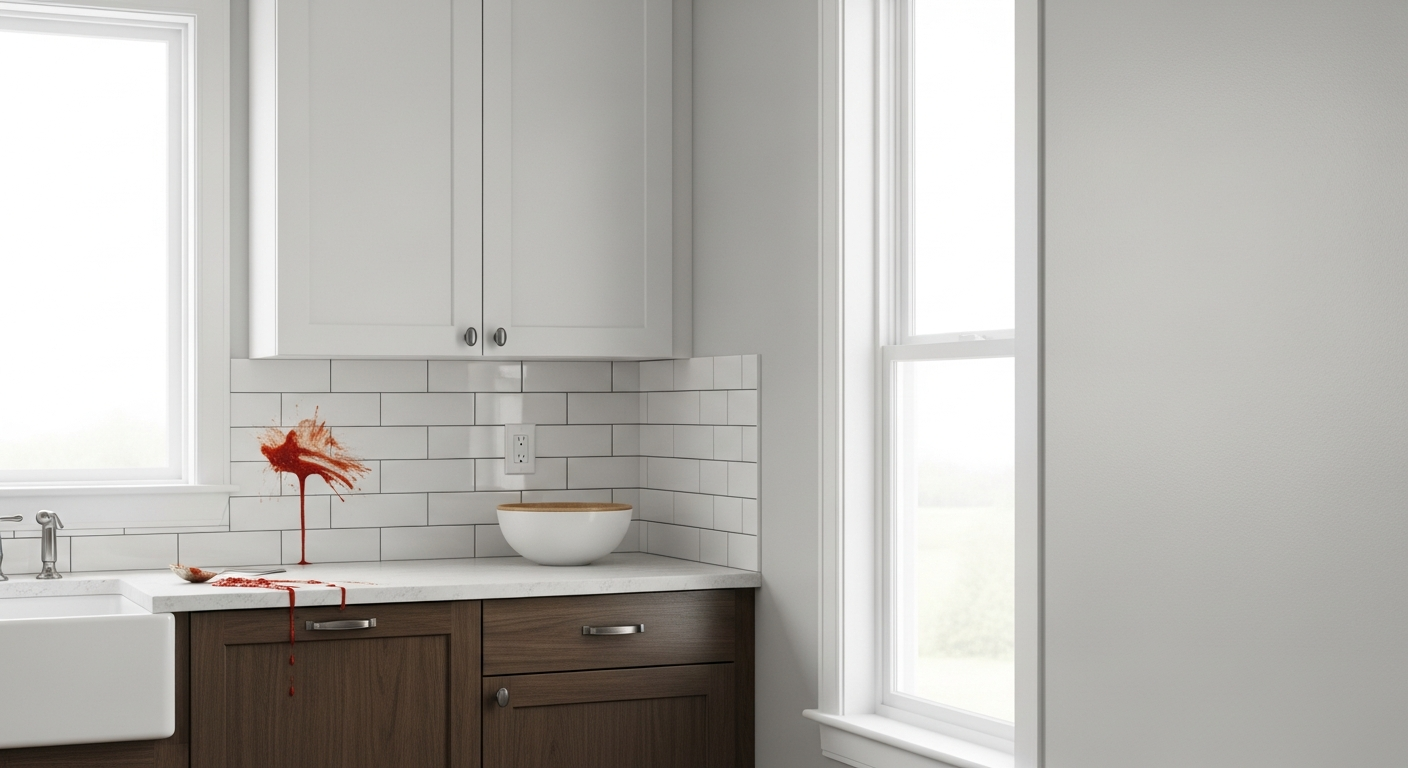
- Extremely durable and scrubbable
- Highly moisture-resistant—ideal for wet areas
- Easy to clean—wipes down effortlessly
- Mildew-resistant
Disadvantages:
- Shows every surface imperfection—bumps, dents, patches all highlighted
- Glare can be distracting on large wall surfaces
- Requires skilled application to avoid visible brush/roller marks
Best For: Trim, doors, window frames, cabinets, bathrooms, kitchens. Best for woodwork and surfaces that need regular cleaning rather than large wall areas.
High-Gloss Finish
Sheen Level: 70-100% (mirror-like shine)
Appearance: Highly reflective, almost mirror-like. Creates a lacquered, formal appearance.
Advantages:
- Most durable and washable finish available
- Creates dramatic, luxurious visual impact
- Excellent for highlighting beautiful trim work and architectural details
- Easy to clean—stands up to heavy scrubbing
Disadvantages:
- Shows every single imperfection—walls must be perfectly smooth
- Reflects every light source, potentially creating glare
- Difficult to apply evenly—brush marks and roller lines show dramatically
- Overwhelming on large surfaces
Best For: Doors, trim, furniture, cabinets, accent pieces. Rarely used on walls except for statement features in professionally prepared spaces.
Room-by-Room Recommendations
Living Room: Eggshell or satin for walls; semi-gloss for trim
Bedroom: Flat or eggshell for walls (calming, non-reflective); semi-gloss for trim
Kitchen: Satin or semi-gloss for walls (handles grease and moisture); semi-gloss or gloss for cabinets
Bathroom: Satin or semi-gloss for walls (moisture resistance essential); semi-gloss for trim and ceiling
Kids' Rooms/Playrooms: Satin for walls (durability and cleanability crucial); semi-gloss for trim
Hallways/High-Traffic: Satin or semi-gloss (can handle scuffs and cleaning)
Ceilings: Flat almost always (hides imperfections, no glare)
Trim and Doors: Semi-gloss or high-gloss (durability, cleanability, visual definition)
Mixing Finishes in One Room
Most rooms benefit from multiple finishes. A common approach:
- Flat or eggshell on ceilings
- Eggshell or satin on walls
- Semi-gloss on trim, doors, and windows
This creates visual hierarchy—the shinier trim frames the softer wall color. The contrast adds definition and professionalism to any paint job.
When mixing finishes with the same color, be aware that different sheens make colors appear different. Higher sheens make colors look slightly darker and more saturated. Lower sheens appear lighter. If using the same color on walls and trim in different sheens, expect subtle variation.
Visualize Your Finish Choice
Finish choice affects how your color ultimately appears. The same paint color looks subtly different in flat versus satin versus semi-gloss. Before finalizing your decisions, see how different finishes affect your color in your specific room.
HanoDecor's AI Room Painter helps you visualize color choices on your actual walls—giving you confidence that your selections will look right once applied. Once you've found your perfect color, you'll know exactly which finish to specify for each surface in your room.
Paint Finish Guide FAQs
Written by
Sarah Chen
Senior Color Consultant with 12 years of residential exterior design experience. Specializes in architectural color theory, paint technology, and curb appeal optimization.