Biophilic Design: How Nature-Inspired Interiors Are Transforming Homes in 2026
There's a reason stepping into a sunlit room filled with plants and natural materials feels fundamentally different from entering a sterile, artificially lit space. Humans have an innate, biological connection to nature — a relationship forged over millions of years of evolution that our modern built environments have largely ignored. In 2026, biophilic design has moved from the fringes of architectural theory into the mainstream of residential interiors, transforming how we think about the relationship between our homes and the natural world.
This isn't simply about adding a few houseplants to your shelves, though that remains a wonderful starting point. Biophilic design is a comprehensive approach to creating spaces that integrate natural elements at every level — from the materials on your walls to the quality of light filtering through your windows, from the shapes of your furniture to the sounds that permeate your rooms. As part of the broader interior design trends shaping 2026, biophilic design represents one of the most significant and science-backed movements in residential design.
In this guide, we'll explore what biophilic design truly means, the compelling research behind its benefits, the core elements that define it, and practical ways to incorporate nature-inspired design into every room of your home — regardless of your budget or the size of your space.
What Is Biophilic Design?
The term "biophilia" was popularized by renowned biologist E.O. Wilson in his 1984 book of the same name. Wilson proposed that humans possess an innate tendency to seek connections with nature and other forms of life — a tendency he argued is genetic, rooted in our evolutionary history as creatures who lived immersed in the natural world for millennia before retreating into constructed environments.
Biophilic design translates this concept into architectural and interior design practice. It's not a style in the way that "minimalist" or "farmhouse" is a style — rather, it's a design philosophy that can be expressed through virtually any aesthetic. A sleek modern apartment can be deeply biophilic if it maximizes natural light, incorporates natural materials, and includes living plant elements. Similarly, a traditional home with wooden beams, stone fireplaces, and garden views already embodies biophilic principles, even if the term was never consciously applied.
In 2026, biophilic design has evolved beyond its early, somewhat superficial interpretations. Where previous years saw biophilic design primarily as adding potted plants and using wood finishes, the movement now encompasses what designers call "immersive biophilia" — creating environments where natural elements aren't decorative additions but fundamental, integrated components of the architectural experience. This includes living walls that function as room dividers, water features that provide ambient sound, lighting systems that mirror natural circadian rhythms, and spatial designs that create the same sense of refuge and prospect that humans instinctively seek in natural landscapes.
The Science Behind Biophilic Benefits
One of the most compelling aspects of biophilic design is that its benefits are not merely aesthetic — they're measurable, reproducible, and backed by a growing body of peer-reviewed research. Understanding this science provides powerful motivation for incorporating biophilic elements into your home.
Stress reduction is perhaps the most well-documented benefit. A landmark study published in the International Journal of Environmental Research and Public Health found that exposure to natural elements in indoor environments can reduce physiological stress markers by approximately 20%. Cortisol levels, heart rate, and blood pressure all showed significant decreases in participants who spent time in biophilic environments compared to conventional interior spaces. This isn't a subtle effect — a 20% reduction in stress response is comparable to the impact of moderate exercise or meditation.
Cognitive performance also improves meaningfully in biophilic settings. Research from the Human Spaces Report, which surveyed 7,600 workers across 16 countries, found that employees in offices with natural elements reported 15% higher levels of well-being and 6% higher productivity. Natural light was identified as the single most desired feature in a workplace, outranking cafeterias, fitness centers, and childcare facilities. While these studies focused on commercial environments, the same principles apply directly to home offices, study spaces, and general living areas.
Mental health benefits extend beyond acute stress reduction. Longitudinal studies have shown that consistent exposure to indoor plants and natural light is associated with lower rates of anxiety and depression. The restorative quality of nature — what researchers call Attention Restoration Theory — suggests that natural environments allow our directed attention to rest and recover, reducing mental fatigue and improving overall psychological resilience.
Physical health outcomes are also influenced by biophilic design. Indoor plants actively improve air quality by filtering volatile organic compounds (VOCs) and increasing humidity levels. Natural light exposure regulates circadian rhythms, improving sleep quality and vitamin D synthesis. Even the presence of natural sound — flowing water, bird songs — has been shown to lower blood pressure and improve cardiovascular health markers.
Core Elements of Biophilic Design
Living Walls and Vertical Gardens
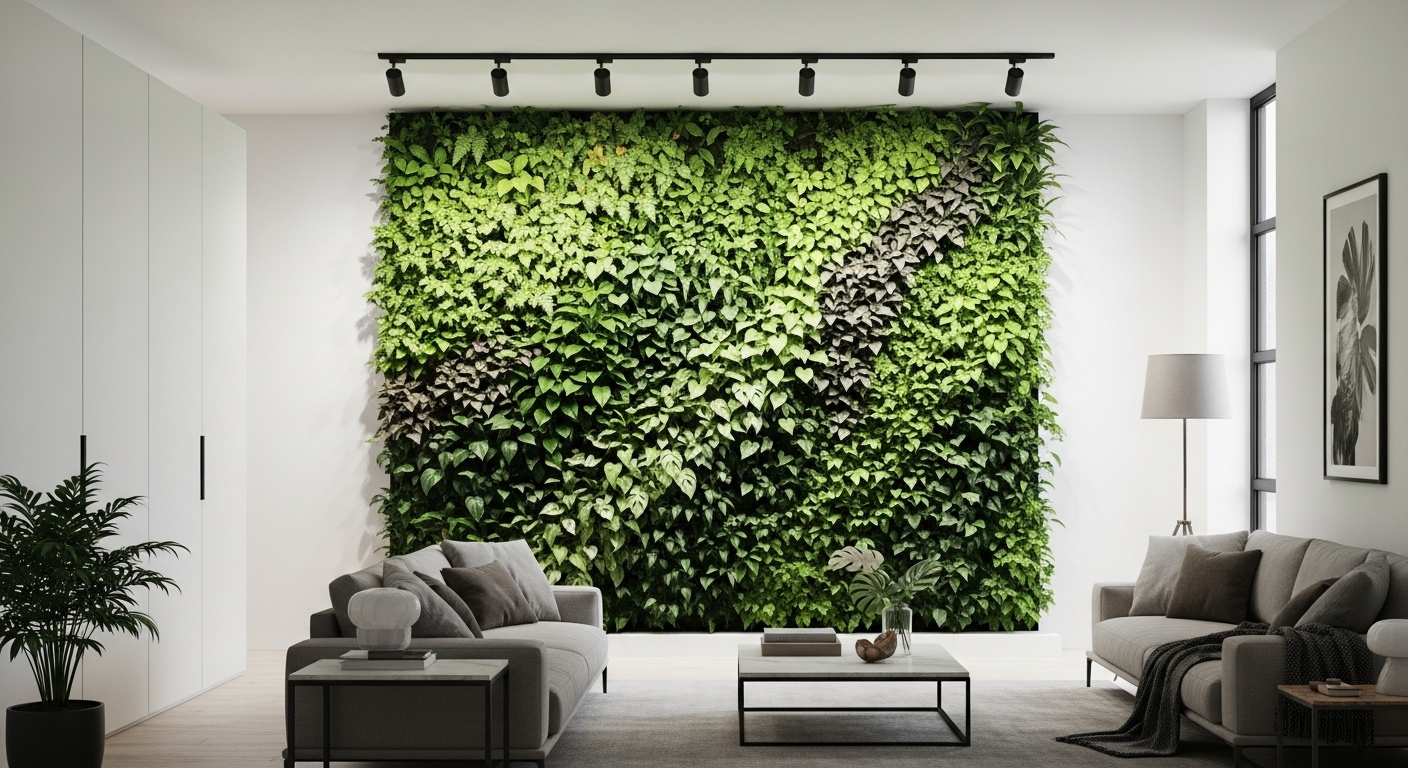
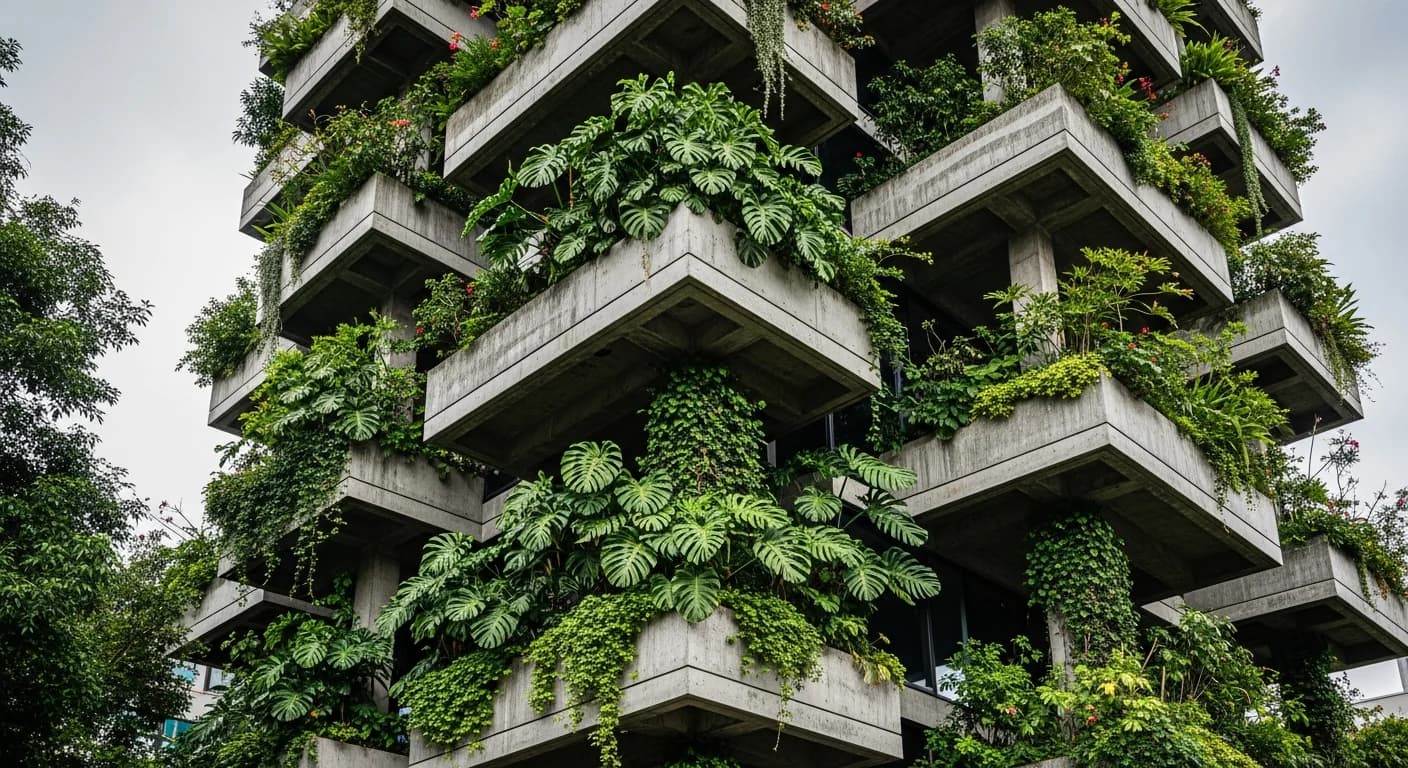
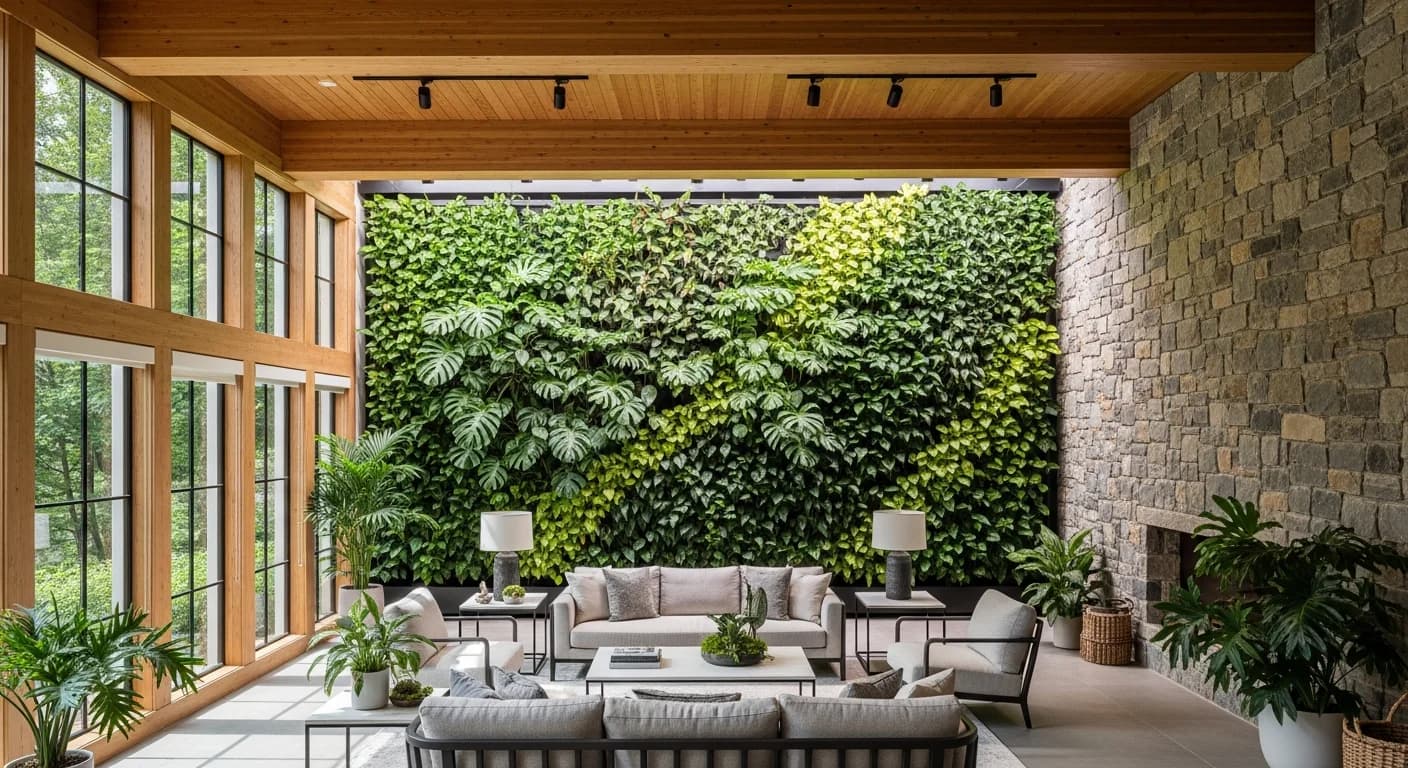
Living walls — also known as vertical gardens or green walls — represent the most dramatic expression of biophilic design in residential interiors. These installations range from modest panel systems supporting a dozen plants to floor-to-ceiling botanical installations that transform an entire wall into a living ecosystem. In 2026, advances in modular living wall systems, automated irrigation technology, and LED grow lighting have made living walls more accessible and maintainable for residential applications than ever before.
The impact of a well-designed living wall is profound. Beyond the obvious visual drama, these installations actively purify the air, regulate humidity, absorb sound (reducing echo and noise pollution), and create a micro-climate that benefits both occupants and the plants themselves. Some homeowners position living walls as room dividers in open-plan spaces, creating natural boundaries that separate living zones without sacrificing the openness and flow that contemporary floor plans prize.
For those interested in living walls but concerned about maintenance, self-watering modular systems with built-in reservoirs and drip irrigation have largely eliminated the daily watering challenge. Low-maintenance plant selections — pothos, philodendrons, ferns, and peace lilies — thrive in indoor conditions with minimal intervention. The key is selecting plants suited to your space's light conditions and grouping species with similar water and humidity requirements together.
Natural Materials and Textures
The materials that surround us have a profound impact on how we feel in a space. Biophilic design prioritizes materials that connect us to the natural world through their visual qualities, tactile properties, and even their scent. Natural wood — particularly species with prominent grain patterns like walnut, oak, and cedar — evokes forests and organic growth. Natural stone — marble, travertine, slate, limestone — connects us to geological processes and the enduring permanence of the earth. Clay, terracotta, linen, wool, rattan, and bamboo each carry their own natural associations that our brains process differently from synthetic materials.
In 2026, the use of natural materials in biophilic design goes beyond surface application. Designers are specifying solid wood rather than veneers, real stone rather than porcelain lookalikes, and handcrafted ceramics rather than machine-produced replicas. The imperfections inherent in natural materials — the slight variation in stone veining, the unpredictable grain of live-edge wood, the subtle irregularities in hand-thrown pottery — are valued precisely because they echo the beautiful imperfection of nature itself.
The sustainability dimension of natural materials adds further appeal. Responsibly sourced wood, locally quarried stone, and handcrafted textiles from natural fibers carry a lower environmental footprint than their synthetic counterparts, aligning biophilic design with the broader sustainability movement that defines 2026 interiors.
Water Features
Water has a uniquely powerful effect on human psychology. The sound of flowing water triggers an immediate relaxation response, lowering heart rate and reducing cortisol levels. Visual contact with water — even in small quantities — creates a sense of tranquility and renewal that few other design elements can replicate. In 2026, residential water features have evolved far beyond the decorative tabletop fountains of previous decades.
Contemporary water features for the home include wall-mounted water curtains that create a shimmering, flowing surface; sculptural fountain installations that double as art pieces; and integrated water elements within natural stone or timber surrounds that blend seamlessly with biophilic material palettes. Some homeowners are incorporating small indoor reflecting pools — shallow, still bodies of water that mirror natural light and surrounding greenery, adding depth and serenity to a space.
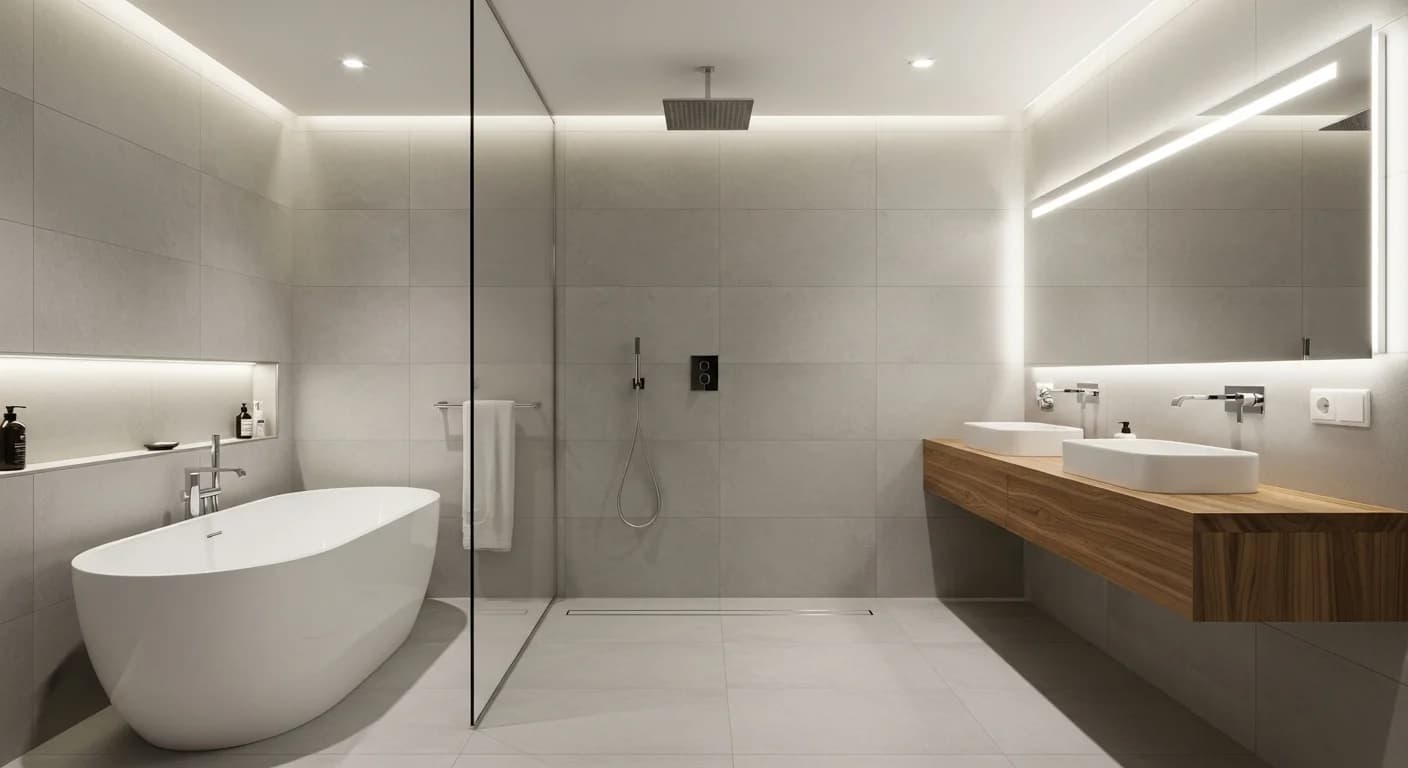
For practical applications, the bathroom offers the most natural opportunity for water-feature integration. Spa-inspired bathroom designs now frequently include rainfall showerheads, freestanding tubs positioned near windows with garden views, and natural stone basins where water flowing over stone creates both visual beauty and ambient sound.
Natural Light and Circadian Lighting
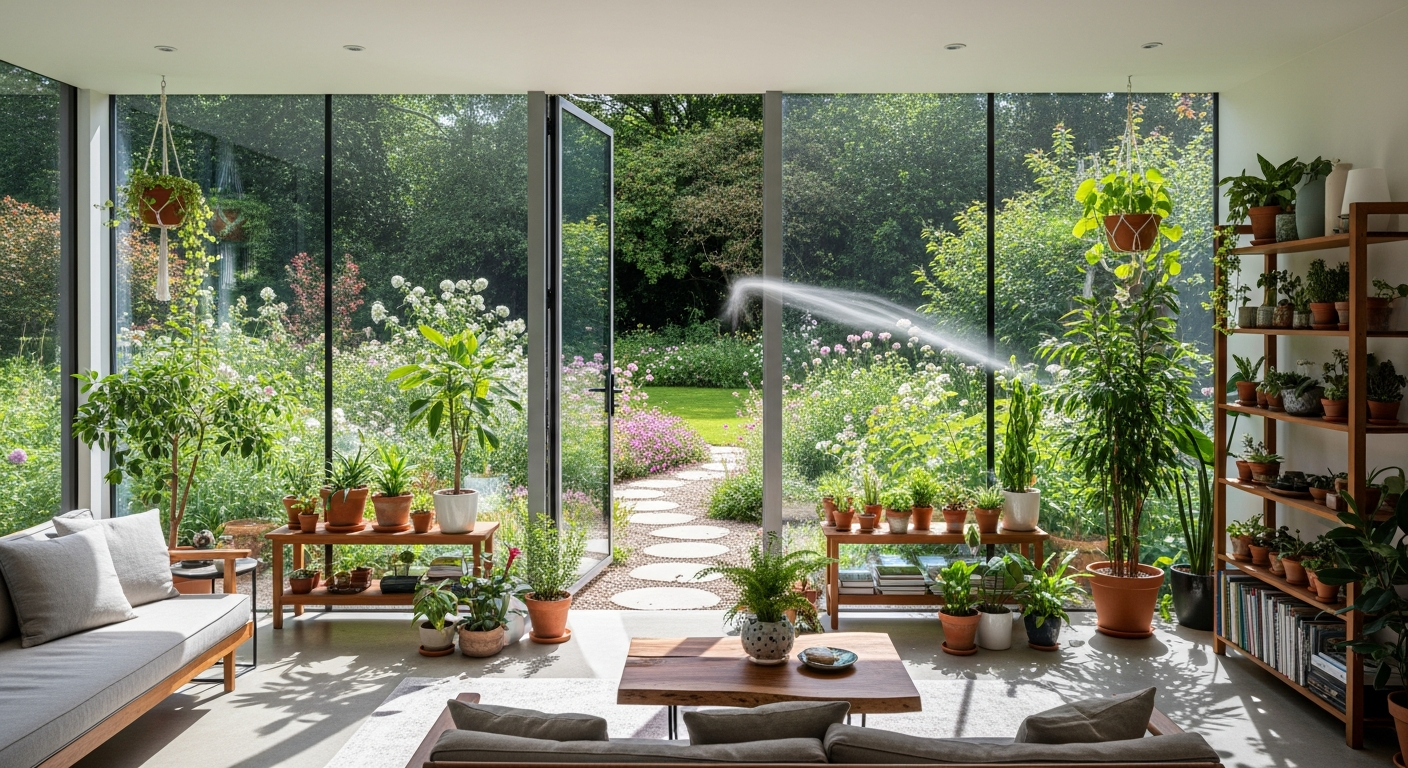
Light is arguably the most fundamental element of biophilic design. Our bodies are calibrated to respond to natural light patterns — the warm glow of morning sun, the bright clarity of midday, the amber tones of evening — and our health depends on maintaining alignment with these natural rhythms. In conventional homes, artificial lighting often disrupts these rhythms by providing constant, unchanging illumination regardless of the time of day.
Biophilic lighting design in 2026 addresses this disconnect through several strategies. First and most importantly, maximizing natural light through architectural interventions: larger windows, skylights, light tubes, and reflective surfaces that bounce daylight deeper into interior spaces. Sheer window treatments that filter rather than block natural light are preferred over heavy drapes or blackout shades in daytime living spaces.
Where natural light is limited — or after sunset — circadian lighting systems provide the next best alternative. These systems use tunable LED technology to automatically adjust color temperature and intensity throughout the day, mimicking the natural progression from warm, low-intensity morning light through bright, cool midday light to warm, dim evening light. Research has shown that circadian lighting improves sleep quality, daytime alertness, and overall mood. While whole-home circadian systems remain a premium investment, smart bulbs and lighting controllers now make partial circadian lighting achievable for most budgets. Understanding lighting layers is essential to implementing this approach effectively.
Biomorphic Patterns and Forms
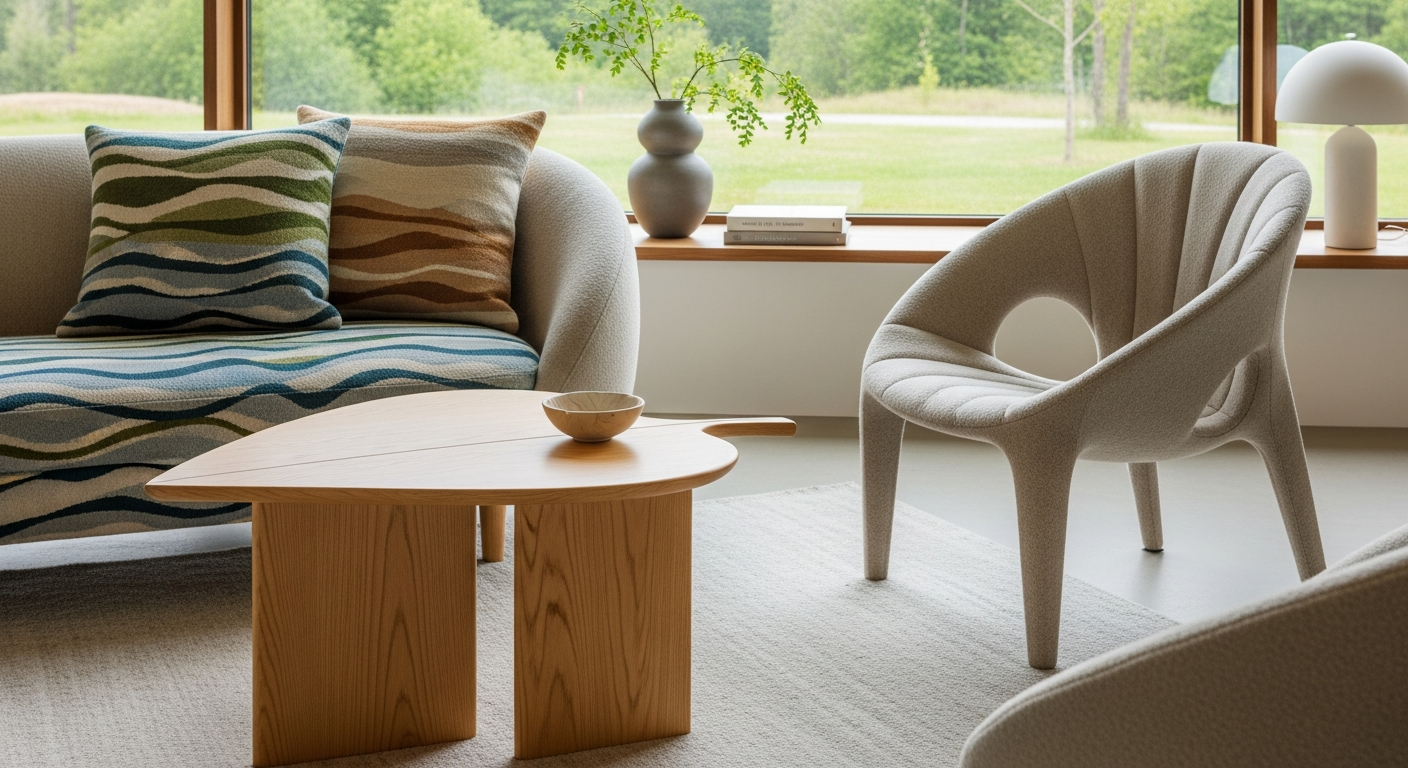
Biomorphic design refers to the use of shapes, patterns, and forms that echo those found in nature. Unlike geometric patterns — which are human constructs based on mathematical precision — biomorphic patterns are organic, flowing, and irregular. They include the branching structure of trees, the spiral of a seashell, the undulating surface of a river stone, the radial symmetry of a flower, and the fractal patterns found in leaves, clouds, and coastlines.
In interior design, biomorphic elements appear in furniture (curved sofas, leaf-shaped tables, organically sculptured chairs), textiles (prints featuring botanical forms, abstract organic patterns), wall treatments (undulating plaster, organic mural art), and decorative objects (sculptural vases, nature-cast candleholders, geode bookends). The effect of surrounding ourselves with these natural forms is subtle but meaningful — research indicates that humans find moderate-complexity fractal patterns inherently calming and aesthetically pleasing, a preference that appears to be hardwired rather than culturally learned.
In 2026, biomorphic design has matured beyond literal nature-inspired motifs. While leaf prints and floral patterns remain popular, the more sophisticated applications involve abstract forms derived from natural geometries. Furniture with compound curves that echo erosion patterns, lighting fixtures inspired by cellular structures, and architectural details that reference organic growth all deliver the psychological benefits of biomorphic design without the literal interpretation that can sometimes feel kitschy or dated.
Room-by-Room Applications
Living Room
The living room offers the greatest opportunity for comprehensive biophilic design. Start with a statement living wall or large-scale plant grouping as the room's natural focal point. Choose furniture in natural materials — a solid wood coffee table, a rattan accent chair, linen upholstery — and orient seating to maximize views of outdoor greenery or natural light sources. Layer natural textiles: a wool rug, linen curtains, cotton throws. Incorporate natural stone or wood accessories, and consider a small tabletop water feature for ambient sound.
Bathroom
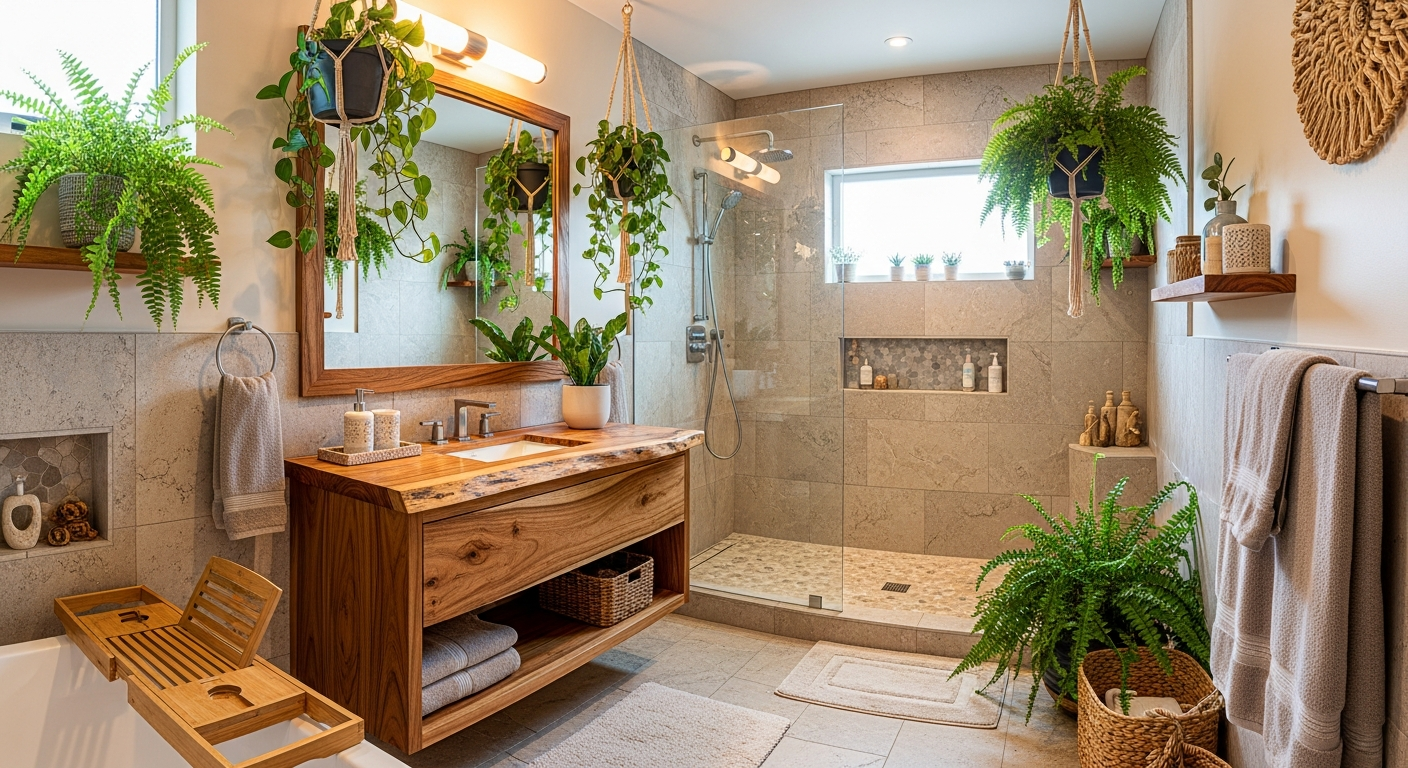
Bathrooms are natural candidates for biophilic design given their existing relationship with water. Natural stone tiles (slate, marble, travertine), wooden vanities and shelving, and humidity-loving plants (ferns, orchids, air plants) transform a utilitarian space into a wellness sanctuary. Rainfall showerheads, pebble shower floors, and natural stone vessel sinks enhance the connection to water as a natural element. Maximize natural light where privacy allows, and consider ambient bathroom lighting that mimics daylight tones.
Home Office
The biophilic home office is perhaps the most functional application of nature-inspired design. Position your desk near a window to maximize natural light and views. Add plants within your line of sight — studies show that even brief visual contact with plants during focused work improves concentration and reduces mental fatigue. Use a solid wood desk with visible grain, choose natural fiber accessories, and incorporate a small water feature or nature-sound system for focus-enhancing ambient sound. If natural views are limited, a nature-themed mural or high-quality nature photography can provide some of the same restorative benefits.
Bedroom
In the bedroom, biophilic design prioritizes the elements most conducive to quality sleep: natural light management (blackout capability for sleep, daylight access for waking), natural material bedding (organic cotton, linen, wool), and calming natural color palettes. Low-maintenance plants like snake plants and peace lilies — which release oxygen at night — are ideal bedroom companions. Natural wood bed frames, stone-topped nightstands, and organic textures in soft furnishings create a sleep sanctuary that feels connected to the natural world.
Budget-Friendly Biophilic Design
One of the most encouraging aspects of biophilic design is that it doesn't require a luxury budget to implement meaningfully. Nature itself is inherently democratic — the benefits of natural light, fresh air, and living plants are available at every price point. Here are practical approaches organized by investment level:
Under $100: Begin with plants — a mature pothos, a peace lily, or a cluster of succulents placed near windows costs minimal but delivers immediate biophilic impact. Rearrange furniture to maximize natural light exposure. Replace synthetic throw pillows with cotton or linen alternatives from budget retailers. Add a small tabletop fountain ($25–50) for ambient water sounds. Bring in found natural objects — river stones, driftwood, seashells, pinecones — as decorative elements.
$100–$500: Invest in a quality natural material rug (jute, sisal, or wool blend). Add sheer linen curtains that filter rather than block natural light. Purchase a substantial indoor plant — a fiddle leaf fig, monstera, or bird of paradise — in a ceramic planter. Replace artificial materials where possible with natural alternatives: a wooden fruit bowl, stone coasters, a live-edge shelf bracket. Install a modular living wall panel system (starting around $150–300 for small installations).
$500–$2,000: Upgrade key furniture pieces to natural materials — a solid wood console, a stone-topped coffee table, or rattan dining chairs. Install smart bulbs with circadian lighting capability throughout main living areas. Create a comprehensive plant arrangement with a mix of floor plants, shelf plants, and hanging specimens. Consider a wall-mounted water feature or larger living wall installation.
$2,000+: Commission a custom living wall installation. Replace countertops or vanity surfaces with natural stone. Install skylights or solar tubes to bring natural light into interior spaces. Invest in a whole-home circadian lighting system. Add natural stone or reclaimed wood feature walls.
Common Biophilic Design Mistakes
While biophilic design is inherently forgiving — there are few ways to go truly wrong with natural materials and living plants — some common pitfalls can undermine the effectiveness and aesthetics of your nature-inspired interior:
Overcommitting to high-maintenance plants: The most beautiful biophilic space is worthless if its living elements are dying from neglect. Be honest about your plant care commitment level and choose species accordingly. A thriving pothos is infinitely more impactful than a struggling orchid. Start with proven low-maintenance varieties and gradually expand as your confidence and routine develop.
Ignoring light conditions: Plants placed in inappropriate light conditions will struggle and eventually die, creating the opposite of the intended effect. Assess each room's natural light levels honestly — most "bright indirect light" plant descriptions require more light than people realize. North-facing rooms are better suited to shade-tolerant species like ZZ plants, snake plants, and cast iron plants.
Using fake plants as primary elements: While high-quality artificial plants have improved dramatically, they cannot deliver the air quality, humidity, and psychological benefits of living plants. If real plants are challenging in certain locations, consider preserved moss walls (which require zero maintenance and retain a natural appearance) or focus biophilic efforts on non-plant elements like natural materials, water features, and maximizing natural light.
Treating biophilic design as decoration rather than integration: Adding a few plants to an otherwise synthetic, artificially lit space creates a dissonant experience rather than a cohesive biophilic one. Effective biophilic design considers the whole environment — materials, light, sound, form, and living elements working together to create an immersive connection to nature.
Neglecting the non-visual senses: True biophilic design engages all senses, not just sight. The sound of water, the texture of natural wood under your fingertips, the scent of fresh herbs or flowers, the feel of natural fiber fabrics — these sensory experiences are essential components that distinguish genuine biophilic environments from spaces that merely look natural in photographs.
Visualize Nature-Inspired Design in Your Home
One of the challenges of biophilic design is imagining how natural elements will transform your specific space. A living wall that looks stunning in a magazine photo may feel overwhelming in a small room — or it might be exactly the dramatic focal point your space needs. Natural stone that appears warm and inviting in one lighting condition can look cold and institutional in another.
AI-powered design visualization removes this uncertainty. By uploading photos of your current rooms to HanoDecor's design studio, you can experiment with biophilic elements virtually — seeing how a living wall would look on your specific wall, testing natural stone options against your existing furnishings, or exploring how floor-to-ceiling plants would transform your living room. This approach lets you build confidence in your design choices before investing in materials, plants, or installations, ensuring your biophilic vision translates beautifully from concept to reality.
Frequently Asked Questions
What is biophilic design in simple terms?
Biophilic design is the practice of incorporating natural elements — plants, natural materials, natural light, water, and organic shapes — into indoor spaces to create environments that satisfy our innate human need for connection with nature. It's not a decorating style but a design philosophy that can be applied to any aesthetic, from modern minimalist to traditional.
Does biophilic design actually reduce stress?
Yes, research consistently demonstrates that biophilic environments reduce physiological stress markers by approximately 20%. Studies measuring cortisol levels, heart rate, and blood pressure show significant improvements in people who spend time in spaces incorporating natural elements compared to conventional interiors. The stress-reduction benefits are among the most well-documented outcomes of biophilic design.
How can I incorporate biophilic design on a budget?
Start with the fundamentals: maximize natural light by removing heavy window coverings, add low-maintenance plants like pothos, snake plants, or ZZ plants, and incorporate found natural objects (stones, driftwood, pinecones) as decorative elements. Rearrange furniture to face windows or garden views. Replace synthetic textiles with natural alternatives like cotton, linen, or wool. These changes cost minimal but deliver significant biophilic impact.
What are the best plants for biophilic interior design?
The best plants depend on your space's light conditions and your maintenance commitment. For low-light areas, ZZ plants, snake plants, and pothos are virtually indestructible. For moderate light, peace lilies, philodendrons, and ferns thrive with regular watering. For bright spaces, fiddle leaf figs, birds of paradise, and monstera deliciosa make dramatic statements. Group plants of similar care requirements together for easier maintenance. For more indoor plant ideas, explore our comprehensive guide.
Is biophilic design just about adding plants?
Not at all. While plants are the most visible element, biophilic design encompasses a much broader set of principles: maximizing natural light, using natural materials (wood, stone, natural fibers), incorporating water features, designing with organic shapes and patterns (biomorphic design), creating views of nature, and engaging all senses with natural textures, sounds, and scents. A truly biophilic space integrates all these elements into a cohesive whole.
Can biophilic design work in apartments or small spaces?
Absolutely. Biophilic design is highly adaptable to small spaces. Vertical gardens and wall-mounted planters use wall space rather than floor space. Mirrors positioned opposite windows multiply natural light. Natural material choices (a wooden cutting board, stone coasters, a jute rug) don't require additional space at all. Window herb gardens, hanging plants, and compact water features all deliver biophilic benefits within apartment-scale dimensions. In fact, small spaces often benefit most dramatically from biophilic interventions because the impact of natural elements is more immediately felt in an intimate environment.
Biophilic Design FAQs
Written by
Lisa Wang
Sustainable Design Writer focused on eco-friendly materials, energy efficiency, and budget-conscious home improvement. LEED Green Associate with expertise in low-impact renovation strategies.