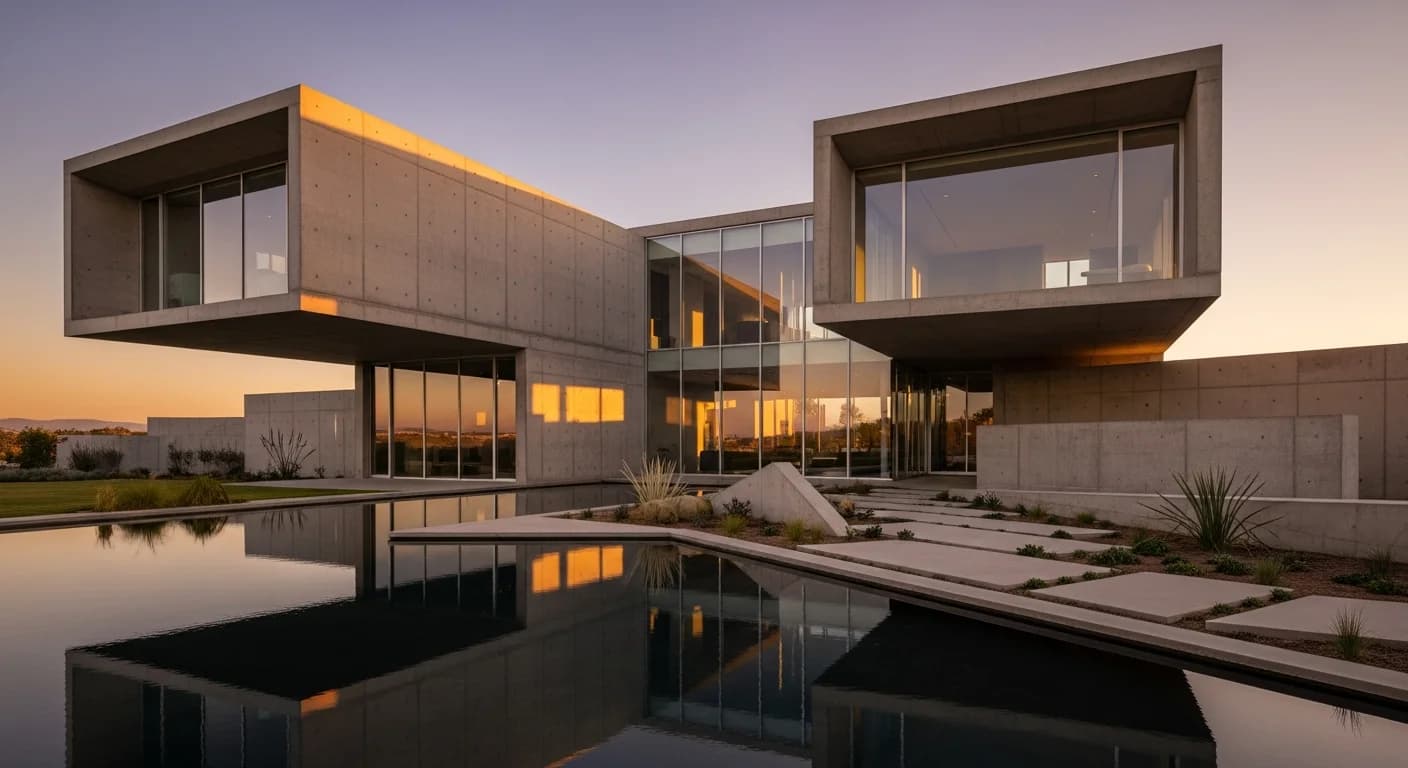
Spa Bathroom Ideas: How to Create a Wellness Retreat at Home
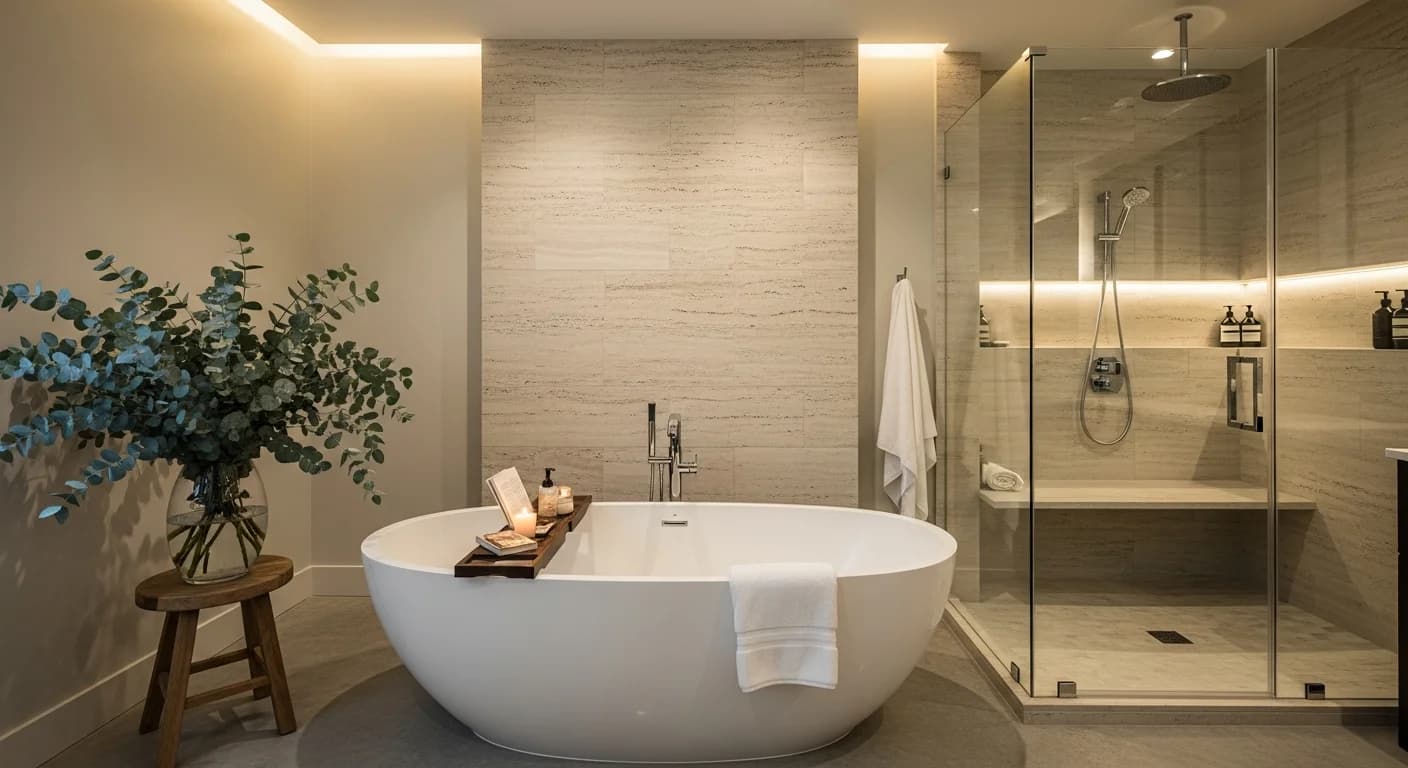
The average person spends roughly 1.5 years of their life in the bathroom. That statistic alone makes a compelling case for turning this utilitarian space into something that actively supports health and well-being. The growing interest in spa bathroom ideas reflects a broader cultural shift toward prioritizing wellness at home — a trend accelerated by the realization that daily rituals deserve thoughtful design, not just functional plumbing.
A true home spa bathroom goes far beyond a rain showerhead and a scented candle. It engages all five senses through deliberate choices in water therapy, heat therapy, light therapy, aromatherapy, and material selection. Whether working with a compact 50-square-foot powder room or a sprawling master bathroom retreat, the principles remain the same: create an environment that lowers cortisol, invites deep breathing, and makes the transition from daily stress to genuine relaxation effortless. The bathroom design ideas hub offers additional visual inspiration for every style and budget range.
This guide covers 15 specific spa features — from $200 upgrades to $100,000+ full transformations — with real costs, installation requirements, and design strategies that professional spa designers use in residential projects. Every recommendation prioritizes both the sensory experience and long-term durability in a high-moisture environment.
Quick Summary
- 15 spa bathroom features organized by the five senses: water, heat, light, scent, and materials
- Steam shower systems range from $5,000 to $15,000 installed and provide respiratory and skin health benefits
- Heated floors cost $6–$16 per square foot and transform the bathroom experience from November through March
- Chromatherapy LED systems start at $300 and integrate into showers, tubs, and ambient ceiling lighting
- Natural materials like teak, travertine, and river rock create authentic spa textures
- Budget spa upgrades start at $5,000; mid-range at $15,000–$40,000; luxury at $40,000–$100,000+
- Biophilic design elements — living walls, indoor plants, pebble floors — reduce stress by up to 60%
Best for: Homeowners planning a bathroom remodel who want to incorporate wellness features that provide daily health benefits and long-term home value.
Reading time: 14 minutes
What Makes a Bathroom Feel Like a Spa
Professional spa designers work with five sensory pillars when creating a wellness retreat: water therapy, heat therapy, aromatherapy, light therapy, and material therapy. A bathroom that addresses at least three of these pillars begins to feel genuinely spa-like, regardless of its size or budget. The difference between a nice bathroom and a true home spa lies in the intentional layering of these sensory experiences.
Water therapy encompasses everything from rainfall showerheads and body jets to soaking tubs and hydrotherapy systems. Heat therapy includes radiant floor heating, heated towel racks, and steam generation. Light therapy covers chromatherapy LEDs, dimmable ambient lighting, and circadian rhythm systems. Aromatherapy integrates essential oils through built-in dispensers, eucalyptus bundles, and material choices that emit natural scents. Material therapy — perhaps the most overlooked pillar — uses textures like natural stone, warm wood, and organic surfaces to create a tactile experience that signals relaxation the moment bare feet touch the floor.
The most successful spa bathroom ideas combine these pillars into a cohesive design where every element reinforces the wellness narrative. A teak bench in a steam shower addresses water therapy, heat therapy, and material therapy simultaneously. A chromatherapy-equipped soaking tub near a window with indoor plants covers light therapy, water therapy, and biophilic design in a single feature.
Steam Shower Systems
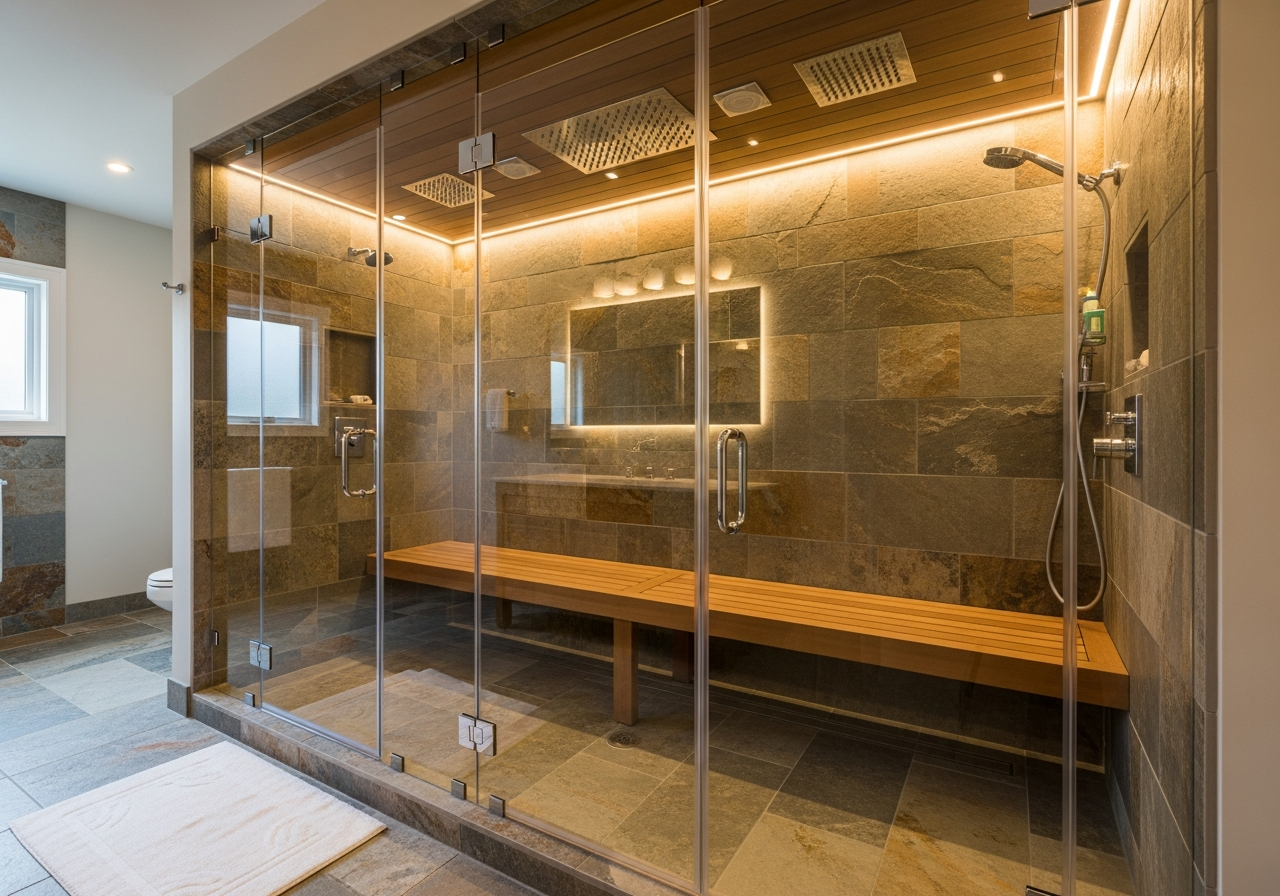
Steam showers represent one of the most transformative spa bathroom upgrades available. A properly installed system generates steam within 60 seconds, filling an enclosed shower space with therapeutic vapor at temperatures between 110°F and 120°F. The health benefits are well-documented: improved circulation, respiratory relief, skin hydration, muscle relaxation, and stress reduction through parasympathetic nervous system activation.
Residential steam generators range from compact 4.5-kilowatt units suitable for showers up to 100 cubic feet to commercial-grade 24-kilowatt systems for luxury wet rooms exceeding 600 cubic feet. Installation requires a dedicated 240-volt electrical circuit, a sealed shower enclosure with a ceiling height no greater than 8 feet (sloped at a minimum 1 inch per foot to prevent condensation dripping), and moisture-resistant materials on every surface. The generator itself is typically installed in a vanity cabinet, closet, or heated attic space within 25 feet of the steam head.
Total installed costs for a steam shower system range from $5,000 to $15,000, depending on generator capacity, digital controls, aromatherapy injection, chromatherapy integration, and speaker systems. Budget-friendly options from brands like ThermaSol and Mr. Steam start around $2,500 for the generator alone, while premium Kohler DTV+ systems with touchscreen controls and multiple steam heads reach $8,000+ before installation. When evaluating luxury walk-in shower designs, consider whether a steam option adds enough daily value to justify the premium.
Soaking Tubs and Hydrotherapy
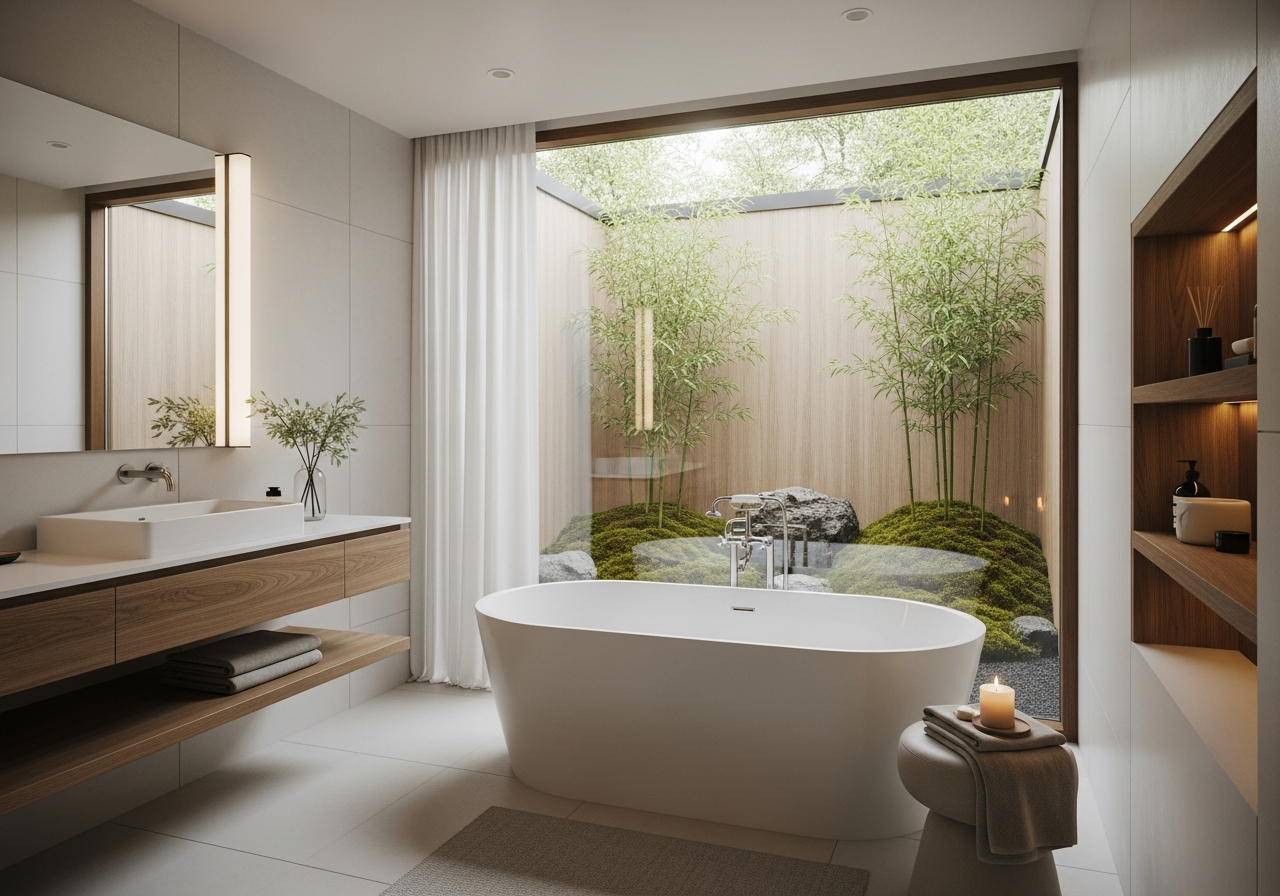
The soaking tub is the centerpiece of most spa bathroom designs, and the choice between styles fundamentally shapes the room's character. Japanese soaking tubs (ofuro) feature a deeper profile — typically 22 to 27 inches of water depth compared to 12 to 15 inches in standard Western tubs — allowing full shoulder immersion in a smaller footprint. A traditional ofuro measuring 42 inches square can deliver a deeper soak than a 72-inch Western freestanding tub while occupying roughly half the floor space.
Freestanding tubs dominate the luxury spa bathroom category, with acrylic models starting at $800 and solid stone or copper vessels reaching $15,000+. Composite stone tubs from brands like Victoria + Albert and Native Trails offer the visual weight of natural stone at 40% less actual weight — a critical consideration since a filled 72-inch soaking tub can weigh over 1,000 pounds. Floor structure must be verified before installation, particularly on upper stories.
Hydrotherapy upgrades transform a passive soaking experience into active therapy. Air jet systems produce thousands of tiny bubbles that gently massage the skin without the maintenance headaches of traditional water jets. Inline water heaters maintain temperature indefinitely, eliminating the need to drain and refill cooling water. Body jets mounted at strategic heights target the neck, lower back, and feet. A fully equipped hydrotherapy tub with air jets, massage jets, inline heater, and chromatherapy lighting ranges from $3,000 to $12,000 installed.
Heated Floors and Towel Warmers
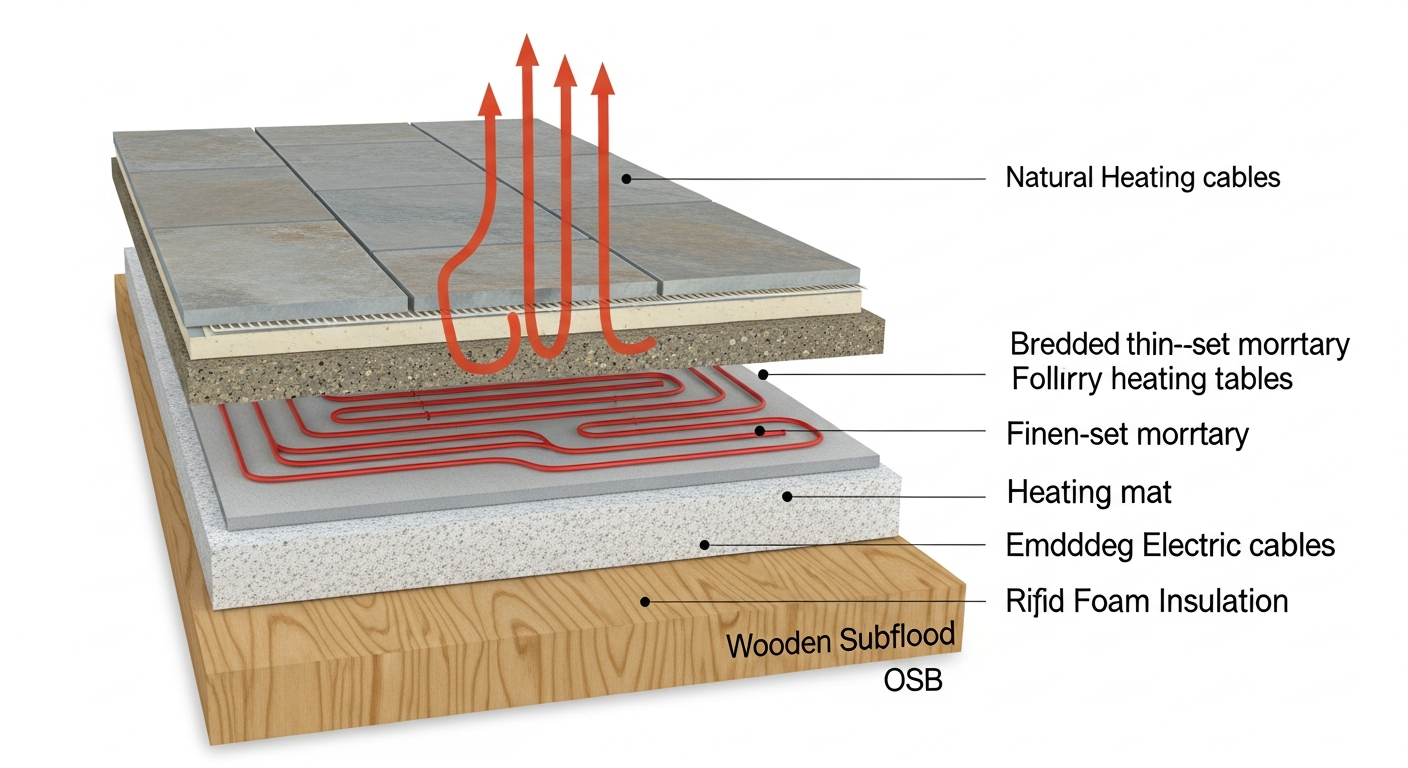
Radiant floor heating eliminates the single most common complaint about bathrooms: cold tile underfoot. Electric radiant heating mats or cables installed beneath tile, stone, or engineered wood flooring maintain a comfortable surface temperature of 80°F to 85°F while adding only $15 to $30 per month to energy bills for a typical bathroom. The two primary systems are electric (ideal for single rooms, $6–$12 per square foot installed) and hydronic (better for whole-house systems, $10–$16 per square foot installed).
Electric mat systems from Nuheat, SunTouch, and Schluter DITRA-HEAT are designed for DIY-friendly installation in new construction or renovation projects. The mat unrolls directly onto a clean subfloor, connects to a dedicated thermostat (programmable models start at $100), and gets covered with thinset and tile. Total project time for a 50-square-foot bathroom: 4 to 6 hours for mat installation, plus standard tile setting time. For a detailed breakdown of costs and installation considerations, consult the 2026 bathroom remodel cost guide.
Heated towel racks and warmers complement radiant floors by ensuring that the post-shower experience feels equally luxurious. Freestanding electric towel warmers start at $150, while hardwired wall-mounted models from Amba and WarmlyYours range from $300 to $1,200. The best placement is within arm's reach of the shower or tub exit, mounted at a height of 24 to 36 inches above the floor for easy access while seated or standing.
Chromatherapy and Mood Lighting
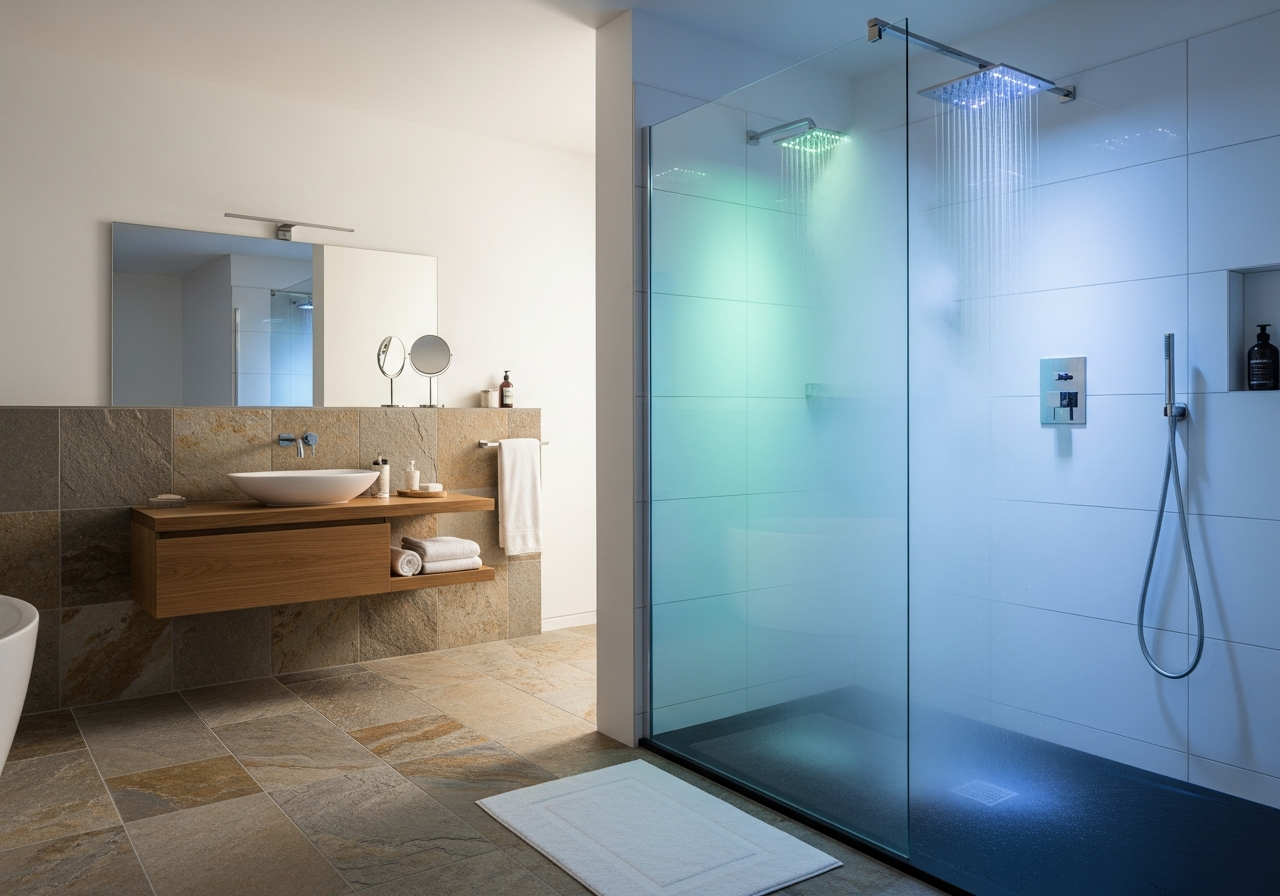
Chromatherapy — the therapeutic use of colored light — has migrated from commercial spas into residential bathrooms through affordable LED technology. Color therapy systems integrate into showerheads, tub jets, ceiling fixtures, and recessed niches, cycling through colors that practitioners associate with specific wellness benefits: blue for calm, green for balance, red for energy, and violet for meditation. While the clinical evidence for chromatherapy is limited, the psychological impact of colored lighting on mood and relaxation is well-established in environmental psychology research.
Practical implementation starts with LED shower systems that replace standard showerheads and include built-in color cycling ($50–$200), or premium chromatherapy modules that integrate into Kohler, TOTO, and Jacuzzi bathtubs ($300–$1,500). Ceiling-mounted chromatherapy panels from companies like Roper Rhodes and HiB cover larger areas and include remote or app control. For a comprehensive approach to bathroom lighting that balances function and ambiance, layer chromatherapy with dimmable task lighting and warm ambient fixtures.
Circadian lighting systems represent the cutting edge of bathroom light therapy. These systems automatically adjust color temperature throughout the day — cool, bright light (5000K) in the morning to support alertness, warm, dim light (2700K) in the evening to promote melatonin production. Ketra, Lutron, and Philips Hue all offer circadian-capable systems that can be programmed for bathroom-specific schedules, with installed costs ranging from $500 to $3,000 depending on the number of fixtures and control complexity.
Aromatherapy Integration
Scent is the most direct pathway to the brain's limbic system, which controls emotion and memory. Integrating aromatherapy into a spa bathroom creates an immediate sensory shift the moment the door opens. The most effective approaches range from simple and free (hanging fresh eucalyptus bundles from the showerhead, where steam releases essential oils) to sophisticated built-in systems.
AromaSteam and similar essential oil injection systems connect directly to steam shower generators, dispersing calibrated doses of eucalyptus, lavender, peppermint, or custom blends into the steam output. These systems use medical-grade essential oils and cost $200–$500 for the dispenser unit. Standalone ultrasonic diffusers ($30–$150) work well in dry zones near the vanity or tub, while waterproof in-shower aromatherapy tablets ($15–$25 per pack) dissolve in water to release scent without any permanent installation.
Material choices also contribute to the aromatic experience. Cedar-lined drawers or cabinet interiors release a subtle woody scent. Hinoki (Japanese cypress) bath accessories emit a distinctive citrus-like fragrance when wet. Even the grout and sealant choices matter — water-based, low-VOC products prevent chemical off-gassing that can overpower intentional aromatherapy.
Natural Materials for a Spa Aesthetic
Material selection separates a bathroom that looks spa-like in photos from one that genuinely feels like a wellness retreat. The tactile experience of walking barefoot on warm stone, sitting on a smooth teak bench, or touching a living wall of ferns engages the body's proprioceptive system in ways that manufactured surfaces cannot replicate. For guidance on selecting the right surfaces, see the bathroom tile ideas guide covering floors, walls, and showers.
Stone
Natural stone remains the gold standard for spa bathroom surfaces. Travertine delivers a warm, matte surface with natural variation that conceals water spots and minor wear ($8–$25 per square foot installed). Marble offers unmatched elegance but requires periodic sealing and careful chemical management ($15–$50 per square foot). River rock pebble tile on shower floors creates a reflexology-inspired massage surface and excellent drainage when installed over properly sloped mortar beds ($12–$30 per square foot). Honed and tumbled finishes outperform polished surfaces in wet areas, providing both superior slip resistance and a softer, more organic appearance.
Wood
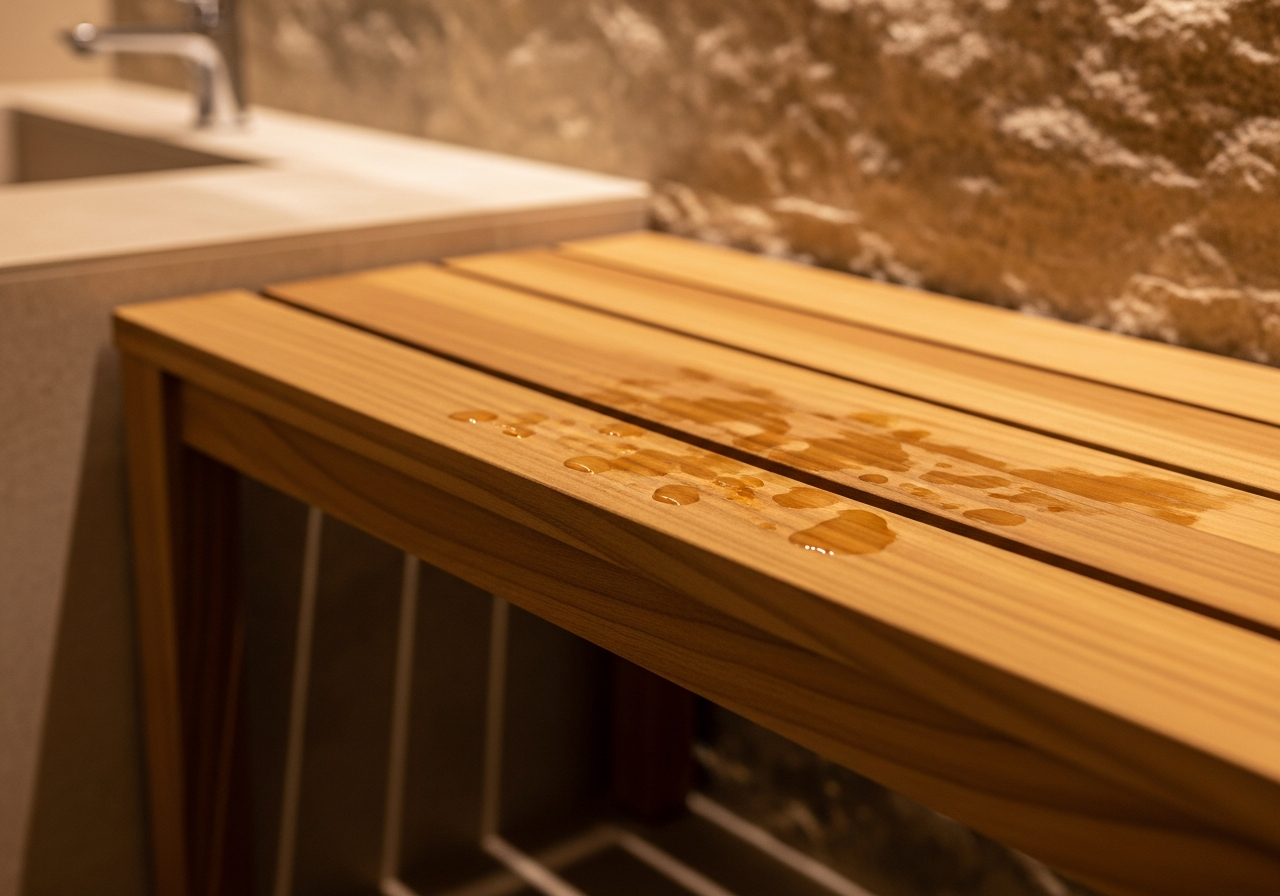
Teak leads the category for spa bathroom wood applications due to its natural oil content, which resists moisture, mold, and decay without chemical treatment. Teak shower benches ($200–$800), bath mats ($60–$200), and wall panels ($25–$50 per square foot) add warmth and texture while withstanding constant water exposure for 15–20 years with minimal maintenance. Bamboo accents — shelving, accessories, and trim — offer a more sustainable alternative at lower cost ($3–$15 per square foot), though bamboo requires more protective finishing in direct-water zones.
Living Elements
Biophilic design — incorporating living natural elements into built environments — has become a defining feature of high-end spa bathrooms. Living walls (vertical gardens) mounted on bathroom walls cost $100–$300 per square foot for professional installations and $30–$80 per square foot for modular DIY systems. Plants that thrive in bathroom humidity include Boston ferns, pothos, spider plants, tillandsia (air plants), and orchids. Even a cluster of 3–5 humidity-loving plants on a teak shelf or windowsill delivers measurable stress reduction, with studies showing a 37% decrease in anxiety levels in rooms with visible greenery.
Sound and Ambiance
Sound design is the most frequently overlooked dimension of spa bathroom ideas. Commercial spas invest heavily in acoustic environments — from flowing water features to carefully curated soundscapes — because auditory input profoundly affects the nervous system's ability to shift into relaxation mode. Residential spa bathrooms can replicate this experience through three strategies: waterproof audio systems, physical water features, and acoustic insulation.
Waterproof Bluetooth speakers designed for shower and tub zones start at $50 for portable units and $200–$600 for permanently installed ceiling or wall speakers from Sonos, Bose, and SpeakerCraft. The best placement is directly above or adjacent to the primary bathing zone, angled to avoid direct water spray on the driver. A dedicated "spa" playlist of nature sounds, ambient music, or white noise transforms the audio environment without requiring any structural changes.
Physical water features — wall-mounted cascades, tabletop fountains, or integrated tub fillers with waterfall spouts — provide continuous, natural sound that masks external noise. A wall-mounted water feature costs $300–$2,000 depending on size and materials, while waterfall tub fillers ($150–$800) serve double duty as both a functional fixture and an ambient sound source. Acoustic insulation in bathroom walls and ceilings (dense-pack cellulose or mineral wool batts, $1.50–$3 per square foot) reduces sound transmission from adjacent rooms and creates the quiet, cocoon-like atmosphere that defines a tranquil wellness retreat.
Spa Color Palettes
Color psychology plays a critical role in establishing a spa atmosphere. The most effective spa bathroom color palettes draw from nature: warm neutrals (sand, taupe, cream), organic greens (sage, eucalyptus, moss), soft blues (sky, seafoam, powder), and earthy accents (terracotta, warm gray, driftwood). These calming colors activate the parasympathetic nervous system and create visual continuity with natural materials. For an in-depth exploration of bathroom color schemes and palette combinations, consider how undertones interact with your stone and wood selections.
Colors to avoid in spa bathrooms include stark white (clinical, cold), bright primaries (stimulating rather than calming), and high-contrast combinations (visually fatiguing). The best spa palettes use a maximum of three colors: a dominant neutral (60% of surfaces), a secondary natural tone (30%), and an accent drawn from organic materials or greenery (10%). Matte finishes on walls, fixtures, and tile reinforce the soft, non-reflective quality that characterizes professional spa environments.
Warm neutrals have overtaken cool grays as the dominant spa palette in 2026 design forecasts. Sherwin-Williams' color consultants report a 40% increase in warm-toned paint selections for bathrooms compared to 2024, with shades like Accessible Beige, Balanced Beige, and Natural Linen leading the category. Pairing these wall tones with natural stone in complementary warm undertones creates a monochromatic, enveloping atmosphere that feels inherently relaxing.
Cost Breakdown
Understanding the real costs of creating a spa bathroom helps set realistic expectations and prioritize features that deliver the highest impact per dollar. The following breakdown represents typical installed costs for the Denver metro area; adjust 10–20% for coastal markets and 10–15% lower for rural areas. For a comprehensive pricing overview, visit the HanoDecor pricing page.
- Budget Spa ($5,000–$15,000): Rainfall showerhead ($150–$400), heated towel rack ($200–$600), radiant floor heating ($600–$1,600 for 50 sq ft), dimmable lighting ($300–$800), fresh paint in spa palette ($200–$500), eucalyptus bundles and accessories ($50–$200), indoor plants ($100–$300)
- Mid-Range Spa ($15,000–$40,000): All budget items plus freestanding soaking tub ($1,500–$5,000), frameless glass shower enclosure ($1,200–$3,000), natural stone tile ($3,000–$8,000), teak bench and accessories ($500–$1,500), waterproof speakers ($400–$800), chromatherapy lighting ($300–$1,000)
- Luxury Spa ($40,000–$100,000+): All mid-range items plus steam shower system ($5,000–$15,000), hydrotherapy tub with jets ($3,000–$12,000), living wall ($2,000–$8,000), custom cabinetry in natural wood ($5,000–$15,000), circadian lighting system ($1,500–$3,000), whole-room acoustic treatment ($1,000–$3,000), aromatherapy injection system ($200–$500)
The highest-ROI spa features for resale value are heated floors (83% cost recovery), frameless glass shower enclosures (75–90% cost recovery), and freestanding tubs in master bathrooms (70–85% cost recovery). Steam showers appeal to a narrower buyer pool but can differentiate a listing in competitive luxury markets. View real before-and-after bathroom transformations to see how these features come together in actual homes.
Frequently Asked Questions
Can you add spa features to a small bathroom?
Absolutely. The most space-efficient spa upgrades — radiant floor heating, rainfall showerhead, dimmable chromatherapy lighting, eucalyptus bundles, and a heated towel rack — require zero additional floor space. Even in a 40-square-foot bathroom, these five features create a meaningful sensory shift. A Japanese soaking tub (as small as 36 inches square) delivers a deeper soak than a standard 60-inch alcove tub while freeing floor area.
How much does a steam shower add to home value?
Real estate appraisers typically value a steam shower as a premium feature that contributes $3,000–$7,000 to perceived home value, depending on the market. In luxury markets ($750,000+ homes), a steam shower is increasingly expected rather than exceptional. The 2026 bathroom remodel pricing guide includes detailed ROI data for every major feature.
What is chromatherapy and is it worth the investment?
Chromatherapy uses colored LED light to influence mood and relaxation. While clinical evidence for specific color benefits is limited, the ambient lighting effect is genuinely relaxing and widely appreciated by homeowners who install it. At $300–$1,500 for integrated systems, it represents one of the more affordable luxury spa upgrades with high daily-use satisfaction.
What are the best plants for a spa bathroom?
Boston ferns, pothos (especially golden and marble queen varieties), spider plants, peace lilies, and tillandsia (air plants) all thrive in bathroom humidity levels of 50–80%. Orchids add elegance and bloom for months with minimal care. Avoid succulents and cacti, which prefer dry conditions and will rot in high-humidity environments.
How do you maintain a spa bathroom long-term?
Weekly cleaning with pH-neutral stone cleaner (if using natural stone), quarterly resealing of marble or travertine, monthly descaling of steam generator, and seasonal rotation of essential oils in aromatherapy systems. Teak surfaces benefit from annual teak oil application, though untreated teak develops a silver-gray patina that many homeowners prefer. Proper ventilation — a minimum 80 CFM exhaust fan for standard bathrooms, 150+ CFM for steam showers — prevents mold and moisture damage.
Visualize Your Spa Bathroom with HanoDecor
Designing a spa bathroom requires balancing sensory features, material choices, and spatial constraints — decisions that are difficult to make from swatches and catalog photos alone. The HanoDecor bathroom remodel visualizer lets you upload a photo of your current bathroom and preview spa-inspired transformations instantly. Test natural stone surfaces, freestanding tub placements, frameless glass enclosures, and warm spa color palettes before committing to contractors or materials. Seeing your actual space reimagined as a wellness retreat makes the planning process faster, more confident, and far less expensive than discovering mid-renovation that a feature does not work as expected.
Spa Bathroom Ideas FAQs
Written by
Emily Rodriguez
Interior Design Editor covering living spaces, styling trends, and room makeovers. Former Architectural Digest contributor with a focus on accessible, budget-conscious design.