Modern Living Room Ideas: Sleek Designs for Contemporary Homes
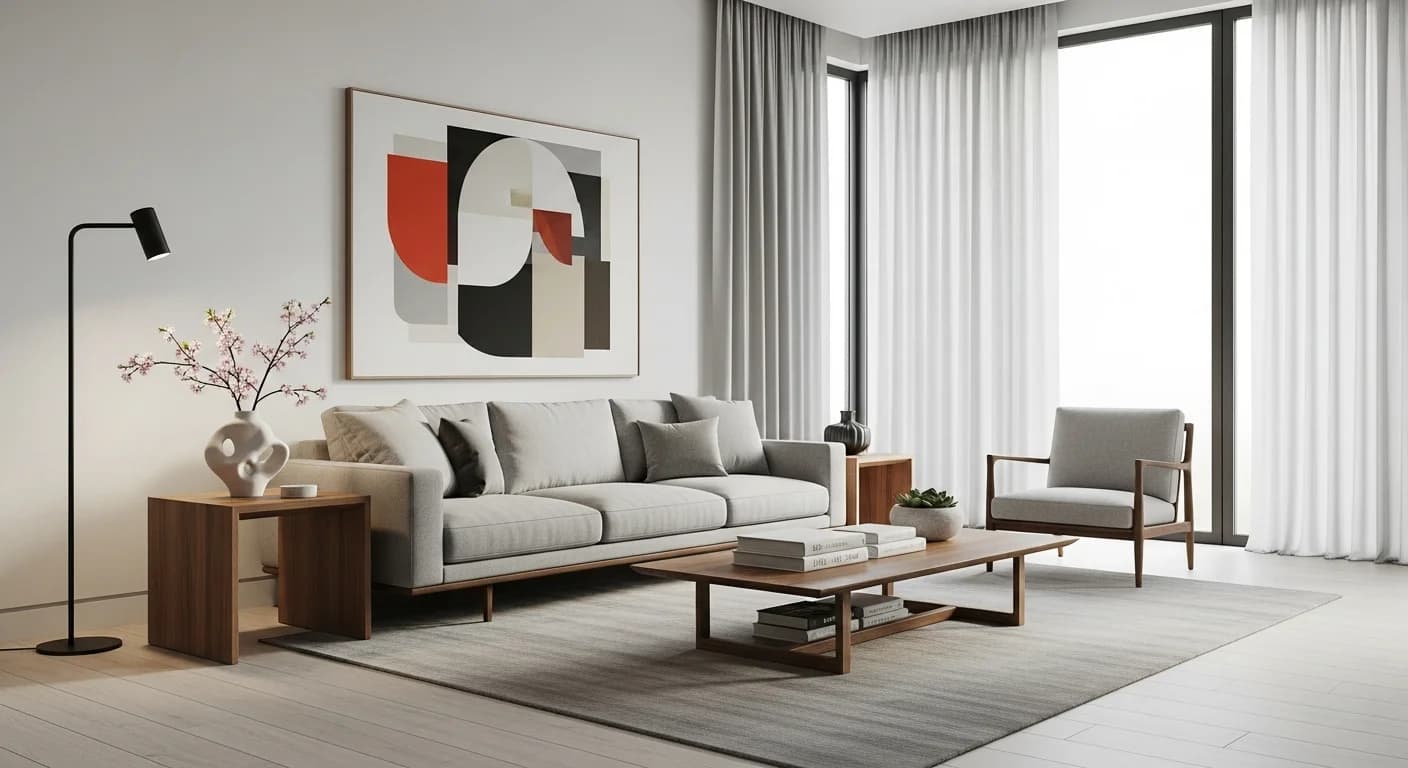
Modern living room design celebrates simplicity, clean lines, and functional beauty. It's not about sterile minimalism—it's about curating a space where every element serves a purpose while creating visual harmony. Here's how to achieve that coveted modern aesthetic in your own living room.
Defining Modern Design
Modern design emerged in the early-to-mid 20th century as a rejection of ornate traditional styles. Its core principles—form follows function, clean lines, minimal ornamentation—remain relevant today, though contemporary interpretations add warmth and personality.
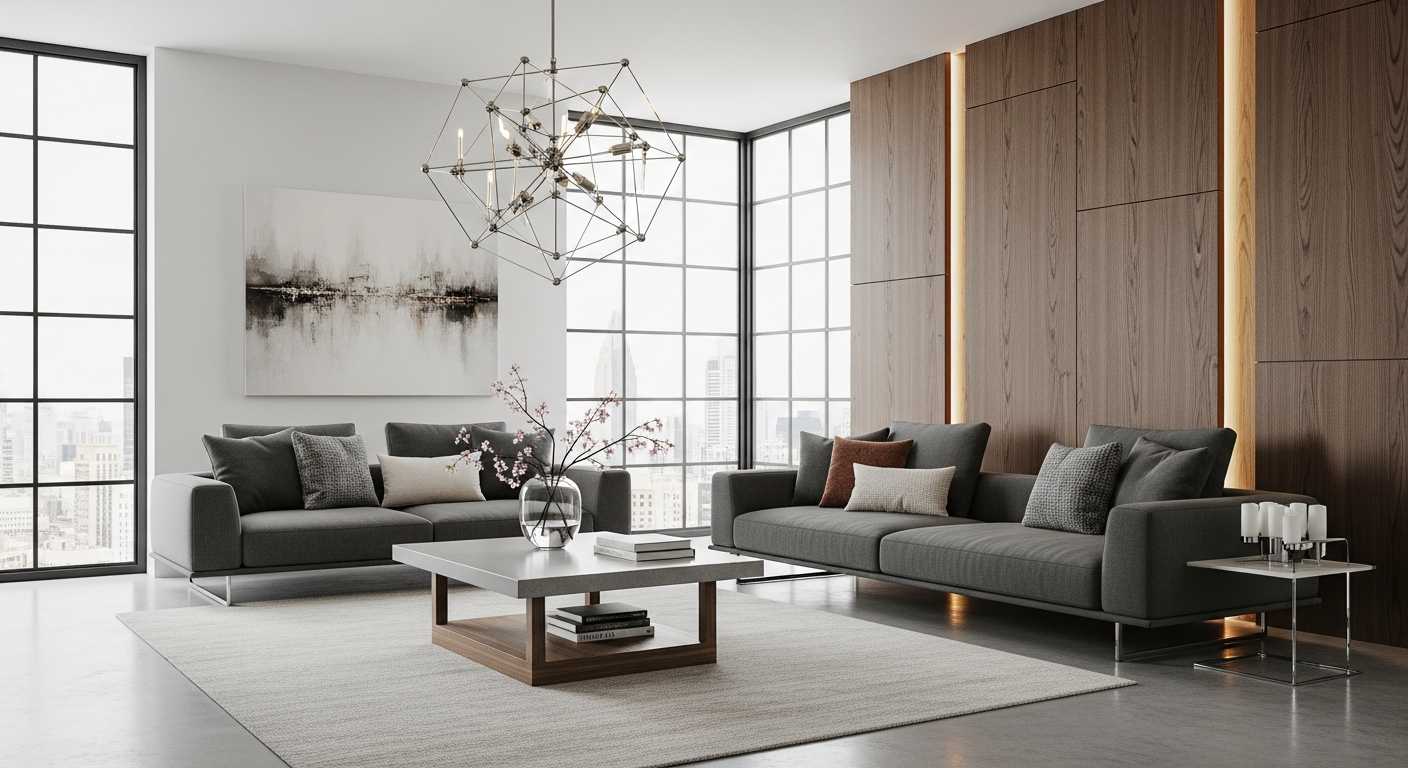
Key characteristics include open floor plans, abundant natural light, neutral color palettes with bold accents, natural materials like wood and leather, and furniture with geometric forms. Modern doesn't mean cold—it means intentional.
Essential Modern Furniture
Modern furniture prioritizes clean silhouettes and quality materials over decorative details. Each piece should be a statement of thoughtful design.
Low-profile sofas: Modern sofas sit lower to the ground with straight arms and minimal cushions. Look for tight backs rather than pillow backs, and simple legs—often metal or tapered wood. Neutral upholstery (gray, white, tan, black) forms the foundation.
Statement coffee tables: The coffee table is often the centerpiece of modern living rooms. Glass, marble, metal, or sculptural wood designs make bold statements. Avoid ornate details—clean geometry is key.
Sculptural accent chairs: Iconic designs from Eames, Saarinen, and other mid-century masters remain quintessentially modern. One or two statement chairs add personality without clutter.
Minimalist storage: Sleek media consoles with clean fronts, floating shelves with intentionally sparse styling, built-ins that blend into walls—modern storage hides more than it displays.
Modern Color Palettes
Modern color schemes tend toward restraint, using neutral foundations with strategic color moments rather than patterns and busy combinations.
The neutral foundation: White, gray, black, and warm beiges form the backdrop of most modern living rooms. Walls, large furniture pieces, and floors typically stay neutral, creating visual calm.
Strategic color accents: Rather than multiple colors competing, modern rooms often feature one bold accent color used sparingly—a single piece of art, throw pillows, a statement chair. This creates impact without chaos.
Black as punctuation: Black accents—a lamp, picture frames, hardware—ground modern rooms and add sophisticated contrast. A little black prevents neutral palettes from feeling washed out.
Warm modern: Contemporary interpretations add warmth through cognac leather, natural wood tones, and cream rather than stark white. This "warm modern" approach feels inviting while maintaining clean aesthetics.
Materials and Textures
Modern design relies heavily on material choices to add interest without ornamentation. Textures and materials do the heavy lifting that patterns and accessories do in traditional design.
Natural wood: Light oak, walnut, and teak add warmth and organic beauty. Visible wood grain provides texture without pattern.
Metal accents: Stainless steel, brass, black iron, and brushed nickel appear in lighting, furniture legs, and accessories. Metal adds industrial edge and light reflection.
Glass and mirrors: Glass coffee tables, large mirrors, and minimal window treatments maximize light flow—essential to the modern aesthetic.
Leather: Quality leather in sofas, chairs, or ottomans develops beautiful patina over time while providing sophisticated texture.
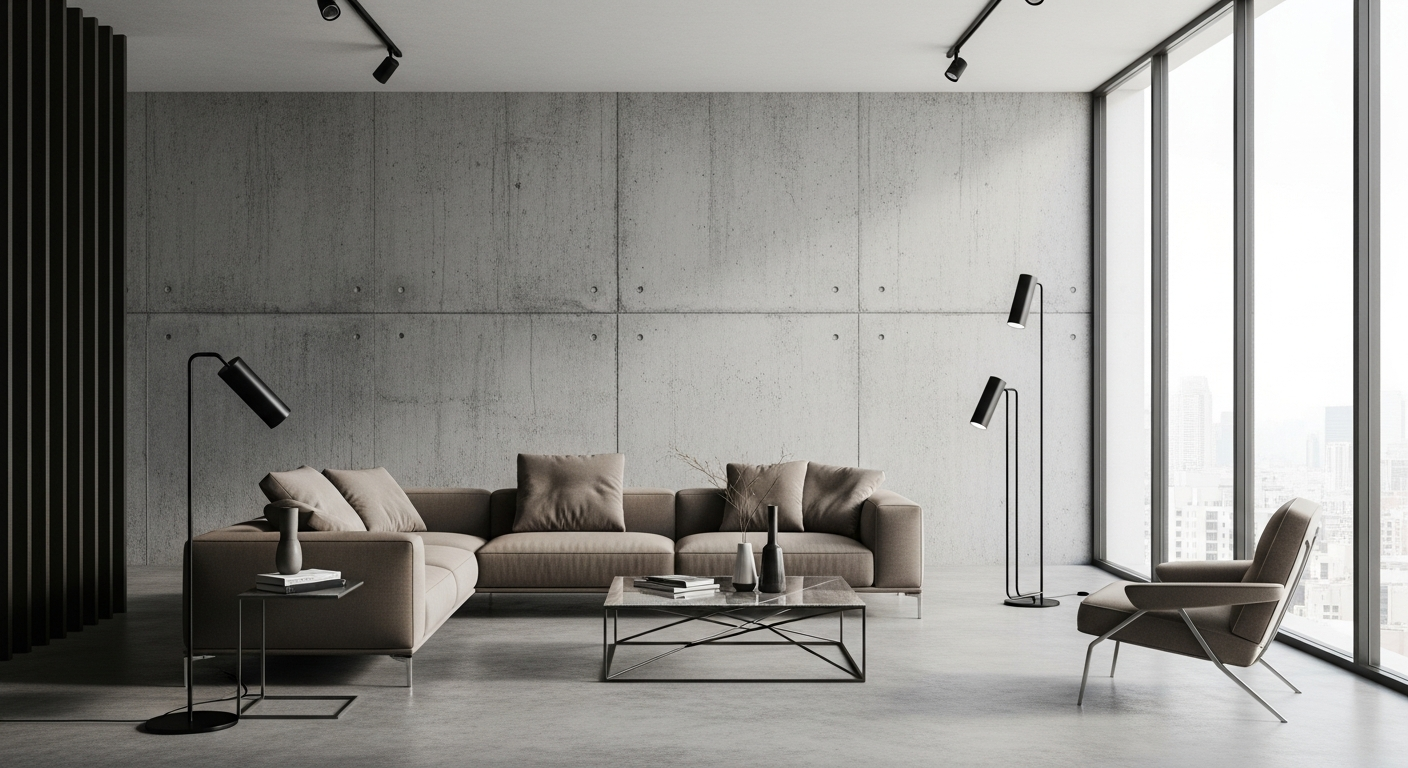
Concrete: Concrete floors, coffee tables, or planters add industrial edge. Even small concrete accessories signal modern sensibility.
Lighting for Modern Spaces
Modern lighting fixtures are often sculptural—they're art as much as function. Statement lighting can define an entire room's aesthetic.
Sculptural pendants: Over coffee tables or in entryways, geometric or organic pendant lights become focal points. Sputnik chandeliers, globe clusters, and minimalist linear fixtures all read modern.
Arc floor lamps: The arc floor lamp—a tall, curved lamp that extends over seating—is an iconic modern element that provides both lighting and sculptural interest.
Recessed and track lighting: Ceiling-mounted fixtures often give way to recessed or track lighting that illuminates without visual interruption.
Table lamps as objects: Modern table lamps often feature interesting bases—geometric, organic, or sculptural—that contribute to the room even when unlit.
Keeping Modern Warm
The biggest modern design mistake is creating spaces that feel cold or uninviting. Modern should feel calm and intentional—not sterile.
Layer textures: Woven throws, plush rugs, velvet pillows—soft textures counterbalance hard surfaces and clean lines.
Add plants: Greenery brings life and warmth. Large-scale plants like fiddle leaf figs and monsteras are particularly at home in modern spaces.
Include personal touches: Books, collected objects, and meaningful art prevent modern rooms from feeling like showrooms. Curate intentionally, but do include personality.
Visualize Your Modern Living Room
Modern design requires restraint and balance—too much, and it feels cluttered; too little, and it feels empty. Seeing how pieces work together before buying prevents costly mistakes.
HanoDecor's Living Room Visualizer lets you test modern furniture arrangements, color palettes, and design elements on your actual space. See how that statement sofa, sculptural coffee table, or bold accent color will look before committing. Create your perfect modern living room with confidence.
Modern Living Room Ideas FAQs
Written by
Sarah Mitchell
Sarah is a certified interior designer (CID) with experience designing residential and commercial spaces across three continents. She curates our design style library and ensures all AI-generated designs follow established design principles.