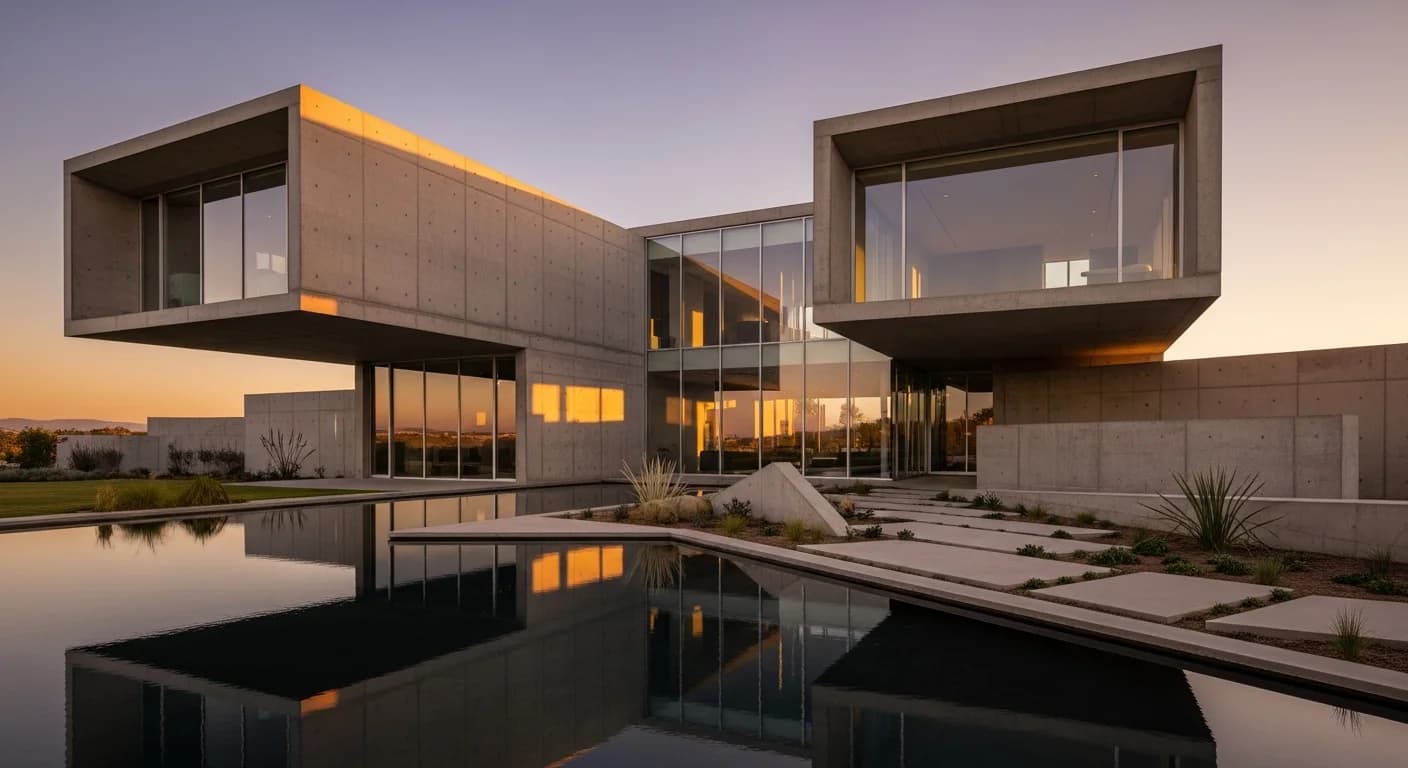
Luxury Bathroom Remodel: Premium Design & Materials Guide

What Defines a Luxury Bathroom Remodel?
A luxury bathroom remodel transcends the ordinary, transforming a utilitarian space into a personal sanctuary that rivals the finest five-star spas. While a standard bathroom renovation focuses on functional upgrades and cosmetic refreshes, a luxury remodel is defined by premium materials, bespoke craftsmanship, cutting-edge technology, and meticulous attention to every detail. It is the difference between selecting stock fixtures off a showroom floor and commissioning custom pieces that reflect your singular vision.
The investment in a luxury bathroom remodel is substantial, but the returns are compelling. According to the National Association of Realtors 2025 Remodeling Impact Report, upscale bathroom renovations recoup approximately 56% to 64% of their cost at resale, while the joy score from homeowners who completed high-end bathroom projects averages 9.6 out of 10. Beyond financial return, a luxury bathroom elevates your daily routine, turning every morning into an experience of comfort and refinement.
What separates premium from standard? It comes down to three pillars: the quality of materials, the caliber of craftsmanship, and the integration of technology. Standard remodels might feature porcelain tile and chrome fixtures; luxury remodels showcase book-matched marble slabs, unlacquered brass hardware, and digitally controlled shower systems. Standard projects rely on prefabricated vanities; luxury projects commission furniture-grade cabinetry with hand-applied finishes. If you are exploring bathroom remodel ideas across every style and budget, this guide focuses specifically on the high end, where every choice is intentional and every surface tells a story.
In this comprehensive guide, we will walk through every element of a luxury bathroom remodel in 2026, from sourcing rare natural stones to integrating voice-controlled smart technology. Whether you are building a primary suite sanctuary or a show-stopping guest bath, these insights will help you make informed decisions that balance beauty, function, and lasting value.
Premium Materials: The Foundation of Luxury
Natural Stone Selection
Natural stone is the cornerstone of any luxury bathroom. The most sought-after varieties in 2026 include Calacatta marble with its dramatic veining on a warm white background, Statuario marble known for its bolder gray veining and cooler undertone, and exotic options like backlit onyx, Blue Bahia granite, and Patagonia quartzite. Each stone carries its own character, and selecting the right one sets the entire aesthetic tone for the space.
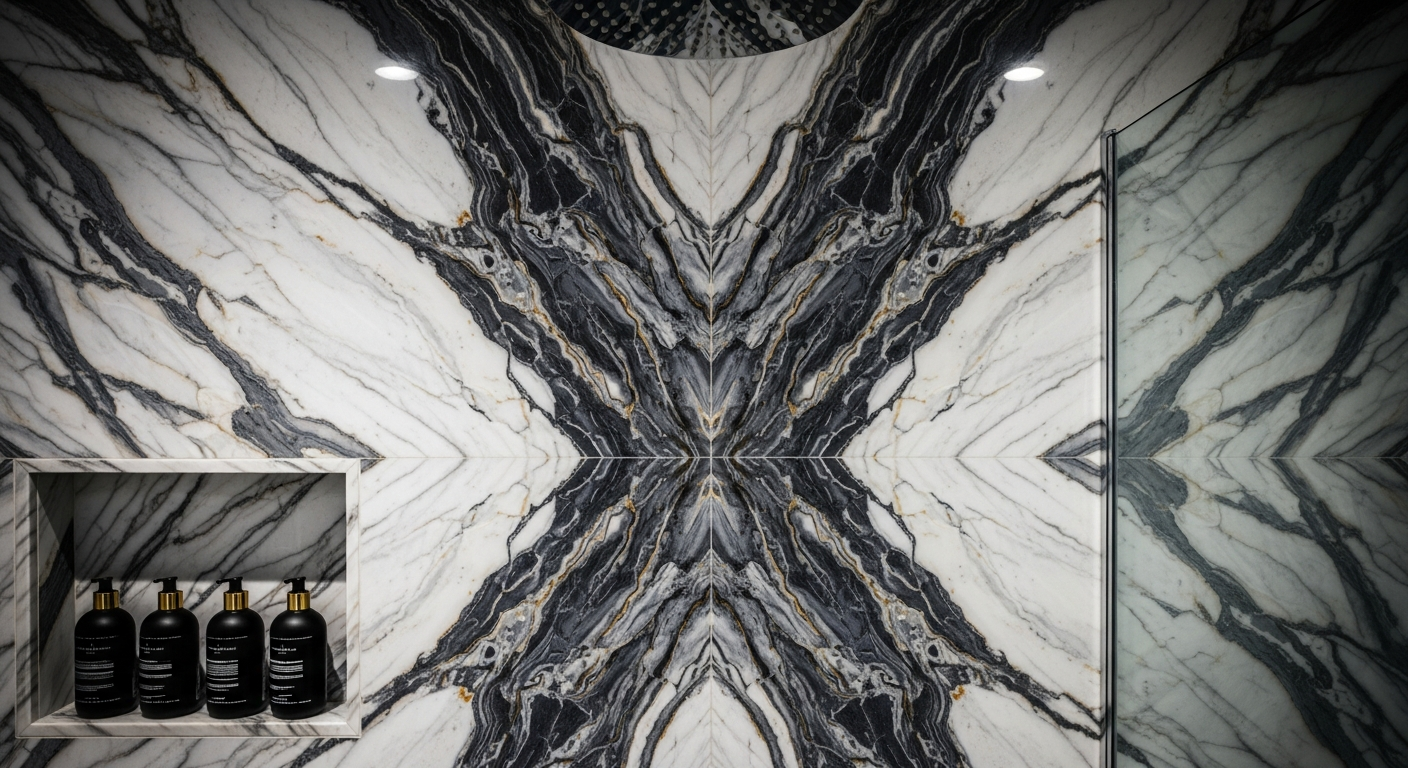
Book-matching is a technique that elevates natural stone from beautiful to breathtaking. Two consecutive slabs are opened like the pages of a book, creating a mirror-image pattern across the wall or floor. This technique works especially well with heavily veined marbles and creates a symmetrical, almost painterly effect that simply cannot be replicated with tiles. For a luxury bathroom, full-slab applications are preferred over individual tiles because they eliminate grout lines and showcase the stone's natural movement in its full glory.
Imported Porcelain and Specialty Materials
While natural stone reigns supreme, imported large-format porcelain from Italian manufacturers like Florim, Fiandre, and Fondovalle offers a compelling alternative for certain applications. These slabs can reach sizes up to 60 by 120 inches, mimicking the look of natural stone while offering superior stain resistance and lower maintenance. In 2026, the most convincing porcelain reproductions are virtually indistinguishable from natural stone to the untrained eye.
Specialty materials add layers of sophistication to a luxury bathroom. Consider teak or ipe wood for shower floors and bench surfaces, providing warmth underfoot and a spa-like atmosphere. Venetian plaster, or tadelakt, creates seamless waterproof walls with a luminous, undulating surface that adds old-world charm. Recycled glass countertops, handmade cement tiles for accent areas, and mother-of-pearl mosaics for niches and borders all contribute to a layered, collected aesthetic that distinguishes a luxury bathroom from a merely expensive one.
When budgeting for premium materials, expect to invest between $80 and $250 per square foot for natural stone slabs, compared to $15 to $40 per square foot for standard ceramic tile. The difference in visual impact and longevity, however, is immeasurable. For a detailed comparison of material costs, our bathroom remodel cost guide breaks down pricing by category and scope.
Luxury Fixtures and Hardware
Designer Brands and Collections
In the world of luxury bathroom fixtures, brand provenance matters. Kohler's Artist Editions and Composed collections bring sculptural elegance to faucets and sinks. Waterworks, the gold standard of high-end bath fittings, offers hand-finished pieces that blend classical proportions with modern engineering. Brizo's Litze and Kintsu collections draw inspiration from industrial design and Japanese aesthetics, respectively. Dornbracht from Germany delivers minimalist precision, while Fantini from Italy pushes the boundaries of contemporary faucet design.
What unites these brands is an obsession with material quality and finish durability. A Waterworks thermostatic shower valve is engineered to maintain precise temperature control for decades, not just years. A Kohler Artist Edition sink is hand-painted by artisans, making each piece truly unique. These are not merely functional objects; they are design statements that anchor the room's aesthetic.
Finish Trends for 2026
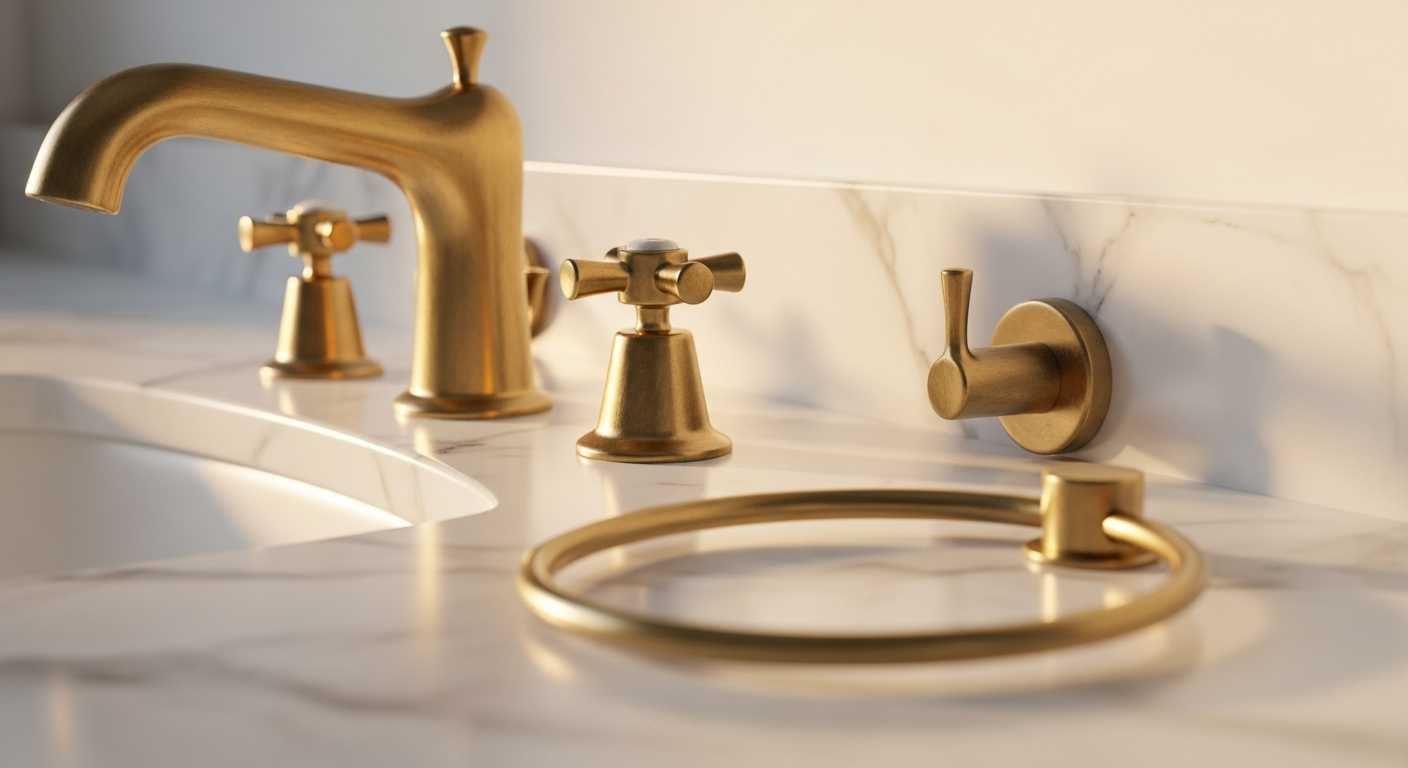
The hottest finish in luxury bathrooms for 2026 is unlacquered brass. Unlike lacquered or plated finishes, unlacquered brass develops a living patina over time, creating warmth and character that evolves with the space. This finish requires acceptance of its natural aging process, making it a choice that reflects a sophisticated, European sensibility.
Brushed gold continues to dominate, offering warmth without the brightness of polished brass. Burnished nickel provides a softer alternative to chrome with subtle warmth. Matte black remains relevant as an accent finish, particularly for shower hardware and accessories in contemporary spaces. Custom PVD (Physical Vapor Deposition) finishes in rose gold, champagne, and gunmetal are increasingly available from premium manufacturers, allowing homeowners to specify a finish that is uniquely theirs.
When selecting hardware, consistency is paramount. Every visible metal element in the bathroom, from faucets and shower trim to towel bars, robe hooks, cabinet pulls, and even mirror frames, should share the same finish family. This level of coordination creates a cohesive, curated look that is the hallmark of professional luxury design. Budget between $3,000 and $15,000 for a complete suite of luxury hardware and accessories.
Custom Cabinetry and Vanities
Bespoke Furniture-Style Vanities
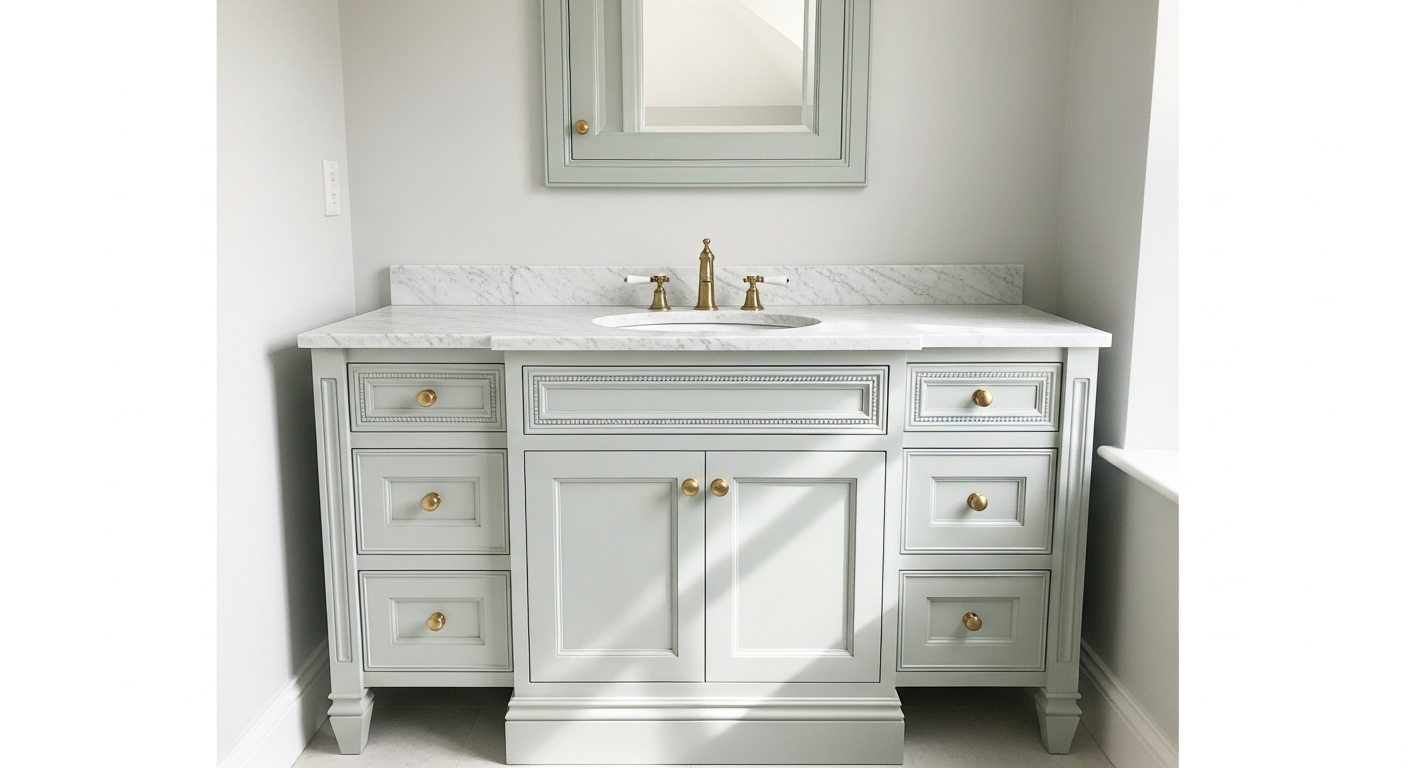
The vanity is often the visual centerpiece of a luxury bathroom, and in 2026, the trend is decisively toward furniture-style pieces that look more like antique commodes or bespoke consoles than traditional bathroom cabinets. These pieces are typically built by custom furniture makers rather than cabinet shops, featuring turned legs, elegant aprons, decorative moldings, and hand-applied finishes that include lacquer, gold leaf, or hand-rubbed wax.
Inset cabinet construction, where doors and drawers sit flush within the face frame rather than overlapping it, is the standard for luxury cabinetry. This technique requires exceptional precision and adds significant cost, but the result is a clean, tailored look that signals quality craftsmanship. Soft-close hinges and full-extension drawer slides from premium manufacturers like Blum or Hettich are non-negotiable specifications.
Specialty Finishes and Integrated Features
Specialty finishes transform cabinetry from functional storage into art. Hand-painted designs, whether floral chinoiserie or geometric patterns, make a vanity a true conversation piece. Cerused or limed oak creates a textured, European look. High-gloss automotive-grade lacquer in jewel tones like emerald, sapphire, or deep aubergine adds dramatic impact, while natural walnut and white oak with clear matte finishes appeal to those who prefer understated warmth.
Integrated lighting has become an essential feature in luxury vanity design. LED strips beneath floating vanities create a soft, ambient glow that serves as nighttime navigation lighting while adding visual drama. Interior cabinet lighting illuminates drawer contents, making daily routines more efficient. Backlit mirrors with integrated defogging, color temperature adjustment, and magnification zones are now standard in high-end bathroom design.
Storage solutions in luxury cabinetry go far beyond basic shelves and drawers. Expect custom-fitted drawer inserts for cosmetics and grooming tools, pull-out hamper compartments, built-in charging stations for electric toothbrushes and razors, and even refrigerated drawers for skincare products. These thoughtful details are what separate a luxury vanity from a standard one, and they typically add $5,000 to $20,000 to the total vanity investment.
Spa-Worthy Shower Systems
Multi-Head Systems and Body Jets
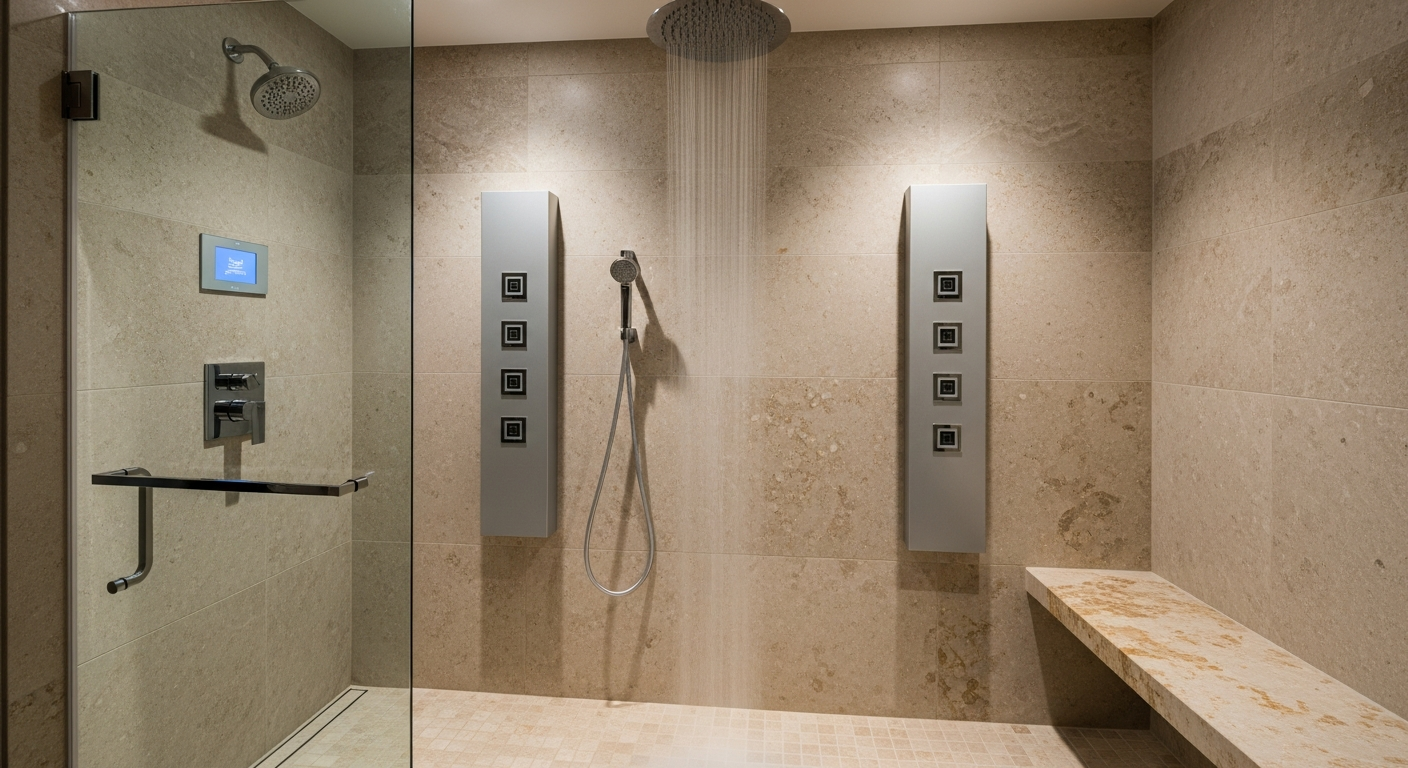
The luxury shower has evolved from a simple overhead fixture into a fully orchestrated water experience. Modern multi-head systems typically include an oversized rain head ranging from 12 to 16 inches mounted flush with the ceiling, a separate handheld wand on an adjustable slide bar, and between four and eight body jets positioned at various heights to deliver a full-body hydrotherapy experience. Some premium systems incorporate waterfall heads and even misting atomizers for a true spa atmosphere.
Thermostatic valve technology is the engineering backbone of a luxury shower system. Unlike standard pressure-balance valves that simply prevent scalding, thermostatic valves maintain precise temperature control regardless of fluctuations in water pressure elsewhere in the home. Digital shower systems from manufacturers like Kohler DTV+ and Moen U allow users to program multiple custom presets, controlling water temperature, flow volume, and which heads are active, all from a sleek touchscreen panel or even a smartphone app.
Steam Showers and Linear Drains
Steam showers represent the pinnacle of residential shower luxury. A steam generator, typically housed in a nearby closet or vanity cabinet, produces therapeutic steam within minutes, transforming the enclosed shower into a personal steam room. Health benefits include improved circulation, respiratory relief, stress reduction, and skin cleansing. The shower enclosure must be fully sealed with a vapor-tight door and ceiling, and all surfaces must be properly waterproofed and sloped to manage condensation. Expect to invest $3,000 to $6,000 for the steam generator and related upgrades.
Linear drains have replaced traditional center drains as the preferred drainage solution in luxury showers. Positioned along one wall, they allow the floor to slope in a single direction, which simplifies large-format tile installation and creates a cleaner, more contemporary aesthetic. Premium linear drains from manufacturers like Infinity Drain and QuickDrain feature tile-in options that render the drain virtually invisible, maintaining the seamless look of continuous floor material. Combined with curbless shower entries, linear drains create a barrier-free design that is both luxurious and universally accessible.
Statement Freestanding Tubs
Sculptural Designs and Heated Soaking
The freestanding tub remains the ultimate symbol of bathroom luxury. In 2026, tub design has moved beyond the classic clawfoot to encompass sculptural, organic forms that function as three-dimensional art. Asymmetric silhouettes, egg-shaped vessels, and angular geometric forms are all in demand, and the tub's placement within the room, often beneath a chandelier or in front of a floor-to-ceiling window, is a critical design decision that anchors the entire space.
Heated soaking technology has elevated the freestanding tub experience. Inline heaters maintain water temperature indefinitely, eliminating the need to drain and refill with hot water during a long soak. Air-jet systems provide gentle, champagne-like bubbles for a massage effect without the maintenance concerns of traditional whirlpool jets. Chromatherapy lighting systems integrated into the tub shell cycle through therapeutic colors, while built-in aromatherapy dispensers infuse the water with essential oils.
Material Options
Tub material significantly impacts both aesthetics and performance. Cast iron remains prized for its heat retention, durability, and the satisfying heft that signals quality. Enameled cast iron tubs from manufacturers like Kohler and Victoria + Albert are available in a spectrum of exterior colors, from classic white to bold statement hues. Copper tubs, whether hammered or smooth, develop a unique patina and offer natural antimicrobial properties. Stone composite materials, sometimes called engineered stone or solid surface, allow for thinner walls and more dramatic sculptural forms while maintaining excellent heat retention. Japanese-style hinoki wood soaking tubs, or ofuro, bring a meditative quality to the bathing experience with their deep proportions and natural cedar aroma. Expect to invest between $3,000 and $25,000 for a premium freestanding tub, with installation adding another $1,000 to $3,000.
Smart Technology Integration
Heated Floors and Smart Mirrors
Radiant heated floors have transitioned from luxury to near-necessity in premium bathroom design. Electric radiant heating systems installed beneath tile or stone flooring eliminate the shock of cold surfaces and add a layer of comfort that is immediately noticeable. Modern systems feature programmable thermostats with Wi-Fi connectivity, allowing you to schedule heating based on your daily routine or control it remotely via smartphone. The energy cost is minimal, typically adding only $20 to $40 per month for a primary bathroom, making this one of the most cost-effective luxury upgrades available.
Smart mirrors have become the command centers of luxury bathrooms. Today's premium smart mirrors integrate LED lighting with adjustable color temperature ranging from warm candlelight to bright daylight, built-in defogging, Bluetooth speakers for music and podcasts, voice assistant compatibility with Alexa or Google Home, and in some models, integrated displays that show weather, news, calendar appointments, and even skincare analysis. Manufacturers like Kohler Verdera and Electric Mirror lead this category, with prices ranging from $1,500 to $5,000 depending on size and features.
Automated Lighting, Voice Control, and Comfort Features
Automated lighting systems, such as Lutron's Homeworks QSX or Ketra's tunable LED systems, allow you to program lighting scenes that adjust throughout the day. A morning energize scene might feature bright, cool light for grooming, while an evening relax scene dims to warm amber tones that promote relaxation. Motion-activated nighttime pathways provide just enough illumination to navigate safely without fully waking. Integration with voice assistants means you can control every light in the bathroom without touching a switch.
Voice-controlled systems extend beyond lighting to include shower activation, music playback, towel warmer scheduling, and even filling the bathtub to a specified temperature and depth. Smart towel warmers, equipped with timers and programmable schedules, ensure warm towels are ready precisely when you step out of the shower. Advanced bidet toilet seats from TOTO's Neorest or Kohler's Veil Intelligent series offer heated seats, adjustable warm water cleansing, warm air drying, automatic lid opening, and self-cleaning UV sanitization. These features may seem indulgent, but once experienced, they become essential elements of the luxury bathroom experience.
Lighting Design: Creating Atmosphere
Layered Lighting Strategy
Professional lighting design is one of the most impactful, yet often overlooked, elements of a luxury bathroom remodel. The key is layering four types of lighting to create depth, dimension, and mood. Ambient lighting provides overall illumination, typically from recessed ceiling fixtures or a statement chandelier. Task lighting delivers focused illumination for grooming, usually from sconces flanking the mirror at eye level or from the smart mirror itself. Accent lighting highlights architectural features, artwork, or niches. Decorative lighting, such as a crystal chandelier or sculptural pendant, serves as a visual focal point that establishes the room's personality.
Crystal chandeliers are experiencing a renaissance in luxury bathroom design for 2026. Miniature chandeliers above freestanding tubs or in powder rooms add unexpected glamour and create sparkling reflections on water and polished surfaces. Modern interpretations in brushed brass or blackened steel with crystal drops blend traditional elegance with contemporary sensibility. Even in contemporary minimalist bathrooms, a well-chosen chandelier can provide the one moment of ornament that elevates the entire space.
LED Integration and Natural Light
LED integration has advanced far beyond basic strip lighting. Cove lighting concealed in crown molding or soffits washes walls with soft, indirect illumination that makes surfaces glow. Under-vanity lighting creates a floating effect while providing nighttime navigation. Illuminated niches in shower walls transform functional storage into glowing display cases. LED technology now offers tunable white capabilities, meaning a single fixture can shift from warm 2700K to cool 5000K throughout the day, supporting your body's natural circadian rhythm.
Natural light is the ultimate luxury in bathroom design. Skylights, clerestory windows, and floor-to-ceiling glazing bring daylight deep into the space, connecting you with the outdoor environment and making the room feel larger and more alive. Frosted or textured glass provides privacy without sacrificing light transmission. In 2026, electrochromic glass that transitions from transparent to opaque at the touch of a button is becoming increasingly accessible for residential applications, offering the ultimate in privacy control and light management.
Budget Expectations for Luxury Bathroom Remodels
The $50,000 to $75,000 Range
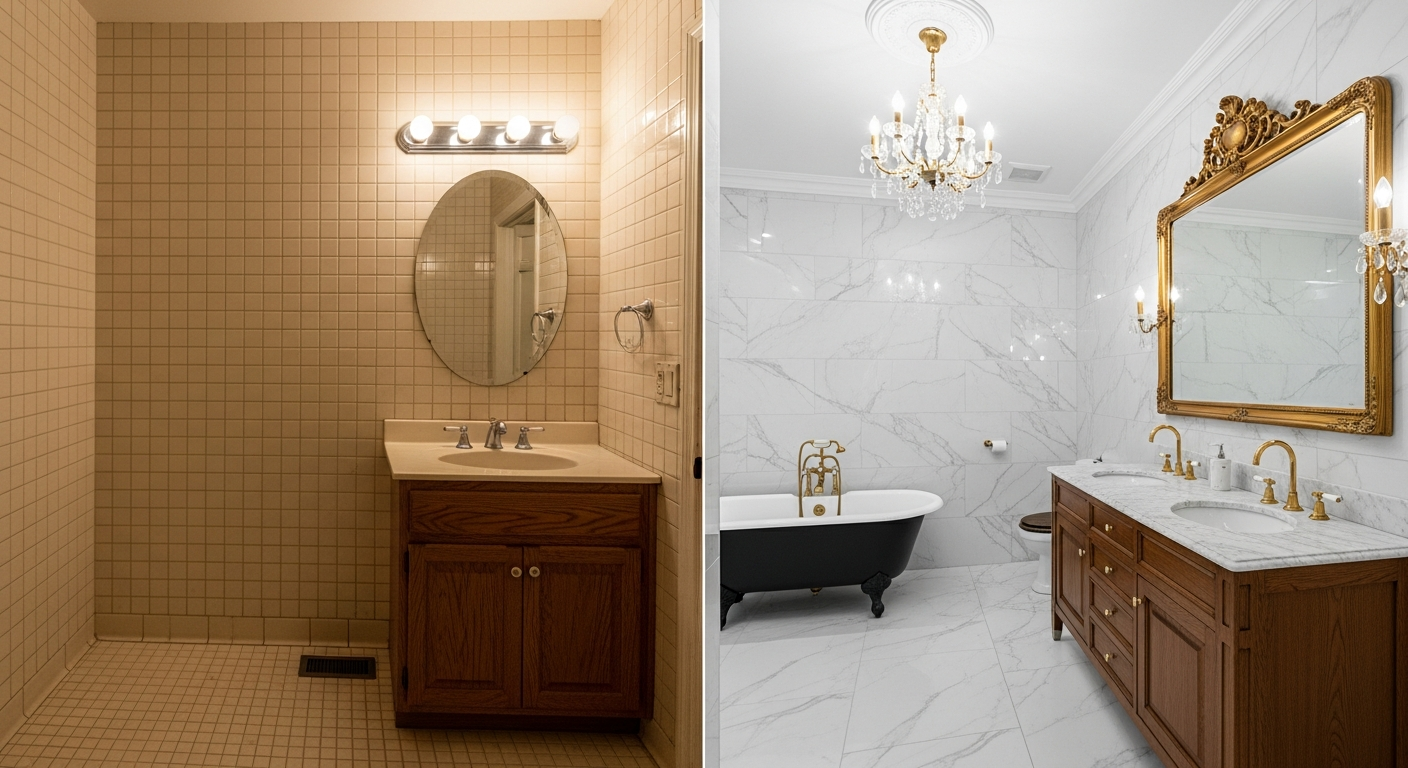
At this investment level, you can achieve a genuinely luxurious primary bathroom with select premium materials and fixtures. Expect imported porcelain or mid-range natural stone for floors and shower walls, a quality freestanding tub, a custom or semi-custom vanity, a multi-head shower system with thermostatic controls, heated floors, and upgraded lighting. This budget requires strategic choices: you might splurge on a statement stone feature wall while using high-quality porcelain elsewhere, or invest in one designer faucet collection while selecting a complementary but less expensive brand for shower hardware.
The $75,000 to $100,000 Range
This range opens the door to true design freedom. Full natural stone applications become feasible, including book-matched marble walls and slab countertops. You can specify top-tier fixture brands like Waterworks or Dornbracht throughout. Custom cabinetry with specialty finishes, a premium freestanding tub with hydrotherapy features, a fully equipped steam shower, comprehensive smart home integration, and professional lighting design are all within reach. At this level, most design compromises disappear, and you can focus on creating a cohesive vision without significant material substitutions.
The $100,000 and Above Range
At this tier, the bathroom becomes a bespoke masterpiece. Every surface, fixture, and detail is specified to the highest standard. Exotic stones like onyx and Blue Bahia granite, fully custom cabinetry from artisan workshops, one-of-a-kind sculptural tubs, complete Lutron or Crestron automation, radiant ceiling panels, in-floor speakers, and museum-quality art lighting are all on the table. This is the realm of architect-designed bathrooms where spatial reconfiguration, structural modifications, and integration with adjacent dressing rooms or private gardens are common. Projects at this level typically involve a design team including an interior designer, architect, lighting designer, and specialized stone fabricator.
Where to Invest vs. Where to Save
Even in a luxury remodel, strategic allocation matters. Invest heavily in waterproofing and substrate preparation, as these invisible elements protect your investment for decades. Invest in the shower system and tub, since these are the fixtures you interact with most intimately and where quality is most immediately felt. Invest in lighting design, because great lighting makes good materials look extraordinary while poor lighting makes extraordinary materials look merely good.
Areas where you can save without compromising the luxury feel include toilet selection, since even a mid-range toilet from a premium brand performs well, interior cabinet box construction where melamine or plywood is perfectly acceptable behind a beautiful door front, and accessories like towel bars and robe hooks where mid-range options from quality manufacturers are often indistinguishable from ultra-premium alternatives. The goal is to allocate your budget where it creates the greatest sensory and visual impact.
Bringing Your Luxury Bathroom Vision to Life
A luxury bathroom remodel is one of the most rewarding home improvement investments you can make, combining daily comfort, aesthetic beauty, and lasting value in a single project. The key to success lies in thoughtful planning, working with experienced designers and craftspeople, and making intentional choices about where to invest your budget for maximum impact.
Whether you are drawn to the timeless elegance of book-matched marble and unlacquered brass or the cutting-edge appeal of smart technology and sculptural minimalism, the perfect luxury bathroom is one that reflects your personal style while delivering an experience of comfort and refinement that enriches every day.
Ready to begin visualizing your dream luxury bathroom? Our Room Designer tool lets you experiment with premium materials, fixture styles, and layout options to bring your vision to life before construction begins. Upload a photo of your current bathroom and explore the possibilities, from statement stone walls to spa-worthy shower systems, all from the comfort of your home.
Luxury Bathroom Remodel FAQs
Written by
Emily Rodriguez
Interior Design Editor covering living spaces, styling trends, and room makeovers. Former Architectural Digest contributor with a focus on accessible, budget-conscious design.