Bathroom Remodel Ideas for Every Style and Budget in 2026
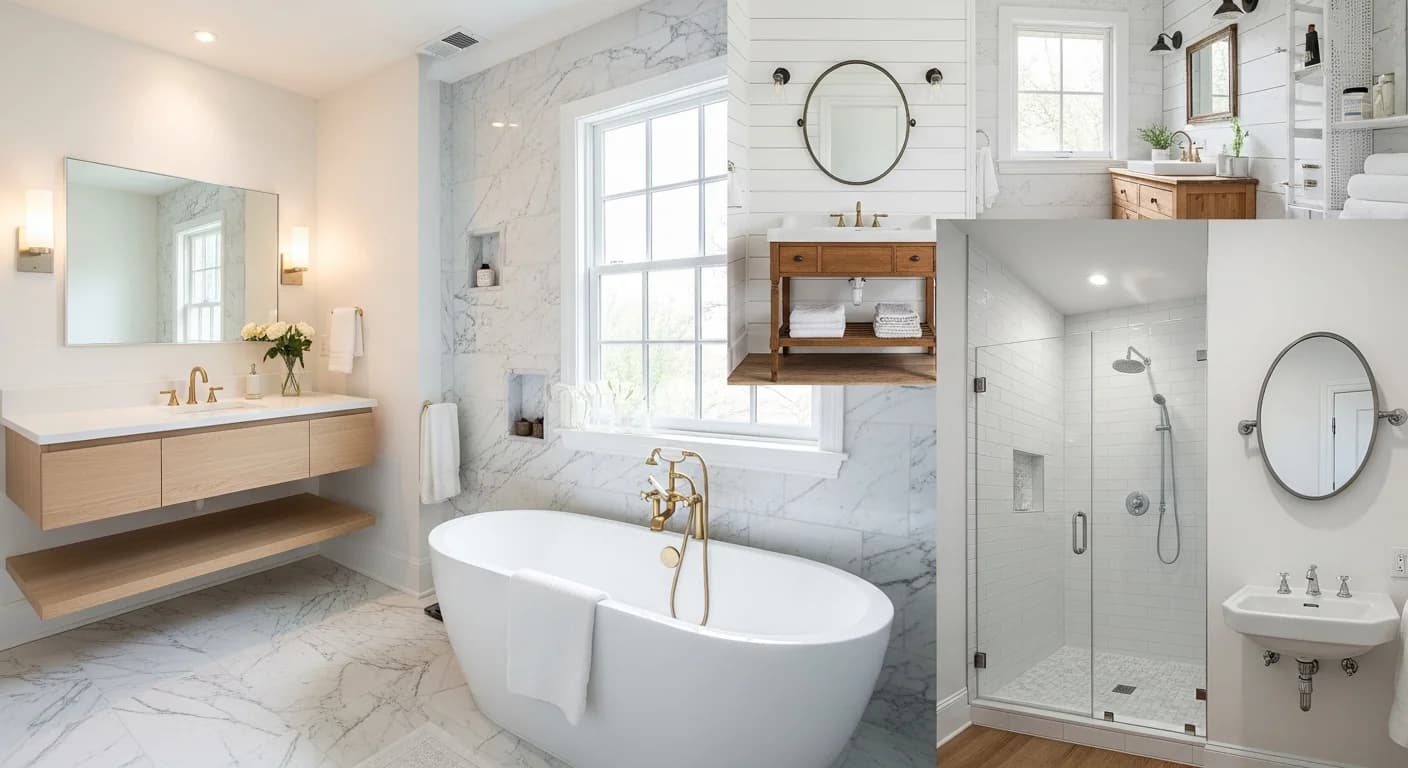
The bathroom has evolved from a purely functional space into one of the most impactful rooms in your home. Whether you are planning a quick refresh or a complete gut renovation, the right bathroom remodel ideas can transform your daily routine and significantly boost your property value. According to the National Association of Realtors 2026 Remodeling Impact Report, a midrange bathroom remodel recoups approximately 71 percent of its cost at resale, while upscale projects recover around 56 percent but deliver far greater lifestyle benefits.
In 2026, bathroom design is defined by a fascinating tension between warm organic aesthetics and cutting-edge technology. Homeowners are gravitating toward earthy color palettes, curved silhouettes, and sustainable materials, while simultaneously embracing smart showers, heated floors, and touchless fixtures. The result is a generation of bathrooms that feel both deeply personal and remarkably sophisticated.
This comprehensive guide presents more than 30 bathroom remodel ideas organized by style, size, and budget. Whether you are drawn to sleek modern minimalism, charming farmhouse character, or opulent spa luxury, you will find actionable inspiration, specific product recommendations, and realistic cost breakdowns to guide your project from concept to completion. For a detailed look at what your project might cost, see our Bathroom Remodel Cost 2026 Pricing Guide.
Modern Minimalist Bathroom Remodel Ideas
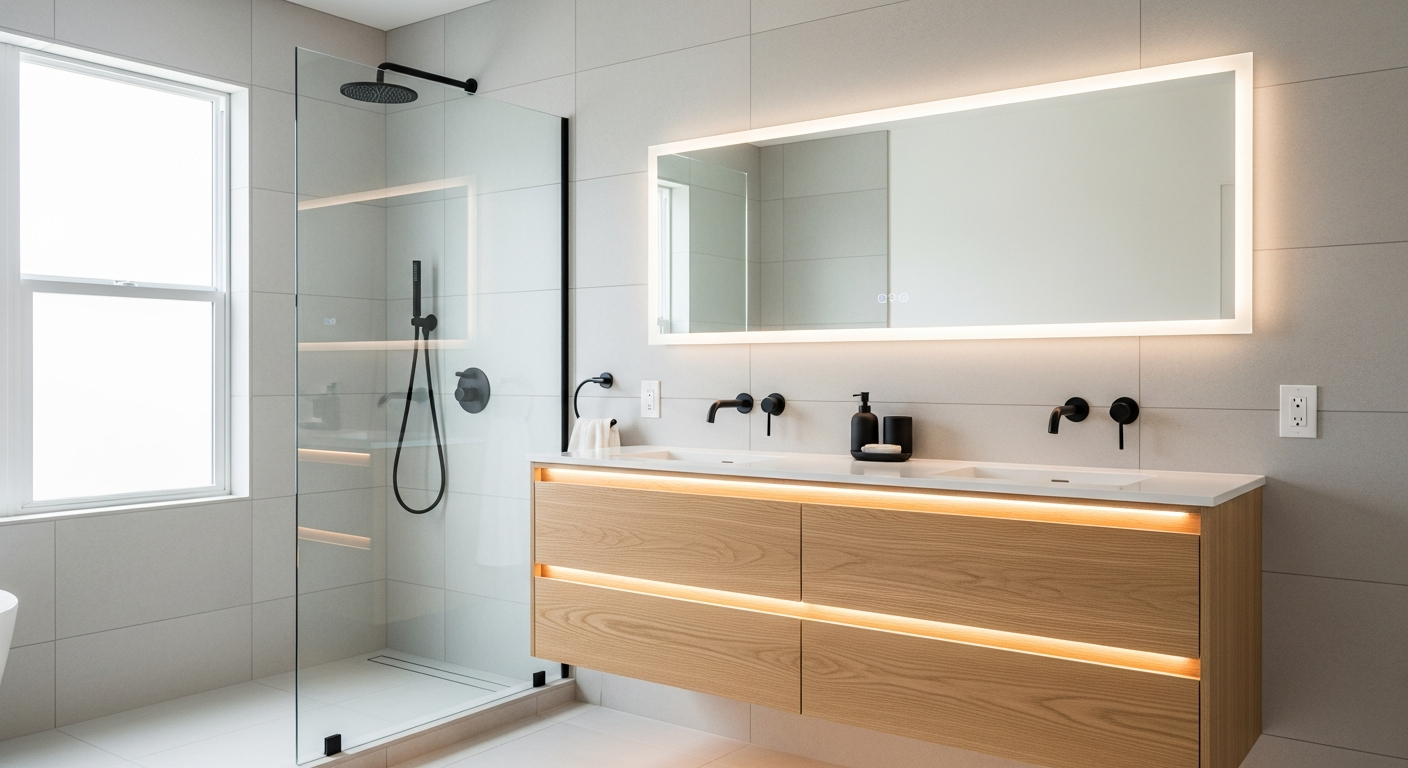
Modern minimalist bathrooms continue to dominate design magazines and Pinterest boards in 2026, and for good reason. The style emphasizes clean lines, uncluttered surfaces, and a sense of calm that transforms your morning routine into a meditative experience. The key principle is intentionality: every element serves a purpose, and negative space is treated as a design feature rather than wasted area.
Floating Vanities and Wall-Mounted Storage
A floating vanity is the cornerstone of modern bathroom design. By mounting the vanity to the wall rather than resting it on the floor, you create visual lightness that makes even compact bathrooms feel more spacious. Popular options in 2026 include walnut-finished floating vanities from brands like Restoration Hardware and West Elm, typically ranging from $800 to $3,500 depending on size and material. Pair your floating vanity with a wall-mounted faucet to eliminate countertop clutter and simplify cleaning.
Storage in a minimalist bathroom should be invisible. Recessed medicine cabinets with mirrored fronts, such as the Robern AiO series ($1,200 to $2,800), provide ample storage while maintaining a sleek profile. Consider adding recessed niches in the shower area for toiletries, eliminating the need for hanging caddies or corner shelves that disrupt clean lines.
Frameless Glass Shower Enclosures
Frameless glass shower enclosures are essential for achieving the modern aesthetic. They allow sight lines to travel uninterrupted through the bathroom, making the space feel larger and more cohesive. A standard frameless glass enclosure costs between $1,500 and $4,000 installed, depending on the size and glass thickness. For an ultra-modern look, consider a fixed glass panel without a door, paired with a linear drain and curbless entry for seamless floor-to-floor transition.
Matte Black and Brushed Gold Fixtures
Fixture finishes define the character of a modern bathroom. Matte black remains the most popular choice in 2026, offering bold contrast against white or light-toned surfaces. Brands like Kohler Purist, Delta Trinsic, and Brizo Litze offer comprehensive collections that allow you to coordinate faucets, showerheads, towel bars, and accessories in a unified finish. Budget approximately $500 to $2,000 for a full suite of matte black fixtures. For those seeking warmth without sacrificing modernity, brushed gold and champagne bronze finishes are gaining momentum as sophisticated alternatives. See our Bathroom Fixture Finishes Comparison for a detailed breakdown.
Large-Format Tiles and Microcement
Minimize grout lines and maximize visual continuity with large-format porcelain tiles measuring 24 by 48 inches or larger. These tiles create a seamless, almost monolithic appearance on floors and walls. Alternatively, microcement and tadelakt finishes are trending strongly in 2026, offering a completely grout-free surface with an organic, handcrafted texture. Expect to pay $15 to $25 per square foot for quality large-format porcelain or $20 to $35 per square foot for professional microcement application.
Farmhouse and Rustic Bathroom Remodel Ideas
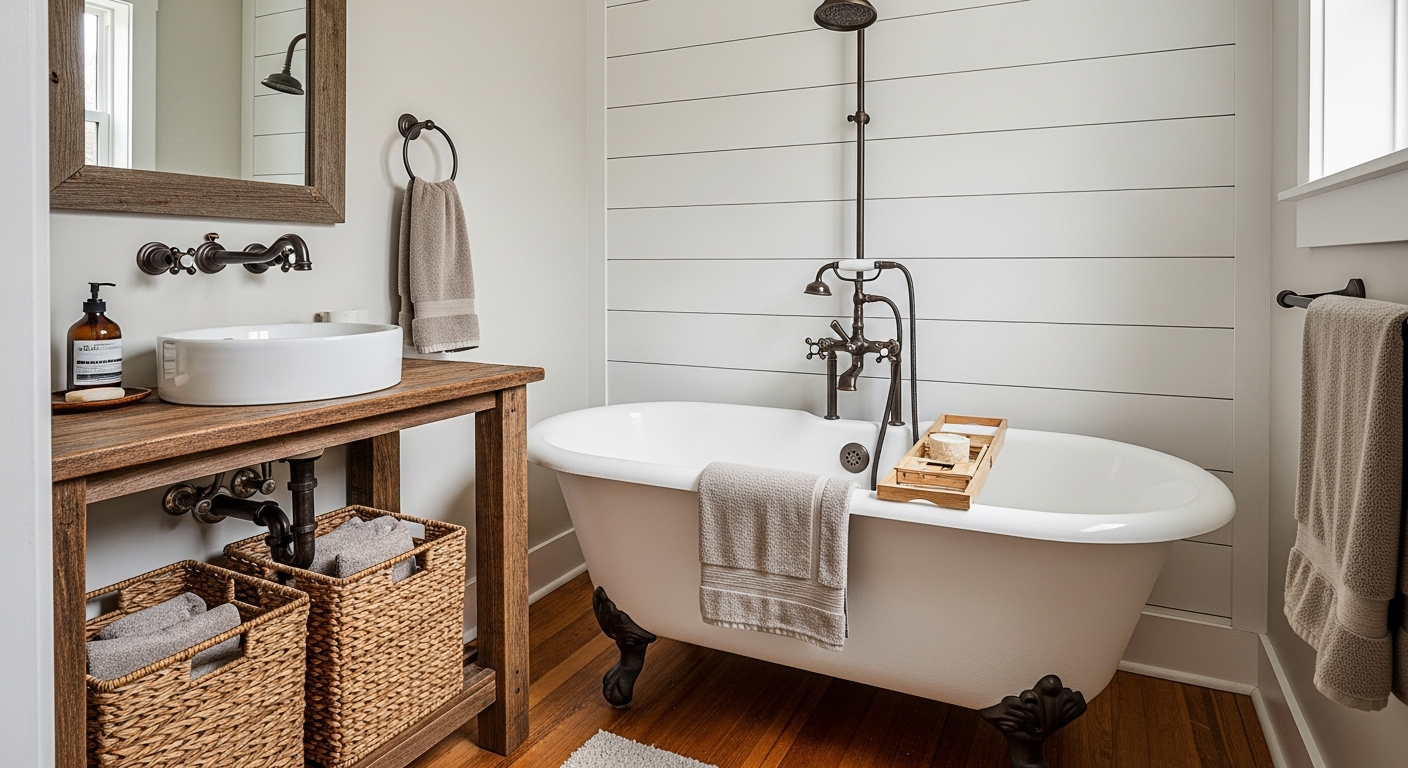
Farmhouse and rustic bathroom remodel ideas remain enduringly popular because they create spaces that feel warm, welcoming, and full of character. The style celebrates natural materials, vintage charm, and the kind of lived-in beauty that makes a bathroom feel like a retreat rather than a sterile clinical space. In 2026, the farmhouse aesthetic is evolving toward a more refined interpretation that balances rustic elements with modern functionality.
Shiplap and Beadboard Wall Treatments
Shiplap paneling on bathroom walls instantly establishes the farmhouse aesthetic. Install it on an accent wall behind the vanity or as wainscoting on the lower half of all walls. Use moisture-resistant MDF shiplap rather than raw wood in wet areas, and always prime and paint with a high-quality bathroom paint like Benjamin Moore Aura Bath and Spa. A shiplap accent wall typically costs $400 to $1,200 for materials and installation. For a more traditional farmhouse feel, beadboard paneling offers a similar effect with a slightly more refined texture.
Clawfoot Tubs and Freestanding Bathtubs
Nothing says farmhouse bathroom quite like a classic clawfoot tub. Cast iron clawfoot tubs from manufacturers like Randolph Morris and Signature Hardware range from $1,200 to $3,500, with reproduction models offering the vintage aesthetic at more accessible price points than genuine antiques. Position the tub as a focal point near a window or in the center of the room if space allows. For a modern farmhouse interpretation, consider a freestanding soaking tub with clean lines and a matte white exterior, bridging vintage charm with contemporary sophistication.
Reclaimed Wood and Natural Stone Accents
Incorporate reclaimed wood through open shelving, mirror frames, or a vanity base crafted from a repurposed dresser or console table. Reclaimed barnwood shelves add authentic character and cost between $50 and $200 per shelf depending on size and source. Pair wood elements with natural stone countertops in honed finishes like soapstone or limestone, which complement the organic, unpretentious farmhouse sensibility. Apron-front sinks in fireclay, such as those from Kohler Whitehaven series ($800 to $1,400), complete the look with functional beauty.
Vintage-Inspired Fixtures and Hardware
Select fixtures with cross handles, bridge-style faucets, and exposed shower plumbing to reinforce the vintage farmhouse character. Unlacquered brass and oil-rubbed bronze finishes develop a natural patina over time that enhances the lived-in quality. Vintage-style bin pulls and cup handles on cabinetry, available from Rejuvenation and Schoolhouse Electric for $8 to $25 per piece, provide affordable detail that ties the design together.
Small Bathroom Remodel Ideas
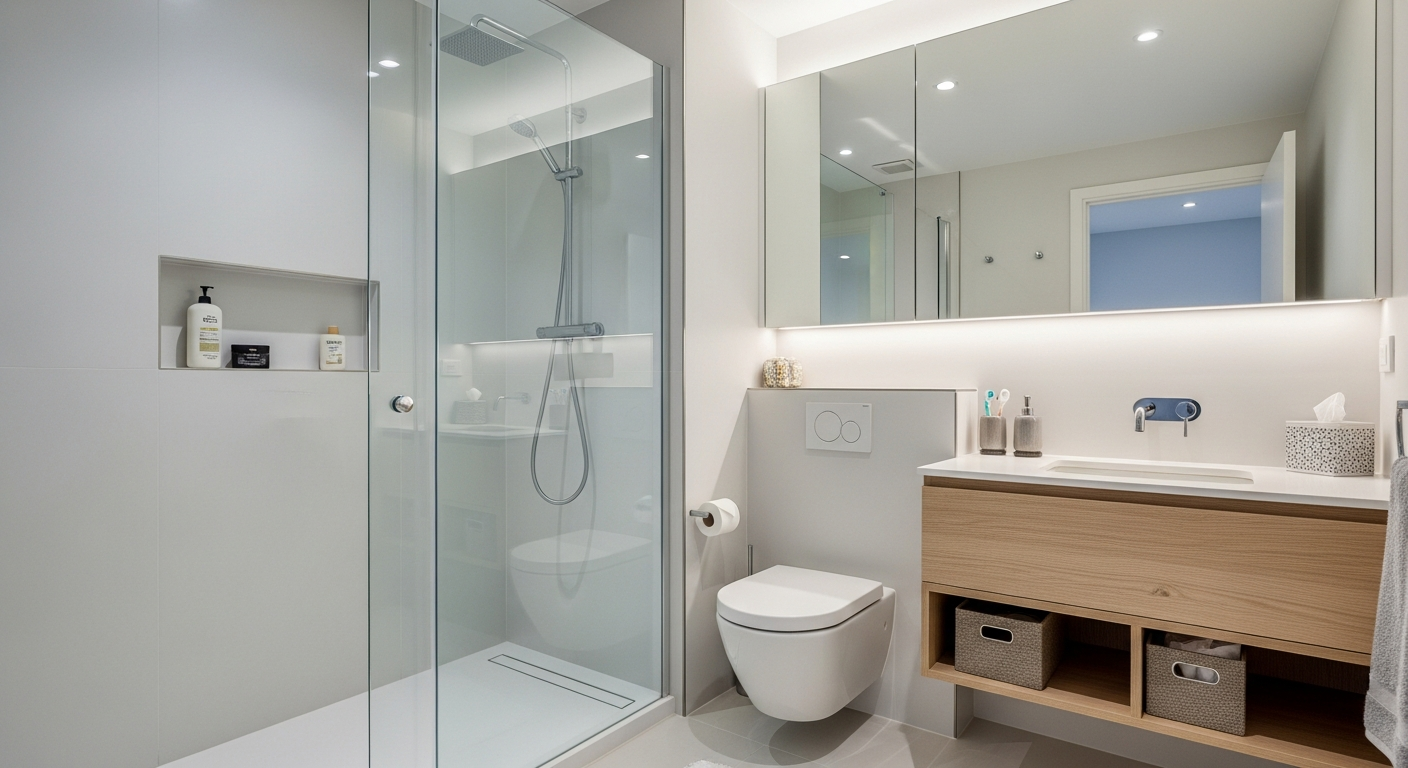
Small bathrooms present unique challenges, but they also offer opportunities for creative problem-solving that can result in some of the most satisfying remodels. The average American bathroom measures approximately 40 square feet, and many half-baths and guest bathrooms are significantly smaller. With the right bathroom remodel ideas, even a 35-square-foot bathroom can feel surprisingly spacious and functional. Our Small Bathroom Remodel Guide covers space-maximizing strategies in even greater detail.
Space-Maximizing Layout Strategies
The most impactful decision in a small bathroom remodel is the layout. Consider replacing a standard bathtub with a walk-in shower to reclaim significant floor space. A corner shower with a neo-angle glass enclosure fits into tight layouts while providing comfortable showering space. Wall-mounted toilets, while more expensive to install ($600 to $1,500 versus $200 to $500 for standard floor-mounted models), free up valuable floor area and make cleaning easier. Pocket doors or barn-style sliding doors eliminate the swing radius of traditional doors, recovering several square feet of usable space.
Visual Tricks to Expand Perceived Space
Color and material choices dramatically affect how large a small bathroom feels. Light colors reflect more light and push walls visually outward. Consider soft whites, pale grays, or warm cream tones for walls and floors. Using the same tile on both the floor and shower walls creates visual continuity that tricks the eye into perceiving a larger space. A large frameless mirror, extending the full width of the vanity wall, effectively doubles the visual depth of the room. Glass shower enclosures rather than shower curtains prevent the visual barrier that makes small bathrooms feel cramped.
Smart Storage Solutions
In small bathrooms, every inch of storage must be earned. Install a tall, narrow linen tower or recessed cabinet between wall studs to maximize vertical storage without consuming floor space. Floating shelves above the toilet provide display and storage without the visual weight of a full cabinet. Medicine cabinets with interior outlets and USB ports, such as the Kohler Verdera series ($400 to $900), combine mirror, lighting, and storage into a single space-efficient fixture. Inside the shower, pre-formed niches carved into the wall offer storage without protruding into the shower space. For additional strategies, explore our Bathroom Layout Ideas and Floor Plans guide.
Compact Fixtures That Do Not Compromise
Manufacturers now offer an impressive range of compact fixtures designed specifically for small bathrooms. Narrow-depth vanities measuring 18 to 20 inches deep rather than the standard 21 to 24 inches provide meaningful space savings while still accommodating an undermount sink. Compact elongated toilets like the TOTO Drake Compact ($350 to $500) deliver the comfort of an elongated bowl in a round-front footprint. Corner sinks and pedestal sinks remain excellent options for powder rooms and half-baths where countertop space is less critical than floor area.
Luxury Bathroom Remodel Ideas
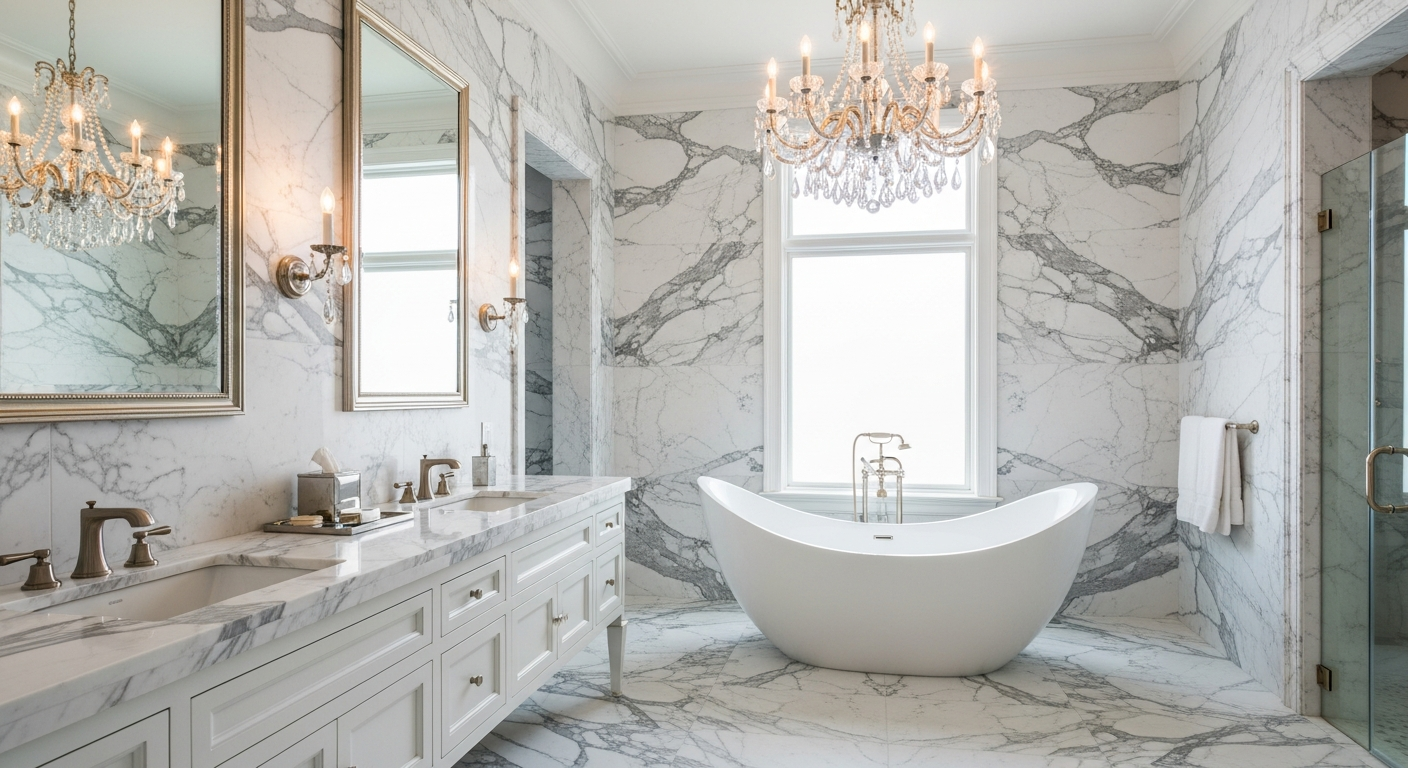
For homeowners with generous budgets and a desire for the extraordinary, luxury bathroom remodel ideas push the boundaries of materials, technology, and craftsmanship. A truly luxurious bathroom is not merely expensive; it is thoughtfully designed to deliver an elevated sensory experience every time you step inside. The investment typically ranges from $25,000 to $75,000 or more, but the result is a private sanctuary that rivals the finest hotel spas. Our comprehensive Luxury Bathroom Remodel Guide explores premium design strategies in depth.
Premium Natural Stone and Custom Tilework
Natural stone defines luxury bathrooms. Calacatta marble with its dramatic veining remains the gold standard, though alternatives like Statuario marble, Taj Mahal quartzite, and Blue de Savoie offer equally stunning visual impact. Full-slab stone walls in the shower area, book-matched for symmetrical veining, create a breathtaking centerpiece. Expect to invest $50 to $200 per square foot for premium natural stone, including fabrication and installation. Hand-crafted zellige tiles from Morocco or artisan ceramic tiles from Italy bring texture and heritage to accent areas, with prices ranging from $25 to $75 per square foot.
Spa-Inspired Features
Transform your bathroom into a genuine wellness retreat with spa-grade features. A steam shower system from manufacturers like MrSteam or Steamist ($2,500 to $6,000 for the generator alone) delivers therapeutic steam at the touch of a button. Pair it with a rainfall showerhead measuring 12 inches or larger, multiple body jets, and a handheld spray for a complete hydrotherapy experience. Heated towel warmers from Amba or WarmlyYours ($300 to $1,200) ensure warm towels are always waiting. Radiant floor heating, costing $8 to $15 per square foot installed, eliminates cold tile underfoot and adds an unmistakable layer of luxury.
Smart Technology Integration
Luxury bathrooms in 2026 seamlessly integrate technology for convenience and comfort. Smart toilets with integrated bidets, heated seats, automatic lids, and self-cleaning functions represent the pinnacle of bathroom technology. The TOTO Neorest NX2 ($11,000 to $13,000) and Kohler Numi 2.0 ($8,000 to $10,000) lead the category. Digital shower systems like the Kohler DTV Plus allow you to preset water temperature, flow patterns, and steam settings with a single touch or voice command. Smart mirrors with integrated LED lighting, defoggers, and Bluetooth speakers from brands like Electric Mirror ($2,000 to $5,000) combine functionality with futuristic style. Explore more options in our Smart Bathroom Technology 2026 guide.
Custom Cabinetry and Bespoke Details
Custom vanities and cabinetry distinguish luxury bathrooms from their production-grade counterparts. Semi-custom and fully custom vanities allow you to specify exact dimensions, wood species, finish, hardware, and interior organization. Furniture-style vanities with legs, curved profiles, and decorative details transform the vanity from utilitarian fixture to statement furniture. Custom lighted niches, integrated laundry hampers, pull-out step stools, and built-in hair appliance storage reflect the attention to detail that defines true luxury. Budget $3,000 to $15,000 for custom cabinetry depending on complexity and materials.
Trending 2026 Bathroom Design Ideas
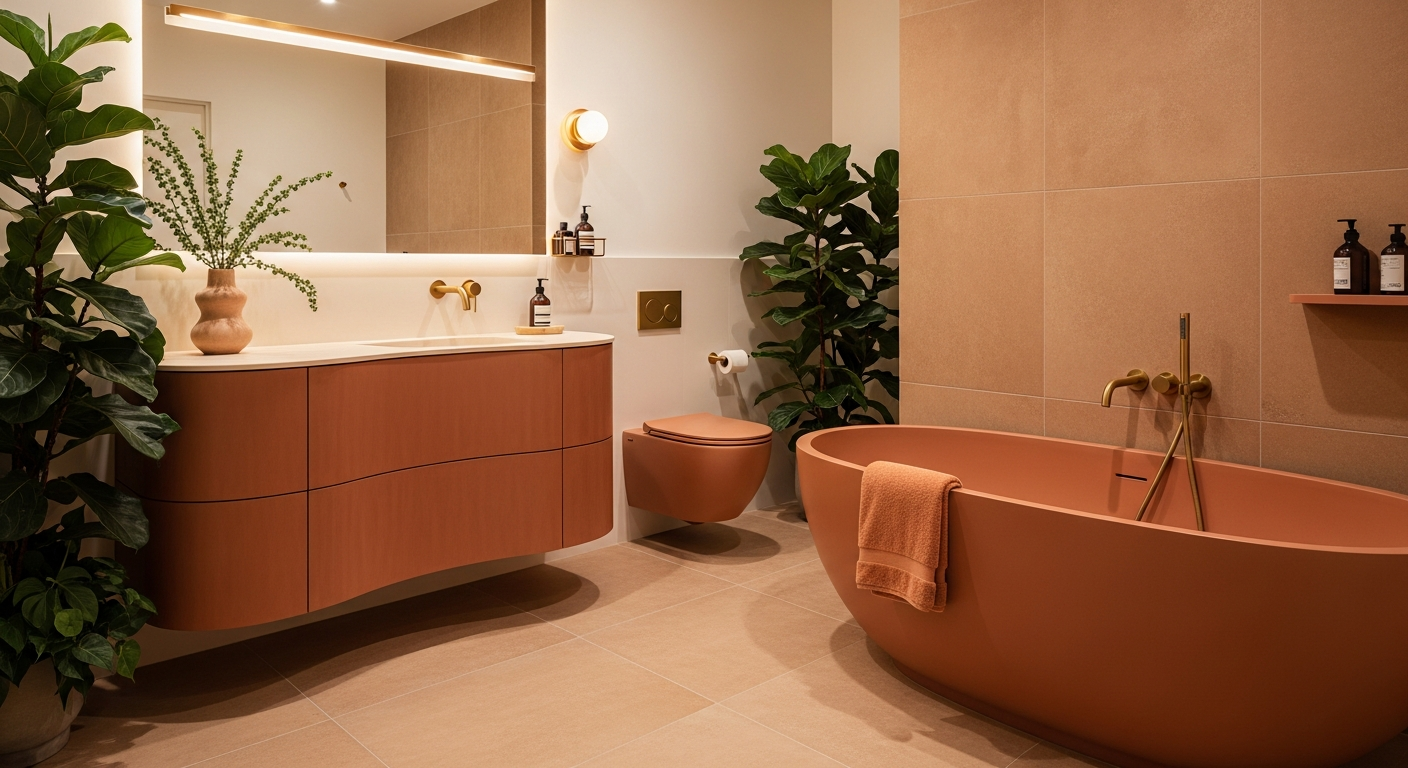
Every year brings new trends that reshape how we think about bathroom design. The trends of 2026 reflect broader cultural shifts toward warmth, sustainability, and biophilic connection. Understanding these trends helps you make choices that feel current without sacrificing long-term appeal. For the full analysis, read our Bathroom Trends 2026: What Designers Are Specifying feature.
Warm Earthy Color Palettes
The era of stark white and cool gray bathrooms is giving way to richer, warmer tones. Terracotta, warm taupe, sage green, mushroom brown, and creamy off-whites dominate 2026 bathroom color palettes. These colors create spaces that feel grounded and nurturing, a welcome antidote to the sterile minimalism that dominated the previous decade. Benjamin Moore Cinnamon Stick (2174-20), Sherwin-Williams Evergreen Fog (SW 9130), and Farrow and Ball Jitney (293) are among the most specified colors by leading designers this year. For a deeper dive into color psychology, see our Bathroom Color Psychology article.
Curved Lines and Organic Shapes
Angular geometry is softening into curves throughout the bathroom. Arched mirrors, pill-shaped vanity mirrors, round vessel sinks, and curved freestanding tubs bring organic fluidity that makes spaces feel gentler and more inviting. Even shower enclosures are available with curved glass panels from specialty manufacturers. This trend extends to furniture and accessories: curved vanity fronts, rounded cabinet pulls, and circular sconces all contribute to the organic aesthetic. The psychological effect is significant; curves reduce visual tension and promote relaxation, making them especially appropriate for the bathroom environment.
Sustainability and Eco-Conscious Design
Sustainable bathroom design has progressed far beyond low-flow toilets. In 2026, eco-conscious homeowners are specifying recycled glass tiles, reclaimed wood vanities, low-VOC paints and sealants, and water-recirculating shower systems that can reduce water consumption by up to 80 percent. WaterSense-certified fixtures are now standard rather than optional, and many manufacturers offer complete collections that meet or exceed these efficiency standards without compromising performance. Concrete alternatives made from recycled aggregate and terrazzo composed of recycled materials offer sustainable countertop options with distinctive visual appeal.
Biophilic Elements and Living Materials
Biophilic design principles are transforming bathrooms into nature-connected retreats. Living walls of humidity-loving plants like pothos, ferns, and air plants thrive in bathroom environments. Natural stone with visible fossil patterns, petrified wood accessories, and cork flooring bring geological texture indoors. Skylights and sun tunnels deliver natural light to interior bathrooms, reducing reliance on artificial illumination while connecting occupants to the rhythm of daylight. Even manufactured materials are mimicking natural patterns: porcelain tiles that replicate the texture of river stone, travertine, and raw timber are more convincing than ever.
Bathroom Remodel Ideas by Budget
One of the most important factors in planning your bathroom remodel is establishing a realistic budget. The following breakdowns illustrate what you can achieve at three common investment levels, helping you prioritize spending for maximum impact. For comprehensive cost data, consult our Bathroom Remodel Cost 2026 Pricing Guide.
Budget-Friendly Remodel: $5,000 to $10,000
A budget of $5,000 to $10,000 requires strategic prioritization but can deliver a remarkable transformation. Focus your investment on the elements with the greatest visual impact. Refinish or paint existing cabinets in a fresh color ($200 to $500 for supplies). Replace dated hardware with modern pulls and knobs ($50 to $200). Install a new vanity mirror and updated light fixtures ($200 to $600 combined). Replace the toilet with a modern, water-efficient model ($250 to $500 installed). Paint the walls and ceiling with a premium bathroom paint ($100 to $300). If budget allows, replacing the flooring with luxury vinyl plank or porcelain tile ($800 to $2,500 installed for an average bathroom) makes a substantial difference. Consider reglazing the existing bathtub ($350 to $600) rather than replacing it. The key at this budget level is maintaining the existing footprint and plumbing locations to avoid the significant expense of rough-in changes. See our Affordable Bathroom Remodel guide for more cost-saving strategies.
Mid-Range Remodel: $10,000 to $25,000
With $10,000 to $25,000, you can achieve a comprehensive transformation that touches every surface and fixture. This budget allows for a new vanity with solid-surface or quartz countertop ($1,500 to $4,000), new porcelain or ceramic tile for floors and shower walls ($2,000 to $5,000 installed), a new bathtub or shower enclosure ($1,500 to $4,000 installed), updated plumbing fixtures in a coordinated finish ($500 to $2,000), new lighting including a statement vanity light and recessed ceiling lights ($400 to $1,200), fresh paint or wallpaper ($200 to $800), new toilet ($300 to $800 installed), new accessories including towel bars, robe hooks, and toilet paper holder ($100 to $400), and a ventilation fan upgrade ($200 to $500 installed). At this level, you can also consider modest layout changes such as converting a tub-shower combination to a standalone shower, though moving plumbing adds $1,000 to $3,000 to the project cost.
Premium Remodel: $25,000 and Above
A budget of $25,000 or more opens the door to genuine luxury and significant structural changes. At this investment level, you can reconfigure the layout entirely, relocating fixtures for optimal flow and function. Specify natural stone or premium porcelain throughout ($5,000 to $15,000). Install a freestanding tub and a separate walk-in shower with frameless glass ($4,000 to $10,000 combined). Choose custom or semi-custom cabinetry ($3,000 to $10,000). Integrate smart technology including a digital shower system, smart toilet, and automated lighting ($3,000 to $15,000). Add radiant floor heating ($1,000 to $3,000). Specify designer fixtures from premium brands ($2,000 to $5,000). Install architectural features such as a barrel-vaulted ceiling, skylight, or decorative molding ($2,000 to $8,000). At this budget, hire a professional designer ($2,000 to $5,000) to ensure every dollar delivers maximum impact and aesthetic coherence. The investment pays dividends in both daily enjoyment and long-term property value.
Expert Tips for Planning Your Bathroom Remodel
Even the most inspired bathroom remodel ideas can fall flat without proper planning and execution. These expert recommendations help ensure your project proceeds smoothly from initial concept through final punch list.
Establish a Realistic Timeline
A typical bathroom remodel takes four to eight weeks from demolition to completion, depending on scope and complexity. Plan for an additional two to four weeks of lead time for ordering materials, particularly custom vanities, specialty tile, and fixtures that may have extended delivery windows. Build a contingency of one to two extra weeks into your schedule for unexpected issues such as hidden water damage, outdated wiring, or supply chain delays. If you have only one bathroom, arrange alternative bathing facilities before demolition begins. For a week-by-week breakdown, read our Bathroom Remodel Timeline and Phases guide.
Selecting the Right Contractor
Your contractor selection is arguably the most consequential decision in the entire project. Request bids from at least three licensed, insured contractors with specific bathroom remodeling experience. Ask for references from recent bathroom projects and follow up with those homeowners. Verify licensing through your state contractor board and check for complaints with the Better Business Bureau. A detailed written contract should specify scope of work, materials allowances, payment schedule tied to milestones rather than calendar dates, change order procedures, warranty terms, and estimated completion date with penalties for unreasonable delays. Read more in our Bathroom Remodel Contractors Hiring Guide.
ROI Considerations and Value Engineering
If resale value is a factor in your decision-making, prioritize universally appealing upgrades over highly personalized choices. Neutral color palettes, quality tile, solid-surface countertops, and updated fixtures consistently deliver strong returns. Heated floors, while appreciated by buyers, have a modest direct ROI but differentiate your listing from comparable properties. Avoid over-improving relative to your neighborhood; spending $75,000 on a bathroom in a neighborhood of $300,000 homes rarely makes financial sense. Conversely, a thoughtful $15,000 to $25,000 remodel in the same neighborhood can recoup 70 to 80 percent of its cost while making your home significantly more competitive on the market.
Common Mistakes to Avoid
"The most common mistake I see homeowners make is underestimating the importance of proper waterproofing and ventilation," says Sarah Chen, a certified bathroom designer with 18 years of experience. "A beautiful bathroom that develops mold issues within two years is not a successful remodel. Invest in quality waterproofing membranes like Schluter DITRA or Laticrete Hydro Ban, and ensure your ventilation fan is sized correctly for the room volume." Other frequent mistakes include selecting trendy finishes that may feel dated within a few years, neglecting adequate lighting especially at the vanity, choosing form over function with fixtures that look stunning but are difficult to clean, and failing to plan sufficient electrical outlets for modern grooming needs. Our Bathroom Renovation Mistakes to Avoid article covers these pitfalls comprehensively.
Permit Requirements and Building Codes
Most bathroom remodels that involve plumbing, electrical, or structural changes require building permits. While the permit process adds time and cost, typically $200 to $1,000 depending on jurisdiction, it ensures your project meets safety standards and protects you from liability. Unpermitted work can create significant problems when selling your home, as buyers and lenders increasingly verify permit histories. Your contractor should handle the permit application process, but as the homeowner, you are ultimately responsible for ensuring required permits are obtained.
Bringing Your Bathroom Remodel Ideas to Life
The perfect bathroom remodel begins with a clear vision and progresses through careful planning, smart material selection, and skilled execution. Whether you are refreshing a powder room on a modest budget or creating a luxurious primary bathroom retreat, the ideas in this guide provide a foundation for making informed decisions that align with your style, needs, and financial goals.
Remember that the best bathroom remodel ideas are those that balance aesthetic ambition with practical reality. Consider how you actually use the space each day, prioritize the improvements that will deliver the greatest combination of visual impact and functional benefit, and invest in quality where it matters most: waterproofing, fixtures you touch daily, and surfaces that define the room's character.
Ready to visualize your dream bathroom before committing to a design? Our AI Room Designer lets you upload a photo of your current bathroom and explore different styles, colors, and layouts in seconds. Try it free and discover the possibilities for your space.
Bathroom Remodel Ideas for Every Style and Budget in 2026 FAQs
Written by
Emily Rodriguez
Interior Design Editor covering living spaces, styling trends, and room makeovers. Former Architectural Digest contributor with a focus on accessible, budget-conscious design.