How to Redesign Your Living Room: 12 Stunning Style and Color Ideas
Quick Summary
A step-by-step guide to redesigning your living room covering furniture arrangement, color schemes, lighting layers, and design styles. Includes 12 actionable ideas and AI visualization tips to preview your new living room before making changes.
How to Redesign Your Living Room: 12 Stunning Style and Color Ideas
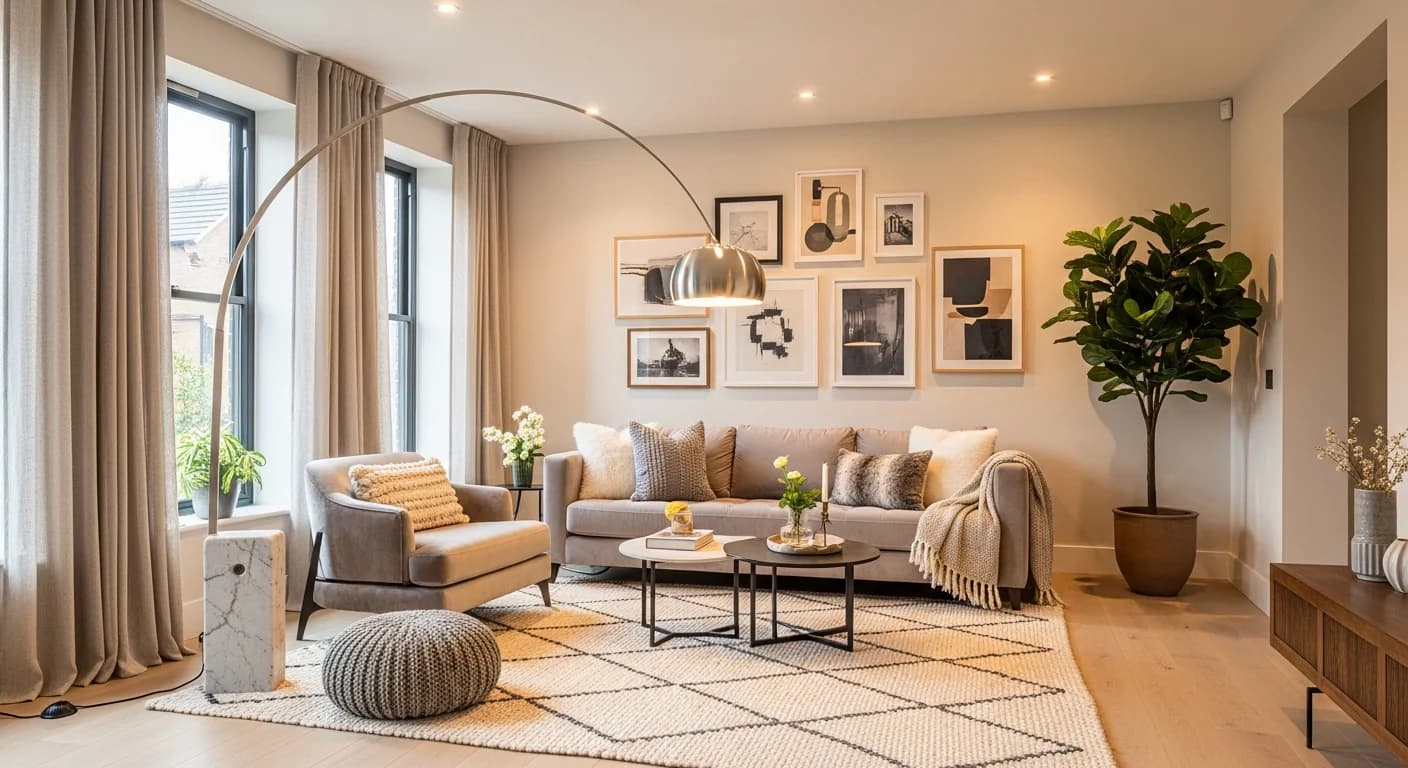
If you're wondering how to redesign your living room, you're in the right place. The living room is the most-used shared space in most homes — it's where you relax, entertain guests, watch movies, and spend time with family. Yet it's also the room most likely to feel outdated, cluttered, or disconnected from your current lifestyle. A thoughtful redesign can transform it from a room you tolerate into a space you genuinely love.
In this guide, we walk through the complete living room redesign process: assessing your current space, choosing a style direction, planning furniture layout, selecting colors and lighting, and using AI visualization to preview your new look. Whether you're starting from scratch or refreshing an existing room, these 12 ideas will help you create a living room that looks beautiful and functions perfectly for how you actually live.
Step 1: Assess How You Use Your Living Room
Before selecting colors or furniture, define how you actually use the space. Do you host dinner parties regularly? Do your kids play on the floor? Do you work from the sofa? Is this room primarily for TV watching or conversation? Your answers shape every design decision that follows.
Make a priority list: primary function (e.g., family movie nights), secondary function (e.g., reading and relaxing), and occasional function (e.g., hosting guests). Design for the primary function first, then layer in support for secondary and occasional uses. A living room designed for everything often serves nothing well.
Walk through your current living room and note what bothers you. Is the sofa too far from the TV? Is there no good reading light? Do you constantly trip over the coffee table? These pain points are your redesign priorities.
Step 2: Choose Your Living Room Style
Your living room style sets the visual tone for your entire home, especially if it's visible from the entryway or connected to the kitchen and dining areas. Here are the most popular living room styles in 2026, along with their defining characteristics.
Modern: Clean lines, minimal ornamentation, neutral palette with bold accents. Furniture features low profiles and geometric shapes. Contemporary: Similar to modern but more fluid — curved furniture, mixed materials, and a warmer color palette. Scandinavian: Light woods, white walls, cozy textiles, and functional simplicity. Focuses on natural light and uncluttered surfaces.
Mid-Century Modern: Iconic furniture silhouettes from the 1950s-60s, warm wood tones, tapered legs, and organic curves. Farmhouse: Shiplap walls, rustic wood, comfortable slipcovers, and vintage accessories. Bohemian: Layered textiles, global patterns, mixed eras, and a relaxed, eclectic vibe. Browse our living room ideas gallery to see each style in action.
Step 3: Plan Your Furniture Layout
Furniture layout is the backbone of a successful living room redesign. The right arrangement creates conversation areas, defines traffic paths, and makes the room feel balanced. The wrong arrangement makes even a large room feel cramped or empty.
The Conversation Layout
Face seating toward each other, not all toward the TV. Place the sofa across from two accent chairs or a loveseat, with a coffee table centered between them. This layout encourages face-to-face conversation and works well for entertaining. If the TV is important, mount it on the wall adjacent to the conversation grouping so it's visible without dominating the arrangement.
The Focal Point Layout
Arrange all seating to face a single focal point — a fireplace, a large window with a view, or a media wall. This works best for rooms with a strong architectural feature. Angle accent chairs toward the focal point and use area rugs to anchor the seating group.
The Floating Layout
Pull furniture away from the walls and let it float in the center of the room. This creates more intimate seating groups and makes large rooms feel cozier. Use a large area rug to define the floating zone and leave walkways between the furniture and walls. This layout works especially well in open-concept spaces where you need to define the living room area without physical walls.
Step 4: Select Your Color Scheme
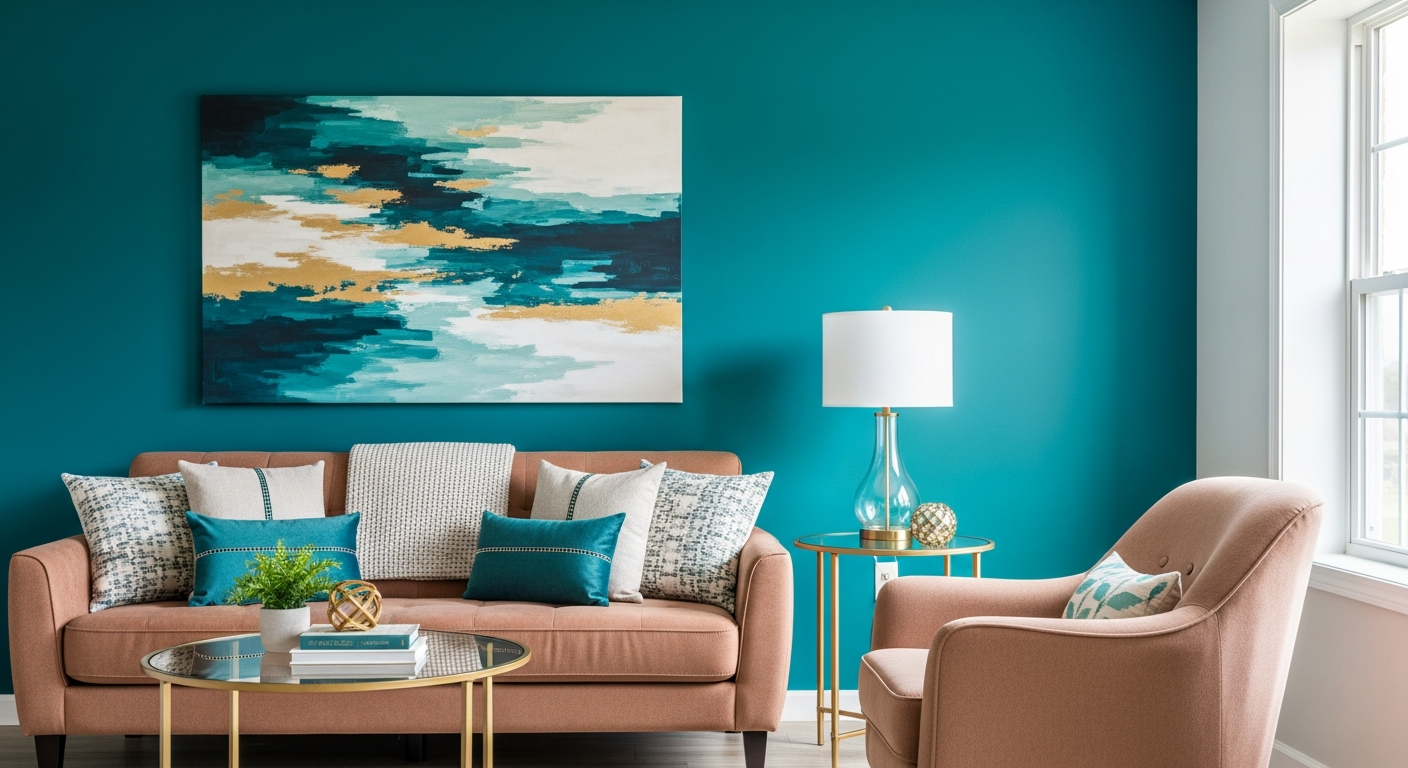
Color is one of the most transformative elements in a living room redesign. The right palette makes a room feel larger, warmer, more energetic, or more serene — depending on what you choose. Here are three approaches to selecting a living room color scheme.
Neutral foundation with accent pops: Choose a warm or cool neutral for walls (warm white, greige, light gray), neutral upholstery, and then add 1-2 accent colors through pillows, art, and accessories. This is the safest approach and the easiest to update over time. Monochromatic depth: Use varying shades of a single color family — light sage walls, medium green upholstery, dark forest accent pillows. This creates a sophisticated, cohesive look.
Bold and dramatic: Dark walls (navy, charcoal, deep forest green) paired with contrasting furniture and metallic accents. This approach works best in rooms with good natural light and sufficient square footage. Use an AI color visualization tool to preview bold colors on your actual walls before committing. For a deeper dive into using color in your redesign, see our guide on redesigning any room with color.
Step 5: Layer Your Lighting
Lighting makes or breaks a living room redesign. Most living rooms rely on a single overhead fixture, which creates harsh shadows and a flat, unflattering atmosphere. Professional designers use three layers of lighting to create depth and warmth.
Ambient lighting provides overall illumination — recessed ceiling lights, a central chandelier, or flush-mount fixtures. Task lighting serves specific functions — a reading lamp beside the armchair, under-cabinet lights near a built-in bookshelf. Accent lighting creates atmosphere — wall sconces highlighting artwork, LED strips behind a media console, or candles on the mantel.
Install dimmer switches for all ambient and accent lights. The ability to control brightness transforms a living room from daytime-functional to evening-cozy with the turn of a dial. If you're on a budget, start with two or three table lamps and a floor lamp before investing in hardwired fixtures — you'll be surprised how much layered lamp lighting improves the room.
Step 6: Choose Textiles and Accessories
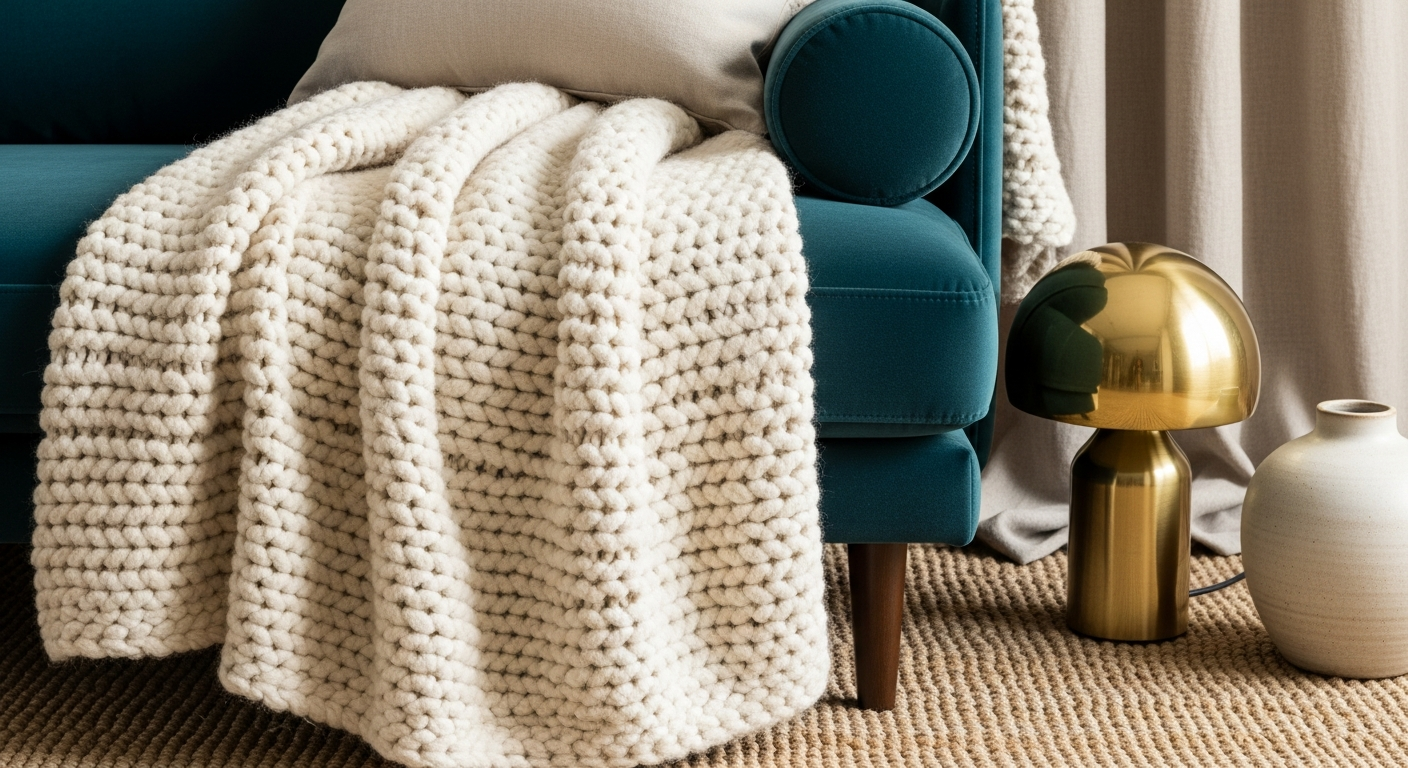
Textiles add warmth, texture, and personality to a living room. They're also the easiest and most affordable elements to swap when you want a seasonal refresh. Key textiles include throw pillows, blankets, area rugs, curtains, and upholstery.
Follow the rule of three textures: combine a smooth texture (leather, silk, velvet), a rough texture (linen, jute, burlap), and a soft texture (faux fur, chenille, cable knit). This creates visual interest and makes the room feel layered and intentional. For accessories, less is more — choose a few meaningful pieces rather than filling every surface. A large-scale piece of art, a sculptural vase, and a stack of coffee table books can anchor a room more effectively than dozens of small knick-knacks.
Step 7: Use AI to Visualize Your Living Room Redesign
Before purchasing furniture, painting walls, or hiring a contractor, use AI visualization to see how your redesigned living room will actually look. Upload a photo of your current living room to HanoDecor's living room remodel visualizer and test different styles, colors, and furniture arrangements instantly.
AI visualization is especially valuable for living rooms because this room is visible from many angles — and mistakes are expensive to fix. Seeing a photorealistic preview helps you commit with confidence. Try comparing modern versus mid-century modern, or test whether dark walls will work in your specific space with your specific lighting conditions.
For a complete walkthrough of using AI for room design, read our guide on redesigning your room on a budget — AI visualization is one of the most powerful budget-friendly tools available.
12 Living Room Redesign Ideas for Every Style
1. Create a reading nook. Add a comfortable armchair, a floor lamp, and a small side table in a corner near a window. This gives the room a secondary function and makes it feel more intentional. 2. Add a gallery wall. Mix framed art, photographs, and mirrors on one focal wall. Use consistent frame styles for a curated look or mix styles for a bohemian feel.
3. Swap heavy drapes for sheer curtains. This instantly brightens the room and makes it feel larger. 4. Introduce a statement rug. A bold patterned rug anchors the seating area and adds personality without painting. 5. Replace your coffee table. A round table softens a room full of angular furniture; an oversized square ottoman doubles as seating.
6. Add floor-to-ceiling curtains. Hang curtain rods at the ceiling line, not at the window frame. This makes ceilings feel taller and windows feel larger. 7. Create a media wall. Mount the TV on a feature wall with floating shelves, LED backlighting, and hidden cable management. 8. Layer different light sources. Combine a statement pendant, two table lamps, and a floor lamp for dynamic lighting.
9. Introduce plants. A large fiddle leaf fig in the corner, trailing pothos on a shelf, and a small succulent on the coffee table add life and texture. 10. Paint an accent wall. One dark or bold wall behind the sofa creates depth without overwhelming the room. 11. Upgrade your throw pillows. New covers in seasonal colors or textures refresh the entire room for under $100.
12. Rearrange before you buy. Move existing furniture to a new configuration before purchasing anything new. You might discover that a simple rearrangement solves most of your living room frustrations. Use a room designer tool to visualize rearrangement options.
Common Living Room Redesign Mistakes
Pushing all furniture against the walls. This makes rooms feel larger but less inviting. Float furniture in the center for a more intimate, intentional feel. Choosing furniture that's too large for the space. Oversized sectionals in small rooms create a cramped, cluttered look. Measure everything before buying and use a room planner to verify scale.
Relying on a single overhead light. As discussed, layered lighting is essential. Ignoring traffic flow. Ensure clear walkways of at least 30 inches between furniture pieces and 36 inches in main pathways. Forgetting about the view from other rooms. If your living room is visible from the entryway, kitchen, or hallway, the redesign should look cohesive from those vantage points too.
Frequently Asked Questions
How much does it cost to redesign a living room?
A living room redesign can cost anywhere from $500 for a paint-and-accessories refresh to $15,000 or more for new furniture, lighting, and architectural changes. The most cost-effective approach is to keep existing furniture that's in good condition, repaint walls, update lighting, and add new textiles. This typically costs $1,000-$3,000 and creates a dramatic transformation.
What is the best color for a living room in 2026?
Warm neutrals continue to dominate in 2026 — think warm whites, greige (gray-beige), and soft clay tones. For bolder choices, deep sage green, warm navy, and earthy terracotta are trending. The best color for your living room depends on natural light, room size, and your furniture colors. Test colors with an AI color visualizer before committing.
How do I make my living room look bigger?
Use light wall colors, choose furniture with exposed legs (which creates visible floor space), hang curtains at the ceiling line, use mirrors to reflect light, keep surfaces uncluttered, and choose a single large rug instead of multiple small ones. Floating furniture away from walls counterintuitively makes rooms feel larger by creating visible floor space along the perimeter.
Should I hire an interior designer for my living room?
For a simple refresh (paint, accessories, rearrangement), you can handle it yourself with the help of AI visualization tools. For a complete redesign involving new furniture, lighting installation, or architectural changes, a designer can help you avoid expensive mistakes and create a more cohesive result. Many designers offer one-time consultation packages that give you a design plan without the cost of full-service design.
Can I redesign my living room in a weekend?
Yes, a weekend redesign is possible if you focus on high-impact changes: rearranging furniture, painting an accent wall, swapping throw pillows and blankets, adding new lighting (table and floor lamps), and hanging art. Pre-plan your design using AI visualization tools so you arrive at the weekend with a clear plan and all materials ready.
Visualize Your Living Room Redesign with HanoDecor
Your living room deserves to look as good as it can — and now you can see the results before making a single purchase. Upload a photo of your current living room to HanoDecor's living room remodel visualizer and try different styles, colors, and furniture arrangements instantly.
Explore our living room design ideas gallery for more inspiration, or start redesigning with the AI room designer to transform any room in your home.
Related Articles
How to Redesign Your Room on a Budget: 15 Brilliant Affordable Ideas
How to Redesign Your Living Room with AI: 5 Stunning Visualization Tips
How to Redesign Any Room with Color: The Complete Paint Guide
How to Redesign Your Living Room FAQs
Written by
Michael Torres
Bathroom and Kitchen Design Specialist with 15 years of remodeling experience. NKBA-certified designer focused on functional layouts, fixture selection, and spa-inspired wellness spaces.