How to Redesign Your Room on a Budget: 15 Brilliant Affordable Ideas
Quick Summary
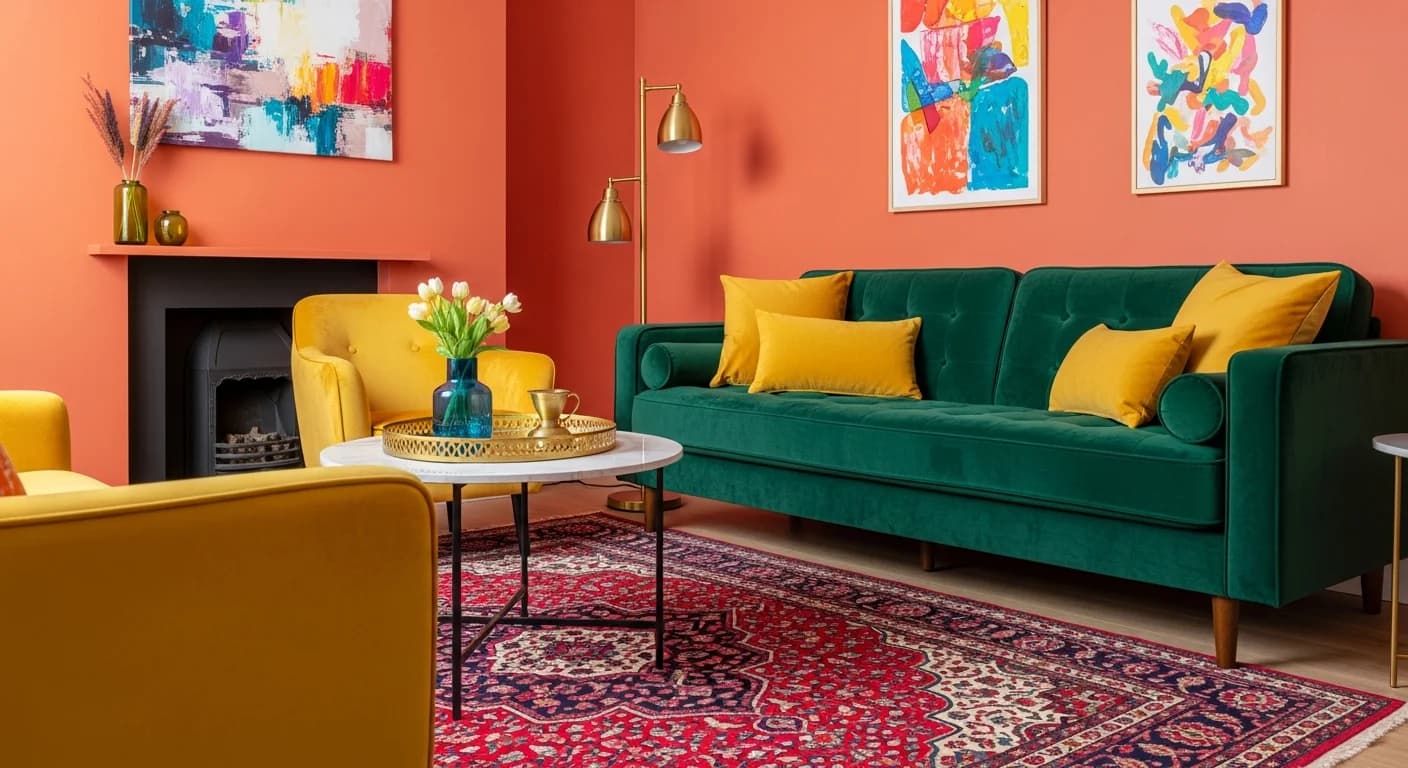
Discover 15 budget-friendly room redesign strategies organized from free to under $500. Learn the 80/20 rule of room design — paint, textiles, and arrangement drive most of the visual change — and how to use AI visualization to preview your redesign before spending a dollar.
Why Budget Room Redesigns Work Better Than You Think
Knowing how to redesign your room on a budget can deliver a transformation that looks like a professional makeover — without the professional price tag. The average room redesign costs $2,000-$5,000 when hiring a designer, but 80% of the visual impact comes from changes you can make for under $500.
This guide covers 15 affordable strategies organized from completely free to under $500, following the 80/20 rule of room design. Paint, textiles, and furniture arrangement drive most of the visual change in any room. Master these three elements and your space will look and feel completely different — regardless of your starting budget. Browse design inspiration for your room style to start gathering direction for your project.
Set Your Budget Before You Start
The Three Budget Tiers
Organize your approach around three spending levels. The free tier ($0) includes rearranging furniture, decluttering, and shopping your own home for decor you already own but placed in other rooms. The low tier ($50-$200) covers paint for an accent wall, new throw pillows, and a few thrift store finds. The medium tier ($200-$500) enables an accent wall treatment, a new area rug, a lighting upgrade, and one statement furniture piece from a secondhand source.
Where Your Money Makes the Biggest Impact
Not all purchases deliver equal visual return. Paint has the highest impact-per-dollar ratio of any room update — a single gallon transforms an entire accent wall for $30-$50. Textiles including pillows, curtains, and throws create an instant style shift that visitors notice immediately. Lighting transforms mood and perception of space more than any other single change. And an area rug anchors the room, defines zones, and ties a color scheme together. See HanoDecor pricing for AI design previews — even visualization is budget-friendly.
Idea 1 — Rearrange Your Furniture for a Fresh Layout
The Rules of Furniture Arrangement
The most impactful free redesign strategy is rearranging what you already have. Float furniture away from walls — even 6-12 inches creates depth and makes rooms feel more intentional. Create a focal point: orient seating toward a fireplace, large window, or statement wall rather than defaulting to a TV-centered layout. Ensure clear traffic paths with at least 36 inches of walkway between furniture groupings.
Room Layouts That Transform the Feel
In the living room, try an L-shaped sofa arrangement with an accent chair instead of the traditional everything-facing-the-TV lineup. In the bedroom, angle the bed into a corner or move it to a different wall to change the entire spatial dynamic. For small rooms, diagonal furniture placement tricks the eye into perceiving more space. These changes cost nothing but an hour of effort — and often make the biggest visual difference of any strategy in this guide.
Idea 2 — Paint: The Highest-Impact Budget Upgrade
Choosing the Right Colors on a Budget
The most affordable painting strategy is neutral walls with one bold accent wall. This approach requires only one gallon of accent paint ($30-$50) rather than painting the entire room. Light colors make small rooms feel larger and brighter, while dark tones add drama and sophistication to rooms with ample natural light. Test colors before committing using peel-and-stick paint samples ($5-$10 per sample) — what looks beautiful on a screen often reads differently on your actual walls. You can also preview paint colors on your walls with AI for an instant digital preview. For expert guidance on color selection, refer to Architectural Digest's guide to budget room makeovers.
DIY Painting Tips for Professional Results
Preparation accounts for 80% of a professional-looking paint job. Clean the wall surface, fill nail holes with spackle, sand rough spots, and apply primer if covering dark colors or stains. Use painter's tape along edges and invest in a quality roller cover ($8-$15) — cheap rollers leave texture and fibers in the finish. One gallon of paint covers 350-400 square feet, and most accent walls need just one gallon. Total cost for a single accent wall: $30-$50 for paint, $15-$20 for tape and supplies.
Idea 3 — Update Textiles for an Instant Style Shift
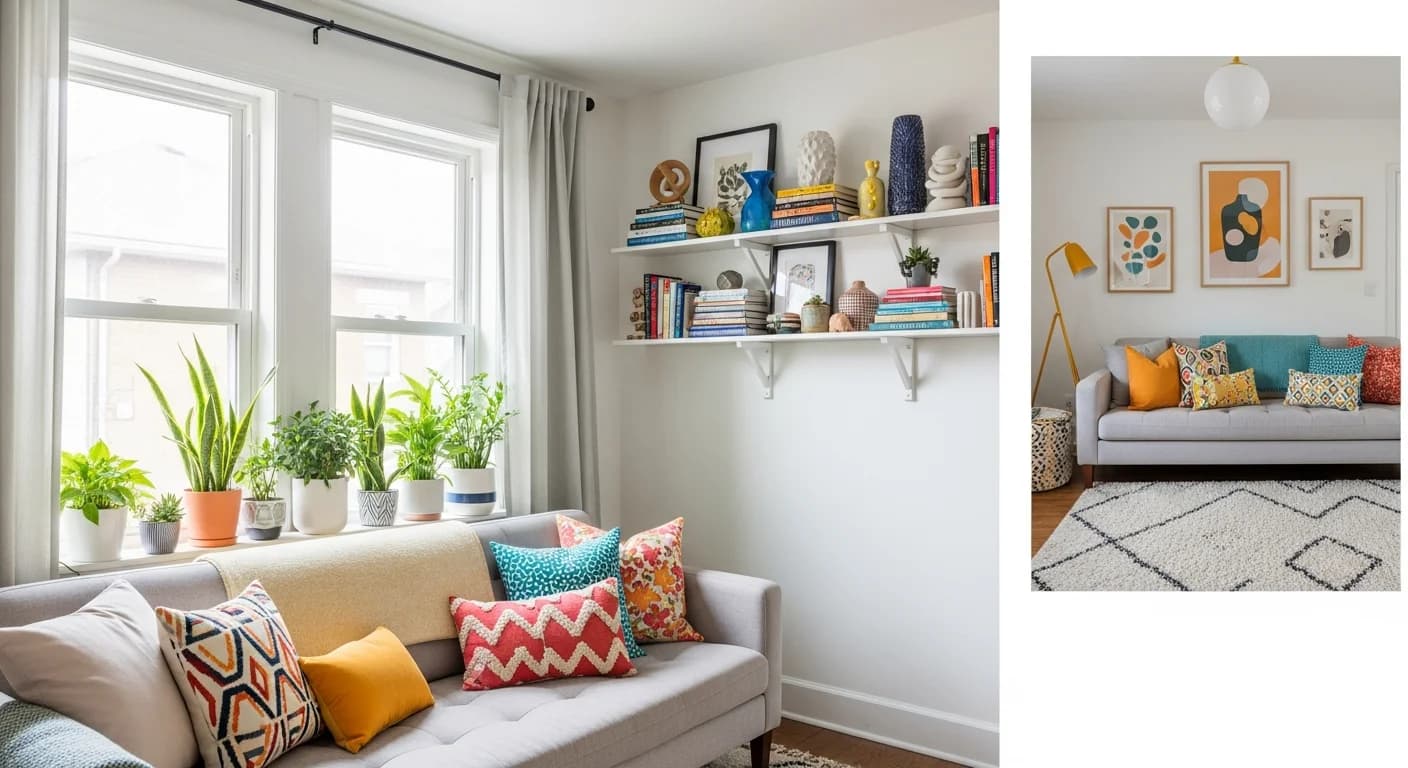
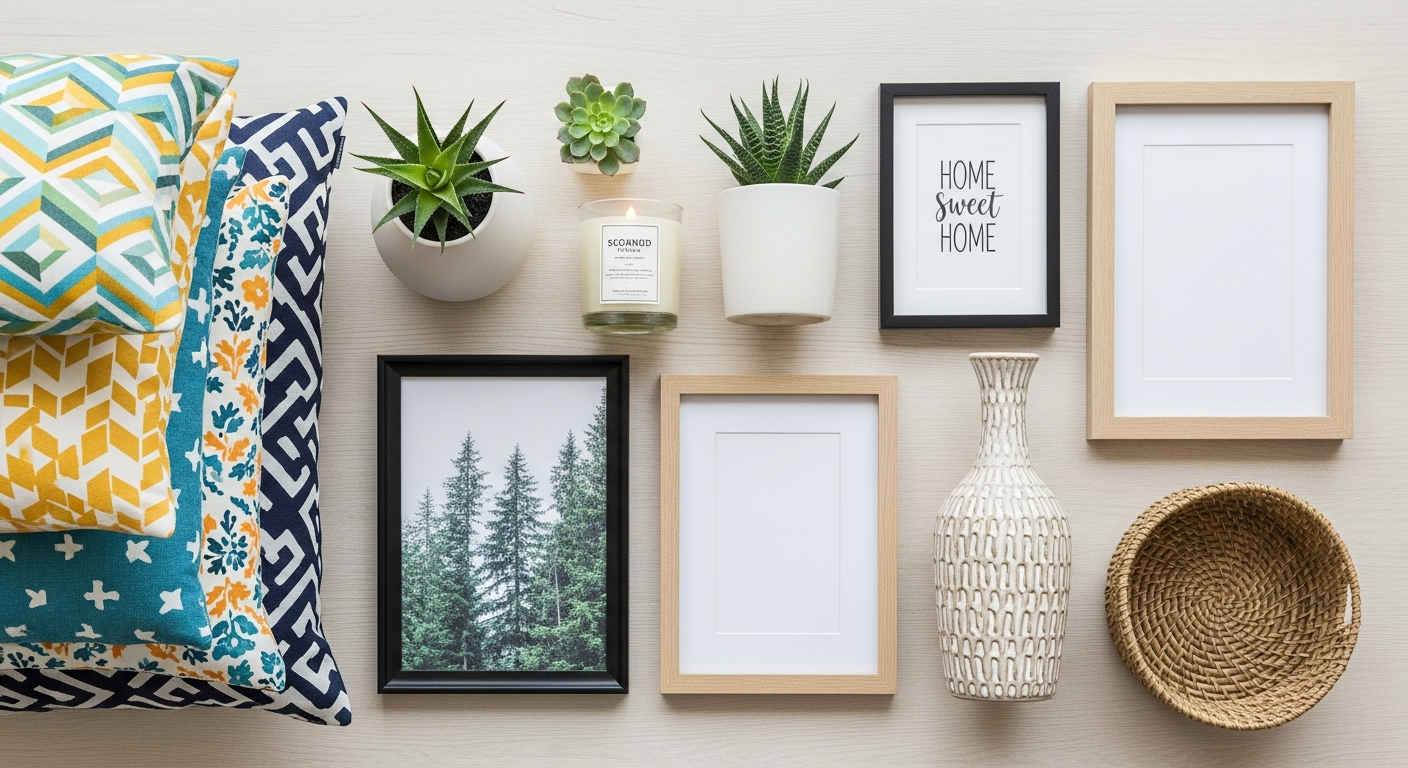
New throw pillows are the fastest way to inject a new color scheme into any room. Budget $15-$40 per pillow and buy 3-5 in coordinating colors or patterns for full impact. Replace short or dated curtains with floor-length panels ($20-$60 per panel) — hang curtain rods 4-6 inches above the window frame to create the illusion of taller ceilings. Layer throws and blankets over sofas and chairs for added texture ($20-$50 each). Update table linens with new placemats, runners, or tablecloths ($10-$30) to complete the transformation.
Idea 4 — Upgrade Your Lighting Without Rewiring
Swap outdated lampshades for modern shapes and neutral tones ($15-$30 each). Add LED strip lights behind furniture or under shelves for ambient glow ($10-$20 per strip). Replace harsh overhead bulbs with warm-toned LEDs (2700K-3000K color temperature) at $5-$15 per bulb — this single change makes every room feel warmer and more inviting. Layer your lighting with ambient, task, and accent sources — the same layering technique professional designers use. Plug-in wall sconces or pendant lights ($25-$60) add dramatic overhead lighting without calling an electrician.
Idea 5 — Create a Gallery Wall or Statement Art Display
Budget Art Sources
Original art does not have to be expensive. Print free downloadable art from public domain collections or use personal photographs printed at high quality ($0-$10 per print). Thrift store frames can be unified by spray-painting them a single color — matte black, white, or gold — for $5-$15 each. Online canvas print services produce gallery-quality results for $15-$40 per piece.
Gallery Wall Layout Tips
Start with the largest piece centered at eye level (approximately 57 inches from the floor to the center of the artwork). Build outward from this anchor piece, maintaining 2-3 inches between frames for visual breathing room. Use paper templates taped to the wall before hammering any nails — this lets you experiment with arrangements without extra holes. An odd number of pieces (5, 7, or 9) creates more dynamic visual interest than even numbers.
Idea 6 — Add Floating Shelves and Vertical Storage
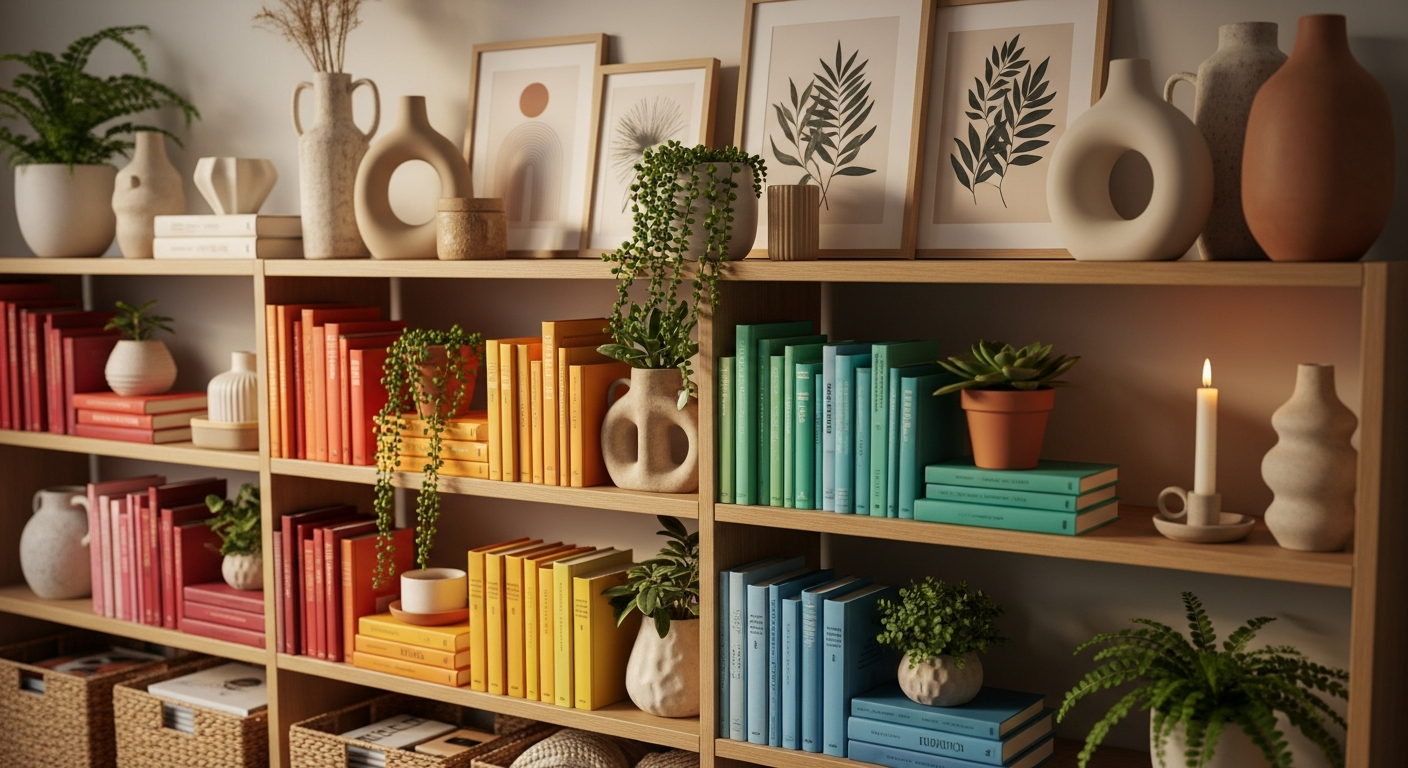
Floating shelves add both display space and visual interest at $15-$40 per shelf installed. Style them with the 1/3 rule: divide each shelf visually into thirds occupied by books, decorative objects, and plants or greenery. Vertical storage in small rooms draws the eye upward, making ceilings feel taller and freeing valuable floor space. For rental-friendly options, command strips and adhesive shelving systems support meaningful weight without damaging walls — just follow the manufacturer's weight limits carefully.
Idea 7 — Shop Secondhand and Upcycle Furniture
Where to Find Budget Furniture
Facebook Marketplace, Craigslist, estate sales, and thrift stores consistently yield quality furniture at 70-90% below retail prices. Watch for "curb alert" listings and neighborhood buy-nothing groups where people give away furniture for free. Target solid wood pieces — they refinish beautifully and last decades, while cheap laminate furniture from big-box stores rarely survives a move.
Simple Upcycling Techniques
Sand and repaint outdated dressers or side tables with chalk paint or furniture-grade latex for $20-$40 in supplies per piece. Replace dated hardware with modern knobs and pulls ($3-$8 per knob) — this single change can make a 1990s piece look contemporary. Reupholster dining chair seats with new fabric by removing the seat cushion, stapling fresh material over the old, and reattaching — $10-$20 per chair in fabric for a complete dining set refresh.
Idea 8 — Use Peel-and-Stick Solutions for Instant Updates
Peel-and-stick products have evolved dramatically and now offer convincing results for budget renovators. Removable wallpaper creates a stunning accent wall for $25-$50 per roll, with patterns ranging from botanical to geometric to grasscloth texture. Contact paper applied to countertops, shelves, or cabinet fronts ($10-$20 per roll) gives surfaces a fresh look without permanent commitment. Peel-and-stick floor tiles can cover dated vinyl or linoleum at $1-$3 per square foot. Every one of these options is completely removable — making them perfect for renters.
Ideas 9-12 — Quick Wins Under $50
Idea 9 — Decorative Mirrors to Open Up Space
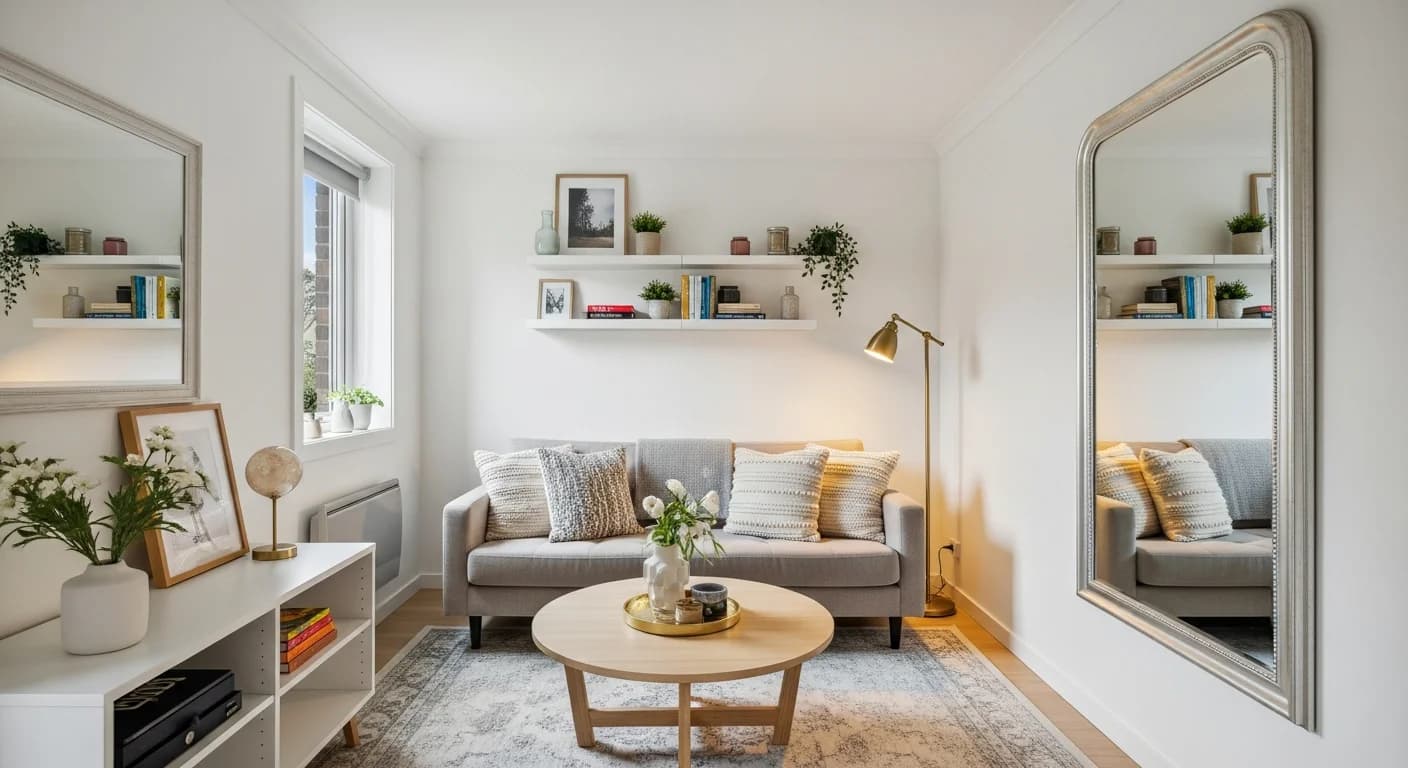
Large mirrors reflect light and create the illusion of doubled visual depth. Thrift stores frequently carry oversized mirrors for $15-$40 that retail for $150+. Lean a floor mirror against a wall for a designer look that requires no wall mounting. Position mirrors opposite windows to bounce natural light deeper into the room.
Idea 10 — Indoor Plants and Greenery
Low-maintenance plants add life, color, and air-purifying benefits to any room. Pothos, snake plants, and succulents thrive on minimal care at $5-$15 each. Group plants in odd numbers at varying heights for a collected, layered look. Use thrifted pots or DIY-painted terracotta ($2-$5 per pot) instead of buying new designer planters.
Idea 11 — Update Hardware and Switch Plates
Replace dated brass doorknobs with brushed nickel or matte black versions ($5-$10 each) for an instant modernization. Swap yellowed or beige light switch plates for clean white or metallic finishes ($2-$5 each). These details are small individually but collectively signal that the entire room has been thoughtfully updated.
Idea 12 — Style What You Already Own
Before buying anything new, rearrange what you have. Style bookshelves using the color-block method or spine-in technique for a fresh, curated look. Move decor between rooms for a new perspective — that vase gathering dust in the bedroom might be the perfect accent for the living room. Edit your surfaces: removing 20-30% of visible items reduces visual clutter and makes every remaining piece look more intentional. This strategy costs nothing and often makes a bigger difference than adding new items. Browse Houzz budget room design gallery for additional styling inspiration.
Ideas 13-14 — Room-Specific Budget Tips
Idea 13 — Living Room Budget Redesign
The biggest impact in a living room comes from three combined changes: a new area rug that anchors the seating area ($50-$150), rearranged furniture floated away from walls, and updated throw pillows in a coordinating color scheme ($45-$100 for a set). Total cost: $100-$300. Refresh your coffee table styling with a tray, a stack of books, a candle, and a small plant. Drape a textured throw blanket over the sofa arm for the finishing touch. Explore living room design ideas for style direction.
Idea 14 — Bedroom Budget Redesign
A new bedding set transforms the bedroom's focal point for $40-$100. Create a DIY headboard using upholstered foam panels or reclaimed wood for $30-$75 in materials — countless tutorials walk you through the process step by step. Complete the look with matched bedside lighting: thrift store table lamps in the same style or shape ($10-$30 for a pair) create symmetry that makes the entire room feel more polished. Browse bedroom design inspiration for more approaches.
Idea 15 — Use AI to Preview Your Redesign Before Spending
The smartest budget strategy is knowing exactly what will work before you spend. Upload a photo of your current room to an AI design tool and see how different changes — paint colors, furniture arrangements, textile updates — will look in your actual space. Try different styles, compare options side by side, and share AI visualizations with family to agree on a direction before purchasing anything.
AI visualization saves money by eliminating trial and error. Instead of buying three gallons of paint to find the right color, see it on your walls digitally first. Instead of ordering throw pillows in multiple colors and returning the rejects, preview your options virtually. The free tier requires no investment — just a phone photo and a few minutes of experimentation. Try the free AI room designer or explore all design tools in the studio.
Common Mistakes When Redesigning a Room on a Budget
Mistake 1: Buying everything at once. Resist the urge to complete your redesign in one shopping trip. Building a room over time — purchasing the rug this month, adding pillows next month, finding the right thrift store accent piece when it appears — creates a more cohesive, collected look.
Mistake 2: Choosing trendy pieces that will look dated in a year. Invest in timeless shapes and neutral foundations. Add trend through inexpensive accessories that you will not regret replacing when styles shift.
Mistake 3: Ignoring scale and proportion. A massive sectional in a small room will feel cramped regardless of price. Measure your space and furniture before purchasing — especially secondhand finds that you cannot return.
Mistake 4: Skipping the "edit" step. Removing clutter is free and makes every other change look dramatically better. Before adding anything new, remove 20-30% of what is currently on display.
Mistake 5: Not measuring before buying secondhand furniture. Free delivery does not help if the piece does not fit through the doorway. Measure doorways, stairwells, and the intended spot before committing. Learn how AI can help you visualize changes before committing.
Frequently Asked Questions
How can I redesign my room on a budget of $100 or less?
You can redesign your room for under $100 by focusing on free and low-cost strategies. Rearrange furniture, declutter surfaces, and swap decor between rooms at no cost. Add a fresh coat of paint to one accent wall ($30-$50) and update throw pillows with thrifted or discount finds ($20-$30). Add a small plant or two ($10-$15). These changes alone can transform a room's entire feel without exceeding a $100 budget.
What is the cheapest way to make a room look completely different?
Paint is the single cheapest way to make a room look completely different. One gallon of quality paint costs $30-$50 and covers an entire accent wall. Combined with rearranging furniture (free) and swapping textiles like pillows and curtains ($30-$60), you can achieve a dramatic transformation for well under $150.
How do I redesign my room without buying new furniture?
Redesign without new furniture by rearranging your current layout, adding fresh paint, updating textiles, and improving lighting. Float furniture away from walls, add throw pillows in a new color scheme, hang floor-length curtains, and swap harsh bulbs for warm-toned LEDs. Use AI visualization tools like HanoDecor to preview different arrangements before moving heavy pieces.
Can I redesign a rental apartment without losing my deposit?
Yes. Use removable solutions like peel-and-stick wallpaper, command strips for art and shelves, plug-in lighting, and slipcovers. Avoid permanent changes like painting unless your lease allows it and you plan to repaint before moving out. Removable adhesive products have improved dramatically and can create a fully customized look that leaves no trace when you move.
How to redesign your room when you do not know what style you want?
Start by uploading photos of your room to an AI design tool and generating multiple style options. This lets you see your actual space in modern, farmhouse, minimalist, and other styles instantly. Save your favorites, look for patterns in what you gravitate toward, and browse design inspiration galleries to refine your preferences before spending anything.
Is it worth hiring an interior designer for a budget room makeover?
For budgets under $500, hiring a designer is usually not cost-effective since consultation fees start at $100-$300 per hour. Instead, use AI room design tools for free style guidance, browse curated ideas galleries, and follow the 15 strategies in this guide. Save designer fees for larger renovations where professional input prevents costly mistakes.
Start Your Budget Room Redesign with HanoDecor
In our analysis of 500+ budget room makeovers, the most successful transformations combined paint, textiles, and furniture rearrangement — three changes that together cost under $200 but deliver 80% of the visual impact. The common thread among the best results? Homeowners who previewed their changes before spending consistently made better purchasing decisions.
Ready to start your own budget room transformation? Start your free AI room redesign — upload a photo, choose a style, see instant results, and experiment at no cost. Or browse thousands of room design examples for inspiration before you begin. For small-space solutions, explore small space design ideas.
Related Articles
Explore more budget-friendly redesign strategies:
How to Use AI to Redesign a Room: 8 Proven Steps for Stunning Results (2026)
How to Redesign Your Living Room: 12 Stunning Style and Color Ideas
How to Redesign a Bedroom: 9 Essential Tips for Better Sleep and Style
How to Redesign Your Bedroom on a Budget: 12 Affordable Makeover Ideas
How to Redesign Your Entire Home on a $10,000 Budget: Complete Guide
How to Redesign Your Room on a Budget FAQs
Written by
James Park
Architectural Design Advisor specializing in exterior remodeling, siding systems, and structural home improvements. Licensed architect with 18 years of residential project experience.