How to Redesign Your Entire Home on a $10,000 Budget: Complete Guide
Quick Summary
A comprehensive guide to redesigning your entire home on a $10,000 budget. Covers room-by-room budget allocation, priority spending frameworks, DIY strategies for maximum impact, and smart material choices that stretch every dollar across living rooms, kitchens, bathrooms, and bedrooms.
How to Redesign Your Entire Home on a $10,000 Budget: Complete Guide
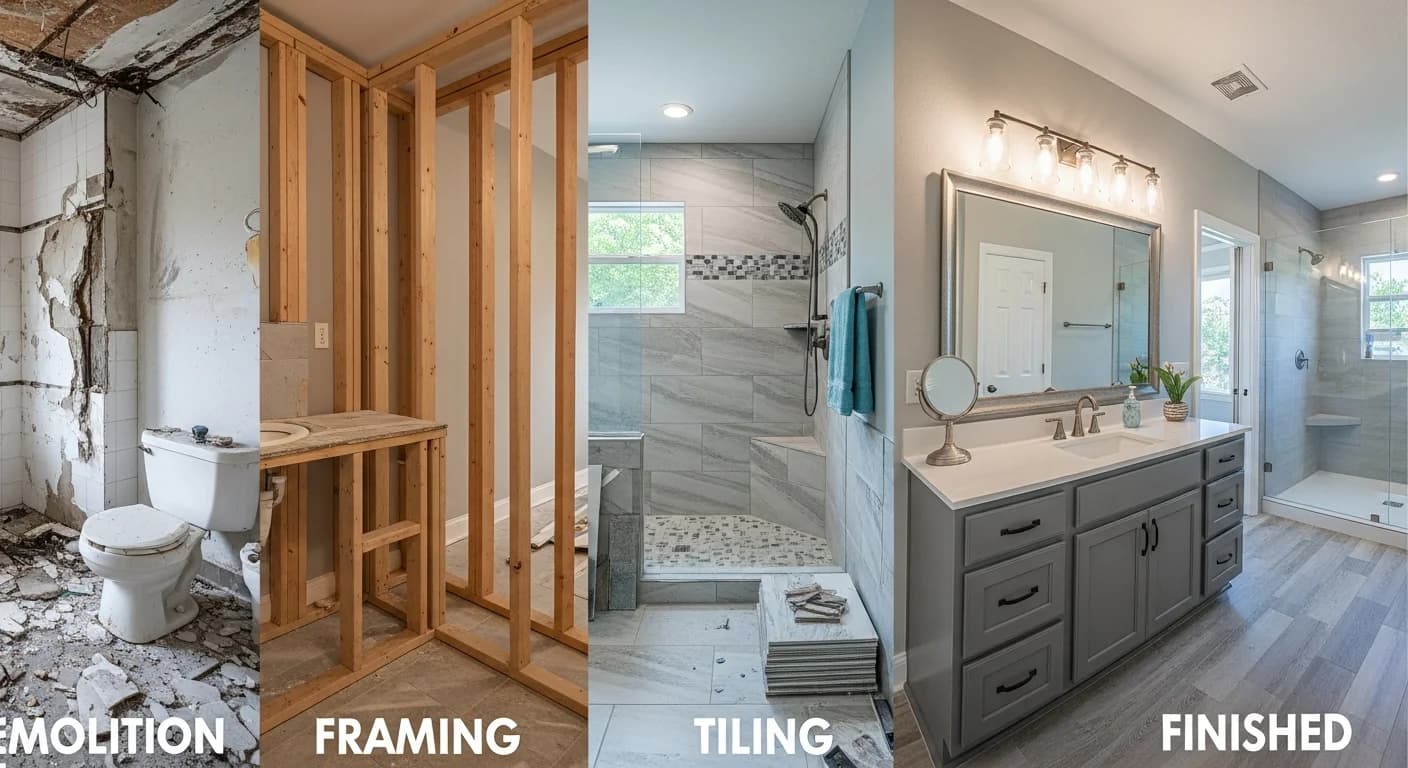
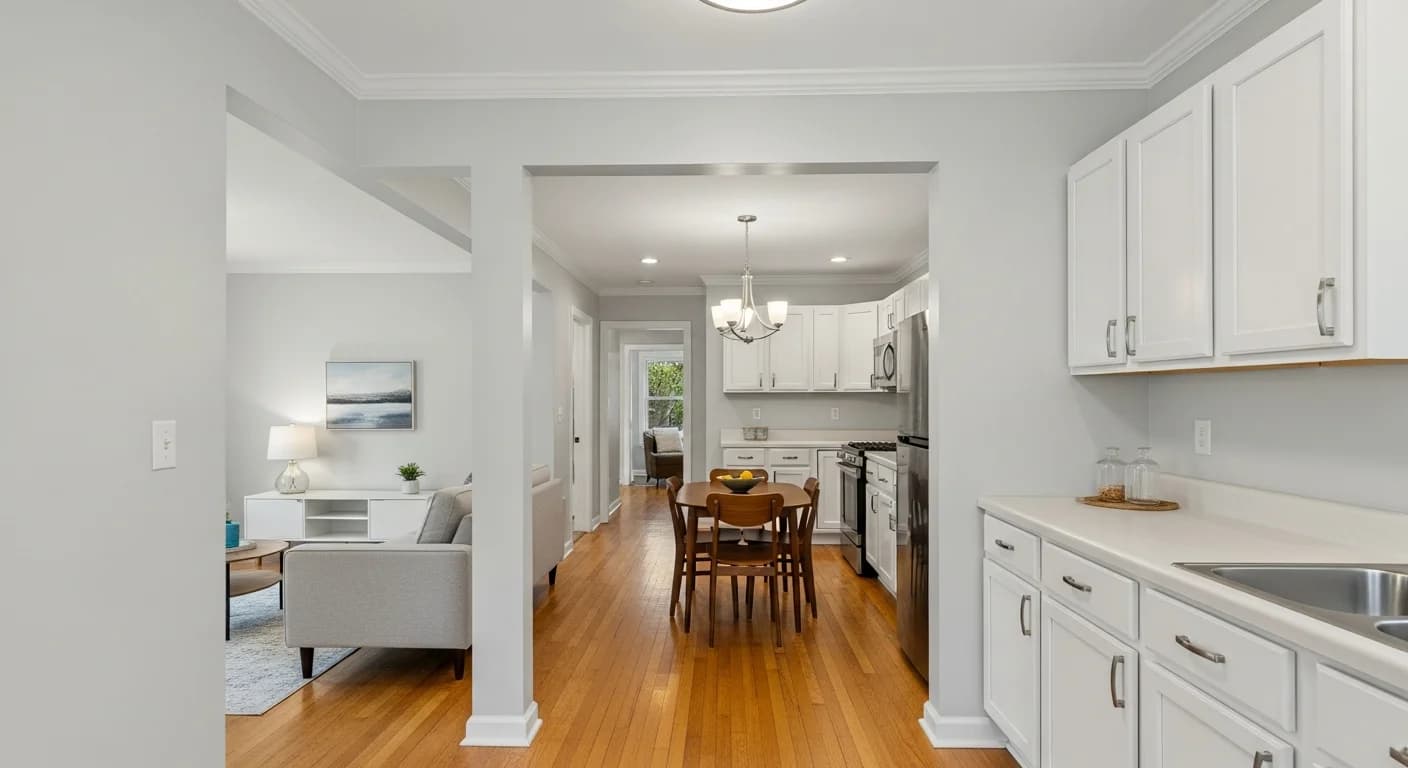
Redesigning your entire home on a $10,000 budget sounds ambitious — because it is. But with strategic planning, smart material choices, and a willingness to handle some work yourself, ten thousand dollars can transform every room in your house from dated and disconnected to cohesive and modern. The secret isn't spending more — it's spending smarter.
The average whole-house renovation costs between $40,000 and $150,000 when contractors handle everything. But homeowners who prioritize high-impact changes, use budget-friendly materials, and tackle cosmetic updates themselves can achieve dramatic results for a fraction of that cost. This guide breaks down exactly how to allocate a $10,000 budget across every room, which upgrades deliver the most visual impact per dollar, and where professional help is worth the investment versus where DIY saves thousands.
Why $10,000 Is a Realistic Whole-Home Budget
Ten thousand dollars won't cover a gut renovation of any single room — but it isn't meant to. A $10,000 whole-home redesign focuses on cosmetic and semi-structural changes that dramatically alter how your home looks and feels without ripping everything down to the studs. Think of it as a strategic refresh rather than a complete rebuild.
At this budget level, you're working with paint, hardware, lighting, flooring overlays, fixture swaps, and targeted upgrades in the rooms that matter most. According to the National Association of Realtors, cosmetic renovations return 75-100% of their cost at resale, compared to 50-70% for major structural renovations. That means your $10,000 budget-conscious redesign can actually deliver better return on investment than spending $50,000 on a single kitchen gut job.
Before you start spending, use a whole-house remodel visualizer to preview changes room by room. Seeing photorealistic renderings of your actual spaces with new paint colors, flooring, and fixtures helps you commit confidently — and avoid expensive regrets.
The Budget Allocation Framework: Where to Spend Your $10,000
The biggest mistake homeowners make with a limited whole-home budget is spreading money evenly across every room. Not all rooms deliver equal impact. Your kitchen, living room, and primary bathroom are the spaces you spend the most time in and the spaces guests notice first. They deserve a larger share of the budget.
| Room / Category | Budget Allocation | Amount | Key Changes |
|---|---|---|---|
| Kitchen | 25% | $2,500 | Cabinet painting, hardware, backsplash, lighting |
| Living Room | 20% | $2,000 | Paint, lighting, accent wall, furniture rearrangement |
| Primary Bathroom | 18% | $1,800 | Vanity swap, mirror, fixtures, paint, accessories |
| Primary Bedroom | 10% | $1,000 | Paint, lighting, window treatments, headboard |
| Hallways & Entryway | 7% | $700 | Paint, lighting, flooring transition, storage |
| Secondary Rooms | 8% | $800 | Paint, hardware updates, light fixtures |
| Whole-Home Flooring | 7% | $700 | Peel-and-stick or floating vinyl in key areas |
| Contingency | 5% | $500 | Unexpected repairs, additional supplies |
This framework is flexible. If your bathroom is in worse shape than your kitchen, shift the percentages accordingly. The key principle is concentrating more dollars in the rooms that will deliver the biggest visual and functional improvement. For a deeper look at room-by-room strategy, read our guide on how to redesign your house room by room.
Kitchen Redesign on $2,500: Maximum Impact Strategies
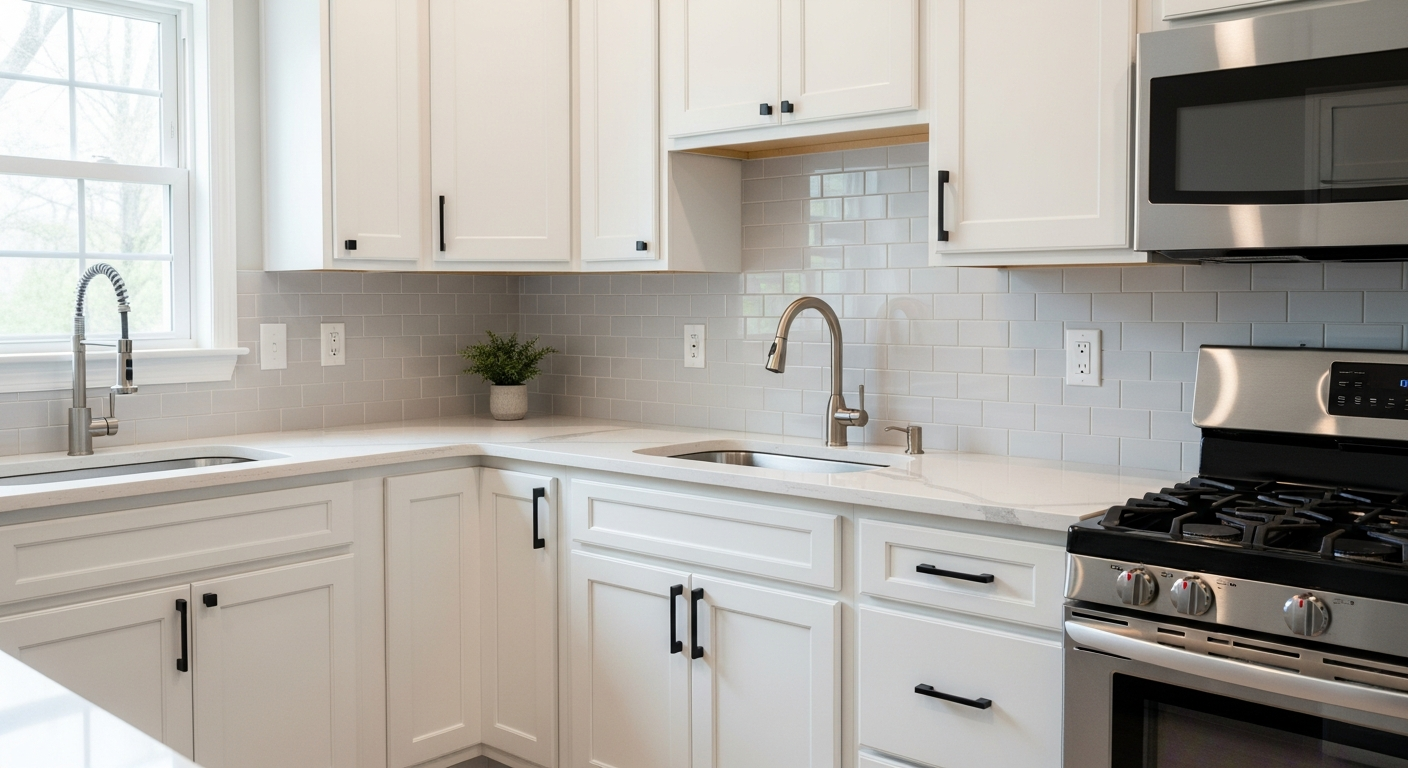
The kitchen is the heart of your home and the room where budget-conscious redesign delivers the most dramatic transformation. At $2,500, you can't replace cabinets or install new countertops — but you can make the kitchen look and feel completely different.
Paint Your Cabinets ($300-$600)
Cabinet painting is the single highest-impact, lowest-cost kitchen upgrade. Dark, dated oak or cherry cabinets transformed to crisp white, soft gray, or sage green instantly modernize the entire room. Use a high-quality cabinet-grade paint like Benjamin Moore Advance or Sherwin-Williams Emerald Urethane. Sand, prime, and apply two coats for a factory-smooth finish. This is a DIY project that takes a weekend and saves $3,000-$5,000 compared to professional cabinet painting.
Replace Hardware ($100-$200)
New cabinet pulls and knobs cost $2-$5 each and take minutes to install. Switching from brass-toned builder-grade hardware to matte black, brushed nickel, or brushed gold pulls creates an instant style upgrade. Choose a finish that coordinates with your faucet and lighting fixtures for a cohesive look. Budget approximately 30-40 pieces for an average kitchen.
Install a Peel-and-Stick Backsplash ($150-$300)
Modern peel-and-stick tile has come a long way from the flimsy versions of a decade ago. Today's options from brands like Tic Tac Tiles and Art3d feature realistic subway tile, marble, and geometric patterns that look convincing and hold up well. Installation requires no special tools — just a utility knife, level, and a clean wall surface. This is one of the best budget kitchen upgrades available.
Upgrade Light Fixtures ($200-$400)
Replacing a dated fluorescent ceiling box with pendant lights over the island, a semi-flush mount over the sink area, and under-cabinet LED strips transforms the kitchen's ambiance. LED strip lighting under upper cabinets costs as little as $30 for a full kitchen and eliminates shadowy countertops. Pendant lights from retailers like Amazon, Wayfair, or Home Depot run $40-$80 each. For a complete breakdown of kitchen costs, see our guide on how much it costs to redesign a kitchen.
Living Room Redesign on $2,000: Creating Visual Impact
The living room is where your family gathers and where guests form their first impression of your home's interior. A $2,000 living room redesign focuses on the elements that shape the room's overall feel — wall color, lighting, and focal points.
Strategic Paint Choices ($200-$400)
Paint is the most cost-effective transformation tool in any room. A gallon of premium paint covers 350-400 square feet and costs $40-$70. For the living room, choose a color that sets the tone for the rest of the home since adjacent rooms and hallways should flow naturally from this palette. Warm neutrals like greige (gray-beige), soft white, and warm taupe create sophisticated backdrops that work with any furniture style. Consider a deeper accent wall color on the fireplace wall or behind the TV to create depth and focus.
Lighting Upgrades ($300-$500)
Most living rooms are underlit, relying on a single overhead fixture and maybe a floor lamp. Layer three types of lighting for a designer-quality result: ambient (overhead or recessed), task (reading lamps, desk lights), and accent (picture lights, LED strips behind shelving, uplighting). Replacing one dated chandelier or ceiling fan light kit with a modern semi-flush or statement pendant costs $60-$150 and changes the entire room's character.
Create a Focal Point ($300-$600)
Every well-designed living room has a clear focal point — a fireplace, a gallery wall, a statement piece of art, or an accent wall. If your living room lacks one, creating a focal point is more impactful than buying new furniture. A wood-plank accent wall using shiplap or reclaimed wood panels costs $200-$500 for a single wall and creates a dramatic anchor for the room. Alternatively, a large-scale piece of artwork ($50-$200 from online printmakers) above the sofa draws the eye and elevates the space.
Rearrange and Edit Furniture ($0-$500)
Before spending money on new furniture, experiment with rearranging what you have. Pull the sofa away from the wall, create a conversation grouping, or float the sofa in the center of the room with a console table behind it. Remove one or two pieces that don't fit the new style. If you do purchase anything, a single statement throw pillow set ($40-$80) and a new area rug ($100-$300 from budget retailers) tie the room together. For more budget-conscious room redesign ideas, check our guide on how to redesign a room on a budget.
Bathroom Redesign on $1,800: Smart Fixture Upgrades
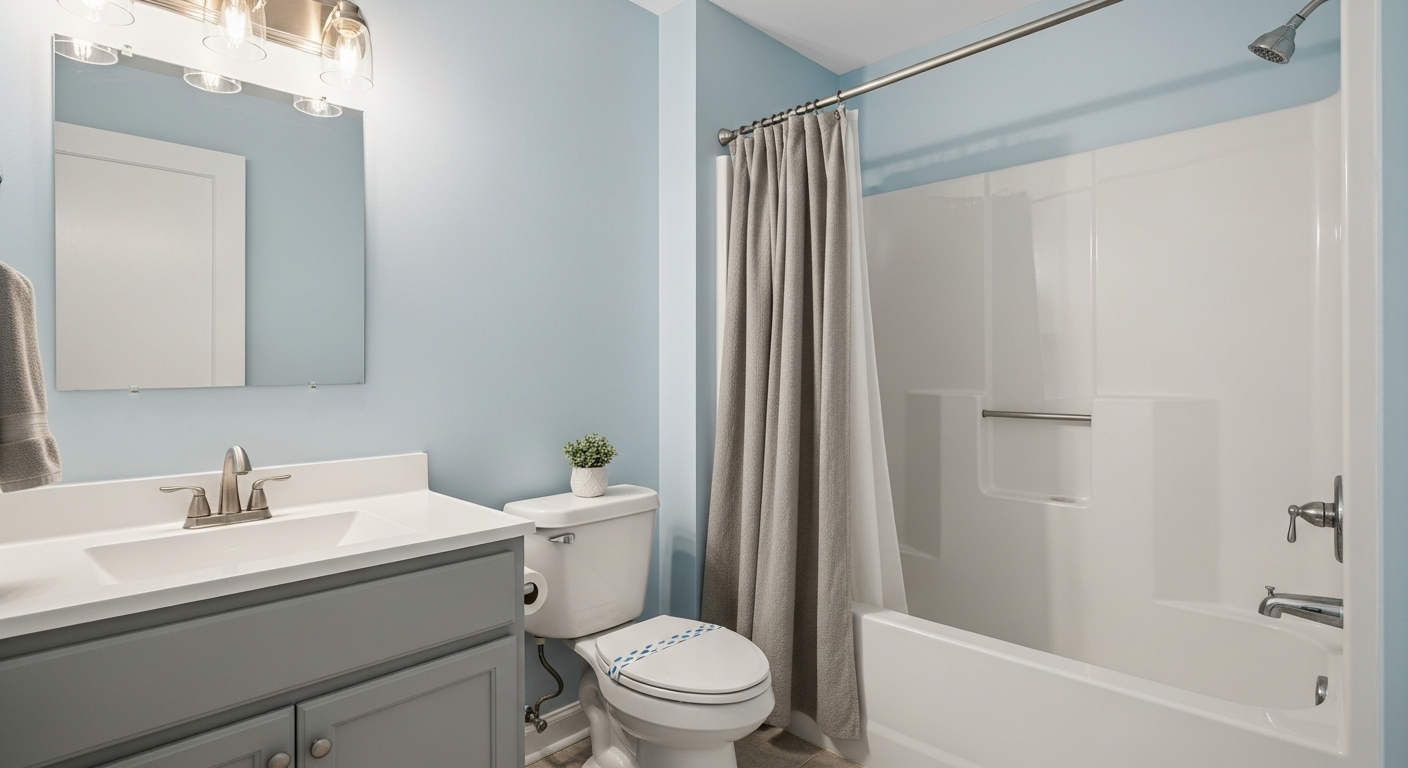
Bathrooms punch above their weight in home redesign because they're small enough that even modest changes are immediately noticeable. An $1,800 budget can transform a dated primary bathroom into a modern, spa-inspired space without replacing tile or relocating plumbing.
Vanity and Mirror Replacement ($500-$900)
A new vanity is the single biggest visual upgrade in a bathroom. Budget-friendly 30-36 inch vanities with integrated tops cost $300-$600 at home improvement stores. Pair it with a frameless or framed mirror ($50-$150) that's wider than the vanity for a modern, expansive look. If the existing vanity is in good structural shape, paint it with cabinet paint and replace just the countertop and hardware — this cuts costs by 60% while achieving a similar transformation.
Fixture and Hardware Swap ($200-$400)
Replace the faucet, towel bars, toilet paper holder, robe hooks, and shower head in a coordinated finish. A full bathroom hardware set in matte black or brushed nickel costs $150-$300 and takes a few hours to install. Upgrading the shower head to a rain-style or handheld model ($40-$100) adds a luxury feel for minimal cost. Match the hardware finish to the kitchen for whole-home design cohesion.
Paint and Accessories ($200-$400)
Use a mildew-resistant bathroom paint in a light, space-expanding color. Soft whites, light blue-grays, and pale greens make small bathrooms feel larger. Add coordinated accessories — a new bath mat, matching towel set, soap dispenser, and a small plant or two — for a finished, intentional look. These details cost $100-$200 total but make the difference between a room that looks renovated and one that looks polished.
Bedroom, Hallway, and Secondary Room Strategies
The remaining $2,500 covers your primary bedroom, hallways, entryway, and secondary bedrooms or spaces. At this budget tier, paint and lighting do the heavy lifting.
Primary Bedroom ($1,000)
Paint the walls in a calming, restful palette — soft blues, warm grays, or muted greens work beautifully in bedrooms. Replace the overhead light fixture with a modern option ($60-$120) and add bedside sconces or table lamps for layered lighting ($40-$80 per lamp). Invest in new window treatments — blackout curtains or woven wood blinds ($80-$200 for a standard window pair) elevate the room significantly. If budget allows, a new headboard ($100-$250 for an upholstered option from budget retailers) becomes the room's focal point.
Hallways and Entryway ($700)
Hallways and the entryway are transition spaces that tie your whole-home redesign together. Paint them in a slightly lighter or complementary shade of the living room color to create visual flow. Replace dated overhead fixtures with flush-mount LEDs ($30-$60 each). Add a statement piece at the entry — a console table, mirror, or hooks and a bench — to make the first impression intentional. If the entryway floor is worn, peel-and-stick luxury vinyl tile ($1-$3 per square foot) creates a clean transition.
Secondary Rooms ($800)
Guest bedrooms, home offices, and other secondary rooms get the lightest touch at this budget level. Paint the walls (one room requires only 1-2 gallons, about $40-$80), swap out light fixtures ($30-$60), and update any visible hardware on doors and closets ($2-$5 per piece). These small changes maintain whole-home design cohesion without consuming disproportionate budget.
Whole-Home Flooring Solutions on a Budget
Flooring is one of the most transformative elements in a home redesign — and one of the most expensive if done traditionally. At a $700 flooring budget, you won't be installing hardwood throughout, but you can make strategic choices that dramatically improve how your floors look and feel.
Luxury vinyl plank (LVP) in click-lock or peel-and-stick formats costs $1-$3 per square foot and installs directly over existing flooring without adhesive or professional help. Seven hundred dollars covers approximately 250-400 square feet — enough for the entryway, hallway, and one main room. Choose a consistent color and pattern throughout to create visual continuity. For rooms you can't afford to re-floor, large area rugs ($60-$150 each) in complementary colors cover worn carpet or dated tile and unify the design.
DIY vs. Professional Help: Where to Draw the Line
On a $10,000 whole-home budget, DIY labor is your biggest cost-saving tool. But not every task should be DIY'd. Here's a clear breakdown of what to handle yourself and what warrants professional help.
| DIY (Save 60-80% on Labor) | Hire a Professional |
|---|---|
| Interior painting (walls and cabinets) | Electrical panel upgrades or new circuits |
| Hardware and fixture swaps | Plumbing beyond simple fixture replacement |
| Peel-and-stick backsplash and flooring | Load-bearing wall modifications |
| Light fixture installation (existing wiring) | Gas line connections or modifications |
| Vanity and mirror installation | Asbestos or lead paint abatement |
| Window treatment hanging | HVAC modifications |
| Furniture refinishing and arrangement | Roof or structural repair |
The general rule: if it involves water, gas, electricity at the panel level, or structural elements, hire a licensed professional. Everything cosmetic — paint, hardware, fixtures, backsplash, flooring overlays, accessories — is fair game for DIY. For a complete guide to handling your redesign without professional help, read our post on how to redesign your home without a contractor.
Creating Whole-Home Design Cohesion
The difference between a house that looks "renovated room by room" and one that looks "professionally redesigned" is cohesion. When you're redesigning your entire home on a budget, maintaining design continuity across rooms is essential — and it costs nothing extra.
Choose a Unified Color Palette
Select three to five colors that flow throughout your home. A typical whole-home palette includes one dominant neutral (for hallways, living room, and bedrooms), one deeper accent (for feature walls and smaller rooms), one warm metallic finish (for hardware and fixtures), and one or two complementary soft tones (for bathrooms and secondary spaces). When every room draws from the same palette, the entire home feels intentional and designed rather than disconnected.
Coordinate Hardware Finishes
One of the easiest ways to create cohesion is using the same hardware finish throughout — or at most, two complementary finishes. If you choose matte black cabinet pulls for the kitchen, use matte black faucets in the bathroom, matte black door handles in the hallway, and matte black light fixtures in the living room. This consistent detail ties rooms together subconsciously even when paint colors and styles vary.
Timeline and Project Sequencing
A whole-home redesign on a $10,000 budget is best executed over 4-8 weekends rather than attempting everything at once. Tackling one room or one category at a time keeps the project manageable and lets you live in the partially updated home without chaos.
Weeks 1-2: Paint all rooms. Buy all paint at once to ensure color consistency and take advantage of bulk pricing. Start with hallways and common areas so the new palette establishes the home's foundation. Weeks 3-4: Kitchen updates — cabinet painting, hardware, backsplash, and lighting. Weeks 5-6: Bathroom vanity, fixtures, and accessories. Weeks 7-8: Bedroom updates, flooring installation in priority areas, and final accessorizing throughout the home. This sequence ensures the most visible rooms are completed first and maintains design cohesion as you work through the house.
Stretching Your Budget: Smart Shopping Strategies
Where and when you buy materials matters as much as what you buy. These strategies can stretch your $10,000 budget 20-30% further.
Shop holiday sales. Memorial Day, Labor Day, Black Friday, and end-of-year clearance events at Home Depot, Lowe's, and Wayfair offer 25-40% off lighting, vanities, and flooring. Plan your purchase timeline around these sales. Check the clearance and as-is sections. Home improvement stores discount discontinued colors, slightly damaged packaging, and floor models heavily. A vanity with a small scratch on the back panel (invisible once installed) might be 50% off. Use Facebook Marketplace and Habitat ReStore. Gently used light fixtures, mirrors, hardware, and even unused paint sell for 30-70% below retail. Habitat for Humanity ReStores carry donated building materials at deep discounts.
Buy paint samples first. At $5-$8 per sample, testing three colors on your wall before committing saves you from buying a gallon of the wrong shade ($40-$70 wasted). Compare material costs across retailers online. The same peel-and-stick tile can vary 40% in price between Amazon, Wayfair, and Home Depot. A quick comparison before purchasing saves hundreds across a whole-home project. For a full cost breakdown, see our guide on how much it costs to redesign a house.

Visualize Before You Spend: Using AI Tools
When your budget is limited, every dollar matters — and costly mistakes are harder to absorb. AI home redesign tools eliminate guesswork by letting you preview changes before spending anything. Upload photos of your actual rooms, apply different paint colors, flooring options, and fixture styles, and see photorealistic renderings of the result.
This approach is especially valuable for a whole-home redesign because you can preview your unified color palette across multiple rooms simultaneously. Will the kitchen cabinet color work with the living room wall color? Does the bathroom vanity style complement the bedroom aesthetic? AI visualization answers these questions in minutes. Try our whole-house remodel visualizer to preview your redesign before purchasing a single item.
Frequently Asked Questions
Can you really redesign an entire home for $10,000?
Yes, but it requires focusing on cosmetic and semi-structural changes rather than gut renovations. A $10,000 whole-home redesign covers paint throughout the house, cabinet refinishing, hardware and fixture upgrades, lighting replacements, a new bathroom vanity, flooring in select areas, and coordinated accessories. You won't replace countertops, install new tile showers, or remodel structural layouts at this budget — but the cumulative effect of strategic cosmetic changes across every room creates a dramatic whole-home transformation.
Which room should I spend the most money on?
The kitchen typically delivers the highest visual impact and return on investment, which is why we recommend allocating 25% of your budget there. The living room and primary bathroom follow closely. However, spend the most where the greatest need exists in your home. If your bathroom is severely outdated while your kitchen is in decent shape, shift more budget to the bathroom. The best room to invest in is the one that currently detracts the most from your home's overall feel.
How long does a whole-home redesign on a budget take?
Working on weekends, expect 4-8 weeks to complete a whole-home redesign. Painting the entire home takes 2-3 weekends. Kitchen and bathroom updates take 1-2 weekends each. Flooring installation, light fixtures, and final accessorizing take another 1-2 weekends. If you can take a week off work and dedicate full days to the project, the entire redesign can be compressed into 10-14 days.
What is the single most impactful change on a limited budget?
Paint. Fresh paint on walls, cabinets, and trim transforms every room for $40-$70 per gallon. A full house can be painted for $500-$1,000 in materials if you do the labor yourself. No other single change delivers as much visual transformation per dollar. After paint, the next highest-impact budget upgrades are light fixtures, cabinet hardware, and bathroom fixtures — in that order.
Should I hire a designer for a $10,000 whole-home project?
A full-service interior designer typically charges $2,000-$10,000 for a whole-home project — which would consume your entire budget. Instead, consider an online design consultation ($100-$300) where a designer reviews your space photos and provides a cohesive color palette, material recommendations, and a prioritized project list. This gives you professional guidance without professional-level fees. AI visualization tools can also serve as a free alternative for testing design ideas across rooms.
What should I avoid when redesigning a home on a tight budget?
Avoid three things: moving plumbing or electrical (this eats budget fast with no visual payoff), buying furniture before finishing structural changes (your new sofa might not suit the room once painted), and choosing trendy finishes over timeless ones (trendy looks date quickly and require re-doing in a few years). Also avoid skipping the contingency fund — unexpected issues like drywall damage behind a mirror or a corroded shut-off valve can derail your budget without a safety net. Keep 5% ($500) in reserve for surprises.
Start Your Whole-Home Transformation Today
Redesigning your entire home on a $10,000 budget is absolutely achievable when you prioritize high-impact changes, maintain design cohesion across rooms, and leverage DIY skills for cosmetic work. The key is planning before spending — mapping your budget allocation, choosing your whole-home color palette, and visualizing the end result before picking up a paintbrush.
Start by uploading photos of your rooms to our whole-house remodel visualizer to preview paint colors, fixture styles, and flooring options across every space. Then follow the room-by-room budget allocation in this guide, shop strategically for materials, and work through the project sequentially. In 4-8 weekends, you'll have a home that looks and feels completely redesigned — all for the price of a single room renovation.
How to Redesign Your Entire Home on a $10,000 Budget FAQs
Written by
Priya Sharma
Priya is an award-winning UX designer who previously led design teams at Airbnb and Pinterest. Her focus on user-centered design ensures that HanoDecor's tools are intuitive and accessible to everyone, regardless of their technical background.