How to Remodel a Bedroom: 8 Construction Upgrades That Transform Your Space
Quick Summary
A practical guide to 8 construction-level bedroom upgrades covering flooring replacement, closet expansion, accent wall installation, recessed lighting, insulation improvements, window upgrades, built-in storage, and ceiling treatments. Includes cost estimates, material comparisons, and project sequencing advice.
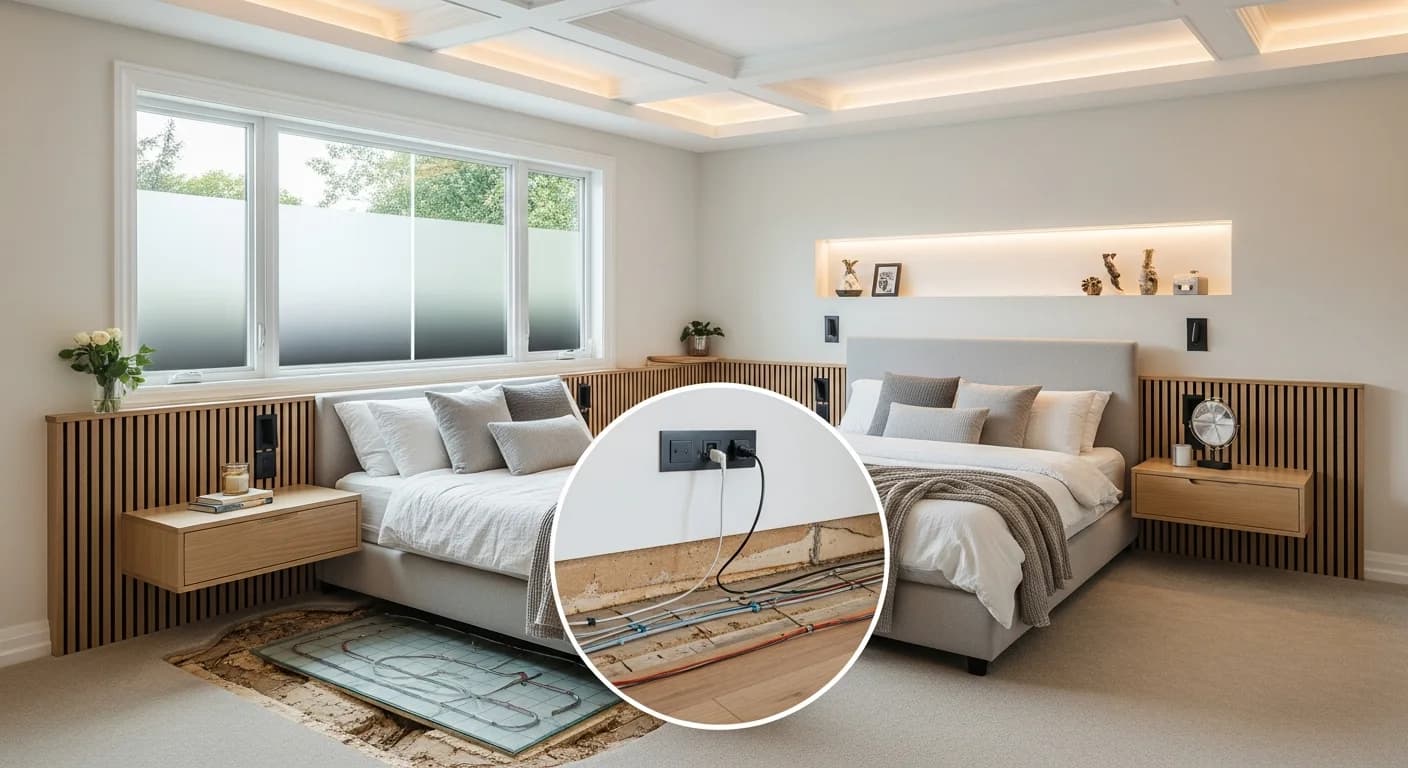
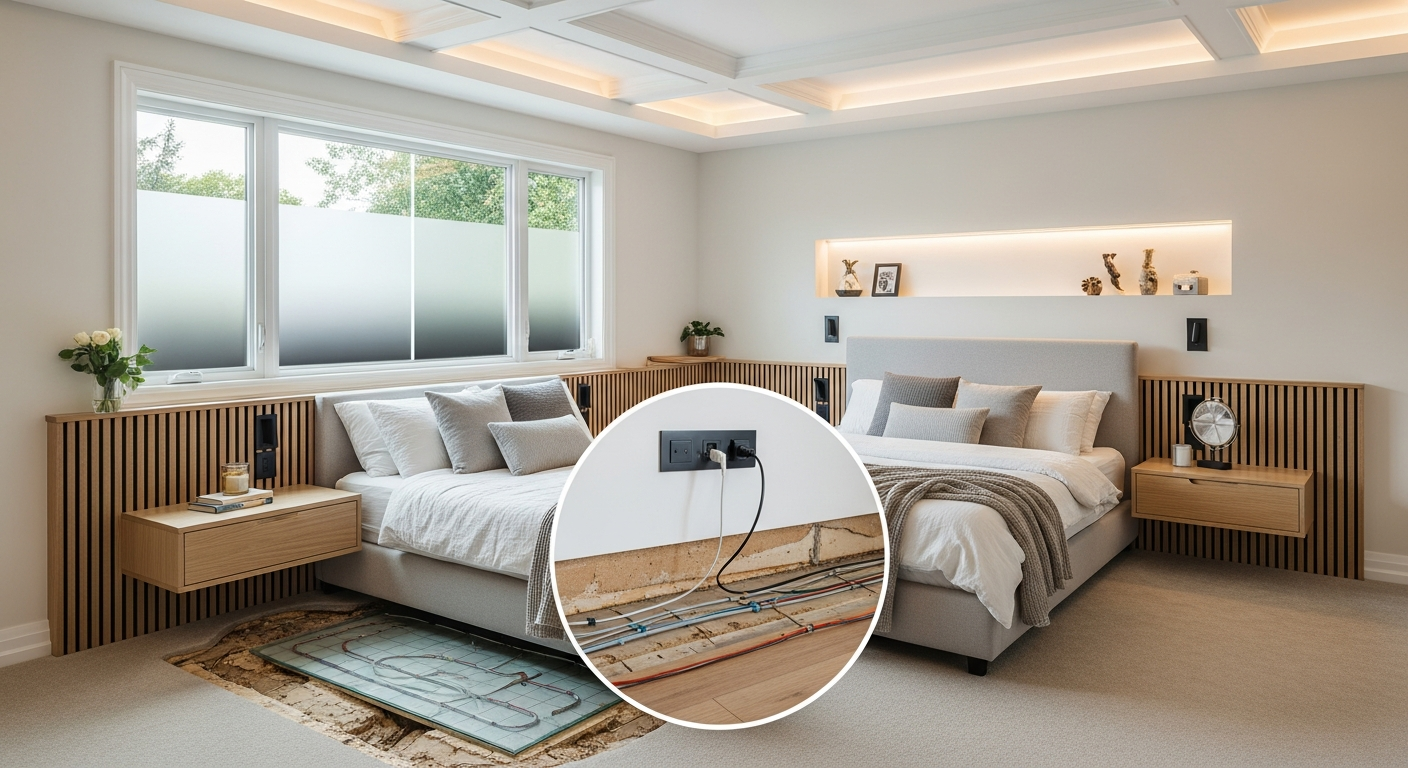
Knowing how to remodel a bedroom means going beyond cosmetic changes to make construction-level improvements that transform your most personal space. The average person spends 8 hours per day in their bedroom — roughly one-third of their life — yet bedrooms receive far less renovation attention than kitchens or bathrooms. A thoughtful bedroom remodel costs $5,000 to $25,000 and delivers improvements you experience every single day, from better sleep quality through improved insulation to more efficient storage through closet expansion.
This guide covers 8 construction upgrades ranked by impact and cost-effectiveness. Each project can stand alone or combine with others for a comprehensive bedroom transformation. Pair these structural improvements with our bedroom decor guide for a complete makeover that addresses both the bones and the beauty of your bedroom.
Upgrade 1 — Flooring Replacement
Replacing worn carpet with hardwood, engineered wood, or luxury vinyl plank is the most impactful single bedroom upgrade. Carpet harbors dust mites, allergens, and pet dander — replacing it can measurably improve indoor air quality and sleep health. Hardwood flooring costs $6 to $12 per square foot for materials plus $3 to $8 for installation. A 200-square-foot bedroom runs $1,800 to $4,000 total for hardwood.
Luxury vinyl plank offers waterproof performance and realistic wood-look finishes at $2 to $7 per square foot installed — ideal for bedrooms adjacent to bathrooms or in humidity-prone climates. Cork flooring ($3 to $7 per square foot installed) provides natural warmth, sound dampening, and hypoallergenic properties, making it an excellent bedroom-specific choice. If existing hardwood is in reasonable condition, refinishing ($3 to $5 per square foot) saves substantially over replacement.
Upgrade 2 — Closet Expansion and Reconfiguration
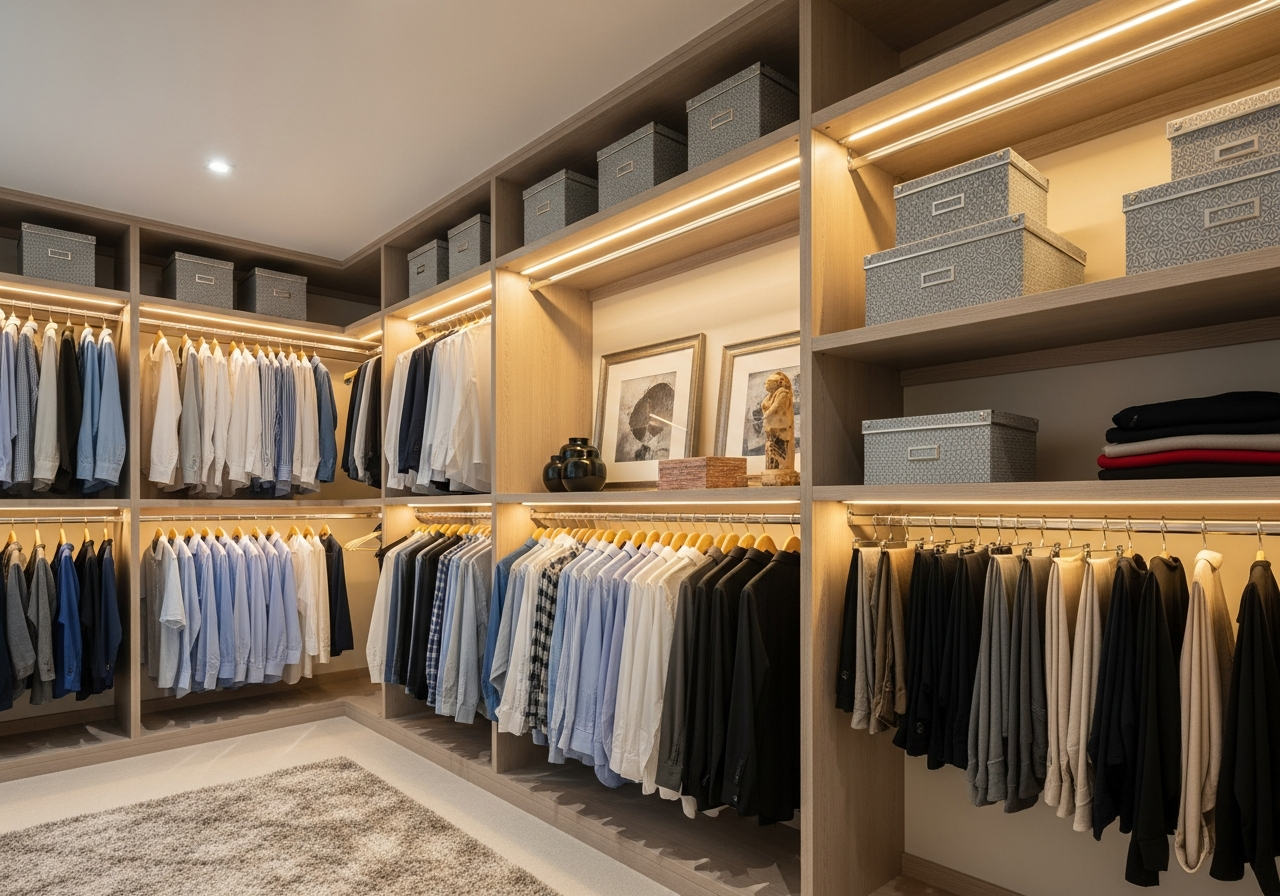
Inadequate closet space is the most common bedroom complaint. Converting a standard 2-by-6-foot reach-in closet to a 6-by-8-foot walk-in requires relocating a wall and typically costs $3,000 to $8,000. If expansion is not possible, reconfiguring the existing closet with a custom organizer system doubles effective storage capacity for $800 to $3,000. Double-hang rods, adjustable shelving, shoe racks, and drawer inserts transform chaotic closets into organized systems.
For reach-in closets, replacing bi-fold doors with sliding barn doors or removing doors entirely for an open-closet concept (with a curtain backup) can make the closet feel more spacious and accessible. Adding closet lighting — either hardwired LED strips or battery-operated motion-sensor lights — costs $50 to $500 and makes a dramatic functional difference. See our detailed closet remodel guide for step-by-step instructions.
Upgrade 3 — Accent Wall Installation
An accent wall behind the headboard creates a focal point that anchors the room's design. Popular accent wall treatments include shiplap ($4 to $8 per square foot installed), reclaimed wood planks ($8 to $15 per square foot), board and batten ($5 to $10 per square foot), upholstered fabric panels ($15 to $40 per square foot), and stone veneer ($10 to $30 per square foot). For a standard 10-by-8-foot wall, materials and installation run $320 to $2,400 depending on the treatment.
DIY-friendly options like peel-and-stick wood panels ($3 to $6 per square foot) and textured wallpaper ($1 to $5 per square foot) provide visual impact at lower cost. Choose accent wall materials that complement your flooring choice — warm wood tones pair well with cool-toned floors and vice versa. The accent wall should be the first thing you see when entering the room, so position it on the wall facing the doorway if possible.
Upgrade 4 — Recessed Lighting and Dimmers
Bedrooms need layered lighting that transitions from bright morning illumination to dim evening ambiance. Replacing a single ceiling fixture with 4 to 6 recessed LED cans costs $500 to $1,500 including wiring. Adding dimmer switches ($50 to $200 per switch) lets you adjust brightness from 100 percent for getting dressed to 10 percent for winding down. Warm white LEDs (2700K to 3000K) create a cozy atmosphere that supports the body's natural sleep rhythm.
Supplement overhead lighting with wall-mounted reading sconces ($100 to $300 each installed) on either side of the headboard, eliminating the need for bedside lamps that consume nightstand space. Under-bed LED strip lighting ($30 to $100) provides safe nighttime navigation without fully waking you up. Smart lighting systems like Lutron Caseta or Philips Hue ($200 to $500 for a bedroom setup) enable voice control and automated schedules.
Upgrade 5 — Insulation and Soundproofing
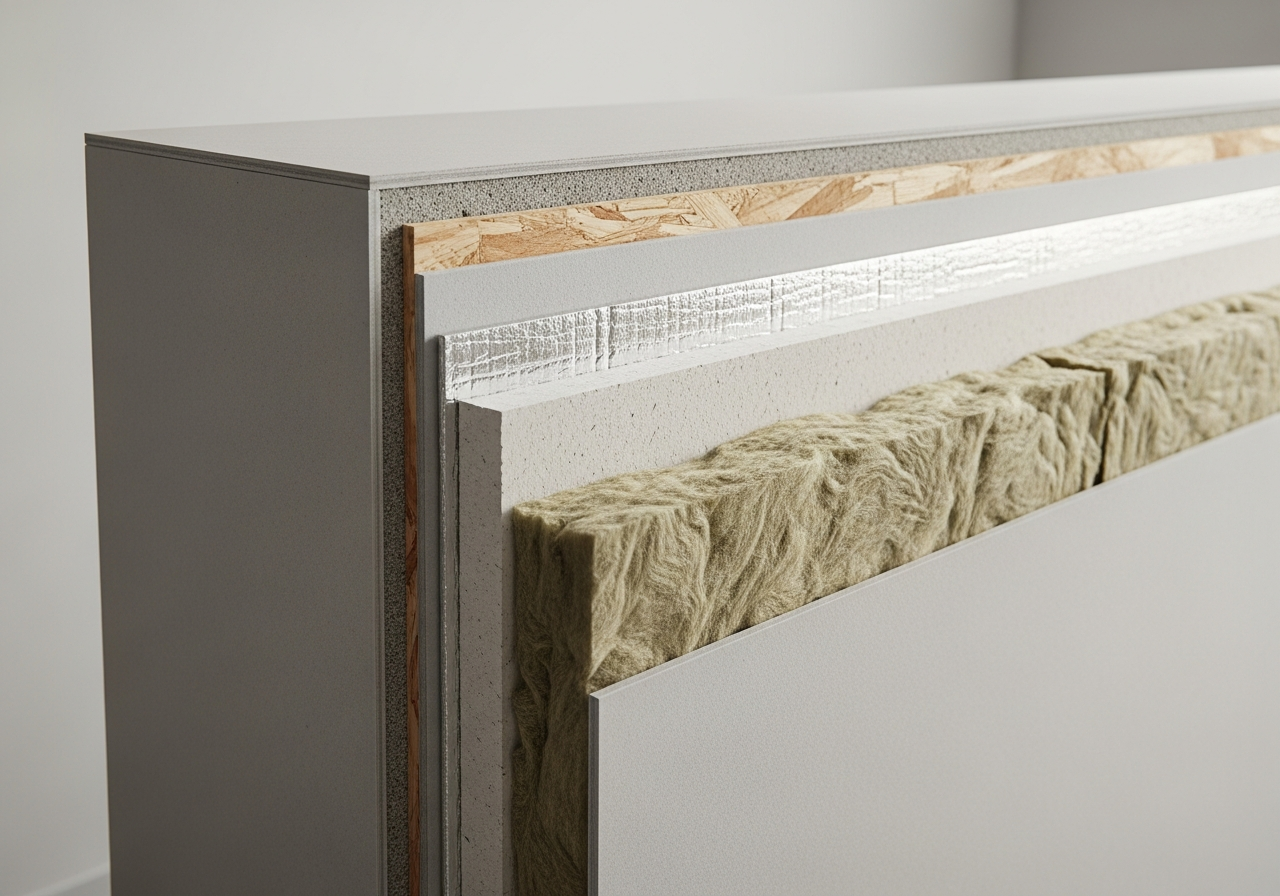
Improving wall and ceiling insulation reduces energy costs, moderates temperature swings, and blocks noise transmission from adjacent rooms or exterior traffic. Adding blown-in cellulose or fiberglass insulation to exterior walls costs $1 to $3 per square foot. For shared interior walls, sound-dampening insulation (Roxul Safe'n'Sound, $0.70 to $1.50 per square foot) combined with resilient channel mounting ($1 to $2 per square foot) and a second layer of drywall significantly reduces sound transmission.
A full bedroom soundproofing project — insulating shared walls, adding mass-loaded vinyl, and installing solid-core doors — costs $2,000 to $5,000 and achieves STC (Sound Transmission Class) ratings of 50 to 55, comparable to luxury hotel rooms. This upgrade is particularly valuable for bedrooms adjacent to living areas, home theaters, or exterior noise sources. The improvement in sleep quality alone justifies the investment for light sleepers.
Upgrade 6 — Window Replacement and Treatments
Replacing single-pane or aluminum-frame windows with double-pane vinyl or fiberglass windows costs $400 to $1,200 per window installed and improves energy efficiency by 25 to 40 percent. New windows also reduce outside noise transmission by 50 to 70 percent. For bedrooms, consider triple-pane windows ($600 to $1,500 per window) for maximum sound and thermal performance, especially on street-facing walls.
Pair new windows with blackout cellular shades ($150 to $400 per window) for optimal sleep conditions. Motorized shades ($300 to $800 per window) can be programmed to open gradually with sunrise, providing a natural wake-up experience. If window replacement is not in the budget, adding interior storm windows ($100 to $300 per window) provides 50 to 70 percent of the performance improvement at a fraction of the cost.
Upgrade 7 — Built-In Storage and Window Seat
Built-in storage maximizes bedroom space without the visual bulk of freestanding furniture. A built-in headboard wall with flanking nightstand shelves and upper cabinets costs $2,000 to $6,000 and eliminates the need for a separate headboard, nightstands, and dresser. Under-window bench seats with storage ($1,500 to $4,000) provide seating, book storage, and architectural interest.
For bedrooms with sloped ceilings or dormers, custom knee-wall storage ($1,000 to $3,000) utilizes otherwise dead space for drawers, cabinets, or pull-out shoe racks. Built-in desks or vanity areas ($1,500 to $4,000) create dedicated work or grooming zones without crowding the room. These projects are best done during a broader remodel when walls are already open for electrical and framing modifications. Explore more at our small bedroom ideas guide.
Upgrade 8 — Ceiling Treatment and Fan Installation
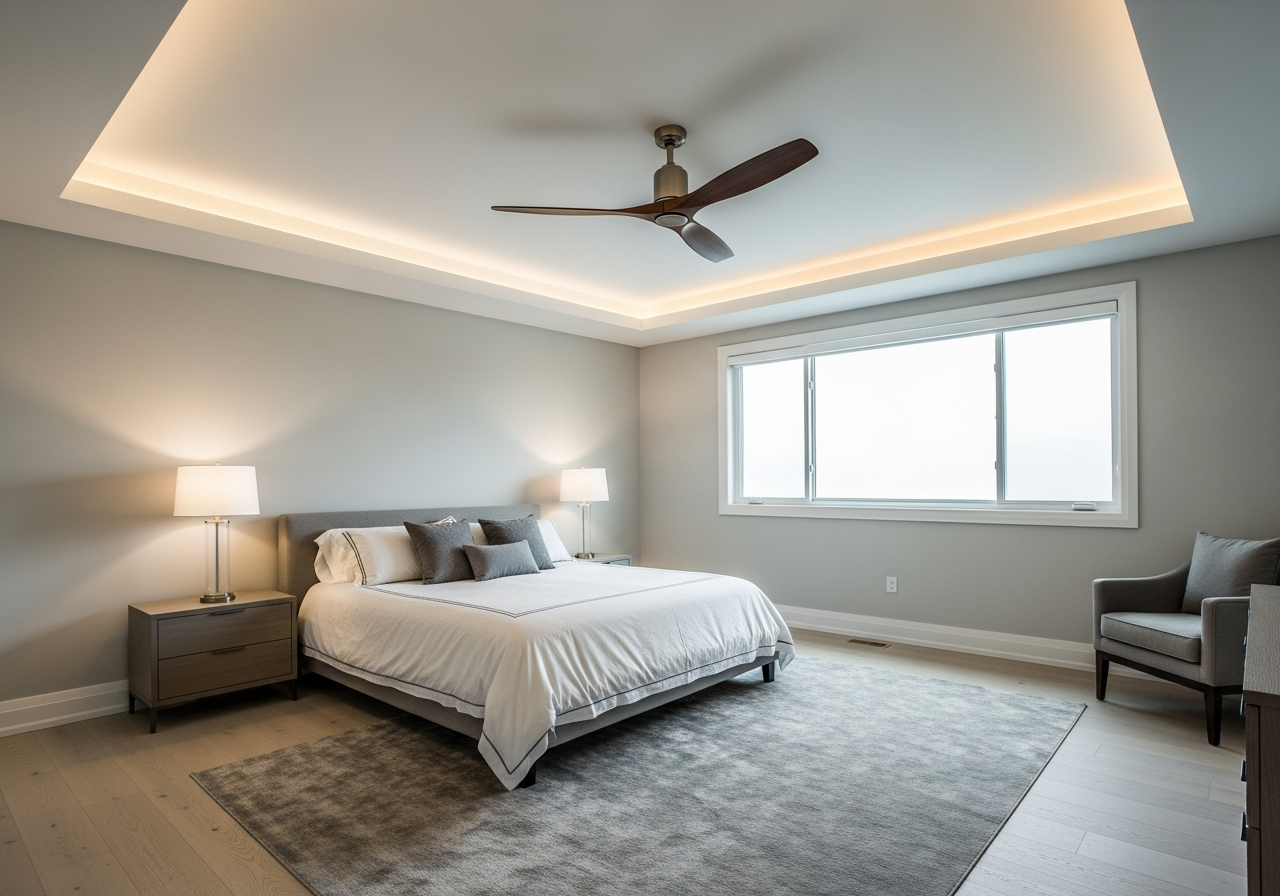
A bedroom ceiling fan ($200 to $800 for fan plus $100 to $300 for installation) provides year-round comfort — cooling in summer and circulating warm air in winter. Choose fans with DC motors for whisper-quiet operation (important for sleep) and integrated LED light kits with dimming capability. Ceiling fans reduce cooling costs by up to 40 percent, making them one of the best bedroom ROI upgrades.
For visual drama, consider a tray ceiling ($1,500 to $4,000) with cove lighting, a tongue-and-groove wood plank ceiling ($3 to $7 per square foot), or simply removing popcorn texture ($1 to $3 per square foot) for a clean, modern look. Use the Room Designer tool to preview different ceiling treatments before choosing.
| Bedroom Upgrade | Cost Range | DIY Level | Impact Rating |
|---|---|---|---|
| Flooring replacement (200 sq ft) | $1,800–$4,000 | Moderate | High |
| Closet expansion | $3,000–$8,000 | Low | High |
| Accent wall | $320–$2,400 | High | Medium |
| Recessed lighting | $500–$1,500 | Low | High |
| Insulation/soundproofing | $2,000–$5,000 | Moderate | High |
| Window replacement (2 windows) | $800–$2,400 | Low | Medium |
| Built-in headboard wall | $2,000–$6,000 | Low | Medium |
| Ceiling fan + treatment | $300–$4,300 | Moderate | Medium |
Related Articles
Explore more bedroom transformation resources: How Much Does It Cost to Remodel a Bedroom?, How to Decor a Bedroom for Cozy, Restful Style, How to Redesign a Bedroom, Bedroom Color Combinations, and How to Remodel a Closet.
Frequently Asked Questions
How much does it cost to remodel a bedroom?
A bedroom remodel costs $5,000 to $25,000 depending on scope. Cosmetic updates like paint and fixtures run $1,000 to $3,000. Mid-range projects including flooring and lighting cost $5,000 to $12,000. Full renovations with closet expansion, insulation, window replacement, and built-ins range from $12,000 to $25,000.
What bedroom upgrades add the most value?
Closet expansion and hardwood flooring deliver the highest resale value among bedroom upgrades. Buyers prioritize closet space and quality flooring above all other bedroom features. Adding a walk-in closet to a primary bedroom can increase home value by $2,000 to $5,000. Energy-efficient windows also perform well at resale by reducing utility costs for future owners.
Can I remodel a bedroom without a permit?
Cosmetic changes like paint, flooring, and trim do not require permits. However, any work involving electrical wiring, plumbing, structural modifications (wall removal or window enlargement), or adding square footage requires a building permit. Closet expansions that involve moving walls also need permits. Always check with your local building department before starting work.
How long does a bedroom remodel take?
A cosmetic bedroom refresh takes 3 to 5 days. A mid-range remodel with flooring and lighting takes 1 to 2 weeks. A full renovation with closet expansion, insulation, windows, and built-ins takes 3 to 6 weeks. Plan to sleep in a guest room or another area of the house during active construction phases.
Transform Your Bedroom With AI Visualization
See your bedroom transformation before construction begins. HanoDecor's AI Studio lets you upload a photo of your current bedroom and preview new flooring, accent walls, lighting, and layout changes in realistic renderings. Browse the bedroom ideas gallery for design inspiration, then use the Room Designer to experiment with different configurations and materials.
How to Remodel a Bedroom FAQs
Written by
Emily Rodriguez
Interior Design Editor covering living spaces, styling trends, and room makeovers. Former Architectural Digest contributor with a focus on accessible, budget-conscious design.