How to Decorate a Bedroom: 10 Proven Tips for a Cozy, Restful Space
Quick Summary
A comprehensive bedroom decorating guide covering 10 proven tips for creating a cozy, restful space. From bedding layers and nightstand styling to lighting design, color psychology, and personal touches that transform a bedroom into a sleep-promoting sanctuary.
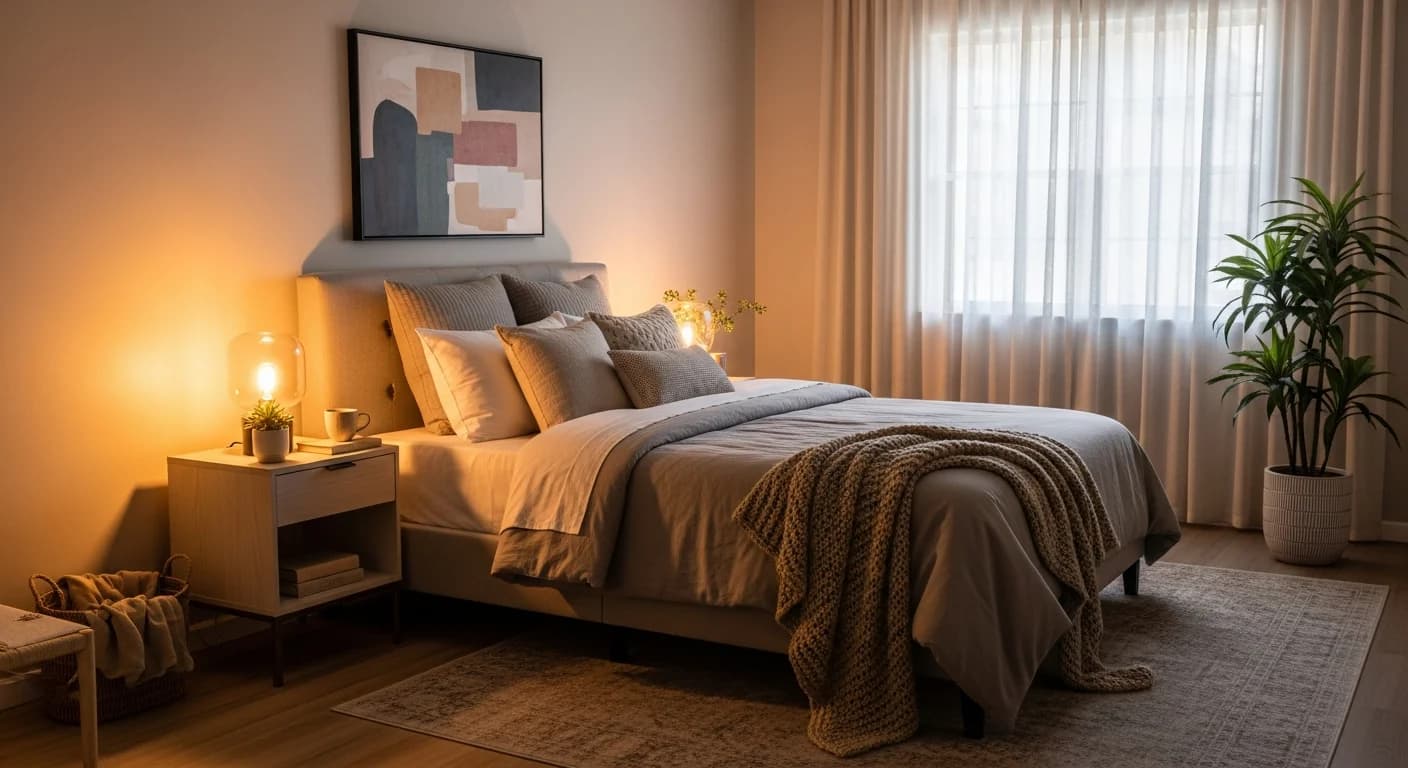
Learning how to decor a bedroom is about more than aesthetics — it directly impacts how well you sleep, how relaxed you feel at the end of the day, and how energized you wake up each morning. The bedroom is the most personal room in your home, and decorating it thoughtfully creates a retreat that supports both rest and rejuvenation. A National Sleep Foundation study found that people who describe their bedrooms as "comfortable and inviting" sleep an average of 22 minutes longer per night than those who do not.
Whether you are starting from a bare room or refreshing a space that has grown tired, these 10 proven tips follow the same sequence professional stylists use to create bedrooms that feel like boutique hotel suites. The approach covers everything from bedding composition and nightstand curation to ambient lighting, wall decor placement, and the subtle sensory details that make a bedroom truly cozy. By the end, you will have a clear roadmap for transforming your bedroom into a space that looks beautiful and supports deep, restful sleep.
Why Bedroom Decor Matters More Than You Think
You spend roughly one-third of your life in your bedroom — approximately 2,500 hours per year — making it the single room where decor has the greatest cumulative impact on your wellbeing. Research from Cornell University's Design and Environmental Analysis department shows that bedroom environments with coordinated colors, soft textures, and controlled lighting reduce cortisol levels by up to 28% compared to cluttered, visually chaotic spaces. This is not just about making a room look good; it is about creating an environment that physiologically supports relaxation.
The best-decorated bedrooms balance beauty with function. They look inviting without being fussy, feel personal without being cluttered, and promote sleep without sacrificing style. The key is understanding that bedroom decorating follows different rules than living room or kitchen decorating — the goal is calm, not stimulation. Every element should lower visual noise and create a sense of enclosure, warmth, and softness. Visit our bedroom ideas gallery for inspiration across dozens of styles.
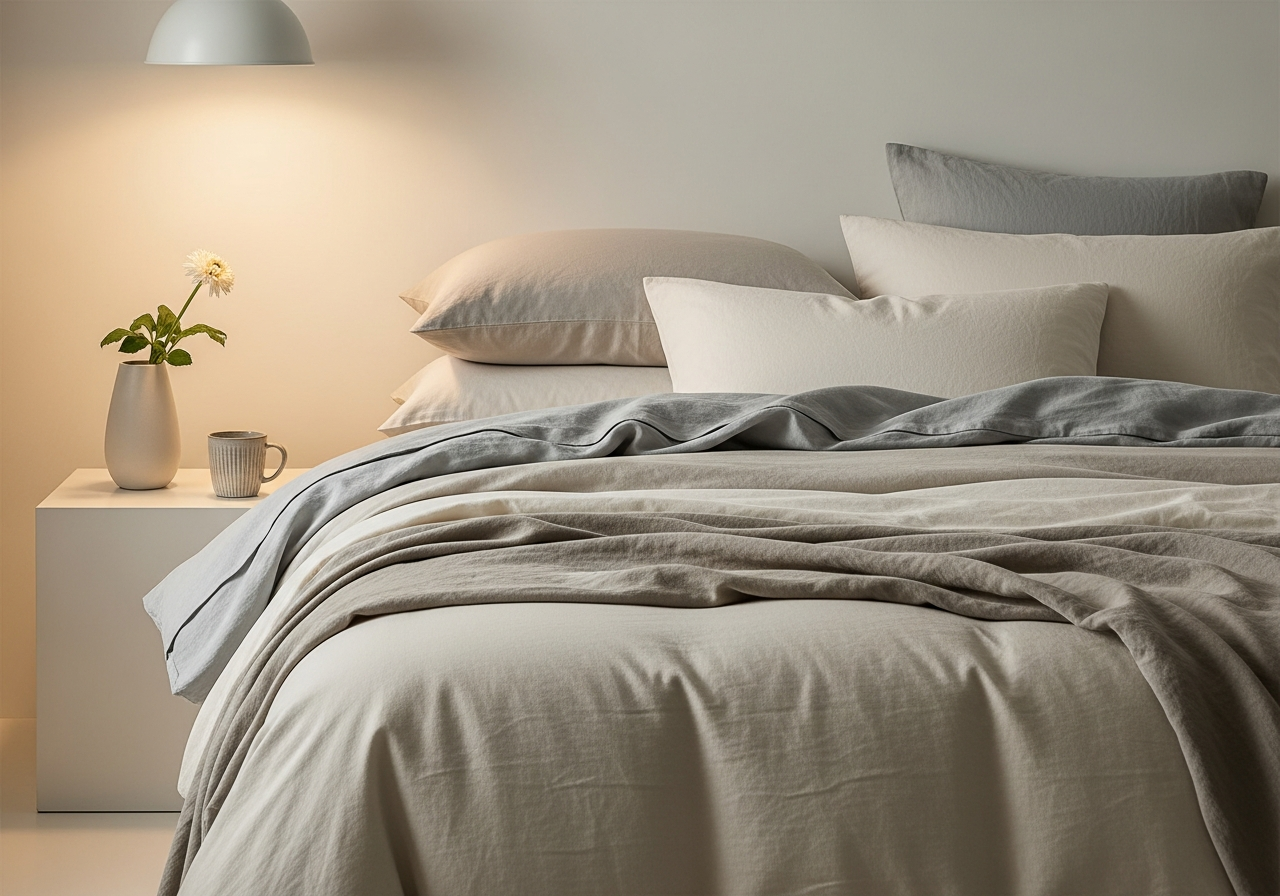
Tip 1 — Start with the Bed: Layering Bedding Like a Stylist
The bed is the focal point of any bedroom, occupying 40 to 60% of the visual space. Professional hotel-style bedding uses five layers: a fitted sheet, a flat sheet, a lightweight blanket or coverlet, a duvet or comforter, and decorative pillows. Start with crisp white or neutral sheets in 300-thread-count percale or sateen — these provide a clean canvas that works with any color scheme and signal freshness and comfort.
Add a coverlet or quilt folded at the foot of the bed for texture and warmth variation. Layer a duvet on top, folded down to reveal the sheets and coverlet beneath. This cascading effect creates depth and visual interest. For pillows, use two sleeping pillows as the back row, two Euro shams (26x26 inches) as the middle row, and two to three decorative pillows in front. Stick to your room's color palette but vary the textures — a velvet pillow next to a linen one next to a knit one creates the tactile richness that makes bedding feel luxurious.
Tip 2 — Choose a Calming Color Palette for Better Sleep
Color directly affects sleep quality. A Travelodge survey of 2,000 homes found that blue bedrooms averaged 7 hours and 52 minutes of sleep per night — the highest of any color. Green, yellow-green, and silver also performed well, while purple, brown, and gray correlated with shorter sleep durations. For bedroom decorating, lean toward cool, muted tones: soft blues, sage greens, warm whites, and gentle lavenders create the most restful environments.
Apply the 60-30-10 rule with a sleep-friendly twist: make your 60% dominant color a warm neutral (cream, linen, soft gray), your 30% secondary a calming mid-tone (dusty blue, sage, warm taupe), and your 10% accent a subtle contrast (brass hardware, blush pink pillows, or a deep navy throw). Avoid high-contrast combinations or saturated bright colors on large surfaces — these stimulate the brain and make it harder to wind down. Save bold colors for rooms where energy and stimulation are desirable, like the kitchen or home office. For more palette inspiration, explore our guide to bedroom color combinations.
Tip 3 — Style Nightstands for Function and Beauty
Nightstands are the most frequently touched surfaces in the bedroom, and their styling sets the tone for bedtime routines. Each nightstand should have three essentials: a lamp (for task lighting), a small tray or dish (for phone, watch, and jewelry), and one decorative element (a small plant, a framed photo, or a candle). The nightstand height should match the top of your mattress within 2 inches to create visual alignment and comfortable reach.
Matching nightstands create a symmetrical, hotel-like feel that reads as polished and intentional. Mismatched nightstands work well in eclectic or bohemian bedrooms but require a unifying element — similar heights, coordinating lamp styles, or a shared color tone. Keep nightstand surfaces at least 50% clear to avoid the visual stress of clutter. A bedroom with cluttered nightstands signals disorder to the subconscious mind, making it harder to relax into sleep.
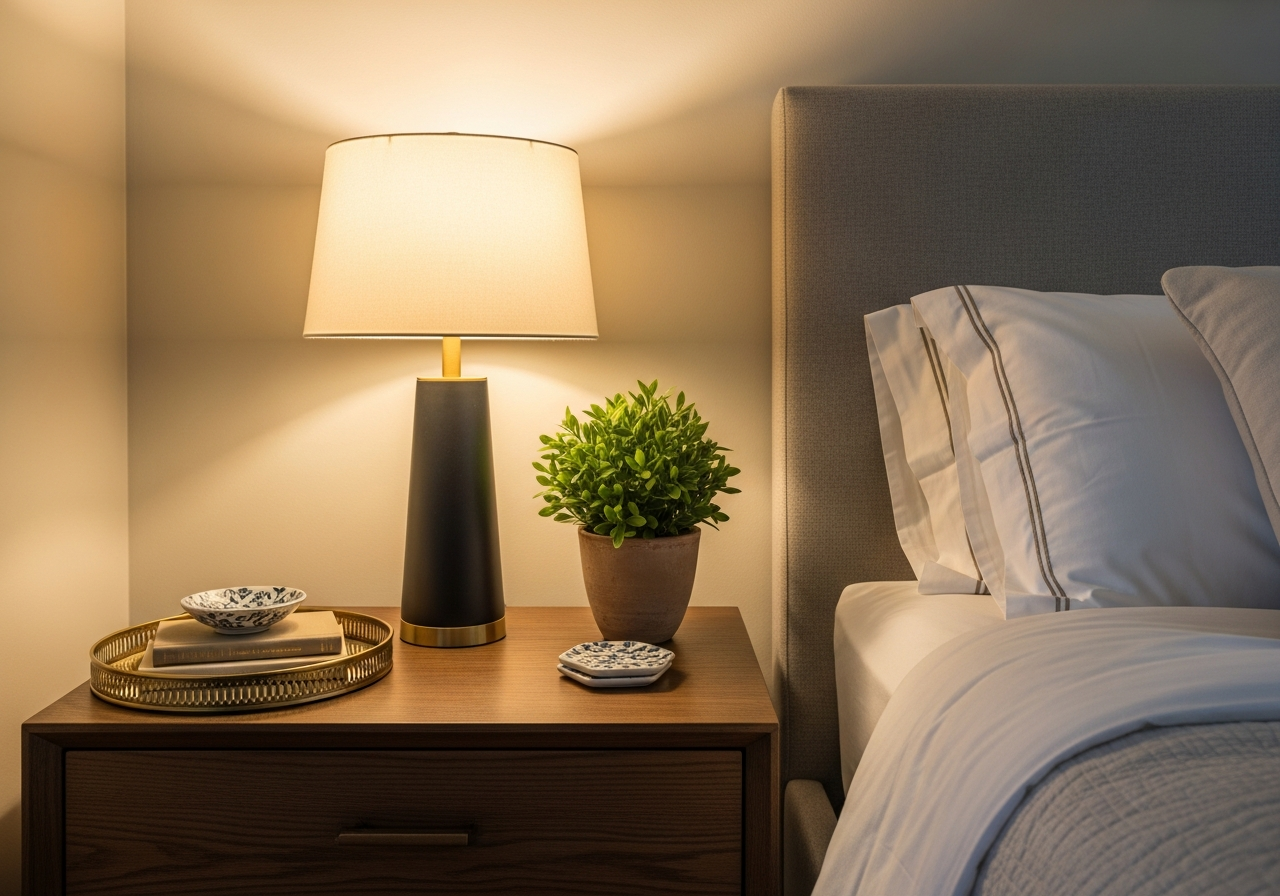
Tip 4 — Layer Lighting for Ambiance and Functionality
Overhead ceiling lights are the enemy of bedroom coziness. A single bright fixture floods the room with flat, unflattering light that signals daytime alertness rather than nighttime relaxation. Replace or supplement overhead fixtures with layered lighting: table lamps on nightstands for reading, a floor lamp in a seating corner, wall sconces flanking the headboard for symmetry, and LED strip lighting behind the headboard or under floating shelves for ambient warmth.
Install dimmer switches on every light source so you can gradually reduce brightness as bedtime approaches. Warm-toned bulbs (2700K color temperature) mimic candlelight and support melatonin production, while cooler bulbs (4000K+) suppress it. Target 2700K for bedside lamps and ambient fixtures. The total number of light sources in a well-decorated bedroom is typically four to six — enough to create pools of warm light without any single fixture doing all the work.
Tip 5 — Select an Area Rug That Anchors the Bed
A bedroom area rug serves two purposes: it anchors the bed visually and provides a soft, warm surface for bare feet each morning. The most popular placement positions the rug horizontally under the lower two-thirds of the bed, extending 18 to 24 inches on each side and at least 12 inches past the foot. A standard 8x10 rug works for queen beds, while king beds typically need a 9x12. Runners placed on each side of the bed are an alternative for narrower rooms. For help choosing the right rug for your style, see our guide on matching a rug to your existing decor.
Choose a rug with a plush pile height for barefoot comfort — wool, shag, or high-pile synthetics feel luxurious underfoot. For color, the rug should complement your bedding palette without competing for attention. A neutral rug in cream, soft gray, or natural fiber allows bedding and wall art to remain the focal points, while a patterned rug can serve as the room's color anchor if your bedding is kept simple and solid.
Tip 6 — Hang Curtains High and Wide for a Luxurious Feel
Window treatments dramatically affect bedroom ambiance and are essential for sleep quality. Mount curtain rods 4 to 6 inches above the window frame and extend them 8 to 12 inches beyond each side of the window. This makes windows appear larger, ceilings taller, and allows maximum natural light when curtains are open. For curtain length, the panels should just kiss the floor or puddle by 1 to 2 inches for a romantic, collected look.
Blackout curtains are a non-negotiable for quality sleep — they block 99% of outside light and reduce outside noise by up to 40%. Layer sheer curtains behind blackout panels: open the blackout curtains during the day for filtered natural light, and close them at night for total darkness. Linen and cotton curtain fabrics complement most bedroom styles, while velvet adds weight, warmth, and sound absorption for a truly cocooning feel.
Tip 7 — Create a Focal Wall Behind the Headboard
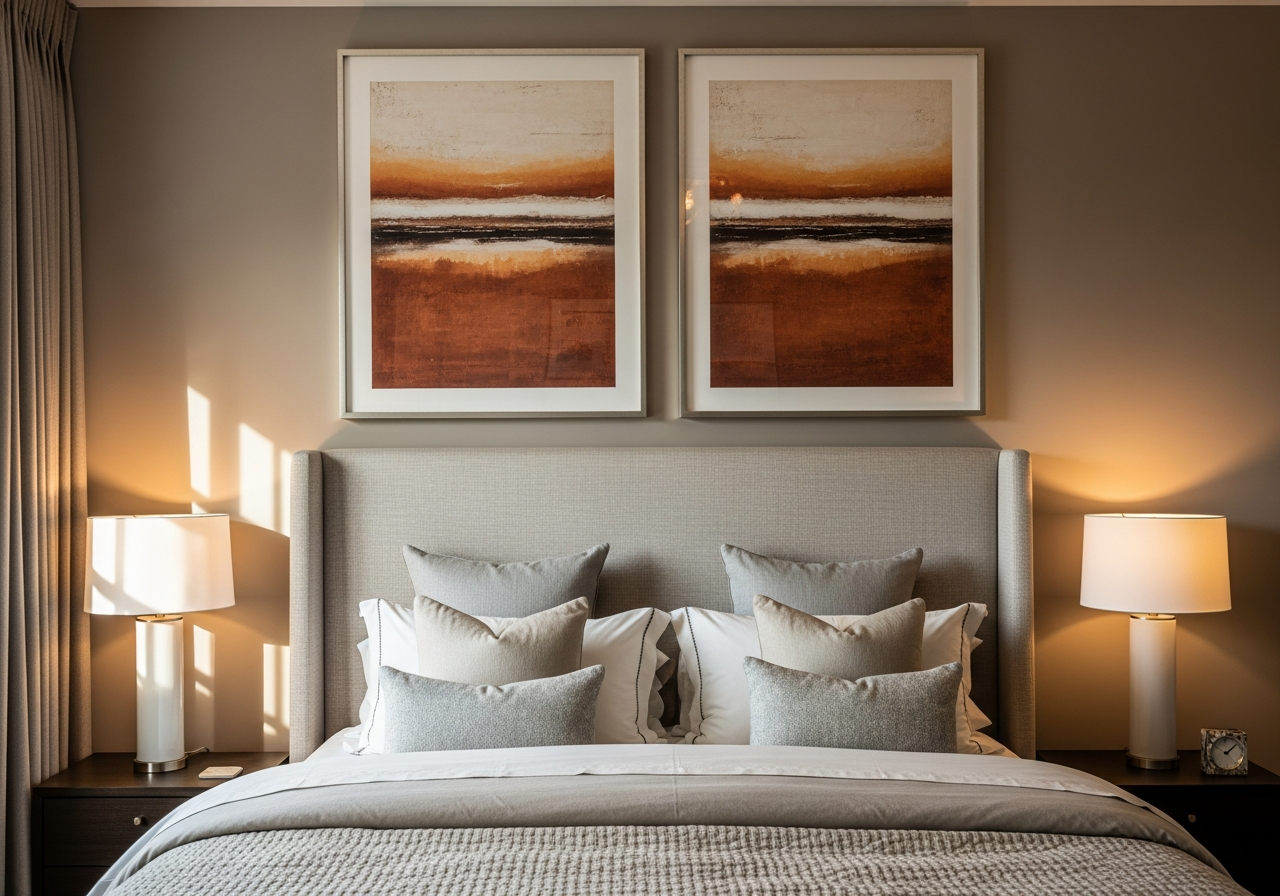
The wall behind the bed is the natural focal point of any bedroom. An upholstered headboard provides both visual impact and practical comfort for reading in bed. Heights of 48 to 54 inches create a substantial presence without overwhelming the room. If a new headboard is not in the budget, create a focal wall with paint — an accent color two to three shades deeper than the surrounding walls adds dimension and frames the bed as the room's centerpiece.
Above the headboard, hang a single oversized piece of art (at least two-thirds the width of the headboard) or create a symmetrical arrangement of two to three framed pieces. Leave 4 to 6 inches between the top of the headboard and the bottom of the art. Wall-mounted sconces flanking the headboard add functional reading light while reinforcing the focal wall's visual weight. For more wall styling options, explore our wall decor hanging guide.
Tip 8 — Add a Seating Nook or Reading Corner
If your bedroom has space, a small seating area transforms the room from a place to sleep into a true retreat. A compact armchair or chaise in a window nook, a bench at the foot of the bed, or even a floor cushion with a small side table creates a secondary zone for reading, journaling, or morning coffee. Position a floor lamp next to the seating piece for dedicated reading light, and add a throw blanket and pillow for comfort.
The seating piece should complement but not match the bed — a different upholstery texture or a contrasting color from your palette adds visual interest. A velvet accent chair in dusty rose, a linen slipper chair in oatmeal, or a rattan lounge chair in a boho bedroom all serve as style-defining moments that make the room feel complete. Even bedrooms under 150 square feet can accommodate a small accent chair in a corner with a minimal footprint.
Tip 9 — Engage the Senses: Scent, Sound, and Touch
The most memorable bedrooms engage multiple senses beyond sight. Scent is powerfully linked to relaxation — lavender reduces heart rate and blood pressure, while eucalyptus clears airways for easier breathing. Use a subtle reed diffuser or linen spray rather than heavily scented candles, which can overwhelm a sleeping space. Place the scent source near the door so it greets you upon entry without being overpowering at bedside.
For touch, invest in the highest-quality sheets your budget allows — percale for crispness, sateen for silkiness, or linen for relaxed texture. A weighted throw at the foot of the bed provides comforting pressure. For sound, a white noise machine or a small tabletop fountain masks disruptive noises and creates a calming audio backdrop. These sensory layers work together to make stepping into your bedroom feel like entering a spa or luxury hotel.
Tip 10 — Declutter and Curate: Less Is More in the Bedroom
Bedroom clutter is a sleep disruptor. A study published in the journal Sleep found that participants in cluttered rooms took an average of 10 minutes longer to fall asleep and reported lower sleep quality. The bedroom should contain only items related to sleep, relaxation, and getting dressed. Remove work materials, exercise equipment, and excess furniture. If you must have a desk in the bedroom, create visual separation with a room divider or position it behind the line of sight from the bed.
Apply the one-in-one-out rule for bedroom decor: when you add a new decorative item, remove an existing one. Every surface should be at least 50% clear, and the floor should be completely free of items except for furniture and the area rug. Invest in attractive storage solutions — woven baskets, fabric-covered boxes, or a storage bench at the foot of the bed — so necessary items have a home. A decluttered bedroom does not mean a bare bedroom; it means a curated one where every visible item contributes to the room's calm, restful atmosphere.
Related Articles
Continue building your dream home with these related guides: learn how to decorate a bathroom with spa-like calm, discover how to find your personal home decor style, explore coffee table styling techniques for your bedside or sitting area, and see how pastel colors in decor can enhance a restful bedroom palette. For more bedroom wall inspiration, browse our bedroom wall decor ideas.
Frequently Asked Questions
What colors are best for a bedroom?
Cool, muted tones promote the best sleep quality. Soft blues, sage greens, lavender, warm whites, and gentle grays consistently rank as the most restful bedroom colors. Blue bedrooms average nearly 8 hours of sleep per night in studies. Avoid bright reds, oranges, and saturated purples on large surfaces, as these stimulate the brain and can interfere with winding down.
How do I make a small bedroom feel cozy without clutter?
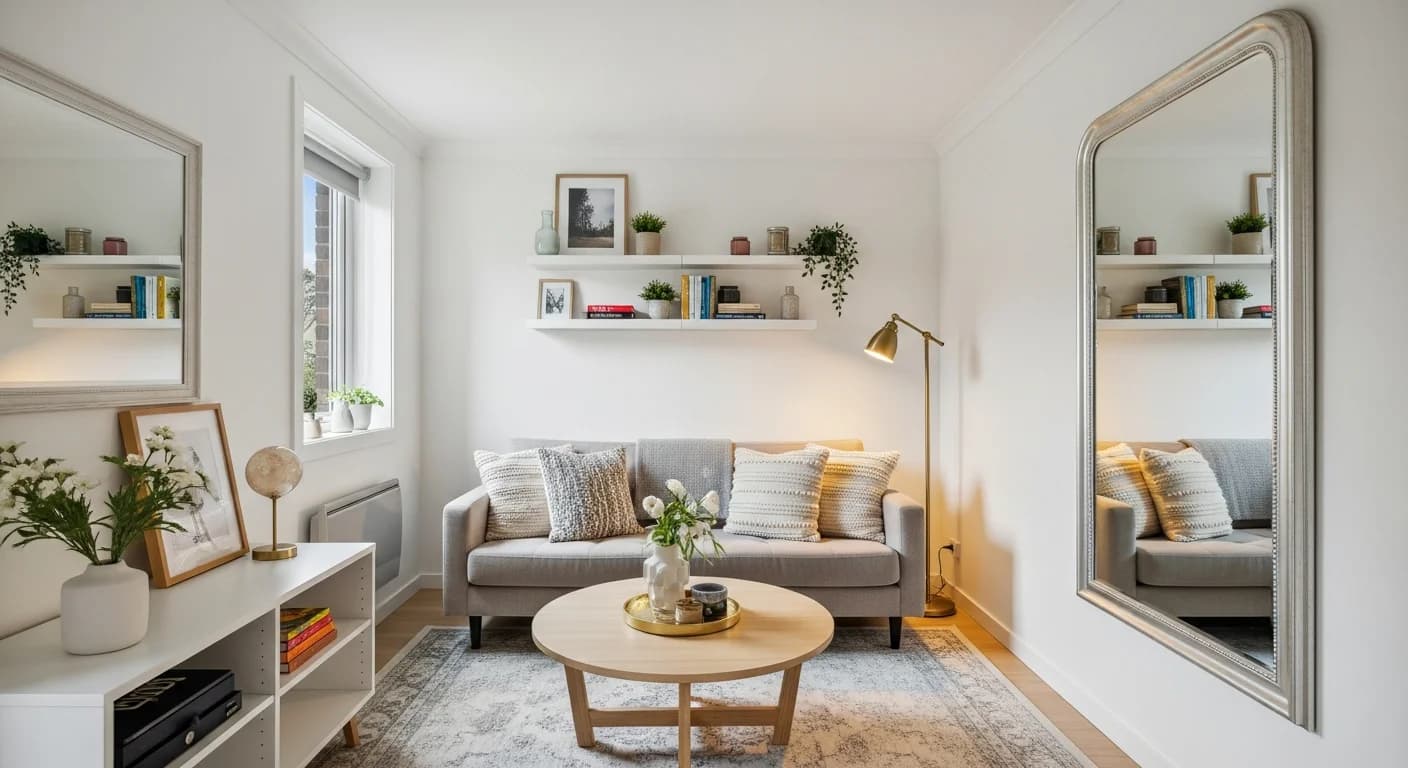
Focus on quality over quantity. Use a single large piece of art instead of many small frames, choose a platform bed with built-in storage, and limit nightstand items to three essentials. Mount shelves above the bed for vertical storage and display. Light, warm colors on walls expand the visual space, while plush textiles (a soft rug, layered bedding) add coziness without bulk. Mirrors placed to reflect natural light make the room feel larger. For more compact bedroom strategies, see our small bedroom ideas guide.
How many pillows should be on a bed for decorating?
For a queen bed, the classic arrangement uses five to seven pillows: two sleeping pillows, two Euro shams, and one to three decorative pillows in front. King beds can add one more sleeping pillow and one more Euro sham. The key is variety in size and texture rather than quantity. Avoid pillow overload — if removing all the pillows before sleep takes more than 30 seconds, you have too many.
What is the best lighting for a bedroom?
Layered, warm-toned lighting at 2700K color temperature creates the most restful bedroom environment. Use table lamps on nightstands for reading, a floor lamp in a corner for ambient warmth, and consider wall sconces flanking the headboard for symmetry. Avoid overhead fixtures as the primary light source — install a dimmer switch if an overhead light is your only option. Four to six light sources distributed around the room create the ideal warm, enveloping glow.
How do I decorate a bedroom on a budget?
The three highest-impact budget bedroom upgrades are new bedding ($80 to $150 for a quality duvet set), curtains ($30 to $80 for blackout panels), and a large area rug ($100 to $250). Together, these three changes transform the room's feel for under $500. Add DIY art, thrift-store finds for nightstand accessories, and affordable string lights or a table lamp for ambient lighting. Paint the accent wall behind the bed for under $50 to create a focal point.
Visualize Your Dream Bedroom with HanoDecor
Not sure which bedroom style suits you best? Upload a photo of your current bedroom and see it transformed into a cozy Scandinavian retreat, a luxurious hotel-inspired suite, or a serene minimalist sanctuary — all in seconds. Our AI Room Designer applies these decorating principles automatically, showing you how different bedding palettes, lighting arrangements, and accent pieces change the entire mood of your space.
Try the AI Room Designer free — upload your bedroom photo and preview any style before you buy a single item. For full renovation planning, explore our bedroom renovation guide. Browse the design gallery for hundreds of bedroom transformations and visit our living room decorating guide to continue styling your entire home.
How to Decorate a Bedroom FAQs
Written by
Emily Rodriguez
Interior Design Editor covering living spaces, styling trends, and room makeovers. Former Architectural Digest contributor with a focus on accessible, budget-conscious design.