How to Remodel a Fireplace: Surround, Mantel, and Insert Upgrades
Quick Summary
A complete guide to remodeling a fireplace including surround material options (stone veneer, tile, shiplap, concrete, brick), mantel design and installation, insert upgrades (gas, electric, wood-burning), cost breakdowns by project type, DIY versus professional considerations, and design trends for 2026.
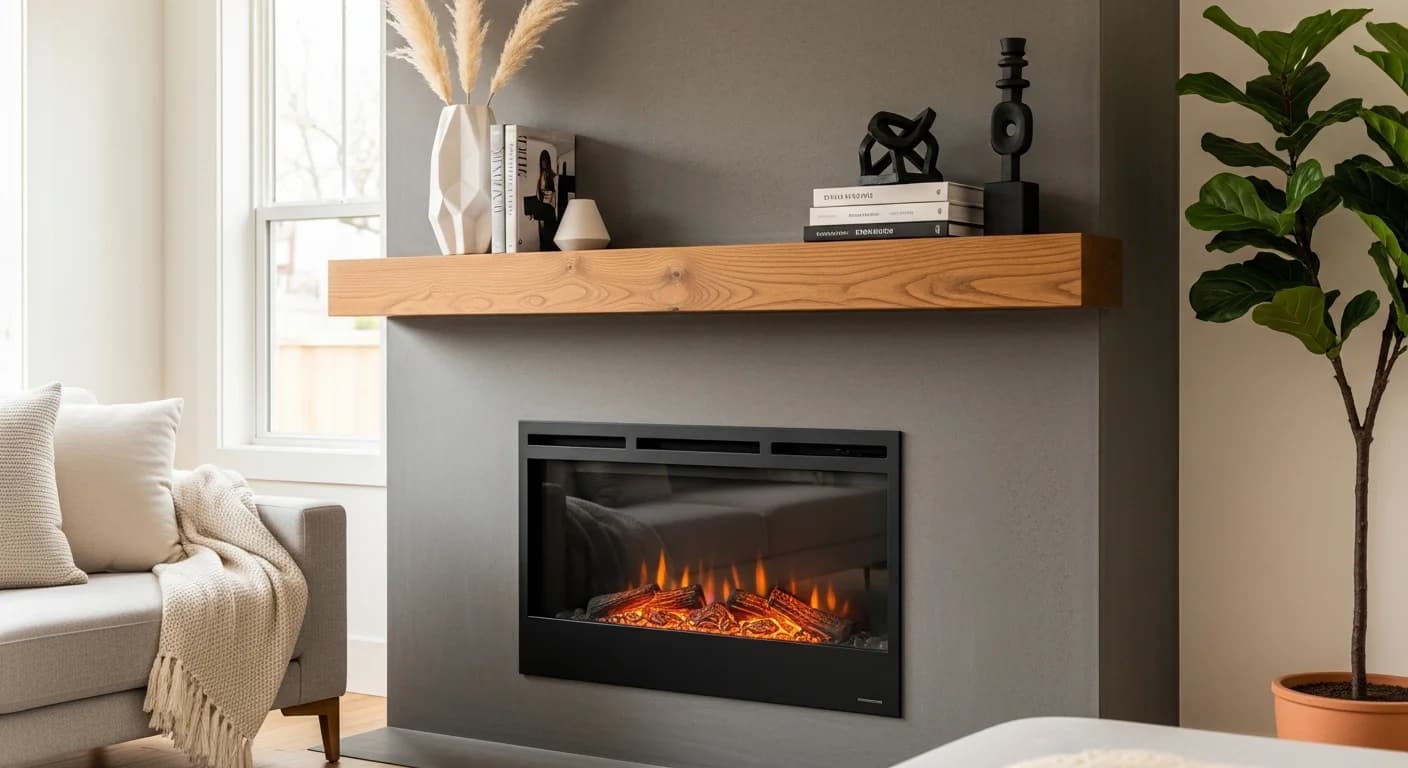
Knowing how to remodel a fireplace can dramatically transform your living room's focal point without a full-scale renovation. The fireplace surround, mantel, and hearth are the most visually dominant features in any room where they exist, yet many homeowners inherit outdated brick facades, brass-trimmed inserts, or poorly proportioned mantels that drag down the entire space. A fireplace makeover typically costs $1,000 to $8,000 depending on materials and scope — a fraction of a full living room remodel — while delivering outsized visual impact.
Whether you want to modernize an old brick fireplace with sleek stone veneer, add a reclaimed wood mantel for farmhouse warmth, convert a wood-burning firebox to a clean-burning gas or electric insert, or completely redesign the surround with floor-to-ceiling tile, this guide walks through every option. We cover material choices, cost comparisons, DIY feasibility, and the design principles that make a remodeled fireplace feel intentional rather than renovated.
Fireplace Remodel Types: Cosmetic, Structural, and Conversion
Fireplace remodels fall into three categories. Cosmetic remodels address the surround, mantel, and hearth surfaces without altering the firebox or venting — think painting brick, adding tile over existing surfaces, or installing a new mantel shelf. Structural remodels involve removing the existing surround and rebuilding with new materials like natural stone, stacked stone veneer, or concrete panels. Conversion projects change the fuel source — converting wood-burning to gas, installing an electric insert, or sealing a non-functional fireplace and adding decorative elements.
Each type has different cost, complexity, and permit requirements. Cosmetic work is almost entirely DIY-friendly and rarely requires permits. Structural remodels may need permits if you are adding weight to the wall or modifying the chimney structure. Conversions involving gas lines require licensed plumber installation and local gas permits. Understanding which category your project falls into determines your budget range, timeline, and whether you need professional help. For a full room transformation, see our living room remodel guide.
Surround Material Options: Stone, Tile, Shiplap, and More
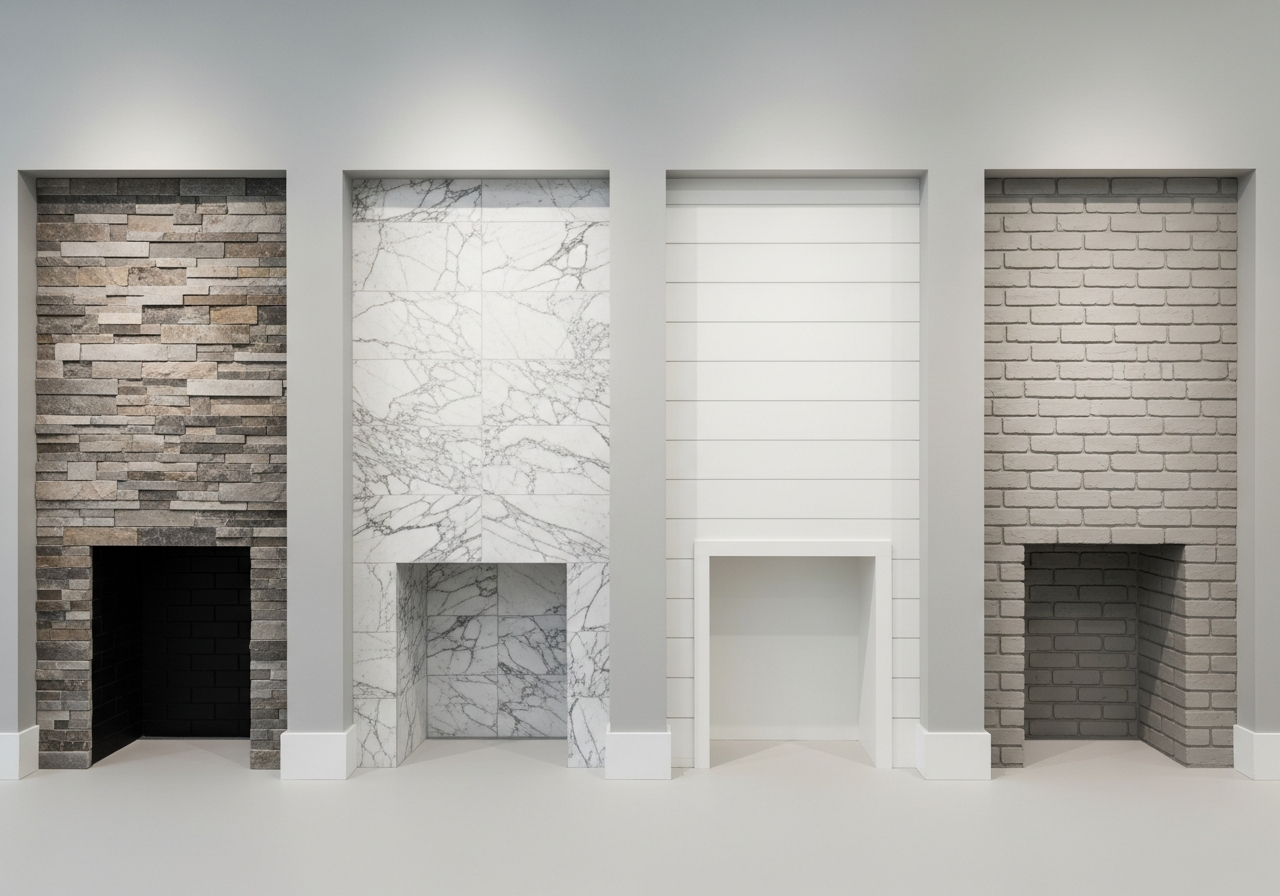
The surround is the largest visual element of your fireplace and the primary driver of its style. Natural stone and stone veneer create a timeless, textured look ranging from rustic stacked fieldstone to sleek, linear ledger stone. Natural stone costs $15 to $30 per square foot installed, while manufactured stone veneer achieves a similar look for $8 to $20 per square foot. Both options are durable, heat-resistant, and add perceived value to the home.
Tile surrounds offer the widest range of design possibilities — marble hexagons, geometric encaustic patterns, subway tile in bold colors, or large-format porcelain slabs that mimic concrete or travertine. Tile costs $5 to $25 per square foot for materials plus $8 to $15 per square foot for professional installation. Shiplap and board-and-batten surrounds deliver farmhouse or coastal character at $3 to $8 per square foot, but must be kept at least 6 inches from the firebox opening and are not suitable for surrounds around active wood-burning fireboxes without a proper heat shield.
| Surround Material | Material Cost/sq ft | Installed Cost/sq ft | Heat Resistance | DIY Friendly |
|---|---|---|---|---|
| Natural Stone | $10–$25 | $15–$30 | Excellent | No |
| Stone Veneer | $5–$12 | $8–$20 | Excellent | Moderate |
| Ceramic/Porcelain Tile | $3–$15 | $8–$25 | Excellent | Moderate |
| Marble Tile | $10–$30 | $15–$40 | Good | No |
| Shiplap/Wood | $2–$6 | $3–$8 | Low (heat shield needed) | Yes |
| Concrete Panels | $8–$18 | $12–$25 | Excellent | No |
| Brick Veneer | $4–$10 | $8–$15 | Excellent | Moderate |
| Painted Existing Brick | $0.50–$2 | $1–$4 | Excellent | Yes |
Mantel Design: Floating Shelves, Built-Up Mantels, and Full Surrounds
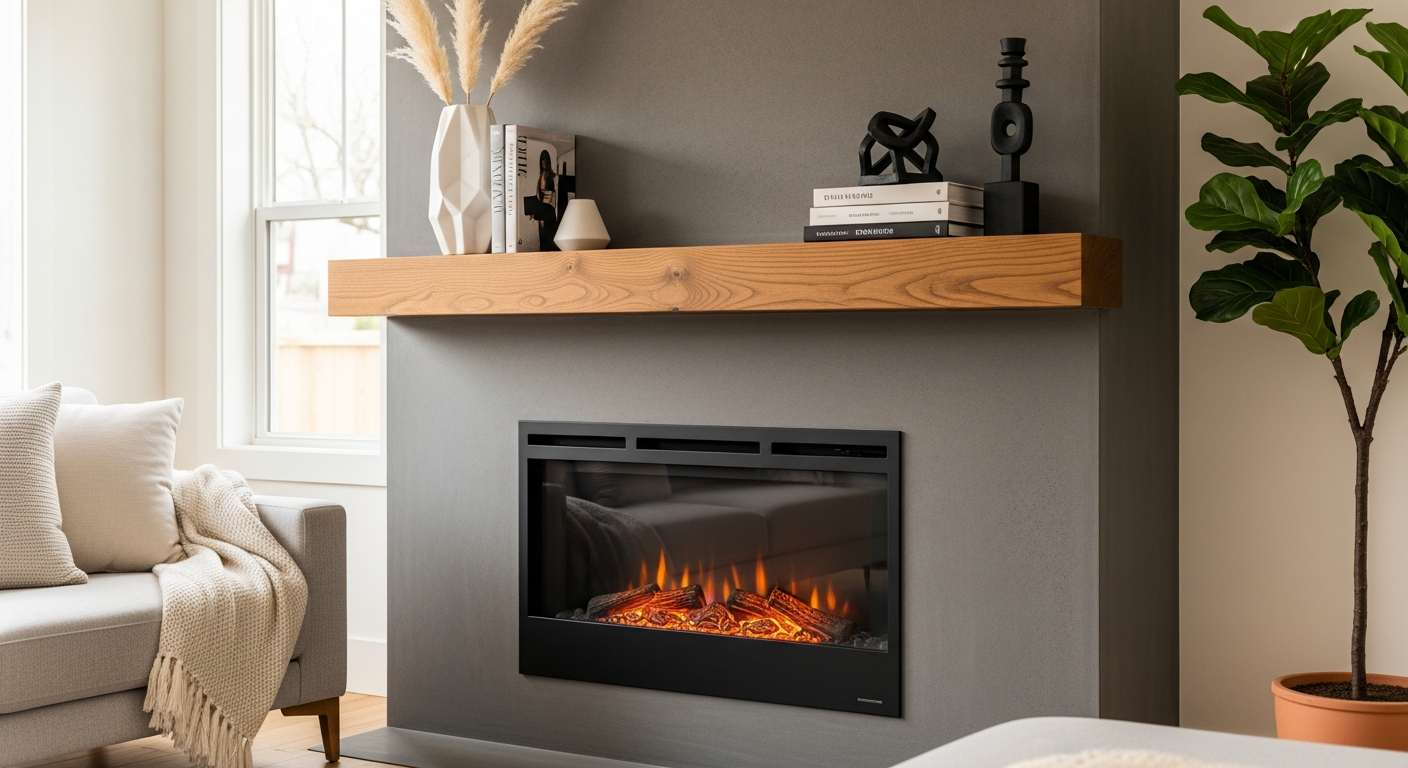
The mantel serves as both a design statement and a functional display shelf. A floating beam mantel — typically a solid or hollow wood beam mounted directly to the wall above the firebox — is the most popular choice in 2026. Reclaimed wood beams cost $150 to $500, while new hardwood mantels run $100 to $350. Hollow MDF mantels painted white or stained to match trim cost $50 to $150 and are the lightest option for walls that cannot support heavy loads.
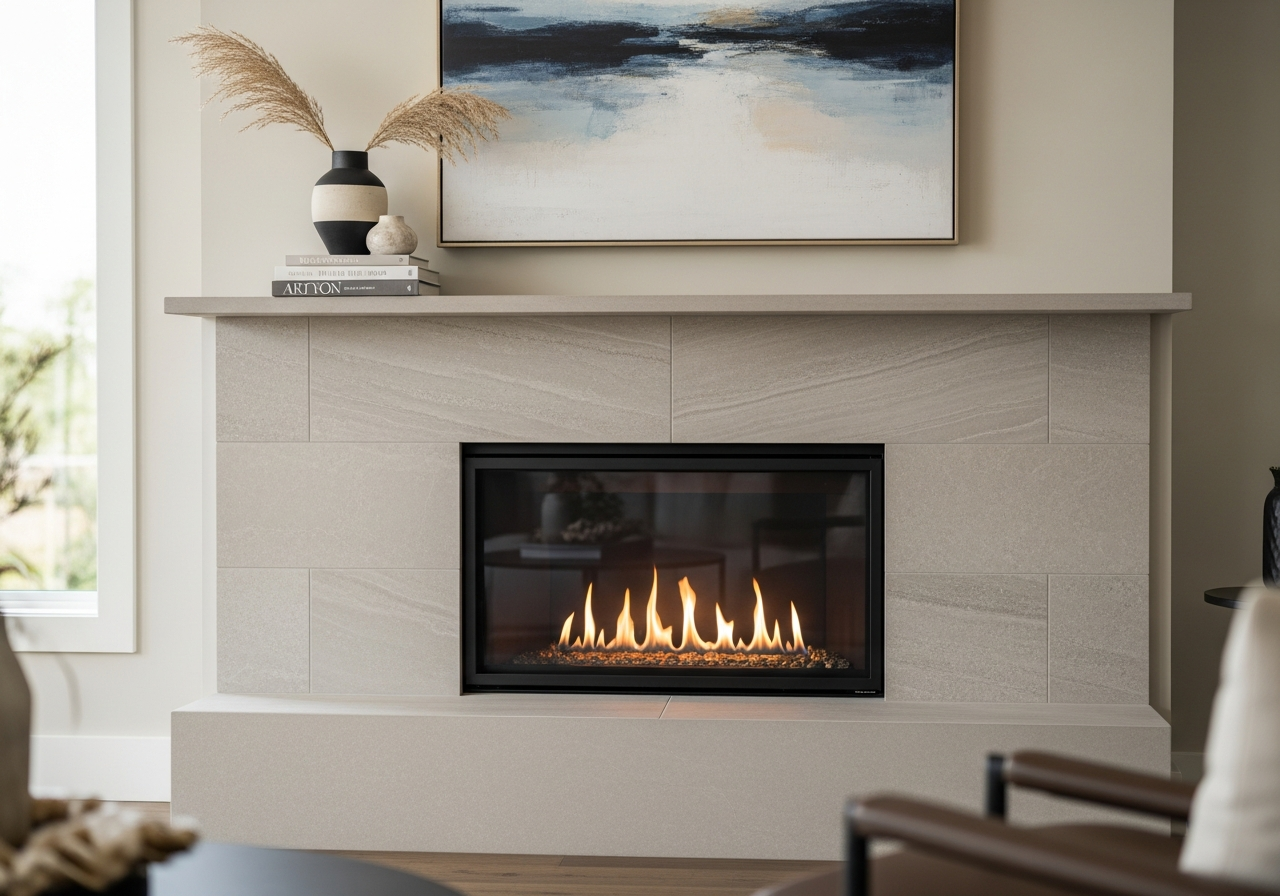
For a more traditional look, a built-up mantel surround includes pilasters (vertical columns flanking the firebox), a mantel shelf, and sometimes a header panel above. Pre-made mantel surrounds cost $300 to $1,500 depending on material and detail level. Custom-built surrounds from a finish carpenter run $800 to $3,000. The mantel should extend 3 to 6 inches beyond the surround on each side and sit at least 12 inches above the firebox opening per most building codes — check your local requirements. Explore mantel styling ideas in our living room design gallery.
Insert Upgrades: Gas, Electric, and Wood-Burning Options
Fireplace inserts slide into an existing firebox to upgrade performance, efficiency, and aesthetics. Gas inserts are the most popular upgrade, offering instant-on convenience, adjustable flame height, and 75 to 85% heating efficiency compared to 15 to 20% for traditional open wood-burning fireplaces. A direct-vent gas insert costs $2,000 to $5,500 installed, including venting modifications and gas line connection. They require annual professional inspection but eliminate the need for chimney cleaning, wood storage, and ash disposal.
Electric inserts are the most versatile and affordable option, ranging from $200 to $2,000 for the unit plus minimal installation cost since they plug into a standard 120V outlet. Modern electric inserts feature realistic LED flame effects, adjustable color temperature, supplemental zone heating up to 400 square feet, and remote or app control. They are ideal for non-functional fireplaces, condos, or homes where gas line installation is impractical. For homeowners who want authentic flames without gas, redesigning your living room around an electric insert creates a stunning focal point with minimal construction.
Step-by-Step: DIY Painted Brick Fireplace Makeover
Painting an existing brick fireplace is the most accessible DIY fireplace remodel, costing under $200 in materials and completable in a weekend. Start by cleaning the brick thoroughly with TSP solution to remove soot, grime, and efflorescence. Rinse well and allow 24 to 48 hours for complete drying. Apply a high-adhesion masonry primer designed for porous surfaces — this step is critical for paint adhesion on textured brick. Use a thick-nap roller for the flat surfaces and a masonry brush for mortar joints.
Apply two coats of interior latex paint in your chosen color, allowing four to six hours between coats. White and off-white are classic choices that brighten the room and create a clean canvas for mantel styling. Charcoal and black create dramatic contrast. Warm gray bridges traditional and contemporary styles. For a more nuanced finish, consider the German schmear technique (smearing thinned mortar over brick for a European aged look) or limewash (a breathable mineral coating that develops beautiful patina over time). Both options cost under $100 in materials.
Step-by-Step: Tile-Over-Brick Surround Installation
Tiling over existing brick is a popular mid-level DIY project that dramatically changes the fireplace's character. Verify the brick surface is structurally sound, flat within a quarter-inch tolerance, and free of loose mortar. Apply a skim coat of modified thinset to level minor irregularities. Once cured, use a high-quality modified thinset mortar rated for heat exposure to set your chosen tile directly over the prepared brick surface.
For the surround area beyond the immediate firebox zone, standard wall tile adhesive works well. Use heat-rated tile within 8 inches of the firebox opening — porcelain and ceramic tiles with less than 0.5% water absorption rate are both suitable. Grout with an unsanded grout for joints under one-eighth inch or sanded grout for wider joints. Seal the grout after curing to prevent smoke staining. This project costs $200 to $600 in materials for an average-sized fireplace surround and takes one to two days to complete. For more tile inspiration, explore tile design ideas that translate well to fireplace applications.
Fireplace Design Trends for 2026
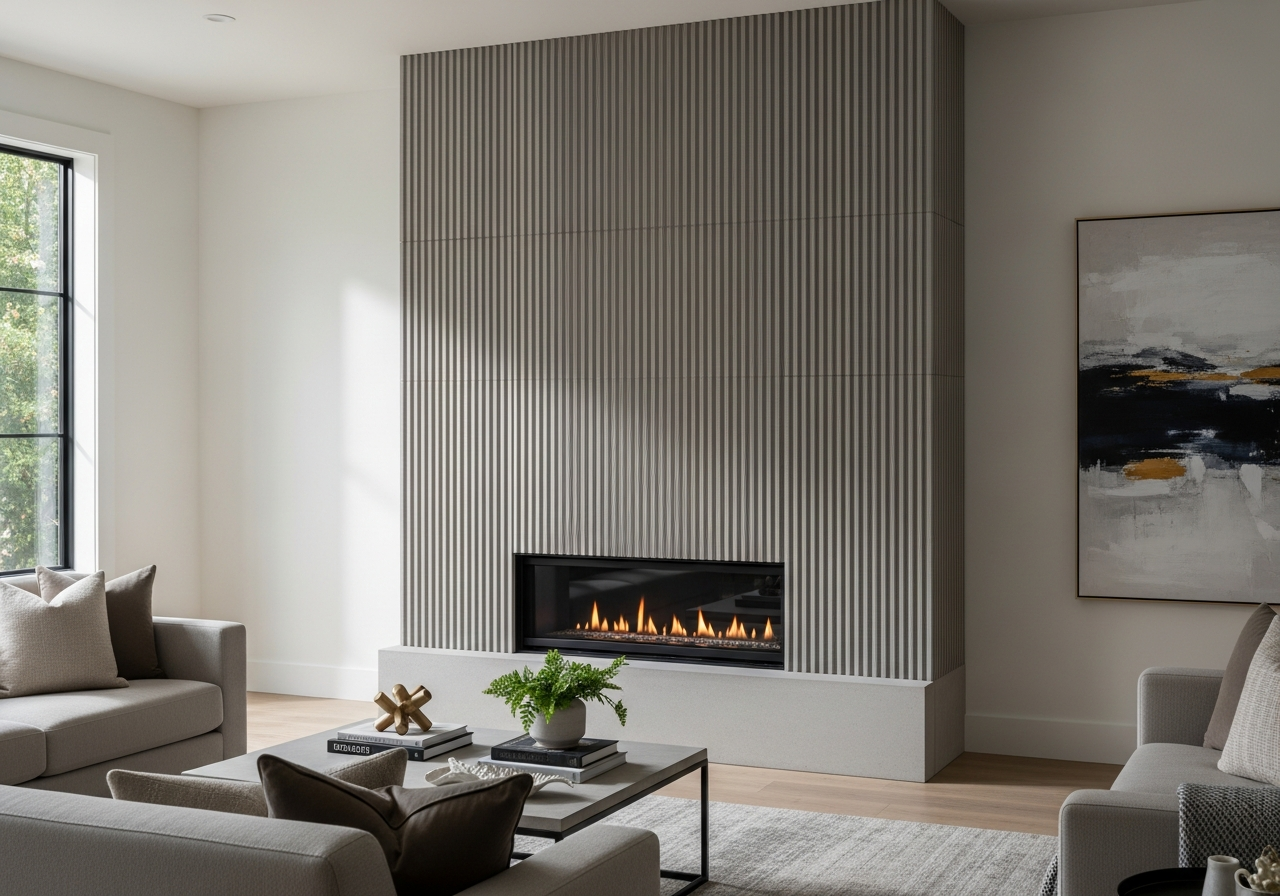
The dominant fireplace design trend in 2026 is the floor-to-ceiling surround that extends the material from the firebox to the ceiling line, creating a dramatic vertical statement. Linear gas inserts with wide, panoramic glass fronts have replaced traditional arched openings. Surround materials trend toward large-format porcelain slabs, fluted concrete panels, and hand-laid zellige tile in earthy tones. Minimalist floating mantels in natural wood tones complement these contemporary surrounds.
On the opposite end of the spectrum, restored original brick with limewash or German schmear finishes appeal to homeowners seeking authentic character. Mixed-material designs combining a stone base with a wood-paneled upper surround add visual interest and break up large expanses of a single material. Smart electric fireplaces with color-changing flames and integrated sound systems are gaining popularity in media rooms and bedrooms. See our cozy living room ideas for fireplace-centered room designs.
Cost Breakdown by Fireplace Remodel Scope
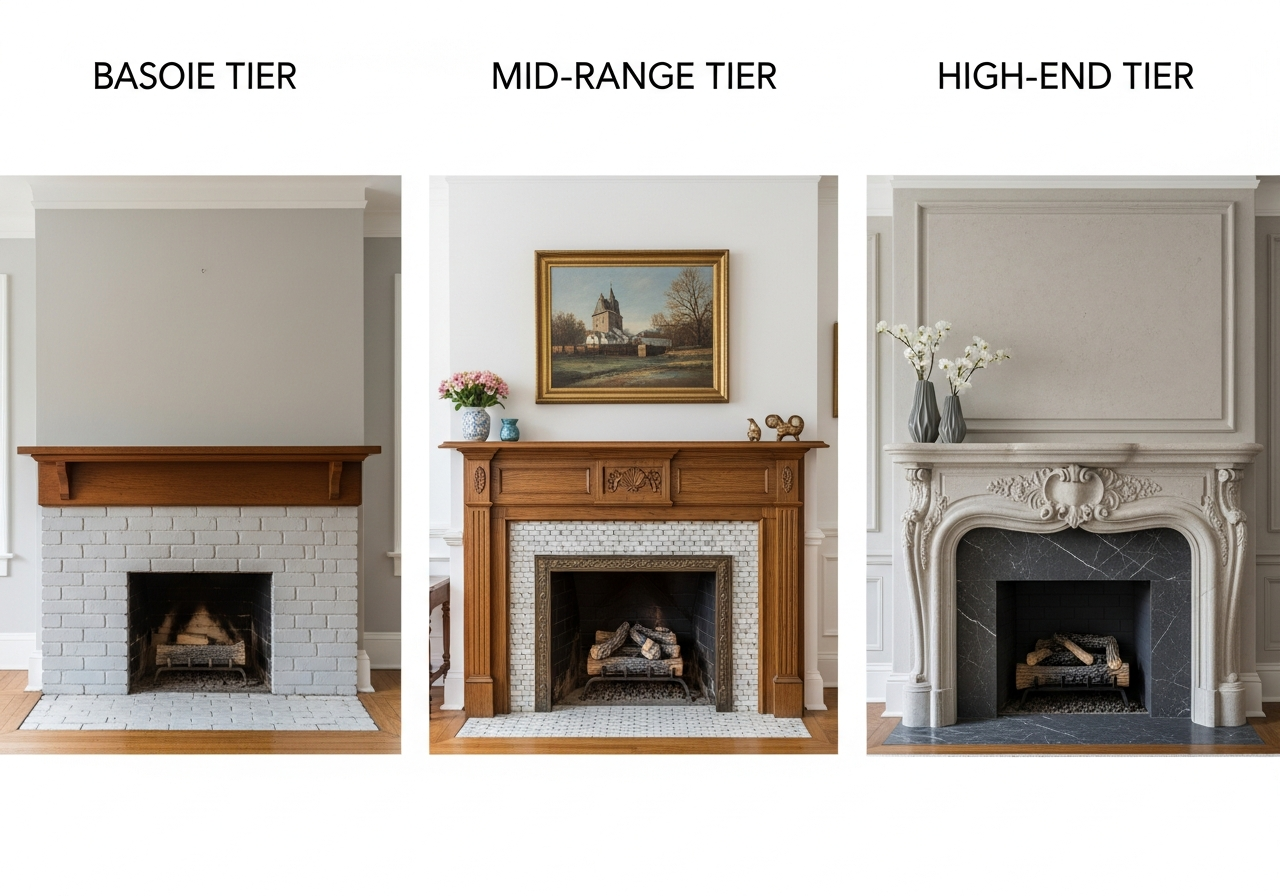
Cosmetic fireplace remodels (paint, new mantel shelf, updated screen or doors) run $200 to $1,500. Mid-range remodels (tile or stone veneer surround, new mantel, updated hearth) cost $1,500 to $5,000. Full remodels with insert conversion (new gas or electric insert, surround rebuild, mantel, and hearth) range from $3,000 to $10,000. Adding a fireplace where none exists costs $2,500 to $5,000 for an electric unit with built surround, or $5,000 to $15,000 for a vented gas fireplace with full chimney or direct-vent installation.
Labor typically represents 40 to 60% of the total project cost for professional installations. DIY cosmetic and tile projects can reduce total costs by 50 to 70%, but gas insert installations and structural modifications should always be handled by licensed professionals. Obtain three quotes from contractors who specialize in fireplace work — general contractors may lack specific expertise in gas venting, clearance requirements, and heat-rated material specifications. For broader room budgeting, see our guide on living room remodel costs.
Frequently Asked Questions
Can I remodel a fireplace myself?
Yes, many fireplace remodel projects are DIY-friendly. Painting brick, installing a floating mantel, adding peel-and-stick tile to the surround, and updating the fireplace screen or doors are all manageable weekend projects. Tile-over-brick installations require moderate skill with thinset and tile cutting. Gas insert installation, structural surround removal, and any work involving gas lines or chimney modifications should be handled by licensed professionals for safety and code compliance.
Is it worth converting a wood-burning fireplace to gas?
Gas conversion is worth it for homeowners who want the ambiance of a fire without the effort of wood handling, cleaning, and chimney maintenance. Gas inserts are 4 to 5 times more efficient at heating than open wood fireplaces, provide instant on-off convenience, eliminate particulate emissions, and reduce annual chimney maintenance costs by $200 to $400. The $2,500 to $5,500 installation cost typically pays for itself within 5 to 8 years through reduced heating costs and eliminated maintenance expenses.
How do I update a fireplace on a tight budget?
The most budget-friendly fireplace update is painting the brick surround ($50 to $100), adding a new floating mantel ($50 to $200 for a DIY beam), replacing the fireplace screen or glass doors ($100 to $400), and styling the mantel with decor. This combination costs $200 to $700 total and can be completed in a single weekend. If the firebox is non-functional, fill it with stacked birch logs, pillar candles, or a decorative insert for a charming display.
What is the best material for a fireplace surround?
The best material depends on your style preference and budget. For durability and timeless appeal, natural stone and porcelain tile are top choices. For affordability with visual impact, stone veneer and painted brick deliver excellent results. For warmth and texture, reclaimed wood with a proper heat shield works well in lower-heat applications like gas and electric fireplaces. Marble creates luxury appeal but requires sealing and careful maintenance around active fireplaces.
Related Articles
Continue exploring room remodel guides: How to Remodel a Living Room covers the full living room renovation process. How to Remodel a Bedroom walks through bedroom transformation projects. Living Room Layout Ideas helps you arrange furniture around your remodeled fireplace. Basement Remodel Guide covers another high-impact room transformation.
Visualize Your Fireplace Remodel with HanoDecor
Not sure which surround material or mantel style will look best in your space? Upload a photo of your current fireplace and let our AI show you the possibilities. Preview stone, tile, shiplap, and painted finishes on your actual fireplace wall before committing to materials.
Try the AI Room Designer free — upload your living room photo and explore fireplace remodel styles from modern minimalist to rustic farmhouse. See photorealistic before-and-after renderings in seconds, helping you choose the perfect surround, mantel, and hearth combination for your home.
How to Remodel a Fireplace FAQs
Written by
Priya Sharma
Priya is an award-winning UX designer who previously led design teams at Airbnb and Pinterest. Her focus on user-centered design ensures that HanoDecor's tools are intuitive and accessible to everyone, regardless of their technical background.