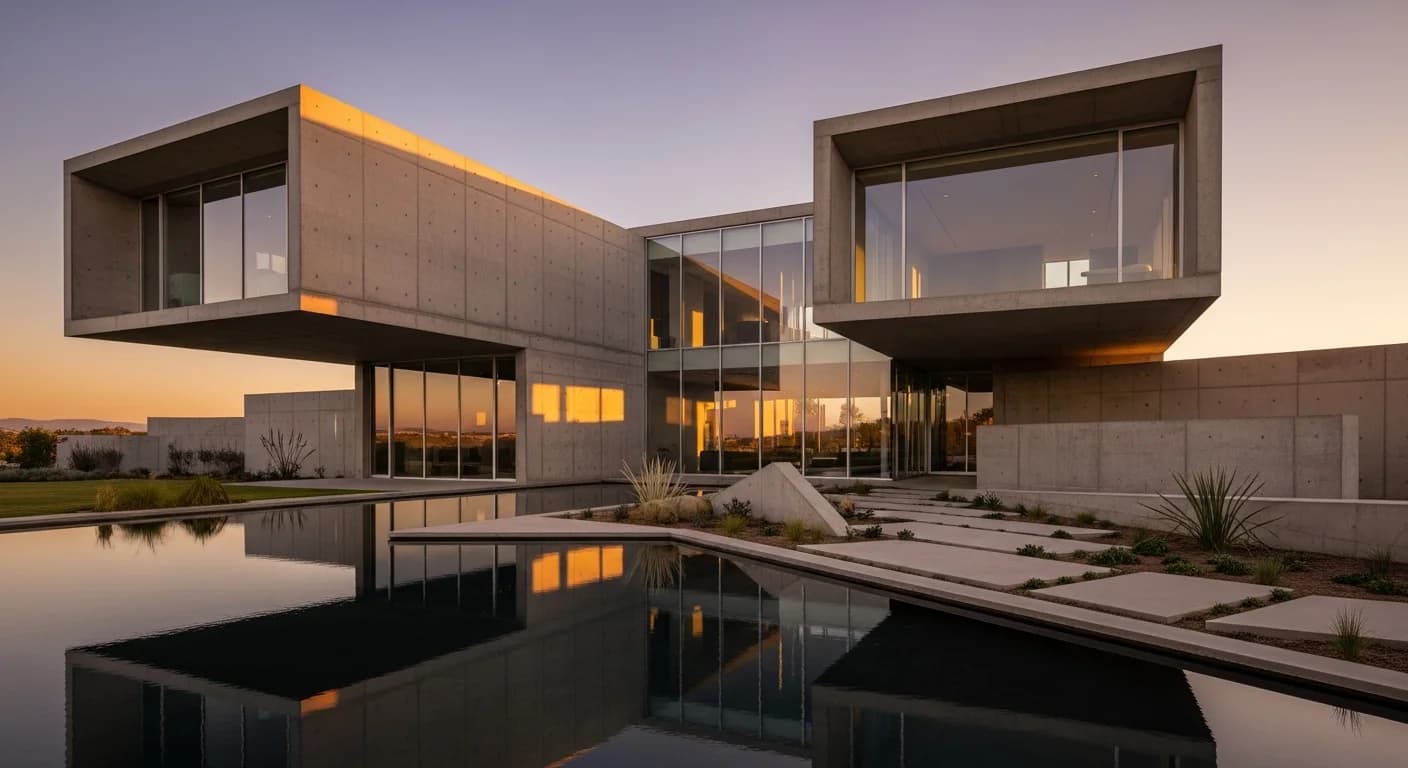
Luxury Home Decor Ideas: High-End Design on Any Budget

There is a reason luxury home decor captivates us. Walking into a beautifully appointed space — one where every material, texture, and light source has been chosen with intention — triggers an almost visceral response. The air feels different. The proportions feel right. The details whisper rather than shout. Whether you are designing a penthouse overlooking a skyline or refreshing a three-bedroom suburban home, the principles of luxury decor remain the same: quality over quantity, materials that age with grace, and a curated restraint that lets each piece breathe. This guide explores luxury home decor ideas that bring high-end elegance to every room — along with strategies for achieving a designer-worthy look on any budget.

Before we dive into specific rooms, it helps to understand the distinction between true luxury and affordable luxury. True luxury involves premium materials — genuine marble, hand-knotted rugs, custom millwork, silk drapery, and bespoke furniture crafted by artisans. Affordable luxury borrows the same design principles — proportion, symmetry, layered lighting, intentional negative space — but substitutes more accessible materials and strategic styling to achieve a similar visual impact. Both approaches are valid, and the most sophisticated homes often blend the two. For a broader look at how luxury fits within the full spectrum of decorating styles, explore our complete home decor ideas guide for 2026.
The psychology behind luxury spaces is worth understanding. Research in environmental psychology shows that well-designed environments reduce cortisol levels, improve mood, and increase perceived quality of life. Luxury decor achieves this through sensory harmony — the cool smoothness of marble, the soft depth of velvet, the warm glow of brass, the visual calm of intentional negative space. When every element works together, the result is a space that does not just look beautiful but genuinely feels better to inhabit.
Luxury Design Principles
High-end interiors follow a set of unwritten rules that distinguish designer spaces from merely expensive ones. Understanding these principles allows you to apply luxury thinking regardless of your budget.

Quality Over Quantity
The single most important luxury principle is restraint. A luxury room has fewer items than a typical room, but each one is chosen with extraordinary care. Rather than filling every surface, luxury design allows carefully selected pieces to stand on their own merits. One stunning oversized mirror outperforms a gallery wall of mass-produced prints. One perfectly proportioned sofa surpasses three mismatched seating options. This less-is-more philosophy extends to color, pattern, and accessory density — every element earns its place.
Curated Collections
Where items do accumulate — bookshelves, mantels, console tables — luxury spaces feature curated vignettes rather than random groupings. Objects are arranged in odd numbers, vary in height and material, and share a cohesive color story. A marble tray holding a brass candle, a small sculpture, and a fresh stem in a crystal bud vase creates a deliberately styled moment that reads as effortless sophistication.
Intentional Negative Space
Luxury rooms breathe. The space between furniture, between art and the edge of a wall, between objects on a shelf — this negative space is not emptiness, it is a design element. It directs the eye, highlights focal points, and creates a sense of calm. Overcrowded rooms, no matter how expensive the contents, never feel luxurious. If you appreciate the power of open space in design, our modern home decor ideas guide explores minimalist and organic modern approaches that share this principle.
Layered Lighting
Lighting is perhaps the most underestimated luxury tool. Designer spaces layer three types of lighting — ambient, task, and accent — and control each independently. Crystal chandeliers or sculptural pendants provide statement ambient light. Architectural recessed lighting washes walls and ceilings evenly. Picture lights and directional spots highlight art and architectural details. Table lamps and sconces add warmth at eye level. The ability to dim, zone, and adjust creates different moods throughout the day — bright and energized for morning, warm and intimate for evening.
Custom Finishes
Luxury lies in the details that most people overlook. Custom crown molding, coffered ceilings, paneled walls, built-in cabinetry with inset doors, and specialty paint finishes (Venetian plaster, limewash, lacquer) elevate a standard room into something extraordinary. These architectural details create depth, shadow, and visual interest that no amount of furniture can replicate.
Luxury Materials and Finishes
Materials are the vocabulary of luxury design. The right materials signal quality immediately — through visual beauty, tactile richness, and enduring durability.

Marble and Natural Stone
Marble has been synonymous with luxury for millennia, and its appeal has not diminished. Calacatta marble with its dramatic grey and gold veining remains the pinnacle of stone elegance, while Carrara marble offers a softer, more classic look. Beyond countertops and floors, marble appears in luxury homes as coffee tables, bathroom vanities, fireplace surrounds, decorative trays, bookends, and candle holders. For those seeking alternatives, quartzite, onyx (especially backlit), and travertine deliver similar high-end impact at varying price points.
Velvet and Silk
Velvet is the textile of luxury. Its light-absorbing depth, rich texture, and jewel-tone potential make it ideal for sofas, accent chairs, throw pillows, and drapery. Performance velvet has made this once-delicate fabric surprisingly practical for everyday living. Silk — used for curtains, pillow covers, and upholstery on accent chairs — adds a luminous quality that catches light differently from every angle. Both fabrics introduce a tactile dimension that leather, cotton, and linen simply cannot match.
Brass and Gold Hardware
Hardware is the jewelry of a room. Brushed brass, unlacquered brass (which develops a beautiful patina over time), and warm gold finishes instantly upgrade cabinetry, lighting, and plumbing fixtures. In luxury spaces, hardware is coordinated across the room — drawer pulls, door handles, light switch plates, curtain rods, and picture frames share a unified metallic family. This consistency signals intentional design and creates a polished, cohesive aesthetic.
Crystal, Lacquer, and Exotic Woods
Crystal appears in luxury homes through chandeliers, glassware, vases, and decorative objects — its ability to refract light adds sparkle and dimension. Lacquer finishes — deep gloss in black, navy, or emerald — create drama on cabinetry, trays, and accent furniture. Exotic woods like walnut, ebony, zebrawood, and burl wood add natural pattern and warmth. A burl wood side table or a walnut-paneled accent wall introduces organic texture that balances the precision of marble and metal.
Luxury Living Room Decor
The living room is the showcase of luxury decor — the room where design ambition meets daily life, and where guests form their first impression of your aesthetic sensibility.
Velvet sofas in deep jewel tones — emerald, sapphire, amethyst, or rich cognac — anchor the luxury living room. Choose generous proportions with clean lines, track arms or soft curves, and plush seat cushions that invite lingering. Pair the sofa with marble coffee tables — a large Calacatta slab on a sculptural brass base creates a stunning centerpiece. Add one or two accent chairs in contrasting fabric or leather for visual variety and conversational groupings.
Crystal chandeliers or sculptural modern pendants serve as the room's crown jewel. In luxury spaces, the chandelier is deliberately oversized — slightly larger than you think necessary — because this boldness reads as confidence rather than excess. Supplement the chandelier with brass sconces flanking a fireplace or art, and designer floor lamps beside reading chairs.
Large-scale art is essential. One statement piece — an original oil painting, a commissioned photograph, or an abstract canvas — creates a focal point that elevates the entire room. The frame should be simple and high-quality, allowing the art to speak. Complete the luxury living room with designer coffee table books (Assouline, Rizzoli, Phaidon) stacked artfully, a cashmere throw draped across the sofa arm, and fresh flowers in a heavy glass or ceramic vase. For ideas on creating a productive luxury space in your home workspace, see our home office decor ideas.
Luxury Bedroom Decor
The luxury bedroom is a personal sanctuary — a space designed for restoration, comfort, and quiet indulgence. Every element should invite rest while reflecting refined taste.

Upholstered headboards in velvet, linen, or performance fabric create a dramatic anchor for the bed. Channel tufting, button tufting, or a clean wingback silhouette all convey different shades of luxury. Extend the headboard wider than the bed frame for a more generous, designer-level proportion. The headboard color can either harmonize with the wall behind it or provide a rich contrast — a deep navy headboard against warm white walls, for instance.
Layered bedding is where luxury bedrooms truly distinguish themselves. Start with sheets of 1,000-plus thread count Egyptian cotton or Supima sateen. Add a lightweight duvet in white or ivory with a subtle sateen sheen. Layer a textured coverlet or matelasse blanket at the foot of the bed. Include Euro shams, sleeping pillows, and one or two decorative pillows in a complementary fabric — velvet or silk — with a tasteful trim. A cashmere or merino throw folded at the bed's end provides both warmth and visual polish.
A chaise longue or upholstered bench at the foot of the bed adds lounging elegance. Mirrored furniture — nightstands or a dresser with antiqued mirror panels — reflects light and creates depth without visual heaviness. Silk curtains in floor-to-ceiling panels that puddle slightly on the floor create a dramatic frame for windows and add luminous softness to the room. Ambient bedside lighting from sculptural table lamps on dimmer switches completes the luxury bedroom experience.
Luxury Kitchen and Dining
Luxury kitchens blend professional-grade function with residential elegance. They are spaces where culinary ambition meets design sophistication — and where gathering around a beautifully set table becomes an experience in itself.
Waterfall marble islands remain the defining feature of luxury kitchens. The marble slab cascades from the countertop down the sides of the island in an unbroken flow, showcasing the stone's natural veining in a sculptural statement. Pair this with brass or unlacquered brass fixtures — bridge faucets, cabinet pulls, pendant lights — that warm the cool stone and add timeless refinement.
Wine storage — from built-in temperature-controlled wine columns to dedicated wine rooms with glass walls — signals a lifestyle of considered enjoyment. Even a well-styled wine rack or a small undercounter wine cooler, flanked by crystal stemware, adds a luxury hospitality touch. Statement range hoods in custom metal, plaster, or reclaimed wood have evolved from functional necessity to sculptural focal point. A hammered brass hood or a smooth plaster arch above the range anchors the kitchen's design identity.
Elegant dining table settings elevate everyday meals into experiences. Bone china or stoneware in neutral tones, linen napkins, crystal stemware, brass or silver flatware, and simple centerpieces — seasonal branches, a low floral arrangement, or a row of pillar candles on a marble tray — transform the dining table into a luxury stage. For those drawn to quieter elegance, our neutral home decor ideas guide explores how understated palettes create dining spaces of enduring sophistication.
Luxury Bathroom as Spa
The luxury bathroom has evolved from a purely functional room into a private wellness retreat. Spa-inspired design transforms daily routines — showering, bathing, grooming — into rituals of self-care and sensory pleasure.
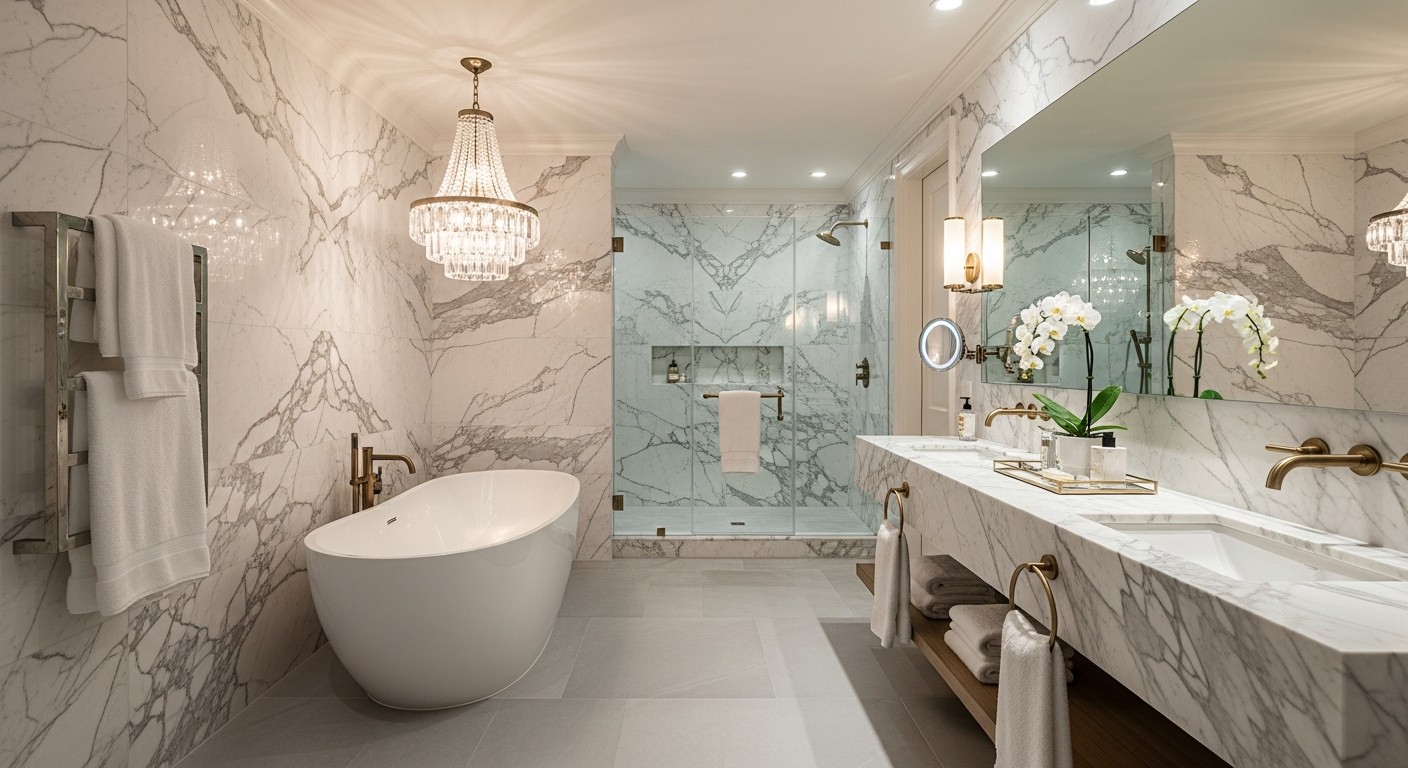
Rain showers with oversized ceiling-mounted shower heads — ideally 12 inches or larger — create a drenching, immersive experience. Pair with a handheld wand on a slide bar and body jets for a complete hydrotherapy system. Frameless glass enclosures maintain visual openness while containing the water. A freestanding soaking tub — whether a sculptural stone vessel, a classic clawfoot, or a modern ovoid in matte white — serves as the room's centerpiece. Position it beneath a window or chandelier for maximum drama.
Heated floors transform the simple act of stepping out of the shower into a moment of comfort. Radiant floor heating beneath marble or porcelain tile eliminates cold shock and adds invisible luxury that guests immediately notice. Extend marble generously — across floors, shower walls, vanity surrounds, and tub decks — to create a cohesive stone envelope that feels like a five-star hotel. Bookmatched marble slabs (mirror-image panels cut from the same block) on shower walls represent the pinnacle of stone installation.
Luxury towels and accessories complete the spa experience. Turkish cotton or organic cotton towels in thick 700+ GSM weight, rolled on a heated towel rack, add hotel-level indulgence. Coordinate accessories — soap dispensers, tissue box covers, trays, and waste baskets — in matching marble, brass, or leather for a unified vanity presentation. Explore our design gallery for more inspiration on spa-worthy bathroom spaces.
Affordable Luxury: Designer Looks for Less
Creating a luxury-feeling home does not require an unlimited budget. The most impactful luxury strategies often cost less than you might expect — because luxury is about design intelligence, not just spending power.

Strategic Splurges
Not all purchases carry equal visual weight. Invest in items that dominate the visual field and that you touch daily — your sofa, your bedding, your front door hardware, and your bathroom fixtures. These high-impact, high-touch items deliver the greatest return on luxury investment. A single high-quality sofa in a well-chosen fabric transforms a living room more effectively than a dozen budget accessories.
Budget Alternatives That Look Expensive
Modern manufacturing has made luxury-adjacent materials remarkably accessible. Porcelain tile now mimics Calacatta marble so convincingly that even designers do double takes. Engineered quartz delivers the look of natural stone with superior durability. Performance velvet offers the depth of traditional velvet at a fraction of the cost and with family-friendly stain resistance. Brushed brass cabinet pulls from hardware specialists cost $5 to $15 each and instantly upgrade any kitchen or bathroom. For a comprehensive guide to budget-friendly decorating with luxury impact, explore our budget home decor ideas.
Styling Tricks That Look Expensive
Several no-cost or low-cost techniques instantly elevate any space. Hang curtains at ceiling height rather than just above the window frame — this draws the eye upward and makes rooms feel taller and more grand. Paint your ceiling the same color as your walls (color drenching) for a designer-level enveloping effect. Remove visual clutter ruthlessly — luxury is as much about what you subtract as what you add. Style fresh flowers weekly — a single grocery-store bouquet in a simple glass vase adds life and polish that costs just a few dollars. Upgrade your light switch and outlet plates to screwless versions in white or brass for an instant detail upgrade.
Frequently Asked Questions
What defines luxury home decor?
Luxury home decor is defined by premium materials (marble, velvet, silk, brass, crystal), intentional design principles (quality over quantity, curated restraint, layered lighting), and meticulous attention to detail (custom finishes, coordinated hardware, architectural molding). It is as much about how a space feels — calm, cohesive, elevated — as what it contains.
How can I make my home look luxurious on a budget?
Focus on three strategies: invest selectively in high-impact items (bedding, sofa, hardware), use luxury-adjacent materials (porcelain marble-look tile, performance velvet, engineered quartz), and apply free styling techniques (hang curtains at ceiling height, declutter ruthlessly, add fresh flowers, coordinate metallic finishes). Design intelligence matters more than spending power.
What colors are considered luxury?
Deep jewel tones (emerald, sapphire, amethyst, ruby), warm neutrals (cream, taupe, mushroom, camel), and classic contrasts (navy and brass, black and gold, white and walnut) are traditionally associated with luxury. The key is depth and richness — luxury colors feel saturated, nuanced, and deliberate rather than bright or primary.
Is marble essential for luxury decor?
Marble is strongly associated with luxury, but it is not essential. Quartzite, onyx, travertine, and high-quality porcelain tile that mimics natural stone can achieve similar visual impact. The principle behind marble — using a natural, beautifully veined material as a focal surface — can be applied with various materials at different price points.
What is the difference between luxury and modern decor?
Modern decor emphasizes clean lines, minimal ornamentation, and functional simplicity. Luxury decor emphasizes premium materials, sensory richness, and curated refinement. They often overlap — modern luxury combines clean contemporary lines with high-end materials — but they serve different primary goals. Explore our modern home decor ideas guide for a deeper comparison.
How do I choose luxury lighting?
Layer three types: ambient (chandeliers, recessed downlights), task (reading lamps, pendant lights over islands), and accent (picture lights, sconces, LED strips). Choose fixtures with quality materials — crystal, brass, handblown glass, linen shades — and install dimmer switches on every circuit. The ability to adjust light levels throughout the day is the single most transformative luxury lighting upgrade.
What luxury materials are most durable?
Brass (especially unlacquered, which develops a beautiful patina), natural stone (properly sealed marble and quartzite), hand-knotted wool rugs, solid hardwood furniture, and performance velvet upholstery are all luxury materials that improve with age and withstand daily use for decades. Durability and luxury are not mutually exclusive — the best luxury materials are those that age with grace.
Can luxury decor work in small spaces?
Absolutely. In fact, luxury design principles are especially effective in small spaces because fewer items are needed. A small bedroom with a beautiful upholstered headboard, high-thread-count bedding, and a single brass sconce can feel more luxurious than a large room filled with budget furniture. Scale down the quantity, not the quality.
Elevate Your Space
Luxury home decor is not reserved for mansions and penthouses. It is a design philosophy — a commitment to quality, intentionality, and sensory richness — that can transform any room in any home. Whether you are investing in genuine marble and custom drapery or achieving the look through strategic alternatives and styling intelligence, the principles remain the same: choose fewer, better things; let them breathe; light them beautifully; and coordinate the details that most people overlook.
Ready to see how luxury design elements would look in your own space? Our Room Designer lets you visualize marble, velvet, brass, and other luxury materials in your actual rooms before making any purchases. Upload a photo and experiment with high-end looks in seconds. For professional guidance on bringing luxury design to life, explore our design services and pricing to find the right level of support for your project.
Luxury Home Decor Ideas FAQs
Written by
Priya Sharma
Priya is an award-winning UX designer who previously led design teams at Airbnb and Pinterest. Her focus on user-centered design ensures that HanoDecor's tools are intuitive and accessible to everyone, regardless of their technical background.