Modern Home Decor Ideas: Sleek Contemporary Style for 2026
Modern home decor is defined by restraint, intentionality, and the belief that every object in a room should earn its place. Born from the Modernist architectural movement of the early 20th century — championed by visionaries like Ludwig Mies van der Rohe, Le Corbusier, and the Bauhaus school — modern home decor strips away ornamental excess to reveal the beauty of clean geometry, honest materials, and thoughtful spatial composition. In 2026, modern style continues to evolve, blending its minimalist roots with warmer textures and smarter technology to create spaces that feel both refined and livable.
Whether you are furnishing your first apartment or refreshing a family home, this guide covers everything you need to create a cohesive modern home decor scheme — from foundational design principles and color palettes to room-by-room styling advice, material selection, and smart home integration. For a broader look at all decorating styles and how modern fits into the bigger picture, explore our complete home decor ideas guide for 2026.
Quick Overview: What Defines Modern Style
The terms "modern," "contemporary," and "mid-century modern" are often used interchangeably, but they represent distinct design philosophies with important differences:
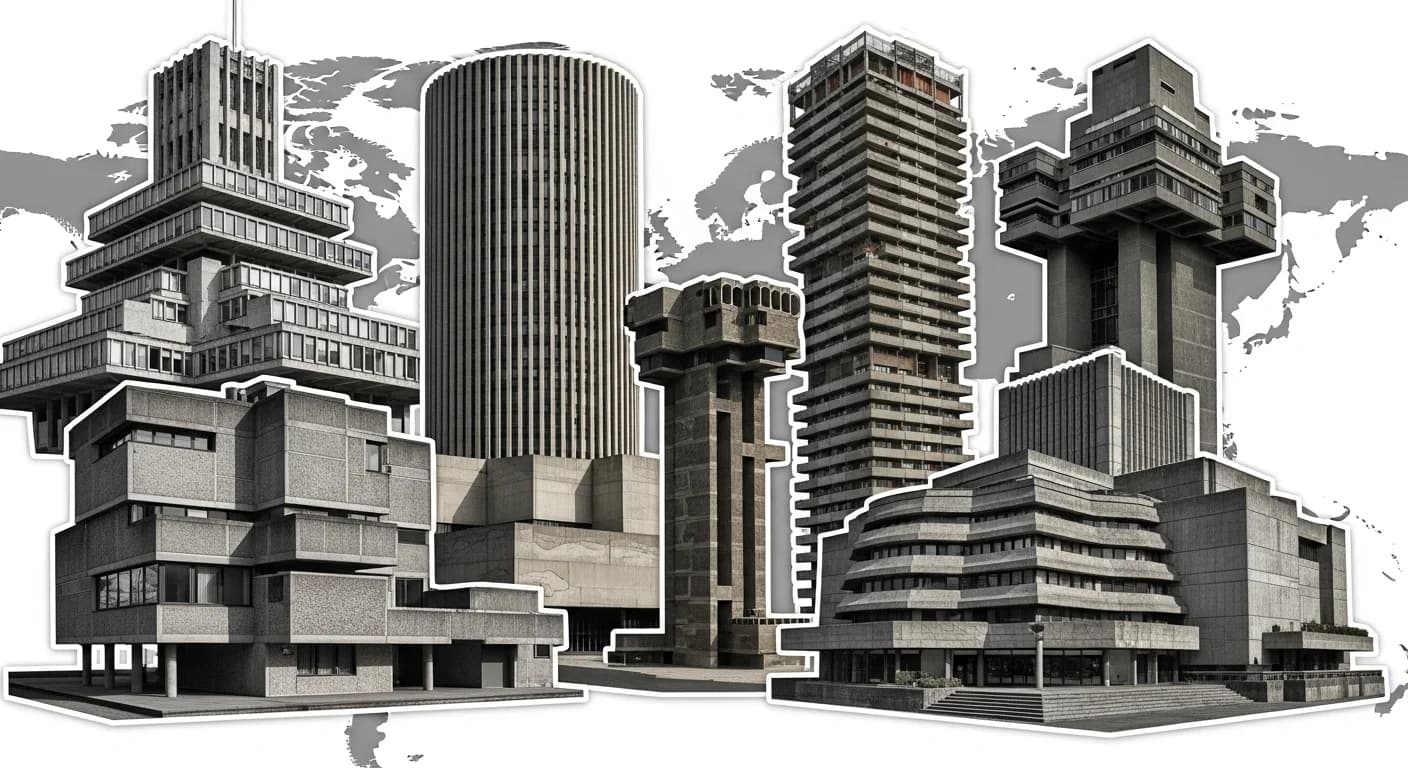
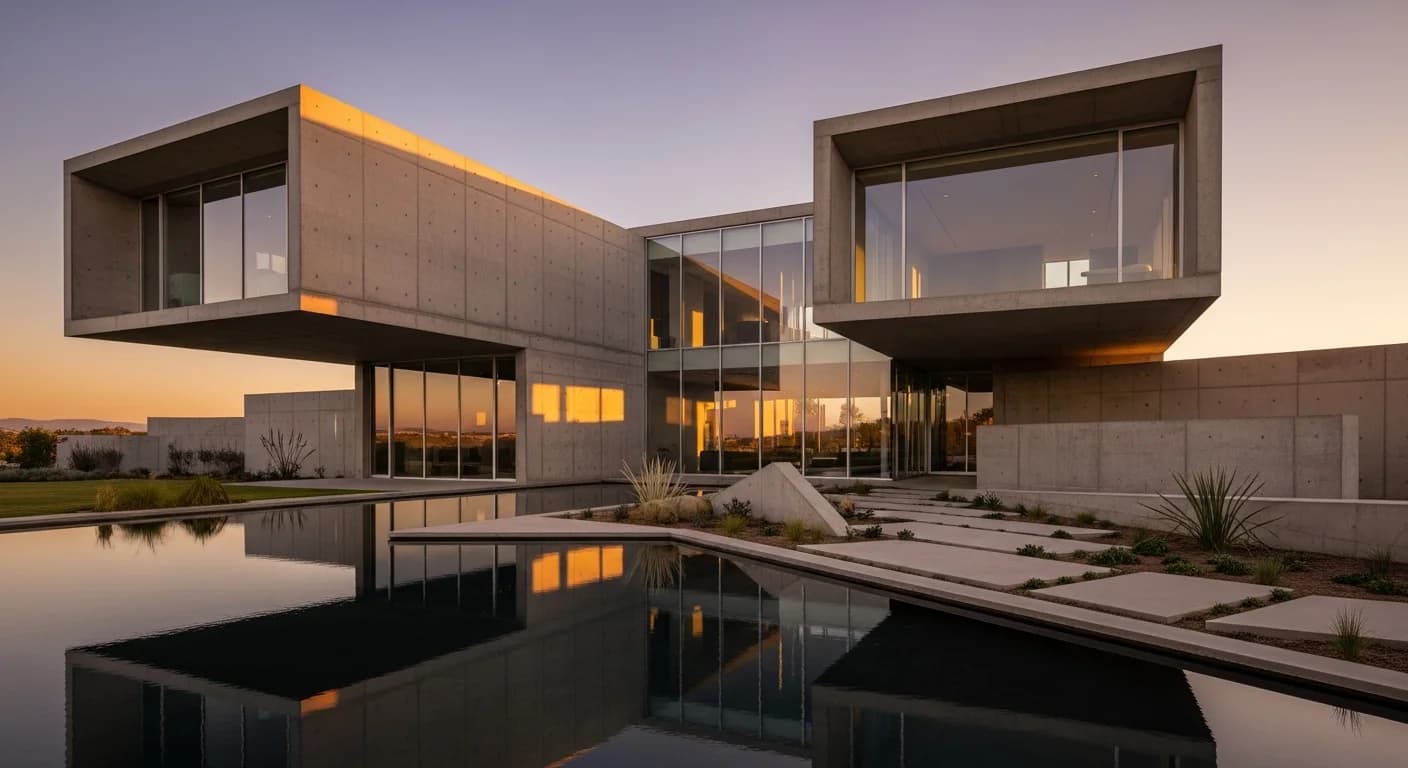
- Modern design refers to the Modernist movement (roughly 1920s–1960s) that prioritized function over form, rejected ornamentation, and embraced industrial materials like steel, glass, and concrete. True modern design has a fixed historical identity.
- Contemporary design refers to whatever is current right now — it borrows from modern, but also absorbs trends from other styles. Contemporary is fluid and always evolving.
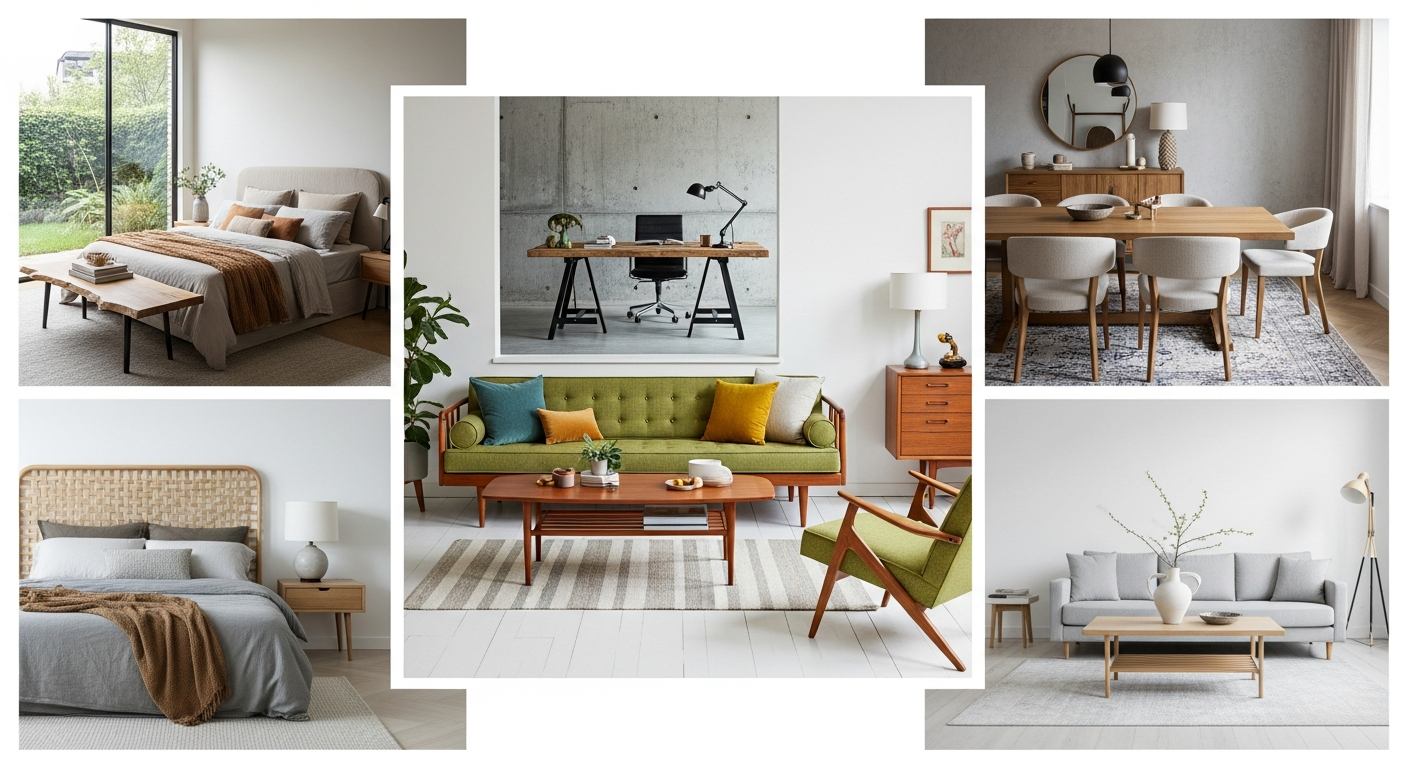
- Mid-century modern is a subset of modern design specific to the 1940s–1960s, characterized by organic curves, tapered legs, warm wood tones, and playful color accents. Think Eames chairs, Nelson clocks, and Saarinen tables.
In everyday decorating conversation, modern home decor ideas typically blend all three — taking the clean lines of Modernism, the warmth of mid-century, and the current-moment relevance of contemporary design. This guide embraces that practical definition while honoring the principles that make modern style timeless.
Modern decor also has several popular substyles that allow you to personalize the look:
- Warm modern — Softens strict modernism with natural wood, textured fabrics, and earthy tones.
- Organic modern — Combines clean lines with biophilic elements like live-edge wood, stone, and indoor greenery.
- Modern industrial — Exposes structural elements like ductwork, concrete, and steel framing as decorative features.
- Scandinavian modern — Emphasizes light, function, and hygge-inspired coziness with blonde wood and soft textiles.
- Modern minimalist — Pushes restraint to its furthest point with monochromatic palettes and only essential objects. For a deep dive into this approach, see our minimalist home decor guide.
Modern Design Principles
Every successful modern interior rests on a handful of foundational principles. Understanding these will help you make confident decisions whether you are choosing a sofa, selecting wall art, or arranging an entire open-plan living area.
Less Is More
Attributed to Mies van der Rohe, this principle is the heartbeat of modern design. Every item in a room should serve a clear purpose — functional, aesthetic, or both. If an object does neither, it does not belong. This does not mean rooms should feel empty or cold; it means each piece carries more visual weight and deserves more thoughtful placement.
Form Follows Function
Coined by architect Louis Sullivan, this principle means the shape of an object should be determined by its intended use. A modern bookshelf is not ornately carved — it is a clean geometric structure optimized for storing and displaying books. A modern dining chair prioritizes ergonomic comfort and structural integrity over decorative flourishes.
Clean Sightlines
Modern rooms maintain uninterrupted visual flow. Furniture sits low to the ground, storage is concealed behind flat-panel doors, and surfaces are kept clear. The eye should be able to travel across a room without hitting visual clutter or competing focal points.
Negative Space as a Design Element
In modern decor, what you leave empty matters as much as what you fill. Generous white space on walls, open floor area between furniture groupings, and breathing room on shelves all contribute to the serene, composed atmosphere that defines modern interiors.
Intentional Material Choices
Modern design celebrates the inherent beauty of materials rather than disguising them. Concrete is left exposed rather than covered with wallpaper. Steel is polished rather than painted. Wood grain is visible rather than hidden under heavy stain. This honesty of materials creates a sense of authenticity and grounding that ornamental styles cannot replicate.
The Modern Color Palette
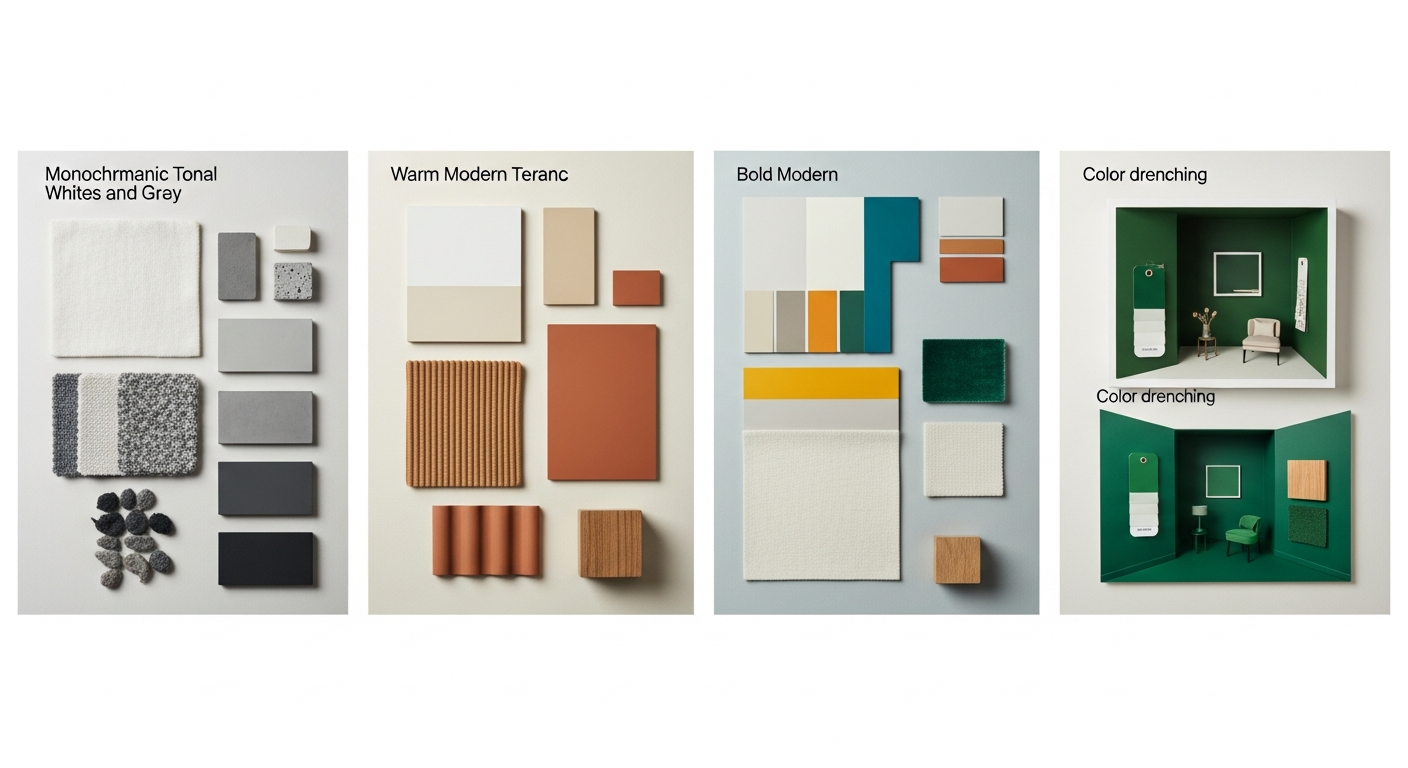
Color in modern decor is deliberate, restrained, and architectural. The palette serves as a backdrop that lets furniture forms, material textures, and spatial geometry take center stage.
Monochromatic Schemes
The most classic modern palette uses a single color family in varying tones and values. A monochromatic gray scheme, for example, might layer charcoal upholstery against dove-gray walls with pewter metallic accents and white architectural trim. The result is sophisticated, cohesive, and inherently calming. Depth comes from texture variation rather than color contrast — a matte concrete wall beside a glossy lacquer console beside a nubby wool rug.
Warm Neutrals
The 2026 evolution of modern decor embraces warmth without sacrificing cleanliness. Think creamy whites instead of stark white, warm greige instead of cool gray, soft camel instead of sharp tan. This warm neutral approach makes modern interiors feel inviting and livable — especially important in bedrooms and family spaces. For more on building a full neutral palette, see our neutral home decor ideas guide.
Strategic Bold Accents
Modern spaces use bold color sparingly and with surgical precision. A single oversized abstract painting in cobalt blue, a pair of mustard-yellow accent chairs, or a deep burgundy throw draped over a gray sofa — these moments of color become focal points precisely because everything around them is restrained. The rule: one bold accent per sightline, never more.
Black as an Accent Color
Matte black is the defining accent of modern decor in 2026. Black steel-framed mirrors, matte black cabinet hardware, black window frames, and black light fixtures create graphic contrast that anchors a neutral room and gives it architectural definition. Used consistently throughout a home, matte black elements create a visual thread that ties rooms together.
Modern Living Room Decor
The living room is where modern design makes its boldest statement. This is the room visitors see first and where the family gathers — so it needs to balance visual impact with genuine comfort.
Low-Profile Sofas and Seating
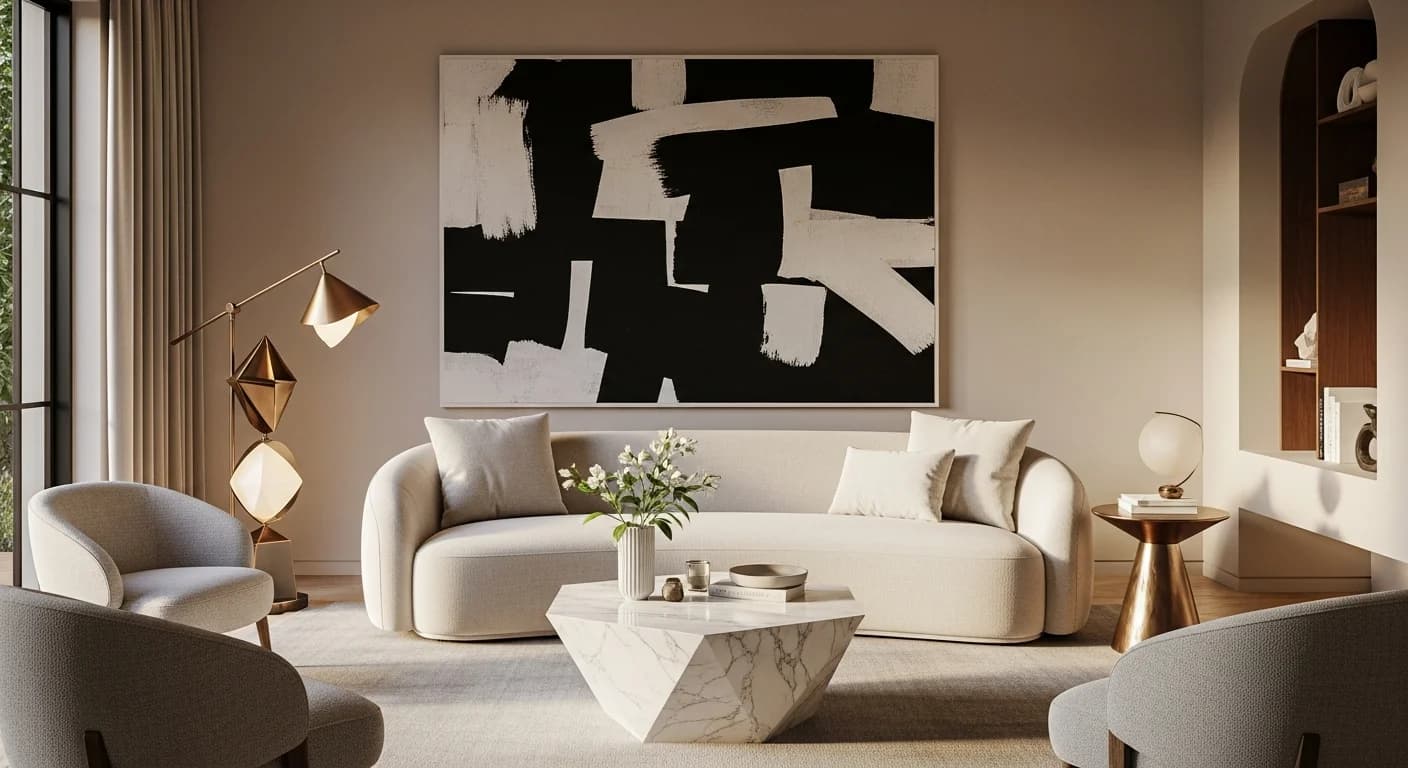
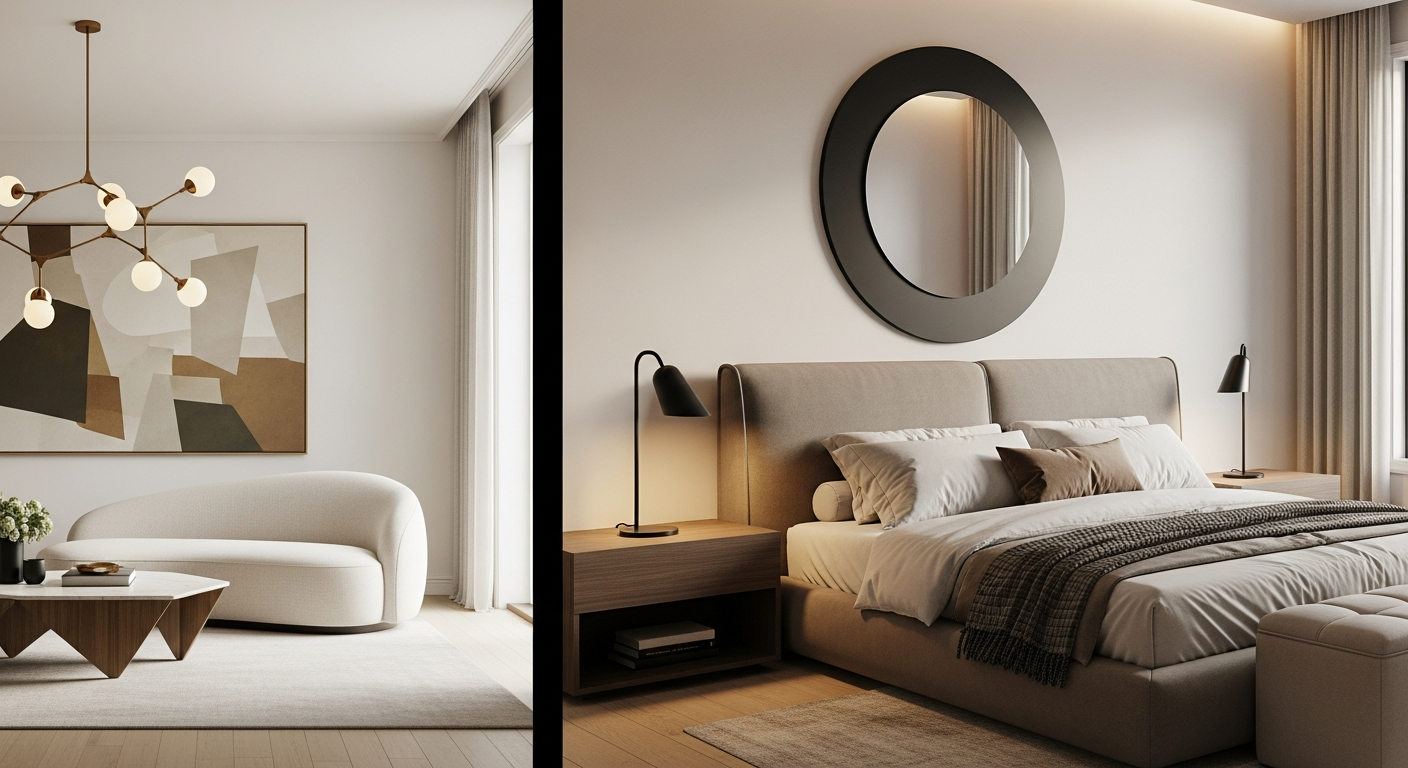
Modern sofas sit close to the ground with clean, boxy silhouettes or gentle curves — never overstuffed or heavily tufted. Look for sofas with slim metal or tapered wood legs that allow light to pass underneath, creating visual lightness. Sectionals work well in modern spaces when they maintain clean lines and tight cushion construction. Performance fabrics in charcoal, cream, or warm gray ensure both style and durability.
Geometric Coffee Tables
The coffee table is a sculptural centerpiece in a modern living room. Rectangular marble slabs on hairpin legs, round walnut surfaces on matte black steel bases, or asymmetric nesting tables in mixed materials all serve the aesthetic. Keep the surface styling minimal — a single coffee table book, a small sculptural object, and perhaps a candle in a simple vessel.
Abstract Art and Wall Decor
Modern wall art leans abstract — color field paintings, geometric compositions, black-and-white photography, or large-scale minimalist prints. Oversized single pieces make a stronger statement than gallery walls in modern spaces. If you prefer a grouping, keep frames identical and spacing precise. For ideas beyond art, explore our design gallery for curated inspiration.
Hidden Storage Solutions
Clutter is the enemy of modern design. Media consoles with push-to-open doors conceal electronics. Floating credenzas provide storage without floor contact. Built-in wall units with integrated lighting display curated objects while hiding everyday items behind flat-panel doors. The goal: everything has a home, and that home is invisible.
Statement Lighting
In a restrained room, lighting becomes sculpture. A single oversized pendant — an arc lamp in brushed brass, a Sputnik chandelier in matte black, or a geometric cage pendant — anchors the seating area and doubles as the room's conversation piece. Recessed downlights handle ambient illumination, keeping the ceiling plane clean.
Modern Bedroom Decor
The modern bedroom is a sanctuary of calm — a space where visual noise drops to zero and the architecture of rest takes over. Every element is chosen to promote relaxation while maintaining the clean aesthetic that defines modern style.
Platform Beds
The platform bed is the signature piece of a modern bedroom. Low to the ground, with a simple upholstered or wood-framed headboard, it anchors the room with horizontal emphasis. Floating platform beds — mounted to the wall with hidden brackets — create a dramatic effect with under-bed LED lighting that makes the frame appear to hover. Choose bed linens in crisp white, warm cream, or soft gray with minimal pattern.
Streamlined Nightstands
Forget the traditional nightstand with ornate drawer pulls. Modern nightstands are floating wall-mounted shelves, slim metal-framed tables with a single drawer, or cantilevered surfaces that extend from the headboard itself. Keep nightstand surfaces to three items maximum: a lamp, a book, and one personal object.
Minimal Accessories
Modern bedrooms resist the urge to accessorize. A single piece of art above the bed or a pair of matching sconces replaces the traditional gallery wall. One or two throw pillows in textured neutrals replace the mountain of decorative pillows. A single potted plant or architectural branch in a ceramic vase provides organic softness without clutter.
Architectural Window Treatments
Skip the heavy drapes and ornate valances. Modern bedrooms use roller shades in fabric that matches the wall color for a seamless look, or floor-to-ceiling sheer panels that filter light while maintaining clean vertical lines. For a luxurious upgrade, motorized blackout shades disappear into a recessed ceiling pocket when not in use.
Modern Kitchen and Dining
The modern kitchen is a study in efficiency and visual restraint. Every surface, fixture, and material is chosen to create a seamless, gallery-like environment where cooking becomes a design experience.
Handleless Cabinets
Push-to-open or integrated channel-pull cabinetry defines the modern kitchen. Without visible hardware, cabinet fronts become clean planes of color — whether in matte white, warm gray, or dramatic dark walnut veneer. This hardware-free approach creates the uninterrupted sightlines that modern design demands. For more kitchen-specific ideas, check our home office decor guide for productivity-focused design principles that translate well to kitchen workflow.
Waterfall Countertops
The waterfall countertop — where the surface material continues down the sides of a kitchen island — is a defining feature of modern kitchens. Quartz, marble, or engineered stone in consistent veining creates a monolithic, sculptural island that serves as both workspace and visual anchor. Pair with matte black or brushed brass fixtures for contrast.
Pendant Clusters
Over a kitchen island, a cluster of two or three pendants at staggered heights creates modern drama without visual heaviness. Choose pendants in geometric shapes — cylindrical, conical, or globe — in materials that echo other room accents: brushed brass, smoked glass, or matte black steel. The staggered height adds dimension while maintaining the clean aesthetic.
Scandinavian Dining Sets
Modern dining areas lean toward Scandinavian-influenced design: a simple rectangular or oval table in light oak or walnut paired with molded shell chairs or wishbone chairs. The dining area should feel open and uncluttered — no heavy buffets or china cabinets. A single statement pendant centered over the table provides both task lighting and design interest.
Modern Materials and Textures
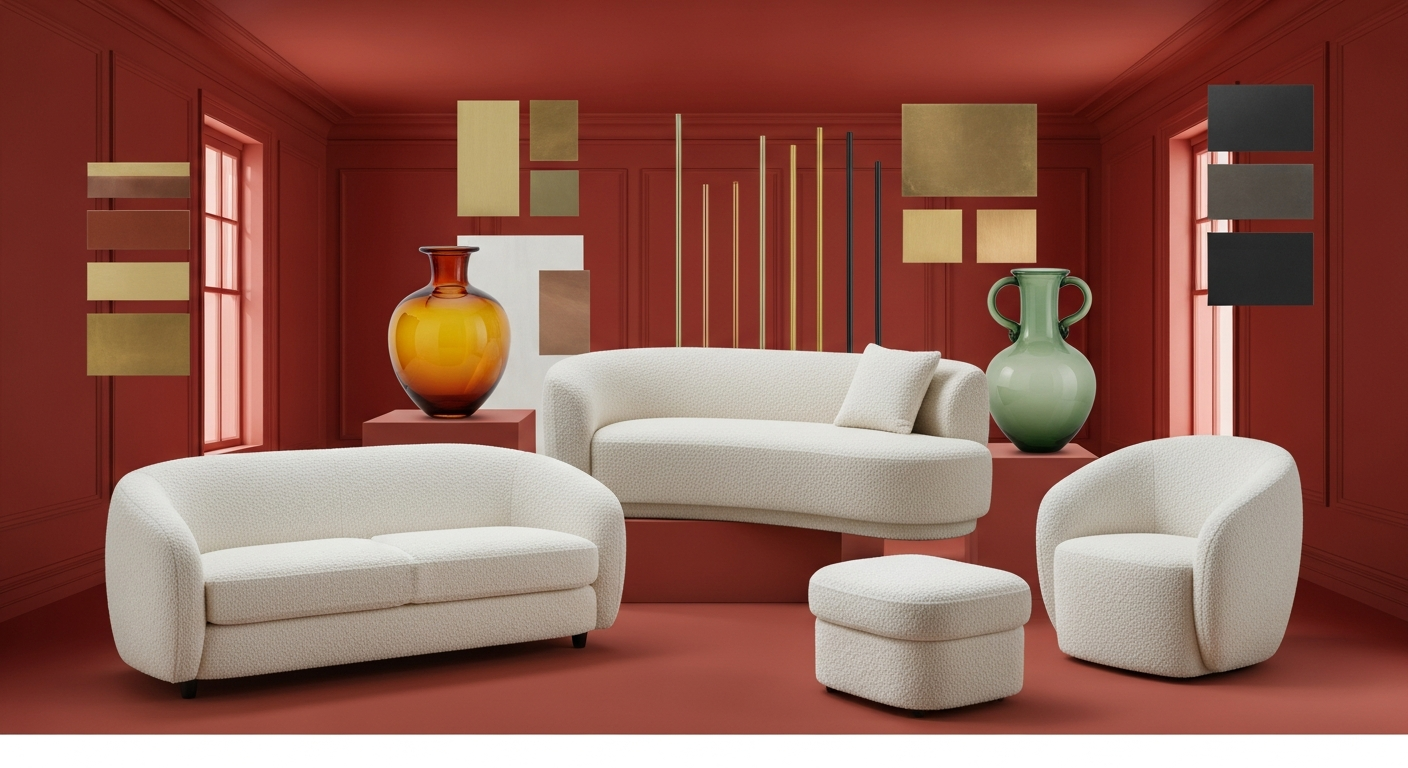
Material selection is where modern decor reveals its sophistication. Rather than relying on pattern or color for visual interest, modern interiors build depth through the interplay of contrasting textures and surface finishes.
Concrete
Polished concrete floors, concrete countertops, and cast-concrete accent walls bring raw, industrial honesty to modern spaces. In 2026, microcement (a thin cementitious coating) allows you to add concrete's aesthetic to existing surfaces without structural changes — creating seamless walls, countertops, and even shower enclosures.
Steel and Metal
Brushed stainless steel, matte black powder-coated steel, and warm brushed brass are the metallic trio of modern decor. Steel-framed glass partitions divide open-plan spaces without blocking light. Metal-legged furniture keeps silhouettes visually light. And metallic accent objects — vases, trays, sculpture — add subtle luminosity to neutral rooms.
Glass
Clear, smoked, fluted, and frosted glass all play roles in modern interiors. Glass coffee tables reduce visual mass. Fluted glass cabinet fronts add texture while partially concealing contents. And floor-to-ceiling glass windows — the modernist dream — dissolve the boundary between interior and exterior space.
Leather
Full-grain leather in cognac, black, or saddle tan adds warmth and organic texture to modern rooms. A leather accent chair, a leather-wrapped bench at the foot of the bed, or leather and metal bar stools at the kitchen island introduce tactile richness that softens steel and concrete. Leather develops a beautiful patina over time, adding the lived-in quality that prevents modern spaces from feeling sterile.
Natural Stone
Marble, travertine, limestone, and slate bring geological beauty to modern interiors. A single slab of bookmatched marble as a fireplace surround, a travertine console table, or slate floor tiles in a modern entryway — stone grounds a room in permanence and natural variation. For luxury applications of natural stone, explore our luxury home decor ideas guide.
Warm Wood Accents
While modern design historically favored cool, industrial materials, the 2026 evolution embraces warm wood as a humanizing counterpoint. White oak floating shelves, walnut dining tables, teak accent walls, and ash cabinetry all introduce organic warmth without compromising clean lines. The key is using wood in simple, flat-grain presentations — no ornate carvings, no heavy staining, no rustic distressing.
Smart Home Integration
Modern design and smart technology are natural partners — both value clean aesthetics, seamless function, and the elimination of unnecessary clutter. In 2026, the best smart home products are designed to disappear into modern interiors rather than announce their presence.
Design-Conscious Technology
Smart home devices have matured aesthetically. Smart thermostats now come in minimalist designs that complement modern walls. Smart speakers hide inside furniture-grade enclosures. And smart displays feature art-mode screens that show gallery-quality images when not in active use — eliminating the black-screen eyesore that plagued earlier smart home adoptions.
Wireless Charging Furniture
Modern furniture makers now integrate Qi wireless charging into nightstands, coffee tables, and desk surfaces. This eliminates charging cables — one of the biggest sources of visual clutter in modern homes. Look for pieces with charging pads hidden beneath the surface, indicated only by a subtle alignment marker.
Hidden Speakers and Audio
In-ceiling and in-wall speakers deliver whole-home audio without visible equipment. Architectural speakers from brands like Sonance and Triad mount flush with the ceiling or wall surface and can be painted to match. Paired with a centralized amplifier hidden in a utility closet, you get concert-quality sound with zero visual impact.
Smart Lighting
Smart lighting is perhaps the single most impactful technology for modern interiors. Tunable-white LED systems adjust color temperature throughout the day — cool, energizing light in the morning and warm, relaxing light in the evening. Scenes can be programmed to match activities: cooking, entertaining, reading, or movie-watching. And because modern design already favors recessed and concealed lighting, the fixtures themselves remain invisible while the light quality transforms the mood of every room.
Frequently Asked Questions
What is the difference between modern and contemporary decor?
Modern decor refers to a specific design movement (early-to-mid 20th century) with fixed characteristics like clean lines, minimal ornamentation, and honest materials. Contemporary decor means whatever is current right now — it evolves with trends and borrows from multiple styles including modern. In practice, most "modern" home decor blends both approaches.
How do I make a modern room feel warm and not sterile?
Add warm wood accents (white oak, walnut, teak), use warm-toned neutrals instead of stark white and cool gray, layer textured textiles (wool throws, linen cushions, leather accents), and include organic elements like potted plants or stone accessories. The warmth comes from material texture, not visual clutter.
Can I mix modern decor with other styles?
Absolutely. Modern pairs beautifully with mid-century, Scandinavian, industrial, and even rustic elements. The key is maintaining clean lines as the dominant visual language and introducing other style elements as accents rather than equal partners. A rustic reclaimed wood console in an otherwise modern living room adds character without undermining the aesthetic.
What modern furniture brands are best for 2026?
For investment pieces, look at Design Within Reach, CB2, West Elm (their modern collections), Article, and Blu Dot. For budget-friendly modern furniture, IKEA's Stockholm and Uppland lines, Target's Threshold Studio McGee collection, and Amazon's Rivet line offer surprisingly well-designed options at accessible price points.
How much does it cost to decorate a modern living room?
A modern living room can range from $3,000–$5,000 for budget-conscious decorating (quality sofa, coffee table, area rug, lighting, art) to $15,000–$30,000+ for designer-level furnishing with premium materials. Modern decor's advantage is that fewer, better pieces mean you can invest more per item without the total exceeding other style budgets. Check our pricing guide for detailed design service costs.
What colors are trending for modern interiors in 2026?
Warm neutrals dominate — creamy whites, warm greige, soft camel, and mushroom tones replace the cool grays of previous years. Matte black remains the primary accent color for hardware and fixtures. Bold accent colors for 2026 lean toward deep olive green, rich burgundy, and saturated navy rather than the pastels of recent years.
How do I add personality to a modern minimalist room?
Focus on three areas: one bold piece of abstract art that reflects your taste, carefully chosen decorative objects with personal significance (travel souvenirs, family heirlooms, artisan ceramics), and high-quality textiles in textures you love. Personality in modern spaces comes from curation — choosing fewer things that genuinely mean something to you.
Is modern decor good for small spaces?
Modern decor is exceptionally well-suited to small spaces. Its emphasis on clean lines, minimal furniture, multi-functional pieces, and visual openness makes rooms feel larger than they are. Floating furniture, hidden storage, and restrained palettes all contribute to an expansive feeling. Light colors and mirrors amplify natural light, further enhancing the sense of space.
Design Your Modern Space
Ready to bring modern home decor ideas to life in your own space? The best way to test design concepts before committing is to visualize them in your actual rooms. Our AI-powered Room Designer lets you experiment with modern furniture arrangements, color palettes, and material combinations — uploading a photo of your current space and seeing it transformed in seconds.
Whether you are drawn to warm organic modern, sleek minimalist, or industrial-edged contemporary, the Room Designer tool helps you refine your vision, compare options, and make confident decisions. Start designing your modern space today — no design experience required.
Modern Home Decor Ideas FAQs
Written by
Priya Sharma
Priya is an award-winning UX designer who previously led design teams at Airbnb and Pinterest. Her focus on user-centered design ensures that HanoDecor's tools are intuitive and accessible to everyone, regardless of their technical background.