Home Decor Ideas: The Complete Guide to Styling Every Room in 2026

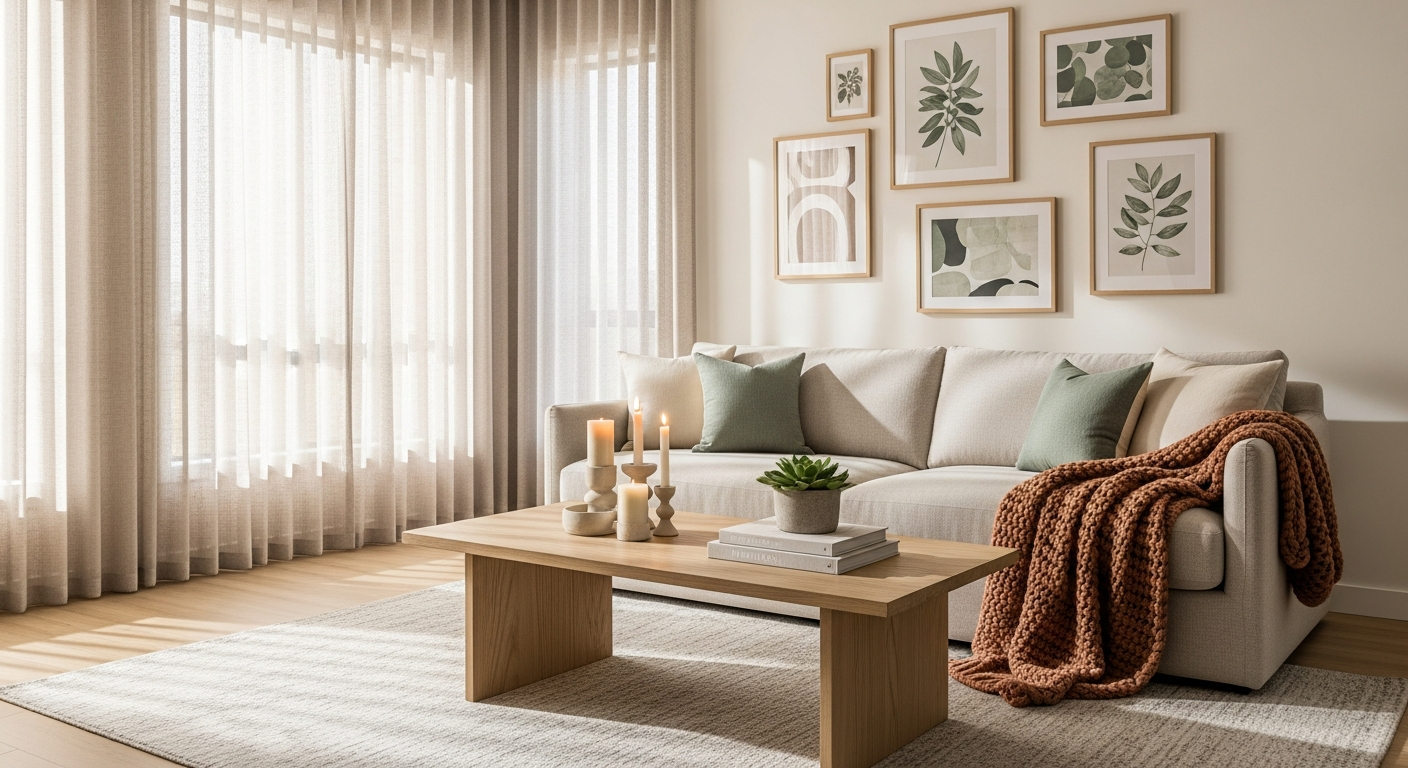
Your home tells a story. Every throw pillow you choose, every piece of art you hang, every candle you place on a shelf — these details create the atmosphere you live in every single day. Whether you're moving into a new space, refreshing a tired room, or completely reimagining your home's aesthetic, the right decor ideas can transform four walls into something that truly feels like yours.
This comprehensive guide covers everything you need to know about home decor in 2026. We'll walk through foundational design principles, room-by-room styling strategies, the biggest trending styles of the year, and practical advice for every budget. Think of this as your decorating playbook — the one resource you'll keep coming back to whenever inspiration strikes.
Quick Overview: Why Home Decor Matters in 2026
Home decor has evolved far beyond simple aesthetics. In 2026, how we style our spaces directly impacts our wellbeing, productivity, and daily mood. Research continues to confirm what designers have known for decades: thoughtfully decorated spaces reduce stress, improve focus, and create a sense of belonging.
This year's decor landscape is shaped by several converging trends. There's a strong pull toward authenticity — curated spaces that feel collected over time rather than purchased in a single shopping trip. Sustainability is no longer optional; it's woven into material choices and sourcing decisions. And technology, particularly AI-powered visualization tools, has made it possible for anyone to experiment with design ideas before committing to a single purchase.
Here's what this guide covers:
- Design fundamentals that work in any style or budget
- Room-by-room decor ideas for every space in your home
- Six trending styles dominating interiors in 2026
- DIY vs. professional guidance for different project types
- Budget and luxury strategies for every price point
- Common mistakes to avoid (and how to fix them)
Home Decor Fundamentals: The Five Principles Every Room Needs
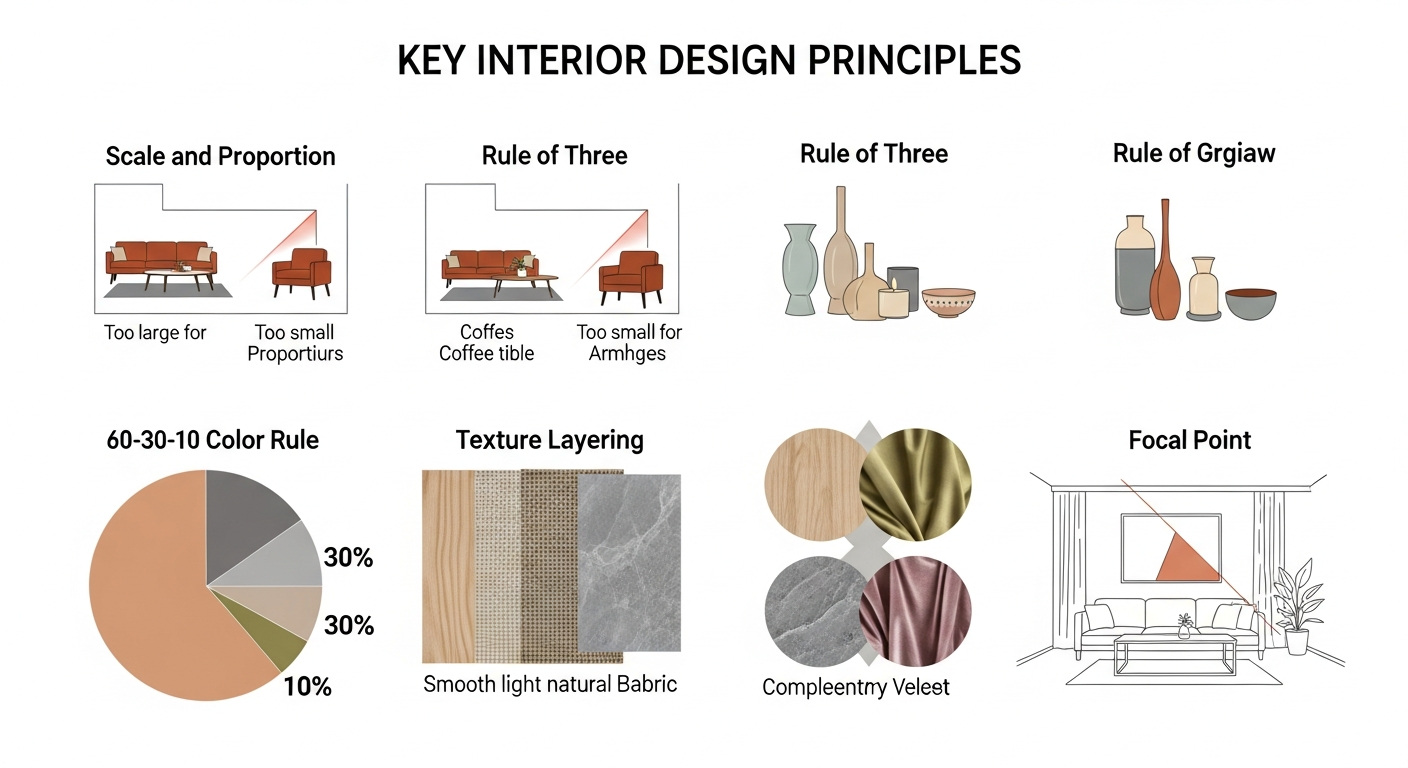
Before diving into specific rooms or styles, let's establish the foundational principles that make any decor scheme work. These aren't rigid rules — think of them as a framework that gives you confidence to make bold choices.
1. Color Theory for Home Spaces
Color is the single most impactful element in any room. It sets the mood before a guest even notices your furniture. The basics are straightforward: warm tones (reds, oranges, yellows, warm neutrals) create energy and intimacy, while cool tones (blues, greens, lavenders) promote calm and spaciousness.
In 2026, the most successful color strategies use a 60-30-10 rule: 60% dominant color (usually walls and large furniture), 30% secondary color (upholstery, curtains, rugs), and 10% accent color (pillows, art, decorative objects). This ratio creates visual harmony without feeling monotonous.
If you're drawn to softer palettes, our guide to neutral home decor ideas explores how to create depth and interest using warm whites, taupes, and earthy tones without a space feeling flat.
2. Texture Layering
Texture is what separates a room that looks good in photos from one that feels incredible to live in. A room with only smooth, polished surfaces feels cold and sterile. A room with only soft, plush textures feels cluttered and heavy. The magic happens when you mix contrasts.
Effective texture layering pairs opposites:
- Rough and smooth — a nubby linen sofa against a sleek marble side table
- Matte and glossy — matte ceramic vases next to a lacquered tray
- Woven and solid — a rattan pendant light over a smooth wooden dining table
- Soft and structured — velvet cushions on a leather armchair
Aim for at least three to four distinct textures in every room. This creates the kind of visual richness that makes people say, "This room just feels right," even if they can't explain why.
3. Scale and Proportion
Scale refers to how the size of objects relates to the room itself, while proportion is about how objects relate to each other. Getting this wrong is one of the most common decorating mistakes — a tiny lamp on a massive nightstand, or an oversized rug drowning a small living room.
General guidelines that work: a rug should extend at least 6-8 inches beyond the furniture it anchors. Art above a sofa should be roughly two-thirds the width of the sofa. Pendant lights over a dining table should hang 30-36 inches above the surface. These aren't arbitrary numbers — they're based on what the human eye perceives as balanced.
4. Creating Focal Points
Every room needs a focal point — the place your eye naturally lands when you walk in. It might be a fireplace, a statement piece of wall art, an accent wall, or a dramatic piece of furniture. Without a focal point, a room feels aimless. With too many, it feels chaotic.
Once you identify your focal point, arrange the rest of the room to support it. Furniture should orient toward it. Lighting should highlight it. Competing elements should be toned down so they complement rather than compete.
5. The Rule of Odd Numbers
This principle is deceptively simple but remarkably effective: groupings of odd numbers (three, five, seven) are more visually appealing than even numbers. Three candles on a mantel, five books on a shelf, a cluster of three vases on a coffee table. Odd groupings create asymmetry, which the brain perceives as natural and interesting rather than rigid and predictable.
"The best-decorated rooms don't follow every rule perfectly — they understand the principles well enough to break them intentionally. That's the difference between a styled room and a living one."
Room-by-Room Home Decor Ideas
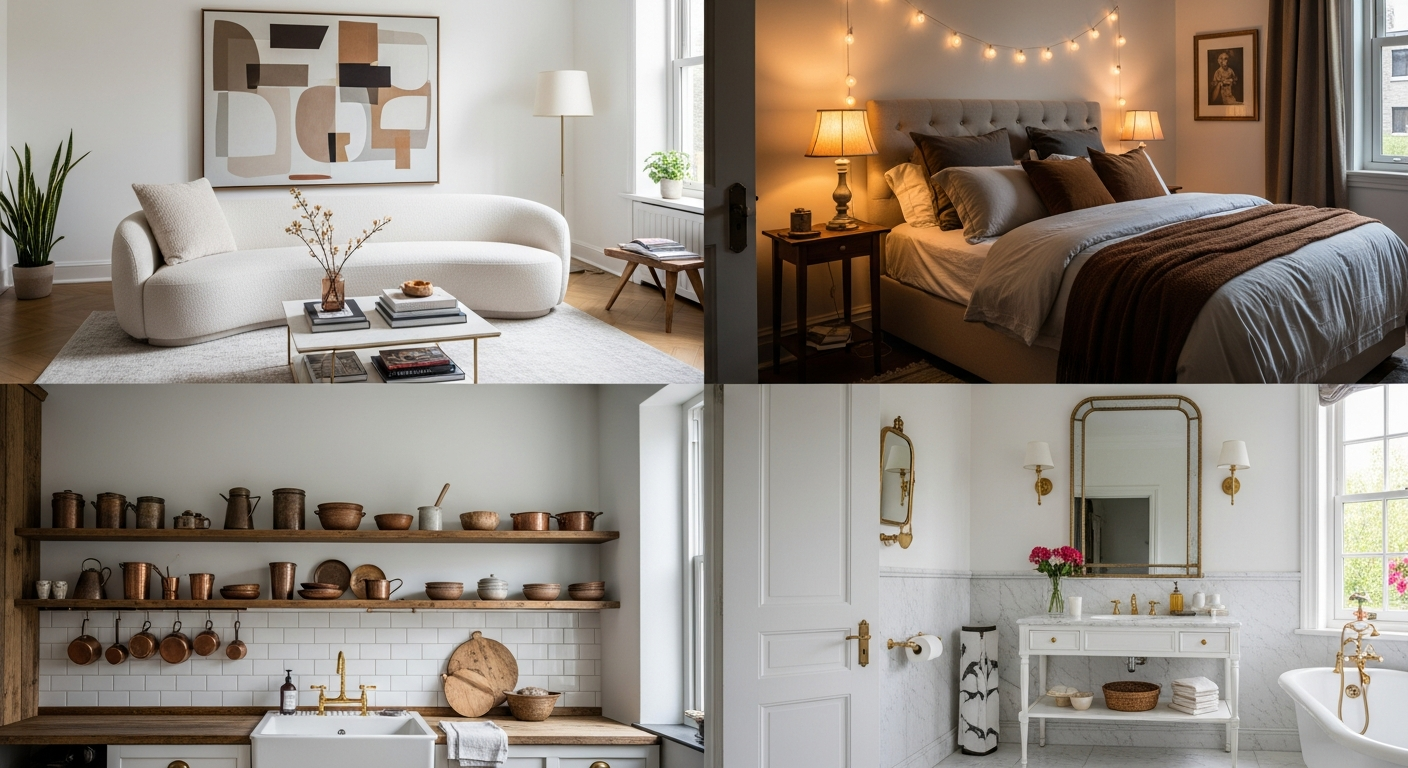
Each room in your home serves a different purpose, which means each one calls for a different decorating approach. Here's how to think about decor for the spaces where you spend the most time.
Living Room Decor Ideas
The living room is typically the most public space in your home and where decor makes its biggest impression. Start with your seating arrangement — it should encourage conversation, not just face the television. Layer in warmth with an area rug that's large enough for all front furniture legs to rest on it. Add personality through throw pillows (stick to two or three coordinating patterns), a well-styled coffee table, and meaningful art or photography on the walls.
Key decor elements for living rooms in 2026: sculptural side tables, oversized floor lamps with warm-toned bulbs, textured throw blankets draped casually over sofa arms, and curated shelf displays that mix books with objects. For detailed layout strategies, explore our guide to creating a cozy living room atmosphere.
Bedroom Decor Ideas
Your bedroom should be a retreat — a space that signals relaxation the moment you walk in. Keep the color palette calming and cohesive. Invest in quality bedding (this is where your money makes the biggest comfort impact). Layer your bed with a fitted sheet, flat sheet, a lightweight blanket, a duvet or comforter, and two to three accent pillows.
Nightstand styling matters more than you think: a lamp with a warm glow, a small plant or vase, one or two books, and perhaps a candle or small tray for jewelry. Keep surfaces relatively clear — clutter in the bedroom disrupts sleep quality more than most people realize.
Kitchen Decor Ideas
Kitchen decor is about finding the sweet spot between functional and beautiful. Open shelving is one of the most impactful kitchen decor moves you can make — display your most attractive dishware, a few cookbooks, and a couple of small plants. Swap out hardware on cabinets for an instant refresh (brushed brass and matte black continue to dominate in 2026).
Don't overlook counter styling. A beautiful cutting board propped against the backsplash, a ceramic utensil crock, and a small herb garden near the window add warmth without cluttering workspace. For a complete kitchen styling guide, see our minimalist decor approach which works especially well in kitchens.
Bathroom Decor Ideas
Bathrooms are often the most neglected rooms when it comes to decor, but they offer incredible styling potential. Start by upgrading towels to plush, coordinated sets displayed on open shelving or a ladder rack. Add a statement mirror above the vanity — round mirrors and arched mirrors are particularly popular right now.
Bring in warmth with a wooden tray holding curated products, a small potted plant (pothos and ferns thrive in bathroom humidity), and a quality soap dispenser. Fresh flowers or eucalyptus tied to the shower head are simple touches that elevate the entire experience.
Dining Room Decor Ideas
The dining room sets the stage for connection and celebration. A statement chandelier or pendant light above the table creates instant drama. Keep table decor simple for daily use — a runner or placemats, a low centerpiece (tall arrangements block conversation across the table), and perhaps a pair of candlesticks.
Wall decor in dining rooms can be bolder than other rooms since you typically view it from a seated position. Large-scale art, a gallery wall of collected pieces, or a dramatic mirror all work beautifully here.
Home Office Decor Ideas
Your workspace decor directly impacts productivity. Choose colors that promote focus — greens and blues for calming concentration, warm neutrals for a grounded feel, or bold accent walls for creative energy. Invest in proper task lighting and add a desk lamp that doubles as a design element.
Personalize your workspace with a small gallery wall of inspiring images, a few indoor plants to boost air quality and mood, and organized shelving that's both functional and attractive. For a deep dive into creating the perfect work-from-home environment, see our complete guide to home office decor ideas.
Entryway Decor Ideas
Your entryway is your home's first impression — and your own daily welcome home. A console table with a styled vignette (a lamp, a tray for keys, a small plant or vase of flowers) sets the tone immediately. Add a mirror to create a sense of space and give you a last-minute check before heading out.
Don't forget practical beauty: a stylish basket or bench for shoes, hooks for bags and coats, and perhaps a small rug to define the space. For a comprehensive approach, our entryway decor guide covers everything from narrow hallways to grand foyers.
Trending Home Decor Styles in 2026
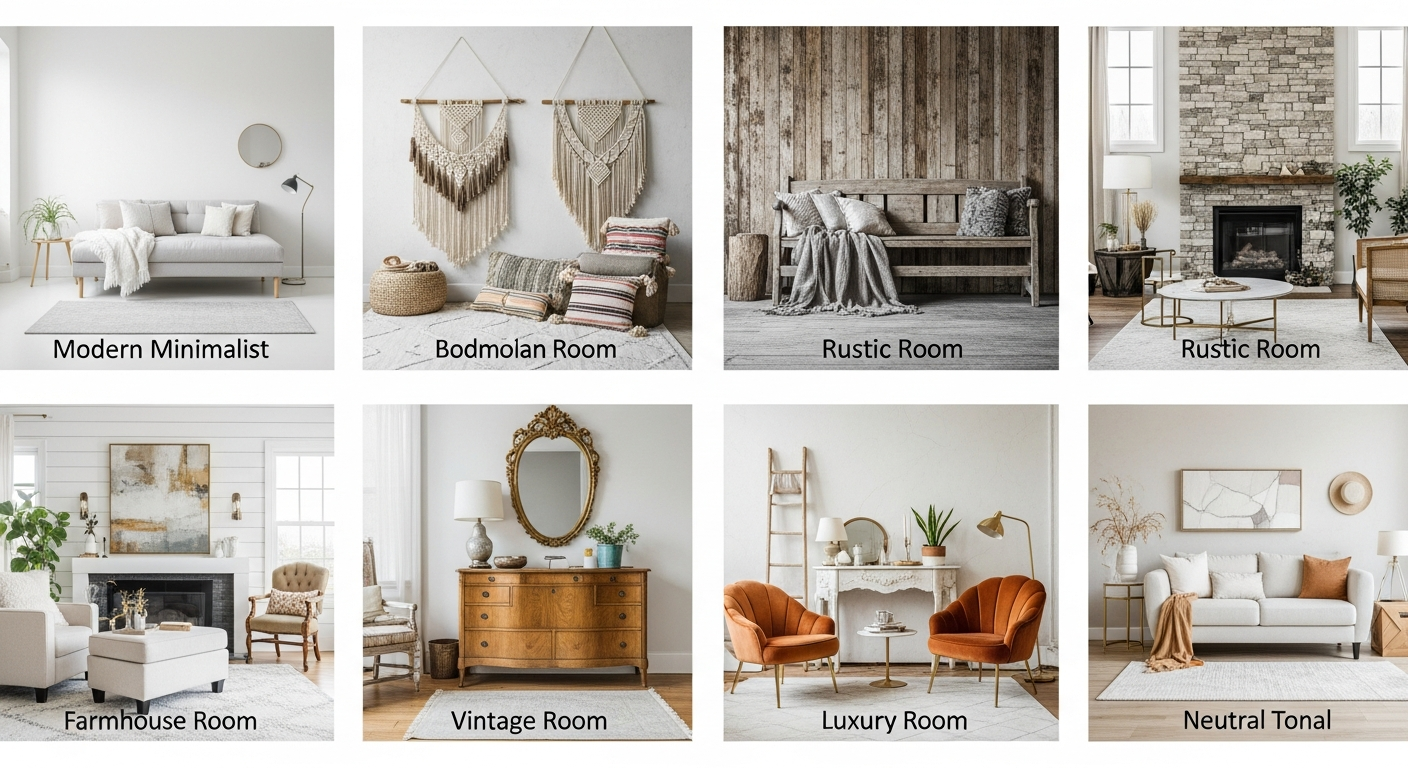
Understanding the major decor styles helps you define your personal aesthetic and make confident purchasing decisions. Here's a brief overview of the six styles making the biggest impact this year, each with a dedicated guide for deeper exploration.
Bohemian (Boho) Decor
Boho decor celebrates free-spirited creativity through layered textiles, global patterns, and natural materials. Think macrame wall hangings, kilim rugs, rattan furniture, and an abundance of plants. In 2026, boho is evolving toward a more refined, curated look — still eclectic but with more intentional color palettes and fewer chaotic pattern clashes.
Read more: Boho Home Decor Ideas: Complete Bohemian Style Guide
Modern Decor
Modern decor embraces clean lines, thoughtful minimalism, and functional beauty. The palette tends toward neutrals punctuated by bold statement pieces. In 2026, modern decor is warming up significantly — expect to see more organic shapes, natural wood tones, and softer curves replacing the stark, cold modern of years past.
Read more: Modern Home Decor Ideas: Contemporary Style Guide
Rustic Decor
Rustic decor draws on the warmth of natural materials — reclaimed wood, stone, wrought iron, and raw textiles. It's about creating spaces that feel grounded and connected to nature. This year's rustic trend leans into refined rusticity: the warmth of natural materials paired with sophisticated silhouettes and curated accessories.
Read more: Rustic Home Decor Ideas: Natural Warmth and Character
Farmhouse Decor
Farmhouse style blends country charm with comfortable living. Shiplap walls, apron-front sinks, and distressed wood finishes are hallmarks, but in 2026, the farmhouse aesthetic has matured beyond the "Fixer Upper" era. Expect European-influenced farmhouse with more sophisticated color choices, antique hardware, and fewer overly distressed elements.
Read more: Farmhouse Home Decor Ideas: Country Charm Made Modern
Vintage Decor
Vintage decor is about curating a home that feels collected over time. Mixing eras — a mid-century sideboard with an Art Deco mirror and Victorian-era botanical prints — creates depth and personality that no showroom floor can replicate. The key is intentional curation: each piece should have character and complement the others, even if they're from completely different periods.
Read more: Vintage Home Decor Ideas: Retro Style with Modern Living
Neutral Decor
Neutral decor is having a major moment in 2026, but it's far from boring. Today's neutral interiors rely on tonal layering — warm whites, creamy taupes, soft mushroom tones, and sandy beiges — combined with rich textures to create depth. The result is serene, sophisticated, and incredibly livable.
Read more: Neutral Home Decor Ideas: The Art of Warm Tonal Styling
DIY vs. Professional Home Decor
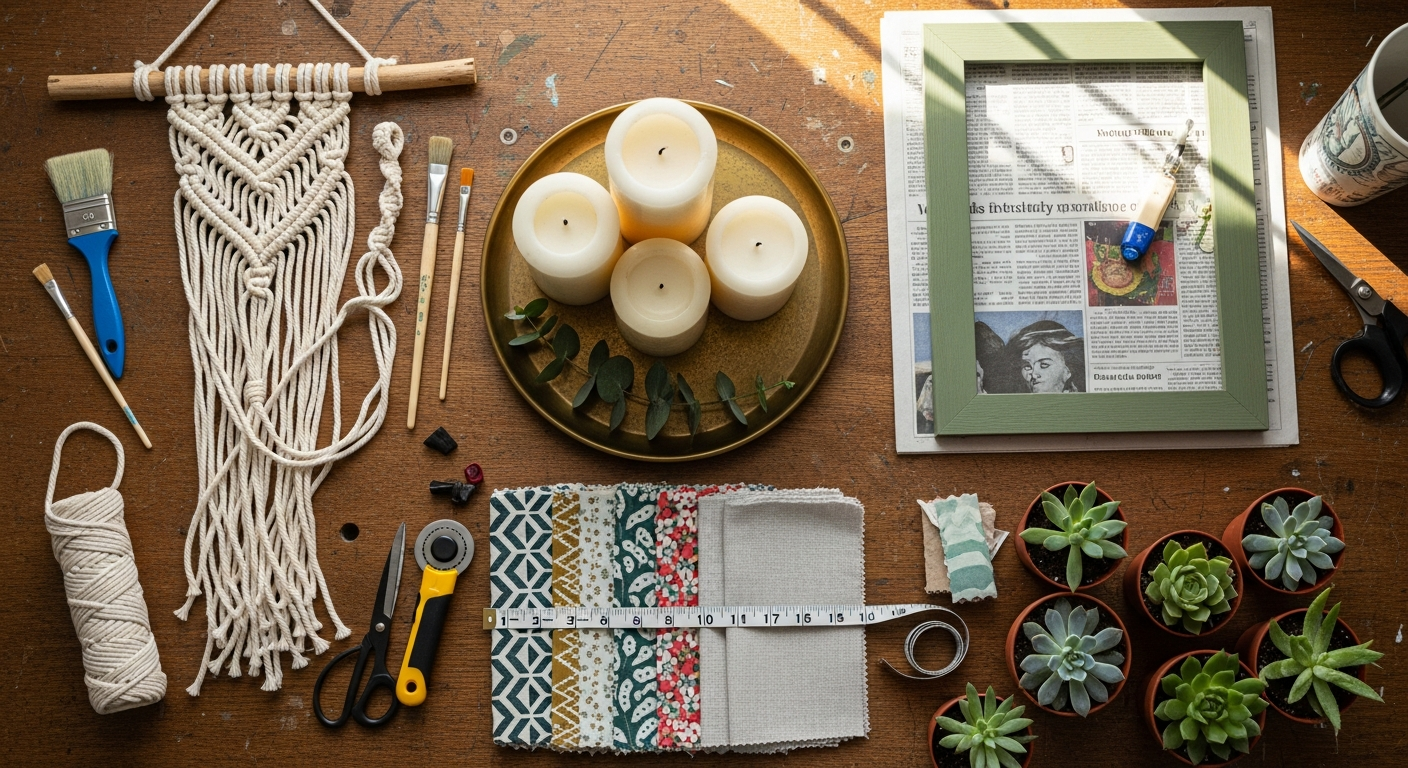
One of the most common questions in home decorating is whether to tackle projects yourself or hire help. The answer depends on the project, your skills, and your time.
Best DIY Home Decor Projects
Some decor projects are perfectly suited for a weekend DIY approach:
- Painting accent walls — high impact, moderate skill required
- Shelf styling and vignettes — no tools needed, just an eye for arrangement
- Updating hardware — cabinet pulls, drawer knobs, light switch plates
- Making throw pillow covers — even no-sew versions look polished
- Creating gallery walls — plan the layout on the floor first, then hang
- Refinishing furniture — chalk paint and wax transform thrift store finds
- Building simple shelving — floating shelves are a beginner-friendly project
For a comprehensive collection of projects organized by skill level and budget, our DIY home decor ideas guide walks you through everything from beginner crafts to advanced woodworking projects.
When to Hire a Professional
Some projects benefit from professional expertise:
- Custom window treatments — proper measurement and installation matter enormously
- Upholstery — reupholstering quality furniture is skilled work
- Built-in cabinetry — precision matters for anything that's permanent
- Lighting installation — anything requiring electrical work should involve a licensed electrician
- Wallpaper hanging — especially for large-scale or patterned wallpapers
The sweet spot for most homeowners is a blend: DIY the styling and smaller projects, bring in professionals for structural or technical work, and use AI design visualization to plan everything before making decisions.
Budget vs. Luxury Home Decor

The most beautifully decorated homes aren't always the most expensive. Smart decorating is about strategic allocation — splurging where it matters and saving where clever alternatives exist.
Budget-Friendly Decor Strategies
You can transform a room for under $200 with the right approach:
- Rearrange before you buy — sometimes a new furniture layout is all a room needs
- Shop your own home — move accessories between rooms for a fresh perspective
- Thrift and estate sale finds — quality vintage pieces at a fraction of retail
- Paint is the cheapest transformation — one accent wall changes everything
- Update textiles — new throw pillows and curtains refresh a room instantly
- Add greenery — indoor plants add life and color for minimal cost
For dozens more money-saving decorating strategies, see our complete guide to budget home decor ideas.
Where to Invest: Luxury Splurges That Matter
When you do have budget to invest, certain items deliver outsized impact:
- Quality seating — a well-made sofa lasts 15-20 years and defines your living room
- Statement lighting — one dramatic fixture can anchor an entire room
- Original art — nothing personalizes a space like artwork you truly love
- Area rugs — a quality rug ties a room together and adds warmth underfoot
- Custom window treatments — they elevate a room from "nice" to "polished"
For inspiration on creating truly elevated spaces, explore our luxury home decor ideas guide covering high-end materials, bespoke pieces, and designer-level styling techniques.
Home Decor for Special Spaces
Some spaces in your home require specialized decorating approaches. Here's how to handle three of the most unique decorating challenges.
Home Office Spaces
With remote and hybrid work now the norm, home office decor isn't optional — it's essential for productivity and wellbeing. The key is creating a space that feels distinct from the rest of your home while still harmonizing with your overall aesthetic. Dedicated task lighting, ergonomic furniture styled to look good (not just function), and personal touches that inspire creativity all matter.
Whether you have a full room or just a corner, our home office decor ideas guide covers everything from desk styling to creating a professional video call background.
Small Spaces and Apartments
Decorating small spaces requires a different mindset. It's not about having less — it's about being more intentional with every piece. Scale down your furniture (a loveseat instead of a full sofa, a round dining table instead of rectangular), use mirrors to amplify light and the sense of space, and choose multi-functional pieces whenever possible.
Light colors, vertical storage, and the strategic absence of clutter are your best friends in small spaces. For detailed strategies, including studio apartment and mobile home decorating, explore our small space home decor ideas guide.
Seasonal Rotating Decor
One of the most rewarding decorating practices is rotating decor with the seasons. It doesn't require a complete overhaul — simply swapping throw pillow covers, updating your centerpiece, and adjusting your color accents can mark the transition from summer to fall or winter to spring. Keep a curated box of seasonal accessories and you'll look forward to each change.
For a full seasonal rotation strategy with specific ideas for spring, summer, fall, and winter, our seasonal home decor guide has you covered year-round.
Common Home Decor Mistakes to Avoid
Even experienced decorators fall into these traps. Here are the most common home decor mistakes and how to fix them.
1. Pushing All Furniture Against the Walls
It seems logical — more open floor space, right? But floating furniture away from walls actually makes rooms feel larger and more inviting. Pull your sofa a few inches forward, angle accent chairs, and create conversation groupings. The room will feel more intentional and lived-in.
2. Hanging Art Too High
The center of artwork should be at eye level — roughly 57-60 inches from the floor. When art is hung above a sofa, leave 6-8 inches between the top of the sofa and the bottom of the frame. This connects the art to the furniture below it rather than floating it awkwardly on the wall.
3. Buying Everything from One Store
A room furnished entirely from one retailer looks like a showroom — polished but impersonal. Mix sources: pair a new sofa with vintage side tables, mainstream retailer lamps with handmade pottery, and budget basics with one or two splurge pieces. This creates the "collected over time" look that designers prize.
4. Ignoring Lighting
Relying solely on overhead lighting is the quickest way to make a room feel flat and unwelcoming. Every room needs three types of lighting: ambient (general illumination), task (reading lamps, desk lights), and accent (candles, picture lights, LED strips). Layer all three for a warm, dimensional atmosphere.
5. Choosing a Rug That's Too Small
An undersized rug makes furniture look disconnected and the room feel fragmented. In a living room, all major furniture pieces should at least have their front legs on the rug. In a dining room, the rug should extend at least 24 inches beyond the table on all sides so chairs remain on the rug when pulled out.
6. Neglecting the Ceiling and Floor
These two surfaces represent the largest areas in any room, yet most people ignore them entirely. Consider painting the ceiling a soft, complementary tone (not just white). Invest in quality flooring or a beautiful area rug. These "fifth wall" and ground-level touches complete the room's design envelope.
7. Over-Matching Everything
Matching your curtains to your pillows to your rug creates visual monotony. Instead, coordinate: choose pieces that share a color family or complementary tones but vary in pattern, scale, and texture. Coordinated looks more sophisticated and intentional than perfectly matched sets.
Frequently Asked Questions About Home Decor
How do I find my personal decor style?
Start by collecting images of rooms you love — save them to a folder or create a mood board. After gathering 20-30 images, look for patterns: do you gravitate toward warm or cool tones? Clean lines or layered textures? Natural materials or polished finishes? These patterns reveal your authentic style preferences. Then explore our style guides above to refine your vision.
What is the most timeless home decor style?
Neutral, well-proportioned spaces with quality materials tend to be the most timeless. Avoid anything extremely trendy as your foundation — use trends as accents that can be easily swapped. A neutral base with classic furniture silhouettes gives you the flexibility to update accessories and accents as your taste evolves. See our neutral decor guide for inspiration.
How much should I spend on home decor?
A general guideline is to allocate 10-15% of your home's value for furnishing and decorating, spread over time. But more important than the number is the strategy: invest in anchor pieces (sofa, bed, dining table) and save on accessories and trend-driven items. Our budget decor guide shows how to create beautiful spaces at every price point.
What home decor trends are popular in 2026?
The biggest trends in 2026 include warm minimalism, organic modern design, tonal neutral palettes, curved and sculptural furniture, collected-over-time aesthetics, and biophilic design that brings nature indoors. Sustainable and locally sourced materials are also increasingly important. Technology like AI room design tools is making trend experimentation risk-free.
How do I decorate a room on a tight budget?
Focus on impact-per-dollar: rearrange existing furniture, paint an accent wall, update throw pillows and other textiles, add greenery, and shop thrift stores and estate sales for unique pieces. DIY projects like painted furniture and handmade wall art can add significant personality for minimal cost.
Can I mix different decor styles in one home?
Absolutely — and most designers encourage it. The key is having a unifying thread. This could be a consistent color palette running through the home, similar wood tones, or a repeated material like brass hardware. Each room can lean into a different style as long as these connecting elements create cohesion as you move through the space.
What are the best home decor items to invest in?
The items you use and see every day deserve the most investment: your sofa, your mattress and bedding, your dining table, quality lighting fixtures, and a good area rug. These foundational pieces set the tone for everything else and last for years. Accessories, pillows, and decorative objects can always be budget-friendly.
How often should I update my home decor?
There's no strict timeline, but most designers recommend a minor refresh (swapping textiles, rearranging accessories, updating seasonal elements) every 3-6 months and a more significant update every 3-5 years. This keeps your space feeling fresh without constant spending. Seasonal rotation is an excellent way to keep things interesting throughout the year.
Transform Your Space with HanoDecor
Reading about home decor ideas is inspiring — but seeing those ideas in your actual space is transformative. That's exactly what HanoDecor's AI Room Designer is built to do.
Upload a photo of any room in your home and instantly visualize how different styles, colors, and decor approaches would look in your actual space. Try a boho living room transformation. See how modern decor would update your bedroom. Experiment with rustic warmth in your kitchen — all before making a single purchase.
Whether you're redecorating one room or reimagining your entire home, here's how to get started:
- Try the AI Room Designer — upload a photo and explore different decor styles instantly
- Visit HanoDecor Studio — access our full suite of design visualization tools
- Browse the Gallery — see real transformations and get inspired by before-and-after results
- View Plans — find the right plan for your decorating project
Your home is your most personal space. With the right decor ideas and the tools to visualize them, you can create rooms that don't just look beautiful — they feel like home.
Home Decor Ideas FAQs
Written by
Emily Rodriguez
Interior Design Editor covering living spaces, styling trends, and room makeovers. Former Architectural Digest contributor with a focus on accessible, budget-conscious design.