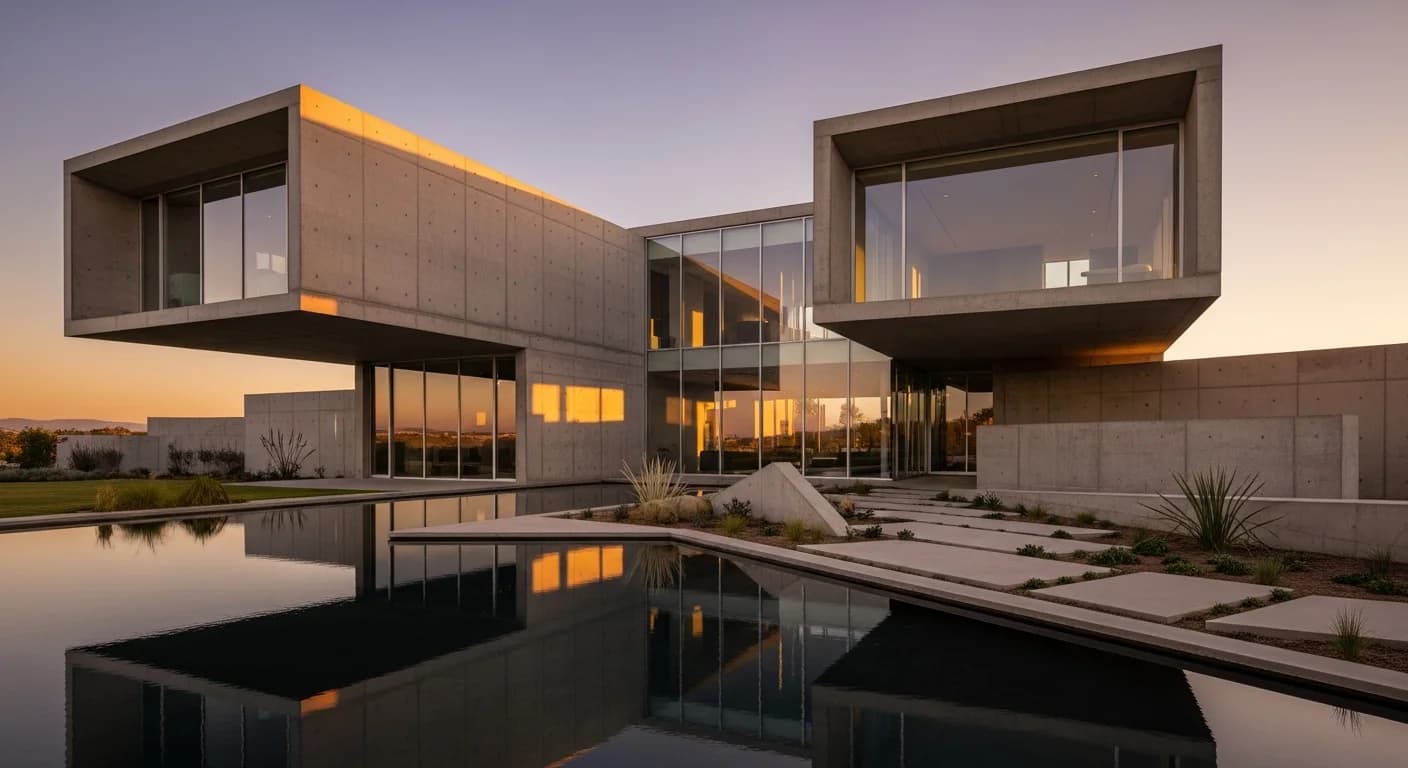
Vintage Home Decor Ideas: Retro Style with Timeless Appeal

There is something undeniably magnetic about vintage home decor. In an age of mass-produced furniture and fleeting trends, vintage pieces carry the weight of history, the warmth of craftsmanship, and a character that simply cannot be replicated. Whether you are drawn to the sleek lines of mid-century modern, the glamorous geometry of Art Deco, or the ornate elegance of Victorian design, decorating with vintage items transforms a house into a home with soul. This guide explores vintage home decor ideas that bring retro flair and timeless appeal to every room — from sourcing authentic pieces to blending them seamlessly with contemporary style.
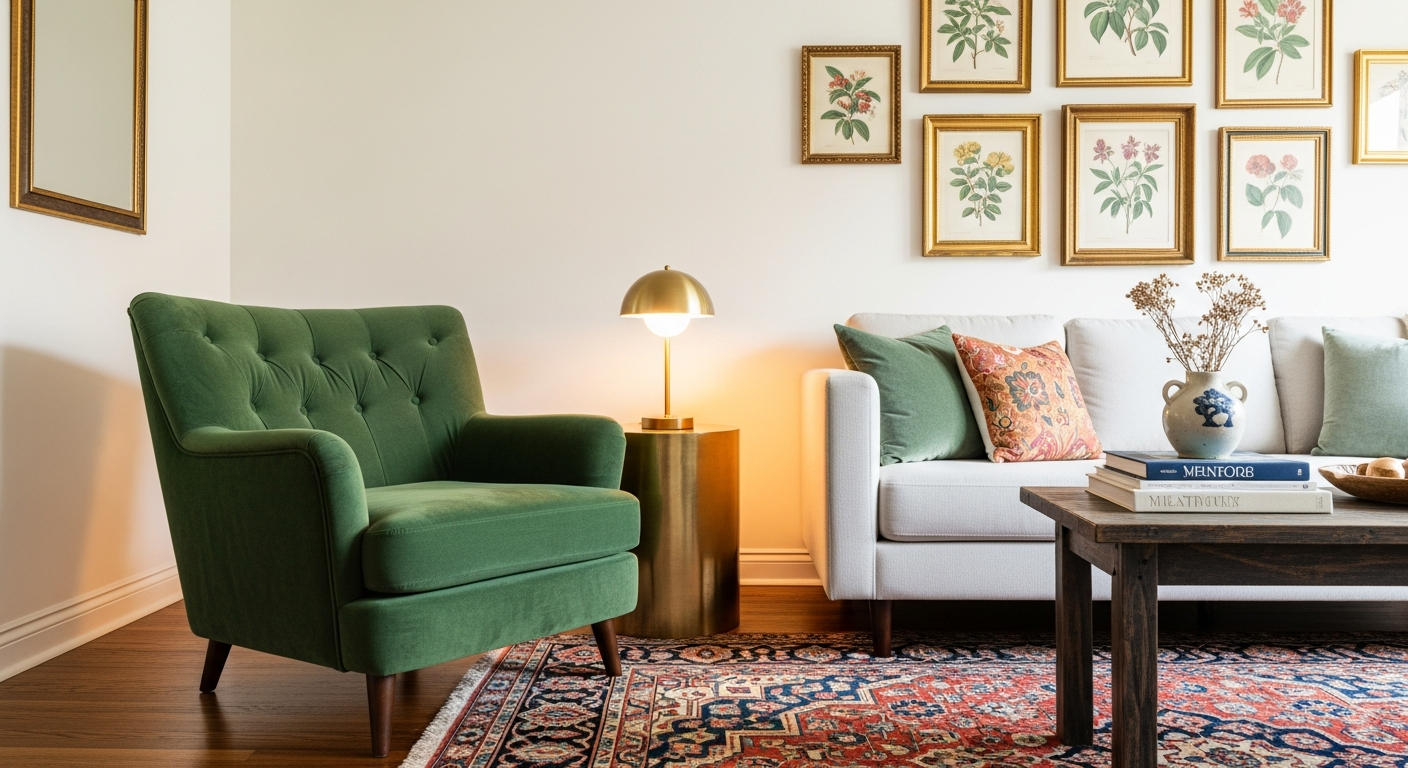
Before diving into specific rooms and styling techniques, it helps to understand the distinctions. Vintage generally refers to items 20 to 100 years old that represent the style of their era. Antique technically applies to items over 100 years old. Retro describes newer items made to look or feel like something from a past decade. All three can coexist beautifully in a single room — and that mix-and-match freedom is precisely what makes vintage decorating so appealing. For a broader look at how vintage fits into the full spectrum of home styling, explore our complete home decor ideas guide for 2026.
Key Vintage Design Eras to Inspire Your Home
Understanding the major design eras helps you curate a cohesive vintage look rather than a cluttered collection. Each period has distinctive colors, silhouettes, materials, and motifs that can anchor an entire room or serve as accent inspiration.

Mid-Century Modern (1950s-1960s)
Mid-century modern remains one of the most popular vintage styles and for good reason. Defined by clean lines, organic curves, tapered legs, and a marriage of function and form, MCM furniture feels as relevant today as it did seventy years ago. Look for iconic silhouettes like the Eames lounge chair, tulip tables, starburst clocks, and teak sideboards. The color palette leans toward warm mustard, avocado green, burnt orange, and walnut wood tones — balanced by plenty of white and natural light. If you love the mid-century aesthetic but want to explore how it intersects with contemporary design, our modern home decor ideas guide covers the organic modern substyle in depth.
Art Deco (1920s-1930s)
Art Deco is pure glamour. Born in the roaring twenties, this style celebrates bold geometry, luxurious materials, and dramatic contrast. Think mirrored furniture, chevron and sunburst patterns, lacquered surfaces, velvet upholstery in jewel tones, and metallic accents in gold, brass, and chrome. Art Deco works especially well as an accent approach — a statement mirror, a geometric bar cart, or a velvet channel-tufted sofa can anchor a room without overwhelming it. The era pairs surprisingly well with modern minimalism, creating a tension between opulence and restraint that feels effortlessly sophisticated.
Victorian Era (1837-1901)
Victorian vintage is ornate, layered, and deeply romantic. Carved wood furniture, floral wallpaper, heavy drapery, tufted upholstery, ornamental picture frames, and rich jewel-tone color palettes define this era. While a fully Victorian room can feel heavy for contemporary tastes, individual pieces — an ornate gilded mirror, a carved wooden bookcase, a velvet fainting couch — add gravitas and drama when placed in otherwise simple spaces. Victorian pieces also blend beautifully with farmhouse decor, creating a romantic country aesthetic.
Retro 1970s Revival
The 70s are back, and this time they brought better lighting. Earth tones, shag textures, conversation pits, macrame, rattan, and cork are all experiencing a massive revival. The 70s palette of terracotta, rust, olive, cream, and chocolate brown creates instantly warm and inviting spaces. Rattan peacock chairs, arc floor lamps, smoked glass, and terrazzo surfaces capture the era's laid-back sophistication. This era pairs particularly well with boho decor, as both styles celebrate natural materials, warm tones, and an eclectic free-spirited energy.
Vintage Design Principles: The Art of Curated Character
Decorating with vintage is not about recreating a period room from a museum catalog. The best vintage-styled homes feel collected over time, layered with intention, and balanced between nostalgia and modern comfort. Here are the principles that separate a thoughtfully curated space from a cluttered antique shop.

Mix Eras Tastefully
The most compelling vintage spaces blend items from different decades. A mid-century teak credenza beneath a Victorian gilt mirror, a 70s arc lamp beside an Art Deco side table — these unexpected pairings create visual interest and prevent a room from feeling like a themed costume. The key is finding a common thread: a shared color palette, similar wood tones, or complementary proportions that tie disparate eras together.
Embrace Patina and Character
The worn leather, the faded textile, the slightly tarnished brass — these imperfections are not flaws, they are the entire point. Patina tells the story of an object's life and adds a warmth that new items simply cannot match. Do not refinish every vintage find to pristine condition. Instead, appreciate the chippy paint on a farmhouse table, the gentle oxidation on a copper vessel, or the soft fraying at the edge of a vintage kilim rug. If you enjoy this weathered aesthetic, explore our rustic home decor ideas for more on celebrating natural imperfection.
Create Conversation Pieces
Every room benefits from at least one item that makes visitors pause and ask about it. Vintage decor excels at this — a 1920s globe, a hand-painted sign from a defunct general store, a collection of amber glass apothecary bottles, or a working vintage radio. These conversation starters anchor a room's personality and give it a narrative that flat-pack furniture never can.
Balance Old and New
A room filled exclusively with vintage pieces can feel airless and musty rather than charming. The magic happens when vintage items are paired with clean-lined contemporary furniture, modern lighting, and fresh textiles. This contrast highlights the beauty of the vintage pieces while keeping the space feeling current and livable. Think of vintage items as the seasoning — essential for flavor, but not the entire meal.
Vintage Living Room Decor
The living room is where vintage decor truly shines. As the most social room in the house, it benefits from pieces with personality, warmth, and story.
Tufted sofas and settees in velvet or leather instantly anchor a vintage living room. A Chesterfield sofa in cognac leather or deep emerald velvet becomes the room's focal point, surrounded by complementary mid-century side chairs or a vintage wingback. Bar carts — whether Art Deco brass and glass or mid-century teak — serve double duty as both functional entertaining stations and decorative vignettes styled with vintage glassware, a crystal decanter, and a small potted plant.
Vintage clocks make striking wall statements. A starburst sunburst clock channels the 1950s; a large industrial factory clock adds loft-style drama; an ornate mantel clock brings Victorian refinement. Retro lamps — from Murano glass table lamps to brass pharmacy floor lamps to ceramic 70s vessels — provide both task lighting and sculptural interest.
Antique mirrors with ornate frames expand the room visually while adding period character. Hang an oversized gilded mirror above the sofa or lean a full-length Victorian mirror against a wall for a casual, collected feel. Create a gallery wall of vintage prints mixing botanical illustrations, antique maps, black-and-white photography, and vintage advertisements in mismatched frames for an eclectic salon-style display.
For more ideas on crafting custom vintage-style wall decor, our DIY home decor projects guide includes several upcycling and restoration projects perfect for vintage enthusiasts.
Vintage Bedroom Decor
The bedroom is an ideal sanctuary for vintage romance. Soft textiles, warm metals, and timeworn furniture create a cocoon of comfort that feels both elegant and deeply personal.
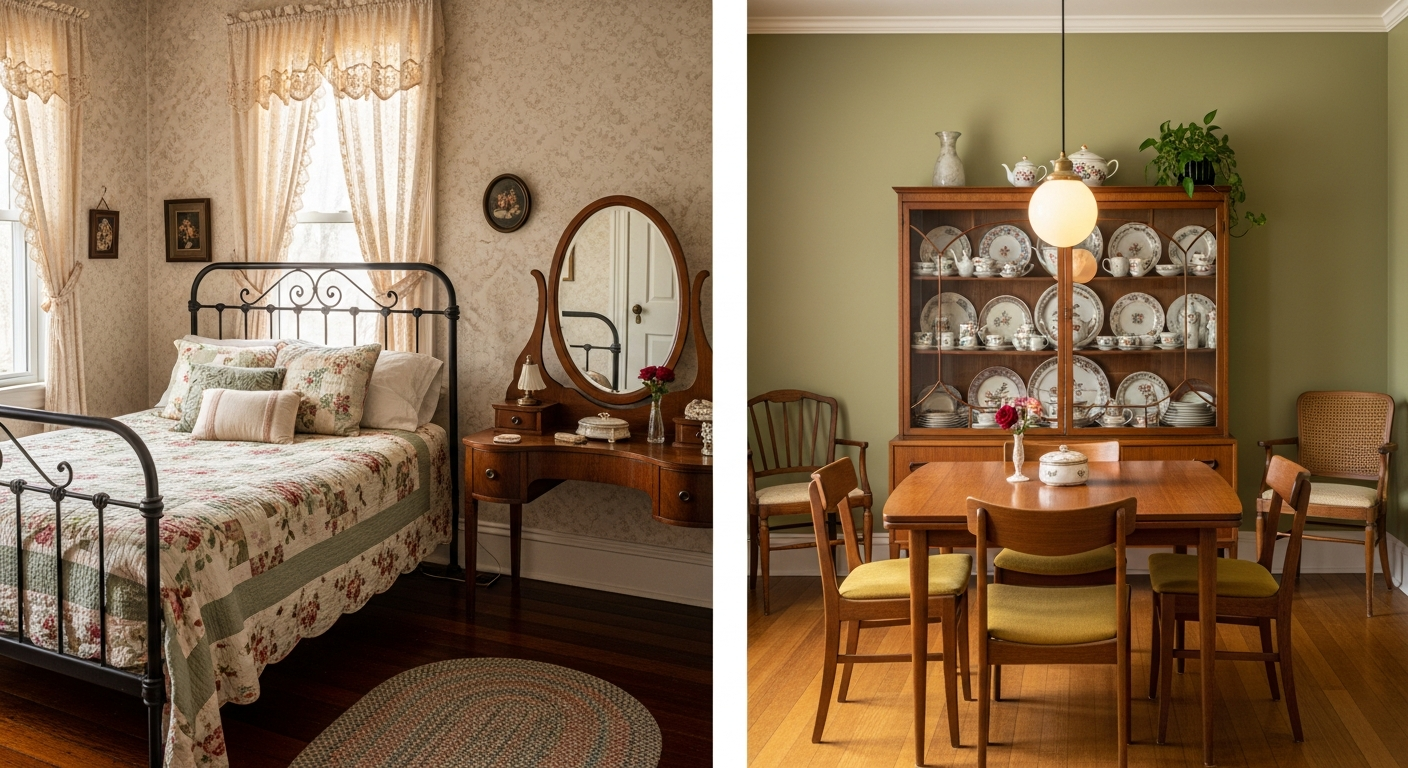
Brass or iron bed frames are the cornerstone of vintage bedroom design. A polished brass bed catches the light beautifully, while a wrought iron frame in matte black adds a more rustic, romantic quality. Dress the bed in lace and embroidered textiles — vintage-style duvet covers, crocheted throw blankets, embroidered pillow shams, and a quilted coverlet folded at the foot create layers of tactile luxury.
A vintage vanity with a tri-fold mirror transforms a corner into a glamorous dressing area. Look for pieces with curved legs, decorative drawer pulls, and weathered finishes. Pair it with a tufted stool or petit French chair. Antique dressers — whether a towering Victorian highboy or a streamlined mid-century lowboy — provide storage with character. Original hardware is always preferable, but swapping generic knobs for vintage crystal, brass, or ceramic pulls can elevate even a basic piece.
Layer the bedside with a vintage lamp, a stack of cloth-bound books, and a small vase of fresh flowers. Hang vintage scarves or textile fragments as impromptu art above the headboard, or display a collection of antique hand mirrors on a wall shelf.
Vintage Kitchen and Dining Decor
Vintage kitchens blend nostalgia with function, creating spaces that feel welcoming and full of personality. While most of us need modern appliances for daily life, the surrounding decor can transport the room to another era.
Retro-styled appliances from brands like SMEG, Big Chill, and Elmira Stove Works offer modern performance in vintage-inspired casings. A pastel SMEG refrigerator or a candy-colored KitchenAid mixer instantly sets a retro tone. Display vintage dishware on open shelving or in glass-front cabinets — mismatched floral china, jadeite pieces, amber glass goblets, and transferware platters create an ever-changing gallery of color and pattern.
Enamelware in white with colorful rims — pitchers, canisters, colanders, and baking pans — adds authentic vintage utility. A butcher block island or cutting board introduces warm wood tones and workday charm. For dining, an antique farmhouse table surrounded by mismatched vintage chairs — perhaps Windsor chairs, bentwood bistro chairs, or painted ladder-backs — creates the kind of gathered-over-time aesthetic that makes guests want to linger.
Complete the vintage kitchen with details: a vintage scale on the counter, an antique bread box, retro canisters labeled flour and sugar, a collection of vintage cookie jars, and copper pots hung from a ceiling rack or displayed on a wall-mounted shelf.
Where to Find Vintage Decor
Sourcing great vintage pieces is half the fun. Knowing where to look — and what to look for — can transform you from a casual browser into a savvy collector with a home full of authenticated treasures.
Estate sales are the gold standard for vintage furniture and housewares. Entire households are liquidated at once, often at very reasonable prices, and the quality of items tends to be higher than at thrift stores because estate pieces have typically been well-maintained by a single owner for decades. Arrive early for the best selection, or come on the last day for steep discounts.
Flea markets offer a treasure-hunt experience with an enormous range of vendors, styles, and price points. Monthly markets like Rose Bowl (Pasadena), Brimfield (Massachusetts), and Round Top (Texas) draw thousands of dealers and are destination events for serious collectors. Even local weekly flea markets can yield remarkable finds — vintage textiles, framed art, and small decorative objects are often overlooked by dealers seeking furniture.
Antique shops and malls provide curated selections with the advantage of dealer expertise. Prices are typically higher than estate sales, but the pieces are vetted, sometimes restored, and easy to browse. Build relationships with dealers who specialize in your preferred era — they will often set aside pieces or contact you when something special arrives.
Online vintage stores like Chairish, 1stDibs, Etsy Vintage, EBTH, and Facebook Marketplace have made vintage sourcing accessible to anyone, anywhere. Filter by era, style, color, and price to find exactly what you need. For large furniture, look for local sellers who offer delivery or pickup to avoid shipping costs. Browse our design gallery for inspiration on how vintage pieces can transform real spaces.
Grandma's attic and family pieces remain the most meaningful source of vintage decor. A grandmother's quilt, a great-aunt's china cabinet, a parent's record collection — these heirlooms carry personal history that no shop purchase can replicate. If family pieces do not match your current aesthetic, consider creative repurposing: reupholster a chair in modern fabric, display vintage linens as wall art, or use an antique trunk as a coffee table.
Vintage Meets Modern: Creating a Curated Look
The most successful vintage-styled homes in 2026 are not period reproductions — they are thoughtful blends of old and new that feel personal, layered, and alive. Here is how to achieve that curated balance.
The 80/20 Rule
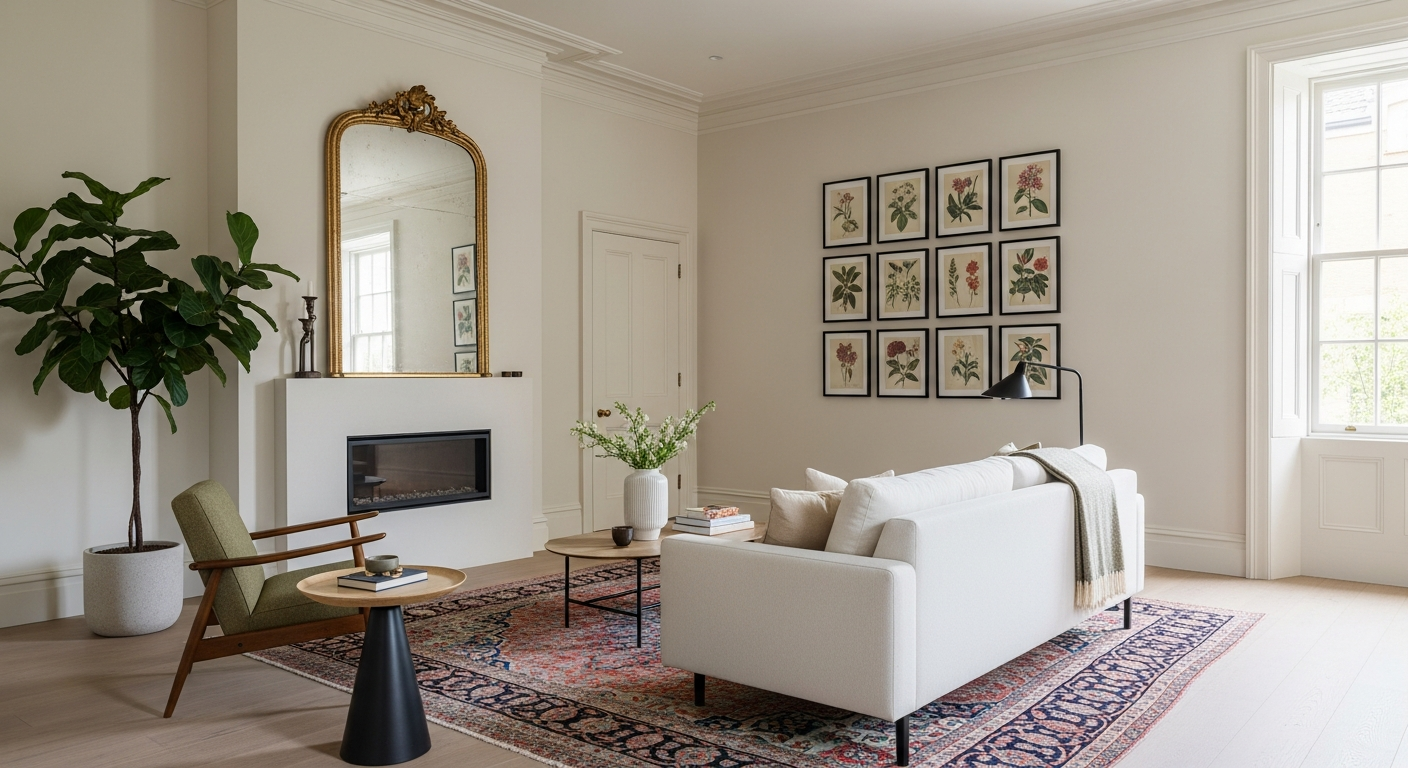
A practical guideline for blending vintage with contemporary is the 80/20 ratio. Choose one direction as your base — either 80 percent modern with 20 percent vintage accent pieces, or 80 percent vintage with 20 percent modern elements for contrast and freshness. The minority elements become the surprise that keeps the room interesting. An otherwise sleek modern living room gains instant warmth from a vintage Persian rug, a pair of MCM accent chairs, and an antique brass floor lamp. Conversely, a mostly vintage bedroom stays current with modern bedding, contemporary art, and clean-lined nightstands.
Anchor Pieces vs. Accent Pieces
Choose one or two major vintage anchor pieces per room — a statement sofa, a large dining table, an antique armoire — and let them set the room's vintage tone. Then layer in smaller vintage accent pieces — a table lamp, a decorative tray, a stack of vintage books, a ceramic vase — that support the story without competing for attention. Keep the architectural shell (walls, floors, trim) relatively neutral and modern to provide a clean canvas that lets the vintage pieces pop.
Modern Textiles, Vintage Frames
One of the simplest ways to bridge eras is to pair vintage frames and structures with updated textiles and finishes. Reupholster a Victorian settee in a bold contemporary fabric. Place modern geometric throw pillows on a mid-century sofa. Swap dated lampshades on vintage bases for clean drum or linen shades. This approach honors the craftsmanship and silhouette of the vintage piece while updating its visual language for today.
Unified Color Story
The fastest way to make disparate vintage pieces look intentional is to connect them through color. Choose a palette of three to five colors and ensure that every vintage and modern piece in the room relates to at least one of those hues. A warm neutral palette — cream, camel, rust, walnut, and brass — can unify a Victorian mirror, a mid-century coffee table, and a 70s ceramic lamp into a cohesive vignette. For more on building harmonious color stories across your home, see our guide to home decor design principles.
Frequently Asked Questions
What is the difference between vintage, antique, and retro decor?
Vintage refers to items roughly 20 to 100 years old that represent the style of their period. Antique applies to items over 100 years old. Retro describes new items designed to mimic the look of a previous era. All three styles can be mixed freely in home decor for a layered, collected aesthetic.
How do I start decorating with vintage pieces if my home is currently all modern?
Begin with small accent pieces that do not require replacing existing furniture. Add a vintage mirror, swap a modern table lamp for a brass or ceramic vintage one, introduce a vintage rug, or create a small gallery wall of vintage prints. As your confidence grows, consider one larger anchor piece like a vintage coffee table or accent chair. Use our Room Designer tool to visualize how vintage pieces will look in your space before committing.
Are vintage items more expensive than new furniture?
Not necessarily. While rare designer vintage pieces can command premium prices, everyday vintage furniture from estate sales, thrift stores, and flea markets is often significantly less expensive than new mass-market furniture — and typically better built. A solid wood vintage dresser for $150 at an estate sale will likely outlast a $400 particle board dresser from a big-box store.
How do I know if a vintage piece is worth buying?
Check for structural integrity — solid joints, no wobbling, drawers that slide smoothly. Cosmetic imperfections like scratches, faded finish, or minor wear are acceptable and add character. Avoid pieces with water damage, mold, musty odors that will not air out, pest damage (check for small holes in wood), or structural cracks that compromise stability. For upholstered pieces, check the frame beneath the fabric and consider the cost of reupholstering if needed.
Can vintage decor work in a small apartment?
Absolutely. Vintage pieces are often more compact than modern furniture because homes were smaller in past decades. Mid-century apartment-sized sofas, narrow Victorian hall tables, small Art Deco vanities, and petite bistro dining sets were all designed for modest spaces. Vintage mirrors and art are particularly effective in small rooms because they add character without consuming floor space.
How do I mix vintage pieces from different eras without it looking chaotic?
Use a unifying element: a consistent color palette, a shared material like brass or wood, or a common visual weight. Limit yourself to two or three eras per room and repeat motifs — if you have one Art Deco piece, add a second smaller one to make it look intentional rather than random. Keep the background neutral and let the vintage pieces be the stars.
Where can I learn to restore and refinish vintage furniture?
Our DIY home decor projects guide covers basic furniture restoration techniques including cleaning, minor repairs, refinishing, and reupholstering. For more advanced restoration, local community colleges and maker spaces often offer furniture refinishing workshops.
Is vintage decor sustainable?
Yes — decorating with vintage is one of the most sustainable design choices you can make. Buying secondhand keeps usable furniture out of landfills, reduces demand for new manufacturing, and avoids the environmental cost of shipping new products from overseas factories. Vintage solid wood and metal furniture is typically more durable than modern alternatives, meaning it will last for decades more with proper care.
Style Your Vintage Vision
Ready to bring vintage character into your space? Whether you are drawn to the clean geometry of mid-century modern, the glamour of Art Deco, the romance of Victorian, or the earthy warmth of 70s retro, vintage decor offers a timeless foundation for a home that tells your story. The best vintage spaces are not decorated in a single weekend — they are curated over time, one meaningful piece at a time, creating layers of personality that grow richer with every addition.
Use our Room Designer tool to experiment with vintage styles in your own rooms. Upload a photo of your space and see how different vintage elements — from mid-century credenzas to Art Deco mirrors to Victorian statement pieces — transform your home before you purchase a single item. Explore our plans to unlock unlimited design visualizations and bring your vintage vision to life.
Vintage Home Decor Ideas FAQs
Written by
Emily Rodriguez
Interior Design Editor covering living spaces, styling trends, and room makeovers. Former Architectural Digest contributor with a focus on accessible, budget-conscious design.