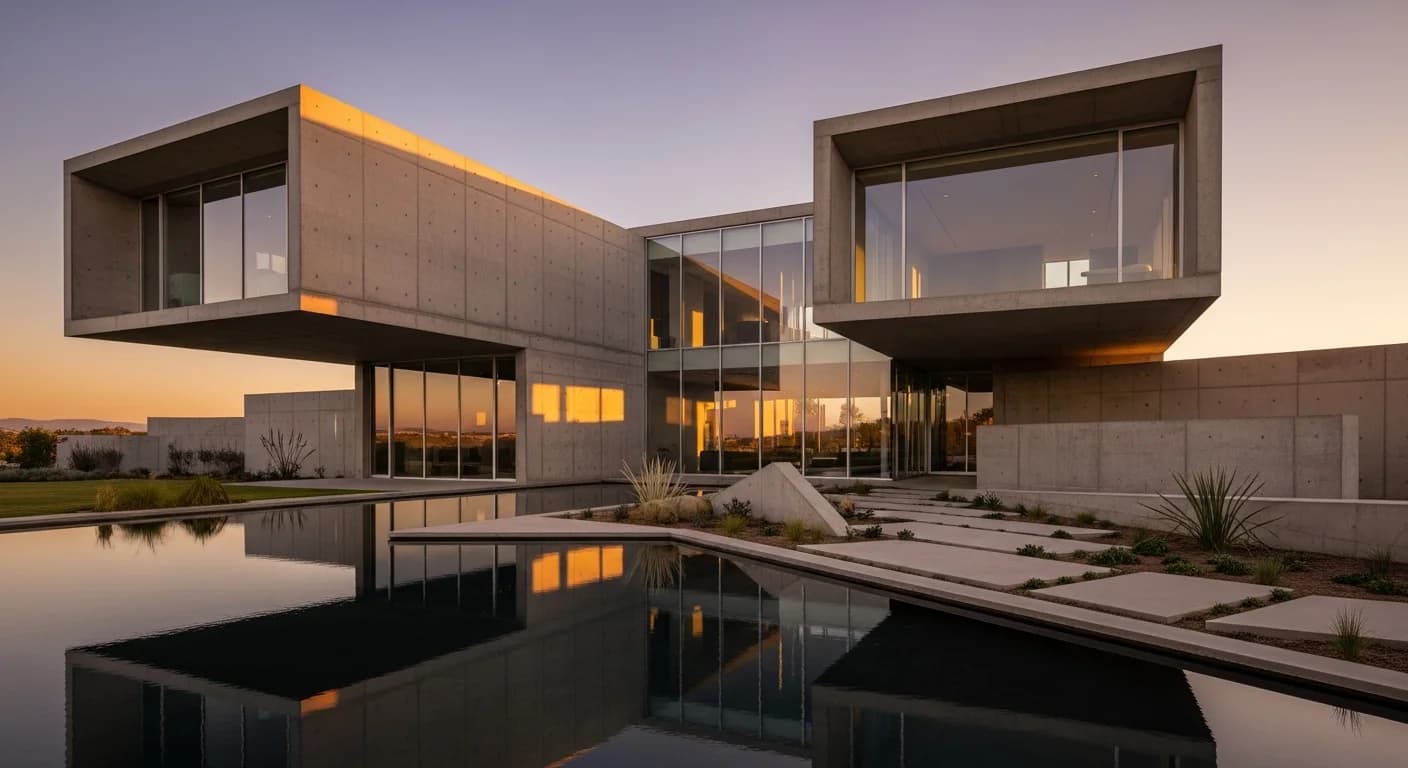
Rustic Home Decor Ideas: Natural Warmth and Timeless Character

There is something deeply comforting about walking into a room wrapped in weathered wood, warmed by a crackling stone fireplace, and softened by layers of natural linen and hand-woven textiles. Rustic home decor taps into our primal desire for shelter, warmth, and connection to the natural world — transforming ordinary living spaces into retreats that feel grounded, authentic, and rich with character. Unlike styles that chase perfection, rustic design celebrates the beauty of imperfection: the knot in a reclaimed beam, the patina on a copper fixture, the slightly uneven edge of a hand-thrown ceramic bowl.
In 2026, rustic style continues to evolve far beyond the log-cabin cliché. Today’s rustic home decor ideas blend raw natural materials with cleaner silhouettes, smarter layouts, and thoughtful modern comforts — creating spaces that honor tradition while feeling entirely current. Whether you live in a countryside farmhouse, a mountain retreat, or a downtown apartment yearning for warmth, this guide delivers room-by-room inspiration, material recommendations, and practical styling tips to help you bring rustic character into every corner of your home. For a broader look at all decorating styles and how rustic fits into the bigger picture, explore our complete home decor ideas guide for 2026.
Quick Overview: What Defines Rustic Style
Rustic design draws its identity from rural life, natural landscapes, and the handcrafted traditions of countryside living. At its core, rustic home decor is about authenticity — real materials, honest construction, and a visible connection between interior spaces and the natural environment outside.
- Natural imperfection: Rustic style embraces irregularity. Wood grain variations, hammer marks on forged iron, rough-hewn stone surfaces, and hand-stitched textiles are features, not flaws. Every imperfection tells a story of origin and craftsmanship.
- Warm earth tones: The rustic palette is drawn directly from nature — deep browns, warm tans, mossy greens, burnt sienna, weathered grays, and creamy off-whites. These colors create an enveloping warmth that synthetic palettes cannot replicate.
- Layered texture: Where modern design relies on smooth, uniform surfaces, rustic design layers contrasting textures — rough stone against soft wool, polished leather beside raw linen, smooth river rock below knotted pine.
- Indoor-outdoor connection: Rustic homes blur the boundary between inside and outside. Large windows framing natural views, stone that continues from exterior walls into interior fireplaces, and organic materials that echo the surrounding landscape all reinforce this connection.
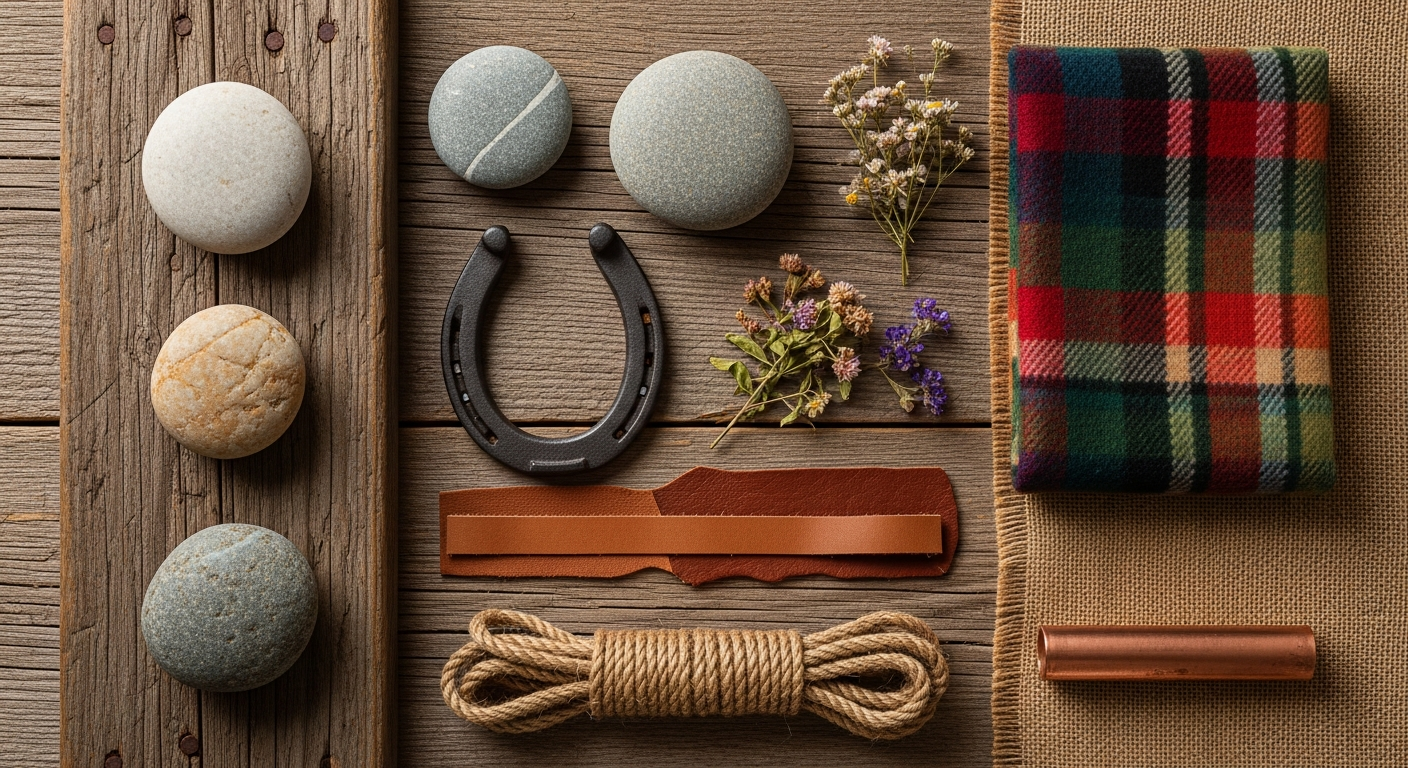
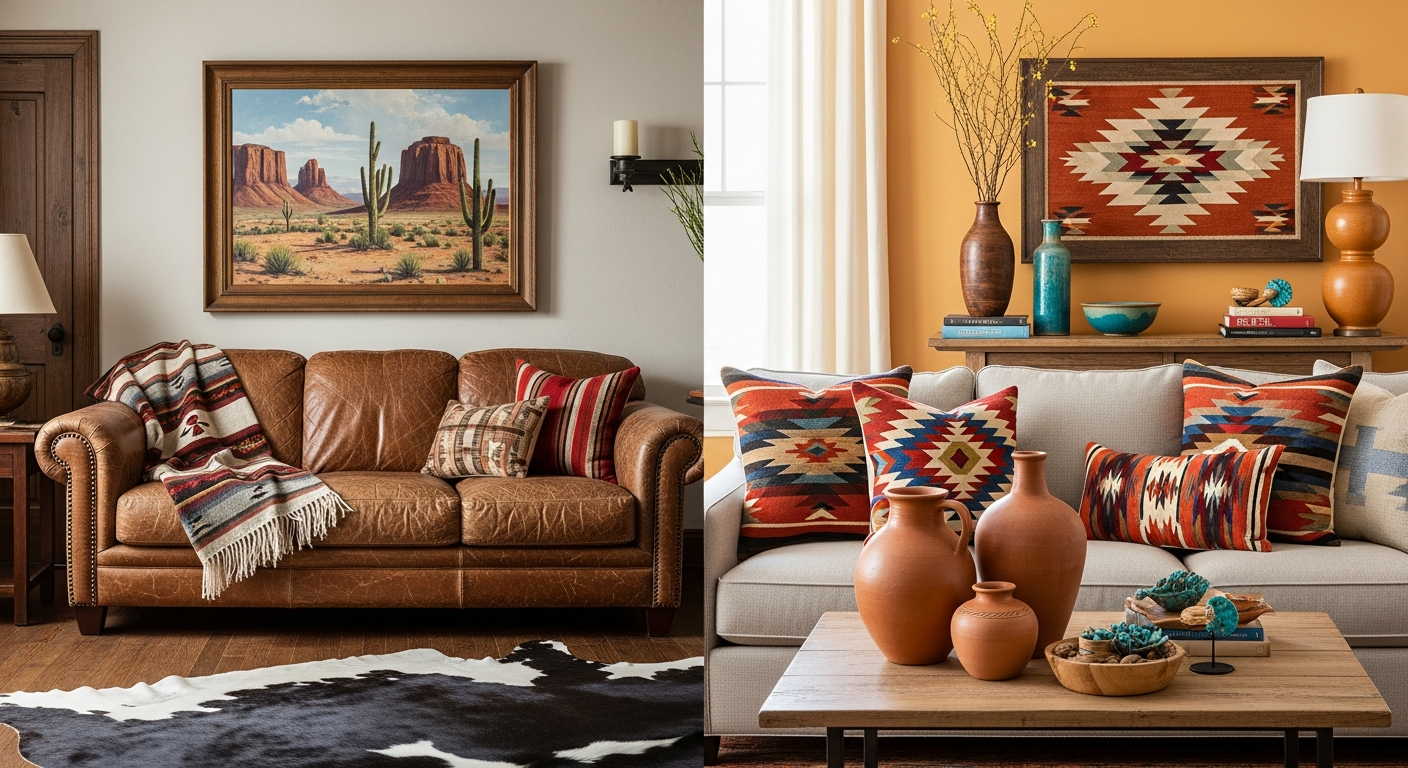
Rustic style also has several regional interpretations — from western decor with its leather, cowhide, and Navajo-inspired textiles, to cabin decor centered on log construction and woodland motifs, to lake house decor that blends rustic warmth with coastal ease. Each variation shares the same foundation: natural materials, handcrafted details, and an unapologetic connection to the land.
Rustic Design Principles
Before selecting furniture or accessories, understanding the five core principles of rustic interior design will help you make cohesive decisions that feel intentional rather than random:
1. Celebrate Imperfection
In rustic design, imperfection is not merely tolerated — it is actively sought. A dining table with visible saw marks, a mantel fashioned from a salvaged beam, or a pottery vase with an irregular rim all carry more visual interest and emotional resonance than their factory-perfect equivalents. When shopping for rustic pieces, look for items that show evidence of their making and materials.
2. Prioritize Raw Natural Materials
Every surface in a rustic room should reference the natural world. Solid wood (not veneer), genuine stone (not faux panels), real leather (not vinyl), forged metal (not stamped), and natural fibers (not polyester blends) form the material foundation. The tactile richness of authentic materials creates an experience that photographs alone cannot convey.
3. Build a Warm Earth-Tone Palette
Choose colors that could exist in the landscape outside your window. A mountain home might draw from pine green, granite gray, and bark brown. A southwestern space might pull warm terracotta, sand, and sage. Avoid stark whites and cool grays — instead use creamy ivory, warm linen, and toasted wheat as your lightest tones. If you enjoy working with color psychology in your home, our guide to cozy home decor ideas explores how warm palettes create inviting atmospheres.

4. Choose Handcrafted Over Mass-Produced
Rustic spaces feel most authentic when populated with objects made by human hands rather than injection molds. Seek out artisan pottery, hand-forged hardware, locally made textiles, and furniture built by craftspeople. These pieces carry the slight variations that distinguish handmade work and add layers of visual interest. For hands-on project inspiration, our DIY home decor ideas guide includes several rustic-friendly projects you can tackle yourself.
5. Connect Interior and Exterior
The most compelling rustic interiors feel like natural extensions of their surroundings. Use materials that reference the local landscape — river stone in a bathroom near a creek, cedar paneling in a forest-adjacent home, desert-toned plaster in an arid climate. Position seating to face views. Let daylight pour through unobstructed windows. Bring the outdoors in with foraged branches, wildflower arrangements, and potted herbs.
Signature Rustic Materials
Material selection is the single most important decision in rustic home decor. The right materials create immediate authenticity; the wrong ones create costume-like imitation. Here are the materials that define genuine rustic interiors:
Reclaimed Wood
The cornerstone of rustic design, reclaimed wood — salvaged from old barns, factories, fences, and shipping pallets — carries a depth of character that new lumber cannot replicate. Use barn wood for accent walls, mantel shelves, ceiling beams, picture frames, and tabletops. Pallet wood works beautifully for smaller projects like shelving, headboards, and storage crates. When sourcing reclaimed wood, verify it has been properly treated for insects and moisture to ensure longevity.
Natural Stone
Fieldstone, river rock, slate, and flagstone bring the permanence and texture of the earth indoors. A floor-to-ceiling stone fireplace surround is the quintessential rustic focal point. Stone also works as kitchen backsplashes, bathroom accent walls, and entryway flooring. The natural color variation within each stone creates visual depth that manufactured tile cannot match.
Wrought Iron and Forged Metal
Hand-forged iron contributes structural character through curtain rods, fireplace tools, pot racks, cabinet hardware, stair railings, and light fixtures. The dark, matte finish of wrought iron provides essential visual weight and contrast against lighter wood and stone. Copper and brass add warmth when used in smaller doses — faucets, pendant lights, and decorative bowls.
Linen, Burlap, and Natural Fibers
Soft goods in rustic interiors should feel like they came from the land, not the laboratory. Linen curtains, burlap table runners, cotton canvas cushion covers, hemp rope accents, and jute area rugs all contribute organic softness. The slightly irregular weave of these natural fibers reinforces the rustic commitment to beautiful imperfection.
Leather
Full-grain leather — the kind that develops a rich patina with age — is a rustic essential. A well-worn leather sofa, leather-wrapped drawer pulls, a leather desk pad, or leather-bound books stacked on a side table all add warmth, durability, and an unmistakable sense of lived-in luxury. Choose warm brown, cognac, and saddle tones over black for the most cohesive rustic look.
Woven Baskets
Baskets crafted from willow, rattan, seagrass, or wicker serve double duty as both storage and decor. Use them for firewood storage beside the hearth, blanket storage in the living room, fruit display in the kitchen, or towel storage in the bathroom. Grouping baskets of varying sizes and weave patterns creates visual interest while solving real organizational needs.
Rustic Living Room Decor
The living room is where rustic style makes its most powerful impression. This is the gathering space — the room where families converge around warmth, light, and conversation. A well-designed rustic living room should feel like a warm embrace the moment you enter.

Stone Fireplace Styling
If you have a fireplace — or can add one — it becomes the undisputed focal point of a rustic living room. A floor-to-ceiling stone surround using stacked fieldstone or river rock creates a commanding presence. Top the mantel with a reclaimed wood beam and style it simply: a pair of vintage candlesticks, a small potted fern, and a piece of landscape art or an antique mirror.
Chunky Wood Coffee Table
A substantial wood coffee table anchors the seating area and provides the room's strongest horizontal surface statement. Look for tables made from thick wood slabs, reclaimed railroad ties, or repurposed industrial carts with wood tops. The table should show visible wood grain, natural edge variations, or hand-planed surfaces. Style it with a stack of oversized art books, a hand-thrown ceramic bowl, and a small potted succulent.
Leather and Hide Accents
A full-grain leather Chesterfield sofa or a pair of leather club chairs provides comfortable, durable seating that improves with age. Layer a cowhide rug beneath the coffee table or drape a sheepskin over an armchair for added texture. Leather and hide pieces bring animal warmth without overwhelming the room — especially when balanced with softer textiles like wool throws and linen pillows.
Antler and Branch Lighting
Lighting in a rustic living room should feel organic. An antler chandelier (real or ethically reproduced) makes a dramatic overhead statement. Driftwood table lamps, iron lantern-style sconces, and Edison bulb pendants all contribute warm, amber-toned illumination that flatters the natural materials surrounding them. Avoid cool-white LED bulbs — warm white (2700K) preserves the cozy atmosphere.
Wood Beam Ceilings
Exposed ceiling beams — whether original structural timbers or decorative additions — add architectural character and draw the eye upward, making rooms feel both grander and more intimate simultaneously. Reclaimed hand-hewn beams with visible adze marks are the gold standard. For homes without existing beams, faux wood beam wraps can achieve a convincing effect at lower cost and weight.
Rustic Bedroom Decor
A rustic bedroom should feel like a sanctuary — a quiet retreat wrapped in soft textures and warm, natural tones. The goal is restful simplicity that invites you to slow down and unplug.
Log or Barnwood Bed Frames
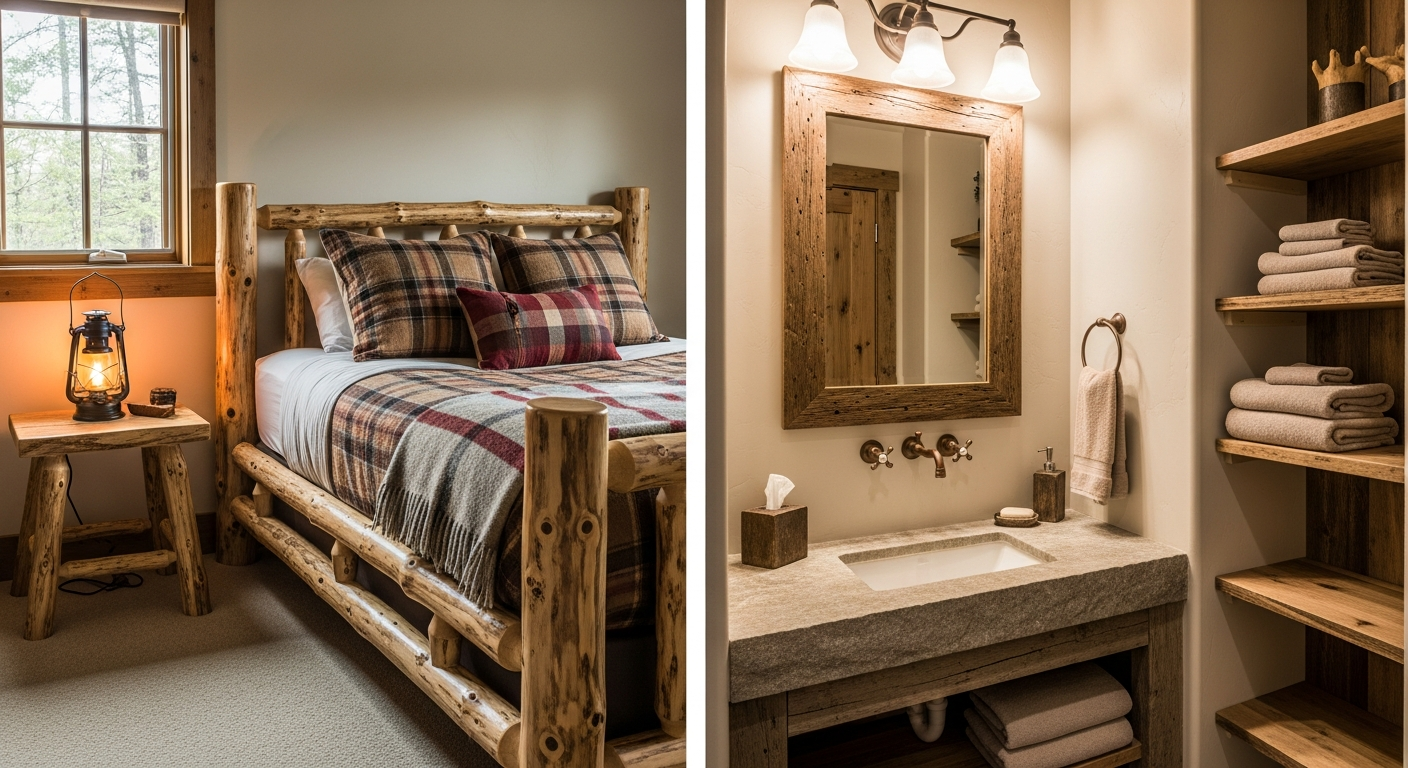
The bed frame sets the tone for the entire room. A log bed frame — built from peeled pine, cedar, or aspen logs — makes a bold statement in mountain and cabin-inspired bedrooms. For a subtler approach, a headboard constructed from reclaimed barn wood planks arranged horizontally or in a herringbone pattern provides rustic texture without overwhelming the space. Pair either style with crisp white or cream bedding to create visual contrast.
Flannel and Cable-Knit Textiles
Bedding in a rustic bedroom should invite touch. Layer a flannel duvet cover with a chunky cable-knit throw blanket, add linen-cased pillows in earthy tones, and drape a wool blanket across the foot of the bed. The combination of different knit textures creates depth and warmth. In warmer months, swap flannel for lightweight cotton or linen in the same warm color palette.
Edison Bulb Lighting
Edison-style filament bulbs — whether in bedside pendants, iron pipe table lamps, or simple cord-hung fixtures — cast a warm amber glow that perfectly complements rustic materials. Their visible filaments add an industrial-rustic crossover element. Hang a pair of pendant Edison bulbs on either side of the bed as space-saving alternatives to traditional table lamps.
Nature-Inspired Wall Art
Keep artwork connected to the natural world. Landscape photography, botanical prints, wildlife illustrations, vintage topographical maps, and pressed wildflower displays all reinforce the rustic connection to nature. Frame art in reclaimed wood, raw branch frames, or simple black iron for cohesion. For inspiration on mixing vintage and rustic artwork, see our guide to vintage home decor ideas.
Rustic Kitchen and Dining
The kitchen and dining areas are the heart of a rustic home — spaces where food, family, and fellowship intersect. Rustic kitchen decor combines working functionality with warm, inviting aesthetics that make everyday cooking feel like a celebration.
Farmhouse Sink
A deep, apron-front farmhouse sink is both a practical workhorse and a visual anchor for the rustic kitchen. Choose fireclay or cast iron in white, cream, or matte black. The exposed front panel creates a break in the cabinetry line that adds character. For more farmhouse-specific kitchen inspiration, explore our farmhouse home decor ideas guide.
Open Wood Shelving
Replace a section of upper cabinets with open shelving crafted from thick reclaimed wood planks supported by wrought iron brackets. Display everyday stoneware, hand-thrown pottery, vintage crockery, and glass canning jars filled with dried goods. Open shelving keeps the kitchen feeling airy while putting your most beautiful functional items on permanent display.
Mason Jar Storage and Display
Mason jars are the Swiss Army knife of rustic decor — endlessly versatile and universally charming. Use them for dry ingredient storage, utensil holders, flower vases, candle luminaries, bathroom storage, and even pendant light fixtures. Group them in odd numbers on open shelves for maximum visual impact. The amber and blue-green tinted vintage jars are particularly sought-after for their color contribution.
Farm Table Dining
A long, solid wood farm table with turned legs or a trestle base is the social centerpiece of the rustic dining room. Choose a table with a natural or lightly distressed finish that shows the wood's character. Pair it with a mix of seating — a long bench on one side, individual chairs on the other — for casual, welcoming energy. A wrought iron chandelier or a row of pendant lights hung at varying heights completes the composition above.
Copper Accents
Copper brings warmth and a subtle shimmer to the rustic kitchen. A copper range hood is a showstopper, but smaller applications work equally well: copper pendant lights above an island, copper canisters on the countertop, copper-bottom cookware displayed on a wall-mounted pot rack, or copper drawer pulls on base cabinets. Copper develops a beautiful green-tinged patina over time, which only deepens its rustic character.
Rustic Bathroom Decor
A rustic bathroom should feel like a private spa carved from the natural world — stone underfoot, wood surrounding, and warm water flowing from fixtures that look like they belong in a mountain lodge.
Stone Vessel Sinks
A natural stone vessel sink — carved from river rock, marble, travertine, or granite — transforms the vanity into a sculptural focal point. Each stone basin is unique in pattern, color, and shape, ensuring your bathroom has a one-of-a-kind element. Pair a stone vessel with a wall-mounted faucet in oil-rubbed bronze or antique brass for authentic character.
Wood Vanity
A vanity built from reclaimed wood, a repurposed dresser, or a live-edge slab mounted on iron legs brings warmth to the typically cold bathroom environment. Seal wood vanities thoroughly with marine-grade polyurethane to protect against moisture damage. The contrast between warm wood and cool stone or tile creates the textural tension that makes rustic bathrooms visually compelling.
Copper Fixtures
Copper faucets, shower heads, towel bars, and toilet paper holders age beautifully in the humid bathroom environment, developing a living patina that synthetic finishes cannot replicate. The warm metallic tone complements both light and dark wood species, making copper the most versatile metal finish for rustic bathrooms.
Barn Door
A sliding barn door — either fully reclaimed or built from new lumber with an aged finish — solves the space challenge of a swinging bathroom door while adding significant rustic character. Mount it on a visible iron track for industrial-rustic appeal. A barn door also works beautifully to conceal a walk-in closet or separate a master bathroom from the bedroom.
River Rock Flooring
A river rock pebble floor in the shower or surrounding the tub provides natural texture underfoot and a spa-like sensory experience. The smooth, rounded stones set in mortar create a gently massaging surface that connects you to the natural world even during your morning routine. Choose stones in earthy tones — warm grays, tans, and creams — to maintain the cohesive rustic palette.
Modern Rustic: Blending Styles
Pure rustic design can feel heavy or dated if applied without restraint. The most successful rustic interiors in 2026 blend rustic warmth with elements from complementary styles to create spaces that feel fresh, balanced, and entirely contemporary. If you enjoy the eclectic approach of mixing styles, our bohemian home decor ideas guide explores another free-spirited decorating philosophy.
Rustic + Modern Fusion
This is the most popular hybrid: reclaimed wood and stone paired with clean-lined furniture, simple silhouettes, and a restrained accessory count. A live-edge dining table surrounded by sleek modern chairs. A stone fireplace flanked by minimalist built-in shelving. A barn wood accent wall behind a platform bed with crisp white bedding. The key is using rustic materials as the backdrop and modern furniture as the foreground.
Rustic + Industrial
Both styles share an appreciation for raw materials and visible construction. Combine reclaimed wood with steel-frame furniture, exposed brick, iron pipe shelving, factory-style pendant lights, and metal bar stools. The industrial elements — typically darker and harder — provide structural contrast to the warmer, softer wood and textile elements of rustic design. This combination works exceptionally well in loft spaces and open-concept kitchens.
Rustic + Scandinavian
Scandinavian design's love of natural wood, organic shapes, and cozy textiles (hygge) makes it a natural partner for rustic warmth. The combination lightens rustic's typically heavy palette by introducing white walls, pale wood floors, and streamlined furniture. Keep the rustic elements — a stone accent wall, a chunky knit throw, a wood beam — and surround them with Scandinavian simplicity for a look that feels warm, bright, and thoroughly modern.
Frequently Asked Questions
What is rustic home decor style?
Rustic home decor is a design approach that emphasizes natural materials, earthy color palettes, handcrafted objects, and the beauty of imperfection. It draws inspiration from rural and countryside living, featuring elements like reclaimed wood, natural stone, wrought iron, leather, and woven textiles. The style creates warm, grounded interiors that feel connected to the natural world.
How do I make my home look rustic on a budget?
Start with paint — warm earth tones on walls immediately shift the mood. Add reclaimed wood accents through DIY projects like a pallet wood headboard or barn wood floating shelves. Shop flea markets and estate sales for vintage pottery, ironware, and baskets. Layer affordable natural textiles like burlap, cotton canvas, and flannel. Replace cabinet hardware with oil-rubbed bronze pulls for an instant kitchen transformation.
What colors go with rustic decor?
The rustic palette centers on warm earth tones: deep chocolate brown, warm tan and camel, mossy sage green, burnt sienna and terracotta, charcoal gray, creamy ivory, and weathered wood gray. Avoid stark white, cool blue-grays, and bright primary colors. Every color in a rustic room should look like it could be found in a natural landscape — forest, mountain, desert, or meadow.
Is rustic decor still in style in 2026?
Yes, but it has evolved significantly. Pure log-cabin rustic has given way to modern rustic — a refined approach that combines reclaimed materials and handcrafted elements with cleaner lines, lighter palettes, and contemporary comfort. The core appeal of natural authenticity and warmth remains timeless; only the execution has become more sophisticated and versatile.
What is the difference between rustic and farmhouse style?
While they share overlapping elements, rustic decor is broader and draws from various rural traditions — mountain cabins, western ranches, lakeside retreats, and woodland cottages. Farmhouse decor is a specific subset that references agricultural life — barn doors, shiplap walls, apron-front sinks, and pastoral motifs. Farmhouse tends to be lighter and more polished; rustic is rawer and more textural.
Can you mix rustic with modern furniture?
Absolutely — this is the most popular approach in 2026. Use rustic materials (reclaimed wood, stone, forged iron) as your structural foundation and modern furniture (clean-lined sofas, sleek chairs, minimal shelving) as your functional layer. The contrast between raw and refined creates dynamic, visually interesting spaces that feel warm without feeling dated.
What wood is best for rustic decor?
Reclaimed barn wood is the gold standard for its aged character and environmental sustainability. Other excellent options include cedar (naturally weather-resistant with beautiful grain), pine (affordable with prominent knots and grain), oak (durable with strong grain pattern), and walnut (rich, dark tones ideal for statement furniture). For a live-edge look, maple, cherry, and black walnut slabs are popular choices.
How do I add rustic touches without a full remodel?
Focus on accessories and soft goods first. Add woven baskets, swap light fixtures for iron or wood versions, introduce a reclaimed wood shelf or mantel, layer natural fiber rugs, and display collections of pottery or ironware. Replace cabinet hardware with rustic pulls, add flannel or wool throw blankets, and style surfaces with natural elements like driftwood, antlers, or stone objects. These changes require no construction and can transform a room in a weekend.
Bring Rustic Warmth to Your Space
Rustic home decor is more than a decorating style — it is an invitation to slow down, reconnect with natural materials, and create spaces that feel genuinely lived in and deeply loved. From the warmth of reclaimed wood and the permanence of natural stone to the softness of hand-woven textiles and the glow of amber Edison bulbs, every element in a rustic room works together to create an atmosphere of authentic comfort.
Ready to see how rustic elements would look in your own rooms? Our AI Room Designer lets you upload a photo of any space and experiment with rustic materials, color palettes, and furniture arrangements — visualizing your transformation before making a single purchase. Whether you are building a full rustic retreat or simply adding warming touches to a modern home, start with the materials that speak to you and let your space evolve naturally over time.
Explore our design gallery for real-world rustic inspiration, or check our pricing page to get started with professional visualization tools that bring your rustic vision to life.
Rustic Home Decor Ideas FAQs
Written by
Lisa Wang
Sustainable Design Writer focused on eco-friendly materials, energy efficiency, and budget-conscious home improvement. LEED Green Associate with expertise in low-impact renovation strategies.