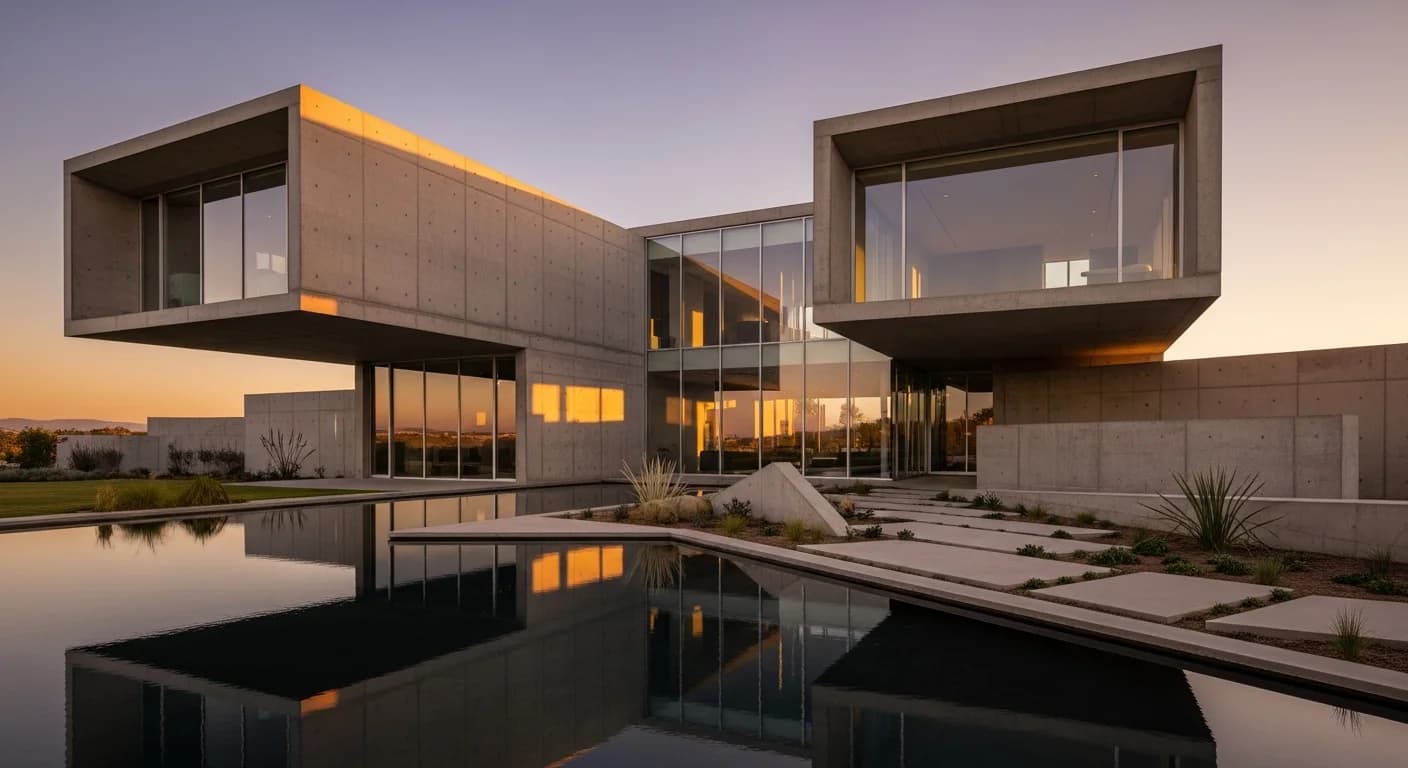
Custom Kitchen Remodel: Premium Design, Materials, and Expert Execution
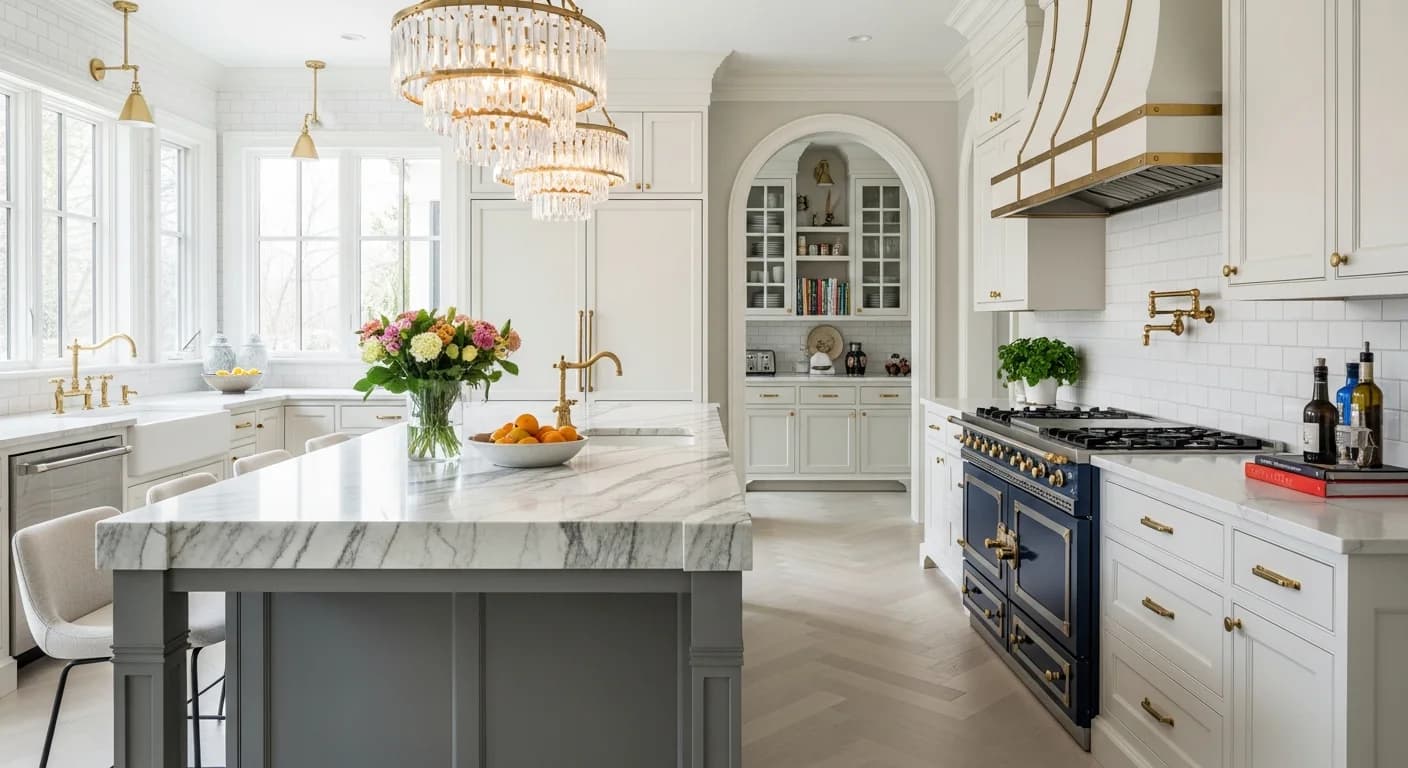
Quick Overview: Custom Kitchen Remodel Budget Tiers and What to Expect
A custom kitchen remodel elevates every element of your kitchen from builder-grade to bespoke, creating a space designed exclusively around your cooking style, entertaining habits, and aesthetic vision. Unlike standard renovations that work within off-the-shelf constraints, a custom kitchen design starts from scratch with materials, dimensions, and details tailored precisely to your home.
The investment required for a truly custom kitchen spans a wide range depending on scope, materials, and market. Here is what each budget tier typically delivers:
- $75,000: Semi-custom cabinetry with premium finishes, mid-luxury appliances (Wolf or Thermador), engineered quartz or entry-level quartzite countertops, professional lighting design
- $100,000: Fully custom cabinetry from makers like Brookhaven or Plain and Fancy, natural quartzite or marble countertops, Sub-Zero and Wolf appliance suite, custom range hood, designer-specified fixtures
- $150,000: Bespoke cabinetry with specialty finishes (hand-painted, lacquered, or cerused), book-matched marble or quartzite slabs, La Cornue or Gaggenau appliances, structural modifications, integrated smart home technology
- $200,000+: Full architectural redesign, museum-grade natural stone, imported European cabinetry (Bulthaup, SieMatic), custom metalwork, artisan tile, and every surface specified by a dedicated kitchen architect
This guide walks through every critical decision in a premium kitchen remodel, from selecting custom cabinetry and sourcing luxury countertops to hiring the right design professionals and managing a project timeline that typically spans 4 to 9 months. Whether you are planning your first high-end renovation or upgrading an already-nice kitchen to truly exceptional, the details that follow will help you spend wisely and avoid costly mistakes. For a complete overview of kitchen remodel pricing at all budget levels, see the 2026 kitchen remodel cost guide.
What Makes a Kitchen Truly Custom?
The word "custom" gets used loosely in the kitchen industry, so understanding the distinctions between stock, semi-custom, and fully custom is essential before committing a significant budget.
Stock cabinets are manufactured in fixed sizes (typically 3-inch increments), limited finishes, and standard construction. They arrive in 1 to 3 weeks and cost $80 to $200 per linear foot installed. Stock cabinets work well for budget renovations but offer no flexibility in dimensions, wood species, or interior configurations.
Semi-custom cabinets offer modified dimensions (adjustable in 1/8-inch increments from some manufacturers), a wider selection of door styles, wood species, and finishes, plus upgraded construction features like dovetail drawer joints and soft-close hinges. Semi-custom lines from manufacturers like KraftMaid, Medallion, or Yorktowne typically cost $200 to $650 per linear foot and arrive in 6 to 10 weeks.
Fully custom cabinets are built to your exact specifications with no dimensional limitations. Every cabinet is constructed individually to fit your space, using your chosen wood species, joinery method, finish technique, and interior configuration. Custom cabinetry from premium makers ranges from $800 to $1,500+ per linear foot, with lead times of 12 to 20 weeks from order to delivery.
Beyond cabinetry, a truly custom kitchen involves designer or architect involvement from the earliest planning stages, premium materials selected for their specific aesthetic and performance characteristics rather than price point, and a project timeline of 4 to 9 months compared to 6 to 12 weeks for a standard renovation. The difference is not just in what you see but in how every element connects: seamless transitions between surfaces, precisely aligned sight lines, and hardware selections that create a cohesive design language throughout the space.
Premium Cabinetry: The Centerpiece of Custom Kitchens
Cabinetry typically represents 30 to 40 percent of a luxury kitchen remodel budget, making it the single largest investment and the element that most defines the kitchen's character. Understanding construction methods, material options, and the differences between top manufacturers helps you make informed decisions about where your cabinet dollars deliver the most value.
Custom Cabinet Construction
Premium custom cabinets use two primary construction methods: face-frame and frameless (European-style). Face-frame construction attaches a solid wood frame to the front of the cabinet box, creating a traditional appearance with visible stiles and rails between doors. Frameless construction eliminates the face frame entirely, allowing doors and drawer fronts to cover the full cabinet opening for a sleeker, more contemporary look with approximately 10 to 15 percent more interior storage space.
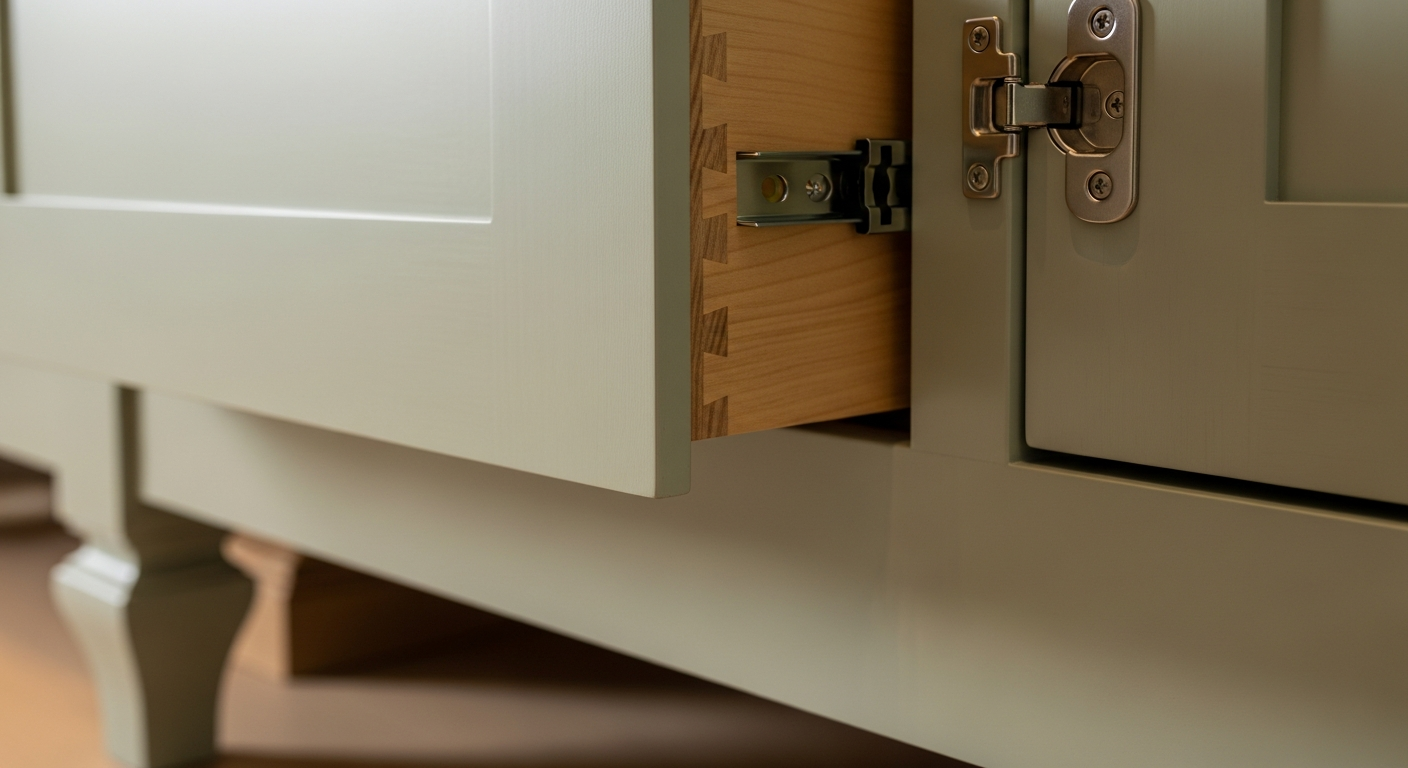
Regardless of style, custom cabinet construction should include solid hardwood face frames (not particleboard), 3/4-inch plywood box construction (never MDF or particleboard for sides and shelves), dovetail drawer joints (hand-cut or precision-machined), full-extension soft-close drawer slides rated for 75 to 100 pounds, concealed European hinges with six-way adjustability, and solid wood or premium plywood adjustable shelving. These construction details separate a $40,000 cabinet order from a $15,000 one, and they directly impact how the kitchen looks, functions, and holds up over 20 to 30 years of daily use.
Wood Species and Finishes
The wood species and finish technique define the visual personality of custom cabinetry. Current premium kitchen trends favor the following species:
- White oak (rift-cut): The dominant species in luxury kitchens for 2025-2026, prized for its straight grain pattern achieved through rift or quarter-sawing. Rift-cut white oak costs 20 to 30 percent more than plain-sawn but eliminates the "cathedral" grain patterns that read as traditional. Natural, cerused (lime-washed), or light-stained finishes showcase the wood's character while maintaining a contemporary feel.
- Walnut: Rich, warm brown tones with dramatic grain variation. American black walnut delivers a sophisticated, moody aesthetic particularly effective for island bases, butler pantries, or full kitchen applications in modern designs. Walnut costs $50 to $80 per board foot for cabinet-grade lumber.
- Maple (hard): Tight, uniform grain that takes paint exceptionally well. Maple remains the preferred species for painted custom kitchen cabinets, offering a smoother surface than oak or cherry and resisting grain telegraphing through paint over time.
- Hand-painted finishes: Multi-coat hand-applied lacquer or conversion varnish finishes that deliver depth and richness impossible to achieve with spray-only application. Hand-painting adds $3,000 to $8,000 to a typical kitchen cabinet order but creates a furniture-quality appearance with subtle brush texture and exceptional durability.
Inset vs. Overlay Doors
The choice between inset cabinets and overlay doors is one of the most visible decisions in custom kitchen design. Inset doors sit flush within the face frame, revealing a precise reveal (gap) of 3/32 to 1/8 inch around every door and drawer. This craftsmanship-forward approach requires exceptional precision in construction and installation because any misalignment is immediately visible. Inset cabinetry typically costs 15 to 25 percent more than full-overlay construction.
Full-overlay doors cover the face frame entirely, creating a more contemporary look with minimal visual gaps between doors. This construction is slightly more forgiving of minor wall irregularities and settling, making it the practical choice for many custom kitchens. Both approaches deliver beautiful results when executed by skilled craftspeople, so the decision comes down to aesthetic preference rather than quality.
Top Custom Cabinet Makers
Selecting the right cabinet manufacturer for a bespoke kitchen project requires understanding each maker's strengths, lead times, and price positioning:
- Brookhaven (by Wood-Mode): The entry point to true luxury cabinetry, offering excellent construction quality with a wider range of standard options that keep costs somewhat lower than fully bespoke lines. Lead time: 12 to 14 weeks. Price: $700 to $1,000 per linear foot installed.
- Wood-Mode: The premium line from the same manufacturer, with unlimited custom options including exotic wood species, complex finish techniques, and architectural-grade detailing. Lead time: 14 to 18 weeks. Price: $900 to $1,400 per linear foot installed.
- Plain and Fancy: Known for exceptional painted finishes and traditional American craftsmanship. Particularly strong in historically-inspired kitchen designs with beaded inset construction. Lead time: 14 to 16 weeks. Price: $800 to $1,200 per linear foot installed.
- Bulthaup: German-engineered cabinetry representing the pinnacle of minimalist, frameless design. Bulthaup kitchens feature aluminum-core construction, precision hardware, and a design philosophy that treats the kitchen as integrated furniture. Lead time: 16 to 20 weeks (imported from Germany). Price: $1,200 to $2,000+ per linear foot installed.
Lead times of 12 to 20 weeks mean that cabinetry must be ordered months before demolition begins. Your kitchen remodel contractor or designer should finalize cabinet specifications during the design phase to avoid delays that can push entire project timelines by months.
Luxury Countertops and Surfaces
In a premium kitchen remodel, countertop and surface selections move beyond basic functionality into the realm of natural art. The right stone slab becomes a focal point that anchors the entire design, and the sourcing process for luxury surfaces is fundamentally different from selecting a standard quartz color from a sample chip.
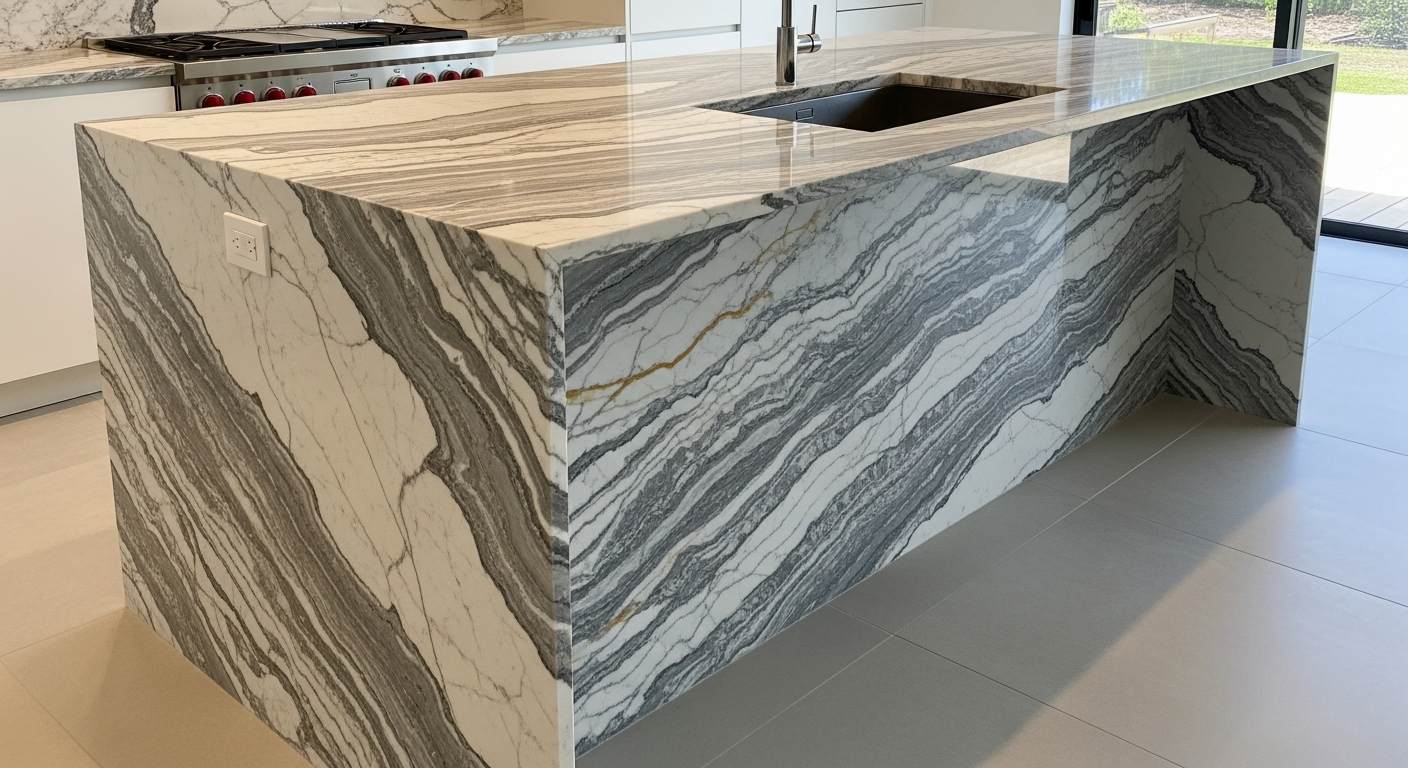
Natural quartzite has emerged as the premier countertop choice for luxury kitchens, offering the beauty of marble with significantly better durability. Unlike engineered quartz (a manufactured product), natural quartzite slabs are metamorphic stone quarried in massive blocks and cut into slabs that showcase millions of years of geological formation. The most sought-after quartzite varieties include:
- Taj Mahal: Warm white background with subtle gold veining, quarried in Brazil. Consistently the most requested premium quartzite for kitchen countertops. Slab cost: $80 to $120 per square foot installed.
- Calacatta quartzite: Mimics the dramatic veining of Calacatta marble but with quartzite's superior hardness and stain resistance. Slab cost: $100 to $150 per square foot installed.
- Super White: Cool white with subtle gray movement, offering a clean contemporary aesthetic. More affordable entry point to natural quartzite. Slab cost: $65 to $95 per square foot installed.
Book-matched marble represents the ultimate luxury surface treatment, where two sequential slabs from the same block are opened like a book and installed mirror-image to create a symmetrical vein pattern. Book-matched marble kitchen countertops require sourcing specific slabs (often at stone yards in person), precise template matching, and expert fabrication that preserves the visual continuity across seams. The sourcing and fabrication process adds $5,000 to $15,000 beyond standard marble countertop pricing.
Waterfall edge details carry the countertop material vertically down the sides of an island or peninsula, creating a dramatic sculptural element. A waterfall island edge requires careful vein matching where the horizontal and vertical surfaces meet, with mitered seams ground to near-invisible joints. Waterfall edges add $2,500 to $6,000 per end panel depending on material and complexity. Combined with a whole-slab backsplash using matching stone, the visual impact transforms a kitchen island into the room's defining architectural feature.
Integrated sinks and drainboards milled directly into the countertop material eliminate seams and create a seamless work surface. This technique works best with marble and some quartzites (not all quartzites are suitable for integral sink fabrication). Integrated sink fabrication adds $3,000 to $7,000 but creates an undeniably custom look impossible to achieve with drop-in or undermount alternatives.
Premium Appliances for the Custom Kitchen
The appliance package in a luxury kitchen remodel goes far beyond choosing between brands at a big-box store. Premium appliances deliver professional-grade cooking performance, seamless visual integration through panel-ready designs, and specialty cooking functions that transform how you prepare food.
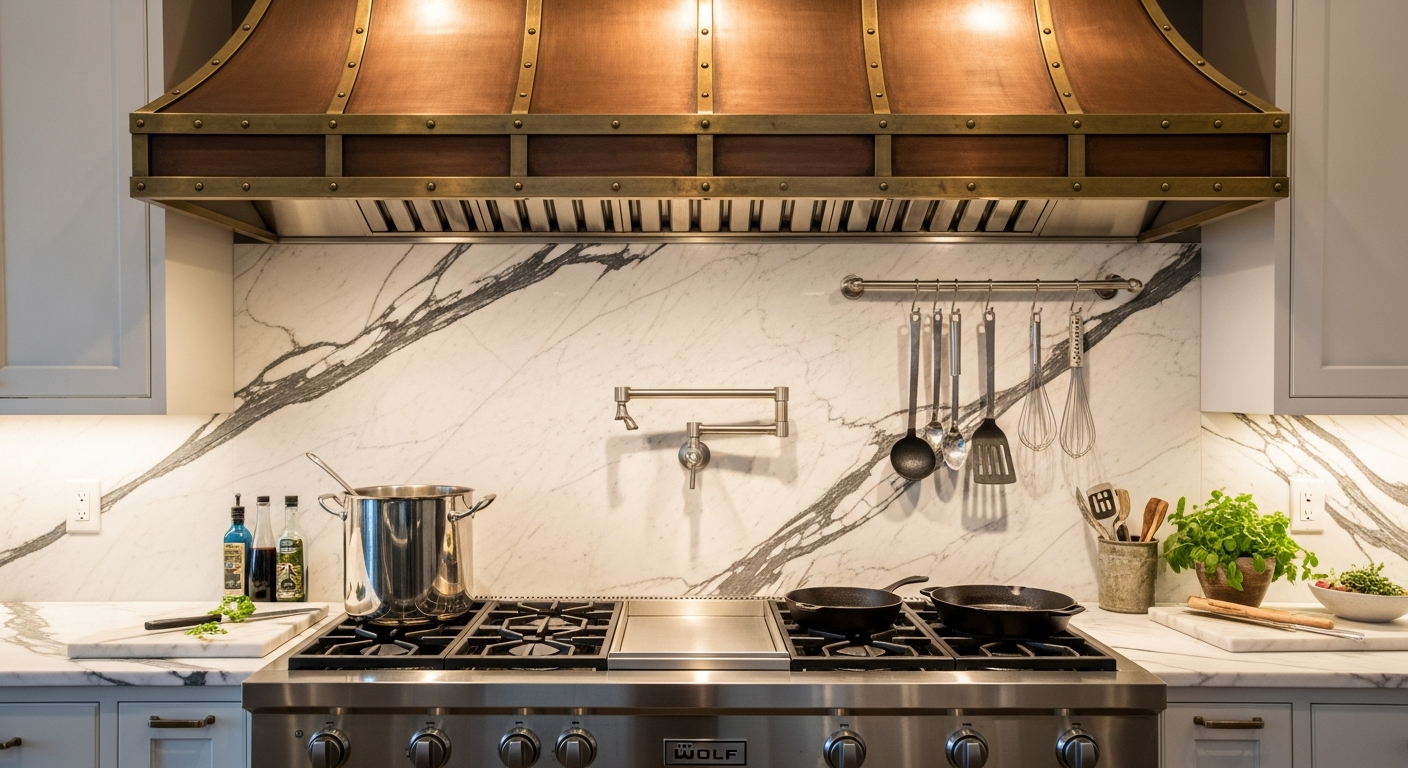
Professional-grade ranges anchor the cooking zone in any custom kitchen. The leading brands each bring distinct strengths:
- Wolf: The industry benchmark for residential professional ranges, offering dual-stacked burners that simmer at 300 BTU and sear at 20,000 BTU. The 48-inch and 60-inch models accommodate double ovens, a griddle, and a French top. Price range: $8,000 to $18,000.
- La Cornue: Handcrafted French ranges representing the ultimate in culinary artistry and kitchen design. Each La Cornue is built to order in a choice of 30+ enamel colors with brass, nickel, or chrome trim. The CornuFé line starts around $8,500, while the Château series ranges from $25,000 to $50,000+ depending on configuration. Lead time: 12 to 16 weeks.
- Gaggenau: German-engineered cooking appliances with a modular approach allowing completely customized cooking configurations. The Vario 400 series lets you combine individual induction cooktops, gas wok burners, teppanyaki grills, and deep fryers into a single seamless cooking surface. Price: $4,000 to $12,000 per cooking module.
Integrated refrigeration from Sub-Zero and Gaggenau uses panel-ready designs where custom cabinet panels cover the appliance fronts, making refrigerators and freezers virtually invisible within the cabinetry. Sub-Zero's column refrigeration (separate full-height refrigerator and freezer columns) starts at $12,000 for a pair and allows placement anywhere in the kitchen rather than requiring a single large appliance location. Integrated appliances create the seamless, furniture-like appearance that defines a truly custom kitchen.
Specialty appliances differentiate a custom kitchen from a merely expensive one:
- Steam ovens: Wolf, Miele, and Gaggenau offer built-in steam ovens ($3,500 to $6,000) that cook vegetables, fish, and bread with moisture retention impossible in conventional ovens
- Speed ovens: Combining convection, microwave, and sometimes steam in a single built-in unit ($3,000 to $5,500) that replaces the countertop microwave with a fully integrated cooking appliance
- Warming drawers: Built-in drawers ($1,500 to $3,000) that maintain serving temperature for multiple courses, essential for entertaining-focused kitchens
- Wine columns: Full-height panel-ready wine storage ($4,000 to $8,000) with dual temperature zones for red and white wine, replacing standalone wine refrigerators with seamlessly integrated units
Ventilation deserves special attention in a custom kitchen. A custom range hood serves as both a functional necessity (removing smoke, grease, and moisture) and a design centerpiece. Custom hoods fabricated from copper, zinc, stainless steel, or plaster-wrapped wood can cost $3,000 to $15,000 for the hood shell alone, plus $1,500 to $4,000 for a commercial-grade blower insert (900 to 1,200 CFM recommended for professional ranges). Downdraft ventilation systems offer an alternative for island installations where overhead hoods would obstruct sight lines, though they are less effective than overhead extraction for high-BTU cooking.
Appliance lead times of 8 to 16 weeks are standard, with specialty items like La Cornue ranges requiring 12 to 20+ weeks. Your designer or kitchen remodel contractor should place appliance orders immediately after design finalization to prevent construction delays.
Working with Kitchen Architects and Designers
The professional team guiding a custom kitchen design process directly impacts the outcome. Understanding when you need an architect versus a kitchen designer, what certifications to look for, and how fee structures work helps you assemble the right team for your project scope and budget.

When you need a kitchen architect: Projects exceeding $100,000, involving structural modifications (wall removal, ceiling changes, additions), requiring engineering calculations, or needing municipal plan submissions generally require a licensed architect. Architects bring structural knowledge, building code expertise, and the ability to coordinate with engineers and obtain permits. For projects under $100,000 that maintain the existing footprint, a certified kitchen designer may be sufficient.
Interior designer vs. kitchen designer: A kitchen interior designer with NKBA (National Kitchen and Bath Association) certification or CKD (Certified Kitchen Designer) designation has completed specialized training in kitchen ergonomics, the work triangle, appliance integration, storage optimization, and code requirements specific to kitchens. General interior designers bring broader aesthetic skills but may lack the technical kitchen knowledge that prevents expensive mistakes like insufficient clearances, improper ventilation, or inefficient workflow.
Design-build firms combine design and construction under one company, offering streamlined communication and single-point accountability. For luxury kitchen projects, design-build firms with dedicated kitchen architects on staff can manage the entire process from concept through completion. The trade-off is less independence in contractor selection since the builder is predetermined. Design-build is often the most efficient approach for projects in the $100,000 to $200,000 range where coordination complexity is high.
Fee structures for kitchen design professionals vary significantly:
- Hourly ($150 to $500 per hour): Common for architects and senior designers. A typical custom kitchen design requires 80 to 150 billable hours, translating to $12,000 to $75,000 in design fees depending on complexity and hourly rate.
- Flat fee: Some designers charge a fixed project fee ranging from $10,000 to $50,000 for complete kitchen design services including concept development, construction drawings, material specifications, and installation oversight.
- Percentage of budget (8 to 15 percent): A $150,000 kitchen with a 10 percent design fee allocates $15,000 to design services. This structure aligns the designer's compensation with project scope.
Regardless of fee structure, interview at least three designers, review portfolios of completed projects similar in scope and style to yours, and verify certifications. The right lighting design alone can justify a professional designer's fee by creating ambiance and functionality that transforms how the kitchen looks and performs.
Custom Kitchen Project Management and Timeline
A custom kitchen remodel operates on a fundamentally different timeline than standard renovations. Where a mid-range kitchen renovation might complete in 6 to 12 weeks, a fully custom project spans 5 distinct phases totaling 4 to 9 months from design kick-off to final walkthrough.
Phase 1: Design and Planning (8 to 16 weeks)
The design phase encompasses initial consultations, space assessment, concept development, material exploration, detailed construction drawings, and specification documents. For complex projects, this phase includes structural engineering reviews, permit applications, and coordination with utility companies for gas, electrical, or plumbing upgrades. Rushing the design phase is the most common and most expensive mistake in luxury kitchen projects. An additional two weeks of design refinement prevents $10,000 to $30,000 in change orders during construction.
Phase 2: Material Selection and Ordering (4 to 8 weeks, concurrent with late design phase)
This phase involves visiting stone yards to hand-select specific quartzite or marble slabs, finalizing cabinetry specifications and placing manufacturing orders, ordering appliances, specifying hardware and fixtures, and selecting tile for backsplash and floors. Material selection overlaps with the final weeks of the design phase but ordering cannot begin until designs are finalized. The most critical lead-time items (custom cabinetry at 12 to 20 weeks and specialty appliances at 8 to 16 weeks) must be ordered as early as possible.
Phase 3: Fabrication and Lead Time (12 to 20 weeks)
While custom cabinets are being manufactured and appliances are being built, your project team prepares for construction. This waiting period is used to finalize remaining material selections, schedule subcontractors, obtain final permits, and prepare temporary kitchen facilities. The fabrication phase runs concurrently with the end of Phase 2 and the beginning of Phase 4 for well-managed projects.
Phase 4: Demolition and Construction (6 to 12 weeks)
Active construction begins with demolition of the existing kitchen, followed by rough-in work (plumbing, electrical, HVAC, structural modifications), drywall and painting, flooring installation, and preparation for cabinet and countertop installation. Managing 8 to 12 subcontractor teams simultaneously requires experienced project management. Quality control checkpoints between each trade ensure that electrical is properly placed before drywall closes the walls, and that flooring is level before cabinets arrive.
Phase 5: Installation and Finishing (3 to 6 weeks)
The final phase includes cabinet installation (typically 3 to 5 days for a full kitchen), countertop template and fabrication (2 to 3 weeks after cabinets are set), countertop installation, backsplash installation, appliance delivery and connection, hardware installation, lighting fixture installation, and final trim work. A detailed punch list review with your contractor identifies any items requiring correction before final payment.
Project Management Insight: The most successful custom kitchen projects assign a dedicated project manager (either from the design-build firm or hired independently) who coordinates all trades, manages the schedule, and serves as the single point of contact between the homeowner and 8 to 12 different subcontractor teams working on the project.
Custom Kitchen Remodel Cost Breakdown
Understanding where money goes in a luxury kitchen remodel helps you make informed allocation decisions. The following breakdown shows typical budget distribution across four investment tiers, based on national averages for custom kitchen projects completed in 2025 and 2026.
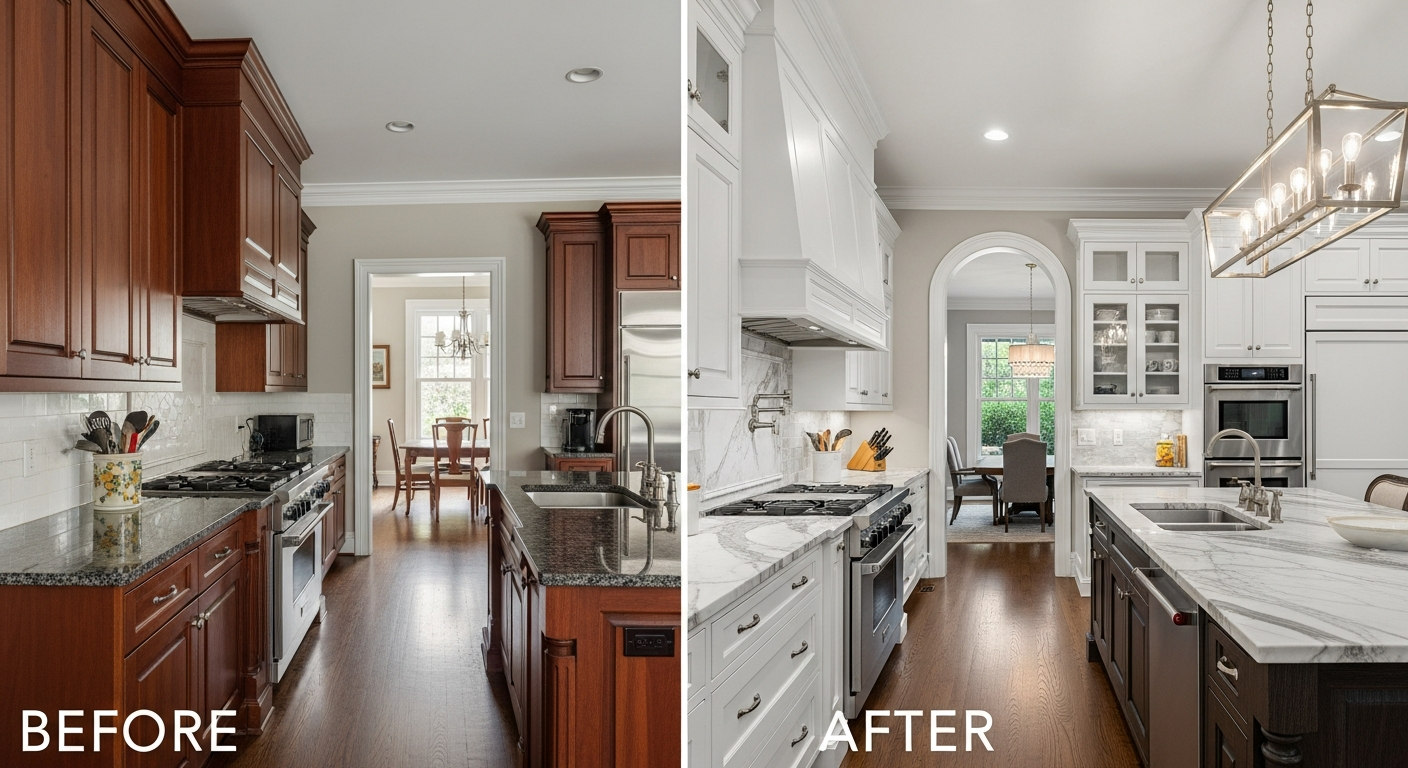
Budget Allocation by Category:
- Cabinetry (30 to 40 percent): The largest single expense. At $75K, expect $22,500 to $30,000. At $150K, expect $45,000 to $60,000. At $200K+, cabinet budgets can reach $80,000 or more for imported European systems like Bulthaup.
- Appliances (15 to 25 percent): A full Wolf and Sub-Zero package runs $30,000 to $50,000. La Cornue or Gaggenau selections can push appliance spending to $60,000 to $80,000 for the most comprehensive configurations.
- Countertops and surfaces (10 to 15 percent): Natural quartzite or marble countertops, waterfall edges, and whole-slab backsplash installations range from $8,000 at the entry-custom level to $30,000+ for book-matched marble with integrated sinks.
- Labor and construction (20 to 30 percent): Includes demolition, structural work, plumbing, electrical, HVAC, drywall, painting, flooring, tile installation, and general contracting fees. Labor percentages tend to decrease as a proportion of total budget at higher tiers because material costs scale faster than labor costs.
- Design and architecture (5 to 10 percent): Professional design fees ranging from $5,000 for a semi-custom project to $20,000+ for fully custom architectural kitchen design with construction administration services.
Tier-by-Tier Investment Summary:
- $75,000 Custom Kitchen: Semi-custom to custom cabinetry (Wood-Mode Brookhaven tier), natural quartzite countertops, Wolf or Thermador appliance package, professional design, and quality construction. Delivers a premium kitchen that exceeds everything available through standard renovation approaches. For a complete cost guide at all budget levels, see the kitchen remodel cost breakdown.
- $100,000 Custom Kitchen: Fully custom cabinetry with premium finishes, book-matched or hand-selected stone, complete Wolf and Sub-Zero integration, custom range hood, designer kitchen island, specialty lighting, and professional project management.
- $150,000 Custom Kitchen: Bespoke cabinetry with specialty finishes, exotic natural stone with waterfall edges and integrated features, La Cornue or top-tier Gaggenau appliances, structural modifications, imported tile, custom metalwork, and architect-led design.
- $200,000+ Custom Kitchen: No compromises. Imported European cabinetry, museum-grade natural stone, artisan-crafted range hoods, custom bronze or brass hardware, integrated technology, and every detail specified by a dedicated kitchen architect. These projects often include adjacent spaces like butler pantries, sculleries, or breakfast rooms.
ROI Considerations: Luxury kitchens typically return 40 to 60 percent of their investment at sale, lower than the 60 to 80 percent ROI of mid-range renovations. However, the return calculation for a custom kitchen extends beyond resale. These kitchens are built for homeowners who plan to enjoy them for 10 to 20 years, and the daily quality-of-life improvement from cooking and entertaining in a perfectly designed space delivers value that resale percentages cannot capture. For homeowners planning to sell within 3 to 5 years, a modern kitchen remodel in the $30,000 to $50,000 range typically delivers better financial returns.
Frequently Asked Questions
How long does a custom kitchen remodel take?
A fully custom kitchen remodel typically takes 4 to 9 months from design kick-off to completion. The design phase requires 8 to 16 weeks, custom cabinetry fabrication adds 12 to 20 weeks, and active construction runs 6 to 12 weeks followed by 3 to 6 weeks of installation and finishing. Well-managed projects overlap phases to compress the total timeline, but rushing any phase increases the risk of costly errors and change orders.
Is a custom kitchen remodel worth the investment?
For homeowners who plan to stay in their home for 7 or more years and who cook or entertain regularly, a custom kitchen delivers daily quality-of-life improvements that justify the investment. From a strictly financial perspective, custom kitchens return 40 to 60 percent at resale, but the return on daily enjoyment, improved functionality, and the pride of owning a space designed exclusively for your needs extends well beyond resale value calculations.
What is the difference between custom and semi-custom cabinets?
Semi-custom cabinets modify standard cabinet boxes with upgraded doors, finishes, and some dimensional adjustments (typically in 1/8-inch increments). Fully custom cabinets are built entirely from scratch with no dimensional limitations, using your specified wood species, joinery method, finish technique, and interior configuration. The cost difference is significant: semi-custom ranges from $200 to $650 per linear foot while fully custom ranges from $800 to $1,500+ per linear foot. For more details on cabinet options at every budget level, see the guide to kitchen cabinet remodel options.
Should you hire an architect or a kitchen designer?
Hire an architect when your project exceeds $100,000, involves structural modifications (removing walls, changing ceiling heights, adding windows), or requires engineering calculations and municipal plan submissions. A certified kitchen designer (CKD or NKBA-certified) is appropriate for projects under $100,000 that maintain the existing footprint and focus on material upgrades, cabinetry, and finishes. For projects in the $100,000 to $200,000 range, a design-build firm with both an architect and a kitchen designer on staff offers the most streamlined approach.
How do you manage a $100K+ kitchen project?
Successful management of a high-value kitchen project requires three elements: a detailed project schedule with milestones and dependencies, a dedicated project manager coordinating 8 to 12 subcontractor teams, and a clear communication protocol with weekly progress meetings. Establish payment milestones tied to completed work (not calendar dates), maintain a 10 to 15 percent contingency fund for unexpected discoveries, and document everything with photos and written change orders. Review the complete kitchen remodel transformation guide for real examples of how successful projects were managed from start to finish.
Visualize Your Custom Kitchen Before You Invest
Before committing $75,000 or more to a custom kitchen remodel, seeing how different premium materials, cabinet styles, and layouts will look in your actual space removes the guesswork from your most important design decisions.
Upload a photo of your current kitchen to the kitchen remodel visualizer and explore how quartzite countertops, custom cabinetry finishes, waterfall islands, and professional-grade appliance configurations will transform your space. For cabinet-specific decisions like inset versus overlay doors, wood species, and finish options, the cabinet remodel visualizer provides detailed previews that help you refine your vision before meeting with designers.
Explore completed luxury kitchen projects and premium material options in the design gallery for additional inspiration as you plan your custom kitchen remodel.
Custom Kitchen Remodel FAQs
Written by
Emily Rodriguez
Interior Design Editor covering living spaces, styling trends, and room makeovers. Former Architectural Digest contributor with a focus on accessible, budget-conscious design.