How Much Does It Cost to Remodel a Shower? 2026 Price Breakdown
Quick Summary
A detailed 2026 cost guide for shower remodeling covering prefab swap pricing, custom tile walk-in costs, tub-to-shower conversions, material and labor breakdowns, hidden expenses, money-saving strategies, and ROI analysis to help homeowners budget accurately for every scope of shower renovation.
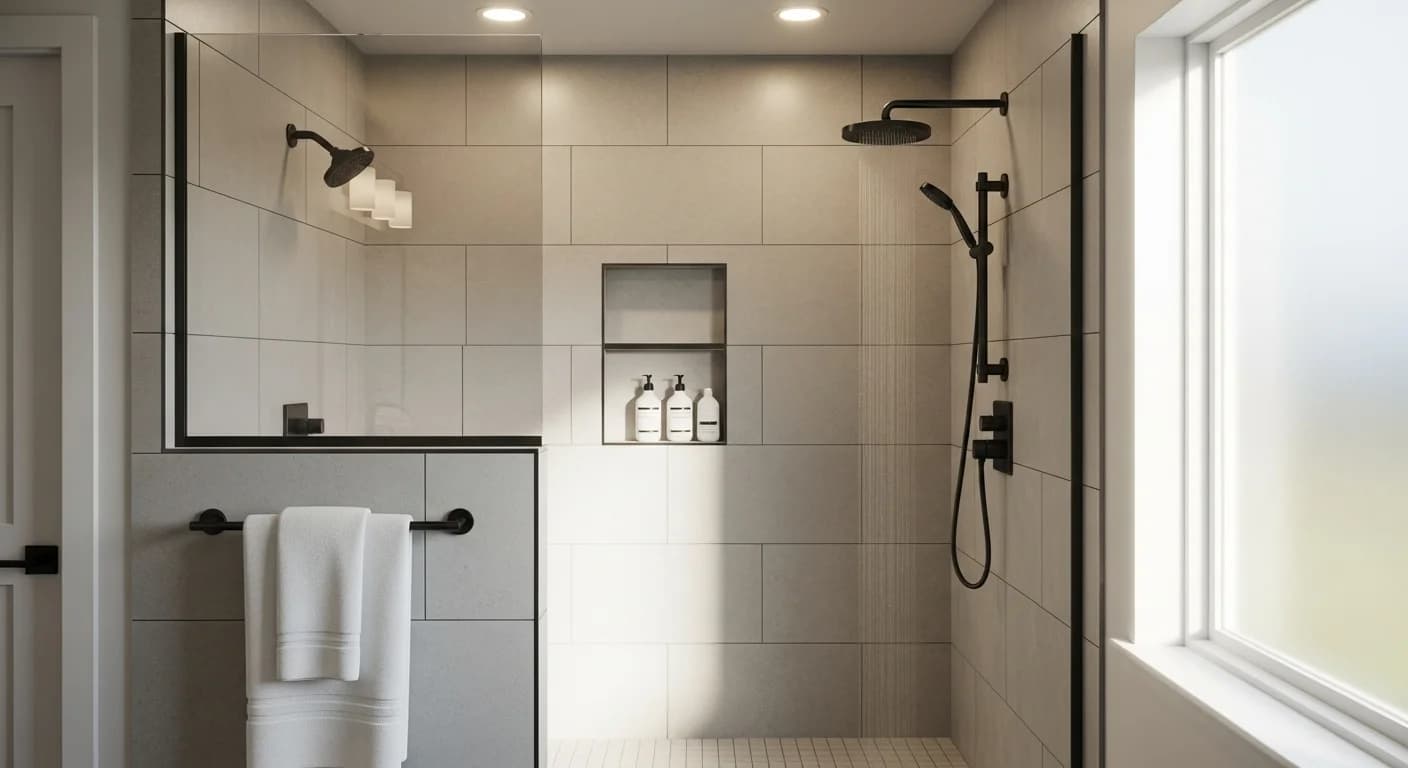
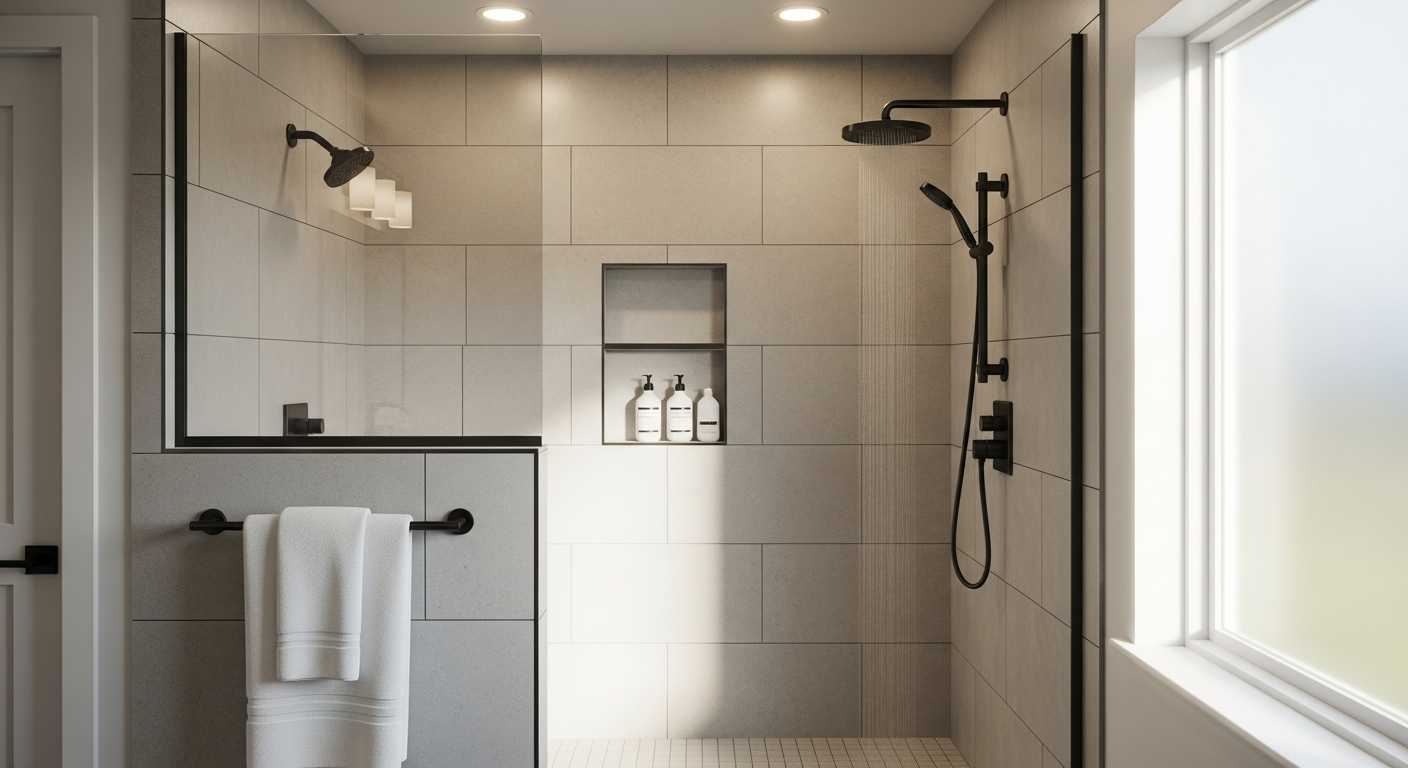
Understanding how much does it cost to remodel a shower is essential before committing to a bathroom renovation project. Shower remodels range from a simple prefabricated unit swap at $1,500 to a fully custom tile walk-in shower with frameless glass enclosure exceeding $20,000. The national average for a mid-range shower remodel in 2026 sits between $5,000 and $8,500, but actual costs depend on the scope of work, material choices, plumbing modifications, and regional labor rates.
This guide breaks down every cost component of a shower remodel — from demolition and waterproofing to tile, fixtures, glass enclosures, and labor — so you can create a realistic budget before calling a contractor. Whether you are replacing a worn-out fiberglass insert, converting a bathtub to a walk-in shower, or building a luxury spa-style enclosure from scratch, knowing the real numbers prevents budget shock and helps you make informed trade-off decisions between materials and features.
Shower Remodel Cost by Project Scope
Shower remodel costs fall into four distinct tiers based on the complexity of work involved. A basic prefab replacement involves removing the old unit and installing a new fiberglass or acrylic surround — the simplest and most affordable option. A standard tile shower upgrade replaces surfaces with ceramic or porcelain tile and may include a new shower valve, showerhead, and glass door. A tub-to-shower conversion requires plumbing modifications, drain relocation, and new framing. A custom walk-in shower involves full demolition, waterproof membrane installation, custom tile work, linear drains, body sprays, and frameless glass enclosures.
| Project Scope | Cost Range | National Average | Timeline |
|---|---|---|---|
| Prefab Unit Swap | $1,000–$4,000 | $2,500 | 1–2 days |
| Standard Tile Upgrade | $3,500–$8,000 | $5,500 | 3–5 days |
| Tub-to-Shower Conversion | $5,000–$12,000 | $7,500 | 5–7 days |
| Custom Walk-In Shower | $8,000–$25,000+ | $14,000 | 7–14 days |
These ranges reflect 2026 national averages. Urban areas and high-cost regions like the Northeast and West Coast typically run 15 to 25% above national averages, while Midwest and Southern markets often fall below. Always obtain at least three detailed bids from licensed contractors before committing to a project. For a complete bathroom renovation perspective, see our bathroom remodel construction guide.
Material Costs: Tile, Fixtures, and Glass
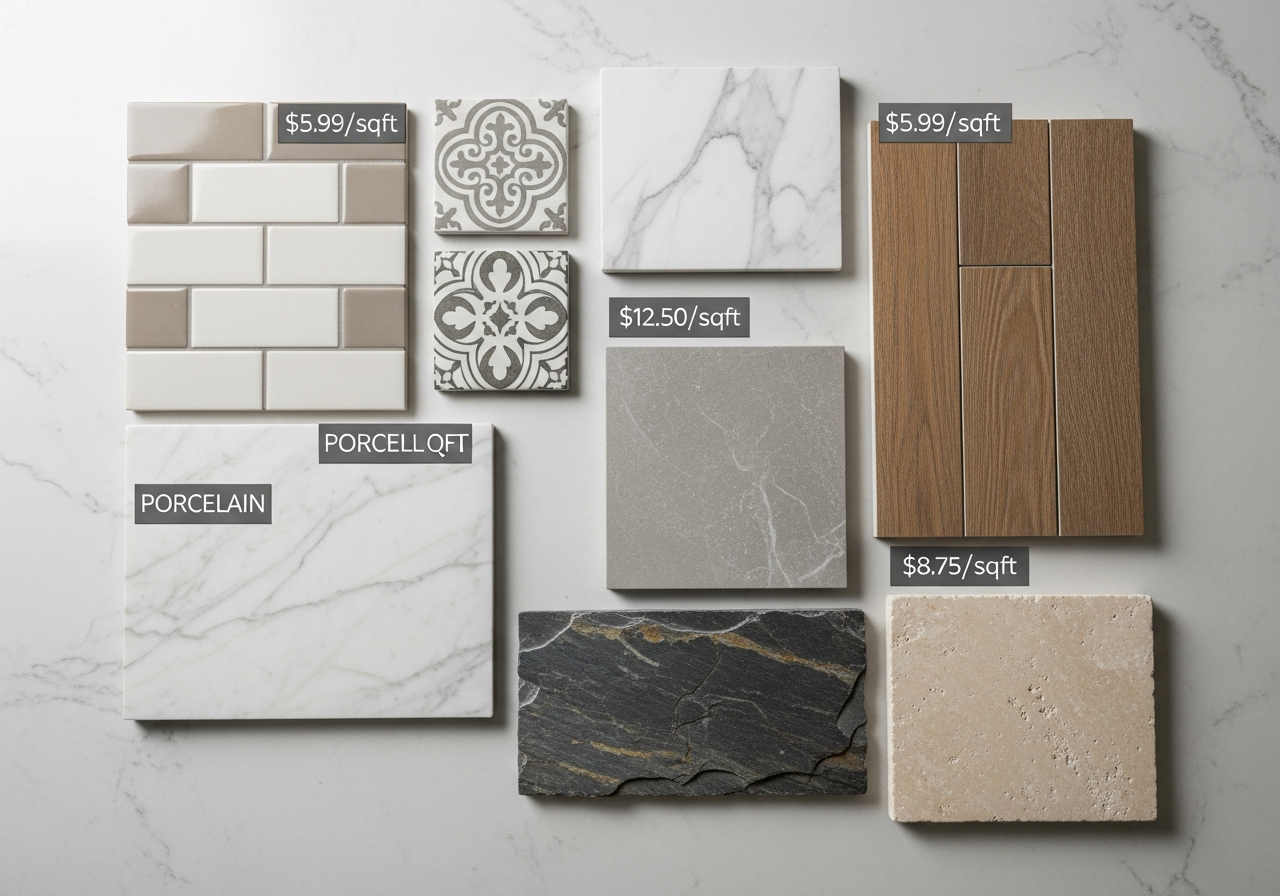
Tile is the largest material expense in most shower remodels, accounting for 25 to 35% of the total project cost. Standard ceramic tile runs $2 to $8 per square foot, porcelain costs $3 to $15 per square foot, and natural stone like marble or travertine ranges from $10 to $50 per square foot. A typical shower stall requires 60 to 100 square feet of tile coverage including walls and floor. Larger-format tiles (12x24 or bigger) reduce grout lines and installation time but require perfectly flat substrate surfaces.
Shower fixtures range from $200 for a basic single-function valve and head to $3,000 or more for a thermostatic valve system with rain head, hand shower, and body jets. Frameless glass enclosures add $1,200 to $3,500 depending on size and glass thickness (3/8-inch standard versus 1/2-inch premium). Semi-frameless doors cost $600 to $1,500, while a simple shower curtain rod costs under $50 but sacrifices the open, modern look that frameless glass provides. Explore more tile options in our bathroom tile design guide.
Labor Costs and What Drives Them
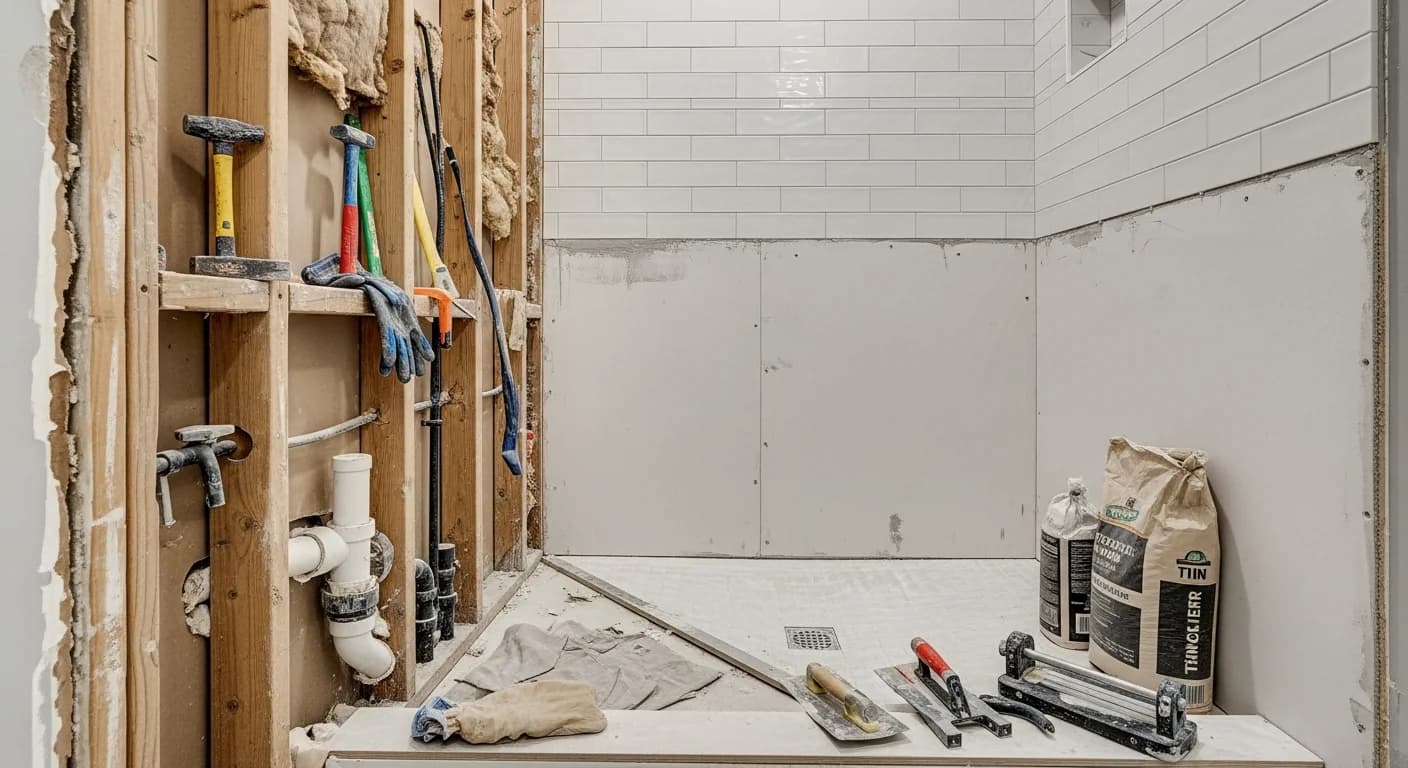
Labor typically represents 40 to 50% of a shower remodel budget. Skilled tile setters charge $6 to $15 per square foot for installation, with complex mosaic patterns and small-format tiles commanding premium rates. Plumbers charge $75 to $150 per hour for valve installation, drain relocation, and supply line modifications. Demolition and disposal of the existing shower costs $300 to $800 depending on the material being removed and whether hazardous materials like asbestos tile or lead paint require specialized abatement.
Waterproofing is a critical labor component that many homeowners underestimate. Proper shower waterproofing involves applying a liquid or sheet membrane over the entire shower floor and walls up to the showerhead height — a process that adds $500 to $1,200 to labor costs but prevents catastrophic water damage to framing and subfloors. Skipping or skimping on waterproofing is the leading cause of shower failures that require complete tear-out and rebuild within 5 to 10 years. For help selecting the right contractor, read our contractor vetting guide.
Hidden Costs That Blow Shower Remodel Budgets
Several common hidden costs catch homeowners off guard during shower remodels. Rotted subfloor or framing behind old shower walls adds $500 to $2,000 for repair. Outdated plumbing that does not meet current code may require complete re-piping at $1,000 to $3,000. Inadequate bathroom ventilation (no exhaust fan or undersized CFM rating) necessitates a new fan installation at $200 to $500. Permit fees range from $100 to $500 depending on your municipality, and some jurisdictions require inspections at multiple stages of the project.
Budget a 10 to 15% contingency fund above your estimated project cost to absorb these surprises without derailing the renovation. Water damage hidden behind existing walls is discovered in roughly 30% of shower remodels, and addressing it immediately prevents far more expensive structural repairs later. Ask your contractor to include a line item for potential surprises in the bid so expectations are clear from the start. For more budgeting strategies, see our budget bathroom remodel guide.
Tub-to-Shower Conversion Costs Explained
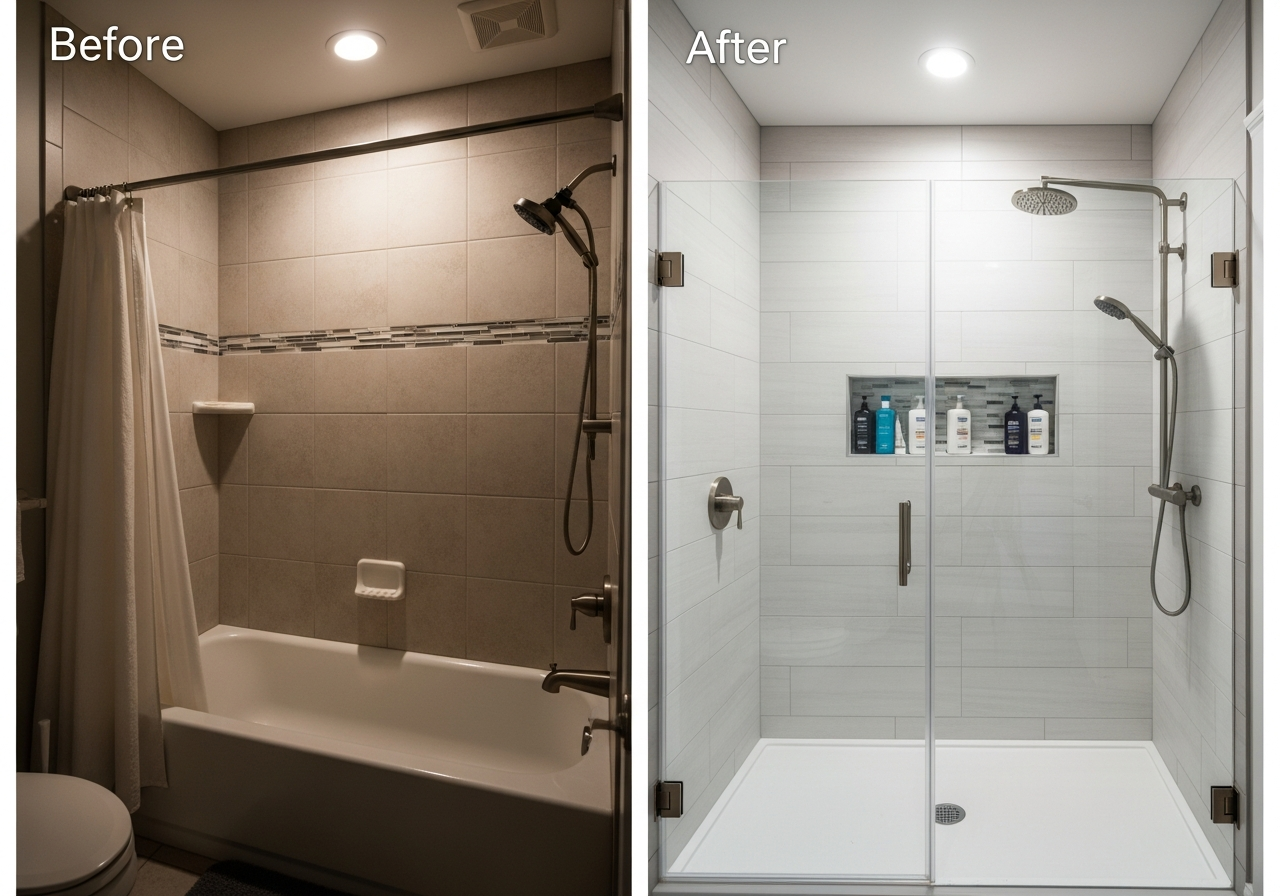
Converting a bathtub to a walk-in shower is one of the most popular bathroom remodel projects, averaging $5,000 to $12,000 depending on scope. The conversion involves removing the tub, modifying the drain location (bathtub drains sit in a different position than shower drains), adjusting supply lines, waterproofing the expanded shower floor, and installing new wall surfaces. If the conversion includes expanding the footprint beyond the original tub dimensions, framing and drywall work adds $800 to $2,000.
One important consideration is resale impact. The National Association of Realtors reports that homes with at least one bathtub sell faster than homes with showers only. If your home has only one bathroom with a tub, converting it to a shower-only configuration may reduce buyer appeal. In homes with multiple bathrooms, converting a secondary tub to a walk-in shower typically returns 60 to 70% of the investment at resale. For complete shower remodel project planning, check our shower remodel guide.
Money-Saving Strategies for Shower Remodels
The biggest cost savings come from keeping the shower footprint unchanged. Moving plumbing adds $1,500 to $3,000 that you can avoid by placing the new showerhead and valve in the same location as the existing ones. Choose a prefab shower pan instead of a custom-tiled floor — pans cost $200 to $600 versus $1,500 to $3,000 for a custom mud-bed tile floor. Porcelain tile that mimics natural stone delivers a high-end look at one-third the cost of actual marble or travertine.
Do your own demolition to save $300 to $800 in labor — removing an old surround or fiberglass insert requires basic tools and a few hours of work. Purchase fixtures directly from plumbing supply houses rather than through your contractor to avoid markup of 15 to 30%. Semi-frameless glass doors deliver 90% of the frameless aesthetic at 40 to 50% less cost. Finally, time your project for late fall or winter when contractor schedules are lighter and you may negotiate 5 to 10% lower rates.
Shower Remodel ROI and Value Analysis
A shower remodel delivers one of the highest returns among bathroom upgrades, with mid-range projects recouping 60 to 70% of costs at resale. Walk-in showers with glass enclosures are consistently ranked among the top three features home buyers want in updated bathrooms. The key to maximizing ROI is choosing neutral, timeless finishes — white subway tile, gray porcelain, brushed nickel fixtures — over highly trendy materials that may feel dated within a few years.
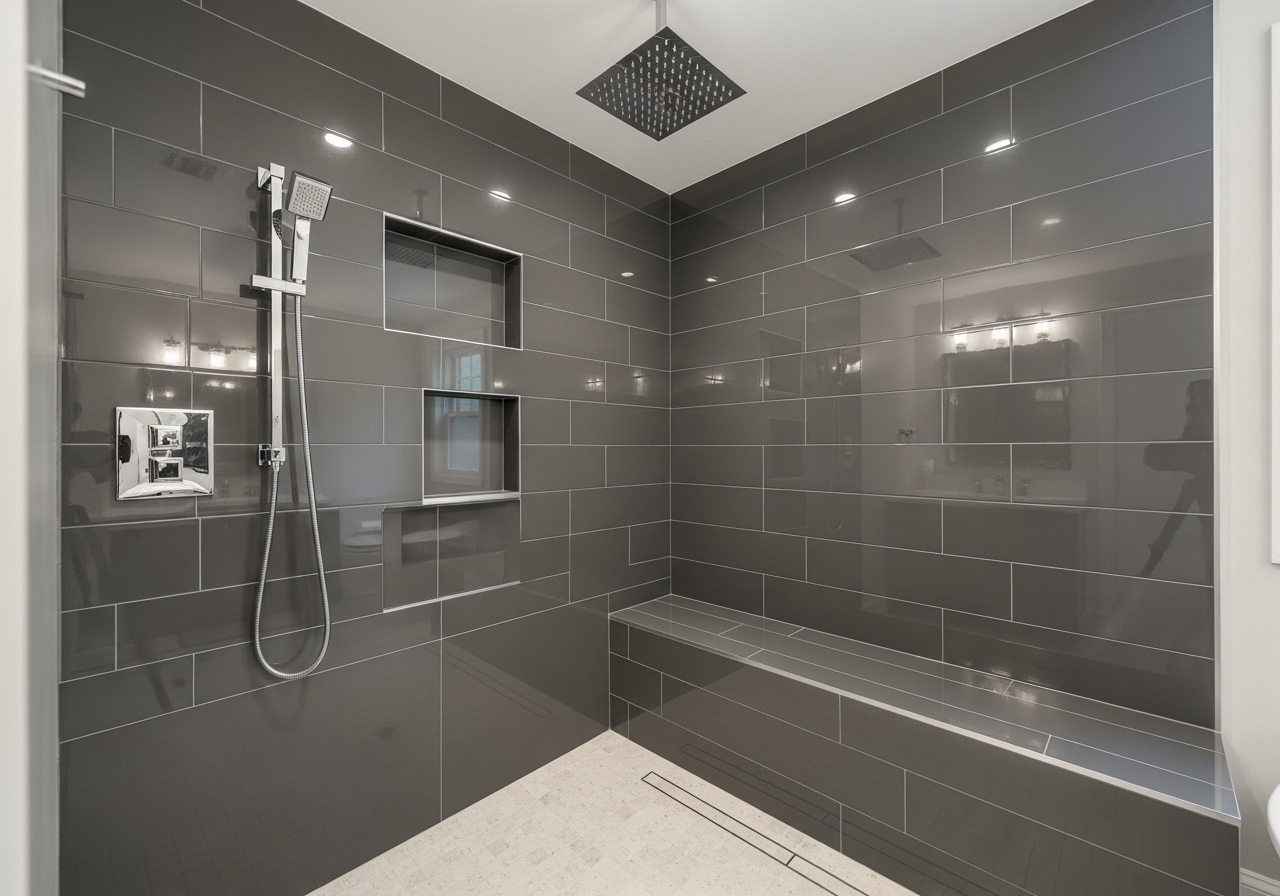
Beyond resale value, a remodeled shower improves daily quality of life through better water pressure, temperature control, and accessibility. If you are remodeling for aging-in-place, a curbless walk-in shower with grab bars and a built-in bench adds safety features that also appeal to future buyers. For a wider view of bathroom renovation costs and returns, read our 2026 bathroom remodel cost guide.
Frequently Asked Questions
Can I remodel a shower for under $3,000?
Yes, a basic shower remodel under $3,000 is achievable by installing a prefabricated fiberglass or acrylic surround kit ($300 to $800 for materials) and keeping the existing plumbing locations. DIY demolition saves additional money. This approach works best for functional upgrades rather than dramatic visual transformations. Expect to spend $1,500 to $2,500 total with professional installation of a prefab unit.
How much does a walk-in shower cost compared to a tub-shower combo?
A walk-in shower costs $5,000 to $15,000 on average, while a tub-shower combo replacement runs $2,000 to $6,000. The price difference comes from larger tile coverage areas, frameless glass enclosures, and the plumbing modifications needed to convert from a tub drain to a shower drain. Walk-in showers require more waterproofing work since the entire floor and lower walls must be seamlessly sealed.
What is the cheapest tile option for a shower remodel?
Standard white ceramic subway tile is the most affordable shower tile at $2 to $5 per square foot for materials, with installation running $6 to $10 per square foot. Subway tile in a 3x6 or 4x12 format installs quickly due to its simple running bond pattern, keeping labor costs low. Large-format porcelain tile (12x24) is another budget-friendly option that minimizes grout lines and reduces installation time.
How long does a shower remodel take?
A prefab shower swap takes 1 to 2 days, a standard tile shower upgrade takes 3 to 5 days, and a custom walk-in shower takes 7 to 14 days. Tub-to-shower conversions typically fall in the 5- to 7-day range depending on the extent of plumbing and framing modifications required. These timelines assume materials are ordered and on-site before work begins — tile backororders can add 2 to 6 weeks of waiting.
Is it worth spending more on a frameless glass enclosure?
Frameless glass enclosures cost $1,200 to $3,500 compared to $400 to $1,000 for framed options, but they dramatically enhance the visual openness of the shower and make the bathroom feel larger. They also increase home value more than framed alternatives. If budget is tight, a semi-frameless door at $600 to $1,500 offers a good middle ground with minimal metal framing around the glass panels.
Related Articles
Explore more bathroom remodel resources: how to remodel a small bathroom for space-maximizing strategies, bathroom remodel design tips for layout guidance, DIY bathroom remodel projects for hands-on upgrades, and small bathroom remodel ideas for creative solutions in tight spaces.
Visualize Your New Shower Before You Commit
See exactly how different shower designs, tile patterns, and fixture finishes will look in your bathroom before spending a dollar on materials. Upload a photo of your current shower and explore walk-in configurations, tile styles, and glass enclosure options with AI-powered visualization.
Try the Bathroom Remodel Tool free — preview your shower transformation with photorealistic renderings in seconds. Browse our bathroom ideas gallery for inspiration across every style and budget.
How Much Does It Cost to Remodel a Shower? 2026 Price Breakdown FAQs
Written by
Lisa Wang
Sustainable Design Writer focused on eco-friendly materials, energy efficiency, and budget-conscious home improvement. LEED Green Associate with expertise in low-impact renovation strategies.