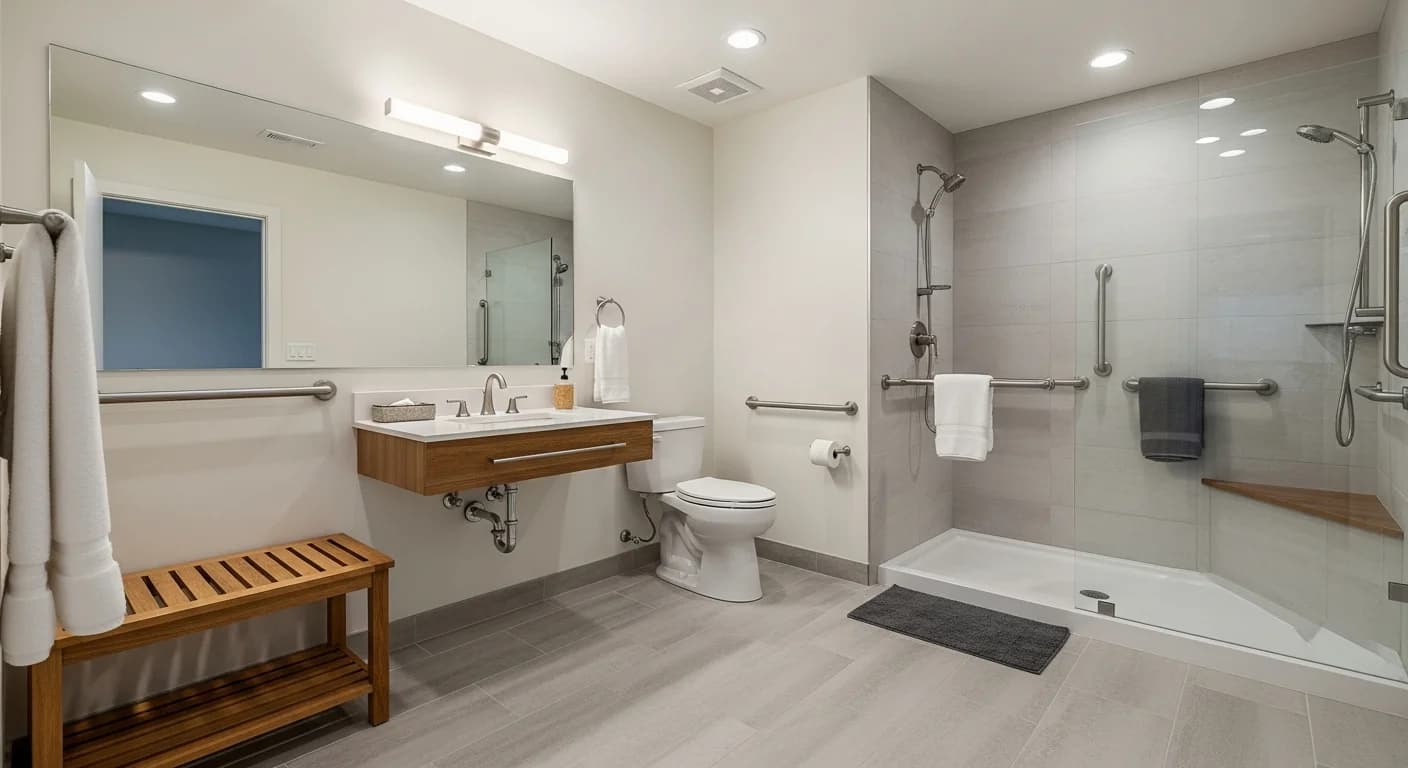
How to Budget for a Remodel: Realistic Planning to Avoid Cost Overruns
Quick Summary
A practical budgeting framework for home remodel projects covering the 50/30/20 allocation rule, finish level tiers, contingency planning, cost category breakdowns, and common budget mistakes. Includes room-by-room cost benchmarks and strategies for staying on budget throughout construction.
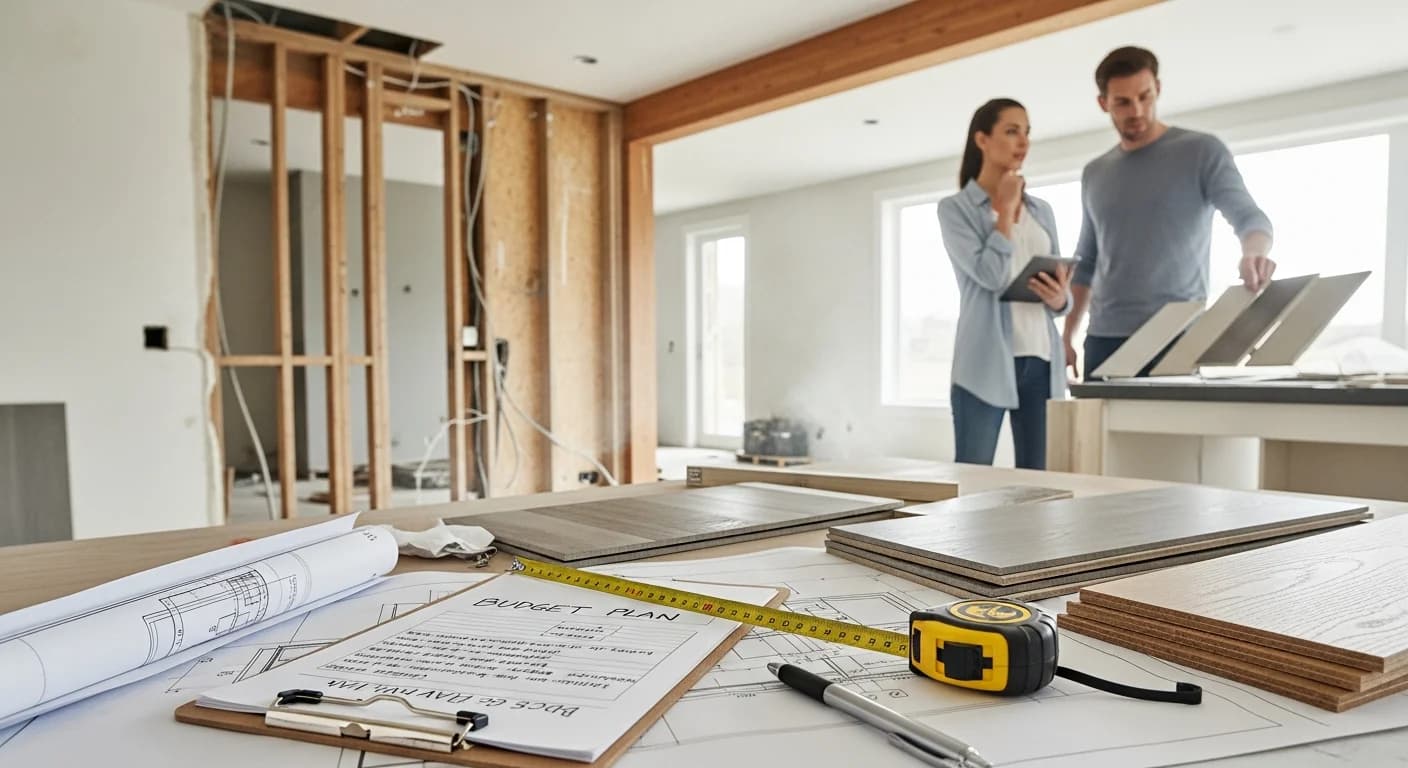
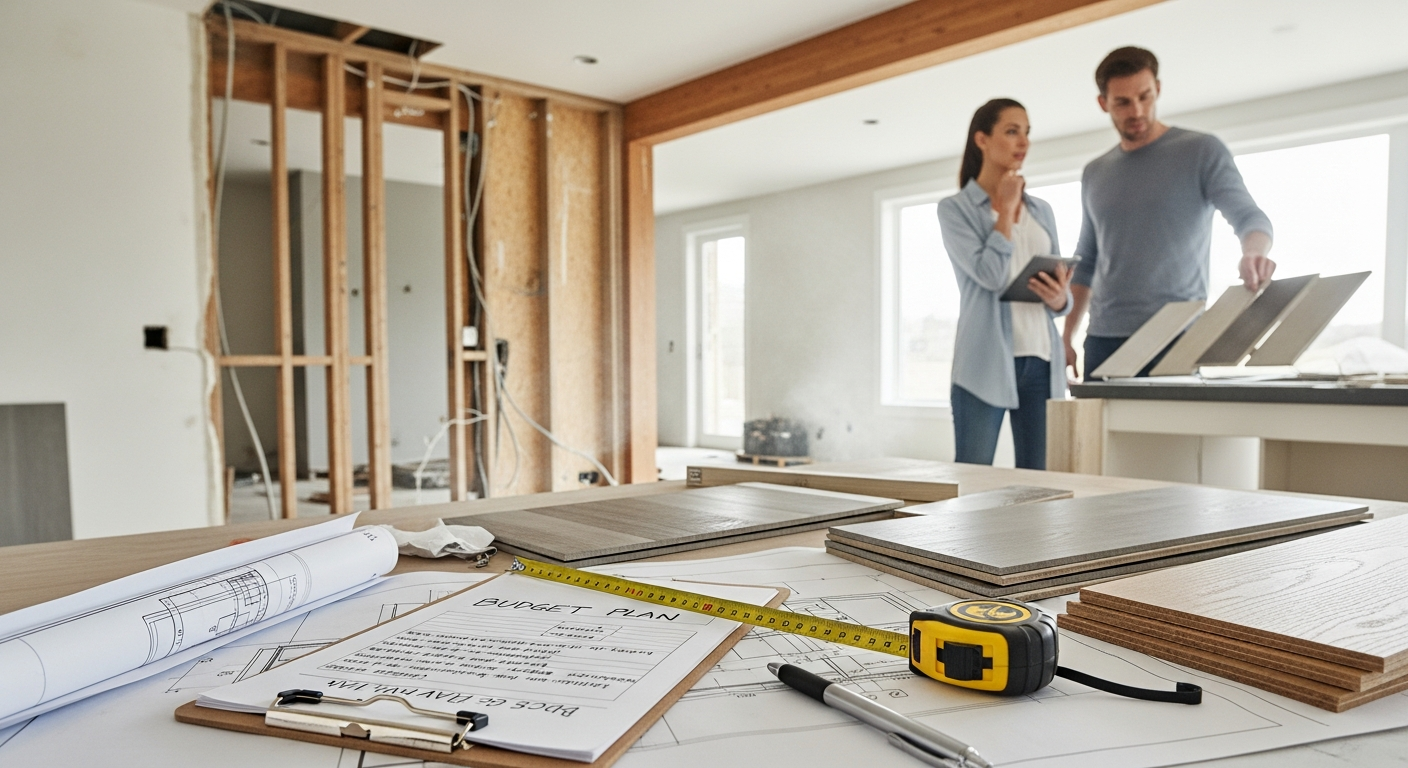
Learning how to budget for a remodel is the single most important step you can take before demolition begins. According to industry data, 60 percent of home renovation projects exceed their original budget, with the average overrun reaching 15 to 20 percent. On a $50,000 kitchen remodel, that means $7,500 to $10,000 in unexpected costs. The difference between homeowners who stay on budget and those who do not comes down to planning methodology — not willpower or luck.
This guide provides a proven budgeting framework that accounts for every cost category, builds in appropriate contingency reserves, and establishes spending guardrails before the first contractor bid arrives. Whether you are planning a single-room refresh or a whole-house renovation, these principles scale to any project size and keep financial surprises to a minimum.
The 50/30/20 Remodel Budget Rule
A reliable starting framework divides your total remodel budget into three categories: 50 percent for labor and installation, 30 percent for materials and fixtures, and 20 percent for permits, design fees, contingency, and miscellaneous costs. This ratio works for most mid-range projects. High-end remodels with premium materials may shift to 40/40/20, while DIY-heavy projects where you handle labor personally may flip to 20/50/30.
For example, on a $40,000 bathroom remodel, the 50/30/20 framework allocates $20,000 for labor (plumber, electrician, tile installer, general contractor), $12,000 for materials (tile, vanity, fixtures, shower glass), and $8,000 for permits, design, contingency, and incidentals. This allocation prevents the common mistake of overspending on premium materials and running out of budget for quality installation. Review our remodel financing guide to determine how much total budget you can afford.
Define Your Finish Level Tier
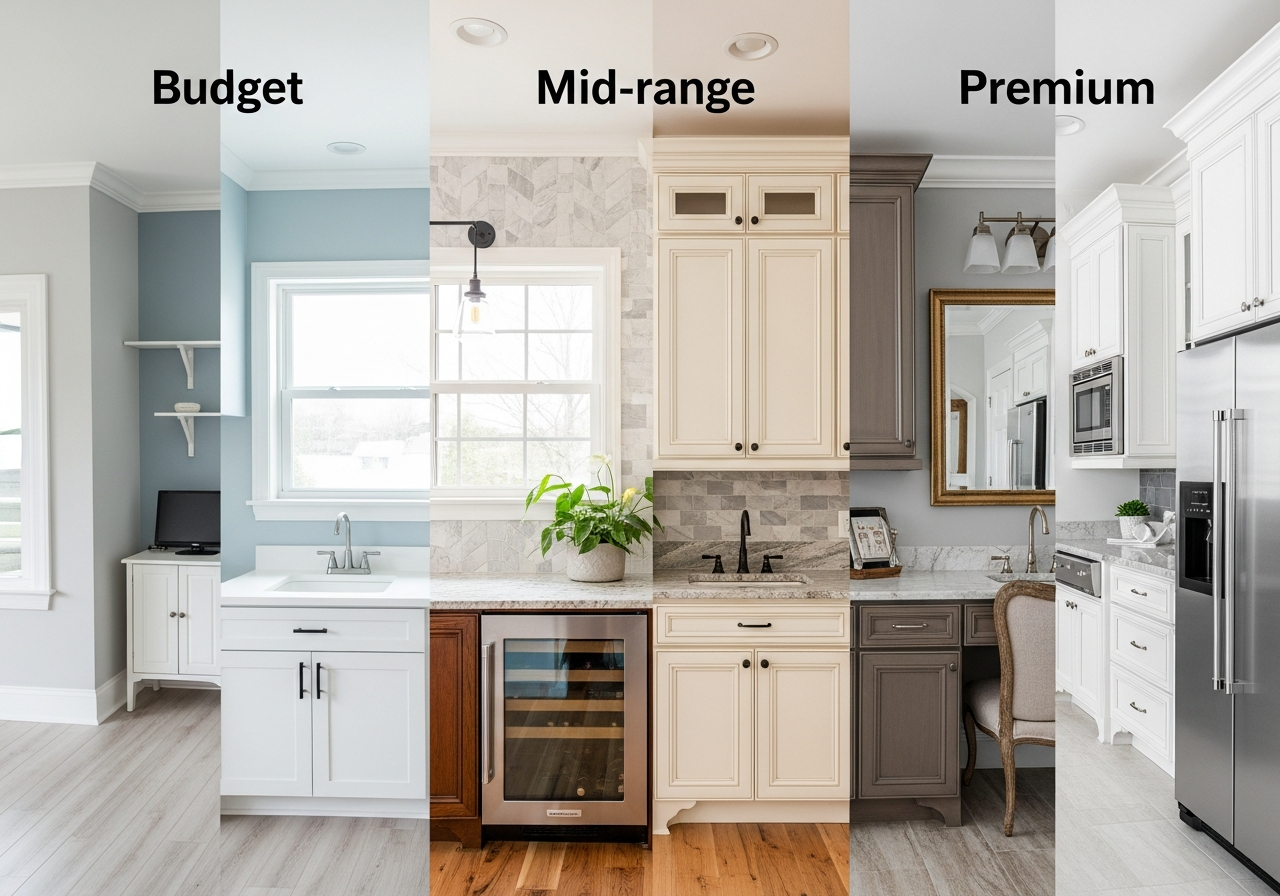
Every remodel falls into one of three finish level tiers, and defining yours upfront prevents the gradual scope creep that destroys budgets. Budget tier uses builder-grade materials and stock fixtures — functional, clean, but basic. Mid-range tier uses upgraded materials with some custom elements — quartz countertops instead of laminate, semi-custom cabinets instead of stock. Premium tier features high-end finishes, custom millwork, and designer fixtures.
The cost difference between tiers is significant. A budget kitchen remodel runs $15,000 to $25,000, mid-range costs $25,000 to $60,000, and premium ranges from $60,000 to $150,000 or more. Lock in your tier before visiting showrooms — it is easy to fall in love with premium tile at $25 per square foot when your budget calls for $5 per square foot options. Stay disciplined within your chosen tier and allow upgrades only if you downgrade elsewhere to compensate. See the kitchen remodel cost guide for tier-specific pricing.
Build a Line-Item Budget Spreadsheet
Generic lump-sum estimates lead to budget overruns. Instead, build a detailed line-item spreadsheet with every cost component listed individually. For a kitchen remodel, your line items should include demolition, dumpster rental, structural modifications, plumbing rough-in, electrical rough-in, cabinets, countertops, backsplash tile, flooring, appliances, sink and faucet, lighting fixtures, paint, trim and hardware, permits, design fees, and contingency.
Get at least three contractor bids for each major trade (plumbing, electrical, tile, cabinets) and use the middle bid for your budget rather than the lowest. Price materials independently from labor — visit Home Depot, Lowe's, and specialty suppliers to establish accurate material costs. Track actual spending against budgeted amounts weekly during construction and address any variances immediately rather than hoping they balance out later. Use our kitchen cost estimator guide for detailed line-item templates.
Contingency Fund — How Much Is Enough?
Every remodel budget needs a contingency reserve for unexpected discoveries — hidden water damage, outdated wiring that must be replaced, asbestos in old flooring, or structural issues behind walls. The industry standard contingency is 10 to 15 percent for straightforward projects in newer homes (built after 1990) and 15 to 25 percent for older homes or projects involving significant structural work.
Do not treat the contingency as available spending money — it exists specifically for genuine surprises. Once construction begins, unexpected costs are almost guaranteed. Common budget surprises include rotted subfloor under tile ($500 to $2,000 to repair), outdated plumbing that does not meet code ($1,000 to $5,000 to replace), and electrical panels that need upgrading to support new circuits ($1,500 to $3,000). If you finish the project without using the full contingency, consider it a bonus and apply the savings to a future upgrade.
Room-by-Room Cost Benchmarks
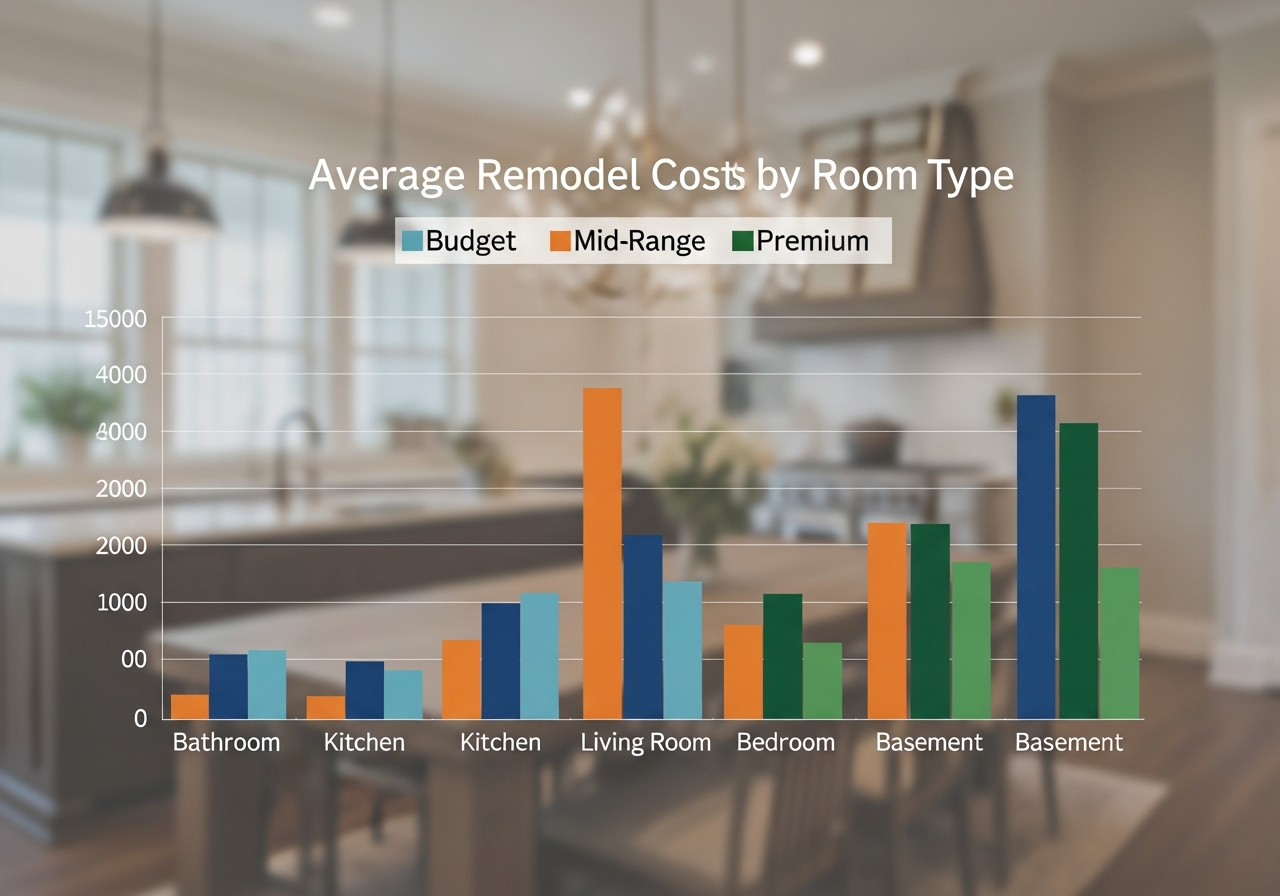
| Room | Budget Tier | Mid-Range | Premium |
|---|---|---|---|
| Kitchen | $15,000–$25,000 | $25,000–$60,000 | $60,000–$150,000 |
| Bathroom (full) | $8,000–$15,000 | $15,000–$35,000 | $35,000–$75,000 |
| Bathroom (half) | $3,000–$6,000 | $6,000–$15,000 | $15,000–$30,000 |
| Living Room | $5,000–$10,000 | $10,000–$20,000 | $20,000–$40,000 |
| Bedroom | $3,000–$8,000 | $8,000–$18,000 | $18,000–$35,000 |
| Basement (per sq ft) | $25–$35 | $35–$55 | $55–$85 |
| Whole House | $40,000–$80,000 | $80,000–$200,000 | $200,000–$500,000+ |
These benchmarks reflect national averages for 2026. Costs vary by region — major metro areas like New York, San Francisco, and Boston run 20 to 40 percent above national averages, while rural areas and smaller cities may be 10 to 20 percent below. Always get local contractor bids to calibrate benchmarks to your market. For detailed room-specific pricing, see our guides on whole-house remodel costs and bathroom remodel pricing.
The 5 Biggest Budget Mistakes to Avoid
Mistake 1: Starting without a finalized design. Design changes during construction are the number one cause of cost overruns, adding 15 to 30 percent to project costs. Finalize every material selection, fixture choice, and layout decision before demolition begins. Mistake 2: Choosing the lowest bid. The cheapest contractor often cuts corners, uses inferior materials, or submits change orders that inflate the final price beyond what a mid-range bid would have cost.
Mistake 3: Ignoring permit costs and inspection delays. Permit fees ($200 to $2,000) and inspection scheduling can add weeks and unexpected costs. Mistake 4: Upgrading materials without downgrading elsewhere. Every upgrade needs an equal offset — if you splurge on premium countertops, save on backsplash or hardware to stay balanced. Mistake 5: Not tracking spending weekly. Monthly budget reviews catch overruns too late. Set up a simple spreadsheet and update it after every payment, material purchase, and change order. Learn more in our contractor selection guide.
Strategies to Stay on Budget During Construction
Implement a formal change order process — any deviation from the original scope must be documented in writing with the cost impact before work proceeds. Designate one decision-maker in the household to prevent conflicting instructions to the contractor. Order all materials 4 to 6 weeks before the installation date to avoid expedited shipping charges. Keep a running punchlist rather than waiting until the end — addressing issues as they arise prevents costly rework.
Consider a phased approach for large projects — completing the kitchen first, then bathrooms, then cosmetic updates — rather than renovating the entire house simultaneously. Phasing lets you apply lessons learned from earlier phases, manage cash flow more effectively, and reduce the stress of living in a construction zone. Use our pre-construction checklist to ensure you are fully prepared before demo day.

Related Articles
Dive deeper into remodel planning: How to Finance a Home Remodel: 8 Options Compared, How Much Does It Cost to Remodel a House?, How to Remodel a House: Where to Start, Home Renovation Tips Complete Guide, and How to Pay for a Remodel: Financing Ranked.
Frequently Asked Questions
How much contingency should I budget for a remodel?
Budget 10 to 15 percent contingency for newer homes and straightforward projects, and 15 to 25 percent for older homes or projects involving structural, plumbing, or electrical work where hidden issues are more likely. On a $50,000 project, that means setting aside $5,000 to $12,500 specifically for unexpected discoveries.
What percentage of home value should you spend on a remodel?
Financial experts recommend spending no more than 10 to 15 percent of your home's value on a kitchen remodel and 5 to 10 percent on a bathroom remodel. For whole-house renovations, stay below 25 to 30 percent of the home's pre-renovation value to avoid over-improving for the neighborhood, which limits resale recovery.
How do I avoid going over budget on a remodel?
Finalize all design decisions before construction begins, build in a 15 to 20 percent contingency, implement a formal change order process, track spending weekly, and designate one household decision-maker. Choosing the mid-range bid rather than the lowest also prevents the change orders and quality issues that inflate costs with cut-rate contractors.
Should I pay for a remodel in cash or finance it?
Cash is the lowest-cost option since you avoid interest entirely. However, financing makes sense if the project is urgent (safety or structural issues), if current interest rates are low relative to your investment returns, or if the remodel significantly increases home value. A HELOC at 8 percent interest on a remodel that increases home value by 70 percent effectively generates a net positive return over time.
Visualize Before You Budget
Lock in your design scope before finalizing your budget. HanoDecor's AI Studio lets you upload photos and see realistic renderings of different finish levels — helping you choose between budget, mid-range, and premium tiers with visual confidence. Explore the design gallery for inspiration and use the Room Designer to test layouts, materials, and color palettes before committing dollars to your remodel plan.
How to Budget for a Remodel FAQs
Written by
Priya Sharma
Priya is an award-winning UX designer who previously led design teams at Airbnb and Pinterest. Her focus on user-centered design ensures that HanoDecor's tools are intuitive and accessible to everyone, regardless of their technical background.