Spring Interior Design Trends: Fresh Ideas for a Seasonal Home Refresh
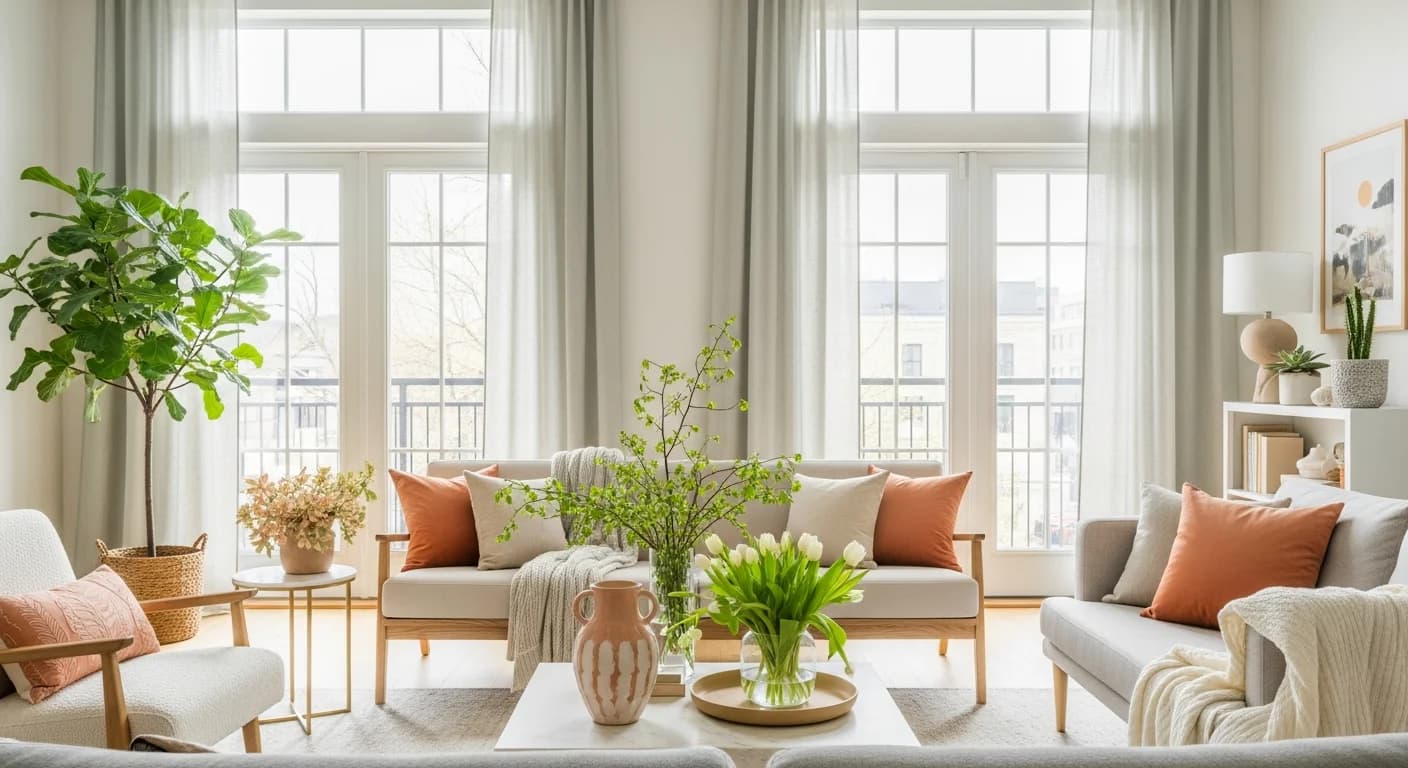
Spring is design's great reset — the season when homes shed their heavy layers, open their windows, and invite light, color, and botanical life back inside. In 2026, spring interior design trends emphasize freshness, natural connection, and the kind of effortless beauty that makes a space feel alive. From soft pastel palettes and lightweight textiles to indoor botanical arrangements and seamless indoor-outdoor transitions, this season's trends are all about renewal.
Whether you're planning a full seasonal refresh or simply want to introduce a few spring-forward touches, this comprehensive guide covers every major trend shaping homes this spring. We'll walk through color palettes that capture the season's energy, textile swaps that lighten your rooms, botanical strategies that bring the outdoors in, and room-by-room transformation ideas that you can implement this weekend. And when you're ready to see how these changes will look in your actual space, HanoDecor's AI Studio lets you preview every spring update before committing.
The Spring 2026 Design Mood: Light, Life, and Renewal
Every design season carries its own emotional resonance, and spring 2026 is defined by a collective exhale. After months of cocooning in warm, dark, layered spaces, there's a deep craving for lightness — both literally and metaphorically. This spring's design mood emphasizes openness, airiness, and a reconnection with nature that goes far beyond placing a vase of tulips on the kitchen counter.
The broader 2026 interior design trends — biophilic design, sustainable materials, warm minimalism — find a particularly natural expression in spring styling. This is the season where biophilic elements peak, where sustainable choices feel most aligned with nature's own regeneration, and where warm minimalism translates into edited, light-filled spaces that feel both serene and alive. Designers are noting a sophisticated approach to spring: less about literal floral overload and more about creating spaces that capture the season's essential qualities of growth, light, and fresh possibility.
What makes spring 2026 distinctive is the integration of indoor and outdoor spaces. The boundary between inside and outside is being deliberately blurred — through color choices that echo the garden, materials that reference the natural world, and spatial design that treats patios and porches as extensions of interior rooms rather than separate entities.
Spring Color Palettes: Sage Green, Soft Teal, Warm Peach, and Lavender
The spring 2026 color story moves away from the high-saturation boldness of fall and winter, but it's far from the washed-out pastels of decades past. This season's palette has depth and warmth — soft colors that carry enough pigment to feel intentional rather than tentative, with a natural quality that connects directly to the blooming world outside.
Sage Green: The Season's Anchor
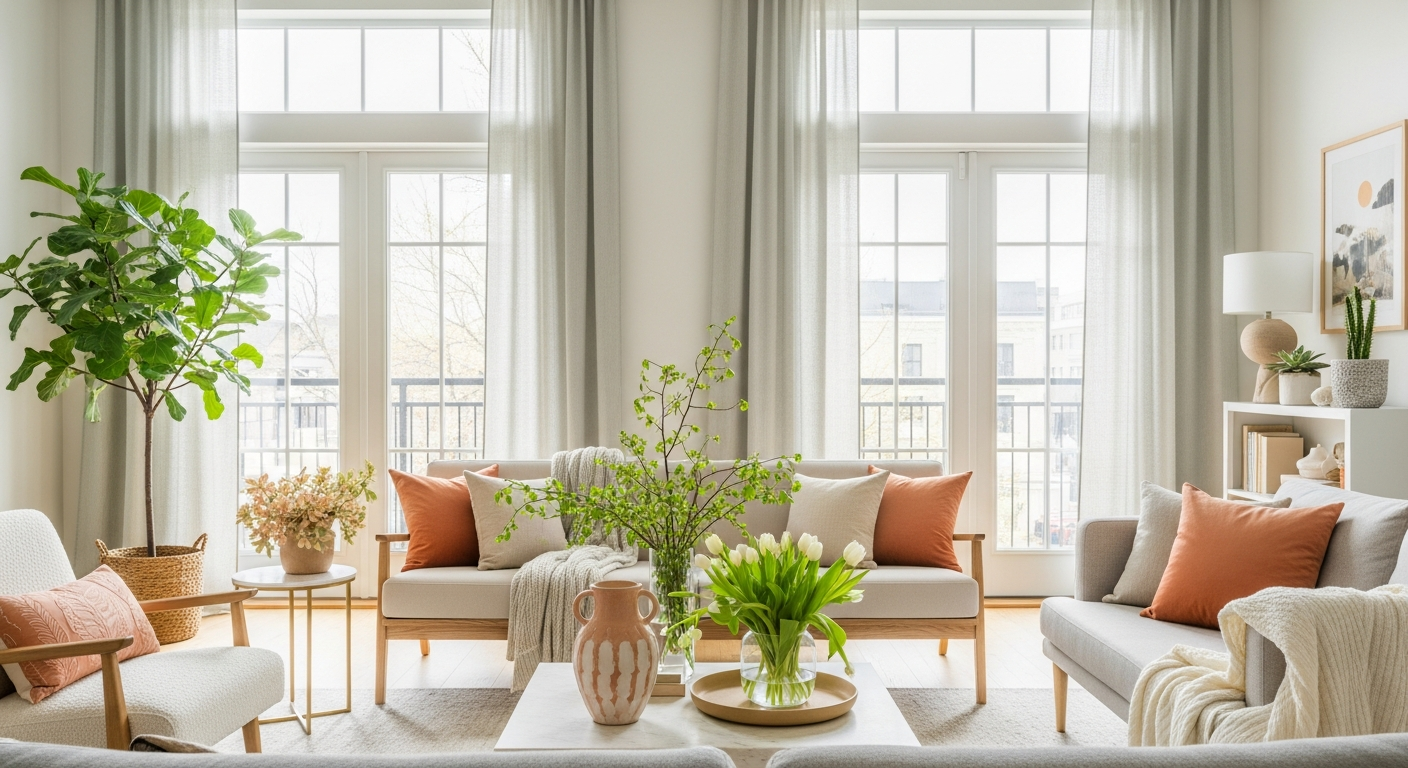
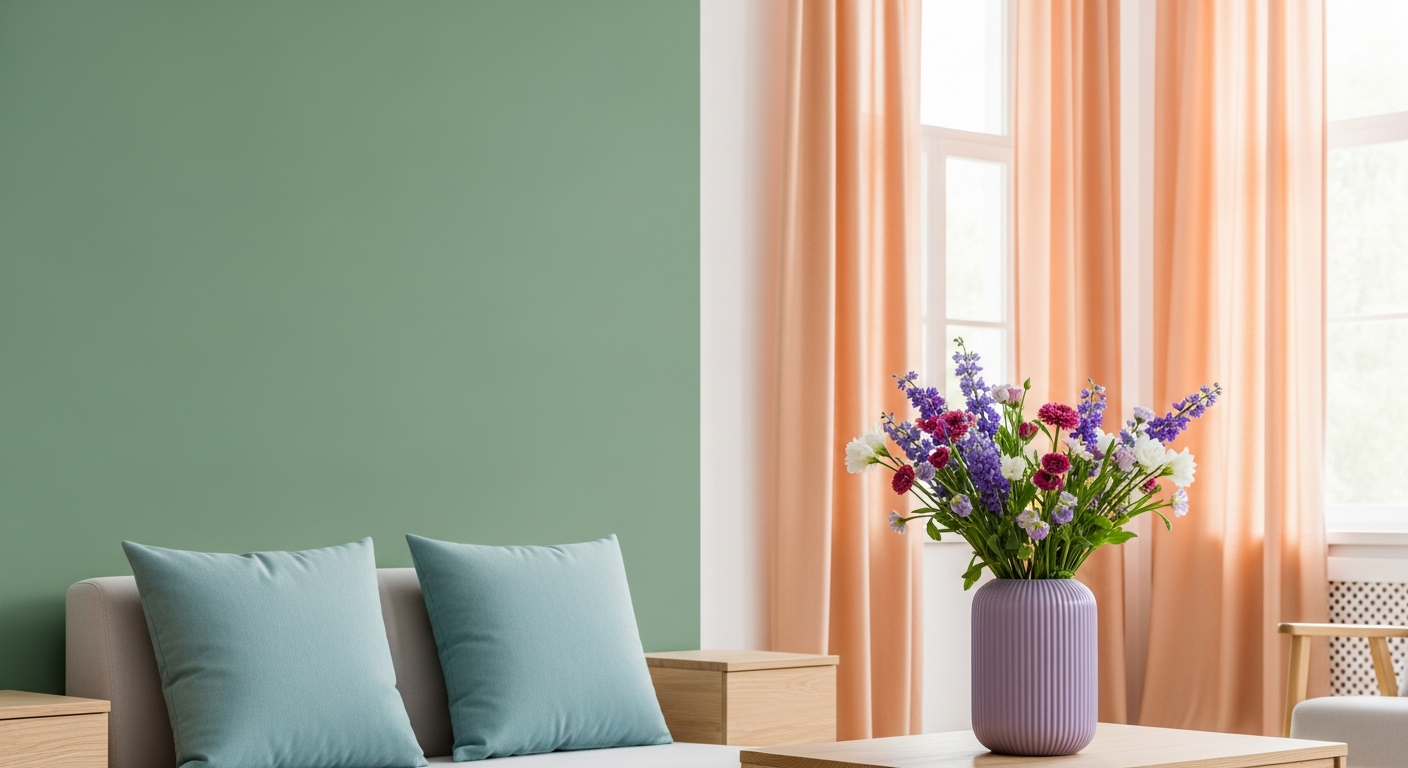
Sage green has solidified its position as the defining color of spring 2026, building on its trajectory as one of the most important color trends of the year. This muted, gray-green tone captures the essence of new foliage before it deepens to summer's full green — it's fresh without being juvenile, calming without being cold. Use sage as a wall color in living rooms and bedrooms for an instantly refreshing backdrop, or introduce it through upholstery, curtains, or decorative accessories. Sage green pairs beautifully with warm wood tones, creating a nature-inspired foundation that feels both sophisticated and seasonal.
Soft Teal: Energized Calm
Soft teal — a blue-green hybrid with enough warmth to avoid feeling clinical — brings energized calm to spring interiors. It echoes clear spring skies and shallow coastal waters, adding vitality without overwhelming a room's serenity. Teal works exceptionally well as an accent color in throw pillows, ceramic vases, artwork, and bathroom tiles. For bolder applications, a teal accent wall in a home office or reading nook creates a stimulating yet peaceful environment. This color connects directly to WGSN's "Transformative Teal" designation, making it both trendy and grounded in design authority.
Warm Peach: Soft Radiance
Warm peach brings the gentle warmth of spring sunlight into interior spaces. Unlike bold coral or orange, warm peach is subtle enough to serve as a near-neutral while still adding perceivable warmth and life to a room. It's showing up in curtains, bedding, decorative bowls, and even as a surprisingly effective wall color in bedrooms and dining rooms. Warm peach pairs naturally with sage green — the combination echoes a spring garden in bloom — and works beautifully with brass accents and natural linen textiles.
Lavender: The Unexpected Accent
Lavender is spring 2026's surprise breakout color. Where previous springs leaned heavily on blush and rose, this year's purple-forward palette feels fresh and unexpected. Lavender works best as an accent rather than a dominant tone — in throw pillows, a single upholstered chair, fresh or dried lavender arrangements, or bathroom textiles. It adds a touch of softness and whimsy that prevents spring palettes from feeling too predictable. Paired with sage green and warm peach, lavender completes a three-color accent palette that feels cohesive and distinctly spring.
Building Your Spring Palette
The most successful spring 2026 interiors start with a clean, warm white or cream base, then layer in spring accent colors with a light hand. Unlike fall's saturated layering approach, spring calls for restraint — choose two or three accent colors and distribute them thoughtfully, allowing plenty of white space and natural light to breathe between colored elements. The goal is a room that feels like a fresh spring morning: airy, luminous, and gently colored by nature. For deeper guidance on room color scheme selection, explore our comprehensive palette guide.
Bringing the Outdoors In: Botanicals, Florals, and Fresh Air
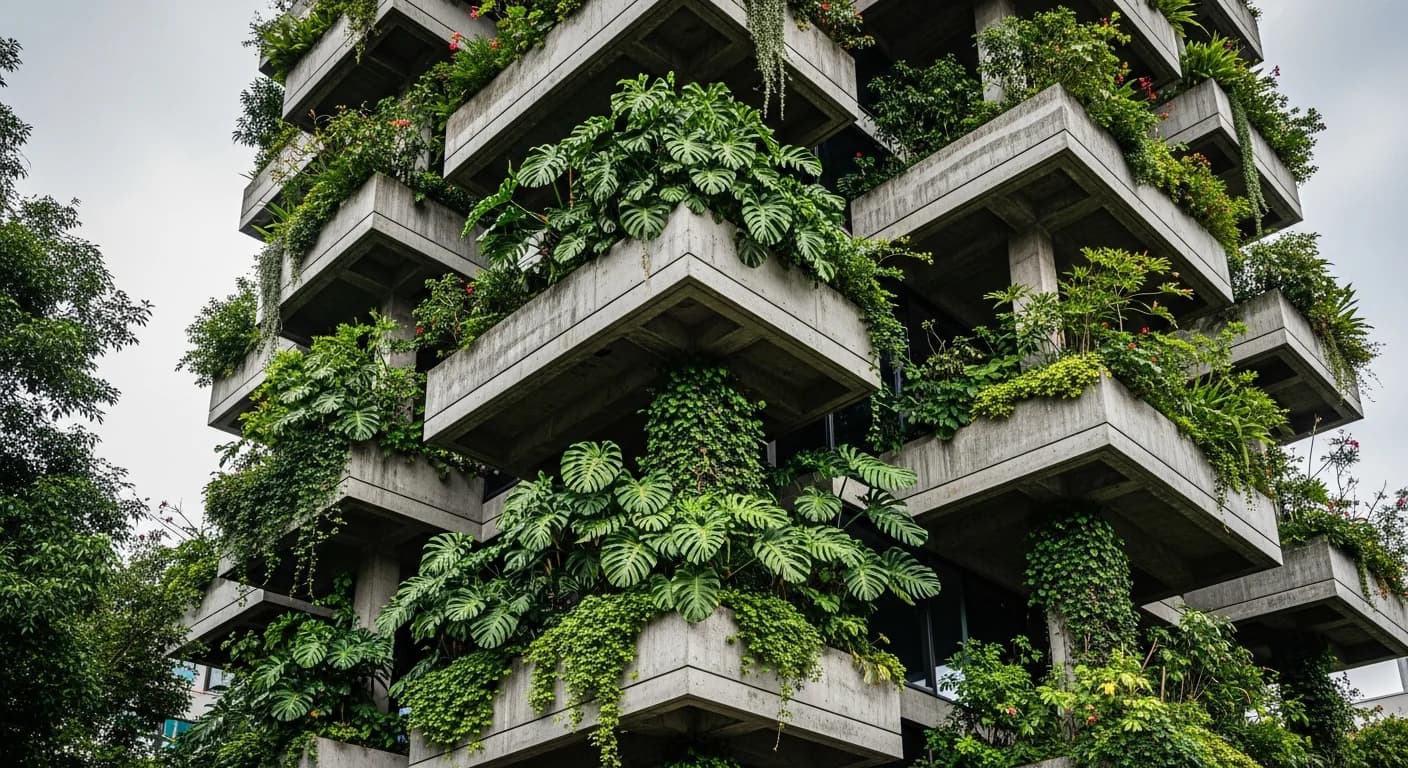
The biophilic design movement reaches its fullest seasonal expression in spring, when the urge to bring nature inside feels not just designed but instinctive. In 2026, the approach goes far beyond a few houseplants — it encompasses comprehensive strategies for integrating botanical life, natural scent, and fresh air flow into everyday living spaces.
Fresh Floral Arrangements
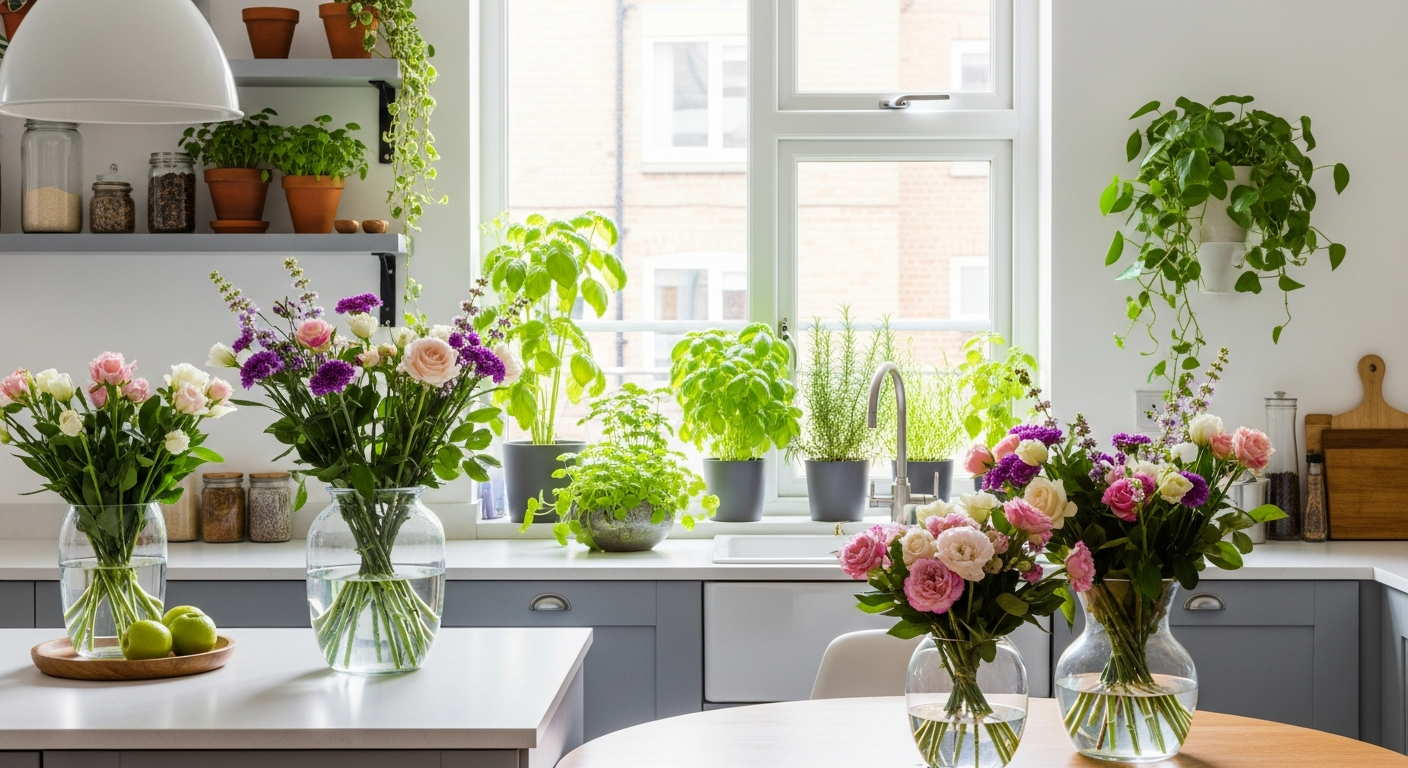
Spring is the season to replace dried arrangements and artificial stems with living, breathing botanical displays. The trend in 2026 favors loose, garden-gathered arrangements over formal florist compositions — think wildflower bunches in simple glass vessels, branches of cherry blossom in tall ceramic vases, and single peony stems in bud vases scattered across shelves and windowsills. The key is casual abundance: multiple small arrangements distributed throughout a room feel more natural and spring-like than one large formal centerpiece. Visit local farmers' markets for seasonal blooms that connect your interiors directly to your regional landscape.
Kitchen Herb Gardens
The kitchen herb garden trend continues to grow in 2026, with increasingly sophisticated approaches to indoor edible gardening. Window-mounted planters, tiered countertop herb stands, and even wall-mounted vertical herb systems bring fresh basil, rosemary, mint, and thyme directly into your cooking space. Beyond their culinary utility, herb gardens add living greenery, natural fragrance, and a sense of nurturing growth that epitomizes spring's design mood. Our guide to indoor plant decor covers placement strategies and species selection for kitchen environments.
Statement Houseplants
Spring is the ideal time to introduce new houseplants or revitalize existing ones after their winter dormancy. Trending plants for spring 2026 include fiddle-leaf figs (still beloved for their architectural presence), trailing pothos and philodendrons for shelf and mantel displays, and flowering varieties like orchids and peace lilies that add both greenery and bloom. The placement strategy matters as much as the species: group plants in odd numbers, vary heights using plant stands, and position them near natural light sources where they'll thrive and contribute to the room's visual composition.
Natural Ventilation and Fresh Air
Spring design in 2026 extends to airflow and ventilation as design considerations. Opening windows to allow cross-breezes, installing window treatments that can be fully retracted to maximize both light and airflow, and ensuring screen doors allow fresh air while maintaining comfort — these practical considerations are being treated as design elements rather than afterthoughts. The sound of birds, the scent of blooming flowers, the feeling of a breeze moving through a room — these multisensory elements contribute as much to spring atmosphere as any color or textile choice.
Lightweight Textiles: Linen, Cotton, and Sheer Fabrics
The textile transition from winter to spring is one of the most impactful seasonal design moves you can make. Where fall and winter call for heavy, layered fabrics, spring demands lightness, breathability, and a visual quality that suggests airiness and movement.
Linen: Spring's Signature Fabric
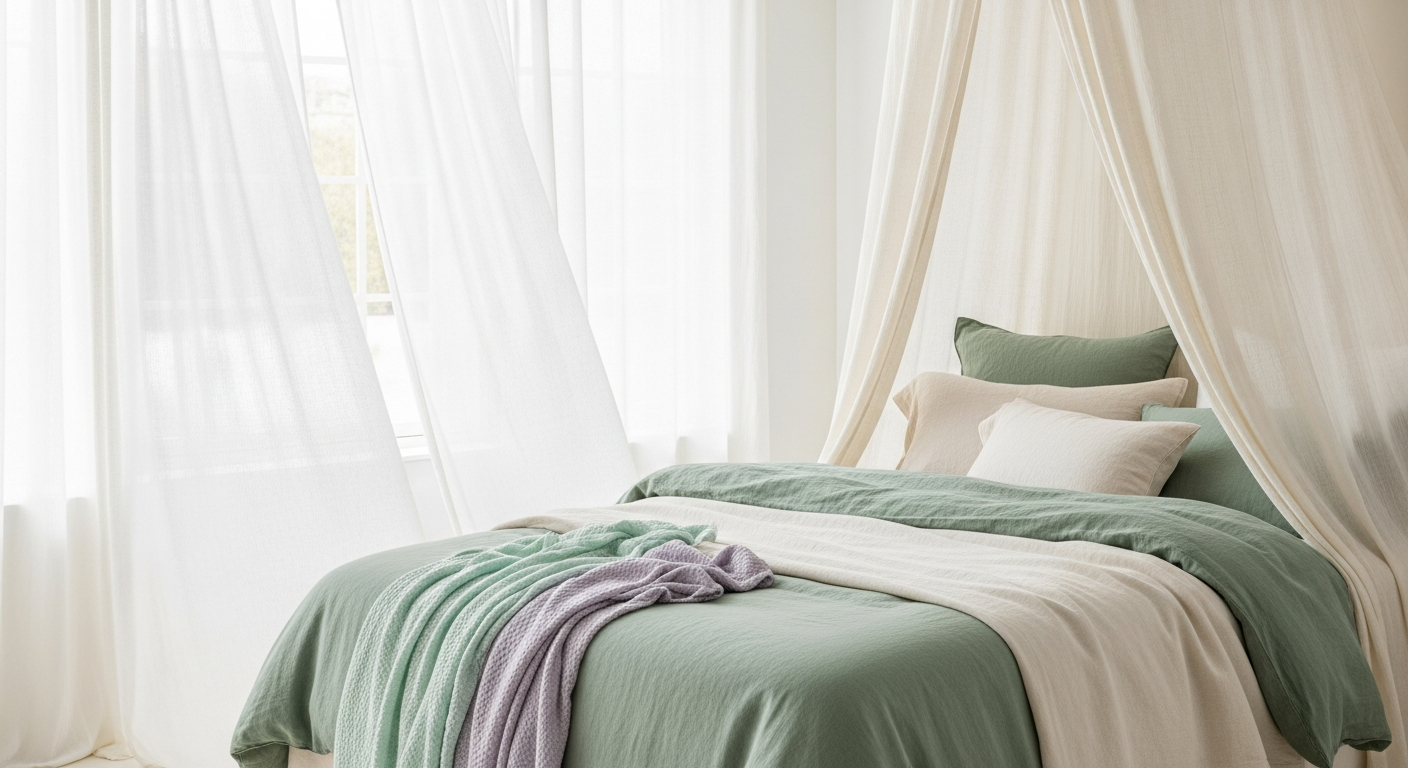
Linen is the defining textile of spring 2026 interiors. Its natural texture, relaxed drape, and ability to soften light make it ideal for curtains, bedding, table linens, and throw pillow covers. Linen's inherent imperfection — its tendency to wrinkle and its slightly irregular weave — perfectly aligns with the lived-in, natural aesthetic that defines 2026 design. Choose linen in your spring palette colors — sage green, warm peach, soft teal — or in natural undyed tones for a look that's both seasonal and timeless. For bedding, linen's temperature-regulating properties make it genuinely comfortable as nights warm but still carry a spring chill.
Cotton Throws and Lightweight Blankets
Replace heavy wool and velvet throws with lighter cotton alternatives in spring weights. Waffle-weave cotton throws, lightweight muslin blankets, and gauze-weight cotton coverlets provide warmth for cooler spring evenings while maintaining the visual lightness that the season demands. Drape a cotton throw over the arm of a sofa or fold one at the foot of the bed — the goal is casual availability rather than the heavy layering of winter styling.
Sheer Curtains and Window Treatments
Sheer curtains are the definitive spring window treatment, filtering natural light to create a soft, luminous glow while maintaining privacy. In 2026, sheers are trending in soft white, natural linen, and very pale sage green. They can replace heavier winter drapes entirely or be layered behind existing curtains that you pull fully open during the day. The movement of sheer fabric in a spring breeze adds a kinetic, alive quality to rooms that perfectly captures the season's energy.
Outdoor-Ready Textiles
As indoor-outdoor living becomes central to spring design, performance fabrics that look beautiful inside and withstand outdoor conditions are increasingly important. Sunbrella and similar outdoor-rated fabrics now come in sophisticated patterns and colors that rival indoor textiles, making it possible to create a seamless textile flow from living room to patio. Consider matching or coordinating your indoor and outdoor throw pillow fabrics for a unified spring look.
Spring Cleaning as a Design Opportunity
Spring cleaning isn't just maintenance — it's a design opportunity that most homeowners overlook. The act of editing, reorganizing, and deep-cleaning your space creates a blank canvas for spring updates and often reveals possibilities that were hidden under winter's accumulated layers.
Editing and Decluttering as Design
Start your spring refresh by removing everything that isn't essential or beloved. Clear surfaces, empty shelves, and open floor space create the breathing room that spring design demands. As you return objects to their places, curate intentionally — choose the pieces that speak to the season and store the rest. This editing process often reveals that you don't need to buy anything new; simply rearranging and reducing what you have can transform a room's feeling entirely.
Deep Cleaning as a Fresh Start
Clean windows let in dramatically more light — often 20-30% more than unwashed glass. Clean light fixtures illuminate more effectively. Freshly laundered curtains hang more beautifully. Polished floors reflect more light. Each cleaning task directly impacts your room's design quality, making deep cleaning one of the most effective (and free) spring design upgrades available. For those who embrace seasonal decorating throughout the year, spring cleaning marks the natural transition point from winter's cocooning to spring's openness.
Room-by-Room Spring Updates
Living Room: Light and Life
Begin your living room spring transition by swapping heavy winter textiles for lighter alternatives: replace velvet throw pillows with linen or cotton options in your spring palette, exchange wool throws for cotton or lightweight knit versions, and swap or clean your area rug. Open curtains fully during the day — or switch to sheers — to maximize natural light. Add fresh botanical arrangements in two or three locations throughout the room. Rearrange furniture to face windows and natural light sources rather than the fireplace, which dominated winter's layout. Finally, pare back decorative accessories to create more visual breathing room, keeping the room feeling open, light, and fresh.
Kitchen: Fresh and Functional
The kitchen spring refresh centers on bringing life and lightness to a practical space. Start an herb garden on the windowsill using attractive planters that complement your spring palette. Display spring produce — lemons, limes, artichokes, fresh herbs — in beautiful bowls on the countertop. Swap dark winter dish towels and pot holders for lighter options in spring colors. Deep clean appliances and reorganize pantry shelving, treating the process as an opportunity to simplify and beautify your most-used spaces. Consider a fresh arrangement of spring flowers on the dining table or kitchen island as a daily mood-lifter. Clear countertops of winter's accumulated clutter to restore the clean, functional surfaces that make cooking enjoyable.
Bedroom: Serene and Airy
The spring bedroom should feel like sleeping in a garden. Swap flannel sheets for crisp cotton or linen bedding in whites, soft sage, or warm peach. Remove heavy quilts and replace with lighter coverlets or cotton blankets. Switch to sheer curtains or pull back heavy drapes to allow morning light to wake you naturally. Add a bedside arrangement of fresh flowers — even a single stem in a bud vase makes a difference. Wash and rotate your mattress, launder all pillows, and consider a lighter-weight duvet insert for the transitional season. The bedroom is where the spring textile swap makes the biggest experiential difference: lighter bedding improves sleep quality as temperatures rise while creating a visually refreshing environment.
Outdoor Spaces and Patio: The Extended Living Room
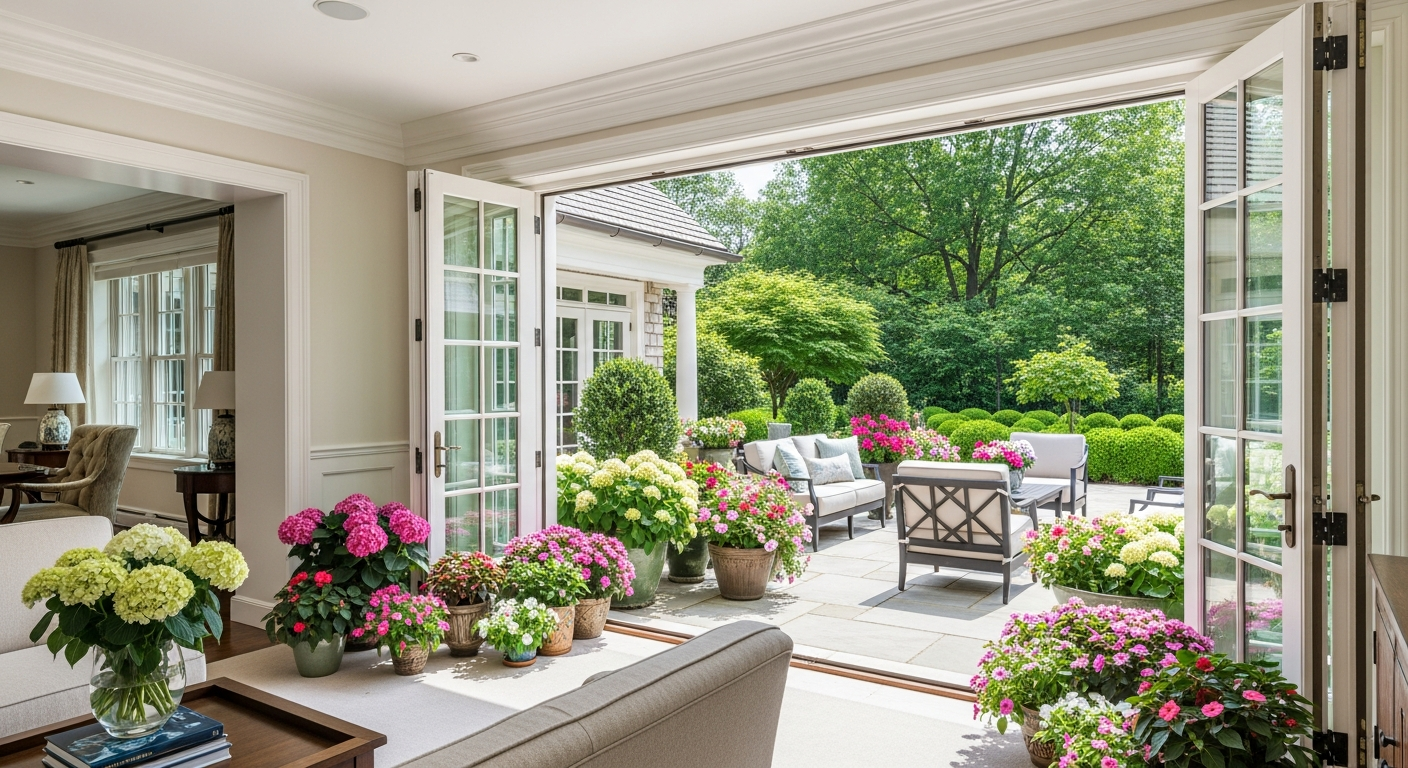
Spring 2026 treats outdoor spaces as true extensions of the interior, with the same design attention given to patios, porches, and garden seating areas. Start by deep cleaning outdoor furniture, replacing worn cushions with fresh options in spring colors, and adding outdoor-rated throw pillows that coordinate with your indoor palette. Hang string lights or install landscape lighting to extend the usability of outdoor spaces into spring evenings. Add potted plants and flower containers to create visual connections between garden and patio. If space allows, create distinct zones for dining, lounging, and gardening — each styled as thoughtfully as an indoor room. Our guide to patio decorating ideas covers comprehensive strategies for creating beautiful outdoor living spaces.
The key to successful indoor-outdoor spring design is visual continuity. Use coordinating colors, materials, and styles across the threshold — a sage green throw pillow indoors matched by sage green planters outdoors, natural wood tones carried from interior furniture to exterior decking, and a consistent lighting warmth from living room lamps to patio string lights. When the doors open in spring, the two spaces should feel like one continuous, beautifully designed environment.
Incorporating Spring Trends into Your Existing Decor
The beauty of spring 2026 trends lies in their adaptability. Whether your home follows a modern, traditional, bohemian, or transitional style, these seasonal updates integrate seamlessly with minimal disruption to your existing design foundation.
For modern spaces, focus on introducing botanical elements and sheer textiles while maintaining clean lines — a single architectural plant, linen curtains in white, and one set of sage green cushions. For traditional interiors, lean into the floral and botanical elements more fully, with garden-style arrangements and patterned cotton fabrics. Bohemian homes can embrace the season's maximalist botanical potential, mixing abundant plants with colorful textiles and eclectic vessels. The common thread across all styles is the move toward lightness, natural connection, and the kind of effortless freshness that makes spring design so universally appealing.
Visualize Your Spring Transformation
Before committing to a new color palette, textile swap, or furniture rearrangement, see how spring trends will look in your actual rooms. HanoDecor's AI-powered visualization studio lets you upload a photo of any space and preview sage green walls, sheer linen curtains, botanical arrangements, and spring color palettes — all before making a single purchase or moving a single piece of furniture. Try different combinations, save your favorites, and approach your spring refresh with confidence that every change will enhance your home's beauty.
Frequently Asked Questions
What are the top spring interior design trends for 2026?
The top spring 2026 trends include soft natural color palettes (sage green, soft teal, warm peach, lavender), abundant botanical and floral accents, lightweight linen and cotton textiles replacing heavy winter fabrics, indoor-outdoor living integration, and spring cleaning as a deliberate design strategy. The overarching theme is fresh renewal — creating spaces that feel light, alive, and deeply connected to nature.
How do I transition my home from winter to spring decor?
Start with textiles: swap heavy throws and pillows for lighter alternatives in spring colors. Switch to sheer or lightweight curtains to maximize natural light. Deep clean windows, floors, and light fixtures to brighten every room. Add fresh flowers and living plants in multiple locations. Edit and declutter surfaces to create breathing room. Finally, open windows regularly to bring fresh air and natural scent into your spaces. This progression from heavy to light mirrors nature's own spring transition.
What colors are best for spring home decorating in 2026?
The 2026 spring palette centers on sage green, soft teal, warm peach, and lavender as accent colors, layered over warm white and cream bases. These colors carry enough depth to feel intentional while maintaining the lightness and freshness that spring demands. Avoid overly saturated or dark tones — spring colors should feel like they're lit from within by natural sunlight.
How can I bring the outdoors inside during spring?
Incorporate fresh floral arrangements in simple vessels throughout your home, start a kitchen windowsill herb garden, add statement houseplants in strategic locations, open windows for natural ventilation and fresh air, use natural materials like rattan and linen, and choose colors that echo the emerging spring landscape. The goal is multisensory connection — not just visual greenery but the scent of flowers, the sound of birds through open windows, and the feeling of fresh air moving through your rooms.
What textiles should I use for spring decorating?
Linen is the signature spring fabric — use it for curtains, bedding, table linens, and pillow covers. Cotton throws in lightweight weaves (waffle, muslin, gauze) replace heavier winter blankets. Sheer fabrics for window treatments maximize light while maintaining privacy. For outdoor spaces, performance fabrics that withstand weather while looking sophisticated create seamless indoor-outdoor textile continuity. Choose natural, undyed tones or soft spring palette colors for the most seasonally appropriate look.
Spring Interior Design Trends FAQs
Written by
Emily Rodriguez
Interior Design Editor covering living spaces, styling trends, and room makeovers. Former Architectural Digest contributor with a focus on accessible, budget-conscious design.