Exterior Paint Color Trends 2026: What's In and What's Out
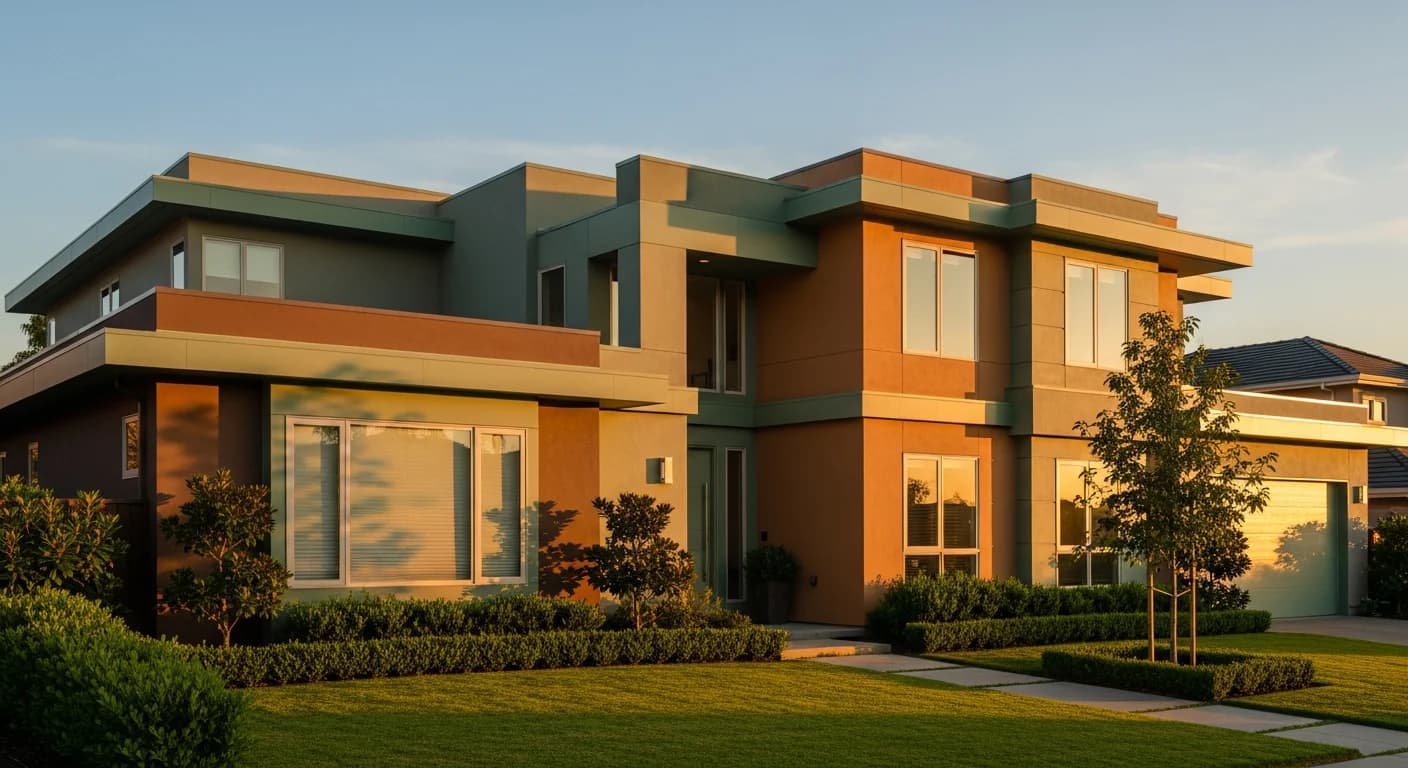
The exterior paint color landscape is shifting dramatically in 2026, and if you are planning an exterior painting project, understanding these trends can help you choose a palette that feels current without being so trendy it looks dated in five years. The biggest story is the decline of cool grays, which dominated exterior palettes for over a decade, and the rise of warm, nature-inspired tones that connect homes to their surrounding landscapes. From earthy neutrals and sage greens to moody charcoals and bold front doors, exterior paint color trends 2026 offer exciting possibilities for every home style and every budget.
As a professional painting contractor who stays current with every major brand’s trend forecasts and applies these colors to real homes daily, I will walk you through what is genuinely trending, what is fading, and most importantly, how to adopt trends wisely so you do not regret your choice in three years. For real-time visualization of any of these trending colors on your actual home, HanoDecor’s AI House Painter lets you preview unlimited options instantly. Let’s explore what’s in and what’s out for exterior color in 2026.
The Big Shift: Warm Replaces Cool
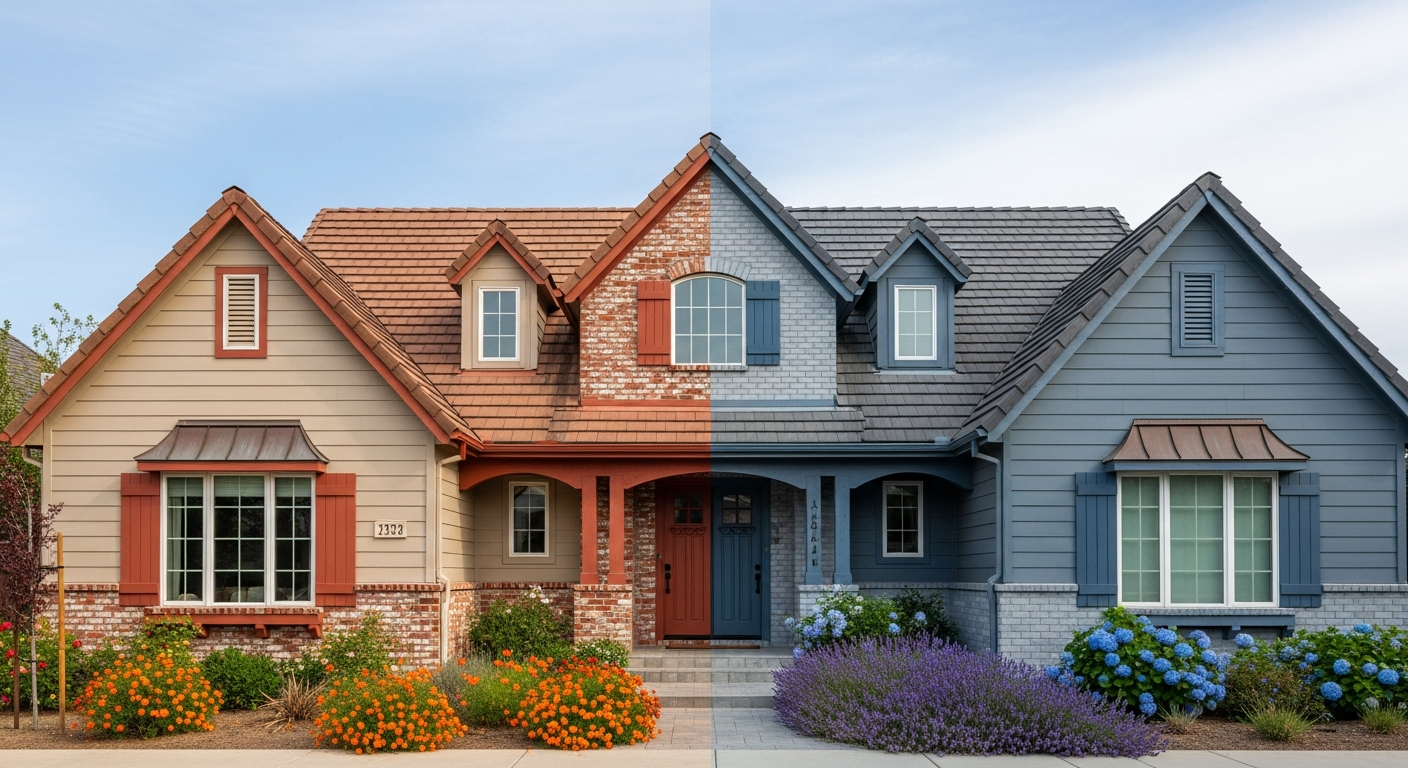
If one sentence captures the 2026 exterior color landscape, it is this: warm is replacing cool. Cool grays—Repose Gray, Agreeable Gray, Revere Pewter—dominated exterior palettes from roughly 2012 to 2024. These versatile, safe neutrals served homeowners well, but after a decade of saturation, the design world is ready for warmth. The shift is not sudden; it has been building for several years, accelerated by biophilic design principles and a cultural desire for coziness and connection to nature.
Warm neutrals are the new foundation. Greige (gray-beige hybrids), khaki, sand, cream, and almond are replacing pure gray as the go-to exterior body colors. These tones feel organic and inviting rather than sleek and industrial. They pair naturally with wood elements, stone accents, and lush landscaping, creating homes that feel like they belong in their environment rather than sitting on top of it.
This does not mean gray is dead. Cool gray still works beautifully on modern and contemporary homes where the architectural style demands a cooler, more industrial palette. What is changing is the default. Five years ago, a homeowner asking for a neutral exterior would almost certainly get gray. In 2026, that default has shifted to a warm neutral with beige or tan undertones. The practical advantage: warm neutrals are more forgiving in different lighting conditions and tend to look appealing in both full sun and overcast skies. For a broader look at colors that specifically boost curb appeal, see our best exterior paint colors for curb appeal in 2026.
2026 Colors of the Year from Major Brands
Every major paint brand announces a Color of the Year that reflects their design team’s research into cultural trends, consumer preferences, and market data. Here is what each brand has chosen for 2026 and how these translate to exterior applications.
Sherwin-Williams: Universal Khaki (SW 6150) — A sandy, warm neutral that embodies the warm-over-cool shift perfectly. This versatile tone works as an exterior body color on Craftsman, ranch, and farmhouse homes. It pairs beautifully with white or cream trim and a bold front door in deep red or navy. This is one of the most exterior-friendly Colors of the Year in recent memory.
Benjamin Moore: Silhouette (AF-655) — A deep, moody plum-brown that reads as a sophisticated dark neutral. On exteriors, Silhouette works best as an accent color—on a front door, shutters, or as a second body color on an architectural feature. As a full-body color, it is best suited for smaller homes or those with significant white trim to provide contrast.
Valspar: Sage Slate — A peaceful, restorative green that captures the nature-inspired design movement. This sage green is an exceptional exterior body color for Craftsman homes, farmhouses, and cottages. It connects the home to its landscape and creates a calming presence on the streetscape.
Behr: Rumors — A deep ruby-red with sophisticated warmth. On exteriors, Rumors shines as a front door color, making a bold statement that says “welcome” with confidence. It can also work as a shutter or accent color on homes with neutral body colors. As a full-body exterior color, it is limited to very specific architectural styles and personal tastes.
PPG: Purple Basil — A deep purple with red undertones, best used as an interior accent. For exteriors, Purple Basil is primarily a front door option for homeowners who want a truly unique entry statement. It pairs unexpectedly well with warm gray or sage green body colors.
Dunn-Edwards: Caramelized — A warm terracotta that speaks directly to the earth-tone trend. This color works beautifully as an exterior accent on Mediterranean, Spanish Revival, or desert-inspired homes. It can also serve as a body color on the right architecture, particularly stucco homes in warm-climate regions. For an in-depth comparison of how these brands’ products perform on exteriors, check our exterior paint brands comparison guide.
Trend 1 — Earthy Neutrals and Warm Whites
The single largest trend in exterior color for 2026 is the embrace of earthy neutrals and warm whites. These are not the stark, cool whites of the past decade but warmer, creamier tones with yellow, beige, or pink undertones. Khaki, sand, warm cream, almond, and soft linen are the body colors that define this movement.
Why is this trending? Three factors converge. First, biophilic design—the movement to connect built environments with nature—has moved from interior design to exterior applications. Warm earth tones echo the natural landscape and create homes that feel harmonious with their surroundings. Second, the post-pandemic desire for comfort and warmth extends beyond interiors to the home’s public face. Third, real estate data shows that warm neutral exteriors consistently perform well at resale, appealing to the broadest buyer pool.
Specific paint options in this trend include Sherwin-Williams Universal Khaki (SW 6150), Accessible Beige (SW 7036), and Alabaster (SW 7008). Benjamin Moore offers White Sand (OC-10), Manchester Tan (HC-81), and Swiss Coffee (OC-45). Behr’s Almond Whisper, Sculptor Clay, and Off-White are excellent value options. These colors work across most architectural styles, from Colonial to modern farmhouse, making them safe yet contemporary choices. For help pairing these with trim and door colors, see our trim and door colors guide.
Trend 2 — Sage Green and Nature-Inspired Tones
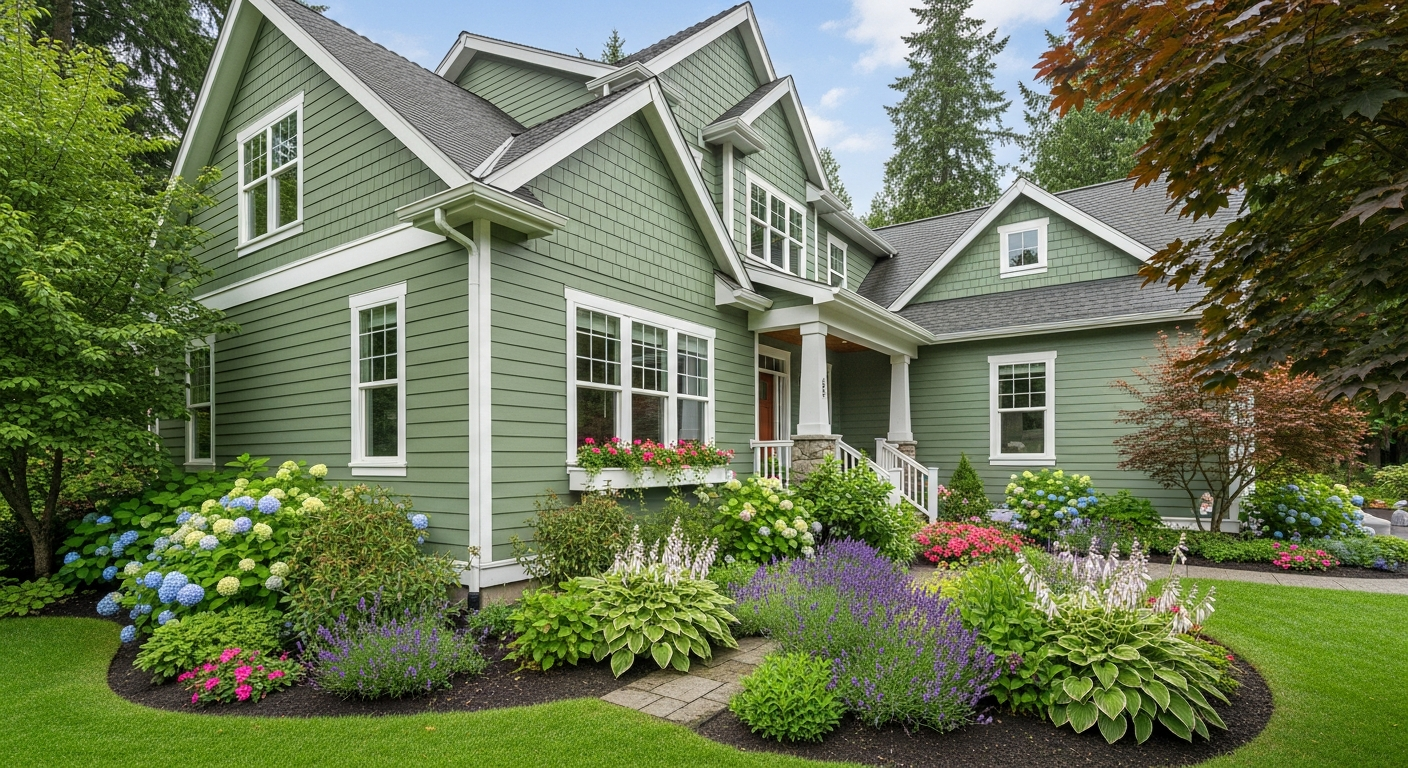
Sage green is the breakout exterior color of 2026. After years of dominance in interior design, sage, moss, olive, and forest green have moved to the outside of the house. The “wellness aesthetic”—a design approach that prioritizes calm, restoration, and connection to nature—is no longer confined to your living room.
Green is one of the most versatile exterior colors because it exists naturally in every landscape. A sage green home surrounded by trees, shrubs, and lawn looks like it was always meant to be there. This natural harmony is exactly why green works so well on Craftsman bungalows, farmhouses, and cottage-style homes—architectural styles rooted in rural and natural settings.
Product recommendations for the green trend include Sherwin-Williams Clary Sage (SW 6178) and Evergreen Fog (SW 9130), which was their 2022 Color of the Year and remains hugely popular. Benjamin Moore’s Cushing Green (HC-125) and Kennebunkport Green (HC-123) offer slightly deeper, more traditional options. Behr’s Back to Nature and Equilibrium are accessible options at the Home Depot price point. Pair sage green with warm white trim (not bright white, which clashes with green’s soft tone) and a contrasting front door in warm red, navy, or warm brown.
One practical consideration: green can look different depending on surrounding light and landscape. A sage green that looks perfect in a lush Pacific Northwest setting may look oddly out of place in a desert environment. Always test your specific green choice by visualizing it on your actual home and in your actual environment. HanoDecor’s AI House Painter is ideal for this because it shows the color on your real home photo, including your real landscape and lighting.
Trend 3 — Moody Darks: Charcoal, Navy, and Black
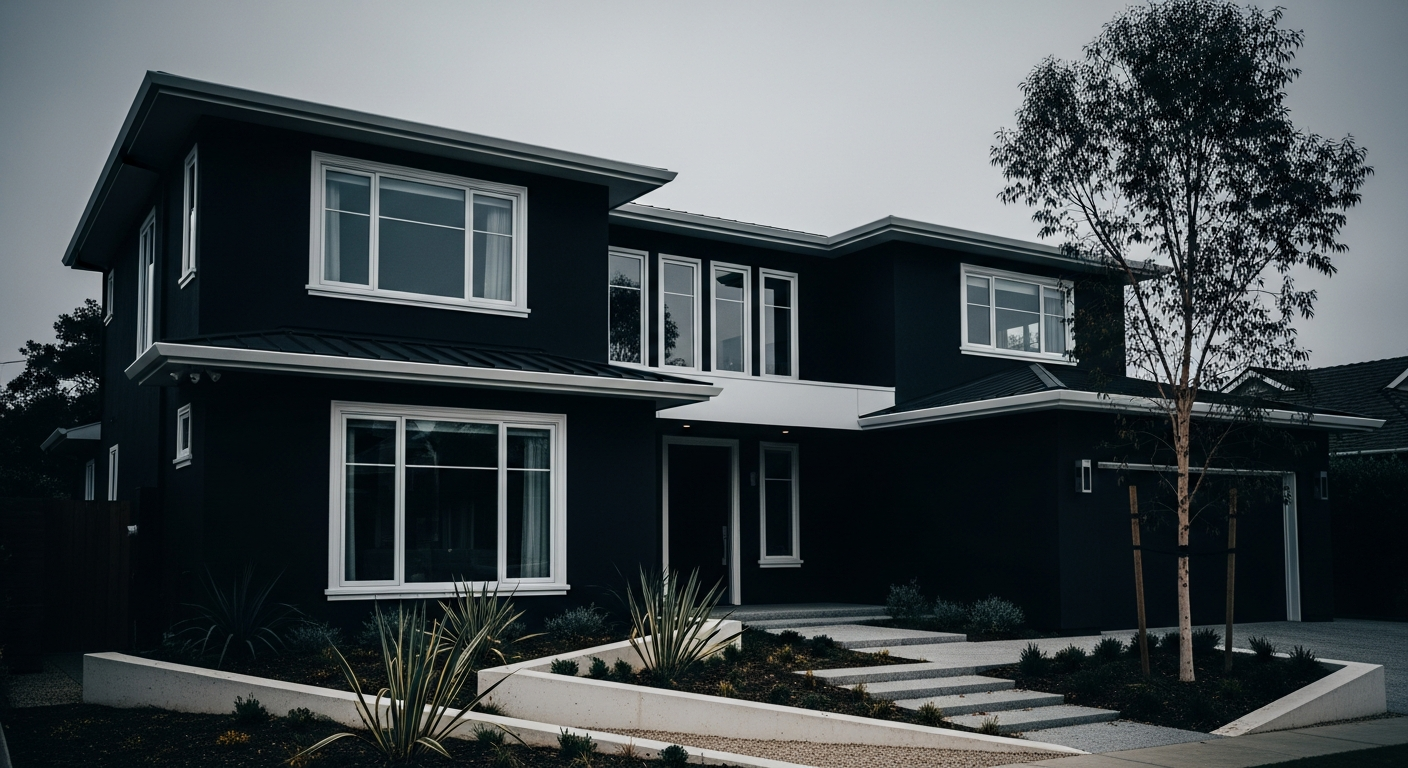
Dark exterior colors have moved from avant-garde to mainstream in 2026. Charcoal, deep navy, and near-black homes are no longer reserved for ultra-modern architecture—they are showing up on Craftsman homes, farmhouses, and even traditional colonials. The appeal is undeniable: dark exteriors create dramatic curb appeal that makes a home stand out from the sea of whites, grays, and beiges on most streets.
The practical challenges of dark exteriors are real but manageable. Heat absorption is the most common concern—dark colors absorb significantly more solar energy than light colors, which can raise surface temperatures and, in some cases, affect indoor cooling costs. In hot climates, this means dark colors may not be ideal for large south-facing or west-facing walls. However, modern paint technology helps. Sherwin-Williams’ Duration and Benjamin Moore’s Aura include solar-reflective pigments in their darker colors that reduce heat gain by up to 20%.
Dark surfaces also show imperfections more readily than light ones. Every patch, crack, and texture variation becomes more visible under a dark finish. This means surface preparation must be exceptionally thorough—any shortcuts in prep will be on display. For detailed prep guidance, consult our exterior painting preparation guide. The payoff is worth the effort: a well-prepared, well-painted dark exterior is truly stunning.
Popular dark options include Sherwin-Williams Iron Ore (SW 7069), Tricorn Black (SW 6258), and Naval (SW 6244). Benjamin Moore’s Wrought Iron (2124-10), Hale Navy (HC-154), and Onyx (2133-10) are equally impressive. Pair dark body colors with bright white trim for maximum contrast, or with warm wood accents for a softer, more organic look. The key is providing enough contrast—a dark body with dark trim looks flat and oppressive, while dark body with crisp white trim looks intentional and architectural.
Trend 4 — Terracotta and Warm Earth Tones
Terracotta, rust, warm brown, and clay are expanding beyond their traditional Mediterranean and Southwestern strongholds to become national exterior trends. These warm earth tones create homes that feel grounded, timeless, and connected to the natural landscape—aligning perfectly with the broader shift toward organic, nature-inspired design.
Terra cotta works best as an accent or on specific architectural styles. A terracotta front door on a cream-colored home creates a warm, inviting entry. Terracotta shutters on a white Colonial offer an unexpected but beautiful alternative to the traditional dark green or black. On stucco homes, a full-body terracotta application creates an instant Mediterranean feel that works in warm climates across the South, Southwest, and West Coast.
Specific product options include Dunn-Edwards Caramelized (their 2026 Color of the Year), Sherwin-Williams’ Cavern Clay (SW 7701), and Benjamin Moore’s Firenze (AF-225). These colors pair beautifully with warm whites, cream trim, and natural wood elements. Avoid pairing terracotta with cool grays or blues, which create an awkward temperature clash. For more color combination ideas, browse our 25 stunning exterior color combinations.
Trend 5 — Bold and Colored Front Doors
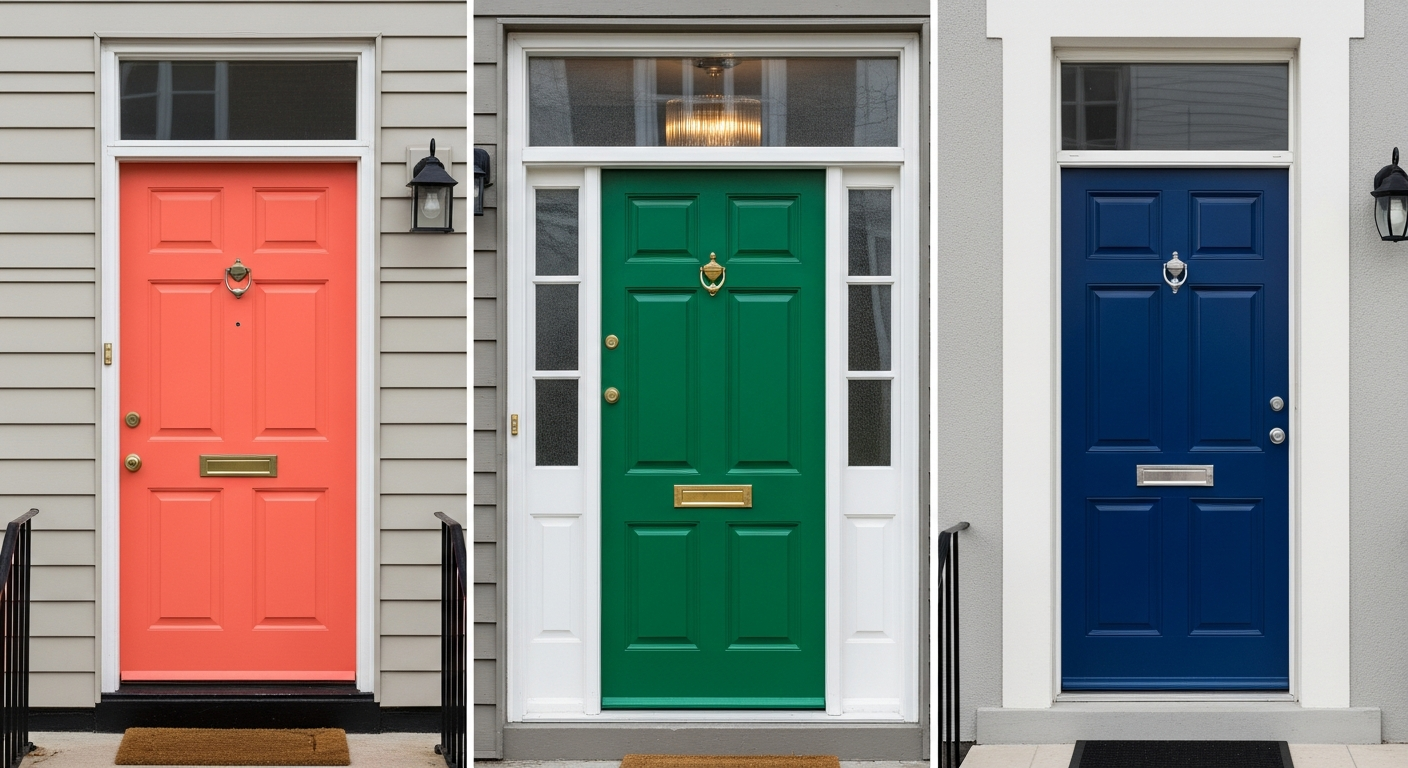
The bold front door trend is the single easiest and most affordable way to adopt 2026 color trends. For under $100 in paint and a few hours of work, you can transform your home’s curb appeal with a door color that makes a statement. This trend has replaced the accent wall as the primary vehicle for expressing personal color preferences—and for good reason. A front door is visible from the street, creates a focal point, and can be easily repainted if your taste changes.
The top trending door colors for 2026 include mustard yellow (warm, cheerful, pairs with warm neutrals), deep red (classic, welcoming, boosts perceived home value), teal (unexpected, sophisticated, works with warm and cool palettes), plum (bold, luxurious, trending with Benjamin Moore’s Silhouette), and sage green (natural, calming, connects to the broader green trend). Zillow’s research found that homes with black front doors received offers averaging $6,400 higher than expected, proving that door color has real financial impact.
When choosing a bold door color, consider your home’s body color and style. A mustard door on a white farmhouse looks intentional and stylish. The same mustard door on a brown ranch might look odd. Use contrasting colors—your door should stand out from the body and trim, not blend in. Semi-gloss or high-gloss finishes are standard for front doors, providing durability and a rich, inviting sheen. For more ideas, explore our color schemes guide.
Trend 6 — Dark Trim and Black Window Frames
The traditional formula of “light body, white trim” is being challenged by a growing trend of dark trim and black window frames. This reversal creates a modern, architectural look that adds definition and sophistication to the exterior. Black window frames, in particular, have become nearly standard on new construction and are being retrofitted on existing homes through painting or replacement.
Dark trim works best on homes with light to medium body colors. White or cream siding with black or dark charcoal window frames and trim creates a crisp, contemporary graphic quality that photographs beautifully and pops in person. Light gray siding with dark trim is another winning combination. Avoid dark trim on dark body colors, as the lack of contrast creates a muddy, undefined appearance.
This trend spans styles from modern farmhouse (white board-and-batten with black window frames) to contemporary (light stucco with charcoal aluminum trim) to updated Colonial (pale gray body with near-black trim replacing traditional white). Sherwin-Williams Tricorn Black (SW 6258) and Benjamin Moore’s Black (2132-10) are the go-to choices for dark trim, offering rich depth that reads true black in most lighting conditions. Our exterior paint finishes guide covers the best sheen choices for trim.
Trend 7 — Mixed Materials and Color Blocking
The most architecturally adventurous trend of 2026 is mixed materials and color blocking on exteriors. Rather than painting the entire home a single color, homeowners and designers are combining painted siding with natural wood accents, stone veneers, and metal panels. This approach creates visual variety, adds texture, and makes the home look custom and intentional.
Color blocking takes this further by using different paint colors on different exterior planes. A recessed entry might be painted a darker accent color to create visual depth. An upper story might be a slightly different shade than the lower story to break up mass. A protruding garage wall might contrast with the main body to reduce its visual dominance.
Vertical siding mixed with horizontal siding adds another dimension—and when the two orientations are different colors or materials, the effect is striking. This mixed-material approach is especially popular on contemporary and modern farmhouse designs, where the interplay between painted surfaces, natural wood, and metal creates rich visual interest. For ideas on how siding materials affect your overall look, see our siding options visualizer guide, and preview mixed-material combinations using HanoDecor’s Exterior Visualizer.
What’s Going OUT in 2026
Understanding what is declining is just as valuable as knowing what is rising. Here are the exterior color trends that are losing momentum in 2026.
Cool grays have reached market saturation. After dominating for over a decade, cool gray exteriors (Repose Gray, Classic Silver, Stonington Gray) feel dated on most home styles. They are being replaced by warmer alternatives with beige, green, or brown undertones. If you painted your home cool gray in the last five years, it still looks fine—but it no longer reads as “fresh” or “updated” to buyers and neighbors.
Stark white farmhouse is cooling off. The all-white modern farmhouse peaked around 2019–2021, and the look now feels overexposed. Designers are moving toward warmer whites, creams, and even colored farmhouse exteriors (sage, warm gray, light blue) that add personality while maintaining the clean farmhouse aesthetic.
All-beige without contrast creates a bland, featureless exterior that lacks the visual interest today’s homeowners want. If your body, trim, and accents are all shades of beige with minimal contrast, the home reads as flat and uninspired. Adding a bold door, contrasting trim, or a second body color instantly updates a beige exterior. The exterior painting ROI guide shows how strategic color updates impact home value.
Matching everything to one color—painting the entire exterior in a single shade with no variation—is out. Today’s aesthetics favor intentional contrast and variety, whether through multiple paint colors, mixed materials, or both. Even a subtle difference between body and trim sheen creates the visual interest that monochromatic schemes lack.
How to Adopt Trends Without Regret
The smartest approach to exterior color trends follows the 80/20 rule: 80% timeless, 20% trend. Your body color should be something you can live with for 10–15 years—a warm neutral, a classic white, a proven earth tone. Your trendy choices should go on elements that are easy and affordable to repaint: the front door, shutters, planter boxes, and small accent features.
Testing colors virtually before committing is the single best way to avoid trend regret. What looks exciting on a magazine page or paint chip may feel overwhelming on a 2,500-square-foot exterior. Use HanoDecor’s AI House Painter to see trending colors on your actual home—the technology shows realistic results that account for your specific architecture, landscaping, and lighting conditions.
Consider your home’s resale timeline. If you plan to sell within three to five years, stick to broadly appealing colors that maximize buyer interest. If you plan to stay for a decade or more, you have more freedom to express personal taste. Either way, choosing colors that complement your architectural style (as covered in our exterior colors by home style guide) ensures your choices are rooted in design logic, not just trend-chasing.
Frequently Asked Questions
What is the most popular exterior house color for 2026? Warm neutrals—specifically greige (gray-beige), khaki, and warm cream—are the most popular exterior body colors for 2026. Sherwin-Williams Universal Khaki (SW 6150), their 2026 Color of the Year, exemplifies this shift toward warm, earthy neutrals that feel organic and inviting. Sage green is the most popular non-neutral exterior color, trending across Craftsman, farmhouse, and cottage styles.
Are dark exterior colors a passing trend? Dark exteriors (charcoal, navy, near-black) have been gaining momentum for several years and show no signs of declining. They have moved from trendy to established, particularly on modern, contemporary, and modern farmhouse styles. The key factor is execution—dark colors require excellent surface preparation and high-quality paint to look their best. Poorly prepped dark exteriors show every flaw, which can make the home look worse than before painting.
What exterior colors will look dated in 5 years? Pure cool grays without warm undertones are most likely to feel dated by 2030. Stark, bright white farmhouse exteriors are also losing freshness. Highly saturated, unnatural colors (bright purple, electric blue, neon green) will always look dated quickly because they lack the timeless quality of nature-inspired tones. Colors grounded in nature—warm neutrals, earth tones, sage greens, and classic whites—tend to age gracefully and avoid the “that was so 2026” phenomenon.
How do I use trending colors without lowering resale value? Apply the 80/20 rule. Use proven, broadly appealing colors for the body (80% of your exterior) and save trendy choices for the front door, shutters, and small accents (20%). A warm neutral body with a trending sage door or mustard shutters lets you express current style while maintaining broad appeal. Zillow’s research consistently shows that thoughtful, well-executed color choices—even bold ones—can actually increase perceived home value by 2–5%.
Should I follow the Color of the Year trends? Colors of the Year are excellent starting points for inspiration, but they should not dictate your decision blindly. Some Colors of the Year are more practical for exteriors than others—Sherwin-Williams’ Universal Khaki is highly exterior-friendly, while PPG’s Purple Basil is best limited to an accent. Use these announcements as a window into current design thinking, then adapt the concepts to your home’s specific style, fixed elements, and neighborhood context.
Test 2026 Trends on Your Home Before You Commit
The best way to confidently adopt 2026 exterior paint color trends is to see them on your actual home before you commit to a single gallon. Trends look different on every home depending on architecture, landscaping, lighting, and fixed elements like brick and stone.
HanoDecor’s AI House Painter lets you upload a photo of your home and preview any trending color—from warm khaki neutrals to moody charcoals to bold sage greens—in seconds. See how dark trim looks against your current siding, test a bold front door color, or visualize a complete palette overhaul. It is the fastest, most reliable way to move from inspiration to confident decision.
For a complete exterior transformation preview that goes beyond color, try HanoDecor’s Exterior Visualizer. Explore siding materials, landscaping options, and architectural changes alongside paint color to create a comprehensive vision for your home. Visit our design gallery and exterior ideas for real-world inspiration, and check our pricing page to start visualizing today.
Exterior Paint Color Trends 2026 FAQs
Written by
James Park
Architectural Design Advisor specializing in exterior remodeling, siding systems, and structural home improvements. Licensed architect with 18 years of residential project experience.