Best Weather Conditions for Exterior Painting: Temperature, Humidity, and Season Guide
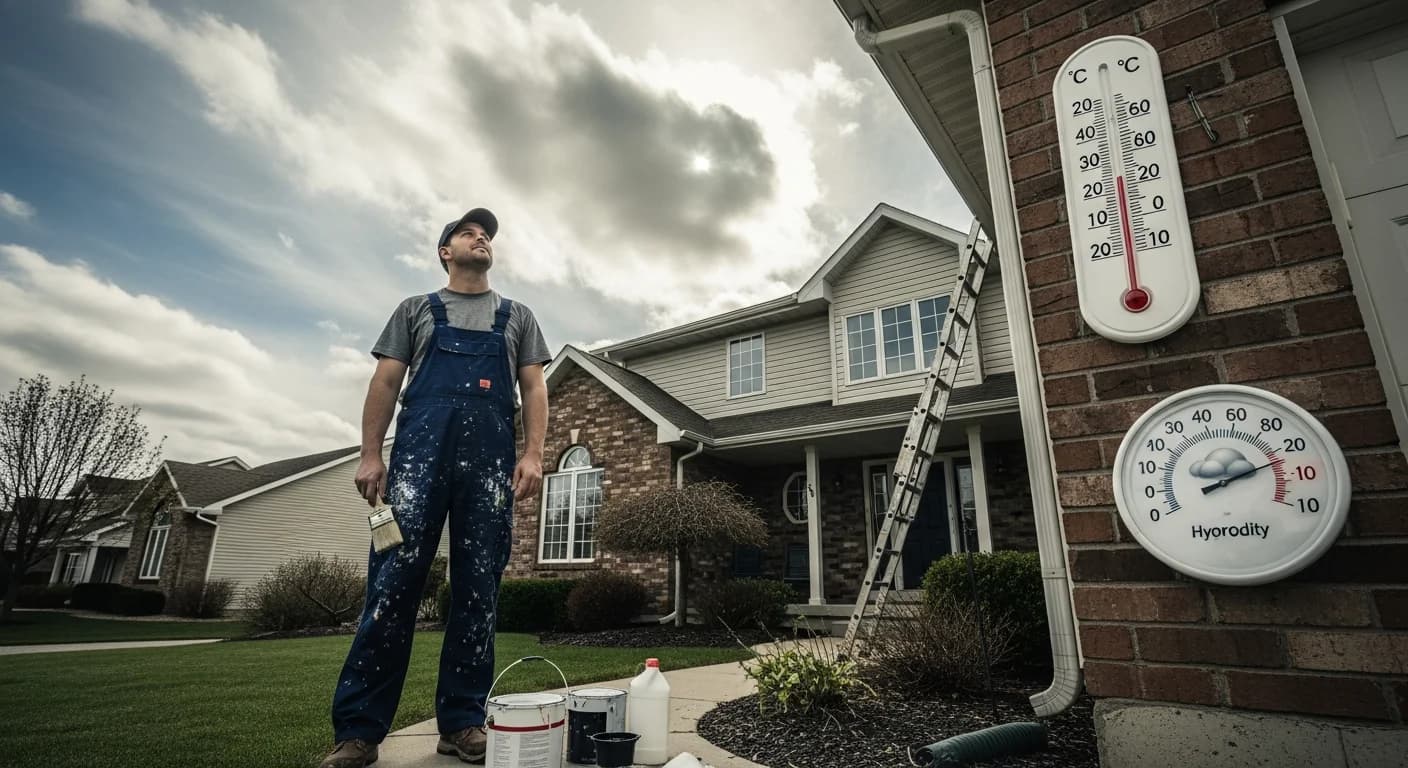
Weather is the single most unpredictable variable in any exterior painting project, and getting it wrong can destroy an otherwise perfect paint job in a matter of hours. After painting homes professionally for over twenty years, I have lost count of the jobs ruined by unexpected rain, extreme heat, or morning dew that nobody accounted for. The chemistry of paint film formation depends entirely on temperature, humidity, and moisture conditions during application and curing. This guide gives you the exact parameters you need to monitor, the weather windows you should target, and the strategies professionals use to work with weather rather than against it. Whether you are doing it yourself or hiring a crew, understanding weather conditions will save you thousands in failed paint and costly redos.
Why Weather Makes or Breaks an Exterior Paint Job
To understand why weather matters so much, you need a basic grasp of how paint works at a chemical level. When you apply latex (acrylic) paint, the water in the paint begins evaporating, bringing tiny acrylic resin particles closer together. As these particles pack tightly, they undergo a process called coalescence — they fuse into a continuous, flexible film that bonds to the surface and provides the protective barrier your home needs.
This coalescence process is extremely sensitive to environmental conditions. If the temperature is too cold, the particles cannot fuse properly and the paint film forms with microscopic gaps, leading to poor adhesion, cracking, and premature failure. If the temperature is too hot, the surface skin of the paint dries before the lower layers can coalesce, trapping solvent and creating blistering, lap marks, and an uneven finish.
Humidity affects drying rates in equally critical ways. High humidity slows water evaporation, extending drying times and creating a tacky surface that attracts dirt, insects, and debris. Extremely low humidity causes paint to dry too quickly, preventing proper film formation and leading to cracking and poor coverage. The interaction between temperature and humidity is what makes weather planning essential rather than optional.
Professional painters check weather forecasts obsessively — and for good reason. A three-day weather window with ideal conditions produces better results than a month of painting in marginal conditions. Understanding these parameters turns weather from an unpredictable obstacle into a manageable project variable.
Temperature — The Most Critical Factor
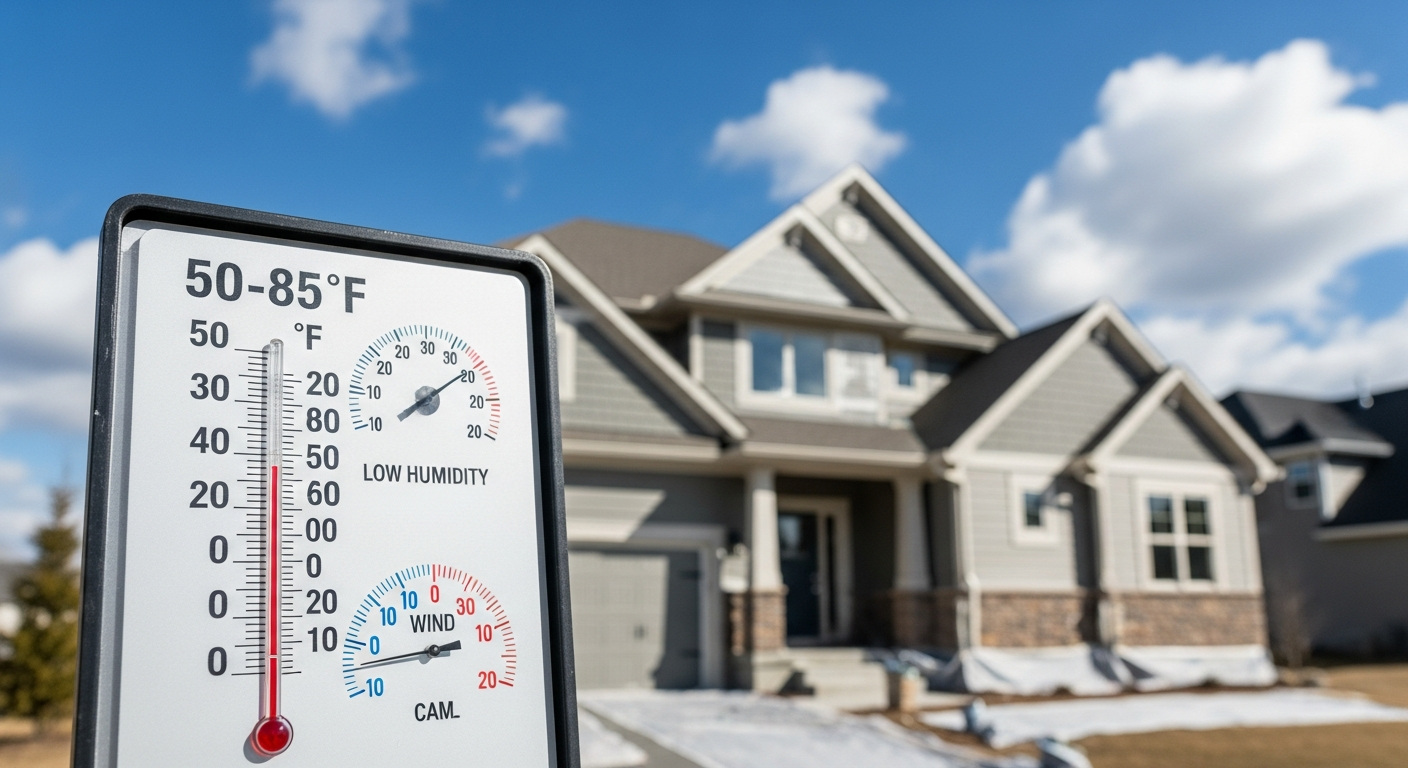
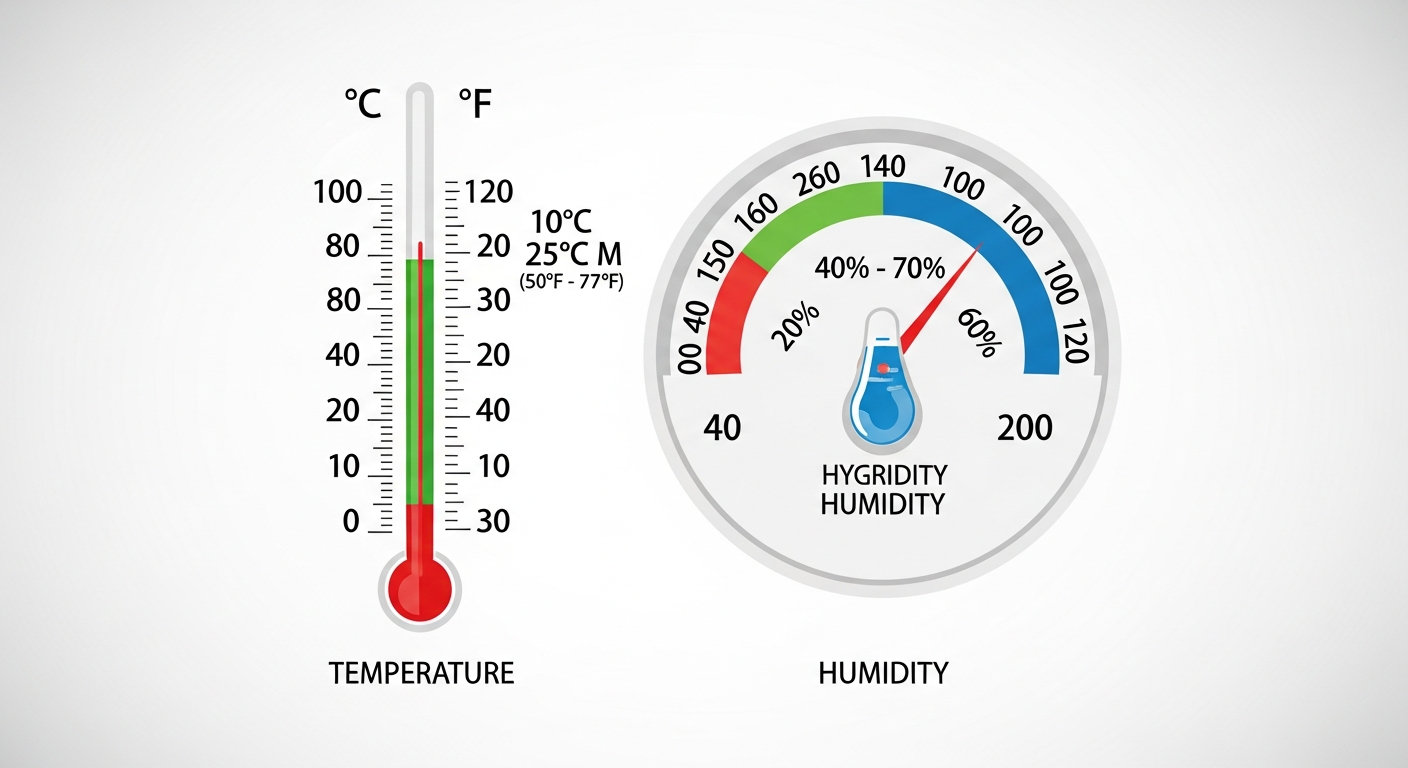
The ideal temperature range for exterior painting is 50°F to 85°F, with 60°F to 77°F being the optimal sweet spot. Within this range, latex paint applies smoothly, levels properly, and undergoes complete coalescence to form a durable, well-bonded film. Most premium exterior paints — including Sherwin-Williams Duration, Benjamin Moore Aura, and Behr Marquee — are formulated to perform best in this temperature range.
Above 85°F, paint begins to misbehave. The surface layer dries too quickly in hot conditions, creating a skin while the underlying paint remains wet. This causes blistering as trapped moisture and solvents try to escape through the already-formed surface. Lap marks become more visible because each brush or roller stroke starts drying before you can blend it with the next one. Dark colors absorb even more heat, making surface temperatures climb well above air temperature — a dark surface in direct sun can reach 120°F or more even when the air temperature is only 90°F.
Below 50°F, standard latex paints cannot form a proper film. The minimum film formation temperature (MFFT) for most acrylic latex paints is around 50°F. Below this threshold, the resin particles do not soften enough to fuse together, and the paint film forms with voids and weak bonds. The result is poor adhesion, powdery texture, and paint that will peel within months. If temperatures drop below freezing before the paint cures — which takes 24 to 48 hours minimum — the water in the paint can freeze, destroying the film entirely.
For situations where you must paint in cooler conditions, specialty low-temperature paints are available. Products like Benjamin Moore's Aura Exterior and Sherwin-Williams Resilience are rated for application down to 35°F. These paints use modified resins that coalesce at lower temperatures, but they still perform best above 50°F. Using them in cold weather is a compromise, not a preference.
Surface temperature matters as much as air temperature. Use an infrared thermometer to check the actual temperature of the surface you are painting, not just the ambient air. On a sunny morning when the air is 65°F, a south-facing wall in direct sunlight might already be 95°F on the surface — too hot for proper application. Conversely, a shaded north-facing wall might still be at 45°F early in the morning even when the air is warming to 60°F. Always measure the surface you are about to paint.
Humidity — The Silent Paint Killer
The ideal relative humidity range for exterior painting is 40% to 70%. Within this range, paint dries at a controlled rate that allows proper film formation without being so slow that problems develop. Professional painters monitor humidity throughout the day because it can change dramatically — morning humidity in many regions starts above 80% and drops to 40% by mid-afternoon.
High humidity above 70% creates multiple problems. Paint dries gummy and tacky, extending the time that surfaces remain vulnerable to insects, pollen, dust, and debris. Recoat times stretch from the normal 4 hours to 8 or even 12 hours, significantly slowing project progress. In extreme humidity above 85%, paint can develop mold and mildew during the extended cure period, creating dark spots and organic growth within the fresh paint film. The wet look can persist for days, leaving homeowners wondering if the paint will ever cure properly.
Low humidity below 40% causes the opposite problem — paint dries too fast. In arid climates like Arizona, New Mexico, or Colorado, humidity routinely drops below 20%. At these levels, the water in latex paint evaporates so rapidly that the resin particles cannot coalesce smoothly. The result is a brittle, cracked film with poor coverage and adhesion. Using additives like Floetrol can slow drying in low-humidity conditions, and painters in arid climates often work exclusively in early morning hours when humidity is at its daily peak.
Dew point is a critical measurement that many DIY painters overlook. The surface you are painting must be at least 5°F above the dew point temperature to prevent condensation from forming on or within the paint film. If the dew point is 60°F, your surface must be at least 65°F. Painting near the dew point traps microscopic moisture in the paint, leading to adhesion failure, blistering, and discoloration. Check local dew point readings using weather apps or a sling psychrometer before starting each painting session.
Rain, Dew, and Moisture
Surfaces must be completely dry before painting, which means waiting 24 to 48 hours after any rain event. Porous surfaces like wood siding and stucco can retain moisture for days after rain, even when they appear dry on the surface. Use a moisture meter to verify — readings should be below 15% for wood substrates and below 12% for masonry before applying paint. Painting over a damp surface traps moisture beneath the paint film, virtually guaranteeing blistering and peeling within months.
After painting, fresh latex paint needs a minimum of 4 to 8 hours of dry weather before it can resist rain. This window varies by temperature and humidity — in warm, dry conditions, 4 hours may be sufficient, while cool or humid conditions require 8 hours or more. If rain is forecast within this window, do not start painting. The consequences of rain on uncured paint range from minor surface streaking to complete wash-off, depending on the intensity and timing.
Morning dew is a common problem that catches inexperienced painters off guard. Dew forms on surfaces when overnight temperatures drop near the dew point, coating everything with a thin moisture film. Even surfaces that were dry the evening before can be soaking wet at dawn. Wait until all dew has evaporated completely — typically by 9 to 10 AM in most climates — before beginning work. Painting over dew creates the same adhesion problems as painting over rain.
If rain unexpectedly hits while you are painting, stop work immediately. Cover freshly painted surfaces with tarps if possible, but do not allow tarps to contact wet paint directly — use standoff supports. If rain washes paint before it has cured, you will need to sand the affected area back to a sound surface and repaint. Rain that hits partially cured paint (2-4 hours old) may cause surface spotting that can sometimes be buffed out, but heavier rain usually requires recoating. For a complete overview of prep and weather-related planning, see our surface prep guide.
Wind and Air Movement
Moderate wind of 5 to 10 mph is actually beneficial for exterior painting because it promotes even drying and helps carry humidity away from wet surfaces. Light air movement prevents the stagnant conditions that can lead to slow drying and mildew growth in humid climates.
Wind above 15 mph creates serious problems. For spray application, even moderate wind causes overspray — paint mist blows onto windows, cars, landscaping, and neighboring properties. This creates liability issues and cleanup costs that far exceed any time savings from spraying. Brush and roller application is less wind-sensitive, but strong gusts can blow debris into wet paint and cause uneven drying patterns.
High winds also create safety hazards when working at height. Extension ladders become unstable in gusty conditions, and scaffolding can sway in sustained winds. Most painting contractors have a wind speed threshold of 15-20 mph, above which they will postpone work. If you are painting your own home, take wind safety even more seriously — you likely lack the safety equipment and training that professionals carry.
Calm conditions with minimal wind are ideal for sprayer application. If you are planning to spray, target early morning hours when wind speeds are typically lowest. By late morning and afternoon, thermal currents create gusty conditions that make precision spraying difficult.
Direct Sunlight Strategy
The professional technique for managing sunlight is called "chasing the shade." Instead of painting a wall while it is in direct sun, you follow the shade around the house throughout the day, painting surfaces that are currently in shadow. This prevents the surface temperature problems caused by direct sun and produces consistently better results.
The chasing-the-shade approach works like this: Start with north and east-facing walls in the morning. These surfaces receive early morning sun but are in shade by mid-morning. Move to west-facing walls in the late morning and early afternoon, when these surfaces are still in shadow. Paint south-facing walls and any remaining east or west surfaces in the late afternoon when the sun has moved past them.
Dark colors require extra caution in sunlight because they absorb significantly more heat than light colors. A dark charcoal surface in direct afternoon sun can reach 130°F or more — well beyond the safe application range. If you must paint dark colors on sun-exposed surfaces, work early in the day before the sun hits those walls, or use the shade-chasing technique religiously. The color choices you make directly affect how much attention you need to pay to sun management during application.
For south-facing walls that receive sun most of the day, consider starting very early — professional crews sometimes begin at 6 AM to get south-facing surfaces painted before the intense mid-morning sun arrives. Alternatively, some contractors set up temporary shade structures using tarps and scaffolding, though this adds cost and complexity to the project.
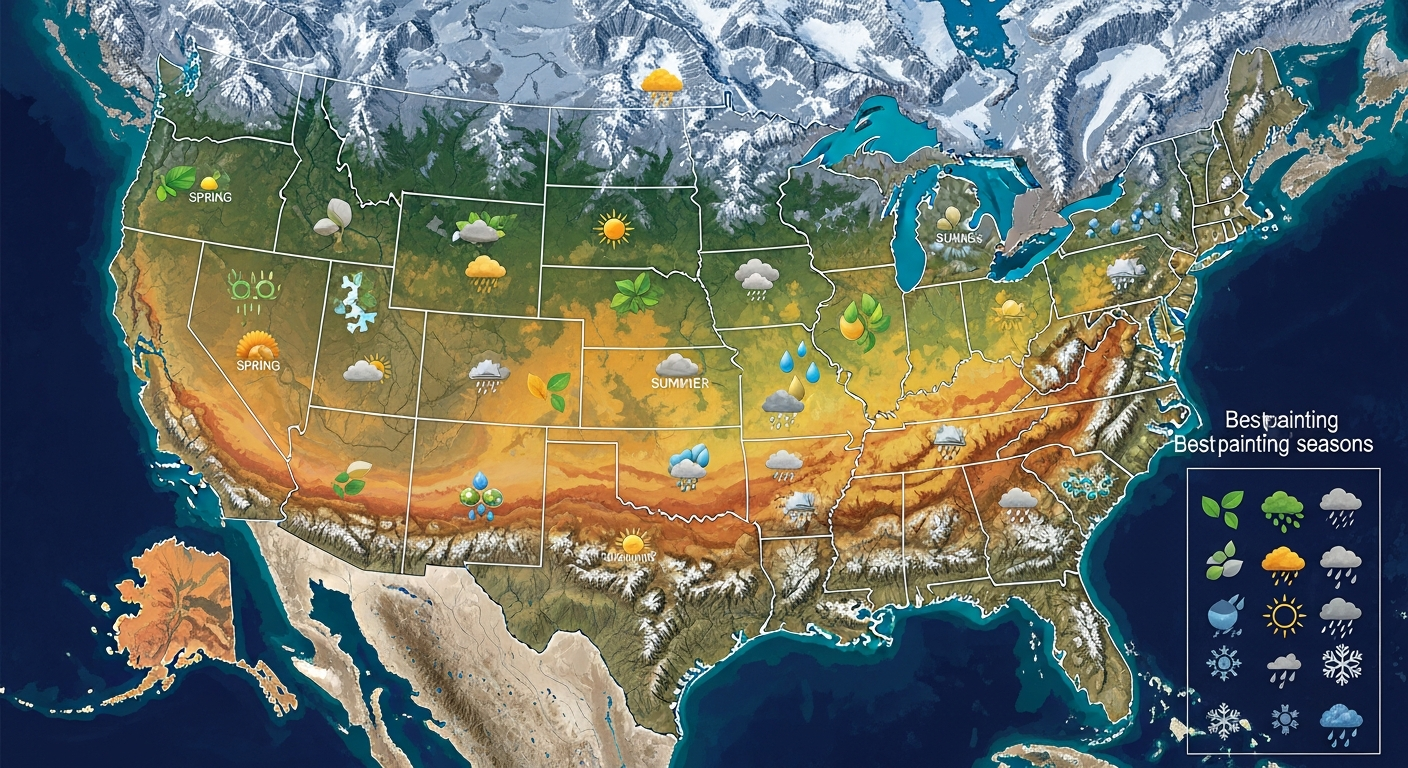
Best Seasons to Paint by Region
Northeast (New York, New England, Mid-Atlantic): Late April through mid-October provides the best painting window. Late May through September is optimal. Avoid painting too early in spring when rain and cool temperatures are frequent, and stop well before frost season begins. The Northeast's humid summers can create dew issues, so morning start times are typically later than in drier climates.
Southeast (Florida, Carolinas, Gulf States): March through November is technically possible, but the summer months bring intense heat and daily afternoon thunderstorms that can disrupt schedules. The ideal windows are March through May and September through November, when temperatures are moderate and rain is less frequent. Mildew-resistant paint is essential in this high-humidity region.
Midwest (Ohio, Illinois, Minnesota): May through September is the primary painting season, with June through August offering the most reliable weather. Spring can be unpredictable with rapid temperature swings, and fall brings early frost risk. Contractors in this region are busiest June through August, so scheduling for May or September often means lower costs and easier availability.
Southwest (Arizona, New Mexico, Nevada): Year-round painting is possible due to mild winters, but summer heat above 110°F makes painting impossible during midday hours. The best seasons are October through April when temperatures are moderate. Low humidity is a constant factor — add Floetrol or similar retarders to prevent too-fast drying. Early morning work during summer months can extend the usable season.
Pacific Northwest (Washington, Oregon): Late June through September is the prime window — this brief dry season offers the most reliable painting conditions. The region's extended rainy season from October through May makes exterior painting challenging, though skilled contractors work between rain events. Moisture management is particularly critical in this climate, and proper surface drying before painting is essential.
Off-season contractor discounts of 10% to 15% are common in most regions. Painting during shoulder seasons — early spring or late fall — often means lower prices, easier contractor availability, and less competition for scheduling. If your climate and weather cooperate, painting outside peak season can save $500 to $1,000 or more on a typical whole-house project.
Reading the Weather Forecast for Painting
Check a 3-to-5-day forecast before starting any exterior painting work. You need at minimum 2 consecutive days of favorable conditions — one for the first coat and one for the second coat — plus buffer time for drying and touch-ups. A reliable 5-day forecast gives you confidence to commit materials and labor without risking weather-related failures.
The key metrics to monitor are: temperature (high and low — both daytime application temp and overnight cure temp), humidity (ideal 40-70%), precipitation probability (target 0-10% for painting days), wind speed (below 15 mph), and dew point (surface must be 5°F above dew point). Weather apps like Weather Underground, Dark Sky, and AccuWeather provide hourly forecasts for all these metrics.
Create a simple go/no-go decision checklist before each painting day. Temperature between 50°F and 85°F? Yes. Humidity between 40% and 70%? Yes. Rain probability below 20%? Yes. Wind below 15 mph? Yes. Surface temp at least 5°F above dew point? Yes. If all conditions pass, proceed with painting. If any one condition fails, consider postponing or adjusting your approach — for example, switching from spray application to brush and roller in moderate wind.
Professional painters also monitor the overnight forecast because paint continues curing for 24 to 48 hours after application. If overnight temperatures will drop below 35°F, latex paint applied that afternoon may not cure properly. Plan your last coat early enough in the day to allow several hours of curing before temperatures drop. Check our painting timeline guide for more on scheduling around weather conditions.
What to Do If Weather Turns Mid-Project
If rain arrives while you are actively painting, stop work immediately. Do not try to finish the section you are working on — every minute of painting in rain adds to the damage. Cover freshly painted surfaces if possible, but prioritize surfaces that were painted within the last 2 hours, as these are most vulnerable to wash-off. Surfaces painted more than 4 hours ago have typically formed enough of a film to resist light rain, though heavy downpours can still cause damage.
Unexpected temperature drops during painting are manageable if you act quickly. Assess how long your most recent coat has been drying. If the paint has been drying for at least 4 hours in temperatures above 50°F, the film has likely formed sufficiently. If less than 4 hours have elapsed and temperatures are falling rapidly, consider whether the paint will have enough time to coalesce before temperatures reach the minimum threshold.
For emergency dry-time guidance: latex paint requires a minimum of 4 hours above 50°F for initial film formation and 24 to 48 hours for full cure. Oil-based paints require 8 hours minimum for initial dry and 72 hours for full cure. These are minimums — longer is always better. If weather forces you to stop mid-project, ensure your last coat has the maximum possible cure time before adverse conditions arrive.
After any weather interruption, inspect all surfaces carefully before resuming work. Look for wrinkling, bubbling, or discoloration that indicates the paint was compromised. Areas where rain hit uncured paint will likely need sanding and recoating. Touch the surface — if it feels tacky, gummy, or uneven, it was likely affected. For surfaces that appear normal, rub firmly with a damp cloth; if color transfers to the cloth, the paint did not cure properly and needs to be removed and reapplied. Explore our common painting mistakes guide for more on diagnosing and fixing weather-related failures.
Frequently Asked Questions
Can I paint the exterior in winter? In most regions, winter exterior painting is not recommended because temperatures frequently drop below the 50°F minimum for standard latex paint. However, in mild climates like Southern California, Florida, or the Desert Southwest, winter is actually an excellent painting season with moderate temperatures and low humidity. If you must paint in cool weather, use low-temperature specialty paints rated to 35°F and plan work for the warmest hours of the day (typically 11 AM to 3 PM).
What if it rains 6 hours after painting? Six hours of drying time at temperatures above 60°F is generally sufficient for latex paint to resist light to moderate rain. The paint film should have formed enough of a surface barrier to shed water without significant damage. However, heavy rain can still cause spotting or surface disruption. After the rain passes, inspect the painted surfaces. Minor spots can usually be lightly sanded and touched up. If the paint was washed off or severely wrinkled, you will need to sand back to a sound surface and apply a fresh coat.
How cold is too cold for exterior paint? Standard latex exterior paint requires a minimum air and surface temperature of 50°F during application and for at least 4 hours afterward. Specialty low-temperature paints can be applied down to 35°F. Below 35°F, no exterior paint should be applied — the risk of film formation failure, poor adhesion, and moisture-related problems is simply too high. Oil-based paints have a similar 50°F minimum, though they are less commonly used for exteriors in 2026.
Is morning dew a problem for exterior painting? Yes, morning dew is a significant problem that catches many homeowners off guard. Dew forms a thin moisture film on all exterior surfaces when overnight temperatures approach the dew point. Painting over dew traps moisture beneath the paint, causing adhesion failure and blistering. Always wait until dew has fully evaporated — usually by 9 to 10 AM — and verify with a moisture meter or the hand test (press your palm against the surface for 10 seconds; if it feels cool or damp, wait longer).
Can I paint in direct sunlight? You can, but it requires careful management. Direct sunlight raises surface temperatures well above air temperature, potentially pushing surfaces beyond the safe application range even on mild days. The professional technique is to "chase the shade" around your home, painting walls that are currently in shadow. If you must paint sun-exposed surfaces, work early in the day before the sun is intense, apply thin coats, and keep a wet edge to prevent lap marks. Check our exterior paint ideas guide for dark color considerations.

Plan Your Painting Project with AI Visualization
Before you start monitoring weather forecasts and staging materials, make sure you have finalized your color choices. Weather windows in most regions are limited, and you do not want to waste a perfect painting week second-guessing your colors.
HanoDecor's AI House Painter lets you upload a photo of your home and preview any exterior color instantly — body, trim, doors, and accents. Test your top color candidates on your actual home under different lighting conditions so you are 100% confident before your weather window arrives.
For a complete exterior transformation including siding, landscaping, and architectural details, try HanoDecor's Exterior Visualizer. Plan your entire project visually, then execute when the weather aligns. Visit our pricing page and browse the transformation gallery to see what is possible.
Best Weather Conditions for Exterior Painting FAQs
Written by
Sarah Chen
Senior Color Consultant with 12 years of residential exterior design experience. Specializes in architectural color theory, paint technology, and curb appeal optimization.