How Much Does a Full Gut Remodel Cost? Whole-House Renovation Pricing
Quick Summary
A detailed pricing guide for full gut renovations of entire homes in 2026, covering costs by square footage, region, and finish tier. Includes breakdowns for demolition, structural work, mechanical systems, and finishes, plus real project examples and strategies for managing whole-house renovation budgets.
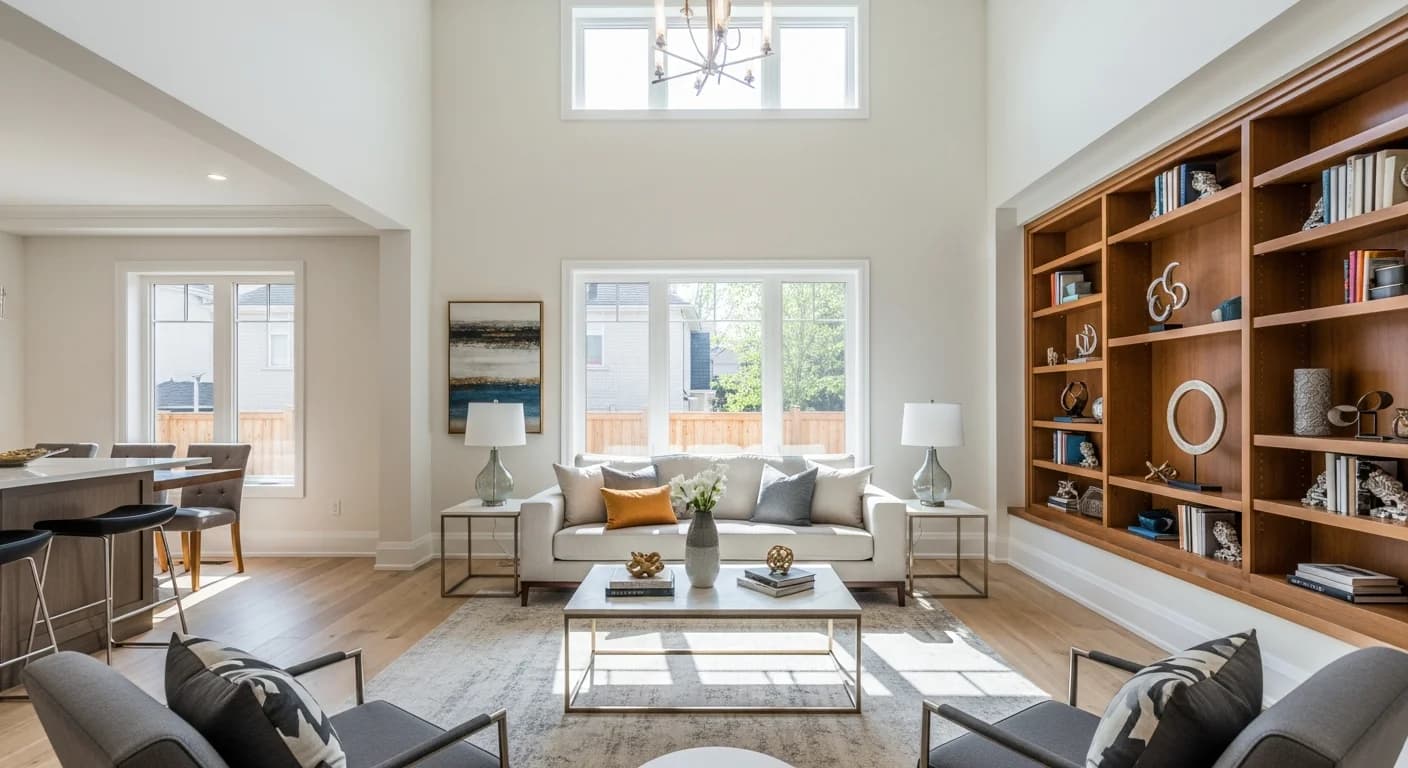
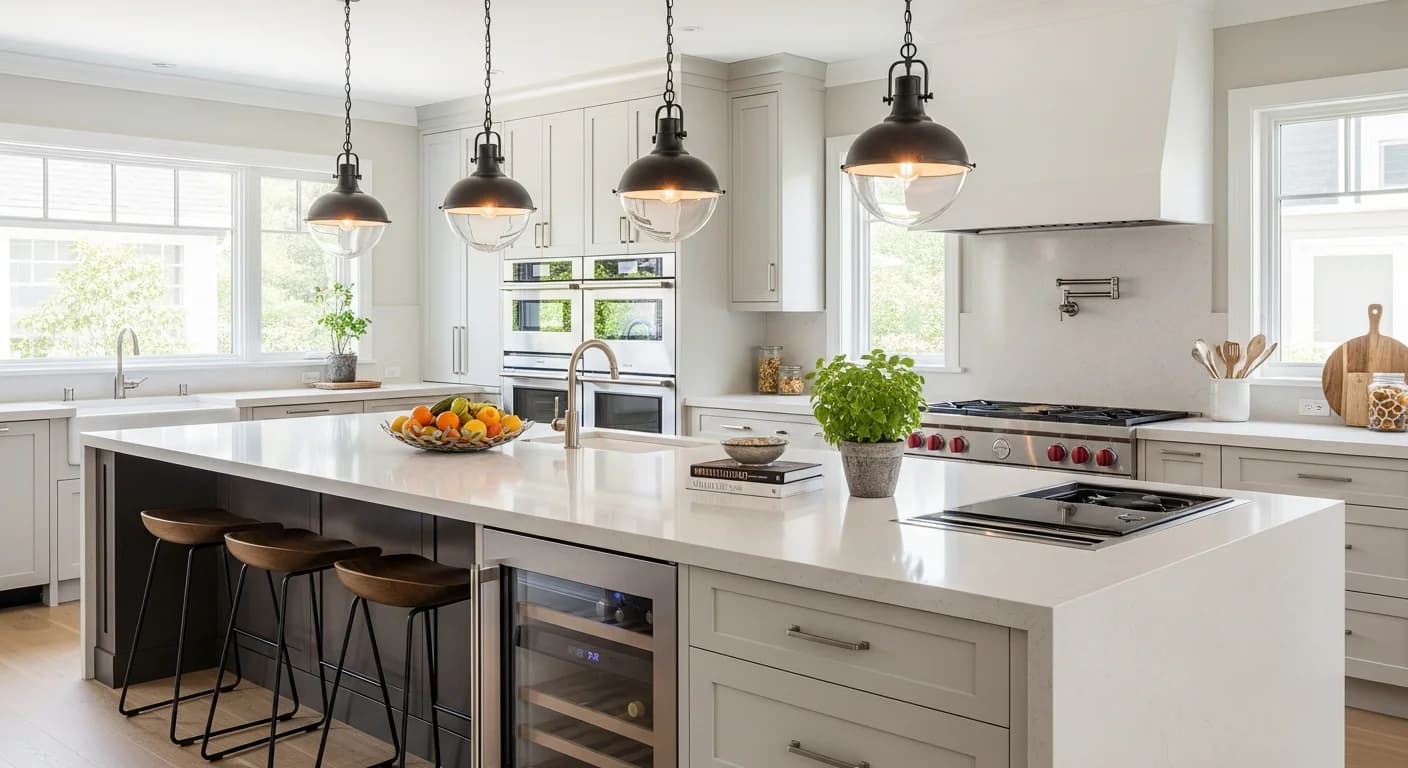
Understanding how much does a full gut remodel cost is essential before committing to a whole-house renovation — the most ambitious and expensive type of home improvement project. In 2026, a full gut remodel typically costs $60 to $150 or more per square foot, putting total project budgets between $100,000 and $500,000 or higher depending on home size, location, and finish quality. A gut renovation strips a home down to its structural bones, replacing everything from plumbing and electrical wiring to insulation, drywall, flooring, and fixtures.
Whole-house gut renovations are common among buyers of older homes that have good bones but outdated systems, homeowners who want to completely reimagine their floor plan, and investors renovating properties for resale. While the price tag is significant, a well-executed gut remodel can be more cost-effective than building new construction, especially in established neighborhoods with mature landscaping, walkable amenities, and strong school districts where lot values are high.
Full Gut Remodel Cost by Square Footage
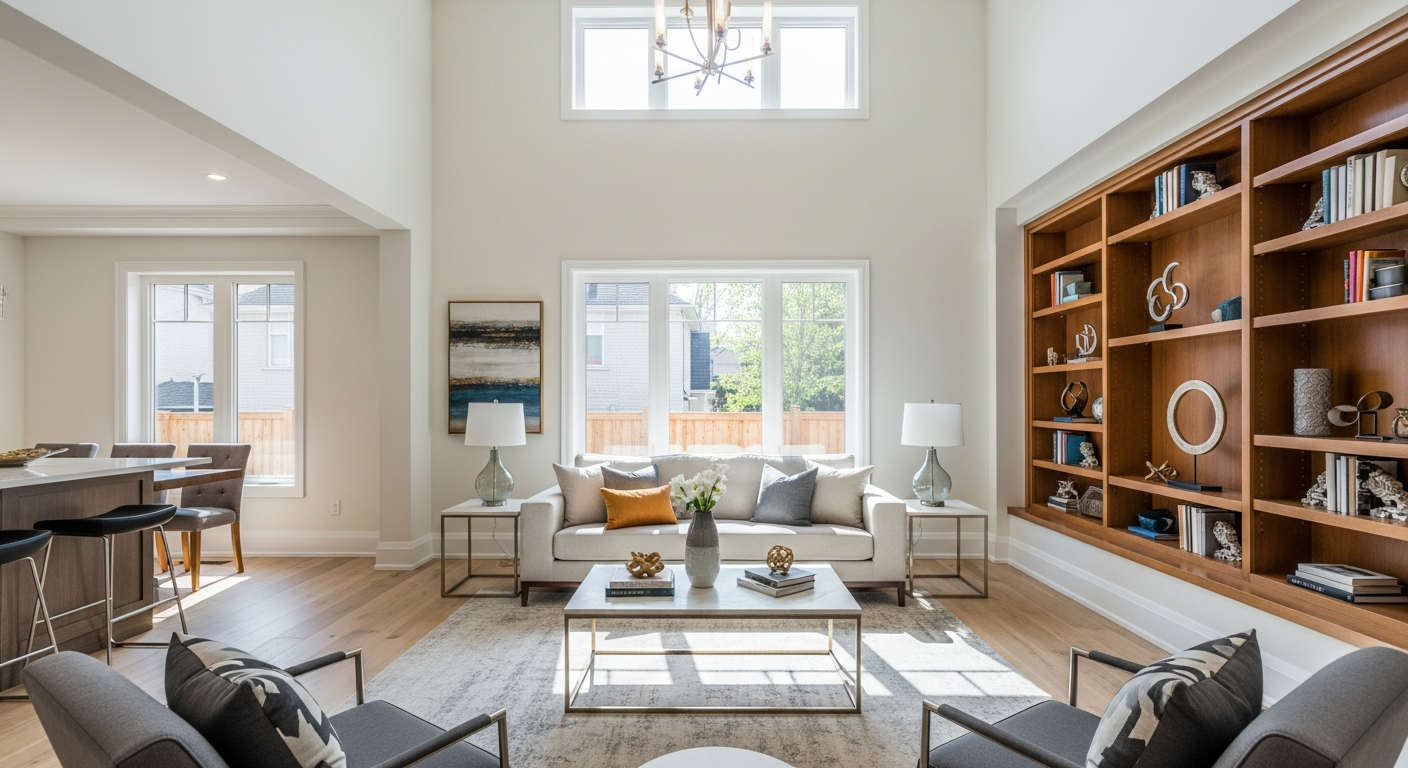
Square footage is the primary cost driver for a whole-house gut renovation. Larger homes cost more in total but often have a lower per-square-foot cost due to economies of scale — certain fixed costs like permits, project management, and equipment rental are spread across more area. The following table shows 2026 pricing for mid-range finishes at national average labor rates.
| Home Size | Demolition Only | Full Gut Remodel (Mid-Range) | Full Gut Remodel (Luxury) |
|---|---|---|---|
| 1,000 sq ft | $2,000–$8,000 | $75,000–$150,000 | $150,000–$250,000 |
| 1,500 sq ft | $3,000–$12,000 | $112,000–$225,000 | $225,000–$375,000 |
| 2,000 sq ft | $4,000–$16,000 | $150,000–$300,000 | $300,000–$500,000 |
| 2,500 sq ft | $5,000–$20,000 | $187,000–$375,000 | $375,000–$625,000 |
| 3,000 sq ft | $6,000–$24,000 | $225,000–$450,000 | $450,000–$750,000 |
What Is Included in a Full Gut Renovation?
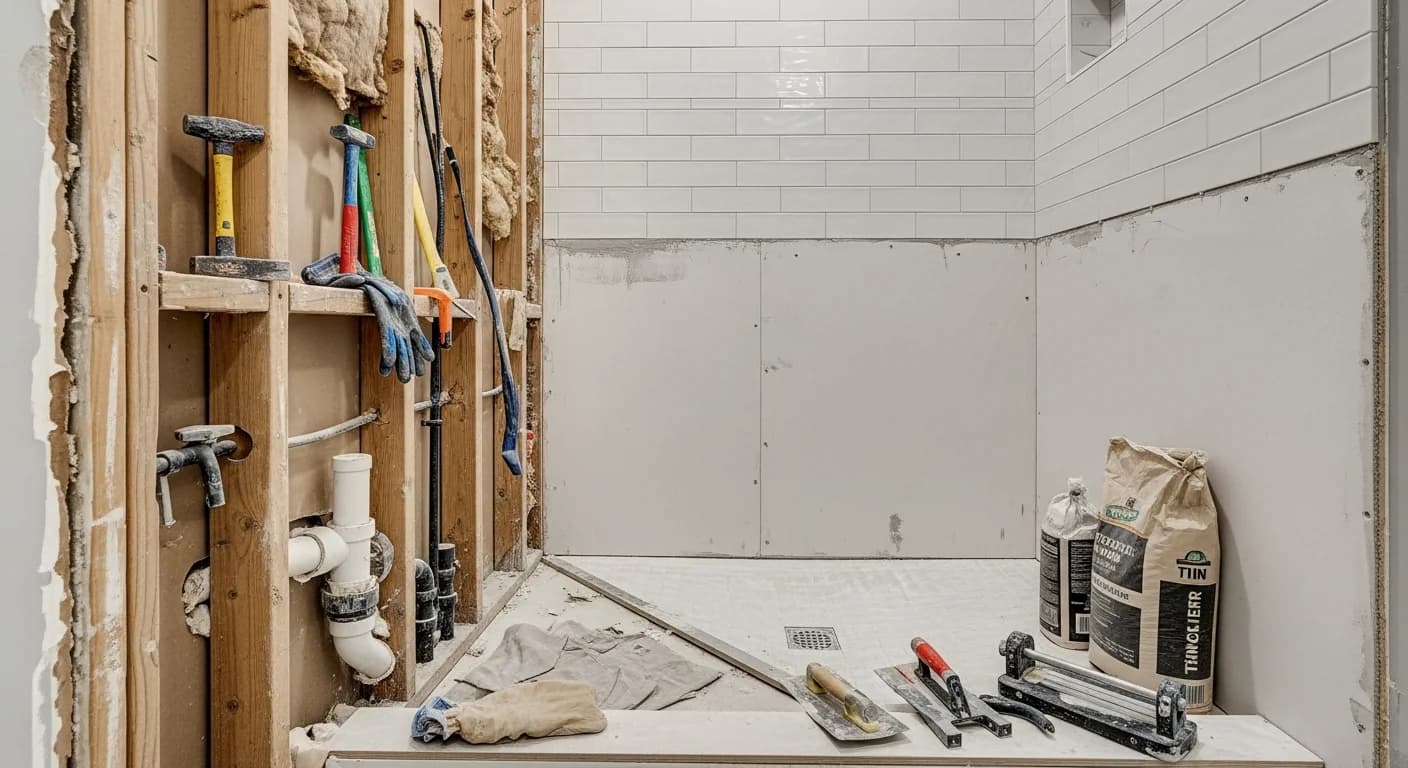
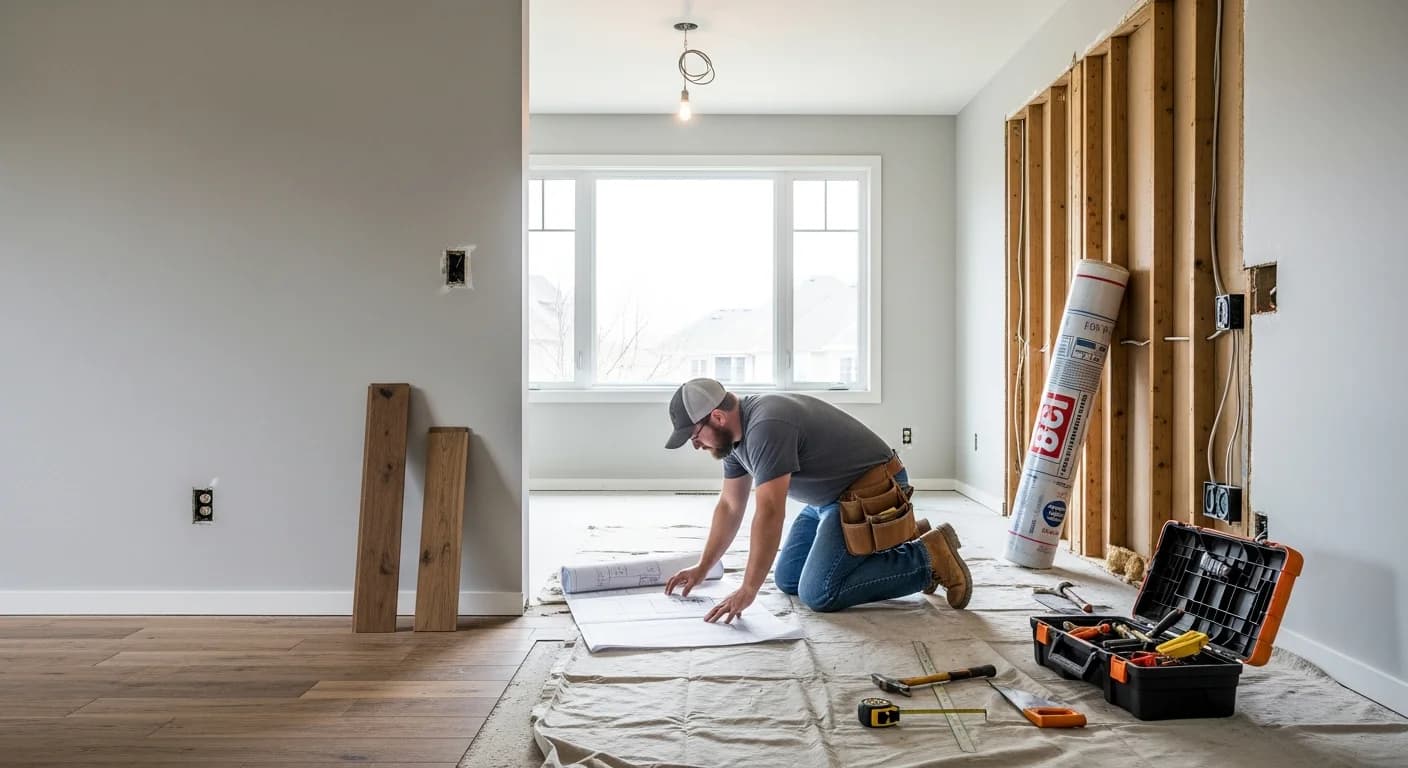
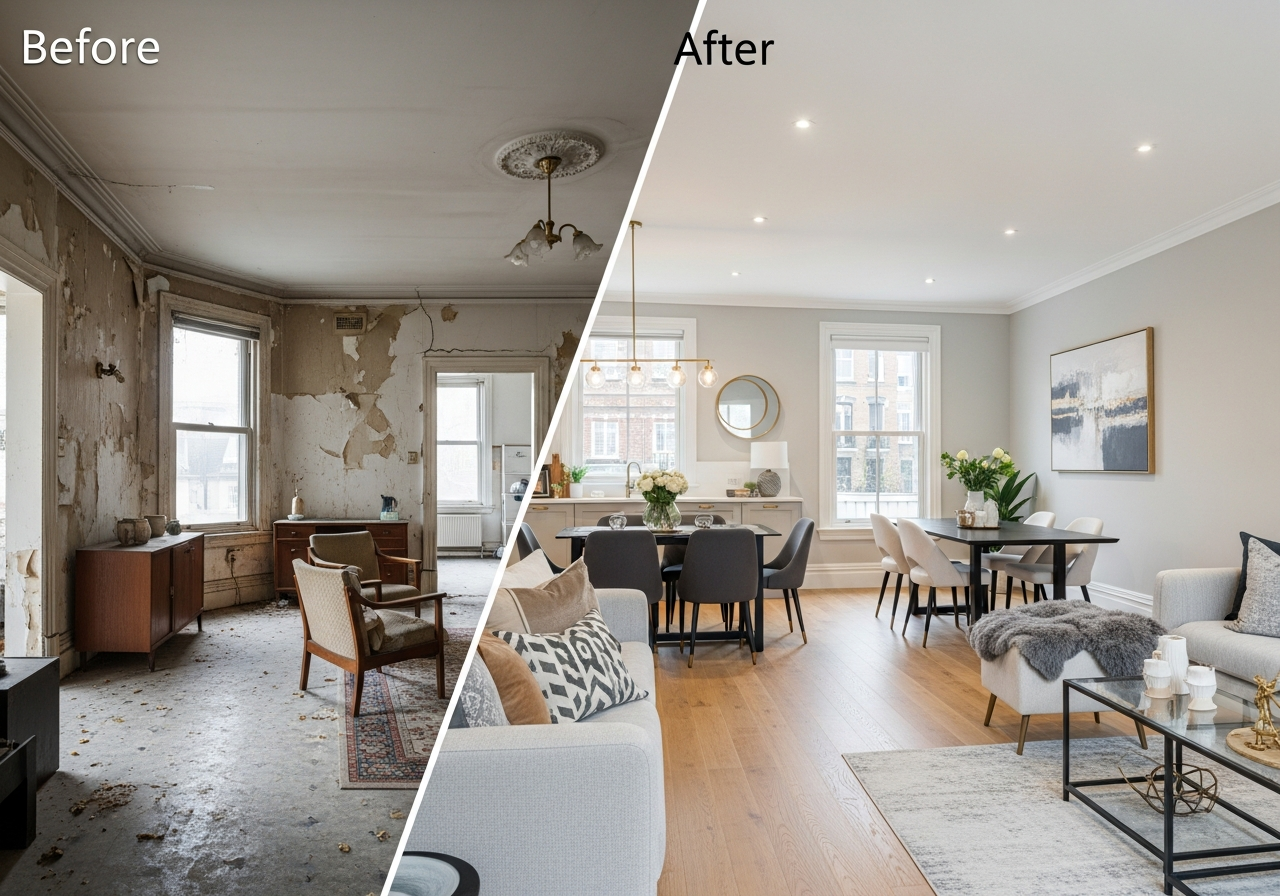
A true gut renovation goes far beyond cosmetic updates. The process begins with complete interior demolition — removing all drywall, flooring, cabinetry, fixtures, and non-structural walls to expose the framing. Once stripped, the home's structural integrity is assessed. Rotted framing members, damaged headers, and foundation issues are repaired before any new work begins. This structural assessment phase is critical and can reveal hidden problems that significantly affect the budget.
After structural repairs, the mechanical systems phase begins: new electrical wiring brought up to current code, complete plumbing re-piping with modern PEX or copper lines, HVAC replacement or reconfiguration, and insulation upgrades to meet energy efficiency standards. Only after these rough-in systems pass inspection does the finishing phase start — new drywall, flooring, cabinetry, countertops, tile, paint, fixtures, and trim. A gut remodel essentially creates a new home inside an existing shell.
Cost Breakdown by Trade and Category
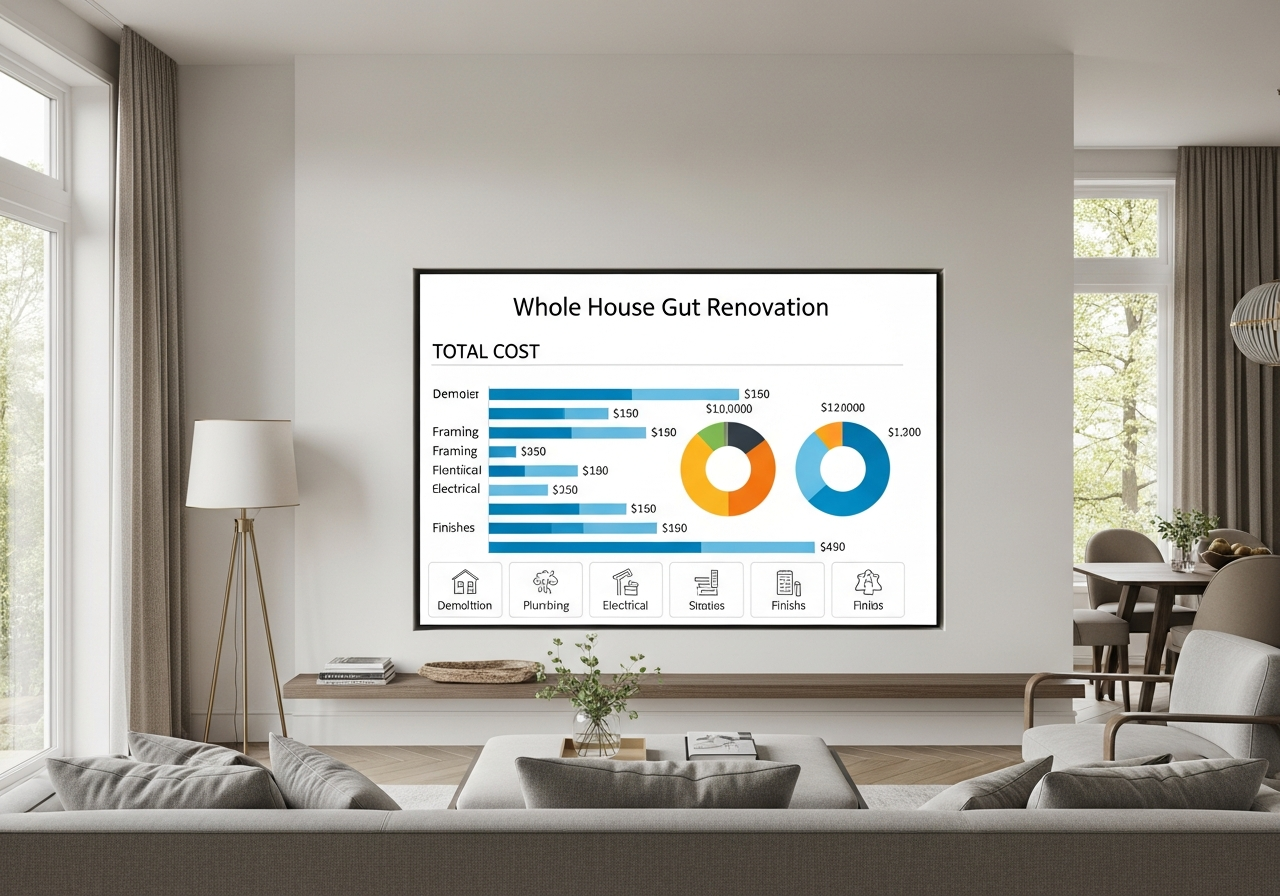
Demolition and debris removal typically cost $2 to $8 per square foot, covering labor, dumpster rental, and disposal fees. Hazardous material abatement — asbestos, lead paint, or mold — adds $5,000 to $30,000 depending on extent. Structural repairs, including foundation work and framing replacement, range from $10,000 to $50,000. New electrical systems run $8,000 to $25,000 for a typical home, while complete plumbing replacement costs $8,000 to $20,000.
HVAC replacement averages $7,000 to $20,000 for a central system including ductwork. Insulation and weatherization add $3,000 to $10,000. The finishing phase — drywall, flooring, cabinetry, countertops, tile, paint, and trim — accounts for 40% to 50% of the total budget. Kitchen and bathroom finishes are the most expensive individual rooms, with kitchen renovations alone consuming 15% to 25% of the whole-house budget. For kitchen-specific pricing, see our kitchen remodel cost guide.
Regional Price Variations for Gut Renovations
Location is the second most significant cost variable after home size. In high-cost markets like San Francisco, New York City, and Boston, gut renovations routinely exceed $200 per square foot for mid-range finishes. In the Midwest, Southeast, and parts of the Mountain West, the same quality level runs $75 to $120 per square foot. Suburban areas within commuting distance of major cities fall between these extremes, typically at $100 to $160 per square foot.
Labor availability significantly impacts pricing. Markets with construction labor shortages — common in fast-growing Sun Belt cities — may see premium pricing of 15% to 25% above regional averages. Conversely, areas with seasonal construction downtime (Northern states in winter) may offer modest discounts for projects that start during off-peak months. Always compare your project budget against local comps rather than national averages for the most accurate estimate.
Gut Remodel vs. New Construction: Cost Comparison
New residential construction in 2026 averages $150 to $400 per square foot depending on location, not including land costs. A gut renovation at $75 to $200 per square foot typically costs 30% to 50% less than building new when you factor in the value of the existing lot, foundation, and structural framing. The savings are most significant in established neighborhoods where land values are high and teardown-rebuild projects face zoning delays and higher permit costs.
However, gut renovations carry more risk of hidden cost surprises. Once walls are opened, discoveries like termite damage, inadequate foundations, or non-code-compliant framing can add tens of thousands to the budget. A thorough pre-purchase or pre-renovation inspection by a structural engineer ($500 to $1,500) is money well spent to identify potential issues before committing to the project. For guidance on the remodel-versus-relocate decision, read our analysis of whether to remodel or move.
How to Finance a Whole-House Gut Renovation
Given the six-figure budget of most gut renovations, financing strategy is critical. Construction loans are the most common option for gut renovations, providing funds in draws as work progresses. Home equity loans and HELOCs work well for homeowners with substantial equity in their property. FHA 203(k) renovation loans combine purchase and renovation financing into a single mortgage, making them ideal for buyers purchasing fixer-uppers.
Cash-out refinancing is another option if current mortgage rates are favorable. Whatever financing method you choose, build a 15% to 20% contingency reserve into your budget — gut renovations have a higher rate of unexpected discoveries than any other remodeling project. For a detailed comparison of financing options, see our guide on home remodel financing options and getting a construction loan for a remodel.
Timeline for a Full Gut Renovation
Most whole-house gut renovations take 4 to 8 months from demolition to move-in, though complex projects with structural modifications or additions can extend to 10 to 12 months. The design and permitting phase adds 2 to 4 months before construction begins. Demolition and structural work takes 2 to 4 weeks, followed by 4 to 8 weeks for mechanical rough-ins and inspections. The finishing phase — drywall through final punch list — accounts for the remaining 8 to 16 weeks.
Plan to live elsewhere during a gut renovation — the home will not be habitable at any point during construction. Factor temporary housing costs into your overall budget, whether that means renting an apartment ($1,500 to $3,500 per month in most markets), staying with family, or using a short-term rental. For project timeline details, read our guide on how long it takes to remodel a house.
Tips for Managing a Gut Renovation Budget
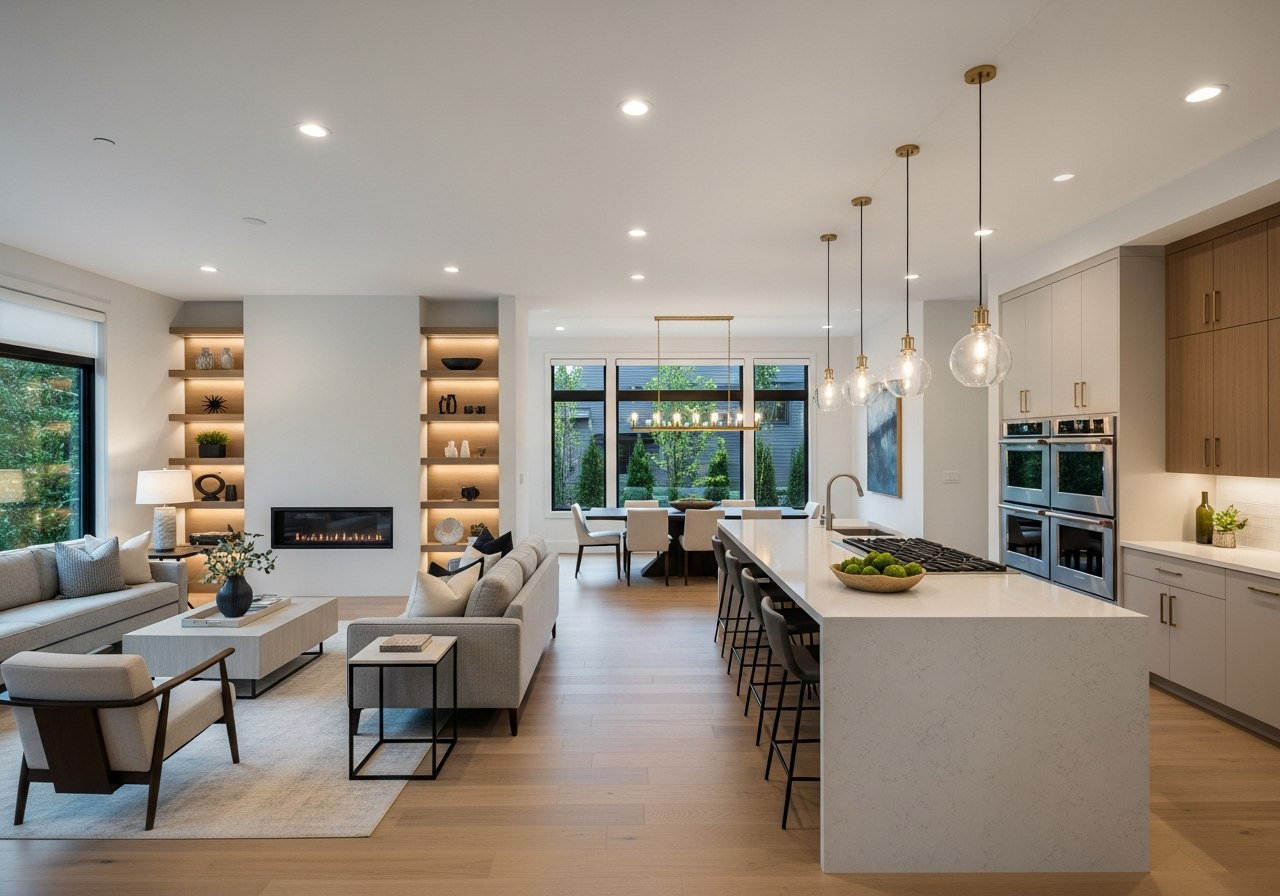
Lock in a detailed fixed-price contract whenever possible, with specific allowances for finishes like tile, flooring, and fixtures. Track spending weekly against your budget using a spreadsheet or construction management app. Make all design decisions before demolition begins — mid-project changes are the primary cause of budget overruns, costing 15% to 30% more than pre-construction selections.
Prioritize spending on elements that are difficult to change later: structural layout, window placement, plumbing locations, and electrical panel capacity. Save money on elements that are easy to upgrade over time: light fixtures, hardware, paint colors, and decorative tile. This hierarchy ensures your renovation investment is optimized for both immediate impact and long-term flexibility. For comprehensive renovation strategy, visit our home renovation tips guide.
Frequently Asked Questions
Is a gut renovation worth it financially?
A gut renovation is financially worthwhile when the after-renovation value of your home significantly exceeds the purchase price (if applicable) plus renovation costs, or when the alternative — buying a comparable move-in-ready home in the same neighborhood — would cost more. In high-value neighborhoods with limited inventory, gut renovations typically deliver strong returns. Consult a local real estate appraiser for an as-renovated value estimate before committing.
What is the most expensive part of a gut remodel?
The kitchen and bathrooms are typically the most expensive rooms in a gut renovation, together consuming 30% to 45% of the total budget. Among individual trade categories, mechanical systems (electrical, plumbing, HVAC) represent the largest single cost group at 25% to 35% of the total. Structural repairs, when needed, can also be a major expense — foundation work alone can add $20,000 to $50,000 or more.
How much should I set aside for contingencies?
For a gut renovation, budget a 15% to 20% contingency reserve on top of your estimated project cost. Gut renovations have a higher rate of unexpected discoveries than other remodeling types because opening walls and floors reveals hidden conditions. On a $200,000 gut renovation, set aside $30,000 to $40,000 in contingency funds. If you do not use the full contingency, it becomes a bonus for furniture, landscaping, or savings.
Can I gut renovate one room at a time?
Technically yes, but phasing a gut renovation room by room is 20% to 40% more expensive than completing the entire house at once. Contractors charge mobilization costs for each phase, and coordinating trades across multiple visits increases labor expense. Phased renovations also create messy transitions between renovated and unrenovated spaces. If budget constraints require phasing, start with the kitchen and bathrooms — these deliver the most immediate lifestyle improvement and highest ROI.
Related Articles
Learn more about whole-house renovation planning: How to Remodel a House: Where to Start, How to Prepare for a Home Remodel, How Much Does It Cost to Remodel a House, and How to Use AI to Plan a Home Remodel.
Plan Your Whole-House Renovation with HanoDecor
Planning a gut renovation is easier when you can visualize the finished result. Use our AI-powered design tools to see what each room could look like after renovation — experiment with different styles, layouts, and finishes before committing to expensive construction decisions.
Try HanoDecor Studio free — upload photos of your rooms and preview complete transformations in seconds. Pair with our AI Room Designer to explore specific design styles for every room in your renovation plan. Browse our design gallery for whole-house renovation inspiration.
How Much Does a Full Gut Remodel Cost? Whole-House Renovation Pricing FAQs
Written by
Priya Sharma
Priya is an award-winning UX designer who previously led design teams at Airbnb and Pinterest. Her focus on user-centered design ensures that HanoDecor's tools are intuitive and accessible to everyone, regardless of their technical background.