How to Mix Modern and Vintage Decor: 9 Expert Rules for Effortless Style
Quick Summary
A comprehensive guide to mixing modern and vintage decor with 9 expert rules covering the 70/30 ratio, color bridging, scale balance, era mixing, furniture refinishing, and creating intentional juxtaposition that looks curated rather than chaotic.
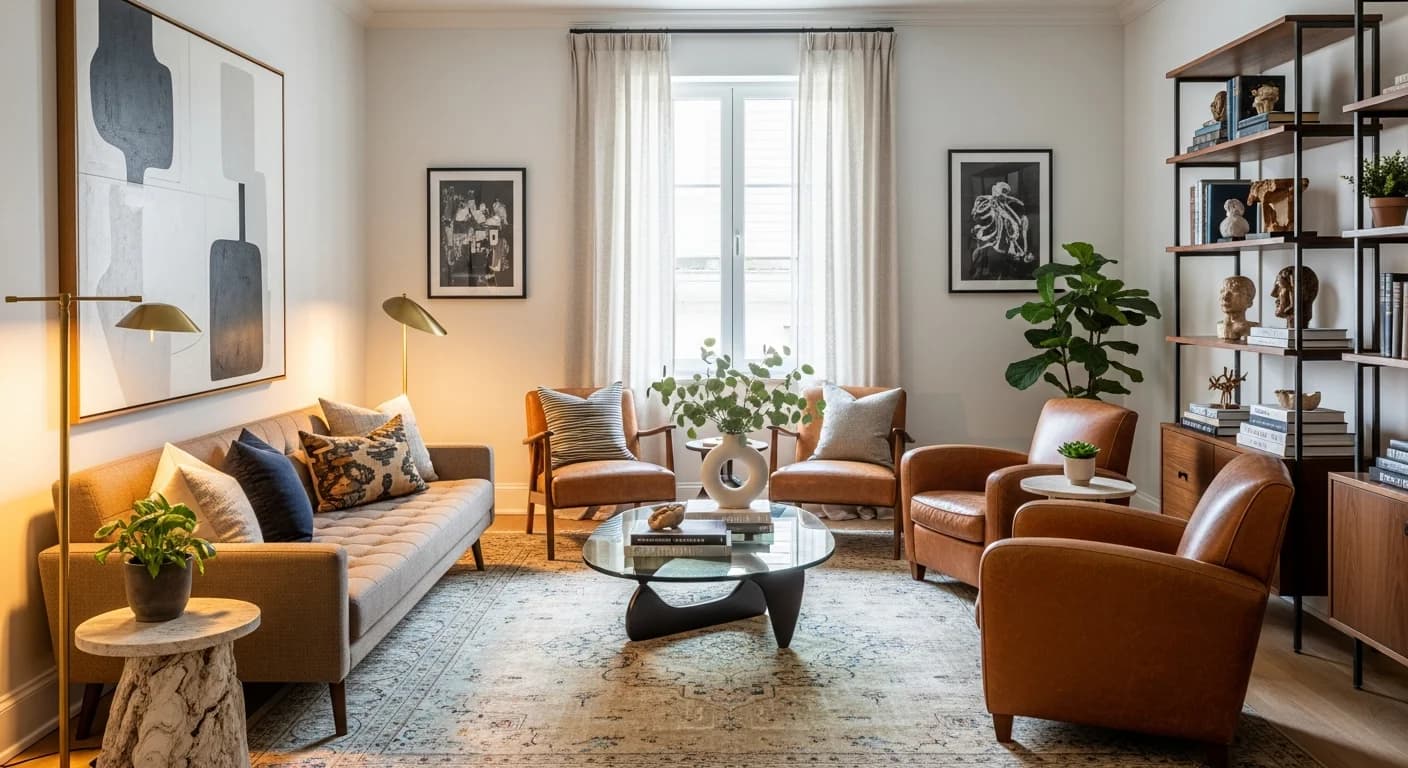
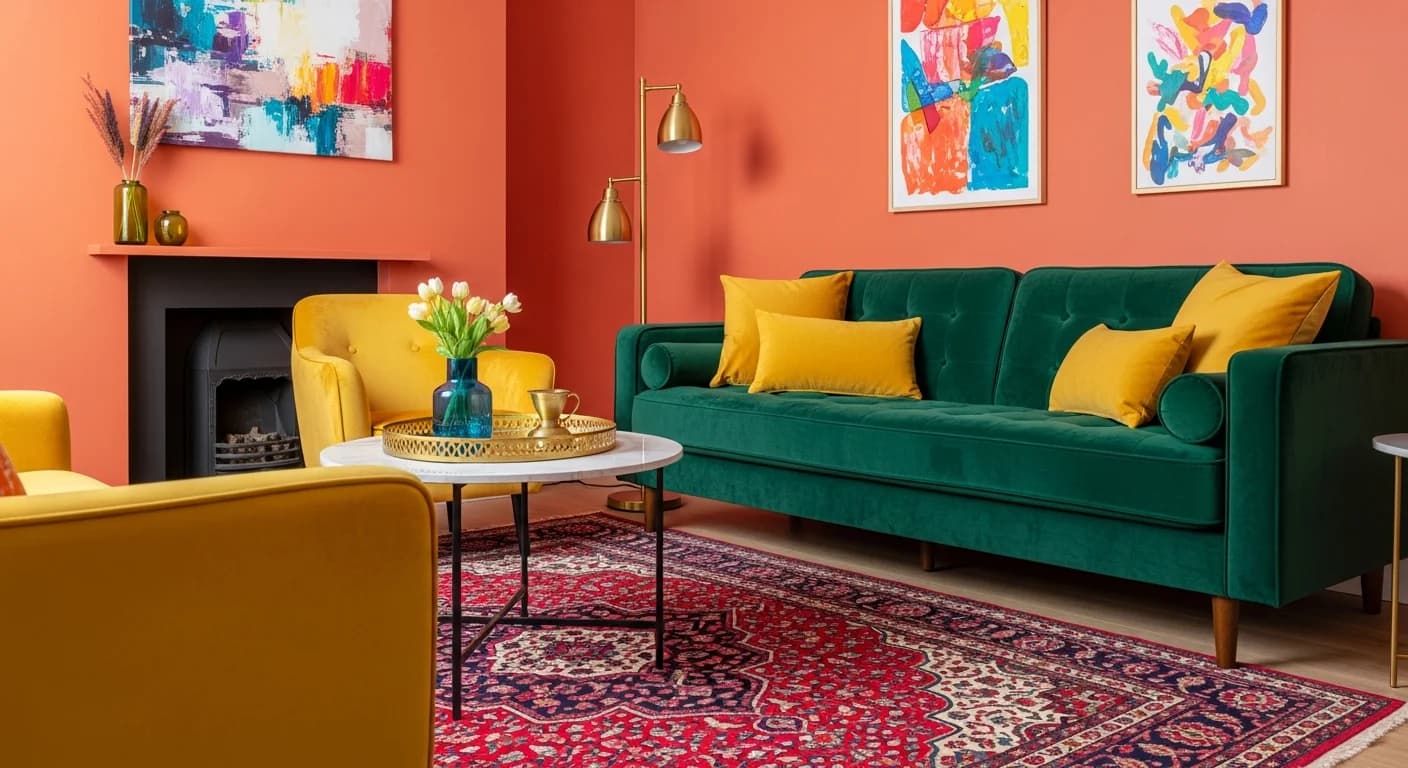
The most interesting rooms in the world are never all-new or all-old — they are thoughtful blends of both. Learning how to mix modern and vintage decor is what separates a room that feels like a catalog page from one that feels lived-in, personal, and layered with character. The challenge is finding the balance: too many vintage pieces and the room looks dated, too many modern pieces and it feels sterile, but the right combination creates an eclectic, collected aesthetic that tells a story.
This mixing technique has become one of the most requested skills in contemporary interior design. Leading design publications from Elle Decor to Architectural Digest consistently feature rooms that blend mid-century modern chairs with contemporary art, Victorian mirrors with minimalist consoles, and industrial lighting with traditional upholstery. The approach works because it creates visual tension — the contrast between old and new highlights the best qualities of each piece. These 9 expert rules will help you achieve that effortless "collected over decades" look without the decades of collecting.
Why Mixing Modern and Vintage Creates the Most Compelling Rooms
All-modern rooms often feel cold, impersonal, and catalog-generic. All-vintage rooms can feel museum-like or trapped in a specific era. Mixing the two creates a dynamic tension that engages the eye and tells a layered story. Design psychologists note that rooms with varied era provenance are perceived as 40% more interesting and 25% warmer than single-era spaces. The contrast between sleek contemporary lines and the patina of aged materials creates visual richness that neither style achieves alone.
Beyond aesthetics, mixing old and new is also a sustainability strategy. Reusing vintage furniture keeps quality pieces out of landfills and reduces the environmental footprint of furnishing a home. A vintage solid-wood dresser refinished with modern hardware is both more durable and more sustainable than a new particle-board alternative. The best transitional interiors prove that sustainable decorating and beautiful decorating are not competing goals — they are complementary ones.
Rule 1 — Follow the 70/30 Ratio: One Era Dominates
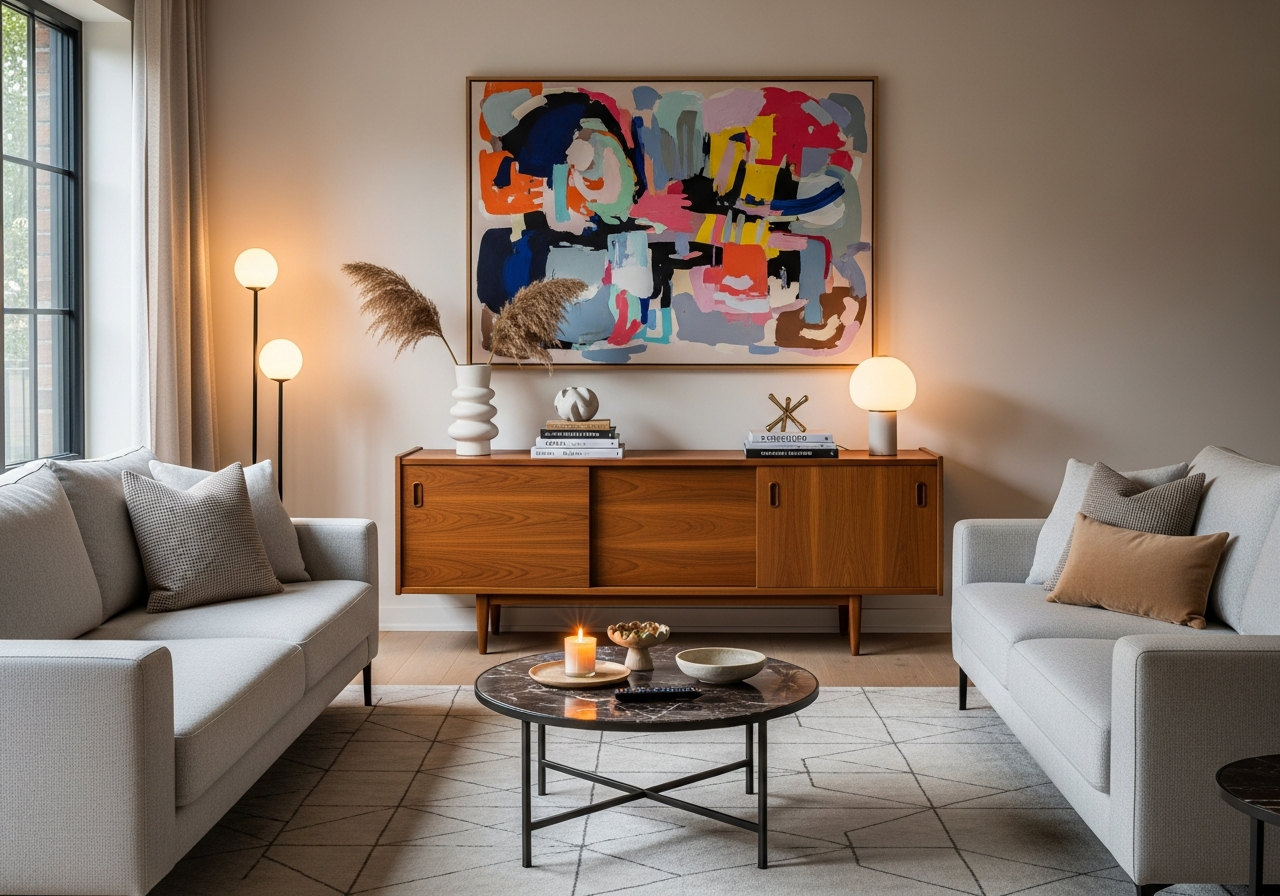
The most reliable rule for mixing modern and vintage is the 70/30 ratio: let one era represent approximately 70% of the room and the other 30%. In most cases, a modern foundation (sofa, wall color, lighting) with vintage accent pieces (side table, mirror, artwork) creates the most livable result. The dominant era sets the room's overall mood, while the secondary era adds character and contrast.
A 50/50 split almost always looks confusing — the room appears torn between two identities rather than intentionally blended. The 70/30 ratio gives viewers a clear reading of the room's primary style while signaling that the secondary pieces are deliberate choices, not leftovers. Start by identifying your dominant era and then strategically introduce pieces from the opposite era in supporting roles. An all-modern room needs one or two vintage conversation pieces; a vintage-dominated room benefits from a few contemporary updates.
Rule 2 — Use Color as the Bridge Between Eras
Color is the most effective tool for unifying pieces from different periods. A mid-century modern credenza in walnut and a contemporary sofa in charcoal feel cohesive when a throw pillow picks up the warm wood tone in a complementary textile. Pull two to three colors from your vintage pieces and echo them in your modern elements — a brass lamp that matches the hardware on a vintage dresser, or curtains that reference the tones in an antique rug.
Establishing a neutral base palette (whites, grays, warm taupes) provides a calming backdrop against which both modern and vintage pieces pop without competing. Let the vintage items bring warmth through natural wood tones and aged patinas, and let modern pieces contribute clean-lined silhouettes in your accent colors. When color flows consistently across eras, the room reads as curated rather than chaotic. For help building a unified palette, see our living room color schemes guide.
Rule 3 — Pair Similar Scales for Visual Balance
Scale mismatches create visual discomfort. A delicate Victorian accent chair next to a massive modern sectional looks lost, while a hulking antique armoire overwhelms a small modern bedroom. When pairing old and new, match the visual weight: a substantial vintage dining table pairs well with modern dining chairs of similar seat height and presence, while a petite vintage side table complements a streamlined contemporary sofa without competing for attention.
Pay attention to leg styles as a scale indicator. Furniture with exposed legs (tapered mid-century modern legs, turned Victorian legs, hairpin legs) shares a visual lightness that creates cohesion across eras. Heavy, skirted pieces with hidden legs have a different visual weight that pairs best with other grounded pieces. Mixing light and heavy within the same seating group creates balance — one visually heavy piece (like a tufted vintage armchair) balanced by two lighter ones (like modern wire-frame side chairs).
Rule 4 — Choose One Connecting Material or Finish
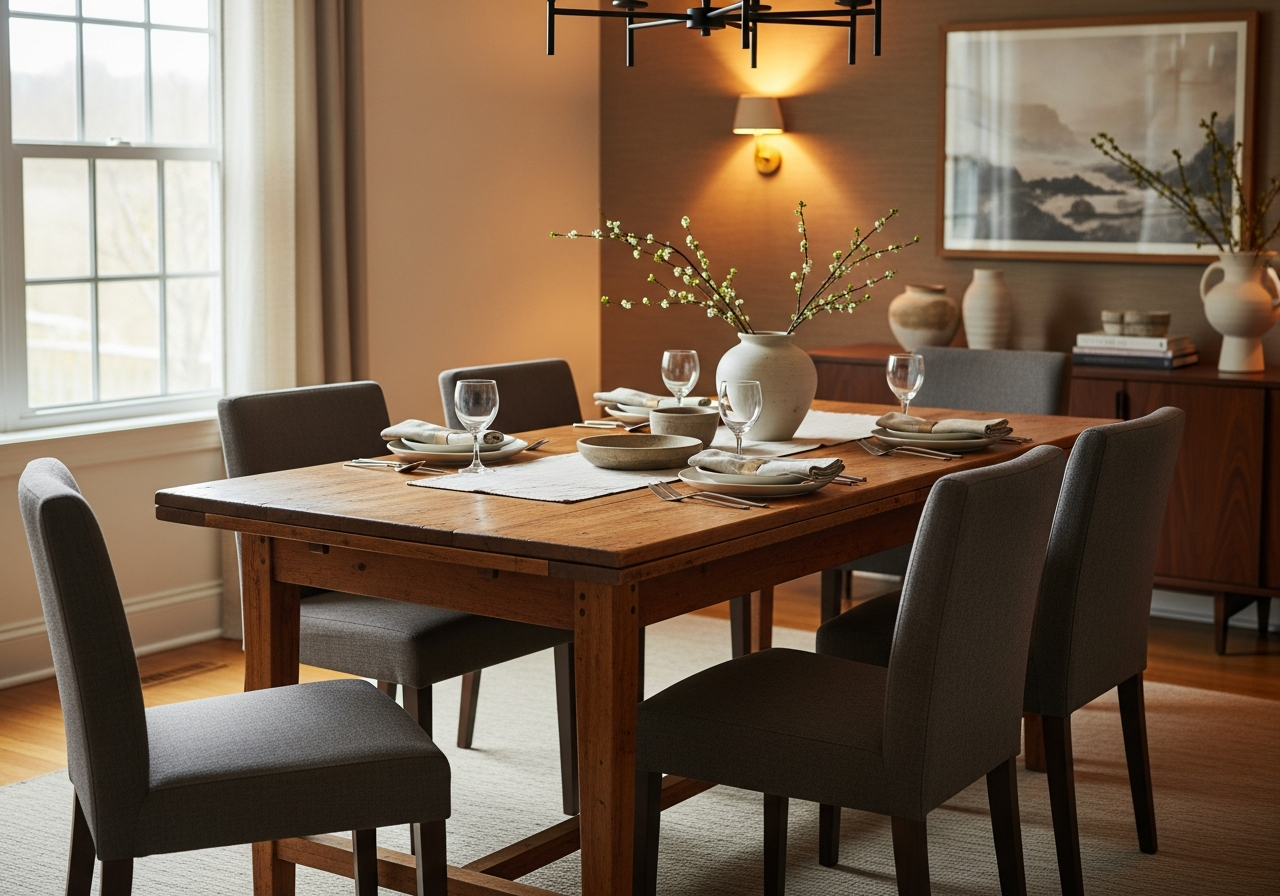
A single repeated material creates a through-line that ties disparate eras together. Brass hardware on both a vintage mirror and modern cabinet pulls creates unconscious cohesion. Natural wood tones that appear in both a mid-century bookshelf and a contemporary dining table unify the space. Black metal that shows up in an industrial vintage lamp, modern curtain rods, and picture frames serves as a visual thread connecting different periods.
The connecting material does not need to dominate — it just needs to recur in at least three to four locations throughout the room. This repetition creates rhythm and signals intentionality. Choose one metal finish (brass, chrome, black iron, or brushed nickel) and use it for hardware, lighting, and small accessories across both modern and vintage pieces. The connecting material is your room's visual glue.
Rule 5 — Invest in Quality Vintage Pieces for High-Impact Spots
Not every vintage piece deserves a prominent position. Save your best vintage finds for high-visibility locations: the entry console, the living room coffee table, the dining room chandelier, or the bedroom headboard. These statement positions maximize the impact of each vintage piece and create focal points that draw the eye. A single stunning vintage find in a prominent spot is worth more than five mediocre pieces scattered around the room.
The best vintage investments for modern homes include: solid-wood case goods (dressers, credenzas, sideboards) that outlast modern alternatives by decades, decorative lighting (chandeliers, table lamps, sconces) with unique character, mirrors with interesting frames, and original artwork or prints. Vintage upholstered pieces can work but require reupholstering ($300 to $1,200 for a chair) unless the existing fabric aligns perfectly with your palette and condition standards.
Rule 6 — Update Vintage Pieces with Modern Context
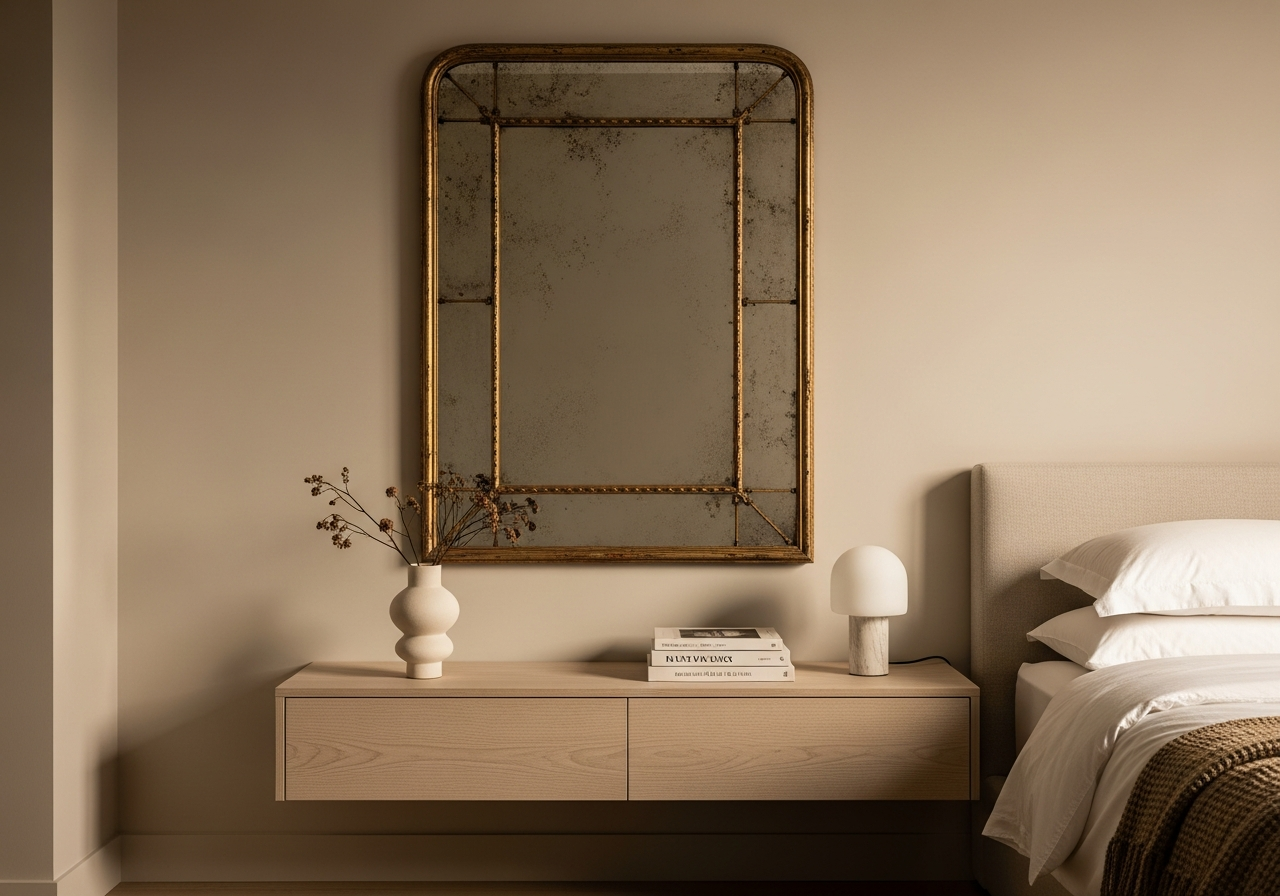
Placing a vintage piece in a modern context immediately refreshes it. A Victorian-era gilded mirror hung above a floating modern vanity looks deliberately chosen rather than inherited. An antique wooden chest used as a coffee table with contemporary decor on top reads as curated. A vintage crystal chandelier in a room with clean white walls and modern furniture becomes a sculptural statement rather than a dated fixture. Context is everything — the surrounding modern elements reframe the vintage piece as an intentional design choice.
Physical updates can also bridge eras. Swap the hardware on a vintage dresser with modern brass pulls. Paint a vintage bookcase in a contemporary color like sage or charcoal. Reupholster a vintage chair frame in a current fabric — a 1960s barrel chair in boucle or performance linen feels fresh and modern while retaining its vintage silhouette. These updates preserve the character and craftsmanship of vintage pieces while aligning them with contemporary taste.
Rule 7 — Mix Eras, Not Just Two Periods
The most sophisticated mixed spaces draw from three or more eras rather than just "modern" and "vintage." A room with a 1950s Eames chair, an 1800s Persian rug, a 2024 modular sofa, and 1970s brass table lamps feels deeply layered and collected. Each era contributes a different quality: the mid-century chair brings iconic silhouette, the Persian rug brings pattern richness and warmth, the contemporary sofa provides comfort and clean lines, and the vintage lamps add warmth and personality.
Avoid committing to a single vintage decade — a room where everything is 1960s mid-century modern is just a period room, not a mixed room. Instead, select the best of each era and let them coexist. Art Deco geometry next to Scandinavian simplicity next to industrial rawness creates a conversation between styles that keeps the eye moving and the mind engaged. The connecting thread is your personal taste and your unifying color palette. For a deeper look at blending antique finds into contemporary settings, read our guide on incorporating antiques into modern decor.
Rule 8 — Create Intentional Juxtaposition, Not Random Mixing
Successful modern-vintage mixing is about deliberate contrast, not accidental proximity. Place a rough, weathered vintage wood bench directly below a sleek modern print — the contrast highlights both pieces. Position an ornate gilt vintage mirror above a clean-lined floating shelf — each makes the other more interesting. Put a rustic vintage ceramic vase on a polished modern marble side table — the material contrast creates visual magnetism.
Random mixing, by contrast, scatters vintage and modern pieces without regard for how they interact. When vintage and modern items are placed adjacent to each other, they should create a deliberate conversation: smooth next to rough, ornate next to simple, curved next to angular. Every pairing should feel like a choice, not an accident. If a vintage piece does not create an interesting dialogue with its modern neighbor, try a different placement until it does.
Rule 9 — Edit Ruthlessly: Not Every Old Piece Deserves Display
The biggest mistake in modern-vintage mixing is keeping vintage items out of obligation rather than love. Not every inherited piece, thrift-store find, or family heirloom enhances your home. Curate your vintage collection with the same critical eye you apply to new purchases: does this piece have excellent form, interesting patina, or personal significance? Does it work with your color palette? Does it create a meaningful contrast with its modern surroundings? If the answer to all three is no, the piece is clutter, not decor.
Aim for five to eight strong vintage pieces per room maximum, each chosen for its design merit or personal meaning. Quality over quantity is the fundamental principle of curated eclecticism. A single exceptional vintage piece — a hand-thrown ceramic lamp, a well-proportioned antique side table, a beautifully aged leather armchair — creates more impact than a dozen mediocre flea-market finds spread across every surface.
Related Articles
Explore more style-mixing and decorating guides: learn how to match furniture with your decor style, discover techniques for mixing modern and traditional decor, get inspired by mid-century modern living room ideas, browse our living room ideas gallery for curated style combinations, and learn how to style bookshelves to showcase your vintage finds.
Frequently Asked Questions
What is the best ratio of modern to vintage decor?
The 70/30 ratio works best for most homes: 70% modern pieces forming the room's foundation (sofa, wall color, primary lighting) and 30% vintage pieces providing character and contrast (accent furniture, mirrors, artwork, decorative objects). This ratio gives the room a clear contemporary identity while ensuring vintage pieces read as deliberate additions rather than leftovers. Adjust toward 60/40 if you prefer a more eclectic feel.
Where should I put vintage pieces in a modern room?
Place your best vintage finds in high-visibility locations where they become focal points: the entry console or table, the living room side table or coffee table, the dining room chandelier or buffet, and the bedroom headboard or dresser. These positions maximize impact and ensure every vintage piece earns its place. Avoid hiding quality vintage pieces in corners or bedrooms where they are rarely seen.
How do I make vintage furniture look modern?
Three techniques modernize vintage furniture: replace hardware with contemporary pulls and knobs (brass, matte black, or brushed nickel), reupholster in a current fabric (boucle, performance linen, velvet in muted tones), or repaint in a modern color (sage, charcoal, warm white). Placing a vintage piece in a modern context — a Victorian table surrounded by contemporary chairs — also reframes it as intentionally chosen rather than inherited.
Does mixing modern and vintage decor work in small spaces?
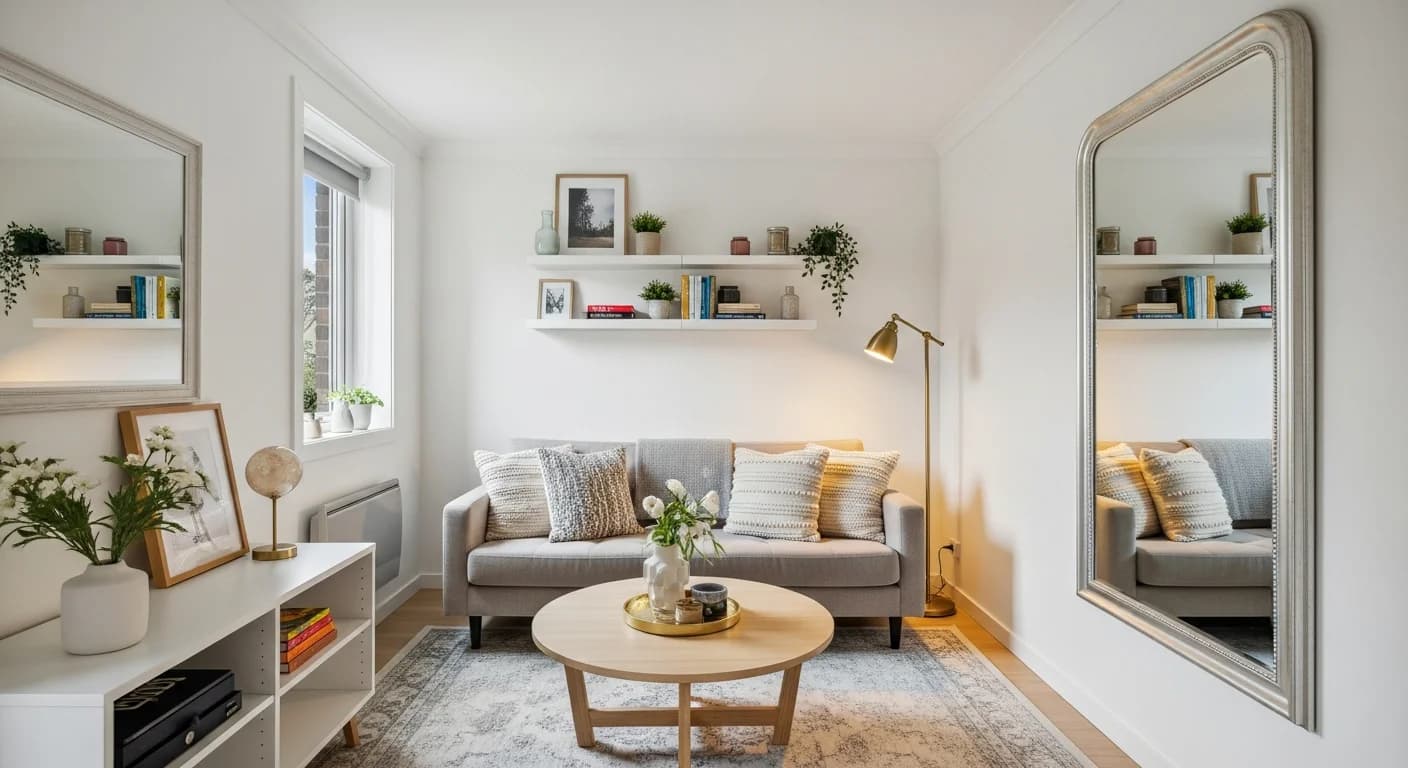
Absolutely. In small spaces, limit vintage pieces to two or three high-impact items — a statement mirror, a side table, and a piece of art, for example. Keep the modern foundation clean and minimal (white walls, simple modern sofa, streamlined storage) and let the vintage accents provide all the personality. The contrast between a few carefully chosen vintage pieces and a simple modern backdrop is actually more dramatic in a small room than in a large one.
Visualize Your Modern-Vintage Mix with HanoDecor
Wondering how a vintage accent piece will look in your modern room? Upload a photo of your space and let our AI Room Designer show you different style combinations — from transitional modern-vintage to full eclectic. Preview how different eras and aesthetics interact in your specific room before committing to any purchases.
Try the AI Room Designer free — see your room styled in transitional, eclectic, and collected looks in seconds. For more style-mixing techniques, explore our guide to mixing patterns in decor, and browse the design gallery for real examples of modern-vintage interiors. Learn how to decorate your living room or style your bedroom using these mixing principles.
How to Mix Modern and Vintage Decor FAQs
Written by
Priya Sharma
Priya is an award-winning UX designer who previously led design teams at Airbnb and Pinterest. Her focus on user-centered design ensures that HanoDecor's tools are intuitive and accessible to everyone, regardless of their technical background.