Bedroom Wall Painting Ideas: Restful Designs for Every Style
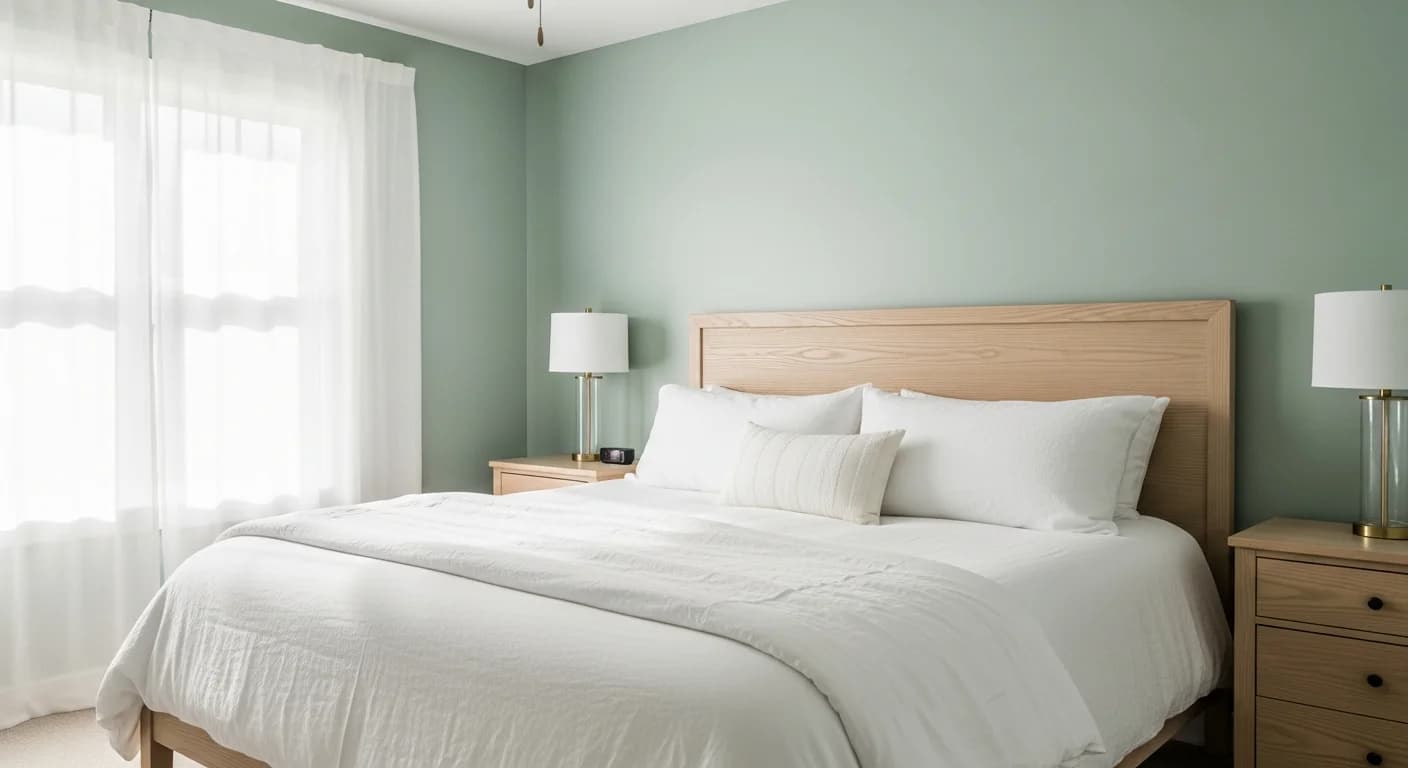
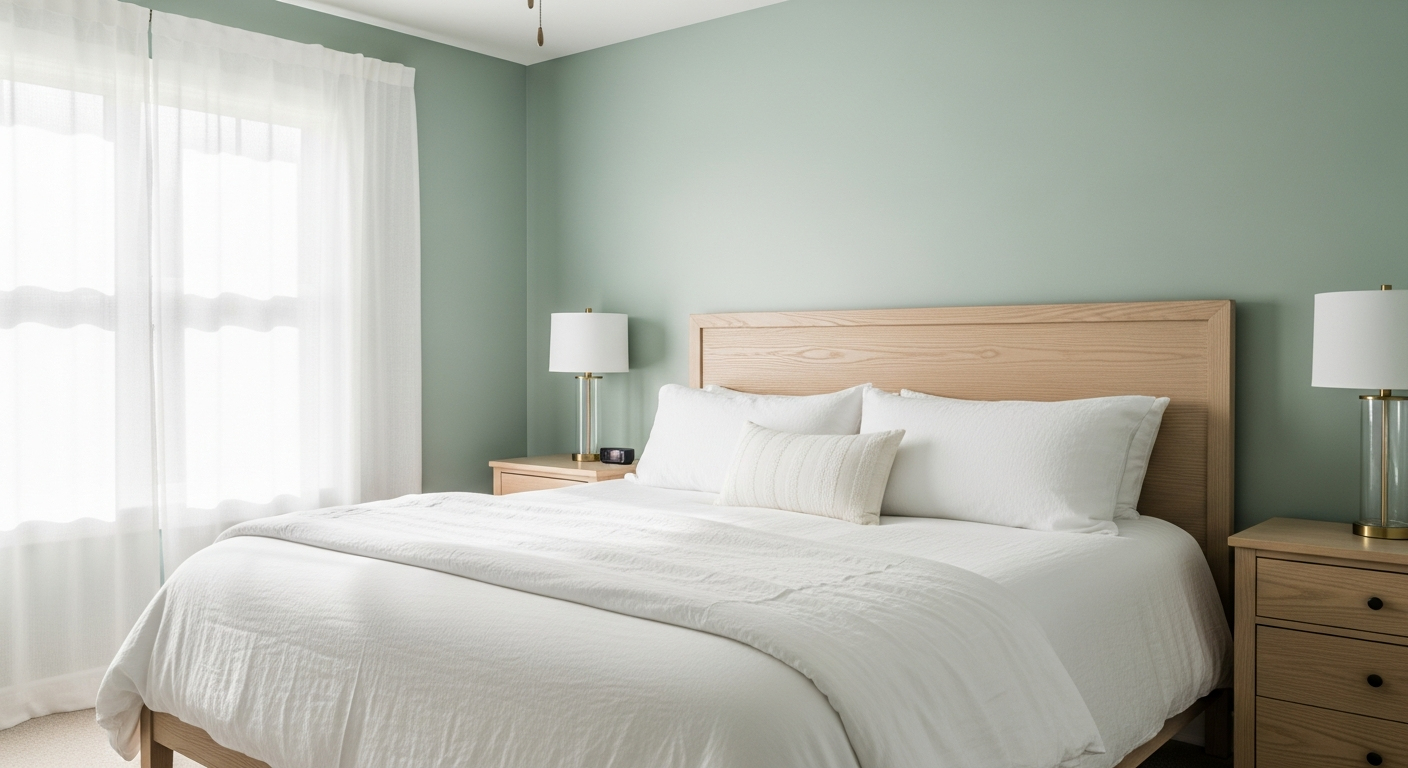
The bedroom is the most personal room in a home — the first thing seen each morning and the last thing seen each night. Yet most bedrooms receive the least creative attention when it comes to wall color, defaulting to safe beige or builder-grade white. That is a missed opportunity. The right wall painting technique in a bedroom does not just add color — it creates a sense of enclosure and comfort, defines the headboard zone without expensive upholstery, and sets an emotional tone that directly affects how rested you feel.
Unlike living room wall painting, which prioritizes visual drama for guests, bedroom walls should balance beauty with calm. The techniques in this guide — painted arches, soft ombre gradients, half-painted walls, nursery murals, and teen-friendly geometric designs — all prioritize restfulness without sacrificing style. For the complete overview of wall painting ideas across all rooms, see our comprehensive wall painting guide.
The Painted Arch: 2026's Most Popular Bedroom Technique
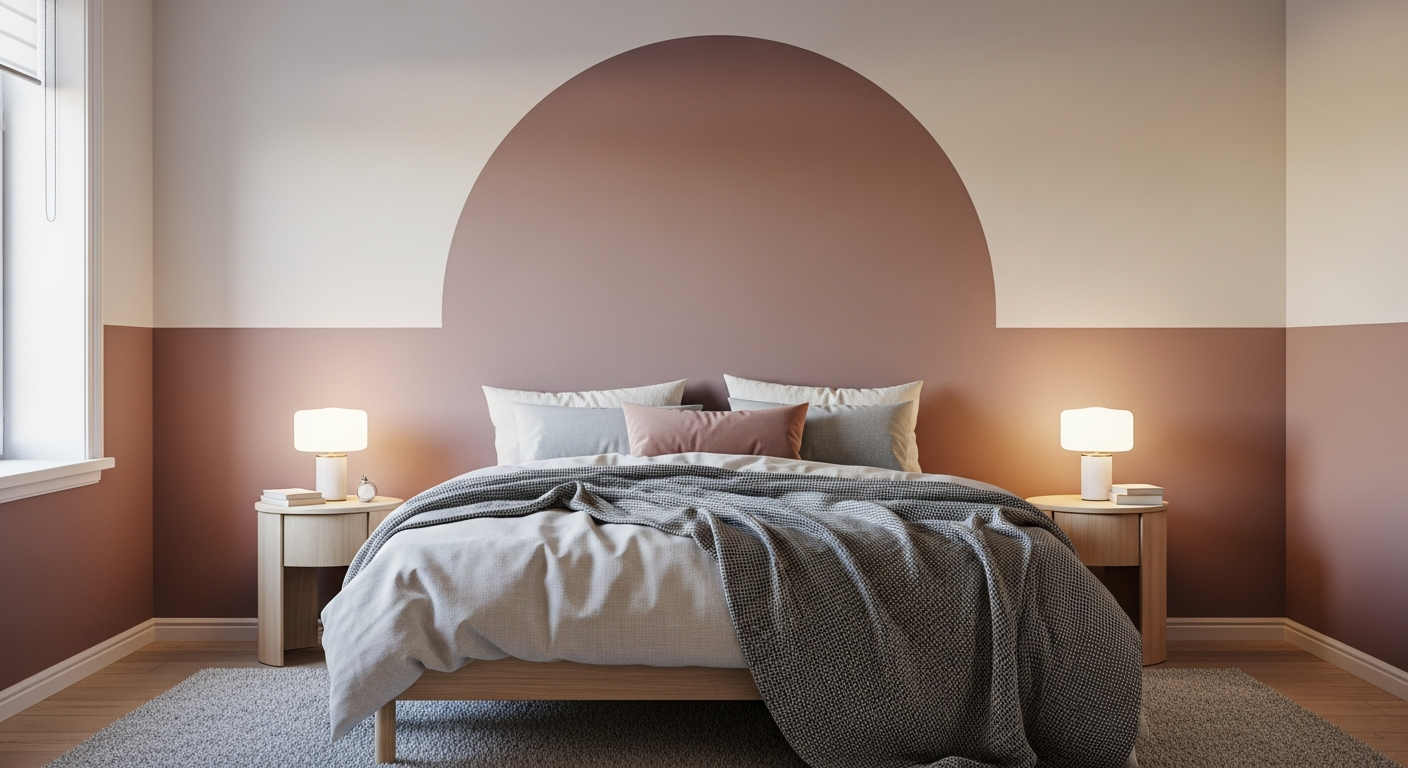
Behind-the-headboard arch: The painted arch creates a visual headboard by framing the bed with a bold color curved above and around it. To create one, tie a string to a pencil, hold the other end at the center of the wall at headboard height, and sweep the pencil in a half-circle. The radius should extend 6-12 inches beyond the width of the bed on each side. Fill the arch with your chosen color — dusty rose, deep teal, or warm terracotta are the top choices in 2026. Material cost: approximately $20-30 for a quart of paint, since the arch covers less surface area than a full accent wall.
Double arch in tonal shades: For added depth, paint two nested arches using two tones from the same color family — a deeper shade for the inner arch and a lighter shade for the outer one. The outer arch extends 4-6 inches beyond the inner arch on each side. The layered effect creates a sense of receding depth that makes the headboard area feel like a distinct alcove, even in a room with perfectly flat walls.
Extended arch with color drench: Take the arch further by continuing the color across the ceiling above the bed. The arch rises from the wall, curves overhead, and stops at the first third of the ceiling. This cocoon-like effect is especially effective in bedrooms with high ceilings, where the arch creates an intimate canopy effect without fabric or hardware. Choose deep, warm colors — forest green, midnight blue, or burgundy — for maximum cocooning impact.
Soft Ombre and Gradient Effects for Rest
Cool-tone vertical ombre: Blues and greens are scientifically associated with calm and reduced heart rate, making them ideal for bedroom ombre effects. A gradient from deep ocean blue at the baseboard to soft sky blue near the ceiling evokes open sky and water — both naturally relaxing imagery. Work in 10-inch horizontal bands, blending each transition zone while the paint is still wet. The key is working quickly and keeping a damp brush for feathering. Budget 4-5 hours for a single accent wall.
Warm sunset ombre: For bedrooms that receive eastern morning light, a warm ombre from dusty rose at the base through peach to soft cream at the ceiling captures the quality of dawn. The wall literally glows during golden hour. This palette works best in rooms with warm-toned flooring (honey oak, walnut, or warm laminate) and natural fiber textiles like linen and cotton.
Neutral gradient: Not every ombre needs color intensity. A gradient from warm greige at the base to off-white at the ceiling adds subtle depth and warmth without introducing a strong color statement. This technique suits bedrooms where the textiles and art provide the primary visual interest — the wall becomes a quiet, dimensional backdrop. Explore colors that make rooms appear larger for additional small bedroom strategies.
Half-Painted Walls and Modern Minimalism
Classic half-height split: Paint the lower half of the bedroom wall in a muted, grounding color — charcoal, navy, or sage — and leave the upper half white. The split creates a sense of visual weight at the base, grounding furniture and making the room feel anchored. This technique works exceptionally well in minimal, Scandinavian-inspired bedrooms where the simplicity of two tones is the entire design statement.
Two-thirds split behind the bed: Instead of splitting at the midpoint, paint the lower two-thirds of the wall behind the bed in your accent color. This proportion covers the headboard and creates a color block that feels intentional and architectural. Leave the remaining one-third and ceiling white. The proportions create a natural frame around the bed that makes even a basic bed frame look designer-placed.
Angled split: Run the paint division diagonally from one corner to the opposite side — starting at floor level on the left and rising to two-thirds height on the right, for example. This dynamic angle adds energy and modernity to the bedroom without the complexity of geometric patterns. It is particularly effective in guest bedrooms where a single unconventional detail creates a memorable impression.
Nursery and Kids' Room Wall Painting Ideas
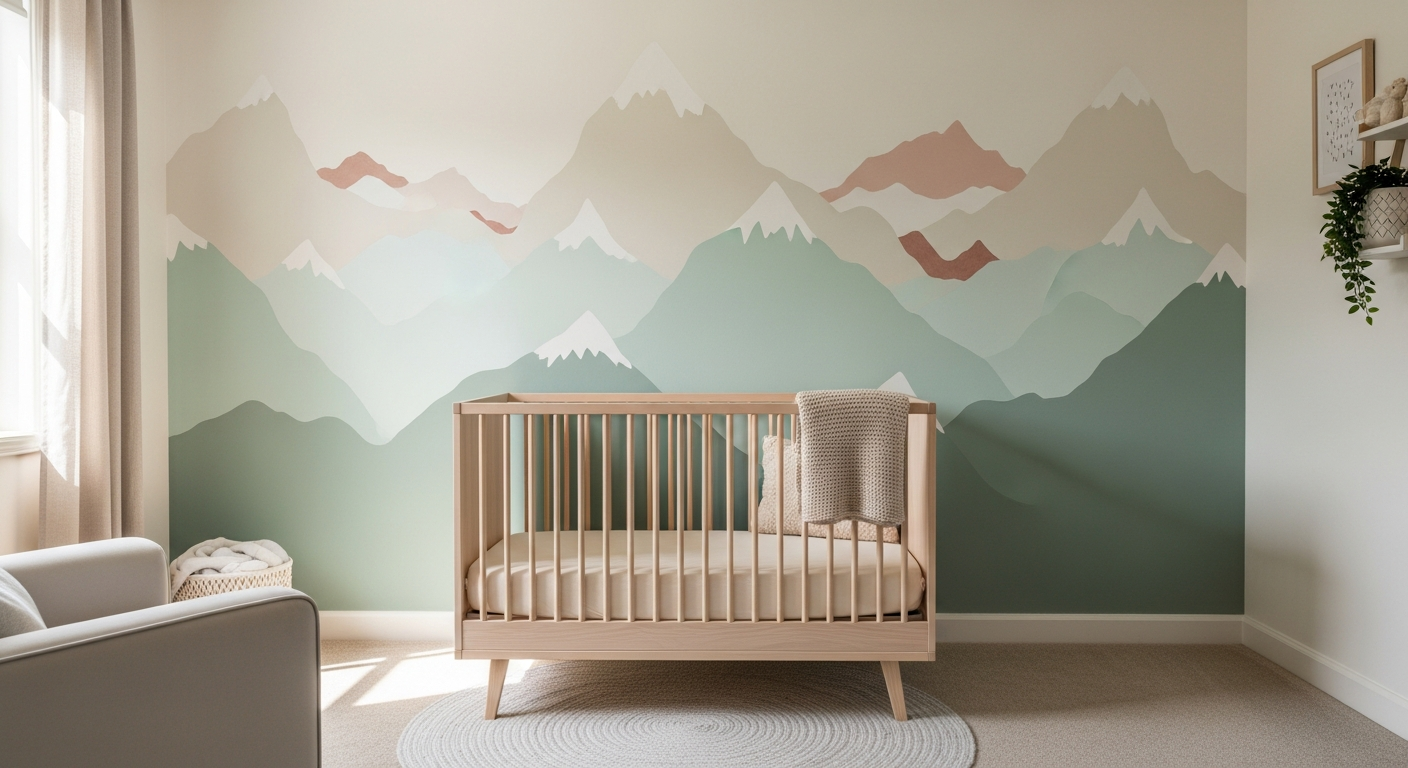
Mountain landscape mural: Simple layered mountain silhouettes painted in three to five muted tones — soft mint, dove gray, sage, cream — create a gender-neutral nursery wall that grows with the child. Start with the background (lightest) mountains near the ceiling, layering progressively darker mountain ranges toward the baseboard. No artistic skill required — gentle, freehand curves look more natural than rigid geometric mountains. This is one of the most popular nursery wall treatments because it avoids themed decor that becomes outdated quickly.
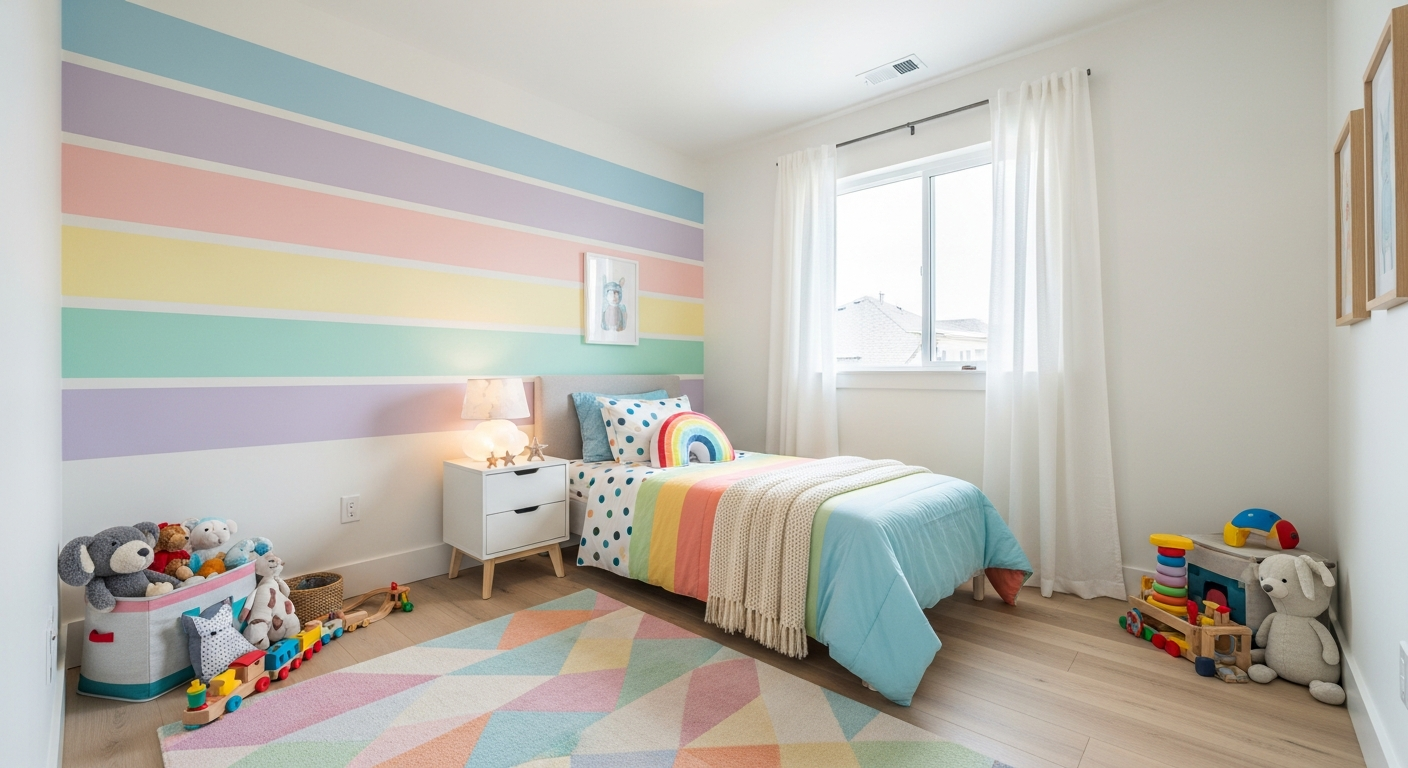
Rainbow stripes: For children's rooms ages 3-8, wide horizontal rainbow stripes in softened pastel tones (not primary colors) create a playful but not overstimulating environment. Use 8-10 inch stripes in colors like soft coral, warm yellow, mint green, sky blue, and lavender. Keep each color muted — add white to any paint color to soften it — so the rainbow reads as gentle rather than intense. Budget $60-80 for five or six paint colors.
Star map ceiling-to-wall design: Paint the bedroom ceiling a deep navy or midnight blue, then continue the color down the wall behind the bed to about 36 inches from the floor. The dark section becomes a night sky canvas. Use a metallic gold or silver paint pen to add scattered stars — clusters, constellations, or random dots. The effect is magical for children and teens, and the stars catch lamplight beautifully at bedtime.
Teen Bedroom Walls: Bold and Personal
Color-blocked accent wall: Teenagers often crave bold self-expression in their rooms. A color-blocked wall using 3-4 rectangles of contrasting colors — deep teal, burnt orange, charcoal, and cream — creates an art-gallery feel that reflects personality. Use painter's tape for crisp edges and let the teen choose the color combination. The rectangular blocks can vary in size — asymmetry looks more intentional than a grid.
Geometric tape patterns: Chevrons, diamonds, or fragmented geometric shapes in two or three colors give teens a wall that feels custom and creative. A black-and-white geometric pattern works as a permanent backdrop for rotating posters and art. For a softer version, try dusty pink with warm gray and white — geometric but not harsh. These patterns pair well with weekend DIY techniques that teens can participate in.
Ombre statement wall: A deep-to-light ombre behind the bed in a teen's favorite color — from deep violet to lavender, from forest green to mint, or from navy to ice blue — gives them a dramatic backdrop without painting the entire room a dark color. It satisfies the desire for bold color while keeping the room functional and well-lit during study hours.
Color Palettes That Promote Sleep
Blues and blue-greens: Research consistently shows that blue hues support relaxation and lower blood pressure. Soft powder blue, dusty teal, and muted periwinkle are among the most restful bedroom colors. The key is avoiding bright or saturated versions — electric blue energizes rather than calms. Choose blues with gray or green undertones for the most serene effect.
Sage and eucalyptus greens: Green connects subconsciously to nature and safety. Muted greens with gray undertones — sage, eucalyptus, and celadon — create a grounding, organic bedroom atmosphere. These colors pair beautifully with natural wood furniture, white linen bedding, and dried botanical accents. They also work exceptionally well in north-facing bedrooms where warm lighting compensates for the cool green tones.
Warm neutrals with depth: If bold color feels too stimulating for your bedroom, consider warm neutrals that add richness without intensity. Warm greige (gray + beige), mushroom, warm taupe, and creamy oat tones create a cocoon-like atmosphere that suits every decor style from modern to traditional. The psychology of color in interior design supports these warm neutrals as universally calming options.
Blush and dusty rose: Pink in its muted, dusty forms is one of the most underrated bedroom colors. Dusty rose creates warmth without energy, and pairs naturally with both cool metals (silver, chrome) and warm metals (brass, gold). It looks especially striking as a painted arch behind the bed, where its soft warmth frames sleep without overwhelming the room.
Visualize Your Bedroom Wall Painting
Bedroom wall painting decisions affect daily life more directly than any other room — you wake up facing that wall every morning. The difference between a color that relaxes and one that agitates is often just a few shades. Testing on the actual wall matters, but repainting after a mistake is costly and time-consuming.
HanoDecor's AI House Painter lets you upload a photo of your bedroom and preview wall colors, painted arches, ombre effects, and accent wall placements instantly. See how a dusty sage arch looks behind your actual bed, test whether a navy ombre feels calming or overwhelming with your ceiling height, and compare color palettes side by side — so you commit to the bedroom wall painting that supports restful sleep and beautiful mornings.
Related Articles
Bedroom Wall Painting Ideas FAQs
Written by
Emily Rodriguez
Interior Design Editor covering living spaces, styling trends, and room makeovers. Former Architectural Digest contributor with a focus on accessible, budget-conscious design.