Wall Painting Ideas: 50+ Creative Designs for Every Room in 2026
Walls are the largest visual surface in any room — and yet most homeowners default to a single flat color and move on. That approach misses the single most powerful transformation available in interior design. A well-executed wall painting technique can turn a forgettable hallway into a gallery, a bland bedroom into a sanctuary, and a dated living room into a space that feels custom-designed. The best part? Many of these techniques cost under $100 in materials and require nothing more than standard paint, tape, and a weekend.
Whether you are drawn to the clean geometry of tape-based DIY techniques or the drama of a hand-painted mural, the right wall treatment anchors a room's entire design. This guide covers 50+ wall painting ideas organized by room, technique, and surface — with material costs, difficulty ratings, and the design logic behind each approach — so you can choose the idea that matches your space, skill level, and budget.
Color Blocking: Bold Statements With Clean Lines
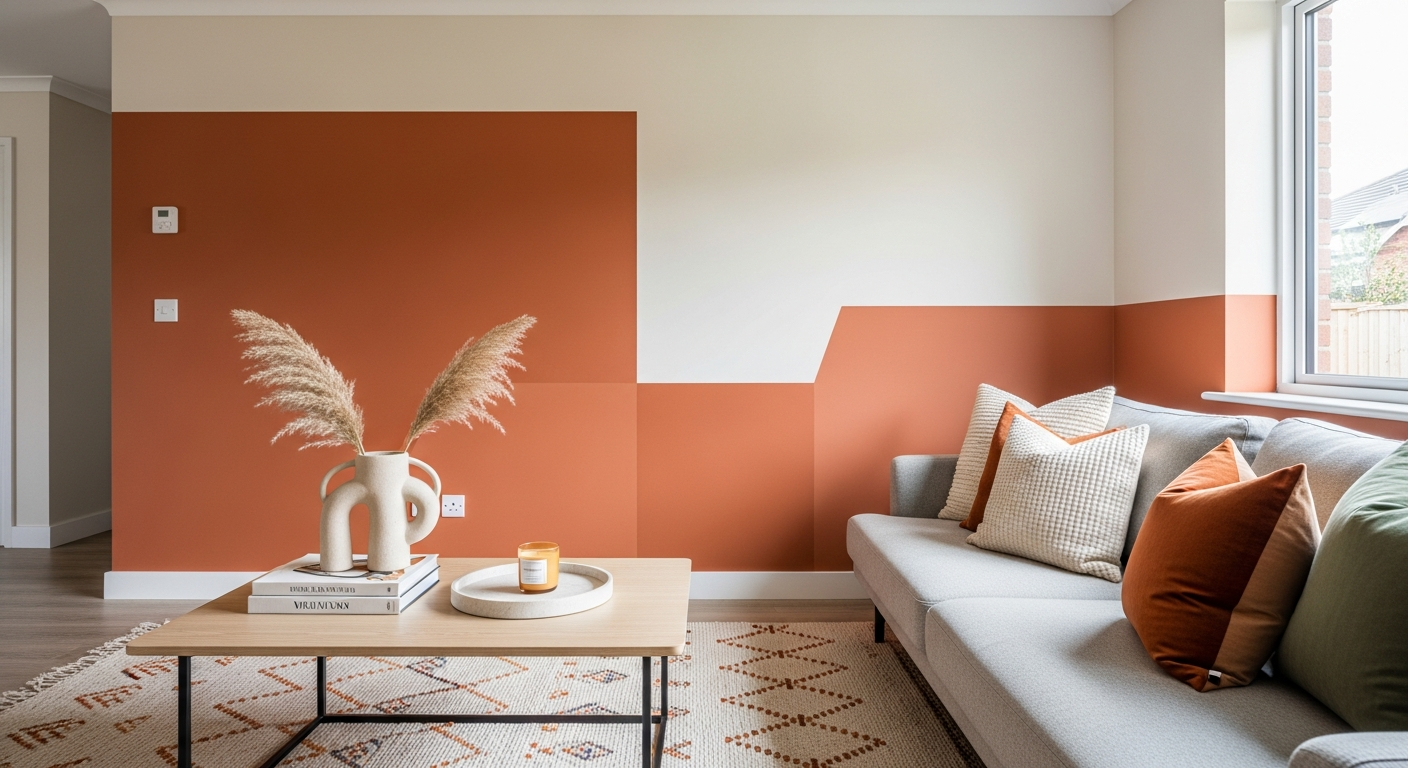
Standard two-tone color blocking: The simplest version splits a wall into two horizontal sections using painter's tape at chair-rail height (about 32-36 inches from the floor). The bottom section carries the darker or bolder color — deep navy, forest green, or charcoal — while the upper section remains white or a very pale neutral. This creates visual weight at the base of the room and makes ceilings appear taller. Material cost for a single accent wall runs $25-40 for two quarts of quality interior paint and a roll of FrogTape.
Asymmetric diagonal color blocking: Rather than a straight horizontal line, run the tape diagonally from one corner to the opposite side. A warm terracotta against crisp white creates a mid-century modern feel, while muted sage against blush reads as contemporary Scandinavian. The asymmetry adds visual interest without the complexity of geometric patterns. Difficulty level: beginner — the diagonal line is more forgiving than it appears because furniture and decor cover the endpoints.
Multi-block compositions: Use three or four colors arranged in large rectangular blocks across a wall. Think Mondrian-inspired but in muted, livable palettes — dusty rose, warm gray, cream, and a single accent like burnt orange. This technique works exceptionally well behind a desk or in a breakfast nook where the wall painting becomes functional art. Budget approximately $50-75 for four paint colors.
Ombre and Gradient Walls: Seamless Color Transitions
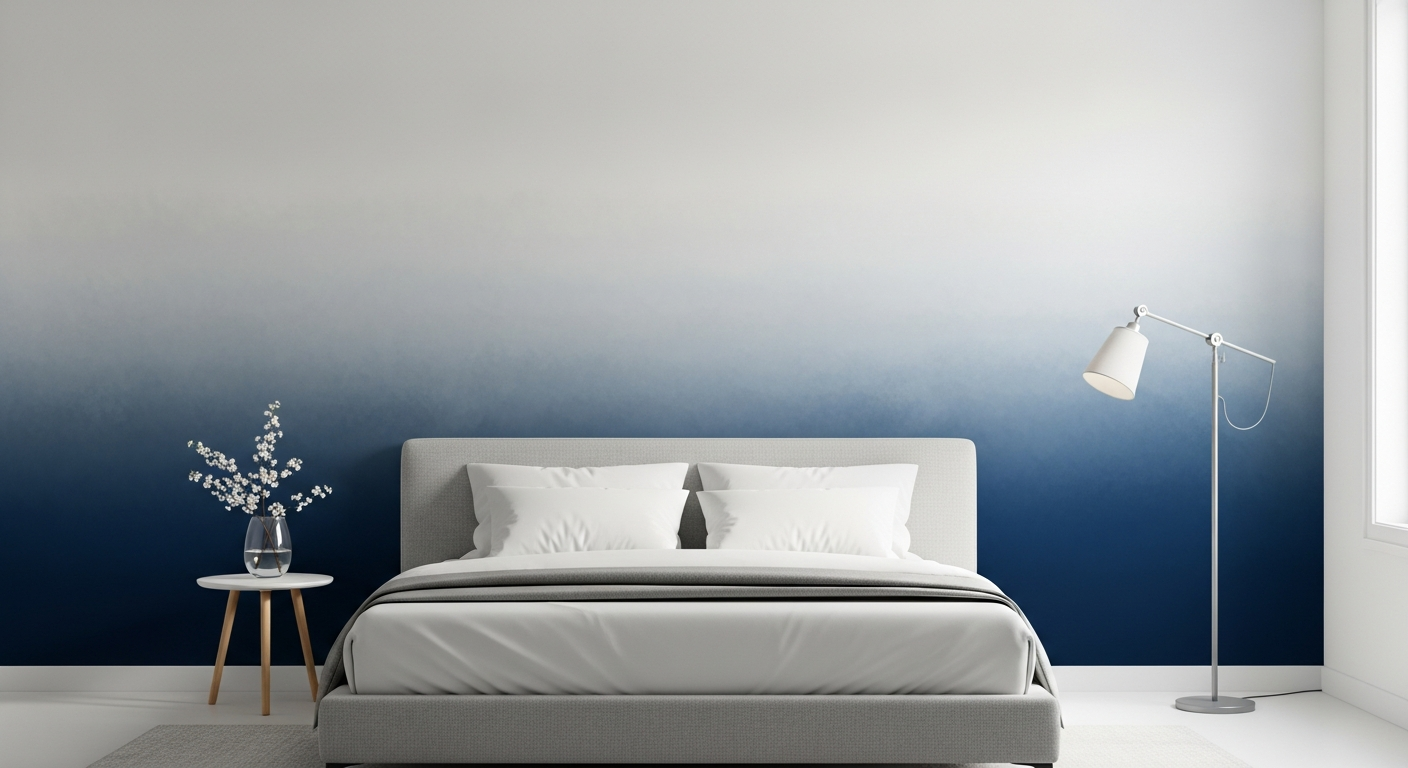
Classic vertical ombre: The ombre technique transitions a single hue from dark at the bottom to light at the top (or vice versa). Start with your deepest shade at the baseboard, then progressively mix in white as you work upward. The key is blending while the paint is still wet — work in horizontal bands of approximately 8-12 inches and feather the edges with a large, damp brush. Navy-to-white creates a serene bedroom atmosphere, while coral-to-peach energizes a home office.
Horizontal ombre: Run the gradient from left to right instead of bottom to top. This technique suits long hallways and dining room feature walls where the eye naturally travels horizontally. A warm palette — deep terracotta fading to sandy cream — evokes desert landscapes and pairs beautifully with natural wood furniture and woven textiles.
Two-color ombre: Instead of lightening a single hue, blend two complementary colors. Forest green transitioning into golden amber creates an organic, almost landscape-like effect. This is more challenging — it requires mixing intermediate shades on your palette before application — but the result is genuinely unique. Plan on three to four intermediate mixes and budget $40-60 in paint.
Sunset gradient: Layer three or more warm tones — deep plum at the base, through rose and coral, ending in soft peach or gold near the ceiling. This dramatic technique suits bedrooms and meditation spaces. It takes patience: expect 4-6 hours per wall including drying time between coats. The payoff is a wall that changes character throughout the day as natural light shifts across its surface.
Geometric Patterns: Tape, Templates, and Precision
Chevron and herringbone: Chevron patterns use angled painter's tape to create V-shaped repeating lines. Mark the wall's center point and measure equal angles outward — 45 degrees is standard but 60 degrees creates a more elongated, modern look. Paint the negative space in your accent color and peel the tape to reveal crisp lines. This technique requires careful measurement but delivers high-impact results for under $40. It is particularly effective in living room feature walls where it creates a strong focal point.
Diamond and harlequin: Create a grid of crossing diagonal lines to form diamond shapes. Alternate filling diamonds with two contrasting colors — navy and white, or blush and gray. The harlequin pattern carries historical weight (think classic European interiors) but reads as completely modern when executed in contemporary color palettes. Mark your grid with a pencil and level before taping to ensure diamonds are uniform.
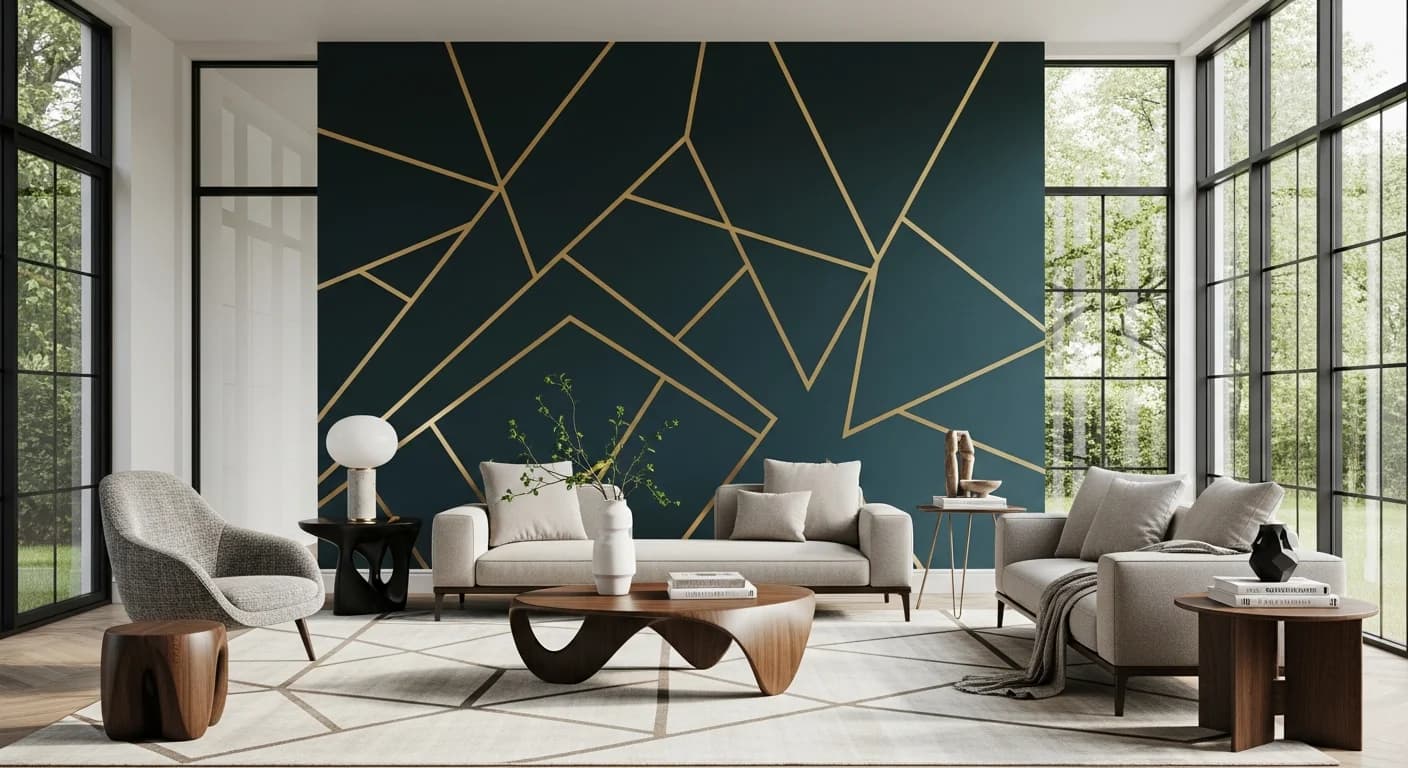
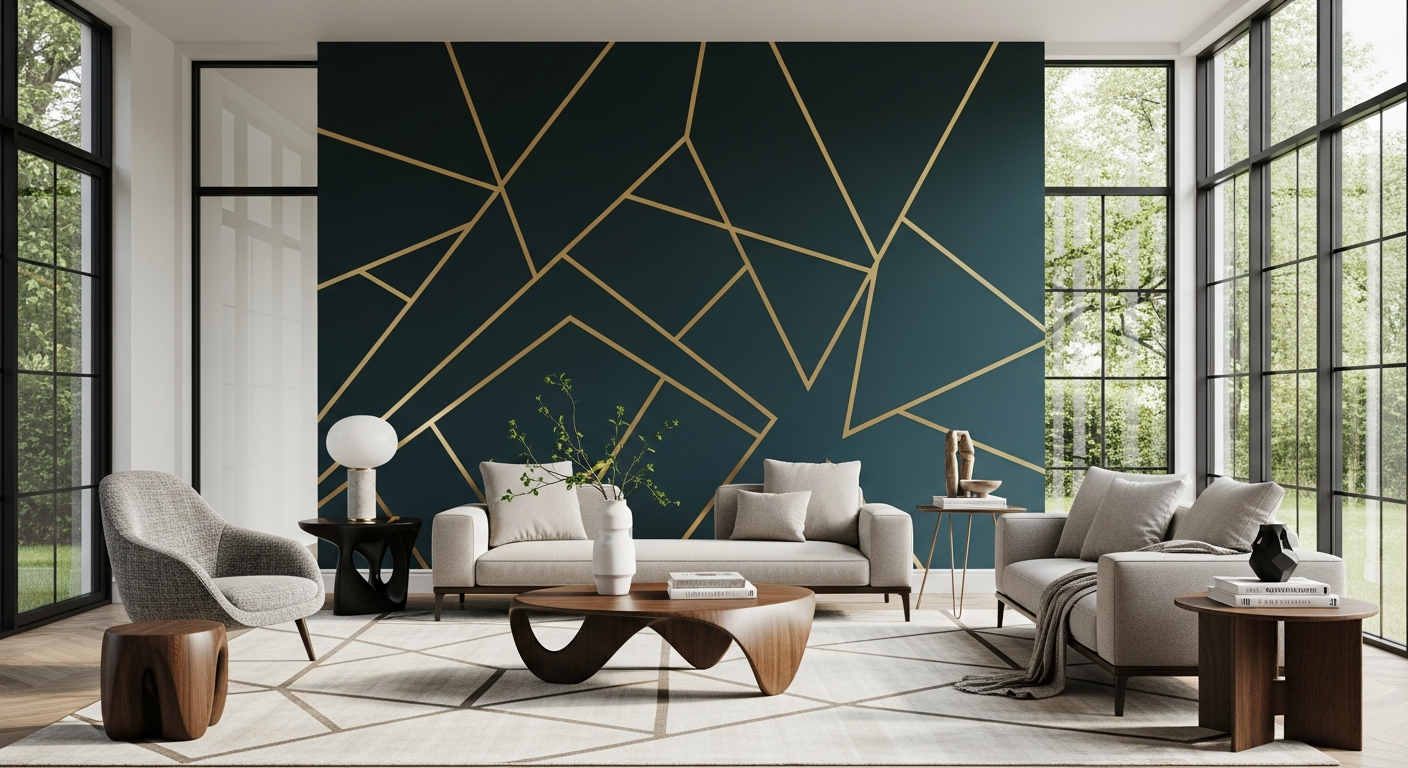
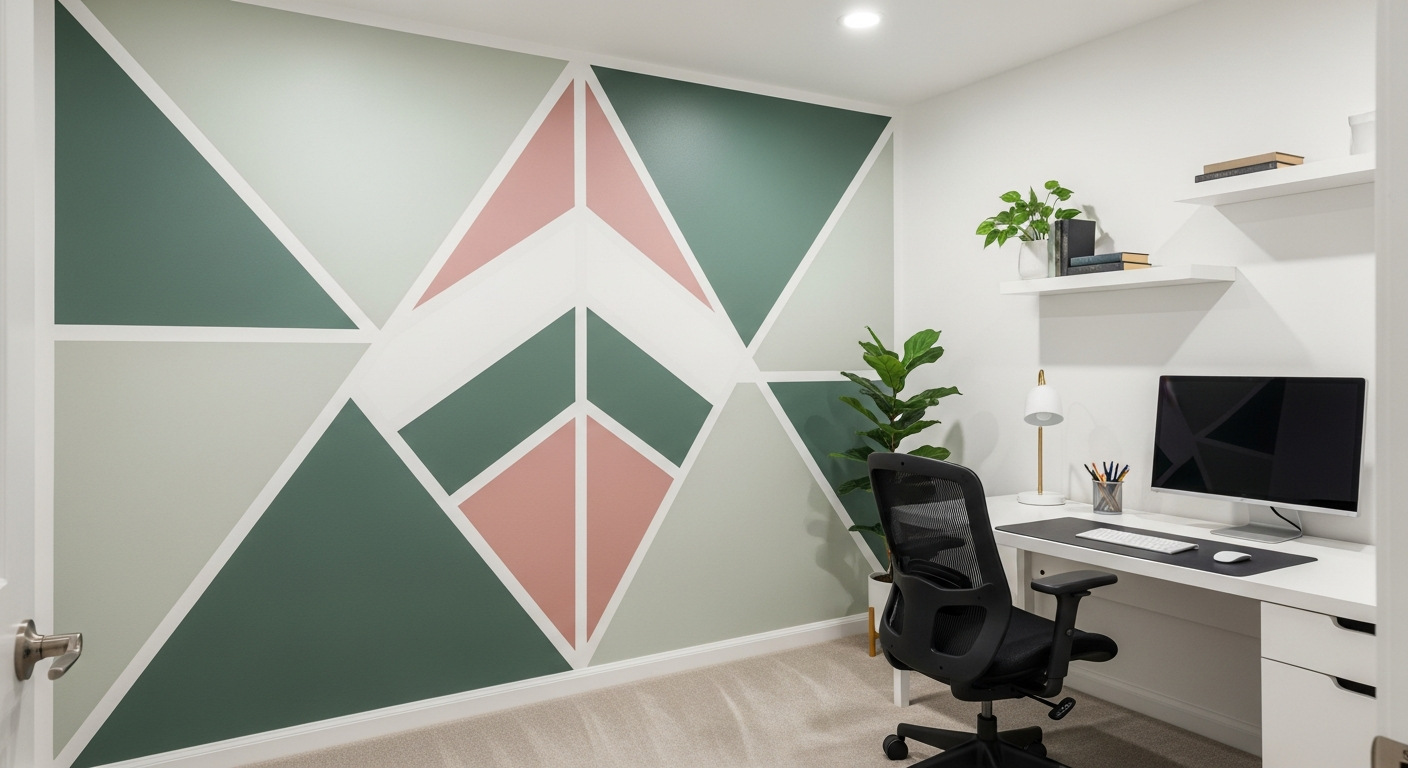
Triangles and fragmented geometry: Random-sized triangles filled with three to five related colors create a modern, almost digital-art effect. Start by taping major lines radiating from a corner, then add secondary lines to break spaces into smaller triangles. Fill each triangle with a different shade from the same color family — sage, eucalyptus, forest, mint, and cream for a nature-inspired palette. Material cost: $60-80 for five paint colors.
Half-circle and arch patterns: The painted arch trend continues to dominate in 2026. Use a string-and-pencil compass to trace a half-circle or arch shape behind a bed, desk, or reading nook. Fill the arch with a bold color — dusty rose, deep teal, or warm terracotta — while the surrounding wall stays neutral. The accent wall approach frames furniture and creates architectural interest without any renovation. This is one of the most popular interior design ideas in current trends.
Textured Techniques: Sponge, Rag, and Stipple Effects
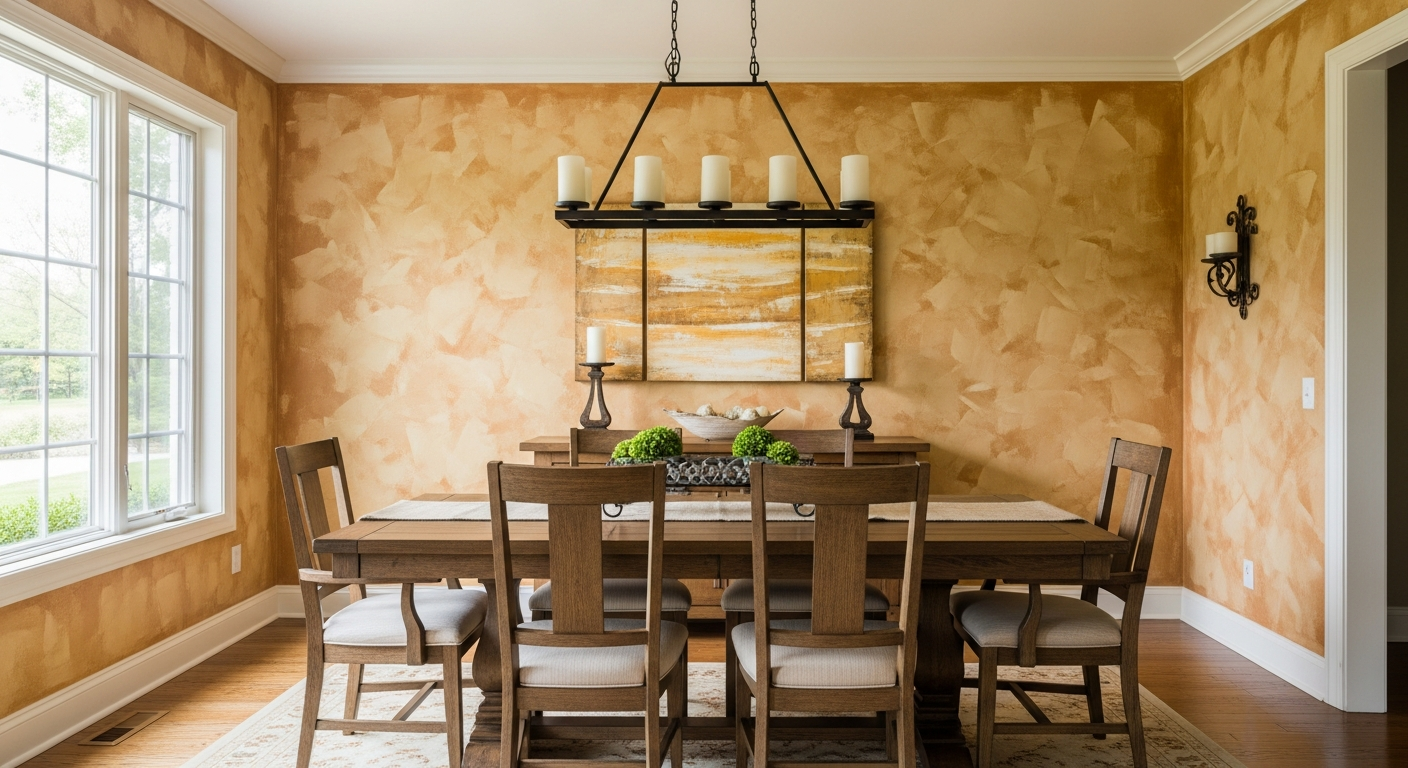
Sponge painting: This classic technique uses a natural sea sponge to dab a glaze color over a dried base coat, creating a mottled, organic texture. Choose a glaze color one or two shades darker than your base — warm gold over cream, or charcoal over dove gray. Dampen the sponge slightly, dip into the glaze, blot excess on a tray, and press against the wall in random, overlapping patterns. The result mimics natural stone or aged plaster. Cost: $30-50 for base paint plus a quart of glaze.
Rag rolling: Similar to sponge painting but uses a bunched rag instead. Roll the rag through wet glaze on the wall to remove paint in irregular patterns, revealing the base coat beneath. Rag rolling creates a softer, more uniform texture than sponging and works well over large areas like an entire room rather than a single accent wall. Linen and cotton rags produce different textures — experiment on a sample board first.
Stipple finish: Use a wide stipple brush to create a fine, even texture across a glazed wall. The stipple technique produces an effect similar to expensive textured wallpaper at a fraction of the cost — typically $15-20 per wall in materials. It suits formal spaces like dining rooms and home libraries where a subtle, sophisticated finish is desired.
Dry brush technique: Load a flat brush with paint, wipe most of it off on a rag, then sweep the nearly dry brush across the wall in long, parallel strokes. This creates a weathered, linen-like texture that adds warmth and visual depth. White-over-gray produces a driftwood effect perfect for coastal-style rooms. It pairs especially well with the principles of color psychology in home design.
Murals and Hand-Painted Designs
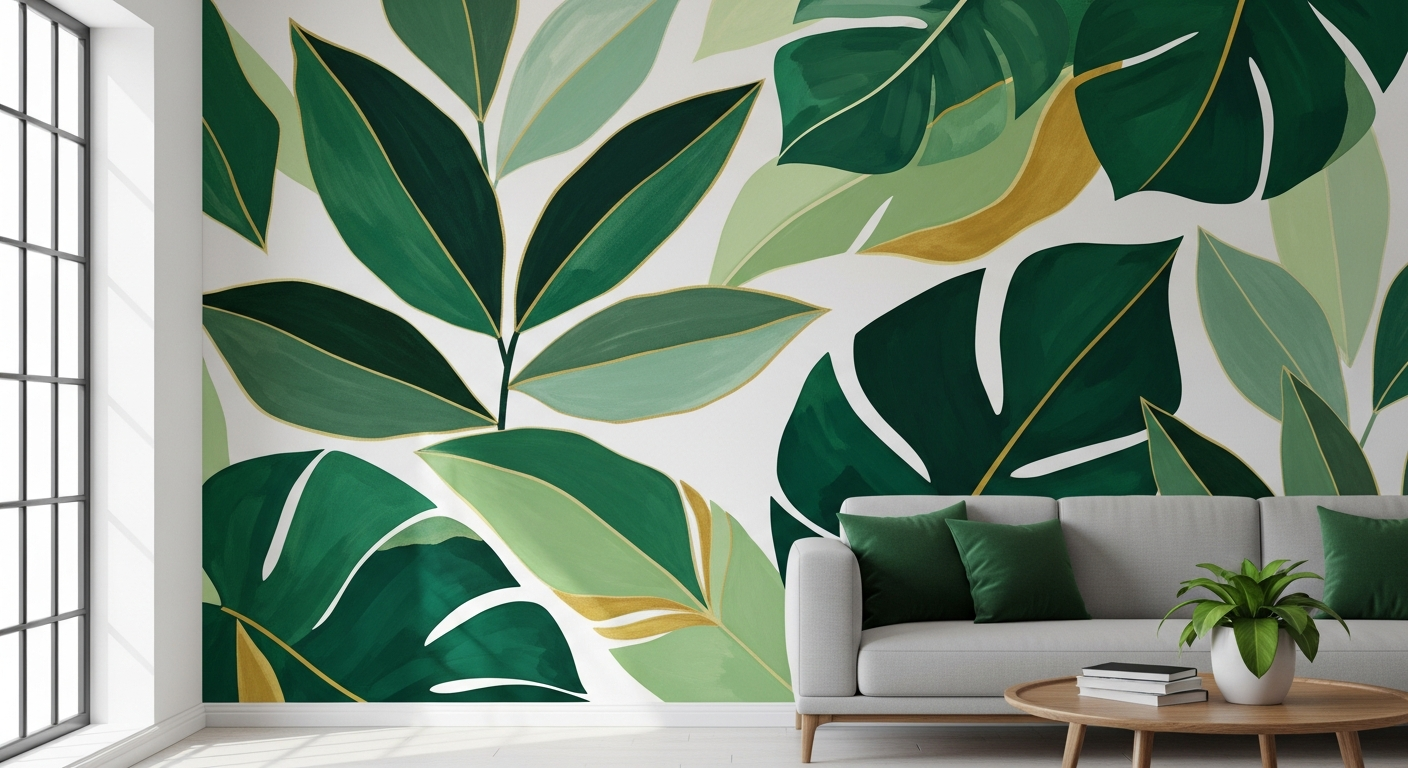
Botanical murals: Large-scale leaf and branch silhouettes painted freehand or with projector assistance create dramatic nature-inspired walls. Start by projecting your design onto the wall with a digital projector, trace the outlines in pencil, then fill with acrylic or interior latex paint. Popular motifs include oversized monstera leaves, eucalyptus branches, and abstract fern compositions. A single-wall botanical mural typically costs $50-100 in paint and takes 8-12 hours to complete.
Abstract landscape murals: Simplified mountain ranges, rolling hills, or wave forms painted in layered gradients create a sense of depth and calm. Use painter's tape for crisp ridge lines or freehand organic curves for a softer look. Three to five tones of the same color family — from deep to pale — create convincing depth. These murals suit bedrooms and nurseries where a tranquil atmosphere is the goal.
Stenciled repeat patterns: For those who want mural-level impact without freehand skill, large stencils are available for geometric, Moroccan, or damask patterns. Position the stencil, roll on paint with a foam roller, reposition, and repeat. A single stencil ($15-25) covers an entire accent wall in 3-4 hours. Choose a metallic paint over a matte base for a look that rivals current wallpaper trends at less than half the cost.
Abstract expressionist walls: If precision is not your strength, lean into it. Large sweeping brushstrokes in two or three colors, applied with a wide brush or even a squeegee, create an abstract expressionist effect that works in creative spaces, teens' rooms, and home studios. The key is committing to bold gestures — tentative marks look unfinished, while confident strokes look intentional and artistic.
Room-by-Room Inspiration
Living room walls: The living room is where most guests spend their time, making it the prime candidate for a statement wall. Living room wall painting ideas that consistently deliver include deep jewel-tone feature walls (emerald, sapphire, or amethyst) behind the sofa, color-blocked fireplace surrounds, and horizontal stripe patterns that visually widen narrow rooms. For open floor plans, use the wall painting to define the living zone without physical dividers.
Bedroom walls: Bedrooms benefit from calming, restful wall treatments. The painted arch behind the headboard remains the most popular technique in 2026 — it creates a built-in frame for the bed without installing any actual molding. Other strong bedroom options include soft ombre effects in cool tones, tone-on-tone textured finishes, and half-painted walls in muted pastels. Avoid high-contrast patterns directly behind the bed — they can interfere with rest. See paint colors that make rooms look bigger for smaller bedrooms.
Kitchen walls: Kitchen walls need durable, washable finishes. Semi-gloss or satin paint in bold colors — deep teal, warm mustard, or classic navy — can transform builder-grade kitchens. Chalkboard paint on a single wall provides functional and decorative value. For open kitchens that flow into living areas, carry your accent color from the living room feature wall into the kitchen on a smaller section to create visual continuity.
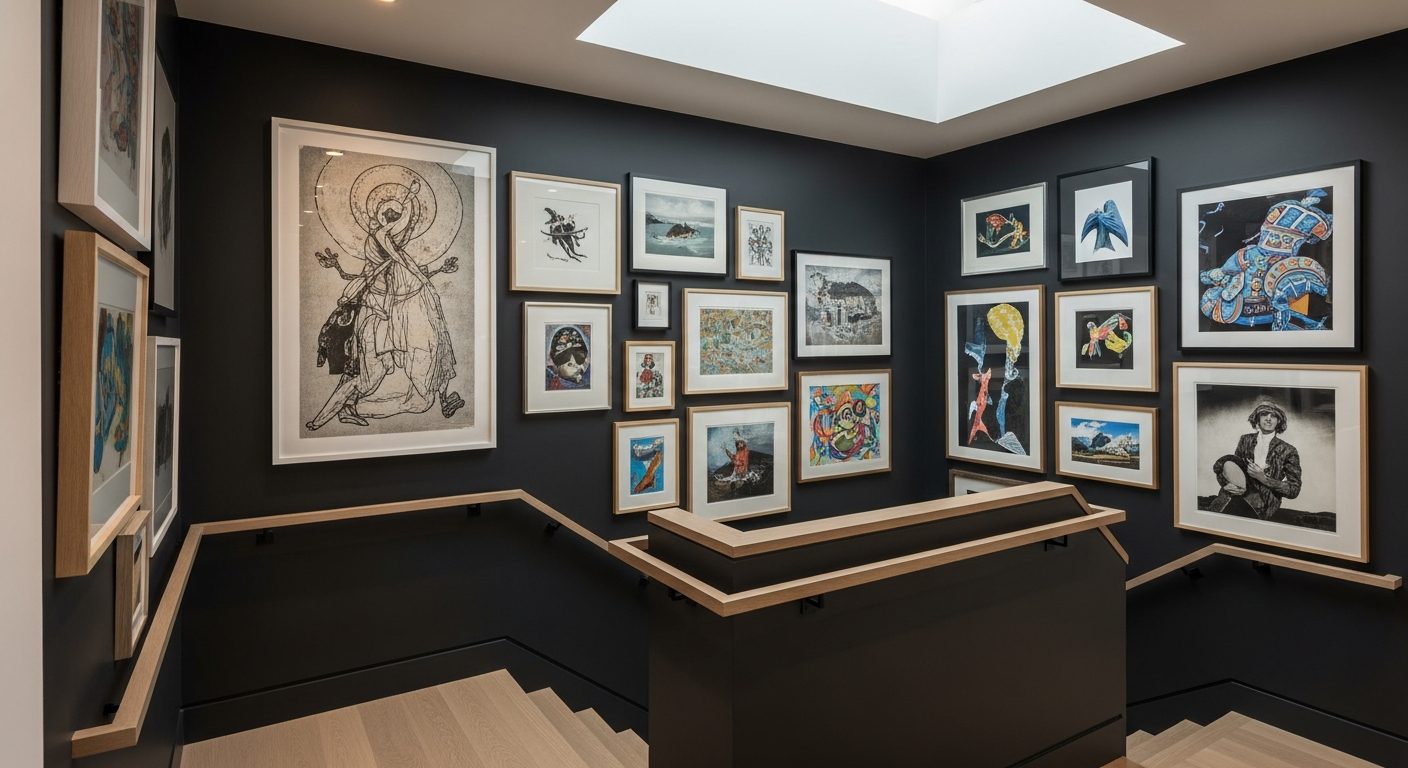
Hallways and stairwells: These transitional spaces are often overlooked but offer huge potential. A dramatic dark color — charcoal, deep plum, or forest green — in a narrow hallway creates an intimate, gallery-like atmosphere. Stairwell walls suit graduated color schemes where the paint color shifts slightly with each flight, creating a vertical gradient effect throughout the home.
Bathrooms: Moisture demands proper preparation and paint type. Use semi-gloss or high-gloss bathroom paint in bold colors — deep emerald, warm blush, or crisp navy. The smaller square footage means you can afford premium paint for under $25 per wall. Bathroom wall decor and accent ideas can be enhanced with painted geometric frames or a contrasting painted ceiling.
Choosing Colors and Finishes
Understanding paint finishes: The finish you choose affects both the look and longevity of your wall painting project. Flat and matte finishes hide imperfections and create a sophisticated, velvety appearance — ideal for bedrooms and formal dining rooms. Eggshell offers a slight sheen and better washability, making it the most versatile choice for living spaces. Satin and semi-gloss reflect more light and stand up to cleaning, suiting kitchens, bathrooms, and children's rooms. For a detailed breakdown, see the complete paint finish guide.
Color psychology in wall painting: Warm colors (reds, oranges, yellows) advance visually and energize a space — they suit dining rooms, kitchens, and social areas. Cool colors (blues, greens, purples) recede and calm — ideal for bedrooms, bathrooms, and home offices. Neutrals (grays, beiges, whites) serve as canvases for technique-driven wall painting where the pattern itself is the statement. The science of color psychology helps you choose tones that support each room's function.
Testing colors before committing: Always paint a 2-foot square test patch on the actual wall and observe it over 48 hours in different lighting — morning, afternoon, and artificial evening light. Colors shift dramatically between north-facing and south-facing rooms. Many homeowners avoid costly mistakes by testing digitally first. AI visualization tools like HanoDecor's platform let you preview paint colors on your actual walls before buying a single can.
2026 color trends for walls: This year's palette favors warm, grounded tones: terracotta and burnt sienna for earthy warmth, olive and sage green for natural calm, deep teal for sophisticated drama, and warm whites with yellow undertones replacing the cool grays of previous years. Explore the full 2026 interior design trends for context on how wall colors fit into broader design movements.
Surface Preparation and Technique Tips
Proper wall prep is non-negotiable: Every wall painting technique in this guide assumes a clean, smooth, primed surface. Fill any holes or cracks with lightweight spackle, sand smooth with 150-grit sandpaper, wipe with a damp cloth, and apply one coat of primer if the wall has never been painted or is shifting between dramatically different colors. Skipping prep is the number one reason DIY wall paintings look amateur rather than professional.
Tape quality matters enormously: Standard masking tape bleeds. Use FrogTape (delicate surface version for freshly painted walls) or ScotchBlue with Edge-Lock technology for crisp lines. After applying tape, seal the edge by pressing firmly with a plastic card or the back of a spoon. For the crispest possible lines, paint a thin coat of your base color over the tape edge first — this seals any micro-gaps — then paint your pattern color on top. The difference between crisp and bleeding lines often determines whether a geometric wall painting looks professional or homemade.
Working with different surfaces: Not all walls are smooth drywall. Painting brick, stone, and cinder block requires specific primers and application techniques. Textured drywall (orange peel, knockdown, or popcorn) complicates tape-based techniques — textured surfaces suit freehand, sponge, and rag techniques better because tape cannot seal against the texture. Know your surface before choosing your technique.
Calculating paint quantity: One gallon of paint covers approximately 350-400 square feet on smooth walls. For textured walls, reduce coverage to 300 square feet. For techniques like sponging and rag rolling that use diluted glaze, one quart of glaze mixed 4:1 with paint covers roughly 100 square feet of texture. For beginner-friendly DIY wall painting projects, start with a single accent wall to refine your technique before committing to an entire room.
Visualize Your Wall Painting Before You Start
The gap between imagining a wall painting idea and seeing how it actually looks in your specific room — with your lighting, your furniture, your flooring — is where most projects go wrong. A color that looks perfect on a paint chip can overwhelm a small room or disappear in a large one. A geometric pattern that seems bold in theory can feel busy in practice.
HanoDecor's AI House Painter lets you upload a photo of your actual wall and preview paint colors, patterns, and techniques before you buy supplies or commit to a design. Experiment with accent wall placements, test color combinations, and see exactly how different finishes interact with your room's natural light — so your wall painting project delivers the transformation you envisioned, on the first try.
Related Articles
- Living Room Wall Painting Ideas: Designs That Define Your Space
- Bedroom Wall Painting Ideas: Restful Designs for Every Style
- Easy DIY Wall Painting Ideas: Weekend Projects Anyone Can Do
- Creative Wall Painting Ideas: Murals, Geometric Art, and Beyond
- Wall Painting Ideas by Surface: Brick, Stone, and Cinder Block
- Accent Wall Ideas: Where, What Color, and How to Visualize
- Wall Decor Ideas: Transform Blank Walls Into Stunning Features
- Wallpaper Trends 2026: Patterns, Textures, and Styles
Wall Painting Ideas FAQs
Written by
Emily Rodriguez
Interior Design Editor covering living spaces, styling trends, and room makeovers. Former Architectural Digest contributor with a focus on accessible, budget-conscious design.