Creative Wall Painting Ideas: Murals, Geometric Art, and Beyond
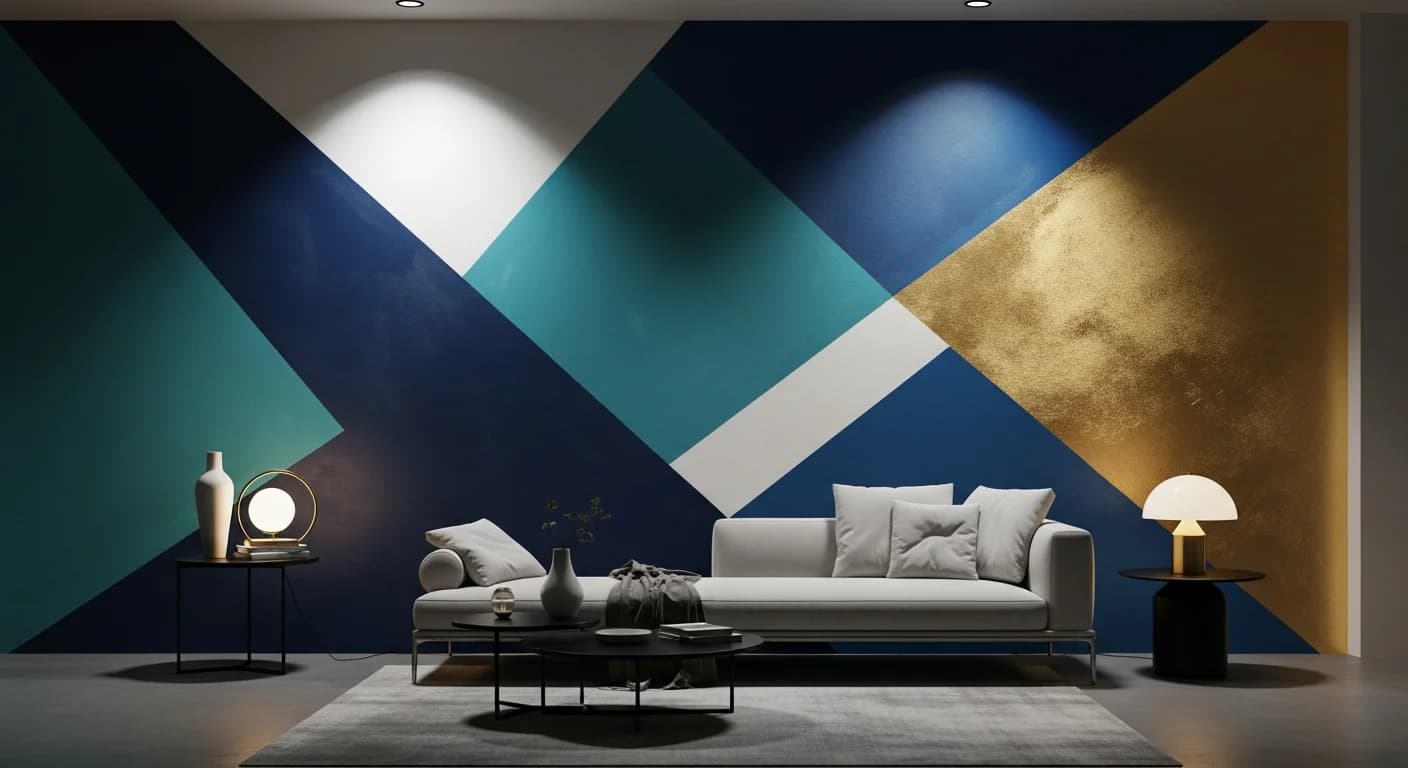
Basic wall painting transforms a room. Creative wall painting transforms a room into art. The techniques in this guide move beyond single-color accent walls and simple tape patterns into territory that makes walls the focal point of entire homes — large-scale murals that command attention, 3D optical illusions that challenge perception, layered arch compositions that create architectural depth, and abstract expressionist treatments that blur the line between home decor and gallery installation.
These are not beginner-level projects, though several are more accessible than they appear. What separates creative wall painting from standard wall painting is not always technical difficulty — it is design ambition. The willingness to use a wall as a canvas rather than a backdrop is what produces results that guests photograph and designers reference. For foundational techniques that many of these builds upon, see our easy DIY wall painting guide. For the complete overview, see 50+ wall painting ideas for every room.
Large-Scale Murals: Turning Walls Into Landscapes
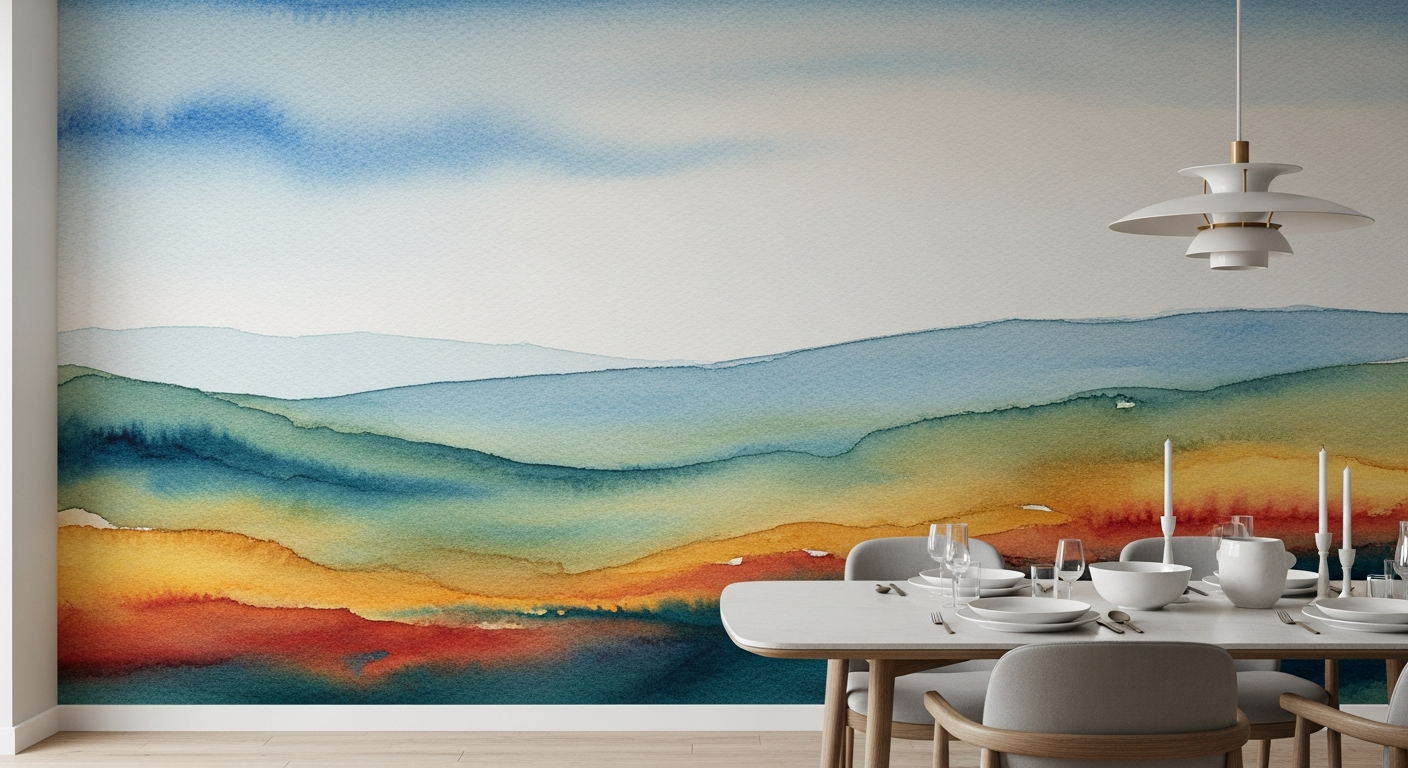
Abstract landscape murals: Simplified mountain ranges, rolling hillscapes, and layered horizon lines painted in gradient tones create immersive environments. Unlike photorealistic murals that require advanced artistic skill, abstract landscapes use simple overlapping curves and flat color fills that are surprisingly achievable. Start with the background elements (sky tones near the ceiling) and layer progressively darker foreground shapes toward the baseboard. Three to five tones from the same color family — from pale to deep — create convincing depth. A single-wall abstract landscape mural takes 10-14 hours and costs $60-100 in paint.
Botanical and tropical murals: Oversized leaf silhouettes, trailing vine compositions, and tropical plant groupings bring organic drama to minimalist interiors. The most effective botanical murals use a limited palette — deep green leaves against a white or pale blush background — letting the forms themselves provide visual complexity. Use a digital projector to trace complex leaf shapes onto the wall, then fill with flat color and add vein details with a thin brush. Monstera, palm fronds, eucalyptus branches, and fiddle-leaf fig silhouettes are the most popular motifs in 2026.
Watercolor-effect murals: This technique mimics the soft, diffused edges of watercolor painting at wall scale. Dilute acrylic paint with water to create thin washes, then apply in overlapping transparent layers using a large, wet brush. Let each layer partially dry before adding the next — the overlapping translucent washes create depth and color variation that dense, opaque paint cannot achieve. Blues and earth tones produce the most naturalistic watercolor effects. This technique suits dining rooms, creative studios, and master bedrooms where a sense of artistic atmosphere is desired.
3D Optical Illusion Wall Art
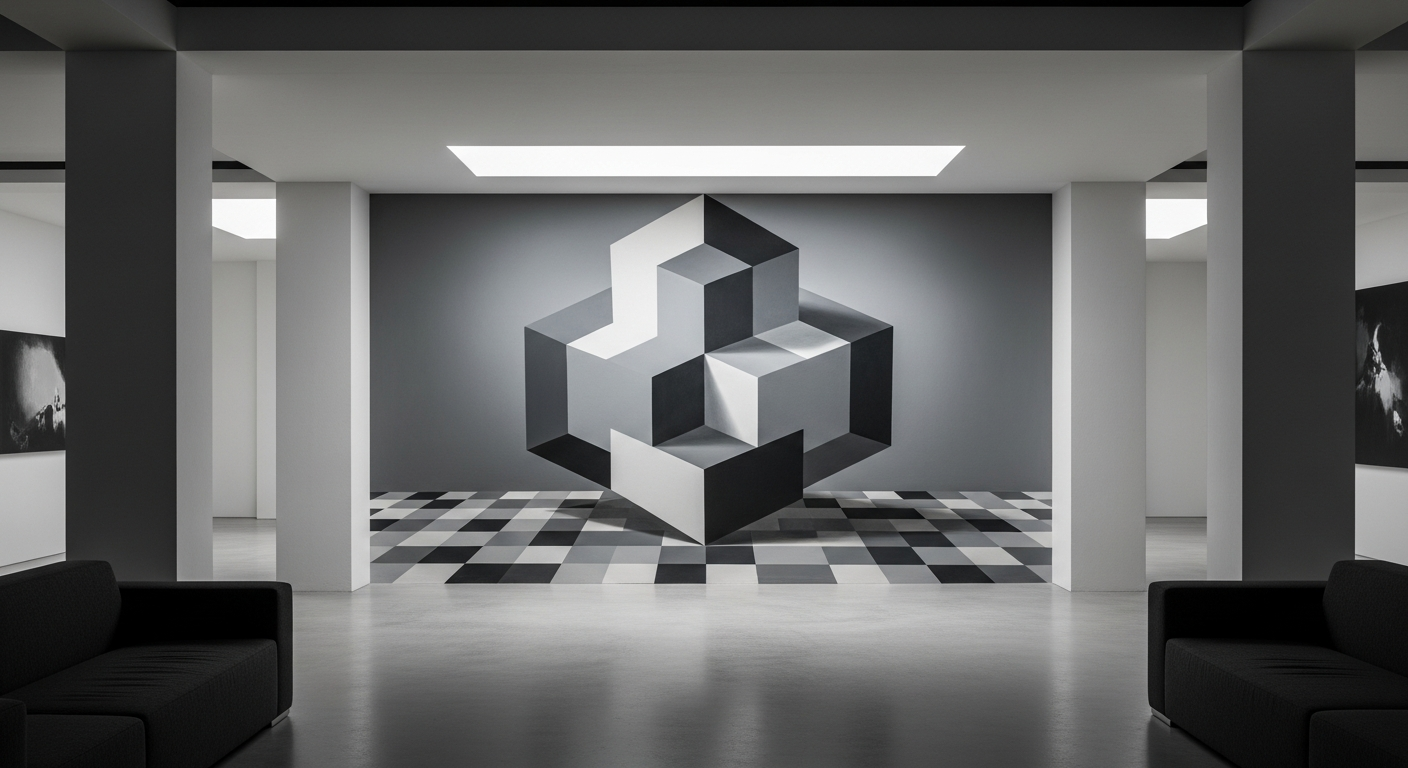
Cube illusion: The isometric cube pattern creates a striking three-dimensional effect using only three values of one color — dark, medium, and light. Draw a grid of equilateral hexagons, then divide each hexagon into three diamond-shaped faces. Paint each face a different value: the top face light (as if receiving overhead light), the left face medium, and the right face dark. The result is a surface that appears to project outward in repeating cubes. The pattern requires precise measurement but uses only three paint colors and painter's tape. Material cost: $40-55.
Geometric shadow illusion: Paint flat geometric shapes — rectangles, circles, or triangles — in bold colors, then add a thin gray "shadow" band along one side and bottom of each shape. The shadow, offset 3-5 millimeters from the shape edge, creates the illusion that each form is hovering above the wall surface. This technique transforms a flat wall into what appears to be a three-dimensional installation. It works particularly well in living rooms and home offices where the wall serves as a conversation piece.
Receding tunnel illusion: Paint concentric rectangles or circles in progressively lighter tones, starting with the darkest shade at the outer edge and the lightest at the center. The tonal gradient creates the optical illusion of a tunnel or corridor receding into the wall. This effect suits small rooms where the illusion of additional depth counteracts the actual room dimensions. A properly executed tunnel illusion can make a wall appear to extend 3-5 feet beyond its actual position.
Layered Arch Compositions
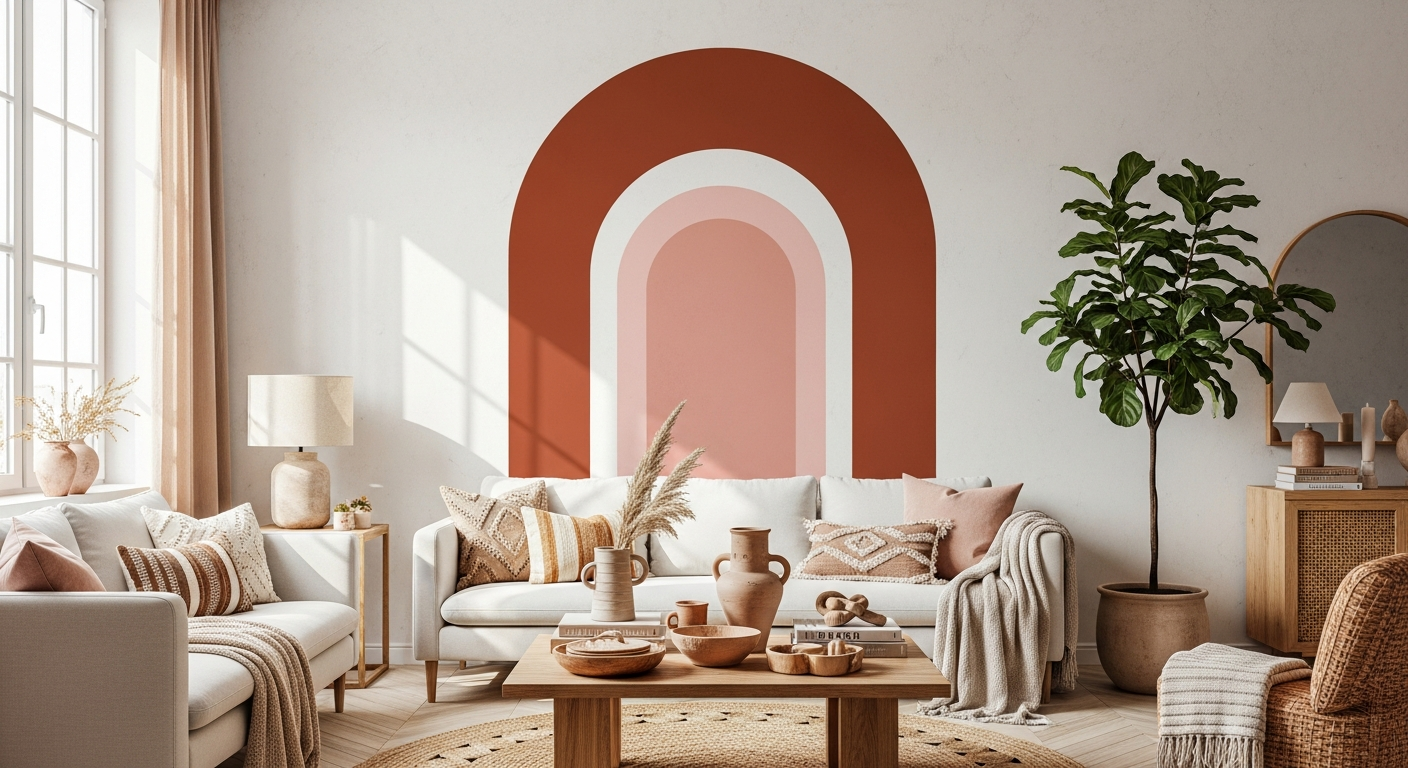
Overlapping multi-color arches: Instead of a single painted arch, layer three to five arches of different sizes and colors, each partially overlapping the next. Start with the largest arch in the palest color at the back, then add progressively smaller and darker arches in front. The layering creates a rainbow-like depth effect that reads as architectural molding from a distance but reveals itself as pure paint up close. Popular color progressions include terracotta-to-cream, navy-to-sky, and sage-to-mint.
Asymmetric arch groupings: Place three arches of different sizes and proportions — tall and narrow, wide and low, medium and standard — in an asymmetric arrangement across a wall. Paint each in a related but distinct color. The arrangement looks intentionally artistic rather than decorative, creating a gallery-quality installation without hanging a single piece of art. This technique suits minimalist interiors where the wall painting replaces traditional wall art entirely.
Arch-and-panel combinations: Combine a painted arch with color-blocked rectangular panels. The arch centers above a piece of furniture (bed, desk, sofa), while rectangular panels in complementary colors extend outward on either side. The geometric interplay between curved and straight forms adds sophisticated visual rhythm to the wall. This focal point technique creates structure that organizes the entire room's visual hierarchy.
Abstract Expressionist Wall Treatments
Large-scale brushstroke walls: Inspired by abstract expressionist paintings, this technique uses oversized brushes (or even squeegees and brooms) to apply sweeping, gestural marks across a wall. Choose two or three colors from the same tonal family — deep teal, medium aqua, and pale seafoam, for example. Load the wide tool with one color and sweep it across the wall in a single, confident motion. Add the second and third colors in overlapping sweeps. The result is dynamic, energetic, and utterly unique — no two walls will ever look the same.
Splatter and drip effects: Controlled paint splattering creates a Jackson Pollock-inspired wall that works in creative studios, teens' rooms, and entertainment spaces. Thin your paint to a flowing consistency, load a large brush, and flick it toward the wall from 3-4 feet away. Layer different colors, allowing each to dry before adding the next. Protect the floor, ceiling, and adjacent walls with plastic sheeting — this technique is messy by design. The controlled chaos produces walls that feel energetic and creative.
Textural impasto effect: Mix acrylic paint with a texturing medium (available at art supply stores, $8-12 per quart) to create thick, textured paint that holds brushstroke marks. Apply with a palette knife or wide brush in overlapping strokes, creating a three-dimensional surface that catches and plays with light. This technique transforms a flat wall into something closer to a sculptural relief than a painted surface. Choose a single color — deep charcoal, warm white, or muted gold — to let the texture itself provide the visual interest.
Stencil Art at Scale
Moroccan tile patterns: Large stencils (12-24 inches) in traditional Moroccan geometric patterns create walls that mimic expensive hand-laid tile work. Position the stencil, roll paint through the openings with a foam roller, reposition, and repeat. The repetitive nature of the pattern is meditative to execute and produces a result that looks far more expensive than its actual cost. A single large stencil ($15-25) combined with one quart of accent paint covers an entire accent wall in 4-6 hours. Metallic gold or silver paint over a matte dark base creates an especially luxurious effect.
Oversized damask: Traditional damask stencils scaled up to 18-24 inches create a dramatic effect that bridges classical and contemporary design. Use tone-on-tone — a satin finish over a matte finish in the same color — for subtle elegance, or contrasting colors (cream damask on deep navy) for high-impact drama. This technique suits formal dining rooms, entryways, and master bedrooms where a sense of luxury is desired. Compare this approach with current wallpaper trends — stenciling often achieves the same visual result at 30-40% of the cost.
Contemporary geometric stencils: Modern stencils feature mid-century geometric patterns, art deco fan shapes, and minimalist line designs that suit contemporary interiors. Unlike traditional repeat patterns, many contemporary stencils are designed as single statements — one large geometric composition that covers a 4x6-foot section of wall. These function as wall art created directly on the surface, eliminating the need for framing, hanging, and the damage of nail holes.
Combining Multiple Techniques
Ombre base with geometric overlay: Paint an ombre gradient as the first layer, let it dry fully, then apply geometric tape patterns or stencils on top. The combination of smooth gradient color transitions with crisp geometric shapes creates a sophisticated, multi-dimensional wall that reads as custom designed. This is an advanced project (10-14 hours) but the result rivals professional installation work.
Textured base with mural elements: Apply a sponge or rag texture as the base layer, then add freehand botanical or abstract elements on top once the texture dries. The textured background adds depth and visual interest behind the painted elements, preventing the mural from looking flat. This technique is especially effective for nature-themed walls where the texture mimics natural surfaces like stone or bark.
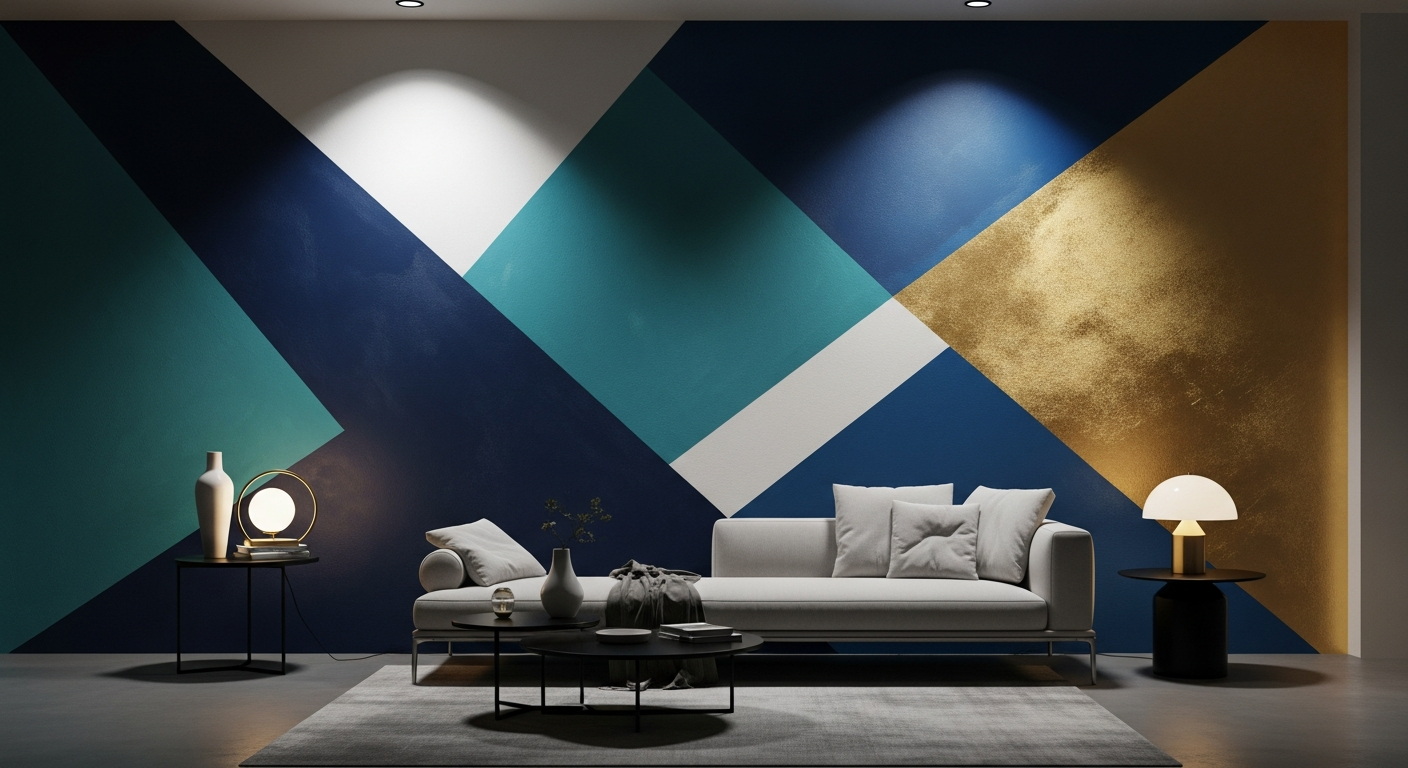
Color-blocked sections with freehand art: Divide the wall into large rectangular color blocks, then add small freehand illustrations, patterns, or typography within selected blocks. The structure of the color blocks organizes the wall while the freehand elements add personality and artistry. This works particularly well in children's rooms, creative offices, and entertainment spaces where a dynamic, gallery-like atmosphere enhances the room's purpose. For color guidance, the psychology of color in design explains which palettes work best for each room's function.
Visualize Your Creative Wall Painting
Creative wall painting carries higher stakes than standard accent walls — the more ambitious the design, the more important it is to preview the result before committing. A mural concept that looks stunning in your imagination might overwhelm a small room, or a color combination that seems harmonious on a mood board might clash with your existing furnishings. Testing on the actual wall is expensive and time-consuming to reverse.
HanoDecor's AI House Painter lets you upload photos of your walls and experiment with colors, patterns, and techniques before lifting a brush. Preview how a deep teal arch looks behind your sofa, test whether a geometric pattern complements or competes with your art collection, and compare multiple creative approaches side by side — so your ambitious wall painting vision becomes a confident reality.
Related Articles
- Wall Painting Ideas: 50+ Creative Designs for Every Room
- Living Room Wall Painting Ideas: Designs That Define Your Space
- Bedroom Wall Painting Ideas: Restful Designs for Every Style
- Easy DIY Wall Painting Ideas: Weekend Projects Anyone Can Do
- Wall Painting Ideas by Surface: Brick, Stone, and Cinder Block
Creative Wall Painting Ideas FAQs
Written by
Sarah Mitchell
Sarah is a certified interior designer (CID) with experience designing residential and commercial spaces across three continents. She curates our design style library and ensures all AI-generated designs follow established design principles.