Wall Painting Ideas by Surface: Brick, Stone, and Cinder Block
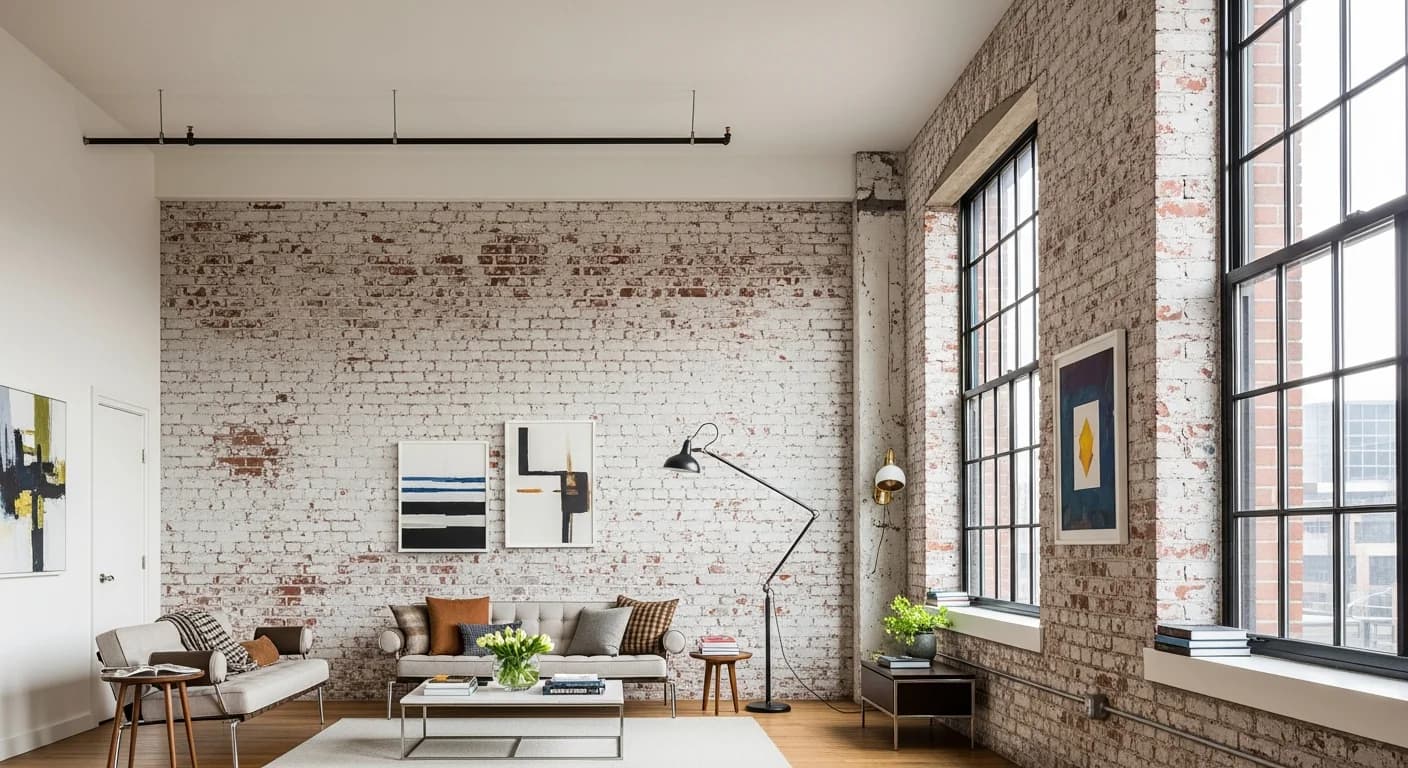
Most wall painting guides assume smooth, primed drywall — the blank canvas of interior design. But millions of homeowners live with walls made of brick, stone, cinder block, or heavily textured surfaces that demand entirely different preparation, products, and techniques. Painting these surfaces incorrectly leads to peeling, flaking, moisture damage, and results that look worse than the unpainted original. Painting them correctly, however, transforms rough industrial materials into sophisticated design features that smooth drywall simply cannot replicate.
This guide covers the specific requirements for each major wall surface type — the right primers, the best application methods, the design approaches that enhance rather than fight the natural texture, and the mistakes that cause paint to fail within months. Whether you are tackling a DIY project on an exposed brick fireplace or planning a full cinder block basement transformation, the surface dictates the approach. For design ideas on smooth walls, see our complete wall painting ideas guide.
Painting Interior Brick Walls
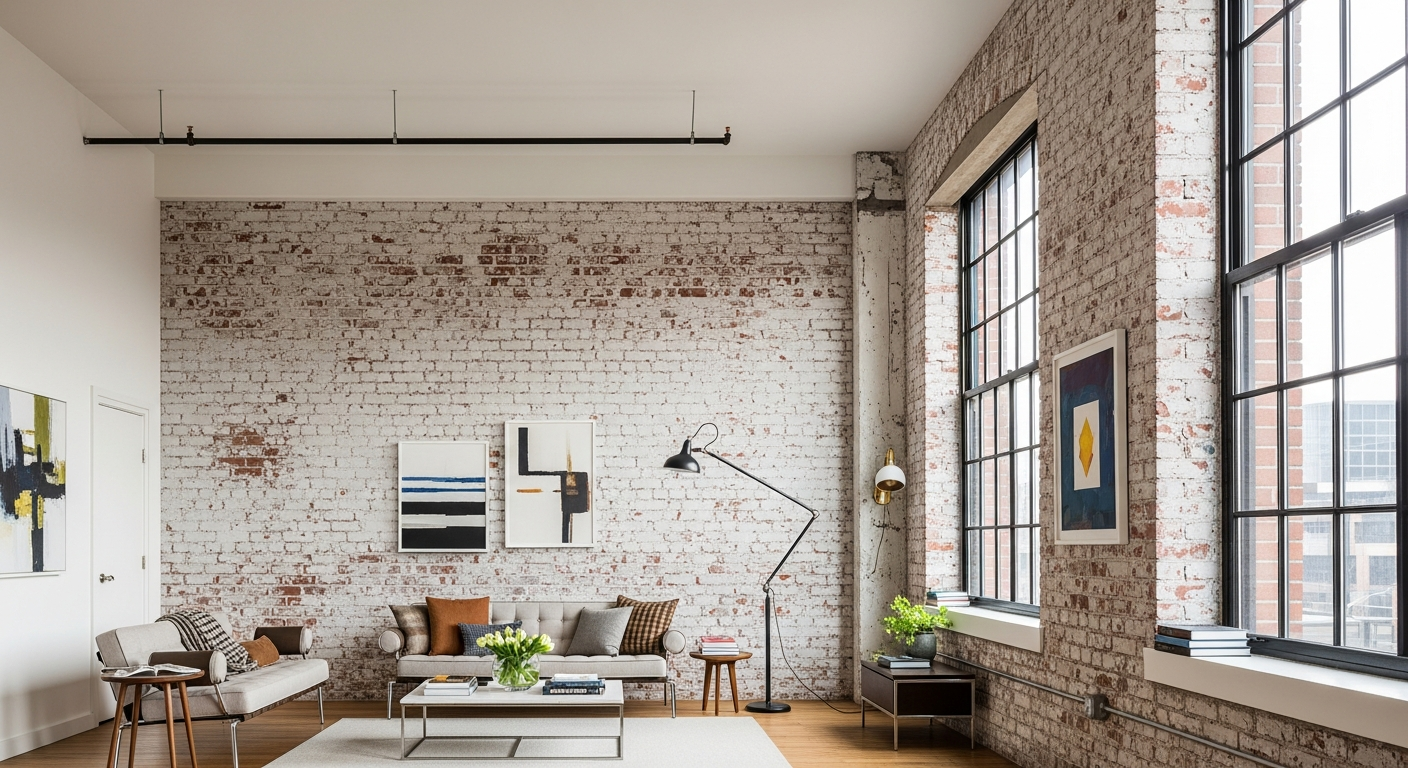
When to paint brick: Interior brick can be a stunning design feature in its natural state, but there are legitimate reasons to paint it: the brick color clashes with your design scheme, the mortar is stained or discolored, or you want to brighten a dark room with white-painted brick. Before painting, understand that paint on brick is essentially permanent — removing paint from brick is expensive ($3-8 per square foot for professional stripping) and risks damaging the brick surface. Make this decision with permanence in mind.
Surface preparation for brick: Brick is porous and textured, which means proper preparation is more critical than on any smooth surface. Start by vacuuming loose dust and mortar debris from the surface. Scrub with a stiff wire brush to remove efflorescence (white mineral deposits). Wash with a solution of trisodium phosphate (TSP) and water, rinse thoroughly, and allow 48-72 hours to dry completely. Moisture trapped behind paint on brick causes the most common failure — blistering and peeling within the first year.
Primer selection: Standard interior primer will not work on brick. Use a masonry-specific primer that penetrates the porous surface and creates an alkaline-resistant bond. Zinsser Bulls Eye 1-2-3 and Kilz Restoration are the most reliable options. Apply with a thick-nap roller (3/4-inch to 1-inch nap) to work primer into the mortar joints and textured surface. One coat of masonry primer is sufficient for most interior brick. Cost: $30-40 per gallon, covering approximately 200 square feet on brick.
Design approaches for painted brick: Painted brick looks best in flat or matte finishes that allow the texture to show through. The most popular approach is solid white or off-white, which transforms dark brick into a bright, airy feature wall while preserving the tactile character. For a more subtle transformation, German schmear (applying a thinned mortar wash over brick, then wiping away to reveal varied coverage) creates a European cottage effect without fully concealing the brick. For color choices, light colors work especially well in rooms with limited natural light.
Application technique: Use a thick-nap roller for broad surfaces and a 2-inch angled brush to work paint into mortar joints. Apply two coats minimum — the porous surface absorbs the first coat significantly. Budget 30-40% more paint than you would for the same square footage of smooth drywall. Allow 4-6 hours between coats.
Painting Cinder Block Walls
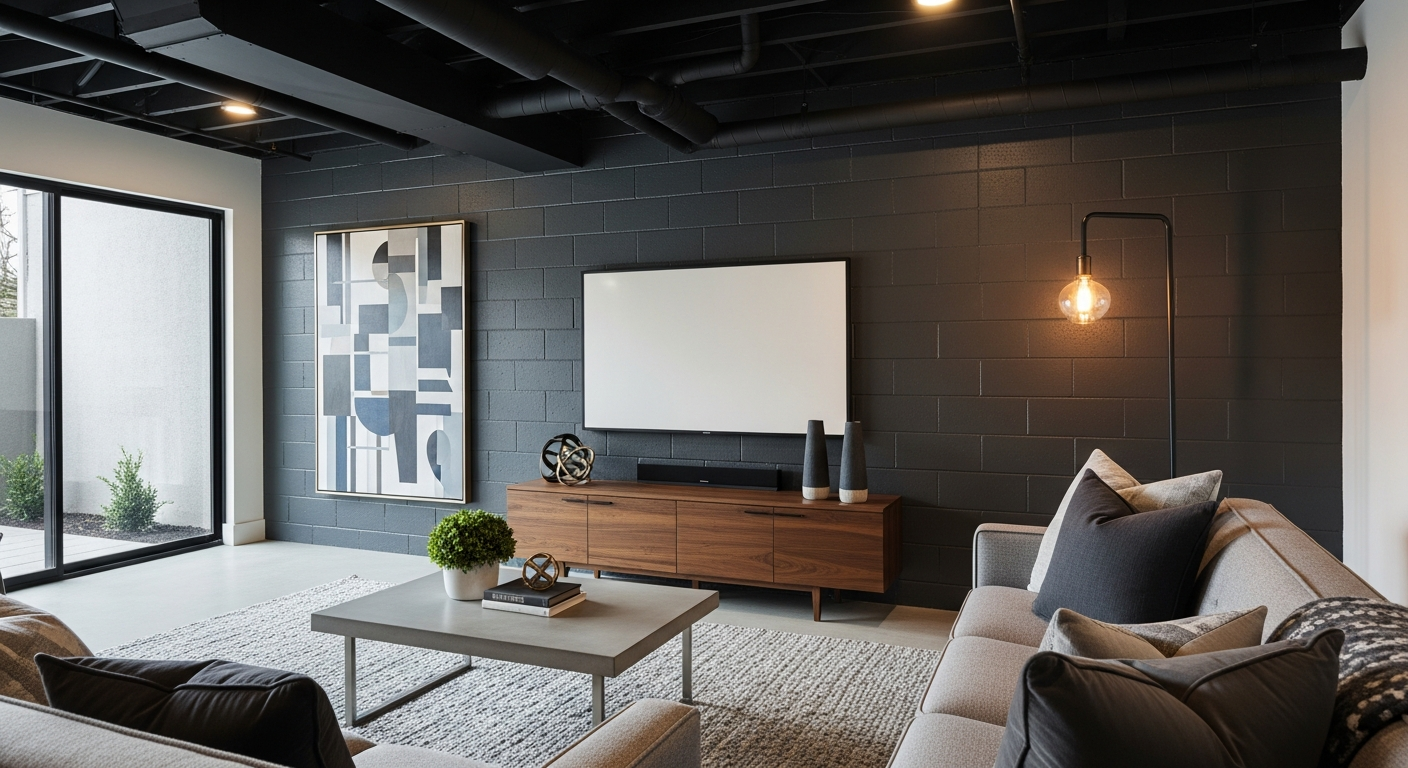
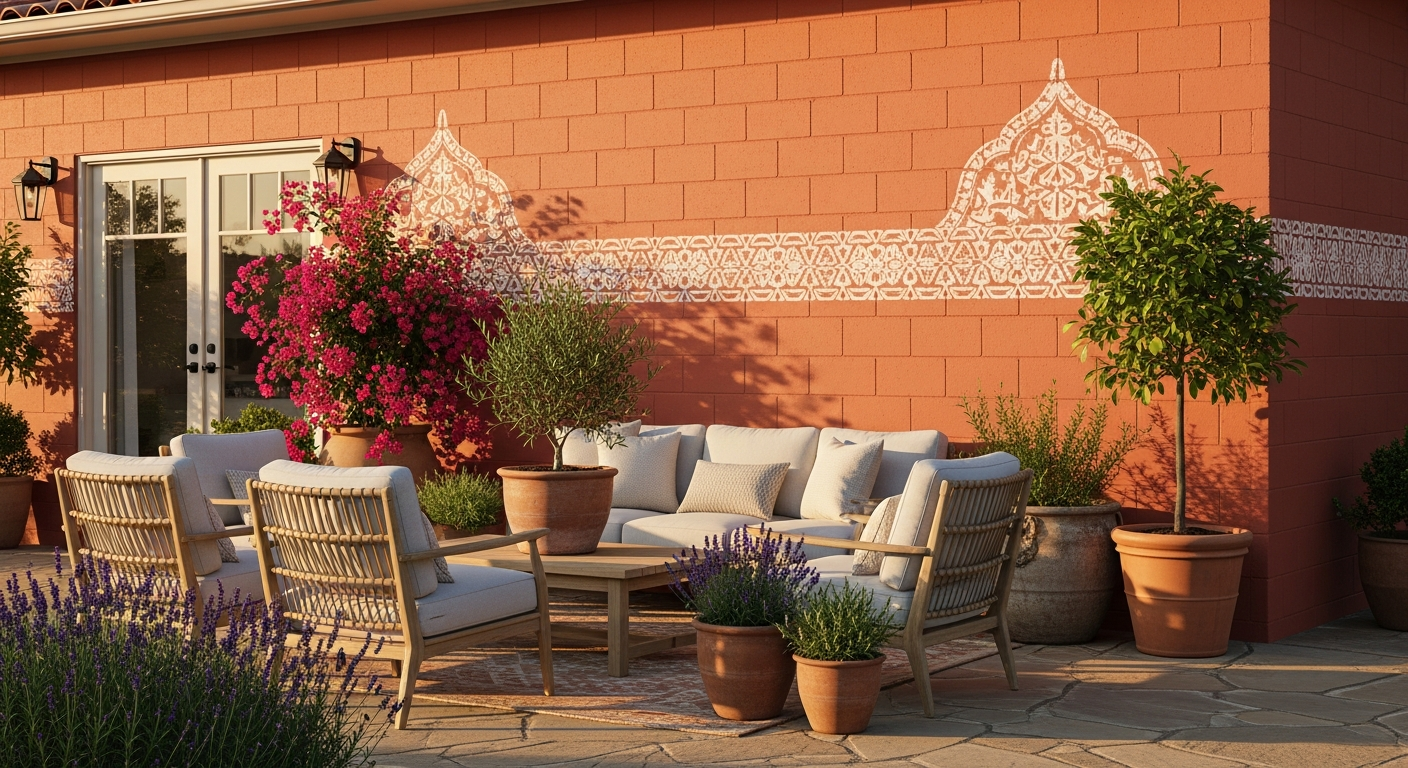
Common applications: Cinder block (concrete masonry unit, or CMU) is found in basements, garages, utility rooms, and increasingly in contemporary loft apartments where it is intentionally exposed. Unpainted cinder block is functional but cold and industrial. A well-executed paint job transforms it into a modern design feature — the grid pattern of the blocks creates a geometric rhythm that, when painted, reads as intentional architecture rather than unfinished construction.
Surface preparation for cinder block: Cinder block is extremely porous and often carries moisture from the surrounding ground (especially in basements). Before painting, check for moisture: tape a 12-inch square of plastic sheeting to the wall, seal all edges with tape, and leave for 48 hours. If moisture collects on the wall side of the plastic, you have a moisture issue that must be addressed with a waterproofing product before painting. Clean the surface with TSP solution, fill any cracks or holes with hydraulic cement, and allow the wall to dry completely.
Block filler primer: Cinder block requires a specialized block filler — a thick, paste-like primer that fills the porous surface and creates a smooth base for topcoats. Drylok or Kilz Concrete & Masonry Bonding Primer are purpose-built for this application. Apply with a thick-nap roller, working the filler into the block's open pores. One gallon covers approximately 150-200 square feet on cinder block (significantly less than smooth walls). Budget $35-45 per gallon.
Color and finish choices: For basements and utility spaces, bright white or light gray in a semi-gloss finish maximizes light reflection and is easy to clean. For living spaces where exposed cinder block is a design choice, deep charcoal, warm concrete gray, or matte black create a sophisticated industrial aesthetic. The regular grid pattern of painted cinder block works as a subtle background texture when kept in neutral tones, or as a bold statement in saturated colors like navy or forest green.
Interior vs. exterior cinder block: Exterior cinder block walls (retaining walls, garden walls, building exteriors) require exterior-grade masonry paint with UV resistance and weatherproofing properties. Exterior masonry paint costs $30-50 per gallon and covers 150-250 square feet per coat. For exterior painting guidance specific to siding and trim, see our guide to painting different siding types.
Painting Natural Stone Walls
Types of paintable stone: Not all stone should be painted. Highly porous stones like limestone and sandstone accept paint reasonably well. Dense stones like granite and slate resist paint adhesion and are better left natural or treated with a penetrating stain rather than surface paint. Fieldstone and river rock walls with irregular surfaces are paintable but require significantly more paint and labor due to their uneven texture.
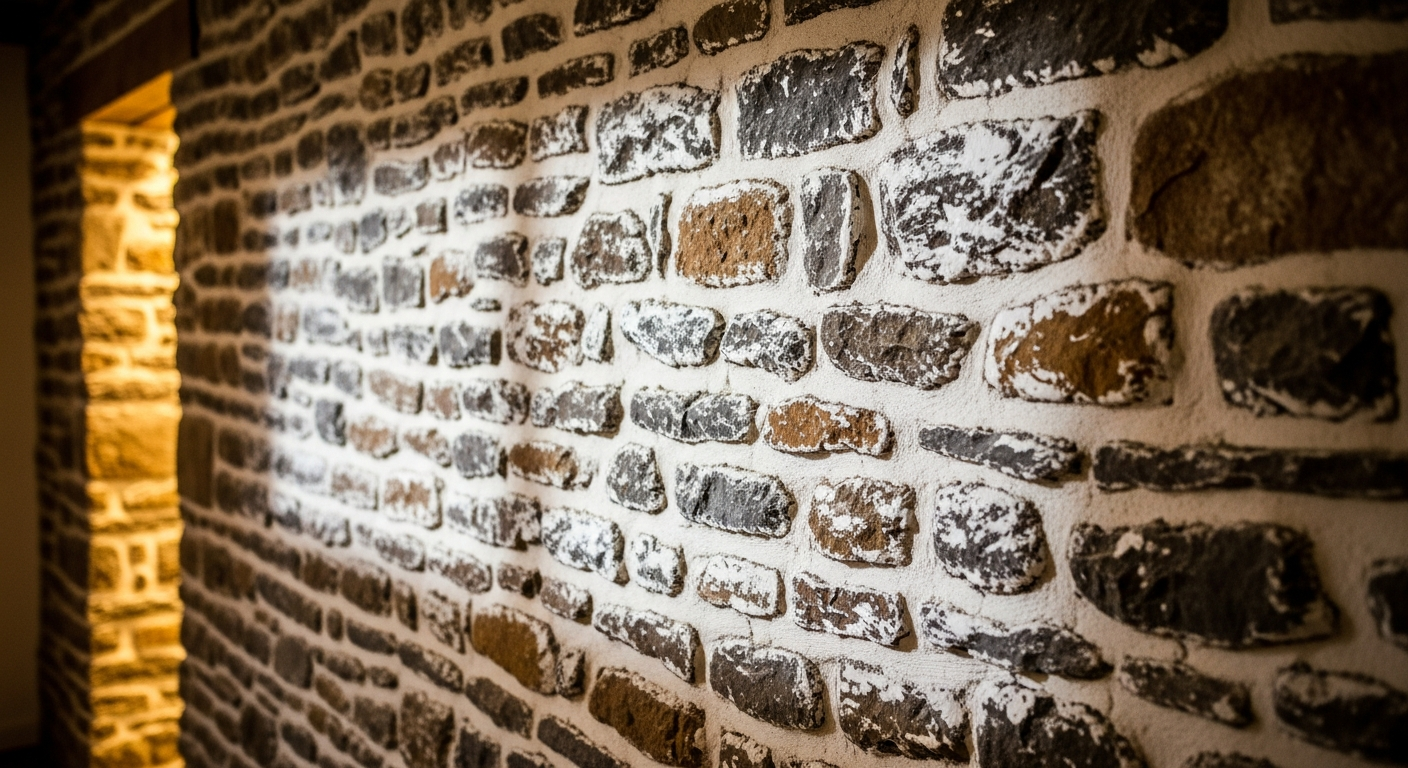
Whitewashing technique: The most popular approach for natural stone walls is whitewashing — diluting white paint with water (typically 1:1 or 2:1 paint-to-water ratio) and applying it with a large brush, allowing the stone texture and color to show through the translucent white wash. The result is a softened, coastal-farmhouse aesthetic that preserves the stone's character while lightening the wall. Apply with a large masonry brush in random, overlapping strokes. Let some areas receive heavier coverage than others for a naturally varied finish. Cost: approximately $15-25 for a single wall since the diluted paint covers more area.
Solid paint on stone: If you prefer full-coverage paint on stone, preparation is critical. Clean the stone thoroughly, fill gaps between stones with an appropriate caulk or mortar, and apply a masonry primer formulated for the specific stone type. Limewash (a traditional technique using slaked lime and water) creates a more authentic, breathable finish than modern latex paint and is preferred for historic properties or authenticity-focused designs.
Design considerations: Painted stone walls retain their dimensional texture even under solid paint — the depth of the stone, the shadows between joints, and the irregular surface create visual interest that flat drywall cannot replicate. Choose matte or flat finishes that let the texture provide the visual drama. Gloss or semi-gloss finishes on stone look artificial because they create reflections on surfaces that read as naturally rough to the eye.
Textured Drywall: Orange Peel, Knockdown, and Popcorn
Why texture complicates painting: Textured drywall surfaces (orange peel, knockdown, and skip trowel) are standard in many homes built after the 1980s. While they accept paint easily, their uneven surface makes tape-based techniques problematic — painter's tape cannot seal against raised texture, allowing paint to bleed under the tape and producing blurred rather than crisp lines. This does not mean you cannot use creative wall painting techniques on textured walls — it means you need to choose techniques that work with the texture rather than against it.
Techniques that work on textured walls: Sponge painting, rag rolling, color washing, and ombre gradients all work well on textured drywall because they do not require crisp edges. The texture actually enhances these organic techniques by adding another layer of visual depth. Freehand painting (murals, abstract designs) also works well because the brushwork covers the underlying texture. If you want tape-based geometric designs on textured walls, you can smooth small sections with joint compound, sand, and prime before taping — but this adds significant preparation time.
Skim coating for smooth conversion: If you strongly prefer smooth walls for tape-based techniques, skim coating is the permanent solution. Apply a thin layer of joint compound over the entire textured surface, let dry, sand smooth, and prime. This converts textured drywall to a smooth surface suitable for any technique in this guide. Skim coating costs $0.50-1.50 per square foot for materials (joint compound and sandpaper) or $1.50-3.00 per square foot if hiring a professional. It is labor-intensive but produces a permanently smooth surface.
Moisture-Prone Surfaces: Bathrooms and Basements
Bathroom wall painting: Bathroom walls contend with daily moisture from showers and baths. Use semi-gloss or high-gloss paint specifically formulated for bathrooms — these contain mildew-resistant additives that prevent the black spots that develop on standard paint in high-humidity environments. Benjamin Moore Aura Bath & Spa and Sherwin-Williams Emerald are top performers for bathroom durability. For bathroom-specific design ideas, see our bathroom wall decor and accent ideas.
Basement wall treatment: Below-grade basement walls face hydrostatic pressure — water pushing through the concrete from the surrounding soil. Standard paint on basement walls will bubble and peel if moisture is present. Use a waterproofing primer like Drylok Extreme as the first coat, which creates a moisture barrier that can withstand up to 12 PSI of hydrostatic pressure. Follow with a moisture-resistant topcoat. This two-layer system costs $50-80 per wall in materials but prevents the costly cycle of peeling and repainting that many basement homeowners endure.
Kitchen walls near cooking areas: Walls adjacent to stoves and cooktops accumulate grease and steam. Semi-gloss or satin finishes are mandatory here — they resist grease staining and can be scrubbed clean without damaging the paint surface. Avoid flat or matte finishes within 3 feet of cooking areas regardless of how good they look initially — they will stain permanently within months. For kitchen-specific wall color ideas, the broader living room and open floor plan guide includes strategies for kitchens that flow into living areas.
Common Surface Painting Mistakes to Avoid
Skipping the moisture test: Painting over a damp masonry surface is the number one cause of paint failure on brick, stone, and cinder block. The 48-hour plastic sheeting test described above takes two minutes to set up and saves weeks of frustration. Never skip it.
Using interior paint on exterior surfaces: Interior and exterior paints are formulated differently. Interior paint lacks the UV stabilizers and flexibility needed to withstand outdoor temperature fluctuations. Using interior paint outside results in rapid fading, cracking, and peeling — usually within the first year. Always verify you are using the correct product type. For comprehensive exterior guidance, see our exterior painting preparation guide.
Insufficient primer: Every non-drywall surface in this guide requires a surface-specific primer. Using a standard drywall primer on brick or cinder block saves $10-15 per gallon but virtually guarantees adhesion failure. The primer is the foundation of every surface-specific paint job — it is the one area where cutting corners has guaranteed consequences.
Over-thinning whitewash: When whitewashing stone or brick, resist the urge to thin the wash beyond a 1:1 paint-to-water ratio. Over-thinned whitewash looks like a mistake — watery drips rather than a deliberate design choice. For a lighter whitewash effect, apply one coat at 1:1 dilution rather than multiple coats of over-thinned paint. The single-coat approach produces more consistent results with authentic variation.
Visualize Your Surface Paint Before Starting
Painting textured surfaces is inherently more complex than painting smooth drywall, and the commitment is often more permanent — stripping paint from brick or stone is expensive and damaging. Seeing how a color looks on your specific surface, in your specific room, before you commit is not optional for these projects — it is essential risk management.
HanoDecor's AI House Painter lets you upload a photo of your actual brick, stone, or cinder block wall and preview paint colors before you buy primer or supplies. Test whether white-painted brick brightens your room as you imagined, see how charcoal cinder block interacts with your furnishings, and compare multiple options without touching a single surface — so your surface-specific painting project delivers the transformation you planned.
Related Articles
- Wall Painting Ideas: 50+ Creative Designs for Every Room
- Easy DIY Wall Painting Ideas: Weekend Projects Anyone Can Do
- Creative Wall Painting Ideas: Murals, Geometric Art, and Beyond
- Painting Different Siding Types: Wood, Vinyl, Stucco, Brick, and Fiber Cement
- Exterior Painting Preparation: The Step-by-Step Surface Prep Guide
Wall Painting Ideas by Surface FAQs
Written by
Sarah Chen
Senior Color Consultant with 12 years of residential exterior design experience. Specializes in architectural color theory, paint technology, and curb appeal optimization.