How to Mix Metals in Home Decor: 6 Foolproof Rules for a Polished Look
Quick Summary
This guide covers 6 foolproof rules for mixing metals in home decor — from establishing a dominant finish to distributing accents evenly across a room. Learn how to combine brass, chrome, matte black, brushed nickel, and copper in lighting, hardware, and accessories without creating visual chaos.
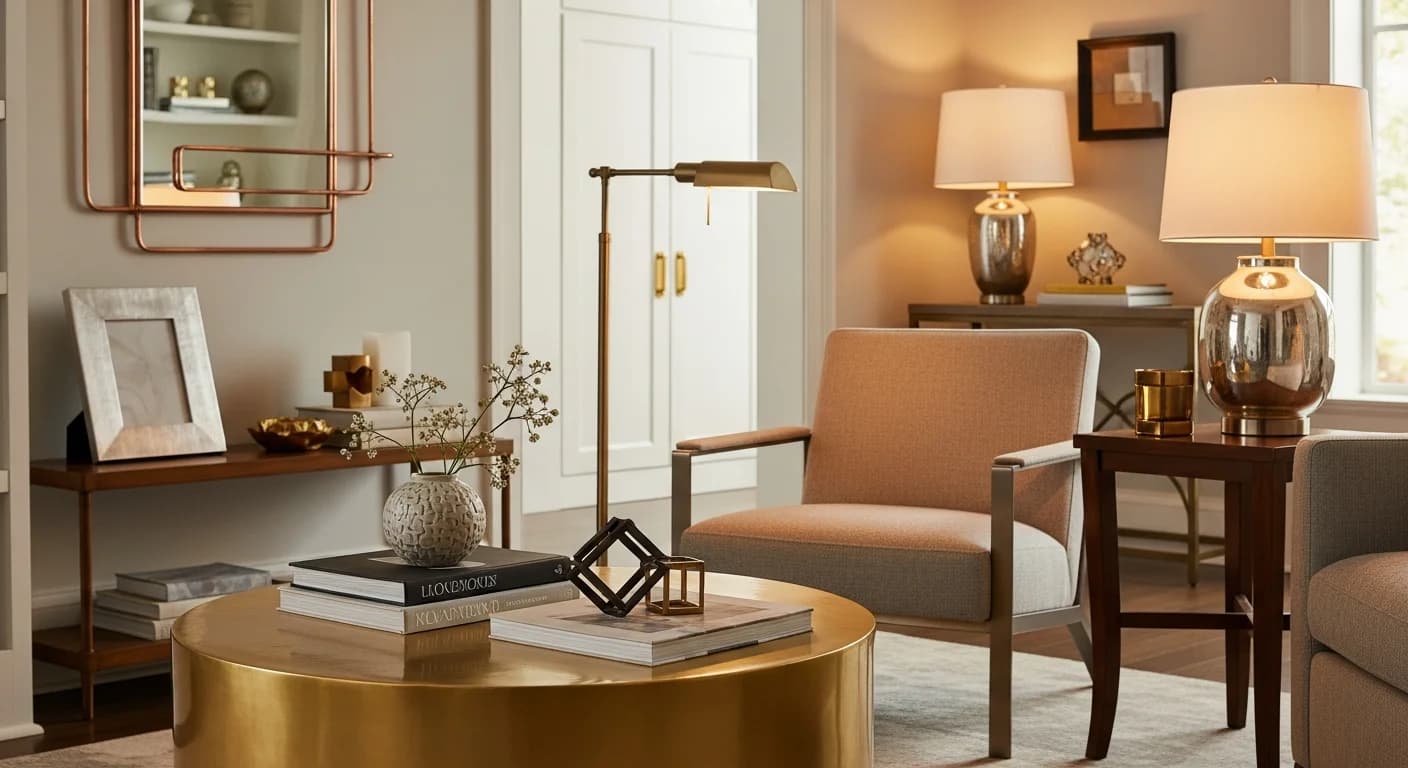
Learning how to mix metals in home decor opens up a world of design possibilities that single-metal rooms cannot achieve. The old rule — match every metal finish in a room — has been replaced by a more nuanced approach that combines warm and cool tones, matte and polished finishes, and vintage and contemporary metals for layered visual richness. Designers consistently report that rooms with 2 to 3 coordinated metal finishes feel more dynamic and visually interesting than rooms restricted to a single finish. The challenge is knowing how to balance different metals so the mix feels intentional rather than haphazard. A 2025 survey by the National Kitchen and Bath Association found that 78% of designers now specify mixed metals in their projects, up from 45% in 2019. This guide breaks down the 6 rules that professionals use to create polished, harmonious metal combinations in any room.
Why Mixed Metals Look Better Than Matched Metals
Matching every metal finish creates a room that feels coordinated but one-dimensional. All-chrome kitchens read as clinical; all-brass rooms can feel dated. Mixing metals adds depth, dimension, and visual contrast that single-metal schemes cannot achieve. A brushed brass faucet next to a matte black light fixture creates a conversation between warm and cool, industrial and refined. The contrast highlights each finish rather than blending everything into homogeneity. Mixed metals also solve a practical problem: most homes accumulate fixtures and hardware from different eras, and the ability to coordinate rather than perfectly match simplifies decorating decisions and extends the life of existing fixtures.
The trend toward mixed metals reflects a broader shift in interior design from rigid matching to intentional coordination. Just as fashion moved beyond perfectly matched shoes and belts to curated combinations, interior design now celebrates the sophistication of controlled contrast. The key word is controlled — mixing metals works when it follows specific proportion and distribution rules.
Rule 1 — Establish a Dominant Metal (60% of Finishes)
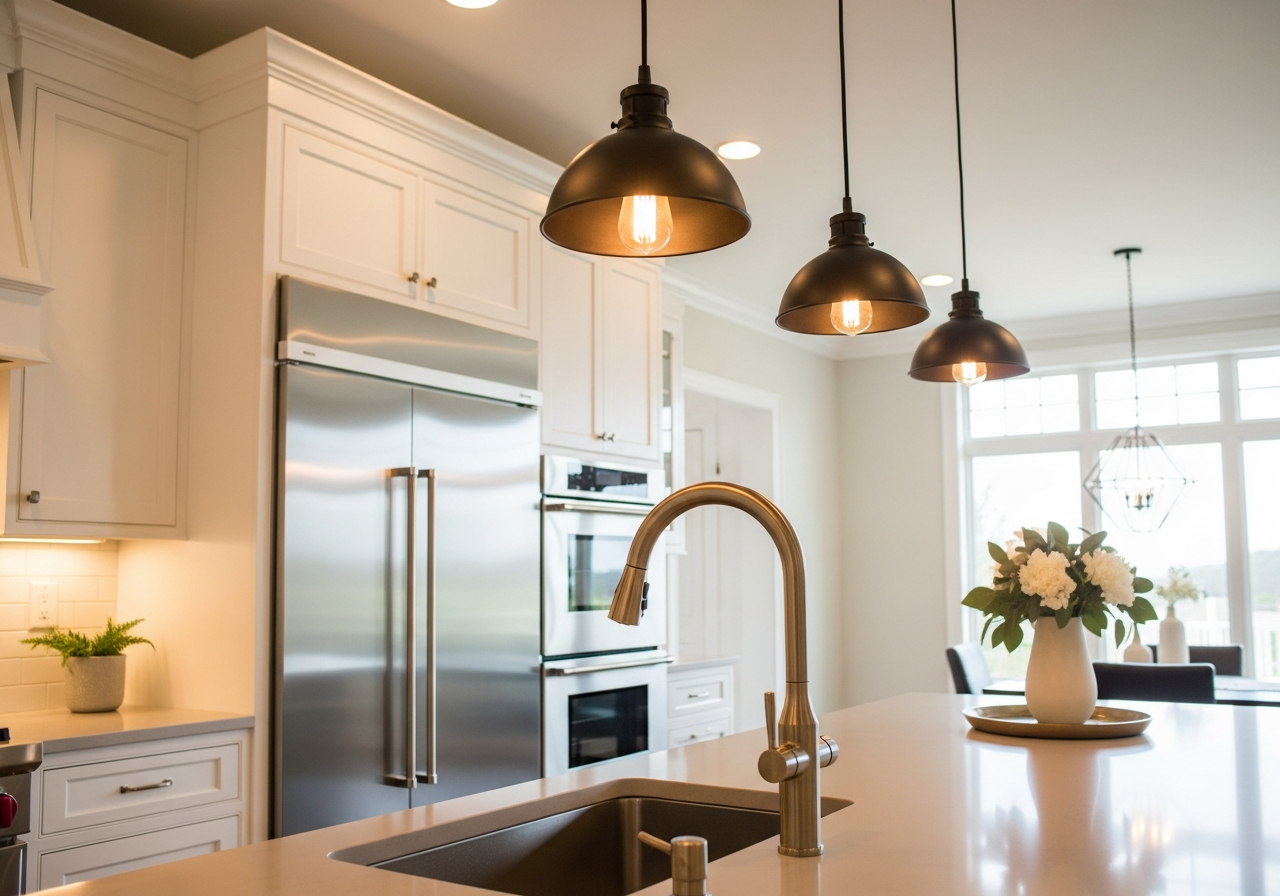
Every successful mixed-metal room has a dominant finish that appears in approximately 60% of the metal surfaces. This dominant metal creates the room's overall metallic character — warm if brass or gold dominates, cool if chrome or nickel dominates, or industrial if matte black dominates. The dominant metal should appear in the room's largest fixtures: cabinet hardware, the primary light fixture, and door handles. A secondary metal occupies roughly 30% of the metal surfaces — perhaps the faucet, smaller light fixtures, and decorative objects. An optional accent metal (10%) adds a surprising spark — a copper tray, an aged bronze frame, or an antique iron piece. This 60/30/10 ratio prevents any single metal from overwhelming while ensuring a clear visual hierarchy. The same proportional thinking applies to building a whole-room color scheme — our color palette guide walks through the full process.
Rule 2 — Group Metals by Temperature: Warm, Cool, and Neutral
Metals fall into three temperature categories that help guide mixing decisions. Warm metals include brass, gold, copper, bronze, and rose gold — they have yellow, orange, or reddish undertones. Cool metals include chrome, polished nickel, stainless steel, and silver — they have blue or gray undertones. Neutral metals include matte black, oil-rubbed bronze, gunmetal, and pewter — they read as neither warm nor cool and bridge between the two families. The safest mixing strategy combines one warm and one cool metal bridged by a neutral. For example, brushed brass (warm) with chrome pulls (cool) connected by matte black light fixtures (neutral) creates a balanced trio.
| Temperature | Metal Finishes | Undertone | Best Paired With |
|---|---|---|---|
| Warm | Brass, gold, copper, bronze, rose gold | Yellow, orange, red | Cool metals via neutral bridge |
| Cool | Chrome, polished nickel, stainless steel, silver | Blue, gray | Warm metals via neutral bridge |
| Neutral | Matte black, oil-rubbed bronze, gunmetal, pewter | Neither warm nor cool | Any temperature — acts as bridge |
Rule 3 — Distribute Metals Evenly Across the Room
A common mixing mistake is clustering all of one metal finish in a single area — all brass on the left wall, all chrome on the right. Even distribution creates visual flow that draws the eye around the room. If your dominant metal is brushed brass, it should appear in hardware on multiple cabinets or furniture pieces throughout the space, not concentrated in one zone. Your secondary metal should similarly be sprinkled across different areas rather than isolated. Think of each metal finish as a color in a painting — the artist distributes each color across the canvas for balance, not concentrating it in one corner.
Rule 4 — Match Finish Textures Within Groups
Within each metal color, maintain consistent texture: if your brass is brushed, keep all brass elements brushed rather than mixing polished brass with brushed brass. The same applies to nickel — brushed nickel and polished nickel look like different metals when placed side by side, and mixing them creates a discordant effect. You can mix across metal colors freely (brushed brass with polished chrome), but within a single metal color, keep the finish texture uniform. This consistency signals intention rather than accident. The one exception is antique or aged finishes — an antique brass piece among modern brushed brass adds character through patina variation while remaining in the same metal family.
Rule 5 — Use Matte Black as Your Universal Connector
Matte black is the most versatile metal finish in interior design because it reads as a neutral that bridges warm and cool metals without competing with either. A matte black light fixture connects a room with brass cabinet hardware and chrome appliances by providing a visual anchor that belongs to neither temperature family. Matte black also adds graphic contrast and a grounding weight that softer metallic finishes lack. Use matte black for at least one element in every room where you are mixing metals — a picture frame, a towel bar, a shelf bracket, or a light fixture. Its neutrality prevents the warm-cool tension from feeling unresolved. Console tables and entryway surfaces are ideal places to practice metal mixing — our console table styling guide shows how to coordinate brass trays with matte black frames.
Rule 6 — Let Architecture Guide Your Fixed Fixtures
Fixed architectural elements — door hinges, window hardware, vent covers, and outlet plates — set a baseline metal that is expensive and disruptive to change. Rather than fighting these fixed finishes, incorporate them into your metal mixing strategy. If your door hinges are satin nickel, use satin nickel as either your dominant or secondary metal and build around it. Kitchen appliances in stainless steel create a cool-toned anchor that pairs naturally with warm brass cabinet pulls and a matte black faucet. Bathroom plumbing fixtures (shower hardware, towel bars) should coordinate with the faucet finish for cohesion in the room's most metal-dense area.
Room-by-Room Metal Mixing Guide
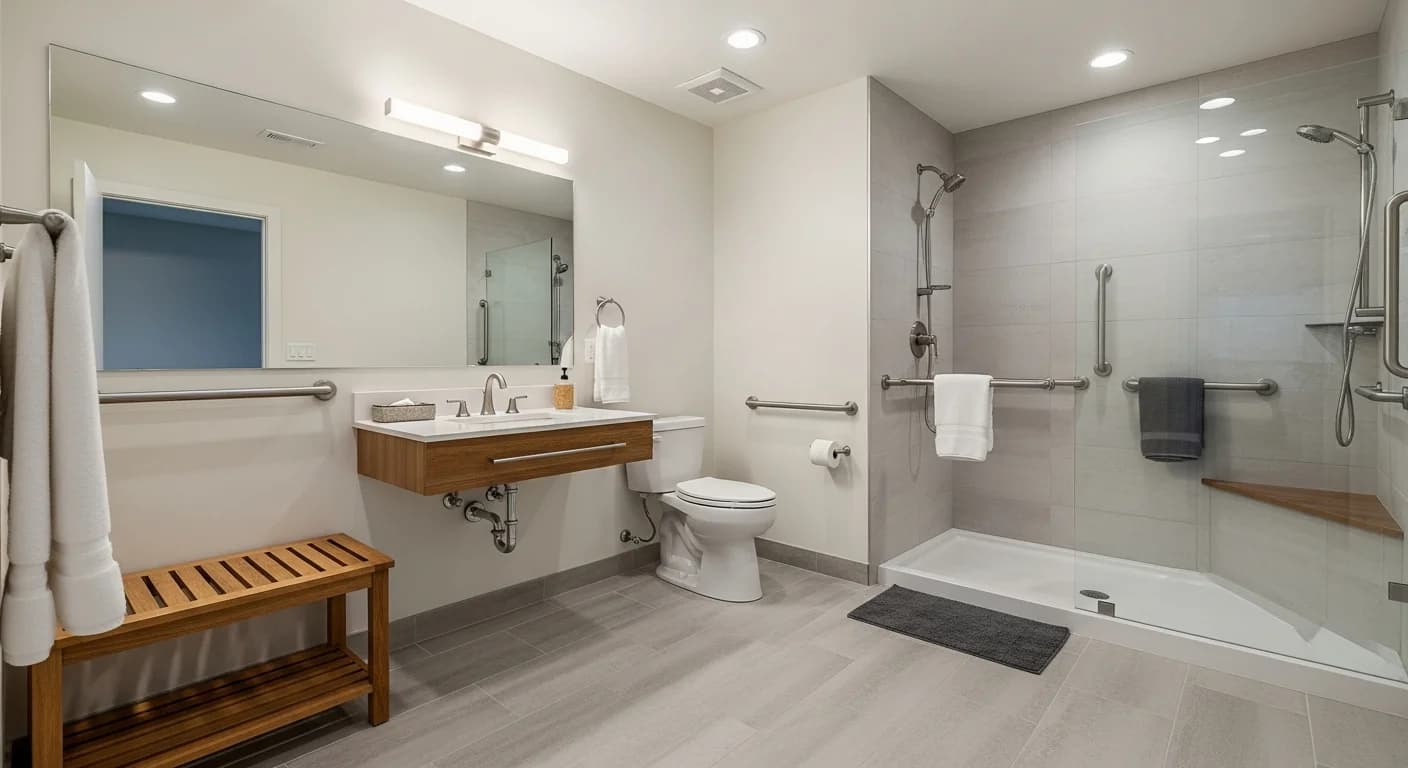
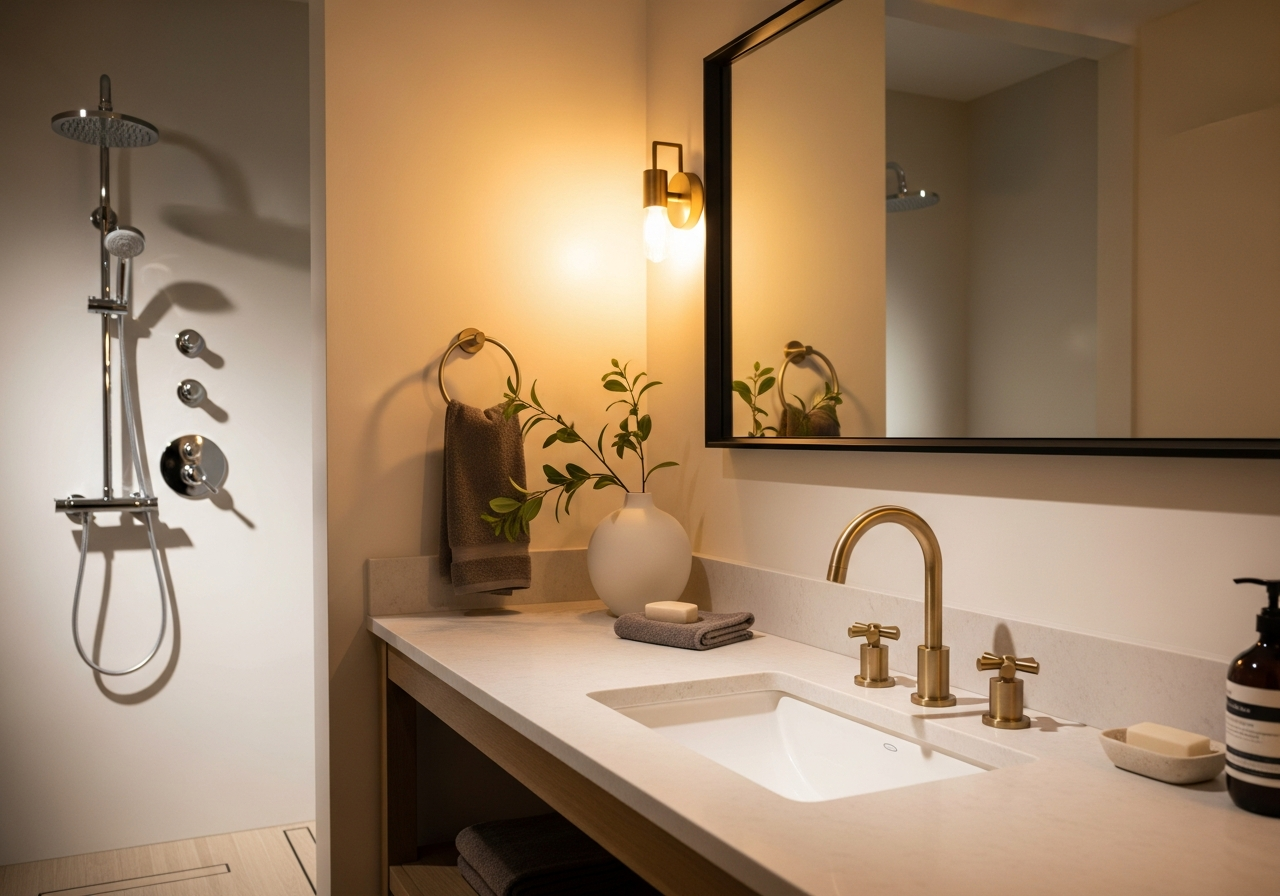
In kitchens, the faucet, cabinet hardware, light fixtures, and appliances create four metal touchpoints. Stainless steel appliances pair well with brushed brass hardware and matte black pendants for a warm-neutral-cool trio. In bathrooms, choose a faucet finish as the dominant metal and coordinate towel bars, shower fixtures, and mirror frames around it — limit bathrooms to 2 metals maximum since the space is small and metal-dense. In living rooms, metal appears in light fixtures, picture frames, coffee table bases, and decorative objects — distribute your dominant and secondary metals across these elements. In bedrooms, the bed frame, nightstand hardware, and lamp base are the primary metal surfaces — coordinate these three and let accessories add the accent finish.
For guidance on coordinating furniture pieces beyond metal finishes, see our furniture matching guide. And for mixing design styles more broadly, explore our modern and vintage mixing guide and pattern mixing tips.
Frequently Asked Questions
Can you mix gold and silver in home decor?
Yes, mixing gold and silver (brass and chrome) is one of the most popular metal combinations in contemporary design. Use the 60/30/10 rule — make one the dominant finish and the other the secondary — and add a neutral like matte black to bridge the two. Distribute both metals evenly across the room rather than isolating each on one side.
How many different metals should I use in one room?
Limit a room to 2 to 3 metal finishes for the most polished look. Two metals create a clean, intentional contrast. Three metals add complexity without chaos when distributed in a 60/30/10 ratio. More than three metals in a single room risks looking random rather than curated, especially in smaller spaces where metal surfaces are closer together.
Should bathroom fixtures all match?
Bathroom fixtures do not need to match perfectly, but they should be limited to 2 finishes maximum because the small space concentrates metal surfaces. The faucet and shower hardware should match or closely coordinate. Towel bars and toilet paper holders can introduce a second finish. A matte black mirror frame with brushed nickel faucets is a classic, successful bathroom metal combination.
What is the most timeless metal finish for home decor?
Brushed brass and satin nickel are the two most enduring metal finishes in home decor. Both offer warmth or coolness without the high-maintenance shine of polished finishes, and both have remained consistently popular through decades of shifting trends. Matte black, while currently trending, has proven staying power due to its neutrality and versatility with other finishes.
Is it okay to mix metal finishes in kitchen hardware?
Yes, mixing metal finishes in kitchen hardware is a designer-approved technique. A common approach is using one metal for cabinet knobs and pulls (brushed brass) and a different metal for the faucet (chrome or matte black). The key is distributing the secondary metal elsewhere in the kitchen — in light fixtures, bar stools, or decorative accessories — so it does not appear isolated.
Visualize Your Metal Mixing Choices with HanoDecor
Not sure whether brass or chrome works better as your dominant metal? Upload a photo of your kitchen, bathroom, or living room to HanoDecor's Room Designer and experiment with different fixture finishes, hardware options, and metal combinations in your actual space. See how brushed brass hardware looks against your existing cabinetry, or test whether matte black fixtures complement your tile. Visualize the metal mix before committing to purchases.
Related Articles
Deepen your style coordination skills with these related guides: How to Mix Modern and Traditional Decor covers the broader 60/40 blending framework where metal choices play a key supporting role. How to Use Bold Colors in Decor explains how metallic finishes interact with vibrant wall and textile colors. How to Decorate a Bathroom applies metal coordination to the most finish-dense room in your home. For integrating vintage metallic pieces into a modern scheme, read How to Incorporate Antiques into Modern Decor, and for full-room context see the complete living room decorating guide.
How to Mix Metals in Home Decor FAQs
Written by
Priya Sharma
Priya is an award-winning UX designer who previously led design teams at Airbnb and Pinterest. Her focus on user-centered design ensures that HanoDecor's tools are intuitive and accessible to everyone, regardless of their technical background.