Living Room Design Trends 2026: What's Shaping the Heart of the Home
The living room has always been the emotional center of the home — the space where families gather, guests are welcomed, and daily life unfolds. In 2026, living room design is undergoing a meaningful evolution that reflects how we actually want to live: surrounded by warmth, authenticity, and spaces that feel genuinely personal rather than styled for a photograph.
This year's trends move decisively away from the sterile perfection that dominated much of the last decade. Instead, designers and homeowners alike are embracing curved furniture, rich dark woods, bold color choices, and a collected aesthetic that tells the story of the people who inhabit the space. Whether you're planning a complete living room layout overhaul or simply refreshing your space with new accents, understanding these trends will help you create a living room that feels both current and timeless.
As part of our comprehensive look at interior design trends for 2026, this guide dives deep into the specific movements shaping living rooms across the country. From the rounded silhouettes taking over seating arrangements to the wallpaper renaissance bringing walls back to life, here's everything you need to know about living room design in 2026.
Curved Furniture and Sculptural Silhouettes
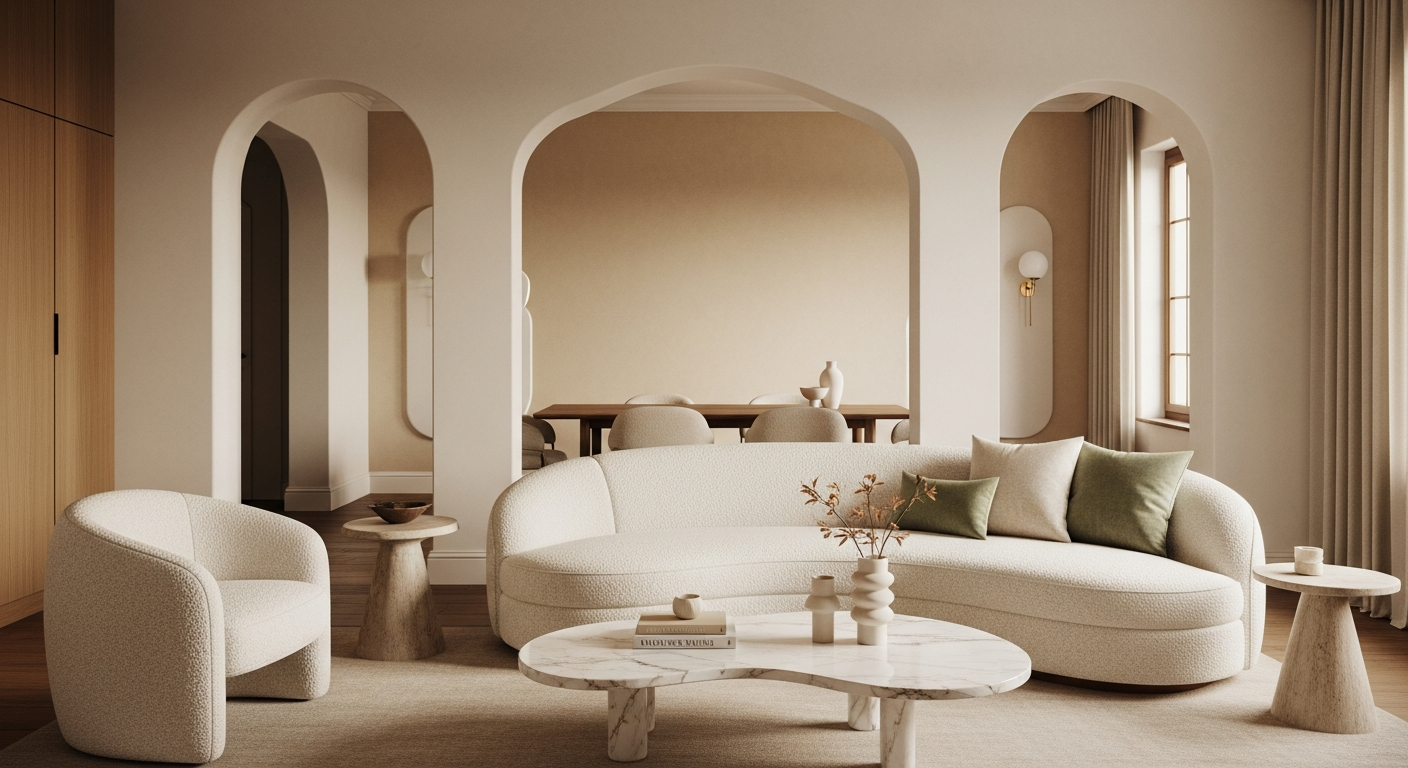
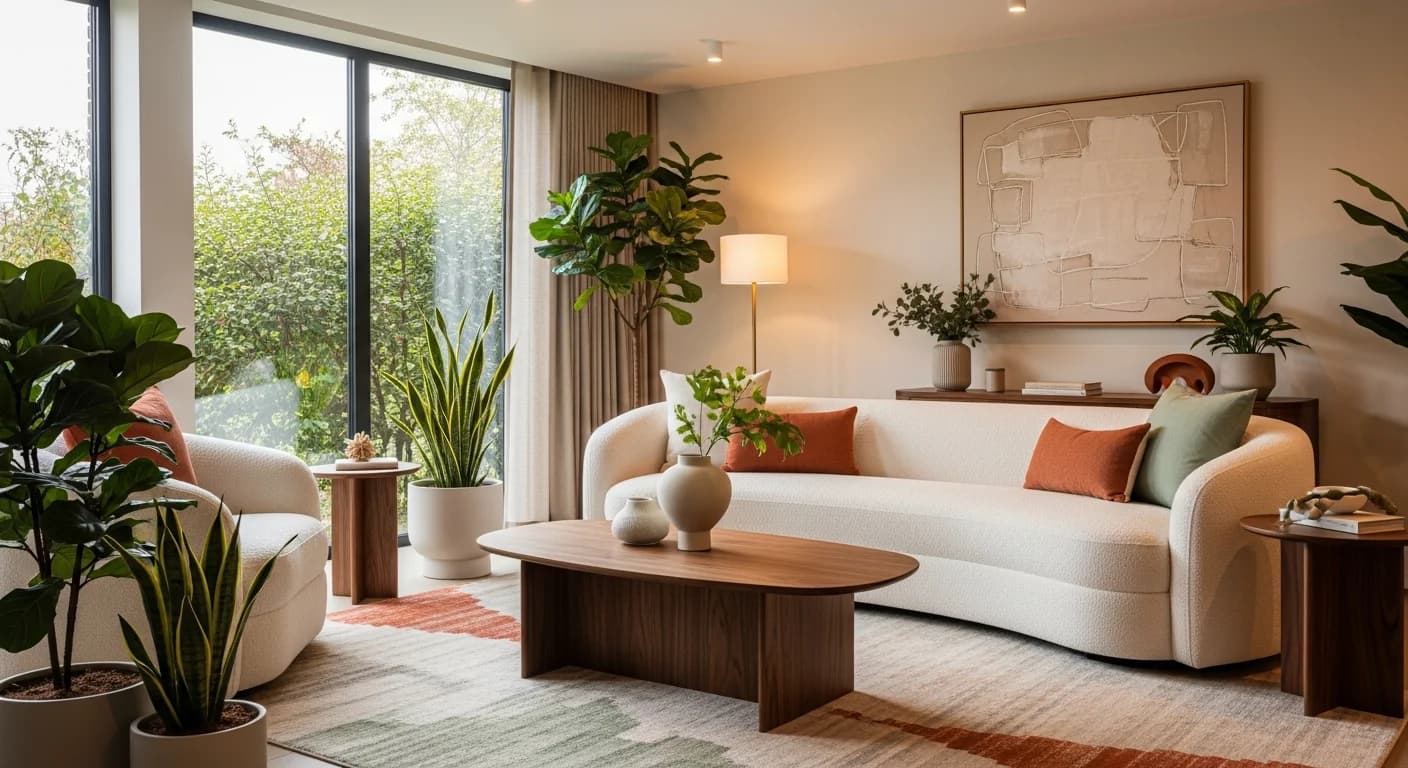
If there's one visual signature that defines the 2026 living room, it's the curve. After years of sharp-edged, geometric furniture dominating showrooms, designers have pivoted dramatically toward rounded, organic silhouettes that bring a sense of comfort and fluidity to interior spaces. This isn't merely an aesthetic preference — it's rooted in psychology. Research in environmental design consistently shows that curved forms feel more inviting and less confrontational than angular ones, triggering feelings of safety and relaxation.
The curved furniture trend manifests in several compelling ways throughout the living room. Rounded sofas and sectionals — think kidney-shaped designs and crescent-form seating — have become the centerpiece of contemporary living spaces. These pieces naturally encourage conversation by orienting occupants toward one another, creating an intimacy that straight-line sofas simply cannot replicate. Brands from luxury to mid-range have embraced this shift, offering curved options in velvet, boucle, and performance fabrics that suit various lifestyles.
Beyond seating, the curve extends to architectural elements and accent pieces. Arched doorways and openings, once relegated to Mediterranean or traditional styles, are appearing in modern and transitional homes as well. Arched bookcases, rounded mirrors, and kidney-shaped coffee tables in stone or dark wood complete the look. The key to executing this trend successfully is restraint — choose one or two statement curved pieces rather than filling the entire room with rounded forms. A sweeping curved sofa paired with a sculptural arched floor lamp creates impact without overwhelming the space.
For those working with smaller living rooms, curved furniture actually offers a surprising advantage: rounded edges improve traffic flow by eliminating sharp corners that can make tight spaces feel cramped. A round coffee table, for instance, allows more fluid movement around the room than a rectangular alternative of similar surface area.
The "Collected Over Time" Living Room
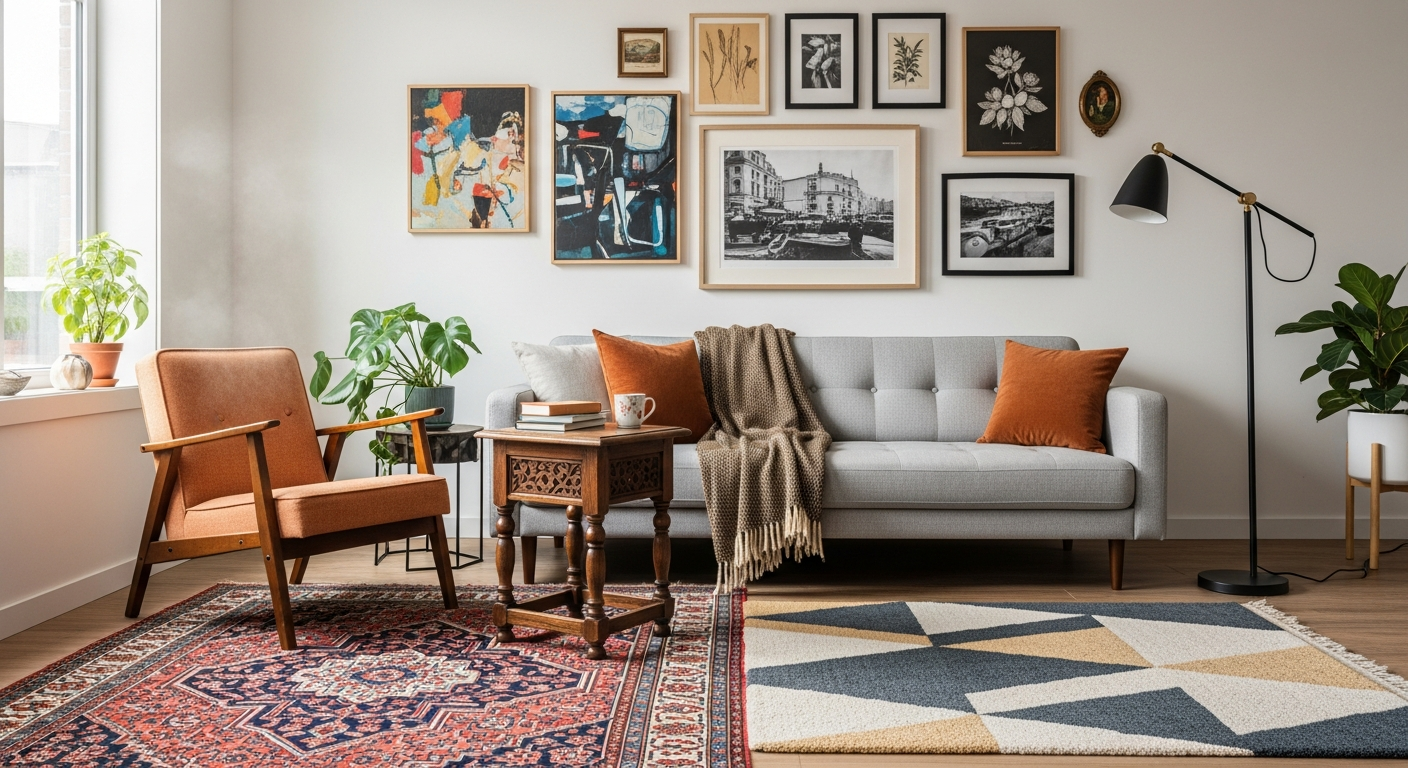
Perhaps the most refreshing trend of 2026 is the rejection of the perfectly coordinated, "showroom-ready" living room in favor of spaces that look and feel genuinely lived in. The "collected over time" aesthetic celebrates the art of mixing eras, styles, and sources — combining a mid-century modern armchair with a contemporary sofa, placing an antique wooden side table beside a modern floor lamp, and layering rugs of different patterns and textures. The result is a room that feels personal, storied, and authentic.
This trend is powered by several converging forces. The sustainability movement has driven a surge in vintage furniture hunting, with consumers preferring one-of-a-kind antique and secondhand pieces over mass-produced alternatives. Simultaneously, the design world has grown fatigued with the "everything matches" approach that defined mid-2010s interiors. Today's most admired interiors feel curated rather than decorated, as if each piece was discovered and chosen with intention over months or years rather than purchased in a single shopping spree.
Successfully achieving the collected look requires a few guiding principles. First, establish a unifying thread — this might be a shared color palette, a consistent material (like wood tones), or a mood (such as warmth and comfort). Second, vary the scale and height of furniture and accessories to create visual rhythm. Third, incorporate pieces with visible age, patina, or handmade imperfection: a slightly worn leather chair, a hand-thrown ceramic vase, or a vintage textile draped over a modern arm. These elements inject soul into the space and distinguish it from anything you'd find in a catalog.
The collected aesthetic also extends to art and accessories. Gallery walls mixing vintage prints with contemporary photography, bookshelves layered with objects from travels and family heirlooms, and side tables topped with collected ceramics all contribute to the narrative. For inspiration on achieving this look within a cozy living room framework, consider starting with your existing pieces and thoughtfully introducing contrasting elements one at a time.
Dark Wood Takes Center Stage
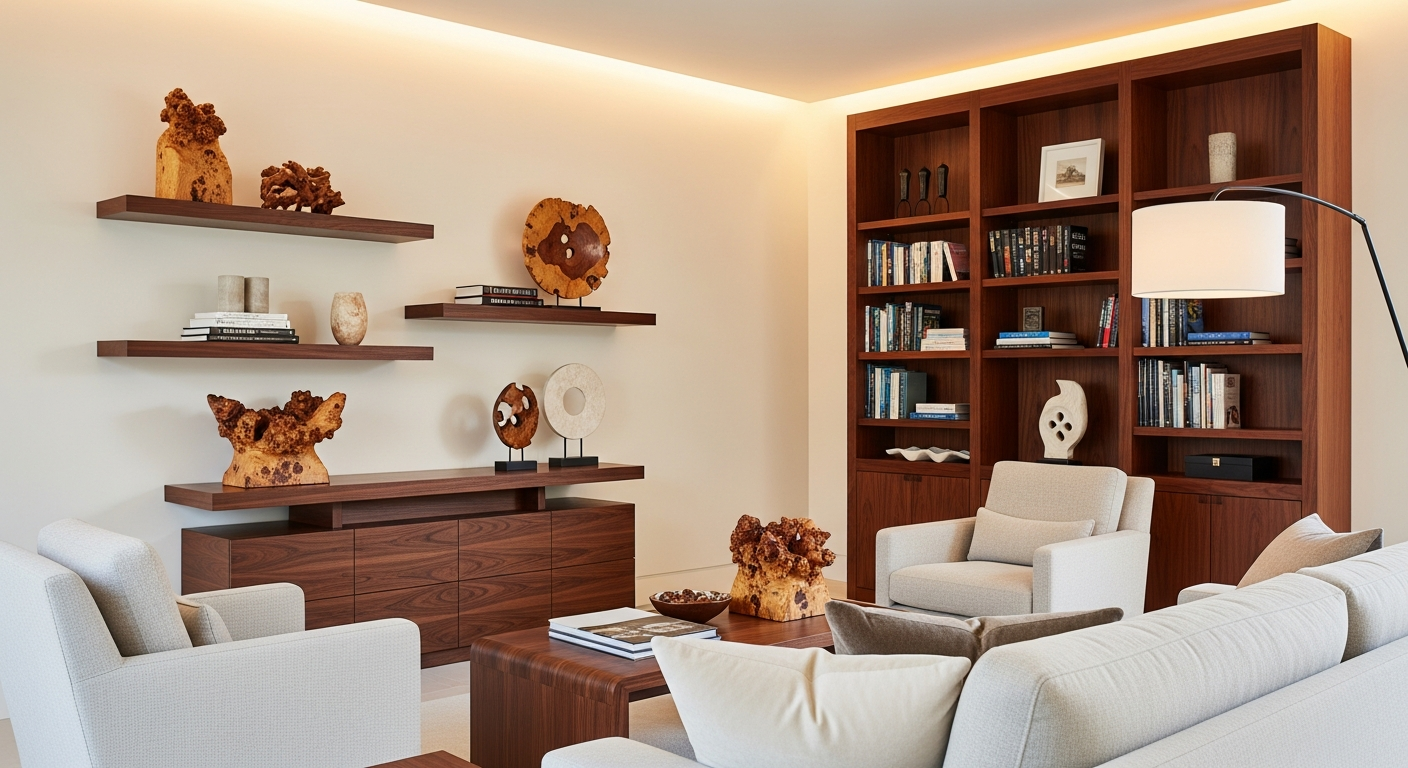
The reign of pale, bleached wood is officially over. In 2026, dark wood furniture has made a commanding return, bringing warmth, sophistication, and architectural gravitas to the living room. Walnut, mahogany, smoked oak, and reclaimed timber in rich, deep tones are replacing the Scandinavian-inspired light woods that dominated the previous decade. Online searches for "burl wood" have surged by over 5,000%, signaling a hunger for character-rich wood with dramatic grain patterns and natural imperfections.
In the living room, dark wood appears most impactfully in statement furniture pieces. A substantial walnut console serves as both a functional storage solution and a visual anchor for the room. Burl wood coffee tables — with their swirling, organic grain patterns — function as sculptural centerpieces that draw the eye and spark conversation. Reclaimed wood shelving units, with their visible history of wear and weathering, add both storage and storytelling to a space.
The secret to incorporating dark wood without creating a heavy or dated atmosphere lies in strategic contrast. Pair dark wooden furniture with lighter textiles — cream linen sofas, ivory throw pillows, and natural fiber rugs — to maintain visual balance. Metallic accents in aged brass or brushed bronze complement dark wood beautifully, adding warmth without competing for attention. Natural stone elements, whether in a marble side table or a travertine lamp base, create a sophisticated material palette alongside dark timber.
For those concerned about dark wood making a room feel smaller, consider using it selectively. A single dark wood piece — a dramatic console or a characterful coffee table — can anchor the room without overwhelming it. The contrast between the dark wood and lighter surroundings actually creates visual depth, making the space feel more dynamic and layered.
Color Confidence in Living Spaces
The era of playing it safe with color is definitively over. Living rooms in 2026 are embracing what designers call "color confidence" — a willingness to move beyond the neutral safety net and introduce rich, saturated hues that transform a space from pleasant to memorable. This shift reflects a broader cultural movement, explored in depth in our guide to interior design color trends for 2026, where homeowners are choosing colors that genuinely resonate with their personalities rather than defaulting to universally "safe" options.
Color drenching — the technique of coating an entire room in a single bold hue, including walls, ceiling, trim, and sometimes even furniture — has emerged as the most dramatic expression of this trend. In the living room, rich forest greens, deep navy blues, warm terracotta, and moody plum tones create enveloping, cocoon-like environments that feel both intimate and sophisticated. When done well, a color-drenched living room eliminates visual fragmentation, creating a seamless, immersive experience that's far more restful than a room with competing colors.
For those not ready to commit to full color drenching, there are graduated approaches. A deeply colored living room color scheme might feature a saturated accent wall balanced with warm neutral tones on adjacent surfaces. Jewel-toned upholstery — an emerald green velvet sofa, a burgundy wingback chair — introduces bold color through furniture rather than paint, offering flexibility to evolve the palette over time. Even smaller interventions like richly colored throw pillows, deeply hued lampshades, and saturated artwork can shift a living room from bland to bold.
The key to successful color confidence is cohesion. Rather than introducing multiple competing bold colors, choose one dominant saturated hue and build the palette around it using tonal variations and complementary neutrals. A living room anchored by deep olive green, for example, might incorporate sage accents, cream textiles, and dark wood — all reinforcing the primary color story without competing with it.
Wallpaper's Living Room Renaissance
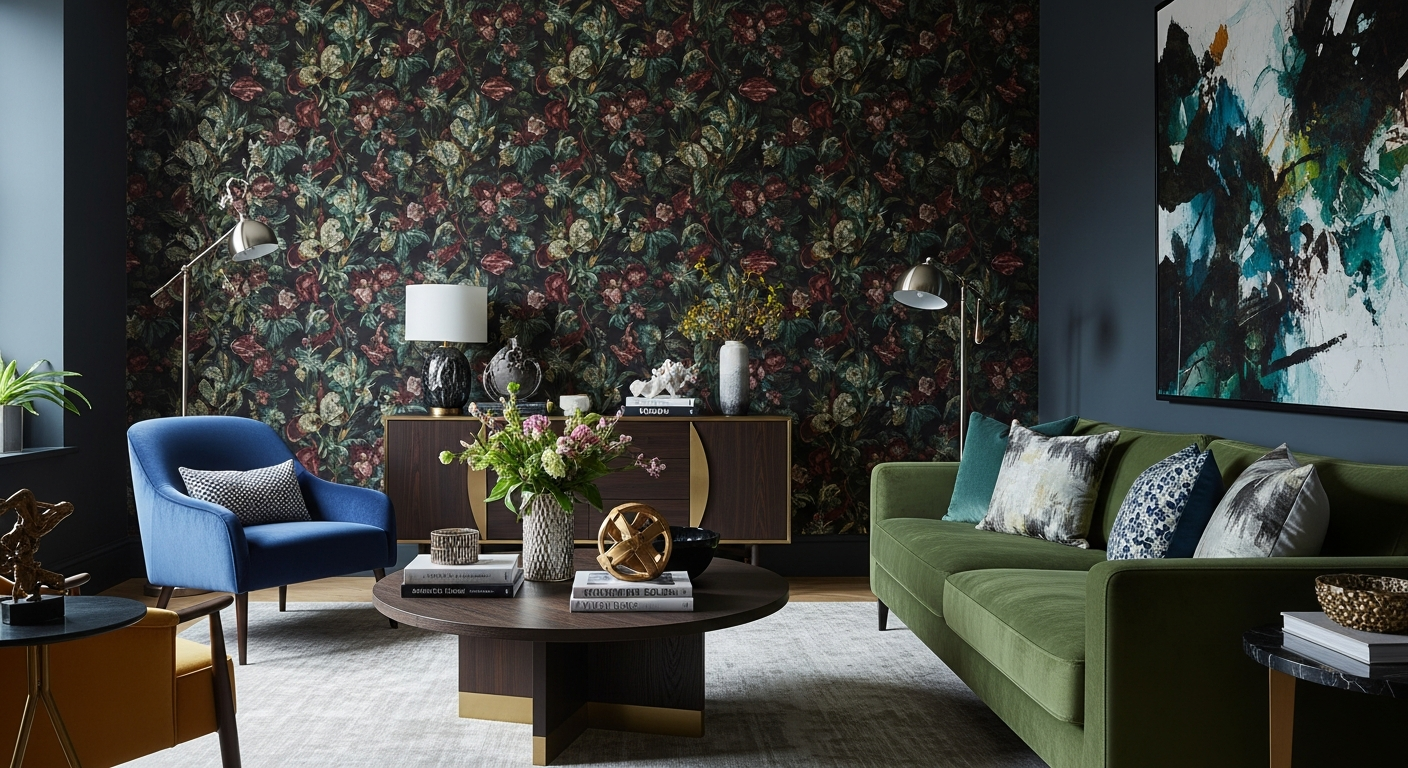
Wallpaper has returned with force, and the living room is its primary stage. The wallpaper trends of 2026 bear little resemblance to the dated patterns many homeowners associate with the medium. Today's wallpapers are works of art: large-scale botanical prints in moody colorways, textured grasscloth and sisal that add dimension and warmth, hand-painted murals that transform a wall into a landscape, and abstract geometric patterns that bring contemporary energy to a space.
The most popular approach for living rooms is the statement wall — applying a bold or textured wallpaper to a single focal wall while keeping the remaining walls in a complementary solid color. This technique concentrates visual impact, creates a natural focal point (often behind the sofa or around a fireplace), and makes the wallpaper investment more accessible both financially and in terms of commitment. For those with more confidence, wrapping an entire room in a subtler textured wallpaper — such as linen-look or fine grasscloth — creates an enveloping warmth that paint alone cannot achieve.
Floral patterns have experienced a particular resurgence, but with a decidedly modern interpretation. The florals of 2026 are oversized, dramatic, and often rendered in dark, moody colorways — think midnight blue backgrounds with rich green foliage and deep crimson blooms. These patterns feel sophisticated rather than quaint, bringing natural beauty indoors with an artistic, contemporary sensibility.
When selecting wallpaper for a living room, consider the room's light conditions, existing furniture colors, and the mood you want to create. A north-facing room benefits from warmer-toned wallpapers, while a south-facing space can handle cooler or bolder patterns without feeling oppressive. Always order samples and view them in your actual room at different times of day before committing — wallpaper transforms dramatically under different lighting conditions.
Warmth Through Layered Textiles
Textiles are the secret weapon of the 2026 living room. As part of the broader movement toward tactile, sensory-rich spaces, designers are championing the art of layering fabrics to create warmth, depth, and visual complexity. This goes far beyond simply adding throw pillows — it's a holistic approach to soft furnishing that encompasses upholstery, rugs, window treatments, and decorative textiles.
The textile palette of 2026 favors rich, natural-feeling fabrics with distinctive textures. Velvet has retained its position as a living room staple, particularly in deep jewel tones. Boucle, while still present, is being joined — and sometimes replaced — by chenille, mohair, and heavyweight linen. Wool and cashmere throws in earthy tones drape over sofas and armchairs, adding both warmth and visual softness. The common thread is tactile richness: every fabric in the 2026 living room should invite touch.
Layered rugs have emerged as a defining feature of this trend. Placing a smaller patterned rug — perhaps a vintage Persian or Turkish kilim — over a larger neutral area rug creates depth and visual interest while also defining different zones within an open-plan living area. This technique is especially effective in larger rooms or when working within an open-concept floor plan, where layered textiles help create intimacy and boundaries without physical barriers.
Drapery has made a triumphant return after years of bare or minimally dressed windows. Floor-length curtains in linen, velvet, or heavyweight cotton add height to a room, soften acoustics, and provide a sense of enclosure and warmth. The preferred drape style for 2026 is generous and slightly puddled — offering a relaxed, lived-in quality that aligns with the overall move toward comfort and authenticity. For optimal living room lighting, consider how your textile choices interact with natural and artificial light throughout the day.
Biophilic Touches in the Living Room
The integration of nature into living spaces continues to evolve in 2026, moving well beyond the simple addition of a few potted plants. Biophilic design in the living room now encompasses a comprehensive approach to connecting indoor spaces with the natural world — through materials, light, form, and living elements working in concert.
Large-scale plants remain an important element, but the emphasis has shifted toward dramatic, statement specimens rather than collections of small pots. A mature fiddle leaf fig, a sculptural olive tree, or a lush bird of paradise placed in a handmade ceramic planter creates far more impact than a windowsill full of succulents. Trailing plants like pothos or string of pearls, positioned on high shelves or suspended from ceiling hooks, add vertical greenery that draws the eye upward and softens architectural lines.
Beyond living plants, biophilic living room design incorporates natural materials and textures at every level. Stone-topped coffee tables, rattan accent chairs, jute and seagrass rugs, and wooden ceiling beams all reinforce the connection to nature. Natural light is maximized through sheer window treatments that filter rather than block sunlight, and furniture arrangements are oriented to take advantage of views and daylight throughout the day.
Water features — once reserved for spas and commercial spaces — are beginning to appear in residential living rooms as tabletop fountains and sculptural water walls. The gentle sound of flowing water adds a multi-sensory dimension to biophilic design, creating an ambient soundtrack that research has shown to reduce stress and improve concentration.
What's Out for Living Rooms in 2026
Understanding what's fading from favor is just as valuable as knowing what's trending. Several once-dominant living room trends have reached their expiration date in 2026:
All-white living rooms have lost their appeal as homeowners seek warmth, color, and personality. The pristine white sofa, white walls, white rug combination — while photographically clean — proved impractical and emotionally cold for actual daily living. Warm neutrals, soft creams, and layered tonal palettes have replaced the stark white approach.
The light wood and boucle combination that defined countless interiors from 2020 to 2024 has reached saturation. While individually these elements remain viable, their pairing feels formulaic and expected. Dark woods and richer textile options like velvet and chenille offer a fresh alternative.
Matte black hardware and fixtures are being replaced by warmer metallic finishes. Aged brass, unlacquered bronze, and brushed gold bring personality and patina that matte black lacks. These warmer metals complement the overall shift toward richness and character in living room design.
Fast-fashion furniture — inexpensive pieces designed to be replaced seasonally — is falling out of favor as sustainability consciousness grows. Homeowners are increasingly investing in fewer, better-quality pieces that will age gracefully and develop character over time, aligning with the "collected over time" aesthetic.
Gray-on-gray color schemes, the defining palette of the mid-2010s, have been firmly replaced by warmer tones. While gray hasn't disappeared entirely, it now serves as a supporting player rather than the star, typically appearing in its warmest iterations (greige, warm charcoal) alongside earth tones and natural materials.
How to Visualize These Trends in Your Living Room
Adopting new design trends always involves a leap of faith — especially when considering bold moves like color drenching, dramatic wallpaper, or dark wood furniture. Before committing time and money to significant changes, it's worth exploring how these trends will actually look in your specific space.
AI-powered design visualization tools have transformed this process. By uploading a photo of your current living room to HanoDecor's design studio, you can experiment with 2026's biggest trends risk-free. Test how a curved sofa would look against your existing walls, preview a bold wallpaper pattern on your focal wall, or see whether dark walnut furniture complements or overwhelms your space — all before making a single purchase or picking up a paintbrush.
This approach is particularly valuable for trend exploration because it removes the commitment barrier that often prevents homeowners from trying something new. Seeing a color-drenched living room in rich forest green on your actual walls — with your furniture, your lighting, your proportions — provides confidence that no amount of Pinterest browsing or showroom visits can match. The most successful living room designs of 2026 will be those where homeowners had the courage to move beyond their comfort zone, guided by visualization tools that made the unfamiliar feel achievable.
Frequently Asked Questions
What is the biggest living room trend for 2026?
The "collected over time" aesthetic is arguably the defining trend — a shift away from perfectly matched, showroom-style rooms toward spaces that feel genuinely personal and lived-in. This manifests through mixing vintage and modern furniture, embracing dark woods and natural materials, and choosing pieces with character and patina over mass-produced perfection.
Are gray living rooms still in style in 2026?
Cool gray has fallen out of favor as the dominant color palette. The 2026 living room favors warmer tones — terracotta, sage green, warm cream, and deep jewel tones. If you prefer neutral tones, warm greige or soft mushroom tones offer a contemporary alternative to cool gray.
How can I make my living room look more modern in 2026?
Focus on three key updates: introduce one or two curved furniture pieces to replace angular designs, swap light wood accents for richer dark walnut or mahogany tones, and add color confidence through a bold accent wall, jewel-toned upholstery, or dramatic wallpaper. Layer textiles and incorporate natural elements for a complete transformation.
Is the open-concept living room still popular?
Open-concept layouts remain popular, but with increased emphasis on defining zones within the space. Layered rugs, strategic furniture placement, and varied lighting layers help create distinct areas within an open floor plan while maintaining the airy, connected feel that makes open concepts appealing.
What furniture styles are trending for living rooms in 2026?
Curved and rounded silhouettes lead the way — kidney-shaped sofas, arched bookcases, and round coffee tables. Character pieces in dark wood, vintage or antique accent furniture, and upholstered pieces in rich velvet or chenille define the 2026 furniture landscape. The emphasis is on quality craftsmanship and distinctive character over mass-produced uniformity.
How do I incorporate 2026 trends without a full renovation?
Start with textiles and accessories: new throw pillows in rich jewel tones, a layered rug combination, floor-length curtains, and a statement plant create significant impact without structural changes. Replacing hardware with aged brass finishes, adding a bold piece of art, or introducing a single piece of dark wood furniture can shift the entire feel of a room. Use HanoDecor's visualization tools to test bigger changes before committing.
Living Room Design Trends 2026 FAQs
Written by
Sarah Mitchell
Sarah is a certified interior designer (CID) with experience designing residential and commercial spaces across three continents. She curates our design style library and ensures all AI-generated designs follow established design principles.