Shower Remodel: The Complete Guide to Costs, Types, and Installation (2026)
Quick Summary
A comprehensive shower remodel guide covering all shower types (tub-to-shower, walk-in, curbless, steam), detailed cost breakdowns by component and scope, critical waterproofing methods, tile selection for wet environments, fixture options, glass enclosure types, DIY vs. professional decisions, and realistic timelines.
A shower remodel is one of the most impactful bathroom upgrades you can make — and one of the most technically demanding to get right. Unlike swapping a faucet or painting cabinets, a shower renovation involves waterproofing, tile work, plumbing, and potentially structural changes that must all work together to prevent water damage for decades. This complete guide covers every aspect of a shower remodel: the types of showers available, realistic costs at every budget level, the critical waterproofing decisions that determine long-term success, tile and fixture selection, and a clear framework for deciding between DIY and professional installation.
Types of Shower Remodels
Before budgeting or planning, the first decision is what type of shower you want. Each type carries different costs, space requirements, and installation complexity.

Tub-to-Shower Conversion
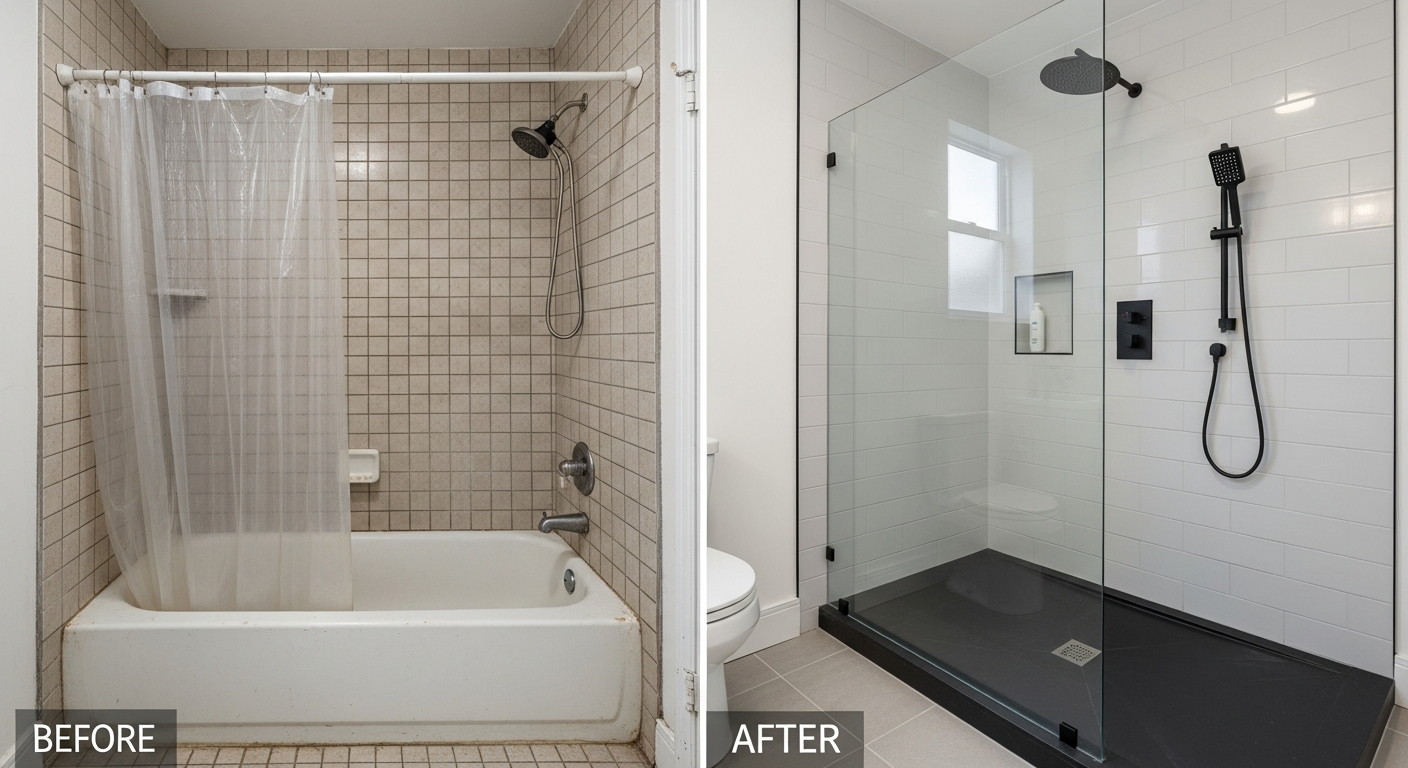
Removing a bathtub and replacing it with a stand-alone shower is the most common shower remodel. This conversion reclaims floor space, eliminates the step-over barrier, and creates a more open bathroom feel. The plumbing infrastructure (drain location, water supply lines, and vent stack) typically remains in approximately the same position, which controls costs. However, the drain must be relocated from the tub position to the shower pan location — a plumbing modification that costs $500 to $1,500 depending on floor construction.
Cost range: $3,000 to $15,000 depending on size and finishes. Best for: Bathrooms where the tub is never used and the space would be better served by a larger shower.
Walk-In Shower Remodel
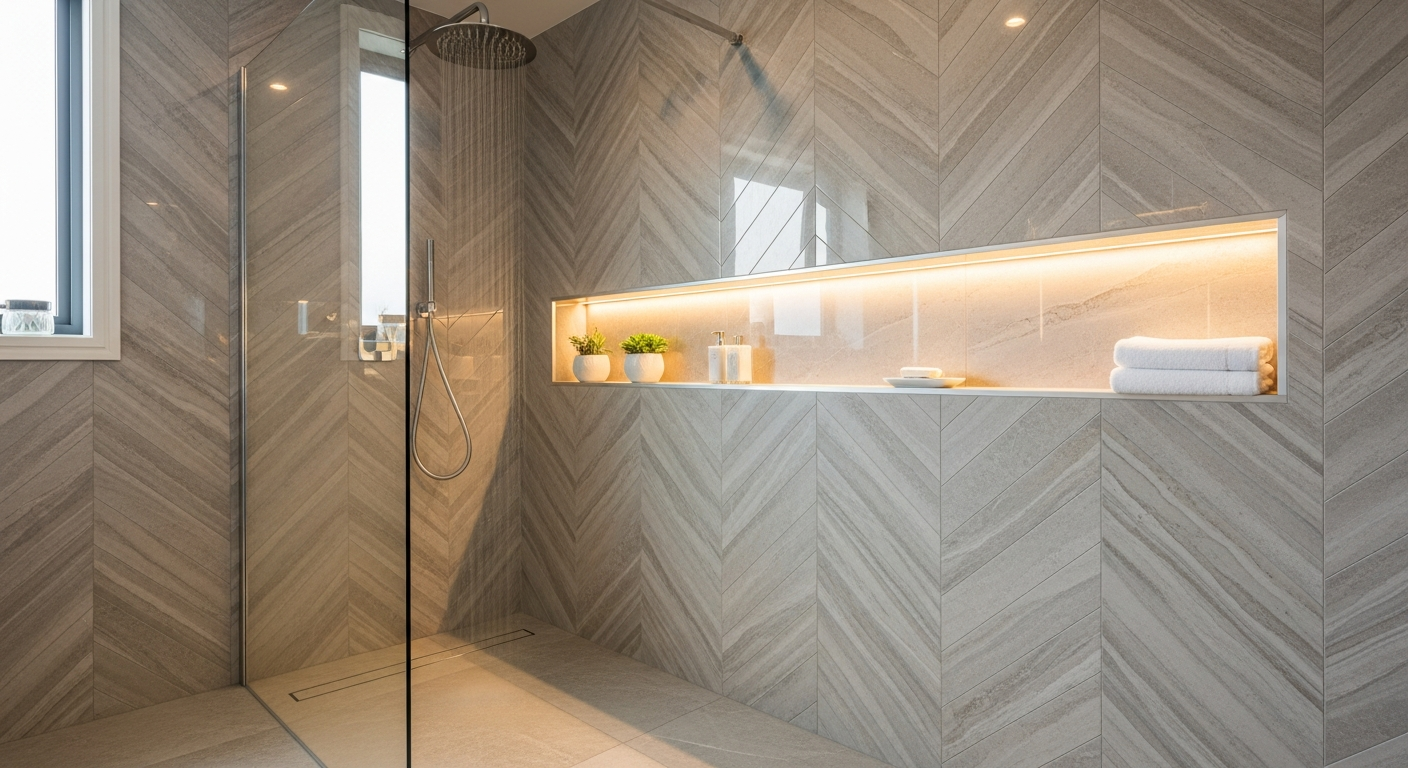
A walk-in shower with a glass enclosure (frameless, semi-frameless, or framed) is the most popular shower style in modern renovations. Standard sizes range from 36x36 inches (minimum code requirement) to 60x36 inches or larger. Walk-in showers accommodate single or multiple shower heads, built-in niches for storage, and bench seating. For design inspiration, see our walk-in shower design guide.
Cost range: $4,000 to $20,000. Best for: Primary bathrooms where the shower is a daily-use feature worth investing in.
Curbless (Zero-Entry) Shower
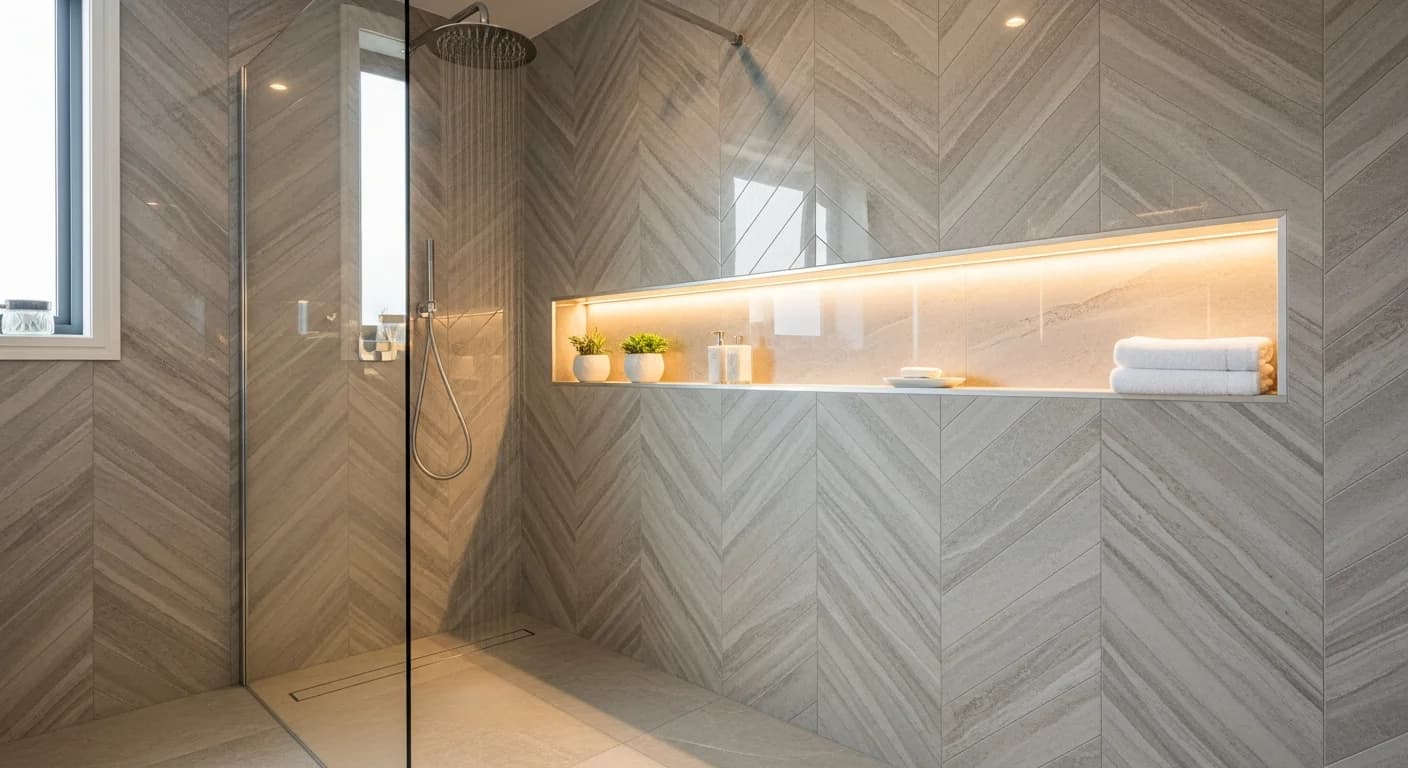
A curbless shower eliminates the raised threshold entirely, creating a seamless transition from bathroom floor to shower floor. This design requires careful slope engineering (typically a quarter-inch per foot toward the drain), a linear drain system, and continuous waterproofing from the shower through the adjacent floor. The result is visually striking and practically essential for accessible or aging-in-place design. For detailed curbless design considerations, see our curbless shower guide.
Cost range: $6,000 to $25,000. The premium over a standard walk-in reflects the additional engineering, waterproofing, and precise tile work required. Best for: Modern design aesthetics, accessible bathrooms, and aging-in-place preparations.
Shower Refresh (Existing Footprint)
Keeping the existing shower pan and plumbing while updating tile, fixtures, glass, and accessories. This approach costs significantly less because it avoids plumbing work, demolition of the shower base, and waterproofing of the pan. The limitation is that you are locked into the existing size and layout.
Cost range: $2,000 to $8,000. Best for: Showers where the size and layout work well but the tile, grout, and fixtures are dated or deteriorating.
Steam Shower
A fully enclosed shower with a steam generator, sealed glass enclosure (floor to ceiling), and vapor-proof construction. Steam showers require a dedicated electrical circuit (usually 240V), a fully waterproofed and vapor-sealed enclosure, a sloped ceiling to prevent condensation dripping, and adequate ventilation. This is the most complex and expensive shower type.
Cost range: $8,000 to $30,000. Best for: Homeowners who want a spa experience and are willing to invest in specialized construction.
Shower Remodel Costs: Complete Breakdown
Understanding where the money goes helps you make informed decisions about where to invest and where to economize. For context on how shower costs fit into total bathroom renovation budgets, see our 2026 bathroom remodel cost guide.
Labor Costs: 40 to 60 Percent of Total
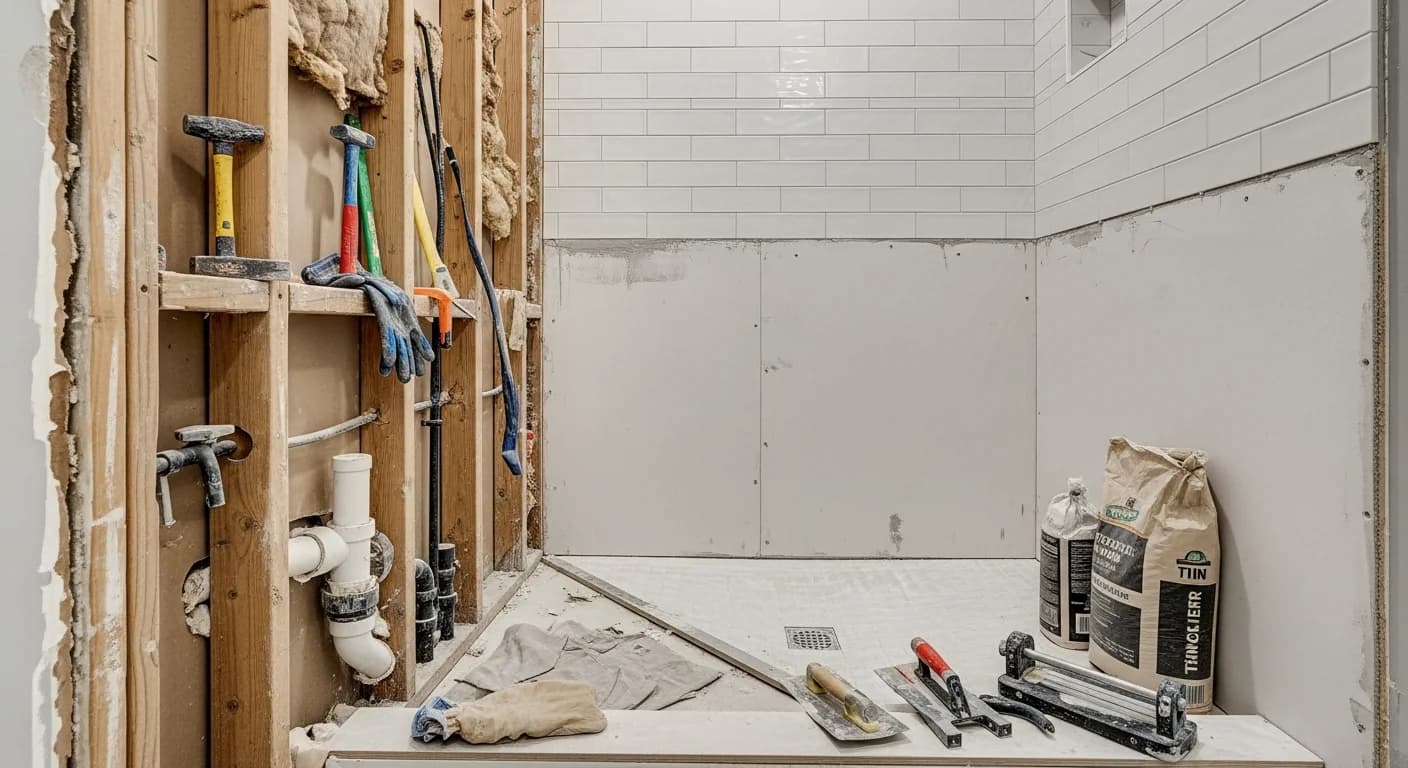
Shower remodels are labor-intensive because they involve multiple trades working in sequence. Demolition: $500 to $1,500 (removing existing tile, pan, and drywall). Plumbing: $800 to $3,000 (relocating drain, replacing valve, adding supply lines). Waterproofing: $500 to $1,500 (membrane application, pan construction, testing). Tile setting: $1,500 to $5,000 (the largest labor cost — complex patterns and small tiles increase time significantly). Glass installation: $500 to $2,000 (frameless glass requires precision measurement and custom fabrication).
Material Costs by Component
Tile: $3 to $50 per square foot depending on material. Budget porcelain runs $3 to $8, quality porcelain $8 to $15, natural stone $15 to $50. A typical shower uses 80 to 150 square feet of tile (walls and floor). For tile pattern ideas, see our shower tile patterns guide.
Shower pan or base: $200 to $2,000. Prefabricated acrylic bases cost $200 to $600. Custom tile-ready foam pans cost $300 to $800. Mud-set (mortar bed) pans cost $600 to $1,500 in materials and labor. Curbless linear drain systems cost $800 to $2,000.
Glass enclosure: $300 to $5,000. Framed glass doors start at $300 to $800. Semi-frameless run $600 to $1,500. Frameless custom enclosures cost $1,500 to $5,000 depending on configuration and glass thickness.
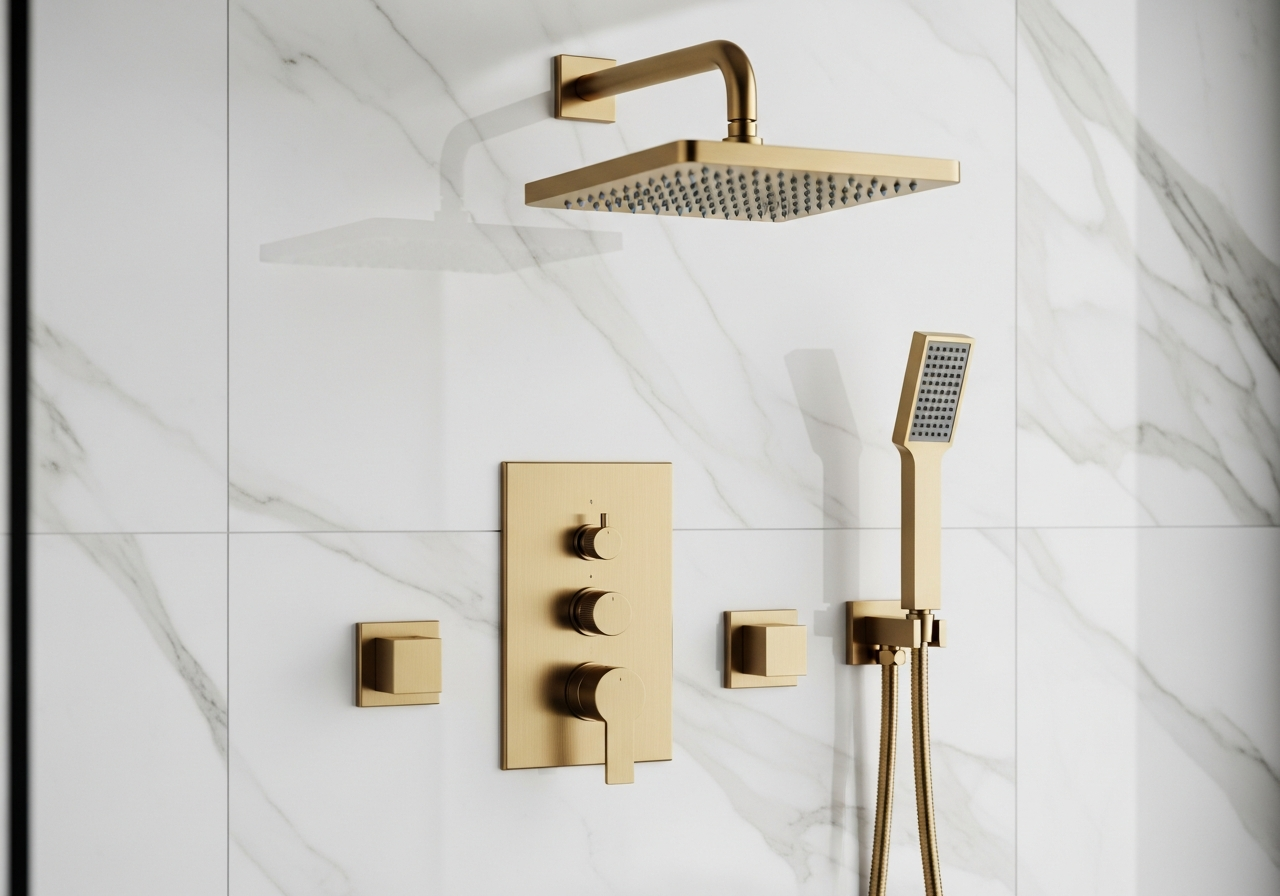
Fixtures: $200 to $3,000. Budget shower valve and head sets start at $200. Mid-range thermostatic systems with rain head and handheld run $500 to $1,200. Premium multi-function systems with body jets, digital controls, and steam cost $1,500 to $3,000 or more. For fixture selection guidance, see our fixture finishes comparison.
Cost by Scope Level
Budget refresh ($2,000 to $5,000): Keep existing pan, re-tile walls with budget porcelain, new fixtures, new glass door or panel.
Mid-range remodel ($5,000 to $15,000): New shower pan, quality porcelain or ceramic tile, frameless glass enclosure, thermostatic valve with rain head, built-in niches, bench.
High-end remodel ($15,000 to $30,000): Custom curbless design, natural stone or premium porcelain, frameless glass with specialty hardware, multi-function shower system, heated floor in shower, LED niche lighting, linear drain.
Waterproofing: The Most Critical Decision
Waterproofing is the invisible foundation of every shower remodel. Failures here cause the most expensive damage — mold, rot, structural deterioration — often invisible for years until the damage is severe. This is not the area to cut costs or take shortcuts.
Waterproofing Methods
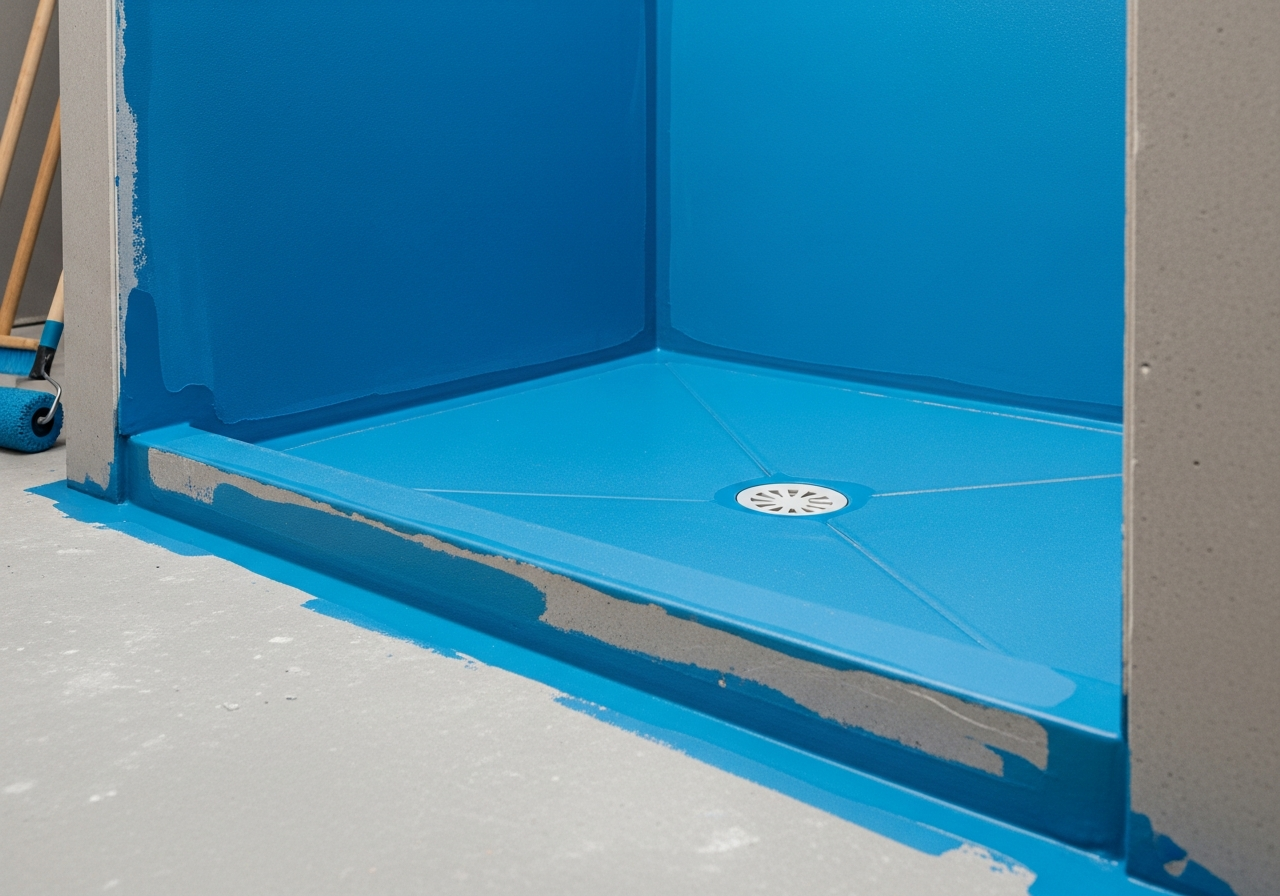
Sheet membrane (Kerdi, NobleSeal): Pre-formed waterproof sheets bonded to the substrate with thinset. Provides consistent thickness, fewer application errors, and integrated corners and transitions. Cost: $2 to $4 per square foot for materials. This is the most reliable method for DIY-adjacent installations because the membrane thickness is guaranteed.
Liquid-applied membrane (RedGard, Hydroban, Laticrete): Liquid waterproofing rolled or brushed onto the substrate in multiple coats. More forgiving of irregular surfaces and easier to apply around complex geometry. Cost: $1 to $2 per square foot for materials. Requires consistent application thickness — too thin and it fails, creating future problems. For ventilation considerations that affect moisture management, see our bathroom ventilation guide.
Foam panel systems (Wedi, GoBoard, Kerdi-Board): Waterproof foam panels that serve as both substrate and waterproofing in one step. Install directly to studs, eliminating the need for cement board and a separate membrane. Cost: $4 to $8 per square foot but saves labor by combining two steps. Increasingly popular for both professional and advanced DIY installations.
Waterproofing Non-Negotiables
Regardless of which system you choose, these requirements are absolute: the waterproof layer must be continuous from the shower floor up the walls to at least 6 inches above the shower head (72 inches minimum, ideally to the ceiling). All corners must use pre-formed corner pieces or extra membrane layers. The shower pan must slope to the drain with no low spots that could pool water. The drain assembly must integrate with the waterproofing membrane using a bonding flange. Test the installation with a flood test (plug the drain, fill with 2 inches of water, wait 24 hours) before installing any tile.
Tile Selection and Installation
Tile choices affect both the appearance and the long-term performance of your shower. The wrong tile in a shower environment can crack, stain, or become dangerously slippery.
Best Tile Materials for Showers
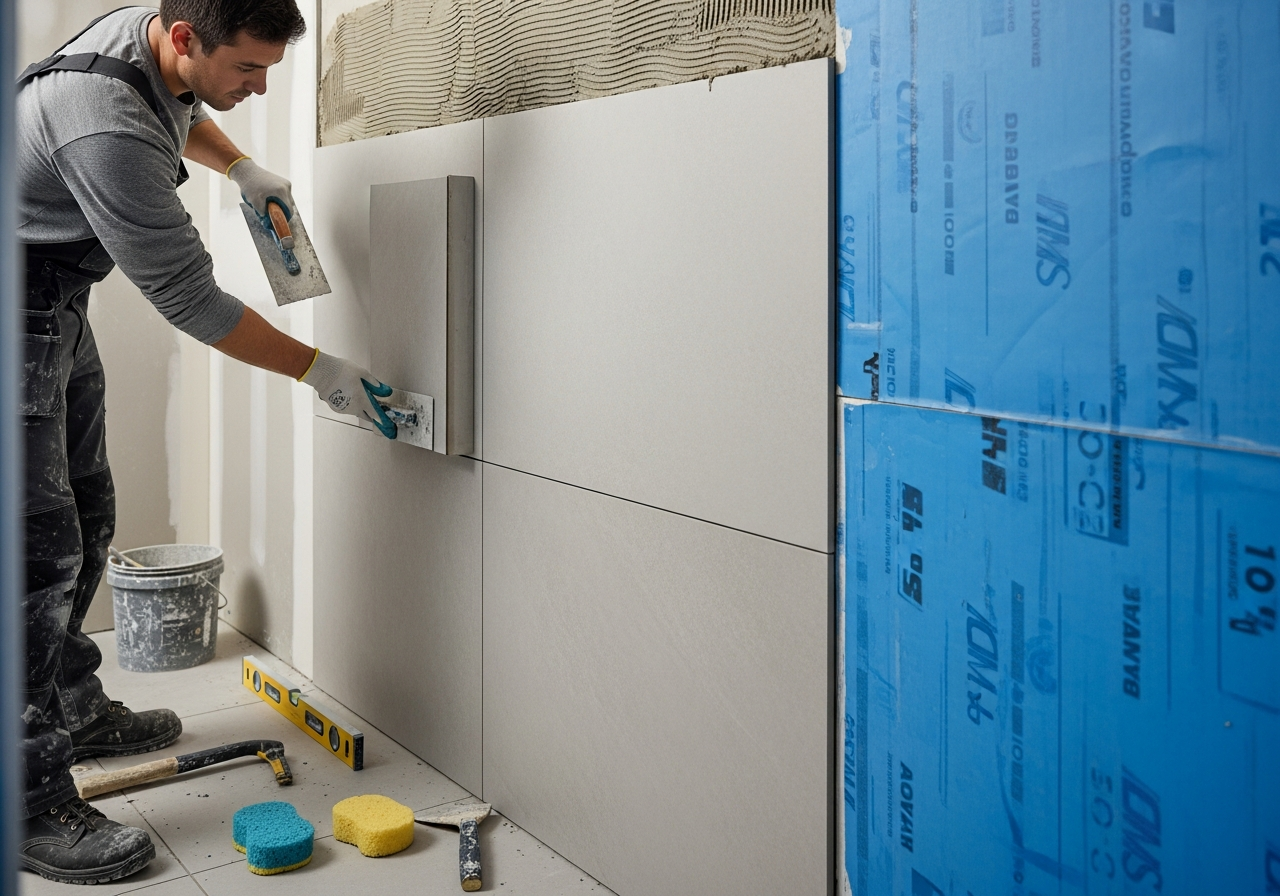
Porcelain: The workhorse of shower tile. Water absorption rate under 0.5 percent (virtually waterproof), available in every size, color, and pattern. Large format porcelain (12x24 or larger) minimizes grout lines and creates a clean modern look. Porcelain that mimics marble or natural stone offers the aesthetic without the maintenance. For comprehensive tile comparisons, see our bathroom tile guide.
Ceramic: Less dense than porcelain with higher water absorption (0.5 to 3 percent). Suitable for shower walls but not recommended for shower floors in wet areas. Lower cost than porcelain ($2 to $6 per square foot versus $5 to $15). Best used on walls where direct water exposure is intermittent.
Natural stone (marble, travertine, slate): Beautiful but demanding. Requires sealing before installation, periodic resealing (annually for marble), and careful selection of the right stone for wet environments. Marble is gorgeous but soft, porous, and acid-sensitive. Slate is harder but can flake. Quartzite offers the best combination of beauty and durability among natural stones. For material comparisons, see our bathroom materials guide.
Glass mosaic: Adds depth, light reflection, and visual interest, especially as accent strips or niche interiors. Glass tile is non-porous (zero water absorption) but requires specialized installation techniques — the adhesive must be white thinset (standard gray shows through transparent glass), and the glass must be back-buttered individually. Labor-intensive and therefore expensive to install.
Shower Floor Tile Requirements
Shower floor tile must meet slip-resistance standards. The DCOF (Dynamic Coefficient of Friction) rating should be 0.42 or higher for wet areas. Small mosaic tiles (2x2 inch or smaller) are traditional for shower floors because they conform to the sloped surface better than large tiles, and the abundant grout lines provide natural traction. Penny round and hexagonal mosaics are popular options that combine safety with aesthetics.
Grout Selection
Use epoxy grout in showers whenever possible. Unlike cement-based grout, epoxy grout is waterproof, stain-resistant, and does not require sealing. It costs more ($8 to $12 per unit versus $4 to $6 for cement grout) and is harder to work with (shorter working time, requires meticulous cleanup), but it eliminates the ongoing maintenance of sealing and the risk of grout deterioration in a wet environment. If using cement grout, seal it within 48 hours of curing and reseal annually.
Shower Fixtures and Hardware
Fixture selection affects both the daily shower experience and long-term maintenance. Choose based on function first, finish second.
Shower Valves
Pressure-balance valve: The standard in most homes. Maintains consistent water temperature when pressure fluctuates (when someone flushes a toilet, for example). Single handle controls both temperature and volume. Cost: $50 to $200 for the valve. Required by code in most jurisdictions.
Thermostatic valve: Maintains a precise set temperature regardless of pressure changes and allows independent volume control. Supports multiple outlets (rain head, handheld, body jets) simultaneously. Cost: $200 to $800 for the valve, plus trim kits for each outlet. The premium choice for multi-head shower systems.
Shower Heads
Fixed wall-mount: Traditional and simple. Available in every style from basic chrome to oversized rain patterns. Cost: $30 to $300. Rain shower head (ceiling-mount): Requires ceiling plumbing or an extended arm, but delivers a dramatically different experience. 8 to 12 inch diameter models create full-body coverage. Cost: $100 to $500 plus installation. Handheld with slide bar: The most versatile option — essential for rinsing, cleaning the shower, and accommodating different heights. Cost: $50 to $300. Body jets: Wall-mounted spray jets at torso height. Luxurious but require additional plumbing lines and a thermostatic valve with sufficient capacity. Cost: $100 to $300 each plus $500 to $1,500 in plumbing.
Niches and Storage
Built-in niches eliminate the need for hanging caddies and corner shelves. Standard niche sizes fit between studs (14.5 inches wide between 16-inch on-center framing). Niches must be fully waterproofed, including the shelf surfaces and the back wall. Pre-formed niche inserts ($30 to $100) simplify waterproofing compared to custom-built niches. Double-height niches (stacked) and horizontal niches spanning two or more stud bays add design interest. For more storage solutions, see our bathroom storage guide.
Glass Enclosures: Options and Costs
The glass enclosure defines the shower visually and functionally. Your choice affects both aesthetics and budget significantly.
Framed glass: Metal frame around all edges of the glass. Most affordable ($300 to $800), most forgiving of slightly out-of-plumb walls, but the frame collects water and soap buildup. Available in chrome, brushed nickel, and matte black.
Semi-frameless: Frame on some edges (typically the top and sides of the door) with frameless panels elsewhere. A middle-ground option ($600 to $1,500) that provides a cleaner look than fully framed while costing less than frameless.
Frameless: No metal framing — thick glass (3/8 to 1/2 inch) held by minimal hardware (hinges, clips, and a header channel). The most premium look ($1,500 to $5,000) that showcases tile work and makes the bathroom feel larger. Requires precise measurement because frameless glass cannot be trimmed or adjusted after fabrication. Custom lead times run 2 to 4 weeks.
Fixed panel (no door): A single glass panel mounted perpendicular to the wall, leaving an open entry. Paired with curbless designs for a modern minimalist aesthetic. Cost: $400 to $1,200. Requires careful shower head positioning to prevent water spray beyond the panel.
DIY vs. Professional Installation
A shower remodel is one of the few bathroom projects where the DIY-versus-professional decision has serious long-term consequences. The waterproofing, plumbing, and structural aspects are not forgiving of errors.
What You Can DIY
Demolition: Removing existing tile, drywall, and fixtures is labor-intensive but straightforward. Wear proper PPE (dust mask, safety glasses, gloves) and check for asbestos in homes built before 1980. Fixture installation: Swapping a shower head, installing a handheld bar, or replacing trim plates are accessible DIY tasks. Painting and caulking: Finishing work around the shower exterior, caulking glass panels, and painting walls adjacent to the shower. For building foundational skills, see our DIY bathroom remodel guide.
What Requires a Professional
Waterproofing: While technically a DIY task, waterproofing failures are invisible until thousands of dollars of damage has occurred. If you choose to DIY, use a sheet membrane system (Kerdi) rather than liquid-applied, and perform a 24-hour flood test before tiling. Plumbing: Moving drains, installing new valves, and connecting supply lines requires knowledge of code requirements, proper pipe sizing, and leak-free connections. Most municipalities require a permit for plumbing work. Tile on shower floors: Achieving the precise slope required for proper drainage while maintaining a level appearance is a specialized skill. Shower floor tile failures result in standing water, mold, and eventual leak-through.
Cost Savings: DIY vs. Professional
A fully professional shower remodel runs $8,000 to $15,000 for a standard walk-in shower. DIY labor savings on demolition, some tile work, and finishing can reduce total cost by 30 to 40 percent, but only if you have genuine tile-setting experience. A poorly waterproofed DIY shower that fails within 2 to 5 years costs more to tear out and rebuild than hiring a professional from the start. For understanding renovation mistakes that increase costs, see our bathroom renovation mistakes guide.
Timeline: What to Expect
Shower remodel timelines vary by scope but follow a consistent sequence. For complete renovation timeline planning, see our bathroom remodel timeline guide.
Demolition: 1 to 2 days. Plumbing rough-in: 1 day. Substrate and waterproofing: 2 to 3 days (including cure times between membrane coats and the 24-hour flood test). Tile installation: 2 to 5 days (depends on tile size, pattern complexity, and shower size). Grout: 1 day plus 24 to 72 hours cure time. Glass enclosure: 1 day (after 2 to 4 week fabrication lead time for frameless). Fixtures and trim: Half day. Total: 8 to 15 working days for a standard walk-in shower, or 3 to 4 calendar weeks accounting for cure times and scheduling gaps.
Frequently Asked Questions
How much does a complete shower remodel cost?
A complete shower remodel ranges from $3,000 to $15,000 for a standard walk-in shower, $6,000 to $25,000 for a curbless design, and $8,000 to $30,000 for a steam shower. The national average for a mid-range walk-in shower remodel is approximately $8,000 to $12,000, including demolition, waterproofing, tile, glass enclosure, and fixtures.
Can I convert a tub to a walk-in shower?
Yes. Tub-to-shower conversions are one of the most common bathroom renovations. The existing plumbing infrastructure (water supply and drain) is reused, though the drain typically needs relocation from the tub drain position to the shower pan location. Budget $3,000 to $15,000 depending on the size and finishes you choose. Building permits are usually required due to plumbing modifications.
How long does a shower remodel take?
Most shower remodels take 8 to 15 working days from demolition to final fixture installation. Calendar time runs 3 to 4 weeks due to cure times (waterproofing, thinset, grout) and scheduling gaps between trades. Frameless glass enclosures add 2 to 4 weeks of lead time for fabrication. A complete shower refresh (no plumbing changes) can be completed in 5 to 7 working days.
What is the best tile for a shower?
Porcelain tile with a water absorption rate below 0.5 percent is the best all-around choice for shower walls and floors. For shower floors specifically, use small format tiles (2x2 inch mosaic or smaller) with a DCOF slip resistance rating of 0.42 or higher. Natural stone is beautiful but requires annual sealing and is more susceptible to staining and etching from acidic products.
Is a curbless shower worth the extra cost?
Curbless showers cost 30 to 50 percent more than standard walk-in showers due to additional waterproofing requirements, precise floor slope engineering, and linear drain systems. They are worth the investment if you value modern aesthetics, need accessible design, or are planning for aging in place. They also make the bathroom feel larger and are easier to clean. However, they require more careful construction — poor slope engineering leads to water escaping the shower area.
Do I need a permit for a shower remodel?
In most municipalities, yes — if the project involves plumbing changes (moving drains, replacing valves) or structural modifications. Cosmetic updates (new tile over existing substrate, fixture swaps) typically do not require permits. Check with your local building department before starting work. Permit costs range from $150 to $500 and include inspections that verify code compliance, protecting you from future issues.
Plan Your Shower Remodel
Ready to transform your shower? Start by defining your scope — are you refreshing existing tile, converting a tub, or building a custom walk-in? Use our bathroom remodel visualization tool to explore layout options, tile patterns, and fixture combinations before committing to a design.
For budget planning that accounts for your specific bathroom size, see our bathroom remodel cost by size guide. For understanding which shower upgrades deliver the best return on investment, consult our bathroom remodel ROI guide. And for step-by-step planning from concept to completion, our bathroom remodel checklist ensures nothing falls through the cracks.
Shower Remodel FAQs
Written by
Michael Torres
Bathroom and Kitchen Design Specialist with 15 years of remodeling experience. NKBA-certified designer focused on functional layouts, fixture selection, and spa-inspired wellness spaces.